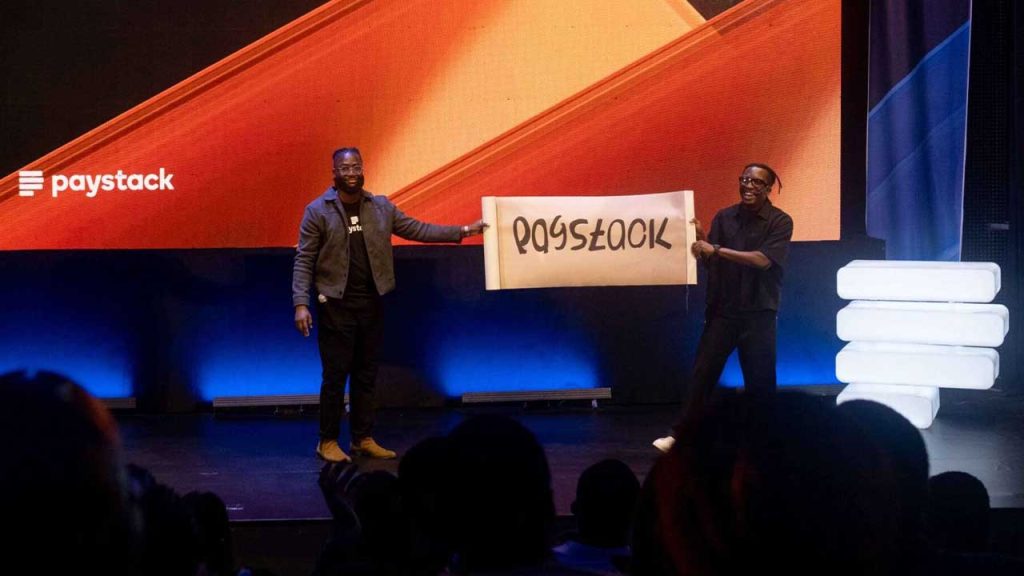
Paystack, the African payments company owned by Stripe, has sent a cease and desist notice to crypto startup Zap Africa after launching its new consumer product, Zap by Paystack.
This legal move comes in response to Zap Africa’s claims that Paystack failed to check whether “Zap” was already in use before branding their product.
The announcement of Paystack’s new offering stirred up a debate online, with Zap Africa accusing the payments giant of neglecting due diligence. But according to a source within Paystack, the company did its homework before moving forward with the name.
“We’re confident that we filed for trademark and that we filed in the right category,” the source told Condia. “We registered the [Zap] trademark across multiple classes, including financial services — a class where Zap Africa has no filing registration.”
Documents reviewed by Condia confirm that Paystack applied for a trademark on December 4, 2023, covering six different categories, including financial affairs, monetary services, insurance, and estate affairs. Meanwhile, a search of Nigeria’s Corporate Affairs Commission (CAC) registry shows that many businesses already use “Zap” in their names.
Zap Africa has also raised concerns that Paystack’s use of “Zap” is confusing its customers. However, the Paystack source dismissed this argument, pointing out that “Zap” is a common word used by multiple businesses in different industries.
“Zap” is a common term widely used in everyday language, making it difficult to associate exclusively with a single brand,” the source explained. “Over 40 companies listed on the CAC website include ‘Zap’ in their business names. Records from the Trademarks, Patents, and Designs Registry in Nigeria also show that the word ‘Zap’ has been in use for well over a decade. In fact, a trademark containing ‘Zap’ was filed as early as 2008 by an entirely different entity. So, the name is not exclusive to Zap Africa.”
It’s clear that this dispute is far from over, and how it unfolds could set a precedent for naming rights in Nigeria’s business landscape.
Imagine you need to send money urgently, but there’s no internet, no bank nearby, and you’re stuck in a long queue somewhere. That’s where USSD codes come in—they’re like magic shortcuts for your banking needs. With just a few taps on your phone, you can check your balance, transfer money, or even buy airtime. No need for fancy apps or an internet connection—just your phone and the right code!
In this guide, we’ll break down the USSD codes for four major Nigerian banks—Zenith Bank, Polaris Bank, First Bank, and Union Bank—so you can handle your banking anytime, anywhere. Let’s dive in!
Zenith Bank USSD Codes
Zenith Bank keeps things simple with its *966# banking service. Think of this as the key to unlocking all your transactions. Once registered, you can use these quick codes:
Service
USSD Code
Check Account Balance
*966*00#
Airtime Purchase (Self)
*966*Amount#
Airtime Purchase (Others)
*966*Amount*Mobile Number#
Transfer to Zenith Bank
*966*Amount*Account Number#
Transfer to Other Banks
*966*Amount*Account Number#
Open an Account
*966*0#
Update BVN
*966*BVN#
Pay Bills
*966*7*Amount*Customer ID#
Pay Zenith Billers
*966*6*Biller code*Amount#
Deactivate Your Account
*966*911#
Deactivate Mobile Banking Profile
*966*20*0#
Password and PIN reset
*966*60#
How It Works: Let’s say you want to send N5,000 to a friend with a Zenith Bank account. Just dial *966*5000*1234567890#, follow the prompts, and boom—your friend gets the money instantly!
Polaris Bank USSD Codes
Polaris Bank (formerly Skye Bank) operates its USSD banking via *833#. It’s fast, convenient, and works on any phone.
Service
USSD Code
Check Account Balance
*833*6#
Airtime Purchase (Self)
*833*Amount#
Airtime Purchase (Others)
*833*Amount*Phone Number#
Transfer to Polaris Bank
*833*Amount*Account Number#
Transfer to Other Banks
*833*3# (Follow Prompts)
Open an Account
*833*1#
Pay Bills
*833*2#
Example: Need to buy airtime for your sibling? Dial *833*200*08123456789# and they’ll receive N200 credit instantly. No need to visit a recharge vendor!
First Bank USSD Codes
First Bank, one of Nigeria’s oldest and most trusted banks, runs its mobile banking on *894#. Whether you’re sending money or checking your balance, these codes make it effortless.
Service
USSD Code
Check Account Balance
*894*00#
Airtime Purchase (Self)
*894*Amount#
Airtime Purchase (Others)
*894*Amount*Phone Number#
Transfer to First Bank
*894*Amount*Account Number#
Transfer to Other Banks
*894*Amount*Account Number#
Open an Account
*894*0#
Buy Data
*894*2#
Buy Data (Others)
*894*2*Phone Number#
Deactivate Mobile Number
*894*911#
Example: You’re at the market, and you suddenly realize you don’t have enough cash. Instead of running to the ATM, just dial *894*5000*0987654321# to send N5,000 to the vendor’s account and complete your purchase hassle-free.
Union Bank USSD Codes
Union Bank’s *826# service ensures that customers can bank on the go, whether it’s transferring money or checking balances.
Service
USSD Code
Check balance
*826*4#
Buy airtime for yourself
*826*Amount#
Buy airtime for others
*826*Amount*3rd party mobile No#
Transfer money to Union Bank
*826*1*Amount*Account No#
Transfer money to other banks
*826*2*Amount*Account no#
Cardless withdrawal
*826*7*amount#
Locate a branch/Union Direct Agent
*826*19#
Request a debit card
*826*21#
Request a loan
*826*41#
Data purchase
*826*9#
Pay merchants (mCash)
*826*22*merchantcode*amount#
Data capture after enrolment
*826*3*account no#
Card management (block and unblock card)
*826*21#
Limit increase
*826*8#
Block your account from your phone number
*826*6#
Block your account from other phone numbers
*826*6*mobile number#
Example: Your friend who uses Union Bank needs urgent cash,say N10,000, and you only have your phone. Dial *826*1*10000*1234567890#, confirm the transfer, and they get the money in seconds.
Why USSD Banking is a Game-Changer
If you’ve ever been stuck in a situation where internet banking wasn’t an option, you’ll understand why USSD banking is a lifesaver. Here’s why it’s so popular:
Works on Any Phone: Whether you have a smartphone or an old-school Nokia, USSD banking gets the job done.
No Internet Needed: You can send money, buy airtime, or check your balance without a data connection.
Fast and Secure: Transactions happen in seconds, and you always confirm with your PIN, keeping your money safe.
Available 24/7: No bank closing hours, no downtime—just quick and easy banking whenever you need it.
Banking doesn’t have to be complicated. With these USSD codes, managing your money is as easy as sending a text message. Whether you bank with Zenith, Polaris, First Bank, or Union Bank, you now have the power to check balances, send money, and buy airtime at your fingertips.
So the next time you’re caught without cash or an internet connection, just punch in the right code and handle your banking with ease! If you didn’t find your bank in this list, we previously covered the USSD codes for Nigerian banks like GT Bank, UBA and FCMB here.
Imagine you’re in a rush, your internet is down, and you need to send money, check your balance, or pay a bill. What do you do? Instead of stressing over mobile banking apps or long queues at the bank, you can use USSD codes—quick, simple, and available on any mobile phone, even without internet access. These codes make financial management effortless, allowing you to handle transactions securely and efficiently on the go.
USSD (Unstructured Supplementary Service Data) codes are short, dialable codes that let you perform banking tasks instantly. In this guide, we’ll walk through the USSD codes for four major Nigerian banks: FCMB, GTB, UBA, and Fidelity Bank—and break them down in a way that’s easy to understand and use.
GTB (Guaranty Trust Bank) USSD Codes – *737#
GT Bank’s USSD banking service revolves around *737#, making banking effortless. Here’s what you can do:
Action
USSD Code
Check account balance
*737*6*1#
Transfer money (GTB to GTB)
*737*1*Amount*Recipient’s Account Number#
Transfer money (GTB to other banks)
*737*2*Amount*Recipient’s Account Number#
Buy airtime for yourself
*737*Amount#
Buy airtime for others
*737*Amount*Recipient’s Number#
Pay bills
*737*50*Amount*Unique Reference Number#
Open a new account
*737*0#
Block your account (in case of fraud)
*737*51*74#
How it Works:
Say you want to send ₦5,000 to a friend’s GTB account. Just dial:
*737*1*5000*1234567890#
Follow the prompt, enter your PIN, and boom—it’s done!
FCMB (First City Monument Bank) USSD Codes – *329#
FCMB’s mobile banking is all about simplicity. Here’s what you can do with their *329# USSD service:
Action
USSD Code
Check account balance
*329*0#
Transfer money
*329*Amount*Recipient’s Account Number#
Buy airtime for yourself
*329*Amount#
Buy airtime for others
*329*Amount*Recipient’s Number#
Pay bills
*329*Amount*Merchant Code#
Buy Data
*329*1*Mobile Number#
Reset PIN
*329*0#
Check Account Balance
*329*00#
Example:
If you need to recharge ₦1,000 for your younger sibling, dial:
*329*1000*08123456789#
No need to run to a recharge vendor—it’s done instantly!
UBA (United Bank for Africa) USSD Codes – *919#
UBA’s USSD banking *919# ensures you’re always in control. Here’s how it works:
Action
USSD Code
Check account balance
*919*00#
Transfer money (UBA to UBA)
*919*3*Account Number*Amount#
Transfer money (UBA to other banks)
*919*4*Account Number*Amount#
Buy airtime for yourself
*919*Amount#
Buy airtime for others
*919*Phone Number*Amount#
Pay bills
*919*5# (Follow prompts)
Open an account
*919*20#
Flight Payment
*919*12#
Example:
Need to send ₦10,000 to a friend using another bank? Dial:
*919*4*1234567890*10000#
Confirm with your PIN, and your friend gets the money immediately!
Fidelity Bank USSD Codes – *770#
Fidelity Bank’s USSD *770# ensures you’re always a few taps away from your money.
Action
USSD Code
Check account balance
*770*0#
Transfer money
*770*Recipient’s Account Number*Amount#
Buy airtime for yourself
*770*Amount#
Buy airtime for others
*770*Recipient’s Number*Amount#
Pay bills
*770*Merchant Code*Amount#
Open an account
*770*01#
BVN
*770*7#
Update BVN Details
*770*7*1#
Example:
If you want to check your account balance, just dial:
*770*0#
You’ll receive an SMS with your current balance in seconds.
Why Use USSD Banking?
Still wondering why USSD codes matter? Here’s why they’re a game-changer:
No internet required – Works on any mobile phone, anywhere.
Super fast – No need to open apps or visit a bank.
Always available – 24/7 access, even at midnight.
Safe & secure – Requires your PIN to confirm transactions.
Banking doesn’t have to be stressful. With these USSD codes, you can send money, check balances, and pay bills in seconds—whether you’re at home, at work, or on the move. So, the next time you need to handle banking on the fly, just dial the right code and get it done instantly!
Treasury bills (T-bills) are one of the safest and easiest ways to grow your money in Ghana. If you’ve ever wondered how to invest in them without visiting a bank, you’re in luck. Thanks to MTN Mobile Money (MoMo), you can now buy Treasury bills from your phone in just a few minutes. Let’s break it down step by step so you can start investing with confidence.
What Are Treasury Bills, and Why Should You Care?
Think of Treasury bills like a savings plan where you lend money to the government for a short period, and they pay you back with some extra cash (interest). It’s like giving a friend money today and getting back a little more after a few months. The best part? Since the government guarantees T-bills, they are one of the safest investments out there.
Key Benefits of Treasury Bills
Benefit
Explanation
Safe Investment
Backed by the Ghanaian government, making them low risk.
Flexible Periods
Choose between 91-day, 182-day, or 364-day durations.
Want to see how your investment is doing? Here’s how:
Dial *170#.
Select Financial Services.
Choose Pensions and Investments.
Select Buy Treasury Bills.
Choose More Options.
Select View Bills.
You will see all your active T-bills and their details.
Step 4: Cash Out When Your Treasury Bill Matures
When your Treasury bill matures, your money (plus interest) is automatically sent to your MoMo wallet. No need to do anything! You’ll get a notification once the funds are deposited.
Can You Withdraw Before Maturity?
Yes! If you ever need your money before the Treasury bill matures, you can rediscount it. However, keep in mind:
You cannot withdraw within the last week before maturity.
You might receive a lower payout if you withdraw early.
Important Treasury Bill Terms You Should Know
Term
Meaning
Face Value
The amount you’ll receive at the end of the term.
Discount Rate
The percentage at which the T-bill is sold at a discount.
Interest Rate
The return you earn on your investment.
Maturity
The length of time before you get your money back.
Frequently Asked Questions (FAQs)
What is the minimum amount I can invest?
You can start with as little as GH₵5.
How do I know when my Treasury bill matures?
You will receive an SMS notification when your investment matures.
What happens when my Treasury bill matures?
Your principal + interest will be automatically deposited into your MTN MoMo wallet.
Buying Treasury bills with MTN Mobile Money is one of the easiest and safest ways to grow your money in Ghana. Whether you’re saving for something big or just want to invest smartly, T-bills are a great choice. Now that you know how it works, why not give it a try? Your future self will thank you!
Sending money to Nigeria should be simple, safe, and fast. Whether you’re supporting family, paying for services, or handling business transactions, choosing the right platform matters. But with so many options, how do you know which one to pick? No worries—I’ve got you covered. Let’s break it down in a way that makes sense, just like explaining a game plan to a friend.
Key Features of a Reliable Money Transfer Platform
Before diving into the list, here’s what we should look for in a good money transfer service:
Security – Your money should be safe from fraud and scams.
Speed – Some transfers are instant, while others take days.
Fees – Look for low or no fees.
Exchange Rates – Some services give better rates than others.
Ease of Use – It should be simple to send money without headaches.
Payment Methods – Options should include bank transfers, mobile wallets, and cash pickups.
Now, let’s explore 12 trusted platforms that make sending money to Nigeria easy and reliable.
1. Western Union
Why it’s great:
Western Union has a large global network with thousands of locations.
Supports bank deposits, cash pickup, and mobile money.
Flexible payment options, including credit/debit cards and bank transfers.
Best for: Sending money to someone who prefers picking up cash in person.
2. MoneyGram
Why it’s great:
Fast and available worldwide.
Supports cash pickup, mobile money, and bank deposits.
Available in many retail locations, making it easy to send money.
Best for: Those who prefer in-person transactions or need fast cash pickups.
3. Remitly
Why it’s great:
Express (instant) and Economy (cheaper but slower) options.
Supports mobile money, bank deposits, and cash pickup.
Offers promotional exchange rates for first-time users.
Best for: First-time senders looking for a good deal and reliable delivery options.
4. WorldRemit
Why it’s great:
Supports bank deposits, mobile money, and cash pickups.
Fast delivery, often within minutes.
Reasonable fees with competitive exchange rates.
Best for: Sending money in multiple ways, especially for cash pickups and mobile wallets.
5. Sendwave
Why it’s great:
No fees for transfers.
Fast transfers, often within minutes.
Sendwave works with mobile money services like Opay and PalmPay.
Easy to use with a mobile app.
Best for: People who want quick, fee-free transfers straight to a mobile wallet.
Works well for Nigerians in the diaspora sending money home.
Best for: People looking for fee-free international transfers with multi-currency support.
9. Paysend
Why it’s great:
Flat transfer fee of about $2.
Direct transfers to bank accounts and mobile wallets.
Fast transactions, often within minutes.
Best for: Those who want low-cost international transfers with simple pricing.
10. Skrill
Why it’s great:
Allows sending money using a digital wallet.
Low-cost transactions compared to traditional banks.
Works well for online purchases and payments as well.
Best for: Digital-savvy users who want a multi-purpose wallet for sending money and online transactions.
11. TransferGo
Why it’s great:
Fast transfers, sometimes as quick as 30 minutes.
Competitive exchange rates.
Supports bank deposits.
Best for: Those who need quick transfers to a bank account with good exchange rates.
12. Remitbee
Why it’s great:
No fees for bank transfers over $500.
Good exchange rates compared to banks.
Remitbee works well for Canadians sending money abroad.
Best for: People in Canada who want affordable and reliable transfers.
Comparing the Best Options
Here’s a quick comparison to help you choose the right service:
Platform
Fees
Speed
Payment Methods
Best For
Western Union
Varies
Fast
Bank, mobile, cash
Cash pickups worldwide
MoneyGram
Varies
Fast
Bank, mobile, cash
In-person and urgent transfers
Remitly
Low
Varies
Bank, mobile, cash
First-time users & flexible options
WorldRemit
Low
Fast
Bank, mobile, cash
Multiple transfer options
Sendwave
No
Fast
Mobile money
Instant, fee-free transfers
Taptap Send
No
Fast
Mobile money
Fee-free mobile money transfers
ACE Money Transfer
Low
Fast
Bank, mobile, cash
Competitive exchange rates
LemFi
No
Fast
Multi-currency
No-fee transfers
Paysend
$2
Fast
Bank, mobile
Low-cost transfers
Skrill
Low
Fast
Digital wallet
Online payments & money transfers
TransferGo
Low
Fast
Bank deposits
Quick bank transfers
Remitbee
No (over $500)
Fast
Bank deposits
Canadians sending money
Your choice of money transfer platform depends on what matters most—speed, cost, or payout methods. For no-fee mobile transfers, Sendwave and Taptap Send are excellent options. If you prioritize favorable exchange rates, TransferGo or ACE Money Transfer might be the best fit. And for those who need cash pickup, Western Union or MoneyGram could be the right solution. No matter which you choose, all these platforms are secure and trustworthy for sending money to Nigeria.
Sending money to South Africa should be easy, secure, and fast. Whether you’re supporting family, paying for services, or handling business transactions, picking the right platform is essential. With so many options, how do you choose the best one? Don’t worry—I’ve got you covered. Let’s break it down in a way that makes sense, like explaining a game plan to a friend.
How to Identify a Good Money Transfer Platform
Before we jump into the list, here’s what to look for in a reliable money transfer service:
Security – Your money should be protected from fraud and scams.
Speed – Some transfers happen instantly, while others take a few days.
Fees – Look for low or no fees to save on costs.
Exchange Rates – Some platforms offer better rates than others.
Ease of Use – The platform should be simple to navigate.
Payment Methods – Options should include bank transfers, mobile wallets, and cash pickups.
Now, let’s explore 12 trusted platforms that make sending money to South Africa seamless and secure.
1. Western Union
Why it’s great:
Large global network with thousands of locations.
Western Union supports bank deposits, cash pickup, and mobile money.
Multiple payment options, including credit/debit cards and bank transfers.
Best for: Sending money to someone who prefers picking up cash in person.
Fast and direct deposits to mobile money accounts.
Easy-to-use mobile app for seamless transfers.
Best for: Mobile money users who want quick and free transfers.
11. LemFi
Why it’s great:
Zero transaction fees.
Supports multiple currencies for international transfers.
LemFi works well for South Africans living abroad who send money home frequently.
Best for: People who want fee-free international transfers with multi-currency support.
12. Remitbee
Why it’s great:
No fees for bank transfers over $500.
Strong exchange rates compared to banks.
Remitbee is ideal for Canadians sending money abroad.
Best for: Those in Canada who need a reliable and affordable way to send money to South Africa.
Comparing the Best Options
Here’s a quick comparison to help you pick the right service:
Platform
Fees
Speed
Payment Methods
Best For
Western Union
Varies
Fast
Bank, mobile, cash
Cash pickups worldwide
MoneyGram
Varies
Fast
Bank, mobile, cash
In-person and urgent transfers
WorldRemit
Low
Fast
Bank, mobile, cash
Multiple transfer options
Remitly
Low
Varies
Bank, mobile, cash
First-time users & flexible options
Paysend
$2
Fast
Bank, mobile
Low-cost transfers
Skrill
Low
Fast
Digital wallet
Online payments & money transfers
TransferGo
Low
Fast
Bank deposits
Quick bank transfers
ACE Money Transfer
Low
Fast
Bank, mobile, cash
Competitive exchange rates
Sendwave
No
Fast
Mobile money
Instant, fee-free transfers
Taptap Send
No
Fast
Mobile money
Fee-free mobile money transfers
LemFi
No
Fast
Multi-currency
No-fee transfers
Remitbee
No (over $500)
Fast
Bank deposits
Canadians sending money
The best money transfer platform for you depends on what matters most—speed, cost, or payout methods. For fee-free mobile transfers, Sendwave and Taptap Send are solid options. If you’re after competitive exchange rates, consider TransferGo or ACE Money Transfer. Need cash pickup? Western Union or MoneyGram may be the best fit.
Whichever platform you choose, you can be confident that all of these are safe and reliable options for sending money to South Africa.
Sending money to Ghana should be simple, safe, and fast. Whether you’re supporting family, paying for services, or handling business transactions, choosing the right platform matters. But with so many options, how do you know which one to pick? No worries—I’ve got you covered. Let’s break it down in a way that makes sense, just like explaining a game plan to a friend.
What Makes a Good Money Transfer Platform?
Before diving into the list, here’s what we should look for in a good money transfer service:
Security – Your money should be safe from fraud and scams.
Speed – Some transfers are instant, while others take days.
Fees – Look for low or no fees.
Exchange Rates – Some services give better rates than others.
Ease of Use – It should be simple to send money without headaches.
Payment Methods – Options should include bank transfers, mobile wallets, and cash pickups.
Now, let’s explore 12 secure platforms that make sending money to Ghana easy and reliable.
1. Sendwave
Why it’s great:
No fees for transfers.
Fast transfers, often within minutes.
Sendwave works with mobile money services like MTN and Vodafone Cash.
Easy to use with a mobile app.
Best for: People who want quick, fee-free transfers straight to a mobile wallet.
Choosing the right platform depends on what matters most to you—whether it’s speed, fees, or payout options. If you want no-fee mobile transfers, Sendwave or Taptap Send are great choices. Need a good exchange rate? TransferGo or ACE Money Transfer could be your best bet. And if cash pickup is important, Western Union or MoneyGram might work better.
No matter which one you choose, rest easy knowing these are all secure and trusted ways to send money to Ghana.
Online banking is changing the way Nigerians save, spend, and manage their money. Whether you’re looking for a bank with free transfers, instant loans, or high savings interest rates, there’s an option for you. This guide breaks down the best online banks in Nigeria, making it easy to choose the one that fits your needs.
What Makes a Great Online Bank?
Before we dive into the list, here are key things to look out for when choosing an online bank:
Security: The bank should have strong security features like two-factor authentication (2FA) and encryption to keep your money safe.
Ease of Use: A simple and user-friendly mobile app is a must.
Low or No Fees: Many online banks offer free transfers and zero maintenance fees.
Savings & Loans: Some banks offer high-interest savings and quick loans.
Reliable Customer Support: You need a bank that responds fast when you have issues.
Now, let’s explore the best online banks in Nigeria.
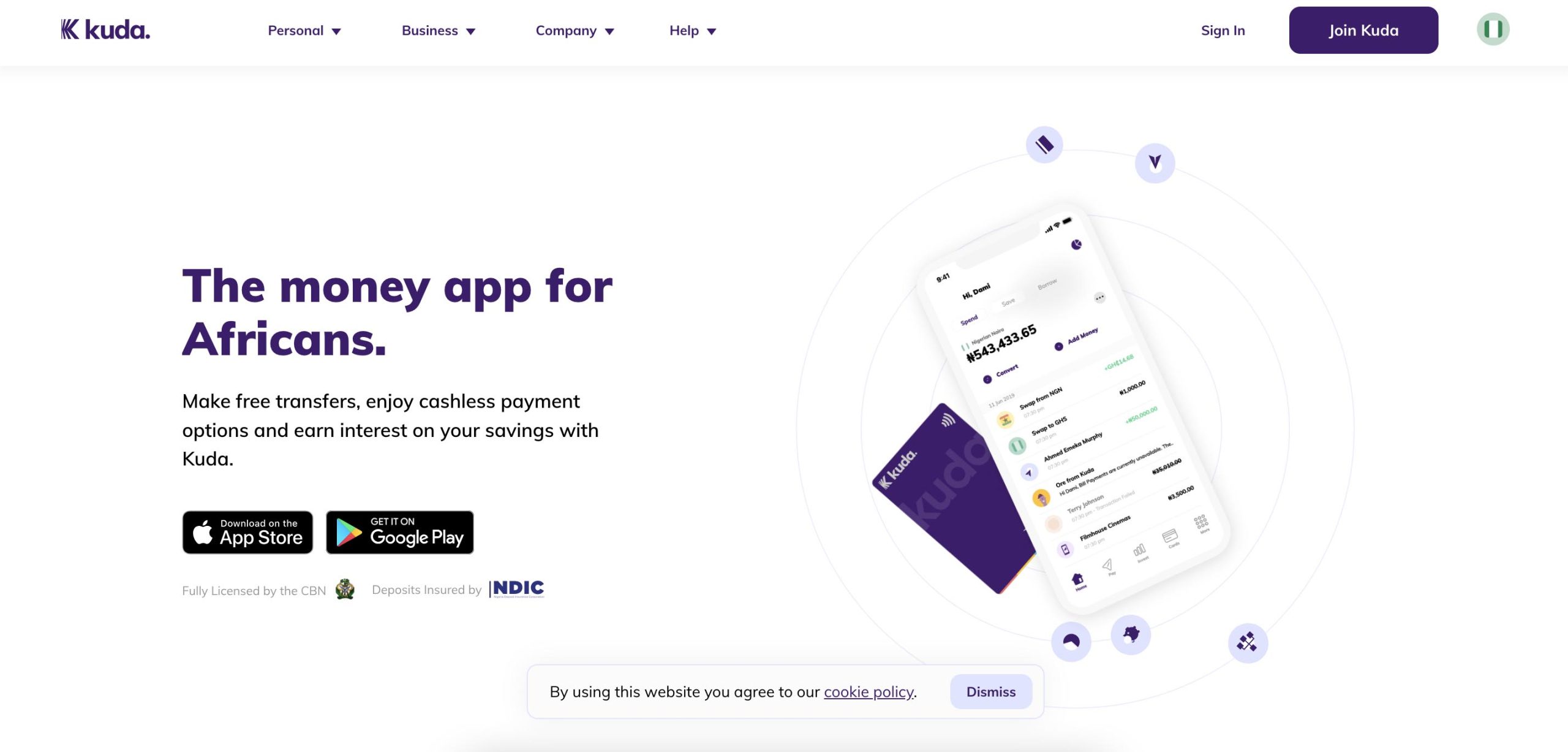
1. Kuda
Kuda is one of the most popular online banks in Nigeria, offering a smooth, fee-free banking experience.
Key Features:
Free monthly transfers (up to 25)
Automated savings with competitive interest rates
Instant loans with no collateral
Investment options through Bamboo integration
Best For: People who want a free, easy-to-use digital bank with savings and loan features.
2. PalmPay
PalmPay is a digital wallet that makes everyday transactions easy and rewarding.
Key Features:
Cashback and discounts on transactions
Quick and simple registration
Free and low-cost transfers
Best For: Anyone looking for a simple digital wallet with rewards.
3. Sparkle
Sparkle is a modern digital bank offering personal and business banking.
Key Features:
Smart spending insights and analytics
Business banking features for entrepreneurs
Virtual and physical debit cards
Best For: Freelancers and small business owners who need banking and financial insights.
4. FairMoney
FairMoney started as a loan app but has expanded into a full online bank.
Key Features:
Quick, collateral-free loans
Bill payments and mobile top-ups
Free bank transfers
Best For: Anyone who frequently needs instant loans.
5. ALAT by Wema
ALAT is a pioneer in Nigeria’s online banking space, offering a full range of services.
Best For: Business owners and people who need a reliable payment system.
13. VFD Bank
VFD Bank is a flexible online bank with great savings and budgeting features.
Key Features:
Up to 10% interest on savings
Free transfers
Joint and kids’ accounts
Best For: Savers and professionals who need a high-interest digital bank.
Choosing the Right Online Bank
Here’s a quick comparison to help you pick the best online bank for your needs:
Bank
Best For
Free Transfers
Instant Loans
High-Interest Savings
Kuda Bank
Personal Banking
✅
✅
✅
PalmPay
Cashback Rewards
✅
❌
❌
Sparkle
Business & Personal Insights
✅
❌
✅
FairMoney
Instant Loans
✅
✅
❌
ALAT
International Payments
✅
✅
✅
PocketApp
Social Savings
✅
❌
✅
Sofri
Simple Banking
✅
❌
✅
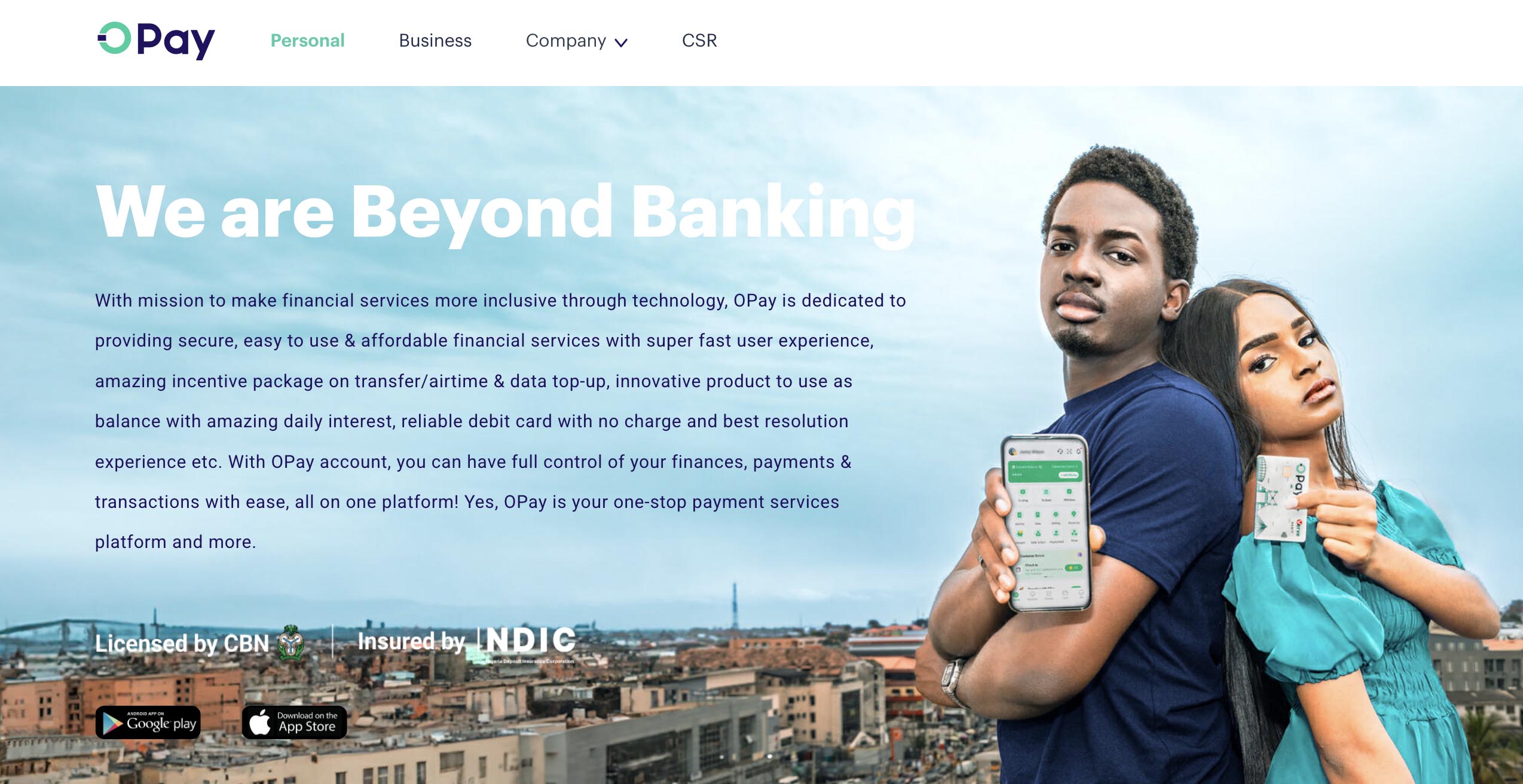
OPay
Multifunctional Use
✅
❌
❌
Carbon
Loans & Savings
✅
✅
✅
Paga
USSD Banking
✅
❌
❌
Eyowo
Easy Access
✅
❌
❌
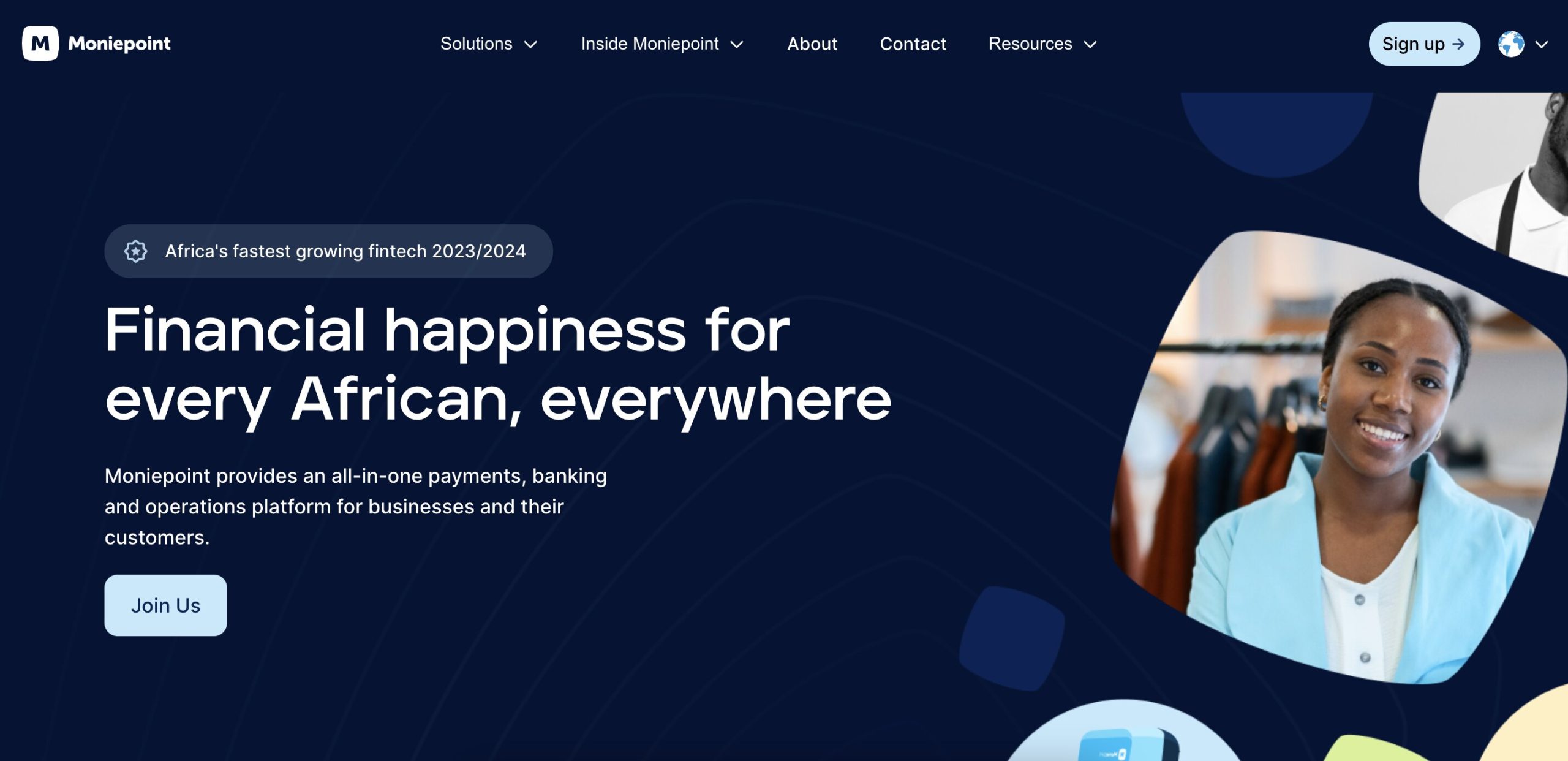
Moniepoint
Business Banking
✅
❌
❌
VFD Bank
High Interest Savings
✅
❌
✅
Online banking in Nigeria is growing fast, and these digital banks are leading the way. Whether you need free transfers, easy loans, or high-interest savings, there’s an online bank for you. Before choosing, consider what features matter most to you and pick the one that fits your lifestyle best.
FAQs:
1. Which online bank is the most reliable in Nigeria?
Reliability depends on what you need. Kuda, OPay, and PalmPay are among the most reliable online banks due to their ease of use, fast transactions, and good customer service. Moniepoint is also highly reliable, especially for businesses.
2. Can a 13-year-old have a bank account in Nigeria?
Yes, but only with a parent or guardian. Most banks, including online ones, require minors to open an account under parental supervision. Some banks offer special accounts for kids and teens, but full banking services are usually available from age 16 or 18.
3. What is the most trusted online bank?
Kuda, ALAT by Wema, and FairMoney are among the most trusted online banks. Kuda is known for zero maintenance fees, ALAT is backed by Wema Bank, and FairMoney is popular for quick loans.
4. Which is the most trusted bank in Nigeria?
For traditional banks, Zenith Bank, GTBank, and First Bank are considered the most trusted. Among digital banks, Kuda and Moniepoint are highly rated for security and reliability.
5. Does Kuda allow under 18?
No, Kuda requires users to be at least 18 years old to open an account.
6. At what age can I open an OPay account?
OPay allows users from 18 years and above to open an account.
7. Does Kuda need NIN?
Yes, Kuda requires a National Identification Number (NIN) or another valid ID for account verification.
8. What is the banking app for 15-year-olds in Nigeria?
Most online banks in Nigeria require users to be at least 18. However, some traditional banks like GTBank and Access Bank offer teen accounts that can be managed with a parent or guardian.
Investing is one of the smartest ways to grow your money, but with so many platforms available, it can be overwhelming to decide where to start. Whether you’re looking for stocks, mutual funds, real estate, or even cryptocurrency, there’s an investment platform in Nigeria for you. Let’s break it down in a simple, easy-to-follow way.
1. Bamboo
Bamboo allows Nigerians to invest in U.S. and Nigerian stocks right from their phones. You can buy shares in companies like Apple, Tesla, and Amazon with as little as $10. Bamboo also offers a “US Wallet” feature that lets you hold your funds in dollars, protecting them from naira depreciation.
Key Features:
Invest in Nigerian and U.S. stocks
Fractional shares available (own a piece of a stock)
SEC-regulated for security
Real-time market data
2. Chaka
Chaka provides access to over 4,000 stocks across Nigeria and international markets. If you want to diversify your investments, Chaka is a great choice. It allows you to open dollar and naira accounts, making it flexible for different currencies.
Key Features:
Invest in Nigerian, U.S., and global stocks
SEC-licensed for safety
Knowledge Base for beginners
3. Risevest
Risevest is a great option if you want professionals to manage your investments. They offer portfolios in U.S. stocks, real estate, and fixed-income assets. This is perfect for people who prefer a hands-off approach.
Key Features:
Professional portfolio management
Invest in U.S. stocks, real estate, and bonds
No Nigerian stock options
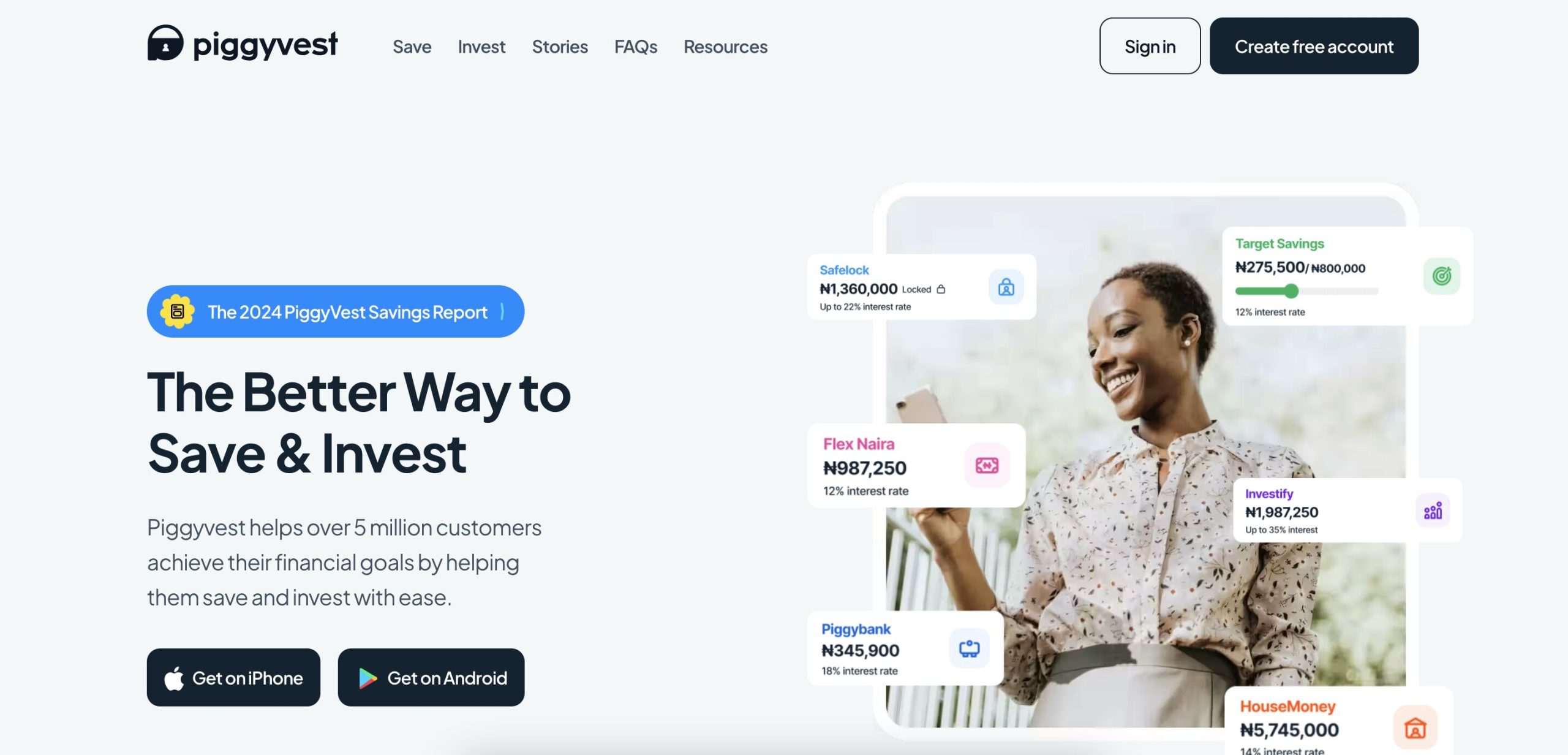
4. PiggyVest
PiggyVest, co-founded by Odunayo Eweniyi, one of Nigeria’s top tech women, started as a savings platform but has expanded to offer investment options. It allows users to invest in real estate, government bonds, and other assets with as little as ₦5,000.
Trove offers a mix of traditional and digital investments. With Trove, you can invest in Nigerian and global stocks, ETFs, bonds, and even cryptocurrencies.
Key Features:
Over 10,000 investment options
Start with as little as ₦1,000 or $10
Includes cryptocurrency investments
6. Cowrywise
Cowrywise is designed for those who want to automate their savings and investments. It focuses on mutual funds and does not offer stocks, making it great for long-term wealth building.
Key Features:
Invest in low, medium, and high-risk mutual funds
Automated savings feature
Investment circles for group investing
7. Quidax
If you’re interested in Bitcoin, Ethereum, and other digital currencies, Quidax is a great option. It offers a simple way to buy, sell, and store crypto assets.
Key Features:
Easy-to-use crypto trading platform
Secure wallet for storing digital assets
Approved by the Nigerian SEC
8. I-Invest
I-Invest is best for those looking for safe, low-risk investments like Treasury bills, Eurobonds, and mutual funds.
GetEquity allows you to invest in startups and high-growth companies in Africa. This is a high-risk, high-reward investment option.
Key Features:
Invest in early-stage African startups
Venture capital and equity funding
High potential returns
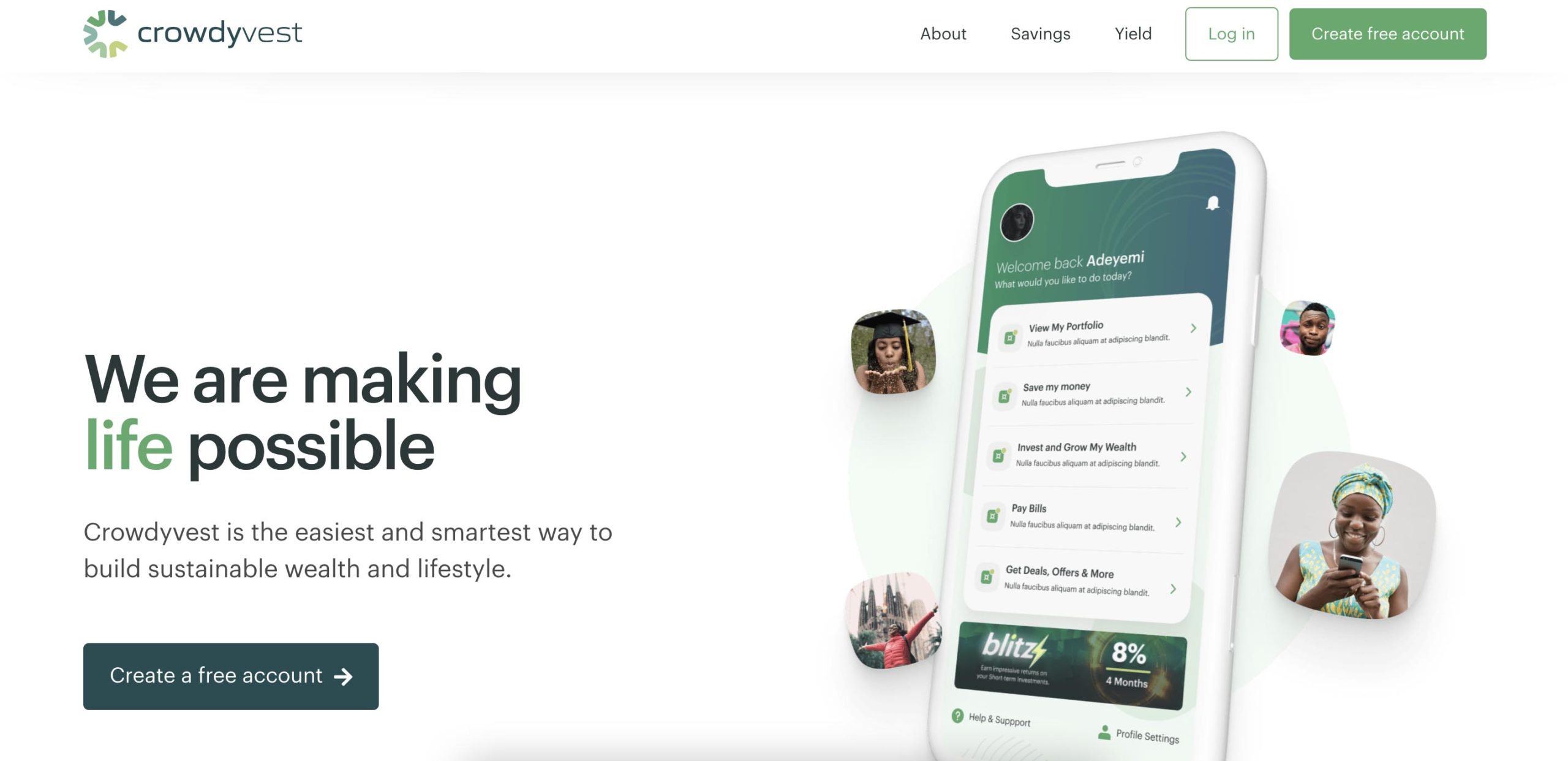
10. Crowdyvest
Crowdyvest focuses on funding impactful projects in sectors like agriculture, real estate, and transportation. This is perfect for those who want their investments to drive social change.
Key Features:
Invest in agriculture, real estate, and transport projects
When choosing an investment platform, consider the following:
Your Goals: Do you want short-term or long-term returns? Stocks and real estate are great for long-term growth, while Treasury bills offer stability.
Risk Tolerance: Are you comfortable with high-risk investments like crypto and startups, or do you prefer safe options like bonds?
Platform Fees: Some platforms charge transaction fees, while others take a percentage of your profits.
Ease of Use: Beginners may prefer user-friendly platforms like PiggyVest or Cowrywise.
FAQs
What is the best investment platform in Nigeria?
It depends on your goals. Bamboo and Chaka are great for stocks, while PiggyVest and Cowrywise are best for beginners. If you want cryptocurrency, Quidax is a strong option.
Can I invest in U.S. stocks from Nigeria?
Yes! Platforms like Bamboo, Chaka, and Trove allow Nigerians to invest in U.S. stocks.
Are these investment platforms safe?
Yes, most are regulated by the Securities and Exchange Commission (SEC). However, always do your research before investing.
What’s the minimum amount needed to start investing?
You can start with as little as ₦1,000 on Trove, while others require ₦5,000 or more.
There’s no one-size-fits-all investment platform. The best one for you depends on your financial goals, risk appetite, and investment interests. Whether you’re looking for stocks, bonds, real estate, or crypto, Nigeria has an investment platform for you. Start small, stay consistent, and watch your money grow!
In today’s digital world, having access to a virtual dollar card has become essential for Nigerians who want to shop online, subscribe to international services, or run a global business. These cards solve a major problem: how to spend money internationally without the hassle and high fees of traditional banking.
What Are Virtual Dollar Cards?
Think of a virtual dollar card as a digital version of a physical credit or debit card. It works exactly the same way – you can use it to make purchases online – but it exists only in digital form. You get all the card details (card number, expiry date, and CVV) without having a piece of plastic in your wallet.
These cards are funded with dollars, which means you can pay for services that only accept USD without worrying about currency conversion issues. For Nigerians dealing with services like Netflix, Spotify, Amazon, or platforms that require dollar payments, these cards are a game-changer.
Why Nigerians Need Virtual Dollar Cards
If you’ve ever tried to use a Nigerian naira card for international purchases, you might have encountered frustrating declines or restrictions. Virtual dollar cards solve several problems:
Global Acceptance: They work on platforms that might reject Nigerian cards
Forex Simplicity: You avoid complicated currency conversion processes
Lower Fees: Many virtual card providers offer better rates than traditional banks
Security: You can create and delete cards as needed, reducing fraud risk
Subscription Management: Perfect for managing recurring payments to international services
Top Virtual Dollar Cards in Nigeria Now
Let’s dive into the best options available for Nigerians right now. I’ve researched the top providers and compiled their key features to help you find your perfect match.
Top Selection at a Glance
Provider
Creation Fee
Monthly Fee
Min Funding
Monthly Limit
Special Features
Cardtonic
$1.5
none
Not specified
Not specified
Best exchange rates, widely accepted
Vesti
$10
none
$10
$10,000
100+ platform acceptance
GeePay
$3
none
$2
Not specified
Multiple currencies (USD, GBP, EUR)
Grey
$4 ($1 rebate)
none
$2
$2,500/transaction
Multi-currency support
Chipper Cash
$3
$1
Not specified
Not specified
3D-secure protection
Cardify Africa
$2
none
Not specified
Not specified
Multiple funding options
PSTNET
$7-$10
none
Not specified
Not specified
Specialized for ads platforms
Zole
$2
none
Not specified
Not specified
0.5% transaction fee, 3-year validity
Klasha
$2
none
Not specified
Not specified
Spending analytics
Bitsika
$3
none
Not specified
Not specified
Crypto & Naira funding
Dantown
$2
none
Not specified
Not specified
Crypto & Naira funding
Changera
Varies
none
$0
$10,000
Multi-currency support
ALAT by Wema
none
none
Not specified
Not specified
Bank-backed security
Spectrocard
$3
none
Not specified
Not specified
Detailed transaction reports
Tribapay
Varies
none
Not specified
Not specified
Multiple cards, PayPal linking
Fundall
Free (1st card), $2 (others)
none
$5
Not specified
Multiple card creation
Bitnob
$1
$1 (if < $100)
Variable
$10,000
Customizable cards
Eyowo
$2
none
Not specified
Not specified
Spending tracking
Eversend
none
$1
$1
Not specified
Multi-country support
Gomoney
Free (1st card), ₦850 (others)
none
Not specified
$100
Free first card
Nearpays
$2
none
Not specified
Not specified
Spending limits feature
PayDay
$2
none
$2
Not specified
Integrated with financial tools
Kuda
Free
none
$1
$1,000
No maintenance fees
Note: Information is accurate as of this article’s publication. Some details may change, so always check the provider’s website for the most current information.
Cardtonic offers one of the most affordable virtual dollar cards in Nigeria with wide acceptance across major platforms. The card can be funded in Naira at competitive exchange rates, making it ideal for international payments. No recurring fees make it a cost-effective option for regular users.
Why Cardtonic stands out:
Global acceptance on major platforms including Amazon, Netflix, Spotify, ChatGPT, and more
Simple setup process: just download the app, complete KYC, and fund your wallet
Perfect combination of affordability, ease of use, and reliability
The absence of maintenance fees means you’re not paying for the card when you’re not using it
For beginners just getting started with virtual dollar cards, Cardtonic offers an ideal entry point with its user-friendly approach and comprehensive platform support.
2. Vesti
If you’re looking to make larger international payments, Vesti deserves your attention. With a monthly spending limit of $10,000, it’s built for users who need to move significant amounts.
Minimum Funding: $10 Monthly Limit: $10,000 Standout Feature: Accepted on over 100 platforms
Vesti’s virtual dollar card offers a straightforward experience with strong security features. The app lets users easily manage transactions, view balances, and delete compromised cards when necessary. It’s particularly good for users who want reliability without complexity.
What makes Vesti special:
User-friendly app interface for easy transaction management
Secure payment processing with reliable customer support
High monthly spending limit ideal for business transactions
Comprehensive platform support for various international services
Vesti is particularly suitable for business owners and professionals who need higher transaction limits and robust security features.
3. GeePay (by Raenest)
GeePay takes flexibility to another level by offering virtual cards in multiple currencies (USD, GBP, and EUR). This makes it perfect for freelancers and business owners who work with clients from different regions.
Perfect for freelancers and business owners, GeePay’s card works seamlessly with platforms like PayPal and Payoneer. The multi-currency support makes it versatile for various international transactions. It also supports withdrawals to local banks and mobile money accounts in over 100 countries.
GeePay’s standout features:
No monthly maintenance charges
Works seamlessly with PayPal and Payoneer
Supports withdrawals to local banks in over 100 countries
Ideal for freelancers working with international clients
If you’re a freelancer receiving payments from clients abroad, GeePay offers the currency flexibility that can save you money on conversion fees.
4. Grey
Grey offers an interesting proposition: a $4 creation fee but gives you $1 back into your account. This effectively makes the creation cost just $3, along with zero maintenance fees.
Creation Fee: $4 (with $1 cashback) Funding Range: $2 – $2,500 per transaction Standout Feature: Zero maintenance fees with competitive exchange rates
Grey offers flexible funding options with support for multiple currencies including NGN, USD, and GBP. The absence of maintenance fees makes it economical for long-term use. Its simplicity and reliability make it a top choice.
Grey’s advantages:
Multi-currency support (NGN, USD, GBP)
Competitive exchange rates
Seamless user experience with intuitive app design
Effective $3 creation fee after cashback
Grey is ideal for regular online shoppers who want a straightforward, no-hidden-fees experience for their international purchases.
5. Chipper Cash
Security-conscious users will appreciate Chipper Cash‘s 3D-secured virtual dollar card. While it does come with a $1 monthly maintenance fee (one of the few on this list that charges monthly), the enhanced security features make it worthwhile for many.
Chipper Cash provides enhanced security with 3D protection, making it a safe option for international payments. The strong acceptance on popular platforms like Spotify, Netflix, and Apple services makes it worth considering. The app offers a user-friendly interface for managing your card.
Why consider Chipper Cash:
Strong security features with 3D authentication
Wide acceptance on popular platforms
User-friendly mobile app for card management
Reliable customer support
If security is your primary concern when making online payments, the small monthly fee might be a worthwhile trade-off for Chipper Cash’s enhanced protection.
Cardify Africa‘s virtual dollar card offers flexibility and ease of use. The zero maintenance fee policy keeps costs down for regular users, and the multiple funding options make it accessible regardless of how you prefer to manage your money.
The card works well on platforms like AliExpress, eBay, and Amazon, giving you access to a world of online shopping without the typical restrictions Nigerian cards face.
7. PSTNET
Monthly Fee: $7-$10 Standout Feature: Specialized cards for advertising and e-commerce
PSTNET‘s cards are specifically designed for users who need to run digital advertising campaigns or make specialized online purchases. Though the fees are higher than some competitors, the specialized nature of these cards makes them invaluable for businesses running campaigns on platforms like Facebook Ads, TikTok, and Google.
You can fund the card with cryptocurrency, and the app offers tools to track spending and download transaction histories. If you’re running digital marketing campaigns, the specialized features justify the higher cost.
8. Zole
Creation Fee: $2 Validity: 3 years Standout Feature: Long validity period with no maintenance fees
Zole offers excellent value with a three-year validity period and no recurring maintenance costs. The 0.5% transaction charge is transparent and reasonable for the service provided. It’s particularly good for educational platforms like Udemy and Coursera.
If you’re looking for a card you can set up once and use for years without worrying about renewal fees, Zole provides an attractive option.
Klasha combines affordability with powerful features like spending analytics, real-time transaction notifications, and detailed histories. The competitive exchange rates when funding from your Naira wallet make it an economical choice for regular international shoppers.
The app also keeps you organized with spending analytics, making it perfect for budget-conscious users who want to track their international spending habits.
Bitsika offers flexibility with its funding options, accommodating both traditional currency users and crypto enthusiasts. The absence of maintenance charges and the intuitive app interface make it a solid choice for managing international payments.
If you’re into cryptocurrency and want the option to fund your card directly from your crypto holdings, Bitsika provides a seamless experience for bridging the crypto and fiat worlds.
Dantown provides a reliable virtual dollar card that works well with major international platforms including the sometimes-challenging PayPal. The dual funding options (Naira or cryptocurrency) offer flexibility for different types of users.
For Nigerians who need reliable PayPal access, Dantown solves a common pain point with its compatibility with the platform.
Changera, powered by Bitmama, offers excellent flexibility with its multi-currency support. The absence of a minimum funding requirement removes barriers for new users, and the compatibility with PayPal makes it versatile for various uses.
The high monthly limit of $10,000 also makes it suitable for business users who need to make larger transactions.
13. ALAT by Wema
Standout Feature: Bank-backed security and integration
As a product of an established bank, ALAT‘s virtual card offers enhanced security and reliability. The seamless integration with the bank’s other services provides a comprehensive financial experience, and the ability to quickly manage cards within the app adds convenience.
If you already use Wema Bank services, the integration with your existing banking relationship makes ALAT a natural choice.
Spectrocard caters especially well to business owners and freelancers who need detailed transaction reports. The multiple funding options and absence of hidden charges make it transparent and user-friendly.
Business owners will appreciate the ability to download detailed transaction reports directly from the app, simplifying expense tracking and financial management.
15. Tribapay
Standout Feature: Multiple card creation and PayPal linking
Tribapay excels in flexibility, allowing users to create multiple cards for different purposes. The ability to link cards to PayPal accounts and set individual spending limits offers enhanced control over your finances.
If you need to separate spending for different projects or clients, Tribapay’s multiple card management features provide the organization you need.
16. Fundall
First Card: Free Additional Cards: $2 each Minimum Funding: $5 Standout Feature: First card free policy
Fundall offers excellent value with its free first card policy. The minimum funding requirement is reasonable, and the broad acceptance across major platforms makes it versatile for various uses.
For newcomers to virtual dollar cards, the zero entry cost makes Fundall an attractive option to test the waters without financial commitment.
Bitnob stands out with its highly customizable cards and remarkably low creation fee. The card works across several African countries, making it a good option for regional transactions as well as international ones.
The personalization options let you create cards that reflect your personality or business brand, adding a unique touch to your financial tools.
Eyowo combines simplicity with security, offering competitive exchange rates when funding with Naira. The tracking and card management features in the app add valuable control for users.
The app makes life easier by letting you track spending, freeze your card, or delete it if necessary, giving you complete control over your card security.
Eversend‘s broad geographic support makes it ideal for users who transact across multiple regions. The transparent fee structure and security features offset the small monthly maintenance fee.
The multi-country support makes it particularly valuable for users who travel frequently or do business across different regions.
20. Gomoney
First Card: Free Additional Cards: ₦850 each Monthly Limit: $100 per user Standout Feature: Free first card with transparent spending breakdown
Gomoney is budget-friendly with its free first card policy and absence of monthly fees. The spending breakdown feature helps with financial management, though the $100 monthly limit may be restrictive for heavy users.
The transparent spending breakdown helps you understand where your money is going, making it ideal for budget-conscious users who want to keep track of their expenses.
Nearpays caters well to freelancers and businesses dealing with international clients. The spending limit features and ability to freeze cards add security and control that professional users will appreciate.
The ability to set spending limits makes it perfect for budgeting and financial management, especially for freelancers with variable income.
PayDay offers a comprehensive financial experience by integrating its virtual card with broader financial planning tools. The low minimum funding requirement makes it accessible to new users, and the absence of monthly fees keeps costs predictable.
If you’re looking to incorporate your virtual card into a broader financial management strategy, PayDay’s integrated approach provides valuable synergy.
Kuda offers a virtual card with no creation fee, making it an affordable option for users looking for a cost-effective digital payment solution. With its low minimum funding requirement and absence of maintenance fees, Kuda is an attractive choice for those who want a seamless online transaction experience.
For individuals who need a hassle-free virtual card for everyday purchases, Kuda provides a straightforward and budget-friendly option without unnecessary charges.
How To Choose The Right Virtual Dollar Card
With so many options, how do you pick the right one? Here’s a simple framework:
Consider your usage pattern: Do you need it for occasional purchases or regular subscriptions?
Evaluate the fees: Look at creation fees, maintenance charges, and transaction costs
Check funding options: Do you prefer funding with Naira or cryptocurrency?
Verify acceptance: Make sure it works on the platforms you regularly use
Review limits: Does the card offer sufficient spending limits for your needs?
For most Nigerians, the ideal virtual dollar card combines low fees, easy funding options, wide acceptance, and reliable customer support.
FAQs
Are virtual dollar cards legal in Nigeria?
Yes, they are completely legal. These cards are provided by licensed financial institutions that comply with Central Bank of Nigeria regulations.
Can I use a virtual dollar card on any website?
Most virtual dollar cards work on major international platforms. However, some websites might have restrictions based on geographic location rather than the card type itself.
How do I fund a virtual dollar card?
Most providers allow you to fund the card through their app or website. You typically convert Naira to USD at the provider’s exchange rate, and the funds are then available on your virtual card.
What happens if my virtual card is compromised?
One of the advantages of virtual cards is that you can easily freeze or delete them if you suspect any unauthorized use. Most providers allow you to do this directly from their app.
Can I have multiple virtual dollar cards?
Yes, many providers allow you to create multiple virtual cards for different purposes. This can be useful for separating business expenses from personal spending or for managing different subscription services.
How do I get a virtual card in Nigeria?
To get a virtual card in Nigeria, you need to sign up with a fintech platform or bank that offers virtual cards. Some popular options include Grey, ALAT by Wema, Cardtonic, Chipper Cash, and Eversend. After signing up, navigate to the virtual card section, complete any necessary verification, and fund your account to generate a virtual card.
How much is an ALAT virtual dollar card in Nigeria?
ALAT by Wema offers a virtual dollar card, but the cost depends on the exchange rate at the time of funding. Typically, you may need to pay an issuance fee and maintain a minimum balance. It’s best to check the ALAT app or website for the most updated charges.
Does OPay work in Ghana?
No, OPay does not currently operate in Ghana. It primarily serves users in Nigeria for payments, transfers, and financial services.
Does UBA offer virtual cards?
Yes, UBA offers virtual cards, such as the UBA Dollar Virtual Card, which can be used for online transactions. Customers can request a virtual card through UBA’s mobile banking app or online banking platform.
What is the difference between an OPay physical card and a virtual card?
An OPay physical card is a tangible debit card that can be used for ATM withdrawals, POS transactions, and online payments. A virtual card, on the other hand, exists only in digital form and is mainly used for online transactions, providing extra security since it cannot be lost or stolen physically.
Beyond The Basics: Advanced Virtual Card Strategies
Once you’re comfortable using virtual dollar cards, consider these advanced strategies:
Create separate cards for different services: Use dedicated cards for various subscriptions to better track spending
Set spending limits: Many providers allow you to set limits on individual cards
Use virtual cards for trial subscriptions: Create a card with just enough funds for the trial to avoid unexpected charges
Monitor exchange rates: Fund your card when rates are favorable to maximize value
Consider specialized cards: For business advertising or specific uses, look at cards designed for those purposes
As Nigeria continues its digital transformation, virtual dollar cards will become even more integral to how we participate in the global digital economy. The technology is evolving rapidly, with providers continuously improving features, reducing fees, and enhancing security.
For Nigerians looking to access international services or participate in the global marketplace, virtual dollar cards have removed a significant barrier. They’ve democratized access to international payments, enabling everything from educational opportunities through platforms like Coursera to business growth via advertising on platforms like Facebook and Google.
Whether you’re a student, freelancer, business owner, or just someone who enjoys shopping on international websites, there’s a virtual dollar card solution that fits your specific needs. The key is understanding your requirements and matching them to the provider that offers the best value proposition for your particular situation.
The options listed in this guide represent the best available currently, but the market is dynamic. New providers emerge regularly, and existing ones frequently update their offerings. Always do a quick check for the most current information before making your final decision.
With the right virtual dollar card in your digital wallet, you’re all set to participate fully in the global digital economy – no barriers, no limitations, just smooth international transactions at your fingertips.
Nigeria’s fintech industry is booming, and it’s changing the way people handle money. Whether you’re sending money to a friend, paying for groceries, or even saving for the future, these fintech companies make it easier, faster, and often cheaper. Let’s break down some of the biggest players in Nigeria’s fintech space right now.
1. Grey
Grey makes it easy for Nigerians to receive payments from international clients. Imagine you’re a freelancer working for a company abroad—you don’t want the hassle of traditional banks delaying your money. Grey gives you a virtual foreign account so you can receive dollars, euros, or pounds and convert them to naira instantly.
2. Paystack
If you’ve ever bought something online in Nigeria, chances are you’ve used Paystack. It helps businesses accept payments from customers via cards, bank transfers, and even USSD. It’s like a digital cash register that businesses can rely on to get paid smoothly.
3. Opay
Opay is like a one-stop shop for financial services. You can use it to send and receive money, pay bills, buy airtime, and even take a loan. Plus, they have a ride-hailing and food delivery service. Think of it as a digital bank mixed with a mini marketplace.
4. PalmPay
PalmPay is another mobile money app that makes transactions easy. It’s known for its cashback rewards—so every time you pay for something, you might get a little money back. It’s like earning small change every time you shop!
5. MoMoPSB
Short for Mobile Money Payment Service Bank, MoMoPSB is MTN’s way of helping people send and receive money without a bank account. If you have an MTN line, you can access their services through USSD codes, making it super convenient for people without smartphones.
6. Kuda
Kuda is a full-fledged digital bank. Unlike traditional banks, it has no physical branches, meaning you can do everything from your phone. No hidden charges, no unnecessary fees—just simple banking.
7. Moniepoint
Moniepoint helps businesses accept payments easily. If you’ve ever paid with a POS machine at a small shop, it might have been Moniepoint’s. It also provides loans and banking solutions to small businesses.
8. Fincra
Fincra specializes in cross-border payments. If a business wants to send or receive money internationally, Fincra makes sure it happens quickly and smoothly. It’s a big deal for Nigerian companies that deal with foreign customers.
9. Paga
Paga is one of Nigeria’s oldest fintech companies. It lets you send money, pay bills, and make purchases without needing a bank account. Think of it as a digital wallet that works for everyone.
10. Carbon
Carbon isn’t just a payment platform; it also offers loans, savings, and investment options. If you need quick cash for an emergency, Carbon can lend you money without the long wait times of traditional banks.
11. FairMoney
Like Carbon, FairMoney is a digital lender that gives quick loans with minimal paperwork. It also has a banking service where you can open an account and save money.
12. Eversend
Eversend is a multi-currency wallet that allows users to send and receive money in different currencies. If you travel a lot or make international purchases, Eversend helps you manage foreign exchange rates easily.
13. Cowrywise
Cowrywise helps people save and invest their money wisely. It’s like a digital piggy bank that also grows your money by investing it in stocks, bonds, and other financial tools.
14. PiggyVest
PiggyVest is another savings and investment platform that helps Nigerians develop better money habits. It allows you to lock away funds so you don’t spend them impulsively. Piggyvest was co-founded by Odunayo Eweniyi, one of the most influential Nigerian women in Tech.
15. Remita
Remita is widely used by businesses and government agencies for managing payments. Whether it’s paying salaries, processing taxes, or handling large transactions, Remita makes sure the money moves efficiently.
16. Chipper Cash
Chipper Cash focuses on free and low-cost money transfers across Africa. If you need to send money to someone in Ghana or Kenya, for example, Chipper Cash makes it super easy and affordable.
17. Flutterwave
Flutterwave is one of Nigeria’s biggest fintech success stories. It provides payment solutions for businesses of all sizes, helping them accept payments from customers all over the world. Whether it’s a small business selling clothes on Instagram or a big company, Flutterwave makes payments seamless.
Nigeria’s fintech industry is changing the way people interact with money. Whether you need a loan, want to save, or run a business, there’s a fintech company designed to help. As these companies continue to grow, banking and finance will only get easier for Nigerians. Which one do you use the most?
Imagine you need cash urgently, but there’s no MoMo agent in sight. You start stressing out, wondering where to find one. What if I told you there’s an easier way? You can withdraw your MTN Mobile Money (MoMo) straight from an ATM—no bank card needed! Sounds great, right? This guide will walk you through the entire process step by step, making sure you understand everything like a pro.
What is MTN MoMo ATM Withdrawal?
MTN Mobile Money ATM withdrawal is a feature that lets you withdraw cash from your MoMo wallet at select ATMs without needing a physical bank card. Instead, you generate a special code on your phone, use it at the ATM, and voila! Your money is in your hands.
What You’ll Need
Before heading to the ATM, make sure you have the following:
A registered MTN MoMo account with enough balance.
A supported ATM from an MTN partner bank (we’ll list them later).
Step-by-Step Guide to Withdrawing MTN MoMo at an ATM
This process happens in two parts: first, you generate a withdrawal code on your phone, then you complete the transaction at an ATM. Let’s go through both parts in detail.
Part 1: Generating the Withdrawal Token on Your Phone
Follow these steps to start the withdrawal process:
Dial *170# on your MTN line.
Select option 5 for Financial Services.
Choose Bank Services from the menu.
Select ATM CashOut.
Tap on Generate Token.
Enter any four-digit secret code of your choice (you’ll use this later at the ATM, so note it down!).
Enter the amount you want to withdraw.
Wait for a prompt to enter your MoMo PIN to confirm the transaction.
You will receive a nine-digit token via SMS.
Quick Fix: Didn’t receive a prompt to enter your MoMo PIN? No worries! Simply dial *170# again, select My Wallet (option 6), go to My Approvals, and approve the pending transaction.
Part 2: Completing the Withdrawal at the ATM
Once you have your token, it’s time to get your cash! Follow these steps at the ATM:
Enter the four-digit secret code you created earlier.
Input the exact amount you selected on your phone.
The ATM will process your request and dispense your cash!
Tip: If you can’t find the MoMo option on the ATM, ask a bank staff or security guard for guidance.
MTN MoMo ATM Withdrawal Charges
MTN MoMo ATM withdrawals come with charges similar to agent withdrawals. Here’s a general breakdown:
Amount Withdrawn (GHS)
Estimated Fee (GHS)
5 – 50
0.50 – 2.00
51 – 100
2.50 – 5.00
101 – 400
6.00 – 20.00
Charges may vary slightly based on MTN’s current rates.
Which Banks Support MTN MoMo ATM Withdrawals?
Not every bank allows MoMo ATM withdrawals, so make sure you visit a supported ATM. Here’s a list of banks in Ghana where you can withdraw MTN MoMo:
Ecobank
ABSA
Zenith Bank
UBA
Access Bank
ADB
Bank of Africa
GT Bank
CBG
Fidelity Bank
FBN
GCB
First Atlantic Bank
Republic Bank
UMB
CAL Bank
Prudential Bank
FNB
OmniBSIC
Stanbic Bank
If you’re unsure whether an ATM supports MoMo withdrawals, look for the MTN Mobile Money option on the screen before proceeding.
FAQs
1. Do I need a bank account to withdraw MTN MoMo at an ATM?
Nope! You don’t need a bank account. As long as you have an MTN MoMo wallet, you can withdraw cash from a supported ATM.
2. What happens if I enter the wrong token or secret code?
If you enter the wrong token or secret code too many times, the transaction may be blocked for security reasons. If this happens, generate a new token and try again.
3. Is there a minimum and maximum withdrawal amount?
Yes. The minimum amount you can withdraw is GHS 5, and the maximum is GHS 400 per transaction.
4. What if my transaction fails but my money is deducted?
If your money is deducted but the ATM doesn’t dispense cash, contact MTN Customer Care at 100 or visit the nearest MTN office to report the issue.
MTN MoMo ATM withdrawals are a lifesaver when you need cash but can’t find an agent. The process is simple: generate a token on your phone, head to a supported ATM, enter the details, and grab your cash. Easy, right?
So, next time you’re in a hurry and need cash, remember this guide—you’ve got the know-how to withdraw MTN MoMo like a pro!
Need an Easy Way to Receive International Payments?
Imagine you’re a freelancer in South Africa, and a client from the U.S. wants to pay you in dollars. Or maybe you run an online store, and international customers prefer paying in euros or pounds. Normally, you’d deal with slow bank transfers, high fees, and exchange rate confusion. But what if you had a simple way to receive and manage foreign currencies right from South Africa?
That’s where Grey comes in! Grey lets you open a US, UK, or EU foreign bank account from South Africa, making it easy to receive international payments, exchange currencies, and withdraw in South African Rand (ZAR)—all without the usual banking headaches.
Let’s dive into how you can open a Grey foreign account today!
What is Grey, and Why Should You Use It?
Grey is a fintech platform that provides foreign bank accounts without the hassle of traditional banks. With Grey, you can open a USD, GBP, or EUR account in minutes—no need to travel or deal with complicated paperwork.
Here’s what you can do with a Grey foreign account:
Receive money from international clients easily
Convert foreign currency to ZAR at competitive rates
Withdraw to your local South African bank account instantly
Use virtual cards for online payments in different currencies
Basically, it’s like having a bank account in the U.S., U.K., or Europe—without leaving South Africa!
Why Open a Foreign Bank Account With Grey?
Grey makes international banking simple, fast, and affordable. Here’s why South Africans are using Grey:
Get paid like a local in multiple currencies – Receive payments in USD, GBP, or EUR directly into your foreign bank account.
Instant withdrawals to South African Rand (ZAR) – No more long wait times to access your funds.
No hidden fees – Traditional banks charge unnecessary fees, but Grey is transparent and cost-effective.
Virtual cards for international payments – Need to pay for global services like Netflix, Amazon, or Spotify? Grey makes it easy.
Perfect for freelancers, remote workers, and businesses – If you earn or spend in foreign currencies, Grey helps you save time and money.
How to Open a Foreign Bank Account in South Africa With Grey (3 Simple Steps!)
Unlike traditional banks that require tons of paperwork, Grey’s process is fully online and takes just a few minutes. Here’s how to get started:
Step 1: Sign Up on Grey
Visit Grey’s website or download the Grey mobile app. Create an account using your name, email, and phone number—it’s just like signing up for any other online service.
Step 2: Complete KYC Verification
To keep everything secure, Grey requires a quick verification process. You’ll need to:
Upload a government-issued ID (South African ID, Passport, or Driver’s License)
Take a quick selfie for identity verification
Provide proof of address (like a bank statement or utility bill)
This process ensures that your account is secure and compliant with regulations.
Step 3: Get Your Foreign Bank Account
Once verified, Grey provides you with a foreign bank account (USD, GBP, or EUR), and you’re good to go! Now, you can send and receive international payments like a pro.
How to Use Your Grey Foreign Bank Account
Now that you have your foreign account, here’s how to make the most of it:
1. Receive Payments From Anywhere
Freelancers, remote workers, and businesses can share their Grey account details with international clients and get paid seamlessly.
2. Convert and Withdraw Money Easily
Got paid $500 in your Grey USD account? Convert it to ZAR at competitive exchange rates and withdraw it instantly to your local South African bank account.
3. Make International Payments
Need to buy software, subscribe to services, or shop online? Use Grey’s virtual cards to make payments in foreign currencies without restrictions.
Frequently Asked Questions About Grey
1. Is Grey a Bank?
No, Grey is a fintech platform that partners with licensed financial institutions to provide foreign bank accounts and payment services.
2. Is Grey Safe?
Yes! Grey uses encryption, identity verification, and other security measures to protect your money and personal data.
3. How Long Does It Take to Open an Account?
Signing up takes just a few minutes, and KYC verification is usually completed within a few hours.
4. Are There Any Hidden Fees?
Nope! Grey is transparent with its fees, and you’ll always see the exchange rates before making a conversion.
Why You Should Open a Grey Foreign Account Today
If you earn or spend money in multiple currencies, Grey is the easiest way to manage international transactions from South Africa.
No paperwork. No hidden fees. Works anywhere in South Africa. Instant withdrawals.
Ready to simplify your international banking? Sign up on Grey today and start managing your foreign payments effortlessly!
Fincra, a leading B2B payment infrastructure provider, has appointed Emmanuel Babalola as its new Chief Commercial and Growth Officer. This move comes as the company refines its strategy to scale cross-border transactions and expand its reach.
Babalola brings a wealth of experience in fintech and crypto. He previously served as CEO of Bundle, a social payments app for cash and cryptocurrency, before it pivoted in July 2023 to focus solely on its peer-to-peer platform, Cashlink. Before that, he was the Director for Africa at Binance, the world’s largest cryptocurrency exchange.
Fincra CEO Wole Ayodele expressed confidence in Babalola’s ability to drive the company forward. “His track record of scaling platforms, driving innovation, and advocating for financial inclusion aligns perfectly with our mission to build seamless payment rails for Africa. His leadership will be instrumental as we continue to push boundaries and redefine payments across the continent.”
Founded in 2021, Fincra provides APIs that help fintechs develop and scale payment solutions. Since 2023, the company has processed over $10 billion in transactions and serves clients such as Lemfi, OneLiquidity, and Cleva. It also offers an API designed to help Nigerian businesses collect local payments through bank transfers and card transactions. Operating in multiple regions—including Ghana, South Africa, Kenya, Uganda, the UK, Europe, and North America—Fincra is now eyeing expansion into Francophone Africa.
Babalola sees his new role as an opportunity to further his mission of financial empowerment. “Africa’s financial ecosystem is evolving rapidly, and Fincra is at the forefront of building the payment infrastructure powering the next generation of businesses and entrepreneurs. My mission has always been to enable freedom and prosperity for Africa through technology, and joining Fincra is an exciting opportunity to amplify this vision.”
With this leadership addition, Fincra is positioning itself to accelerate growth and innovation in Africa’s digital payment space.
Raenest, a Nigerian fintech specializing in cross-border payments, has secured $11 million in a Series A funding round, bringing its total funding to $14.3 million. The investment will support its expansion into new markets and the introduction of additional financial tools.
The round was led by QED Investors, with backing from Norrsken22, Ventures Platform, P1 Ventures, and Seedstars. This follows Raenest’s earlier funding rounds, including a $700,000 pre-seed round in 2022 and a $2.6 million seed round in 2023.
Expansion Plans and New Features
With operations in Kenya, Ghana, Tanzania, and Uganda, Raenest is now eyeing launches in Egypt and the U.S. The company also plans to roll out new offerings such as expense management, savings, and investment tools to enhance its multi-currency payment solutions.
This investment reflects the growing confidence in African fintech startups. In January 2025 alone, African startups secured $289 million in funding—a staggering 240% increase from the previous year. Notable fintech investments include Moniepoint’s $10 million from Visa and LemFi’s $53 million round.
From Employer of Record to Fintech Powerhouse
Since its launch in 2022, Raenest has transitioned from an Employer of Record (EOR) to a full-fledged fintech platform. It helps freelancers and businesses receive international payments, convert currencies, and manage multi-currency wallets. Users can open global bank accounts, access physical and virtual dollar cards, and transact in USD, EUR, and GBP.
Through its consumer-focused product, Geegpay, Raenest enables freelancers, content creators, and solopreneurs to receive payments from platforms like Upwork, Fiverr, and Gusto. The company reports serving over 700,000 users and processing more than $1 billion in transactions.
Africa’s gig economy is expanding at an annual rate of 20%, yet freelancers and businesses continue to face challenges with cross-border payments. Investors see Raenest as a key player in bridging this gap.
“Africa’s gig economy is growing at an impressive 20% year-on-year, yet cross-border payment challenges persist for workers and businesses alike. Our investment in Raenest reflects our belief that they are unlocking new opportunities by transforming how Africa’s global workforce connects to the world economy,” said Lexi Novitske, General Partner of Norrsken22.
Business Banking and Competitive Edge
In March 2024, Raenest launched its business banking service, quickly positioning itself as a go-to alternative for African startups that lost access to Mercury, a U.S.-based banking provider. According to CEO Alade, the company is profitable and serves around 300 businesses, including Moniepoint, Helium Health, Fez Delivery, and Matta. Since its launch, Raenest’s business banking arm has processed over $100 million in transactions.
Raenest operates in an increasingly competitive cross-border payment space, facing off against Cleva, Grey, and LemFi. However, its ability to serve both businesses and individuals gives it a unique position in the market. While its primary focus has been on Africans living within the continent, Raenest is now looking to extend its reach to Africans in the diaspora as well.
“The mission is to become a trusted financial platform that makes it easier for people to manage their funds globally,” Alade said.
With its latest funding, Raenest is poised to scale further, reinforcing its role in Africa’s evolving digital payments landscape.
Investing is like planting a tree. You put money in, take care of it, and over time, it grows into something valuable. But just like you wouldn’t plant a tree without checking if the soil is good, you shouldn’t invest without choosing the right platform.
Nigeria has many investment apps promising great returns, but how do you know which ones you can trust? Don’t worry—I’ve got you covered. In this guide, I’ll break down the best investment apps in Nigeria, explaining what they do, how they work, and what makes them worth your time. Let’s dive in!
1. Cribstock
Cribstock is changing the way Nigerians invest in real estate. Instead of needing millions to buy a house or apartment, you can invest in property with as little as N10,000. The platform allows users to own shares in rental properties and earn passive income from rent payments. It’s a great option for those looking to grow wealth through real estate without the hassle of buying or managing properties themselves.
2. PiggyVest
Founded by Odunayo Eweniyi, PiggyVest started as a savings platform but now offers investment opportunities through its Investify feature. With as little as N5,000, you can invest in fixed income, agriculture, and transportation sectors and earn up to 25% returns. If you’re also looking for a way to save money effectively, PiggyVest offers an automatic savings plan with interest rates between 5% and 15% per year.
3. Carbon
Formerly known as Paylater, Carbon is a digital bank that also offers great investment options. It provides three investment plans:
Cash Vault: Lock your money away and earn 11% interest.
FlexSave: A flexible plan with up to 9% interest.
Goals Plan: Set daily, weekly, or monthly targets and earn 9.5% interest. If you’re looking for a mix of digital banking and investment, Carbon is a solid choice.
4. Cowrywise
Cowrywise helps users invest in naira and dollar mutual funds. If you don’t want to put all your eggs in one basket, this app allows you to spread your investments across multiple assets. It also offers different savings plans, including emergency funds and halal savings for ethical investors. Plus, there are no minimum withdrawal restrictions.
5. Bamboo
Bamboo gives Nigerians access to over 3,500 local and international stocks. You can invest in the Nigerian Stock Exchange or major U.S. stock markets. The app’s security features ensure that your investments are safe, and you can start with as little as $20.
6. Trove
Trove is another great app for stock investing. With as little as N1,000, you can buy shares in Nigerian, American, and Chinese companies. It also supports investments in bonds, ETFs, and real estate investment trusts (REITs), making it a versatile option for those looking to diversify their portfolio.
7. Risevest
Risevest focuses on dollar-denominated investments, allowing Nigerians to invest in U.S. stocks, real estate, and Eurobonds. The app boasts an average return of 14% on stock investments, although actual returns depend on market performance. With a minimum investment of just $10, it’s a great way to protect your money from naira fluctuations.
8. Chaka
Chaka makes it easy to invest in both local and international stocks. With as little as N1,000 or $10, you can buy shares in major global markets. Whether you’re an individual or a business looking to invest, Chaka provides a secure and regulated platform.
9. I-invest
I-invest is unique because it lets you invest in Treasury bills, Eurobonds, and fixed deposits. If you prefer low-risk investment options, this app is one of the safest choices. It allows users to track their portfolios in real-time and provides a seamless way to manage investments.
10. GetEquity
GetEquity allows Nigerians to invest in early-stage startups, giving them access to potential high-growth companies before they become mainstream. If you’re interested in venture capital but don’t have millions to invest, this app provides an affordable way to get started.
11. Crowdyvest
Crowdyvest connects investors with businesses in sectors like agriculture, real estate, and transportation. It offers two main plans:
Hyperplan: Low-medium risk investment opportunities spread across different asset classes.
Projects: Project-specific investments with competitive returns. With a minimum investment of N20,000, Crowdyvest allows users to make a positive impact while earning profits.
FAQs About Investment Apps in Nigeria
Q: What’s the best investment app for beginners?
If you’re new to investing, PiggyVest and Cowrywise are great starting points because they’re simple and have low minimum investment amounts.
Q: Is it safe to invest through these apps?
Yes, but always do your research. Look for apps registered with Nigeria’s Securities and Exchange Commission (SEC) and ensure they use strong security measures.
Q: How much do I need to start investing?
It depends on the app. Some allow investments as low as N1,000 (Trove, Chaka), while others require at least N5,000 (PiggyVest) or even N20,000 (Crowdyvest).
Investing doesn’t have to be complicated or risky. The key is to start small, choose the right platform, and stay consistent. Whether you’re interested in stocks, real estate, startups, or mutual funds, there’s an app on this list that fits your needs. So, take that first step today—your future self will thank you!
Ever Struggled With Receiving International Payments?
Let’s say you’re a graphic designer in Nigeria, and a client from the U.K. wants to pay you in pounds. Or maybe you sell products online, but your customers prefer paying in dollars or euros. Normally, this means dealing with high transfer fees, slow processing times, or exchange rate headaches. But what if there was a simpler way?
That’s where Grey comes in! Grey lets you open a US, UK, or EU foreign bank account from Nigeria, making it super easy to send and receive international payments, exchange currencies, and withdraw in Naira (NGN) without stress.
Let’s break it down so you can start using Grey today!
What is Grey, and Why Should You Use It?
Grey is a fintech platform that gives you foreign bank accounts without needing to travel. With Grey, you can open a USD, GBP, or EUR account from Nigeria and use it just like a local account in those countries.
This means:
You can receive money from international clients hassle-free
Convert your foreign currency to Naira instantly
Withdraw to your local bank or mobile wallet with no hidden charges
Basically, it’s like having an international bank account—but 100% online and way easier to set up.
Why Open a Foreign Bank Account With Grey?
Here’s why Nigerians are switching to Grey for international banking:
Get paid like a local in multiple currencies – Whether it’s USD, GBP, or EUR, Grey lets you receive payments directly into your foreign bank account.
Instant withdrawals to Naira – No more waiting days to access your money.
No unnecessary fees – Traditional banks charge crazy fees, but Grey keeps it simple and affordable.
Virtual cards for global payments – Shopping online or subscribing to international services? Grey makes it easy.
Perfect for freelancers, remote workers, and businesses – If you earn or spend in foreign currencies, Grey saves you time and money.
How to Open a Foreign Bank Account in Nigeria With Grey (In 3 Easy Steps!)
Unlike traditional banks, which require tons of paperwork, Grey’s process is completely online and takes just a few minutes. Here’s how:
Step 1: Sign Up on Grey
Visit Grey’s website or download the Grey mobile app. Create an account with your name, email, and phone number—it’s just like signing up for any other online service.
Step 2: Complete KYC Verification
To keep everything safe and compliant, Grey needs to verify your identity. You’ll need to:
Upload a government-issued ID (National ID, Passport, or Driver’s License)
Take a quick selfie for identity verification
Provide proof of address (like a bank statement or utility bill)
This process ensures your account is secure and prevents fraud.
Now that you have your foreign account, what can you do with it?
1. Receive Payments From Anywhere
Freelancers, remote workers, and businesses can share their Grey account details with clients and get paid in their preferred currency.
2. Convert and Withdraw Money Easily
Received $500 in your Grey USD account? Convert it to Naira (NGN) at competitive exchange rates and withdraw it instantly to your local bank or mobile money wallet.
3. Make International Payments
Need to pay for Netflix, buy software, or shop online? Use Grey’s virtual cards to make payments in foreign currencies without any restrictions.
Frequently Asked Questions About Grey
1. Is Grey a Bank?
No, Grey is a fintech platform that partners with licensed financial institutions to provide foreign bank accounts and payment services.
2. Is Grey Safe?
Yes! Grey follows strict security measures, including encryption and identity verification, to keep your money and data safe.
3. How Long Does It Take to Open an Account?
Signing up takes a few minutes, and KYC verification usually takes between a few minutes to a few hours.
4. Are There Any Hidden Fees?
Nope! Grey is transparent about its fees, and you’ll always see the exchange rates before making a conversion.
Why You Should Open a Grey Foreign Account Today
If you earn or spend money in different currencies, Grey is the easiest and most affordable way to manage international transactions from Nigeria.
No paperwork. No hidden fees. Works from anywhere in Nigeria. Instant withdrawals.
Ready to take control of your international finances? Sign up on Grey now and start receiving and sending payments like a pro! 🚀
Imagine you’re a freelance writer in Ghana, and a client in the U.S. wants to pay you in dollars. Or maybe you’re an online shopper who finds the perfect gadget, but the seller only accepts payments in euros. If you’ve ever struggled with getting paid internationally or making purchases in foreign currencies, you’re not alone. That’s where foreign bank accounts come in, and Grey makes the process super easy.
Whether you’re a freelancer, remote worker, business owner, or just someone who deals with money from different countries, having a foreign bank account can save you a ton of stress (and fees!). But how do you open one in Ghana without the usual bank headaches? Let’s break it down.
What is Grey, and Why Should You Care?
Grey is like your digital passport to international banking. It allows you to open a US, UK, or EU foreign bank account while living in Ghana. That means you can receive money from clients, employers, or family abroad without struggling with high transfer fees, long delays, or hidden charges.
Think of it like having a local bank account in those countries—without ever stepping foot there. The best part? It’s all online, and you don’t need to visit a physical bank or deal with stacks of paperwork.
Why Open a Foreign Bank Account With Grey?
Here’s why people in Ghana love using Grey for foreign banking:
Get paid from anywhere – If you work with international clients, you can receive payments in USD, GBP, or EUR without hassle.
Instant withdrawals – Convert your funds to Ghanaian Cedis (GHS) and withdraw straight to your local bank or mobile money.
No hidden fees – Traditional banks love sneaky charges. Grey keeps it transparent.
Virtual cards – Want to shop or pay for online services in dollars or euros? Grey’s got you covered.
Works for freelancers, remote workers, and businesses – Whether you’re a content creator, software developer, or running an e-commerce store, Grey simplifies international transactions.
How to Open a Foreign Bank Account in Ghana With Grey (In 3 Easy Steps!)
Unlike traditional banks, where opening an account can take days or weeks, Grey lets you do everything online in just a few minutes. Here’s how:
Step 1: Sign Up on Grey
Go to Grey’s website or download the Grey mobile app. You’ll need to enter some basic details like your name, email, and phone number. It’s as easy as signing up for social media.
Step 2: Complete Your KYC (Know Your Customer) Verification
To keep everything secure, Grey needs to verify your identity. Don’t worry—it’s simple. You’ll need to:
Upload a government-issued ID (like your Ghana Card, Passport, or Driver’s License).
Take a quick selfie to confirm it’s really you.
Provide proof of address (a utility bill or bank statement works).
This step is important to prevent fraud and comply with financial regulations.
Step 3: Get Your Foreign Bank Account Details
Once your account is verified, Grey provides you with foreign account details in the currency you choose (USD, GBP, or EUR). Now, you can send and receive money like a local in over 40 countries!
How Do You Use Your Grey Foreign Account?
Now that you have your foreign bank account, what can you do with it?
1. Receive Payments From Anywhere
If you work with international companies, just share your Grey account details with them. They can send money directly to your foreign account just like they would for someone in the U.S. or UK.
2. Withdraw Money to Your Local Bank or Mobile Money
Let’s say you receive a $500 payment in your Grey USD account. You can convert it to Ghanaian Cedis (GHS) and withdraw it instantly to your local bank or MTN Mobile Money, Telecel Cash, or AirtelTigo Money.
3. Pay for International Services
Want to pay for Netflix, Adobe, or buy something from an online store that only accepts dollars or euros? Use Grey’s virtual cards to make payments without worrying about exchange rates or bank restrictions.
Common Questions People Ask About Grey
1. Is Grey a Bank?
Nope! Grey isn’t a traditional bank. It’s a fintech company that partners with regulated financial institutions to provide foreign bank accounts and payment solutions.
2. Is Grey Safe?
Yes! Grey follows strict security measures, including encryption and KYC verification, to keep your money and data safe.
3. How Long Does It Take to Open an Account?
It usually takes just a few minutes to sign up, and KYC verification can take anywhere from a few minutes to a few hours.
4. Are There Any Hidden Fees?
Nope. Grey is transparent about fees, and you can check exchange rates before converting your money.
Why You Should Get a Grey Foreign Account Today
If you’re tired of struggling with expensive and slow international payments, Grey is the solution you need. It’s fast, simple, and saves you from all the usual banking frustrations.
✅ No paperwork. ✅ No hidden fees. ✅ Works from anywhere in Ghana. ✅ Instant withdrawals.
Alright, let’s talk about something super important but ridiculously easy to forget—your BVN! If you’ve ever tried to complete a bank transaction and got stuck because you couldn’t remember those 11 digits, you’re not alone. The good news? You don’t need to visit a bank or dig through old messages to find it. You can check your BVN right from your phone, no matter what network you use—MTN, GLO, Airtel, or 9mobile.
Now, let’s break it down in a way that makes perfect sense.
What is a BVN, and Why Does It Matter?
Think of your BVN (Bank Verification Number) as your financial fingerprint. It’s a unique 11-digit number assigned to you when you register with any Nigerian bank. Just like your fingerprints are one-of-a-kind, your Bank Verification Number ensures that only you can access your bank account, no matter how many banks you use. It helps prevent fraud, identity theft, and all that messy stuff banks deal with daily.
In simple terms: No Bank Verification Number, no banking.
So, whether you’re opening a new account, applying for a loan, or making a big transfer, you’ll likely need to provide your Bank Verification Number. That’s why it’s important to always have it handy!
How to Check Your BVN on Any Network
Here’s the easiest way to check your BVN on any mobile network in Nigeria:
Pick up the phone you used to register for your BVN (this is important—if you try using a different line, it won’t work!).
Dial *565*0# on your phone.
Wait a few seconds for your 11-digit BVN to pop up on your screen.
Write it down or save it somewhere secure (you don’t want to keep paying to check it again and again!).
That’s it! Super simple, right?
Heads Up: It’s Not Free
Checking your BVN costs ₦20 per request, so try not to do it more than necessary. If you’re the forgetful type, take a screenshot, save it in your notes, or write it down in a safe place.
Common Issues and How to Fix Them
Sometimes, things don’t go as smoothly as expected. If you run into issues, here’s what might be happening:
• You’re using the wrong phone number – Remember, you must use the number linked to your BVN registration. If you registered your Bank Verification Number with an MTN line, using an Airtel line won’t work.
• You have insufficient balance – If you don’t have at least ₦20 airtime, the request won’t go through. Make sure you have enough credit before dialing the code.
• Network issues – If the code doesn’t work immediately, don’t panic. Wait a bit and try again, especially if your network signal is weak.
• Your line isn’t registered for BVN – If your phone number was never linked to your Bank Verification Number, you might need to visit your bank to update your details.
Frequently Asked Questions (FAQs)
1. Can I check my BVN online?
No, Bank Verification Numbers aren’t publicly available online for security reasons. However, some banks allow you to check through their mobile apps.
2. Is my BVN the same across all my bank accounts?
Yes! No matter how many bank accounts you have, your Bank Verification Number stays the same.
3. Can I change my BVN?
Nope. Your Bank Verification Number is yours for life. But if there’s an issue, like a name mismatch, you can update your details at your bank.
4. Is it safe to share my BVN?
Not really. Your Bank Verification Number alone won’t let someone steal your money, but combined with other personal details, it could be risky. Only share it when necessary.
Your BVN is a big deal, but checking it doesn’t have to be. With one simple USSD code (*565*0#), you can find your Bank Verification Number in seconds—no long queues, no stress. Just make sure to use the right phone number, have ₦20 airtime, and keep your Bank Verification Number safe.
Now that you know how to check your BVN anytime, anywhere, you’ll never have to panic when a bank form asks for it. Easy, right?
Have you ever wondered how banks know it’s really you when you walk in or make a transaction? Well, it’s all about something called your Bank Verification Number (BVN). In this article, we’ll explore exactly what a BVN is, why it’s so important, and how it helps keep your money safe.
Imagine your BVN as a super important, secret code that only belongs to you, and it helps banks and other financial institutions know exactly who you are. Let’s break this down in a way that’s simple to understand!
What Is a BVN?
A Bank Verification Number is an 11-digit number that acts like your bank ID. It’s a special number that’s unique to you, like a fingerprint, and it’s used across all banks in Nigeria. The goal of the BVN is to help keep your banking experience safer by ensuring that only you can access your bank accounts and make transactions.
Think of it this way: In school, you probably had a student ID, right? Your BVN is a little like that, but for the banking world. It’s like your passport to the banking system. If you’ve got a Bank Verification Number, you don’t need to keep showing your ID every time you go to the bank. It’s that important!
Why Do You Need a BVN?
Let’s talk about why BVNs were introduced in the first place. Have you heard of something called identity theft? It’s when someone pretends to be you to steal your money. Scary, right? The Bank Verification Number is there to protect you from people who might try to trick the system and take your hard-earned cash.
By linking your biometrics (like your fingerprints and face) with a unique 11-digit number, banks can verify that it’s really you making the transaction. It’s much harder for someone to steal your money when the bank can make sure it’s you.
One Person, One BVN
Here’s a rule to remember: One person gets only one BVN. You might be tempted to think, “Hey, if I open an account at another bank, maybe I can get a new BVN.” But nope, that’s not how it works. Your Bank Verification Number is attached to you and all the accounts you have, no matter which bank you’re using.
So, if you open an account at Bank A, Bank B, and Bank C, they’ll all be linked to the same BVN. This makes banking easier because all your accounts can be tracked under one unique number.
But here’s the thing—don’t ever try to get more than one BVN. It’s illegal and could cause major problems. So, just stick to the one you’ve got.
How Do You Get a BVN?
Now you might be wondering, “How do I actually get my BVN?” Well, it’s pretty simple! You’ll need to visit a bank (yes, physically), because you can’t register for a BVN online. When you get to the bank, they’ll ask for your personal details, take your fingerprints, and snap a photo of you. All this info helps to make sure no one can steal your identity.
Once you’ve done all that, you’ll get your 11-digit BVN sent to your phone via SMS in a day or so. It’s that easy! You can then link that BVN to your other bank accounts.
What Happens If I Change My Details?
People’s details change from time to time—maybe you move to a new house, change your name, or get a new passport. Don’t worry! If anything changes about your details, you can go back to the bank where you registered your BVN and update your information. The great news is that your BVN stays the same, no matter what changes.
How Does BVN Protect You?
Remember the biometric system we talked about earlier? It’s not as fancy as a retina scan, but it’s still pretty smart. The bank takes your fingerprints and your photo, and these are stored in the bank’s system along with your BVN.
This is where it gets cool: If someone tries to steal your bank account and pretend to be you, the bank will compare their fingerprints and face to the ones they have on file. If they don’t match, the fraudster can’t get into your account. That’s why it’s so important to protect your BVN—because it keeps your accounts safe.
What If I Forget My BVN?
It happens to the best of us—sometimes we forget things. If you forget your BVN or misplace it, don’t panic! You can always go back to the bank where you registered your BVN and ask them to look it up for you. It’s just one of those things that’s easy to fix.
BVN and International Banking
Another cool thing is that Bank Verification Numbers aren’t just useful for Nigerian banks. International banks are starting to recognize the BVN system too, so it can help you when you travel abroad or make transactions with international banks.
What If I Don’t Have a BVN?
Okay, so here’s the catch: If you don’t have a Bank Verification Number, you won’t be able to make certain banking transactions. Banks are serious about this. For example, if you want to withdraw money from a Bureau de Change or do international money transfers, they’ll ask for your BVN.
But don’t worry—if you still don’t have one, you won’t lose access to your accounts. You’ll just be limited to what you can do with them until you get that number.
The BVN Card
After you get your BVN, some banks will issue you a BVN card. Think of it like your ATM card, but with your Bank Verification Number on it. This card will make your banking experience much easier because, instead of showing different ID cards every time, you can simply flash your BVN card. Pretty cool, right?
What’s the Bottom Line?
Your Bank Verification Number (BVN) is much more than just an 11-digit code. It’s your personal ID in the banking system, and it keeps your accounts safe from fraud. Whether you’re withdrawing cash, making payments, or applying for a loan, your BVN will make banking more secure and faster.
To sum it up:
One person = one BVN
Your BVN is unique to you and linked to all your accounts
It helps protect your accounts from fraud
You can update your details at the bank if needed
And if you lose or forget your Bank Verification Number, it’s easy to find it again!
So, next time you hear someone talking about their BVN, you’ll be able to confidently explain how it works and why it’s so important. And remember, your Bank Verification Number is like your special ID card—take care of it and keep it safe!
Ready to Get Your BVN?
Head to your nearest bank today, and get your unique BVN so you can enjoy safe, smooth banking. No more worries about fraud or identity theft—just secure, easy transactions!
Let’s make banking safer, one Bank Verification Number at a time!
Navigating the world of cryptocurrency can be overwhelming, especially with the multitude of apps available today. For Nigerian users looking to manage their digital assets efficiently and engage in hassle-free trading, finding the right app is crucial.
This article highlights the 12 most preferred cryptocurrency apps in Nigeria, offering insights into their features, benefits, and why they stand out in the crowded crypto market. Whether you are a seasoned trader or a newcomer, these apps are tailored to meet your needs and enhance your crypto trading experience.
Is Crypto Trading Legal in Nigeria?
In February 2021, the Central Bank of Nigeria (CBN) banned regulated financial institutions from facilitating cryptocurrency transactions. Despite this, individual trading on peer-to-peer platforms remains legal. The regulatory environment is evolving, with new guidelines introduced in December 2023 aimed at increasing transparency and accountability in the crypto industry. Direct interaction with traditional banks for crypto transactions is still restricted, but these changes suggest that the landscape for crypto trading in Nigeria may continue to develop.
Best Crypto Apps in Nigeria
1. Coinbase
Coinbase has expanded its services to Nigeria and 24 other African countries. Although direct Naira exchanges and P2P trading are unavailable, the app supports several popular cryptocurrencies like Bitcoin, Bitcoin Cash, Ethereum, and Litecoin. Designed for novice traders, Coinbase offers an intuitive interface and a broad range of supported currencies.
2. Trust Wallet
Launched in 2017 by Viktor Radchenko and Pavlo Vasylyev, Trust Wallet quickly gained popularity for its user-friendly design and decentralization focus. Acquired by Binance in 2019, it now supports a wide range of cryptocurrencies, decentralized exchanges (DEXs), decentralized applications (dApps), and allows users to earn interest through staking and DeFi participation. It also supports NFT transactions and boasts strong security features. Trust Wallet is praised for its functionality, security, and comprehensive crypto management tools.
3. Luno
Luno has become a leading cryptocurrency platform in Africa, with a significant presence in Nigeria. It enables Nigerians to purchase cryptocurrencies using naira-domiciled cards and local transfers, featuring Naira trading pairs for easy conversion between crypto and fiat. Luno supports a selection of popular cryptocurrencies and provides a user-friendly mobile app with robust trading tools. However, higher transaction fees and limited trading options may be a drawback for some users.
4. Binance
Established in 2017 by Changpeng Zhao, Binance is known for its extensive selection of digital assets, including Binance Coin (BNB), Bitcoin, Ethereum, and many other altcoins. Binance has also invested in educational programs in Nigeria to raise awareness and understanding of cryptocurrency. Despite regulatory challenges, Binance remains a popular platform for Nigerian users due to its comprehensive trading services and educational initiatives.
5. KuCoin
KuCoin is one of the largest cryptocurrency exchanges globally, including in Nigeria. It supports margin, futures, and peer-to-peer trading, and offers low trading fees. The platform’s affordability and strong security features make it appealing to Nigerian customers. KuCoin’s mobile app provides a feature-rich trading experience, crucial in a region where mobile usage is prevalent.
6. Quidax
Quidax is recognized for its ease of use and security, making it a trusted platform in Nigeria. It features a straightforward interface suitable for both new and experienced traders, supports various major cryptocurrencies, and ensures user safety with robust security measures. Quidax also offers low transaction fees and high liquidity, enhancing the trading experience.
7. ByBit
ByBit is known for its advanced trading features, fast transactions, and excellent customer service. The platform accepts multiple currencies, including NGN, and offers sophisticated trading tools, making it attractive to seasoned traders. ByBit’s commitment to quick transaction times and strong customer support further enhances its appeal.
8. Yellow Card
Yellow Card focuses on financial inclusion, providing easy access to cryptocurrencies for those without traditional banking services. It offers services beyond trading, including bill payments and remittances. The platform ensures user security with KYC verification and supports mobile wallets for managing digital assets.
9. OKX
OKX supports NGN and several other currencies, offering low trading fees and a minimum deposit requirement. The platform provides a range of educational resources, daily Bitcoin earnings through a loyalty program, and anti-phishing measures for added security. OKX’s comprehensive features make it suitable for both novice and experienced traders.
10. MEXC
MEXC is known for its user-friendly interface and low trading fees, making it appealing to cost-conscious Nigerian users. The platform’s high-performance trading engine ensures quick and reliable transaction processing. MEXC’s lack of mandatory KYC and up to 30 BTC withdrawal limits add to its attractiveness.
11. NairaEx
NairaEx is a Nigerian-based platform that allows users to buy and sell Bitcoin easily. It supports multiple payment methods and features a live market price tracker. The app provides a secure and reliable way to trade Bitcoin, with a user-friendly interface suitable for both new and experienced users.
12. Busha
Busha offers flexible options for buying and selling cryptocurrencies. It allows instant deposits and withdrawals, recurring buys, and limit orders. The platform is designed for convenience and accessibility, making it a preferred choice for Nigerian crypto traders.
Frequently Asked Questions (FAQs)
Q1: What is the best app to buy cryptocurrency in Nigeria?
The best app depends on individual needs. Trust Wallet, Binance, and Luno are highly recommended for their functionality, security, and ease of use.
Q2: Which wallet is the best in Nigeria?
Trust Wallet is considered one of the best wallets in Nigeria due to its broad support for cryptocurrencies, strong security features, and user-friendly design.
Q3: What is the best way to buy crypto in Nigeria?
Using platforms like Luno, Quidax, and Binance is among the best ways to buy crypto in Nigeria due to their user-friendly interfaces, support for local payment methods, and reliable services.
Q4: Is the Breet app legit in Nigeria?
Yes, Breet is a legitimate app used in Nigeria for cryptocurrency trading.
Q5: What is the minimum deposit for Breet?
The minimum deposit for Breet varies, and users should check the app for the most current information.
Q6: Which crypto exchange is best in Nigeria?
Binance and Luno are considered among the best crypto exchanges in Nigeria for their extensive features, educational programs, and ease of use.
In the rapidly evolving digital landscape of Nigeria, the fintech sector is booming, particularly in the realm of lending.
Numerous apps now offer convenient, quick, and sometimes lifesaving financial solutions to individuals and small businesses. These platforms provide a range of services from personal micro-loans to larger business funding, all accessible through a few taps on a smartphone. Here’s a deep dive into the top 13 loan apps in Nigeria that are reshaping how people access financial support.
1. QuickCheck
QuickCheck uses machine learning to instantly evaluate a user’s creditworthiness, offering fast and convenient loans. This app is ideal for those needing quick cash for short-term emergencies, endorsing a hassle-free application process.
Formerly known as PayLater, Carbon is not only a pioneer in the Nigerian digital lending space but also one of the most versatile financial apps available. Offering everything from personal loans and investment options to payments and transfers, Carbon remains a top choice for comprehensive financial services.
KiaKia utilizes a digital approach to traditional money lending: it matches lenders with borrowers via its platform, ensuring a straightforward transaction process. Its name, derived from the Nigerian phrase meaning “Quick Quick,” promises speed and efficiency.
4. OKash
OKash, operating under the OPay platform in Nigeria, provides users with easy access to short-term loans. The app is designed for fast disbursements, typically catering to urgent financial needs with considerable ease.
5. Aella
Aella makes obtaining personal and business loans straightforward, focusing on employed and entrepreneurial individuals in West Africa. With features that support health insurance and bill payments, Aella is dedicated to improving the financial health of its users.
FairMoney offers a range of financial services including personal loans, education loans, and health insurance. Its application process is quick, with loan disbursement occurring in less than five minutes post-approval.
7. RenMoney
RenMoney offers larger loan sizes than many other apps, making it suitable for more substantial personal needs or small business funding. They pride themselves on no hidden fees and provide a straightforward, transparent service.
8. Palmcredit
Palmcredit operates with a virtual credit line that allows customers to borrow and repay through their mobile app seamlessly. This app is popular for its flexibility and ease of use, making it an attractive option for personal financing.
9. Branch
Branch is recognized internationally for its operations in several countries, including Nigeria. It offers loan products that are tailored to customer needs based on their payment behavior and app usage, making it highly personalized.
Lendigo focuses on SME lending, offering Nigerian businesses financial solutions to grow and expand operations. It provides a range of loans customized to meet specific business needs without requiring collateral.
Oze caters to small businesses, offering not only loans but also valuable analytics to help owners make informed decisions. It’s designed to support business growth through straightforward financing options and data-driven insights.
Payhippo is best known for its quick service, often approving loans in less than 3 hours. This app focuses on providing small businesses with capital to fund immediate operational needs.
Pennee offers tailored loans to micro, small, and medium-sized enterprises (MSMEs) in Nigeria. By leveraging data, Pennee aims to solve cash flow issues for businesses, aiding them in sustaining and expanding their operations. As at the writing of this article, Pennee is on a temporary break.
Frequently Asked Questions (FAQs)
Q1: Which app loan is the best in Nigeria?
The best loan app in Nigeria depends on your specific needs. For personal loans, apps like Carbon and FairMoney are highly rated for their versatility and quick disbursement. For business loans, Lendigo and Oze are excellent choices due to their focus on business funding and additional support services.
Q2: How to get a 5k loan immediately?
Apps like QuickCheck and Palmcredit are designed for quick loan approvals and disbursements, often within minutes. Simply download the app, sign up, and follow the application process to access immediate funds.
Q3: Where can I get a 100k loan in Nigeria?
RenMoney and Carbon offer higher loan amounts that can go up to 100k or more. These platforms are known for their reliability and straightforward processes.
Q4: Can Oze lend me money?
Yes, Oze specializes in providing loans to small businesses. If you own a business and meet their criteria, you can apply for a loan through the Oze app.
Q5: How can I borrow 50k from Palmcredit?
To borrow 50k from Palmcredit, you need to download the app and create an account. After your credit line is established based on your credit score, you can request loans up to your credit limit.
Q6: Does Carbon still give a loan?
Yes, Carbon continues to offer loans along with a wide array of other financial services. You can apply for a loan directly through their app.
These loan apps are revolutionizing financial access in Nigeria, providing both individuals and businesses with the tools they need to manage financial emergencies and growth opportunities efficiently. With the expansion of digital services, obtaining financial support is now more accessible than ever.
In the digital age, the need for efficient and quick banking solutions has never been more critical. Thankfully, FCMB (First City Monument Bank) offers a comprehensive USSD (Unstructured Supplementary Service Data) service that lets you handle a wide array of banking transactions with mere dials on your phone. Whether you’re settling bills, transferring funds, or simply topping up your mobile, FCMB’s transfer code *329# makes it seamless. Let’s dive into how you can leverage this service for effortless banking.
What is the FCMB Transfer Code?
FCMB’s transfer code is *329#, and it’s designed to make your banking transactions as easy as a few taps on your mobile device. This code works on any phone, doesn’t require internet data, and is accessible at any time. From the comfort of your home, your office, or even on the move, you can complete your transactions efficiently.
How to Use the FCMB Transfer Code
1. Fund Transfers: To transfer money to another account, simply dial *329*Amount*Account number#. For example, if you want to send 5,000 NGN to account number 1234567890, you would dial *329*5000*1234567890#.
2. Airtime Purchase for Self and Others: Running low on airtime? You can top up your mobile by dialing *329*Amount#. To top up for others, use *329*Amount*Mobile number#.
3. Checking Your Account Balance: Keep track of your finances by checking your account balance with *329*00#.
4. Paying Bills: You can pay utility bills such as electricity by dialing *329*3*Amount*Meter No#. Additionally, you can pay for cable TV services like Startimes and DSTV/GOTV with *329*2*Amount*SmartcardNo#.
5. More Services: Other services include buying data (*329*1*Mobile Number#), blocking a debit card, linking your BVN, and even requesting a mini statement to see your last five transactions.
Why Use FCMB’s USSD Service?
Convenience: The *329# service is available 24/7, meaning you’re never left stranded. Whether it’s a holiday or late at night, your banking needs are covered.
Speed: Transactions are completed within seconds. This instant processing is crucial for last-minute payments and urgent transfers.
Accessibility: It works on any mobile phone, so you don’t need a smartphone or data connection to access banking services.
Security: FCMB ensures that all transactions via USSD are secure. Customers can also instantly block their accounts or USSD profile if they suspect any fraudulent activity.
Frequently Asked Questions (FAQs)
Q: What is the FCMB USSD code?
The FCMB USSD code is *329#. This code allows you to access a variety of banking services directly from your phone.
Q: Why is my FCMB USSD code not working?
If the FCMB USSD code is not working, it could be due to network issues, incorrect dialing, or restrictions on your mobile number. Make sure you’re using the number registered with your bank account. If problems persist, contact FCMB customer service for assistance.
Q: What is the USSD code for money transfer?
The USSD code for transferring money via FCMB is *329*Amount*Account number#. This code allows you to send money directly to any bank account in Nigeria.
Q: How do I increase my FCMB mobile transfer limit?
To increase your mobile transfer limit, you will need to create a transaction code. Dial *329*0#, select ‘Create/Reset code’, follow the prompts to select your ATM card and enter your PIN, then create a 4-digit transaction code. Your daily transfer limit can be increased up to N500,000.00.
Wrapping Up
With FCMB’s *329# USSD service, banking has never been more straightforward. This guide not only walks you through how to use various features but also highlights the simplicity and security FCMB brings to mobile banking. Whether you’re a tech-savvy user or prefer the basics, FCMB’s USSD service ensures that your banking needs are just a few dials away. Try it out, and experience the convenience of modern banking tailored just for you.
In today’s fast-paced digital world, mobile wallets have become an indispensable tool for managing personal finances efficiently. Ghana is at the forefront of this technology within Africa, with several providers offering robust mobile money services that make transactions simple, quick, and secure. Here’s a detailed guide on how to set up mobile wallets like MTN Mobile Money, Telecel Cash (formerly Vodafone Cash), and AirtelTigo Money in Ghana, along with tips on managing your transactions securely and the benefits of mobile banking.
Step-by-Step Guide to Setting Up Your Mobile Wallet
1. Choose Your Service Provider
MTN Mobile Money: Widely used across Ghana, known for its reliability and extensive agent network.
Telecel Cash: Offers competitive transaction fees and is widely accepted for payments.
AirtelTigo Money: Known for providing innovative services like interest on wallet balances and micro-loans.
2. Register for an Account
Visit any authorized mobile money agent or the nearest branch of your service provider.
Provide a valid government-issued ID (Driver’s License, Passport, Voter ID).
The agent will set up your account and link it to your mobile number.
3. Activate Your Mobile Wallet
You will receive an SMS from your service provider once your account is set up.
Follow the instructions to create your own secure PIN.
Change the default PIN sent to you immediately to secure your account.
Pay for goods and services at registered merchants using your mobile number.
Send money to other users instantly using the mobile money transfer feature.
Managing Transactions Securely
To ensure the security of your transactions, always keep the following in mind:
Never share your PIN with anyone. Your PIN is the key to your account.
Always confirm the recipient’s number twice before sending money. Transactions are instant and often irreversible.
Check SMS confirmations. Always check the confirmation SMS for the correctness of the transaction immediately after completing any operation.
Use trusted Wi-Fi networks for transactions. Avoid public Wi-Fi networks when accessing mobile banking or making transactions online.
Benefits of Mobile Banking in Ghana
Convenience: Perform transactions from anywhere, anytime. No need to visit a bank or wait in queues.
Safety: Carrying less cash reduces the risk of theft.
Speed: Transactions are completed in seconds.
Accessibility: Extensive network of agents makes it easy to access your funds across the country.
Financial Inclusion: Brings banking services to the unbanked, increasing their access to financial services.
Frequently Asked Questions (FAQs)
Q: What do I need to set up a mobile wallet in Ghana?
You need a valid government-issued ID and a mobile phone number. Registration must be done through an authorized agent or branch of the service provider.
Q: How secure are mobile money services in Ghana?
Mobile money services are very secure as long as you protect your PIN and verify transactions carefully. Providers use advanced security measures to protect user data and funds.
Q: Can I link my mobile wallet to my bank account?
Yes, most mobile wallets can be linked to a bank account for seamless transfers between your bank and mobile wallet.
Q: Are there charges for using mobile wallets?
Yes, transaction fees apply when sending money, withdrawing cash, and sometimes when making payments. Fees vary by provider and transaction type.
Q: What should I do if I forget my mobile wallet PIN?
Contact your service provider’s customer care immediately for assistance. Do not attempt to guess your PIN, as multiple incorrect attempts can lead to account suspension.
Mobile wallets in Ghana offer a practical solution to daily financial transactions, providing speed, security, and convenience that traditional banking methods often fail to match. With the continued growth and improvement in mobile banking technology, more Ghanaians are embracing this modern approach to finance, making mobile wallets an essential part of economic life in Ghana.
In the bustling digital landscape of Nigeria, mobile wallets are not just a convenience—they’re a necessity. Among the top contenders in this rapidly growing market are Paga and OPay, each offering unique features and services that cater to the diverse needs of Nigerian users. This article delves into the nuances of both mobile wallets, comparing their features, usability, fees, and customer experiences to determine which might be the better choice for Nigerians.
Overview of Paga and OPay
Paga was founded in 2009 with the mission to make money transfers accessible for all Nigerians, whether they have a bank account or not. It has since evolved into a multifunctional mobile wallet that allows users to pay bills, buy airtime, and handle both personal and business transactions.
OPay, launched by Opera in 2018, originally started as a payment system integrated into the Opera browser but quickly expanded into a standalone mobile wallet app. OPay offers a wide range of services including bill payments, food delivery, a bike hailing service, investment options, and more.
Feature Comparison
Services Offered:
Paga allows users to send and receive money, pay bills, have access to merchant services, and offers a robust platform for business transactions.
OPay provides similar basic services but adds unique features such as investment options, an OBus service, OKash loans, and OWealth, making it more of a lifestyle app than just a payment service.
Usability:
Paga boasts a user-friendly interface that is easy to navigate for beginners, which makes it an excellent choice for users who are not tech-savvy.
OPay, while offering more services, can be overwhelming to new users but provides an integrated experience for those who appreciate having multiple services under one roof.
Transaction Fees:
Paga generally has competitive transaction fees, especially for Paga-to-Paga transfers and bill payments, which are often free.
OPay often runs promotions offering zero fees on transfers and bill payments, which can be very appealing but these promotions may change frequently.
Security:
Both platforms employ robust security measures. Paga uses a multi-factor authentication system to protect user accounts, while OPay utilizes PIN and pattern lock features, alongside encryption technology, to secure transactions and personal data.
Market Impact and Customer Satisfaction
Both Paga and OPay have significantly impacted the Nigerian financial market by providing financial services to the unbanked and simplifying transactions for everyone else. Customer reviews highlight satisfaction with the ease of transactions and the customer service responsiveness of both apps. However, some users express concerns over transaction delays and account blocking during fraud suspicion, common issues in the digital payment space.
Frequently Asked Questions (FAQs)
Q: Which offers better transaction fees, Paga or OPay?
OPay frequently offers zero transaction fees as part of promotional campaigns, whereas Paga tends to have low but consistent fees. User preference may depend on the stability of fees versus occasional promotions.
Q: Can I use both Paga and OPay simultaneously?
Absolutely, many Nigerians use multiple mobile wallets to maximize the benefits offered by each, depending on their specific needs at any given time.
Q: Which is more secure, Paga or OPay?
Both platforms prioritize security with advanced encryption and authentication measures. The choice between the two will often come down to personal preference and the specific security features you value most.
Q: How do Paga and OPay compare in terms of customer service experiences?
Both services receive praise for their responsiveness. However, as with any service, user experiences can vary. It’s recommended to check recent reviews for the latest customer service trends.
Q: Which app is better for a small business owner in Nigeria?
Paga might be more suited for small business transactions due to its streamlined business services and merchant focus. However, OPay also offers competitive services that cater to small business needs.
Choosing between Paga and OPay depends largely on individual needs and preferences. If you prioritize a straightforward, easy-to-use interface and consistent fees, Paga might be the better choice. However, if you are looking for an all-encompassing lifestyle app that offers a wide range of services beyond just financial transactions, OPay could be more appealing. Both platforms continue to evolve, constantly adding new features and improving services to meet the dynamic needs of Nigerian users.
In Rwanda, the rise of mobile technology has revolutionized the way people handle money, transforming the nation into one of Africa’s most rapidly advancing digital economies. Mobile wallets have become a cornerstone of this transformation, providing Rwandans with a secure, fast, and convenient way to perform financial transactions without the need for physical cash. This guide will walk you through the steps to set up a mobile wallet in Rwanda, highlighting the benefits and offering tips on how to use it effectively.
Choosing a Mobile Wallet Provider
The first step in setting up a mobile wallet is selecting the right provider. In Rwanda, several key players offer reliable mobile wallet services:
MTN Mobile Money: Known for its widespread use across Rwanda, MTN Mobile Money (also known as MoMo) offers a comprehensive range of services including sending and receiving money, paying bills, and buying goods and services.
Airtel Money/Tigo Cash: A consolidated service that offers a user-friendly interface and a wide range of services including money transfers, bill payments, and financial services. Airtel Money and Tigo Cash merged operations to streamline services and expand their reach.
Each provider has its unique strengths, so your choice will depend on your specific needs, such as the types of transactions you anticipate conducting most frequently.
Step-by-Step Setup Process
1. Registration:
Visit a nearby authorized agent or store of your chosen mobile wallet provider.
Bring a valid government-issued ID such as a national ID card or passport.
The agent will register your account using your phone number and ID. This process includes filling out a registration form with your personal details.
2. Activation:
Once registered, you will receive an SMS confirmation that your account is set up.
First-time users will often be prompted to create a personal identification number (PIN). Choose a secure PIN that you can remember but is not easy for others to guess.
3. Adding Funds to Your Wallet:
You can load money into your mobile wallet by visiting any authorized agent. Simply give them cash, and they will credit your mobile wallet account.
Alternatively, you can transfer money from your bank account to your mobile wallet if your bank supports this service.
4. Using Your Mobile Wallet:
To start using your wallet, access the service menu on your phone. This is usually done through a USSD code, such as *182# for MTN Mobile Money.
Follow the on-screen prompts to send money, make payments, or purchase airtime.
Securing Your Mobile Wallet
Security is paramount when it comes to digital transactions. Here are some essential tips to keep your mobile wallet secure:
Keep your PIN confidential: Never share your PIN with anyone and avoid writing it down.
Monitor your transactions: Regularly check your transaction history for any unauthorized activity.
Be cautious of scams: Be wary of messages or calls asking for your PIN or personal information.
Benefits of Using a Mobile Wallet in Rwanda
Convenience: Conduct transactions from anywhere at any time, right from your mobile phone.
Speed: Transactions are almost instantaneous, saving you time and hassle.
Safety: Less cash handling reduces the risk of theft.
Financial inclusion: Mobile wallets provide financial services to those without access to traditional banking.
Frequently Asked Questions (FAQs)
Q: What do I need to open a mobile wallet in Rwanda?
You will need a valid Rwandan phone number and a government-issued ID.
Q: Are there fees associated with using a mobile wallet in Rwanda?
Yes, there are typically small fees for transactions such as sending money or withdrawing cash. However, checking your balance or receiving money is usually free.
Q: Can I use a mobile wallet to make in-store purchases in Rwanda?
Yes, many retailers in Rwanda accept mobile money payments directly from your wallet.
Q: What should I do if I forget my mobile wallet PIN in Rwanda?
Contact your service provider’s customer support immediately. They will guide you through the process of resetting your PIN.
Q: Is it safe to keep large amounts of money in my mobile wallet?
Mobile wallets are designed to be secure, but it is advisable to only keep amounts necessary for daily transactions and use other banking services for larger sums.
The integration of mobile wallets into daily life in Rwanda is more than just a technological advancement; it’s a lifestyle change that enhances how Rwandans access and manage their finances. By understanding the setup and proper use of mobile wallets, users can embrace this digital revolution safely and effectively.
In an increasingly digital world, the convenience of global payment platforms like PayPal cannot be overstated. They connect businesses and individuals across continents, facilitating smooth transactions and opening up international markets. However, for countries like Ghana where PayPal is not officially available, some residents resort to unconventional methods to create and use PayPal accounts. This article explores the risks associated with using such unofficial methods to access PayPal in Ghana.
The Allure of PayPal
PayPal’s global acceptance makes it a coveted service for online transactions. It provides security for online purchases, broad merchant acceptance, and ease of managing payments. For Ghanaians engaged in international business, e-commerce, or freelancing, PayPal appears as a gateway to economic opportunities that are otherwise limited by local transaction services.
Unofficial Access Methods
Typically, these unofficial methods involve using false information to set up a PayPal account, such as using an address or phone number from a country where PayPal operates without restrictions. Some might use VPN services to mask their IP address, making it appear as though they are accessing the service from another country. Others might rely on friends or relatives in PayPal-friendly countries to set up an account in their name.
The Risks Involved
Account Suspension or Termination: PayPal has stringent policies against fraudulent account information. If discovered, the account is likely to be suspended or terminated, and the funds within it could be frozen. This not only cuts off the user from their funds but can also disrupt ongoing transactions and business operations.
Legal and Financial Repercussions: Using falsified information to create a PayPal account can have legal consequences. Users risk breaching international laws concerning identity fraud and false declarations. Financial losses may also incur from frozen funds and failed transactions.
Security Risks: Relying on VPNs or proxies to access PayPal can expose users to security vulnerabilities. Such connections can potentially be intercepted, putting sensitive financial information at risk of theft or misuse.
Limited Recourse and Support: With an unofficial account, users have limited, if any, access to customer support. In the event of an account being compromised, resolving issues with PayPal’s support can be nearly impossible without revealing the illegitimacy of the account setup.
Impact on Business Reputation: Businesses using unofficial methods to access PayPal might face reputational damage if their account activities are deemed fraudulent. This could lead to loss of client trust and future business opportunities.
Safer Alternatives
Given the risks associated with unofficial PayPal use, Ghanaians should consider safer, legitimate alternatives for international transactions. These include:
International Money Transfer Services: Services like Western Union, MoneyGram, or direct bank transfers, although sometimes costlier, offer legal and secure ways to send and receive money internationally.
Other Online Payment Platforms: Platforms like Payoneer, Skrill, or Stripe might be available in Ghana and are good alternatives to PayPal. They provide similar services with legal support in the country.
Cryptocurrency: For tech-savvy users, cryptocurrencies offer a decentralized alternative for cross-border transactions without the need for traditional banking systems.
Frequently Asked Questions (FAQs)
Q: Why can’t Ghanaians use PayPal officially?
PayPal has not officially entered the Ghanaian market, likely due to regulatory, economic, and operational considerations.
Q: What are the penalties for using PayPal through unofficial means?
Penalties can include account suspension, loss of funds, inability to access customer support, and potential legal action.
Q: Are there any efforts to make PayPal officially available in Ghana?
While specific efforts by PayPal to enter the Ghanaian market are not publicly disclosed, the growing digital economy could potentially attract PayPal in the future.
Q: How can Ghanaian businesses safely engage in international e-commerce?
Businesses should explore other reputable international payment gateways and digital banking solutions that legally operate in Ghana.
Q: What should Ghanaians do if their unofficial PayPal account is suspended?
There is little to no recourse for recovering funds or reinstating a suspended account used with falsified information. The focus should be on transitioning to a legitimate payment method.
Understanding and navigating the complexities of international online transactions requires a cautious approach. For Ghanaians, using unofficial methods to access services like PayPal is fraught with risks that could have severe financial and legal consequences. Exploring legal and secure alternatives not only ensures compliance with international financial regulations but also safeguards one’s assets and business reputation.
In Ghana, the adoption of mobile wallets has transformed the financial landscape, offering users unprecedented convenience for daily transactions and financial management. Among the frontrunners in this digital revolution are Zeepay and expressPay, two platforms that have garnered attention for their user-friendly features and robust service offerings. This article delves into a comparative analysis of both mobile wallets, helping Ghanaians decide which service might suit their needs best.
Overview of Zeepay and expressPay
Zeepay is a pioneering Ghanaian digital finance platform that focuses on integrating digital assets through mobile money services across Africa. It allows users to send and receive money, pay bills, and buy airtime across different networks, among other services. With its remittance solution, Zeepay is particularly popular among those looking to receive international money transfers directly into mobile money accounts.
expressPay, on the other hand, is an end-to-end payments platform that offers services similar to Zeepay but with a particular strength in utility payments and e-commerce integration. Users can pay for a wide array of services including utilities, school fees, and online shopping. expressPay also facilitates travel bookings directly from the app, which adds a unique layer to its functionality.
Feature Comparison
Services Offered:
Zeepay: Apart from the usual mobile money functions, Zeepay excels in international remittances and currency exchanges, making it a great option for those with international financial needs.
expressPay: Beyond basic mobile money services, expressPay supports a broad range of bill payments and is integrated with several e-commerce platforms, making it ideal for shoppers and commercial users.
Usability:
Zeepay: Offers an intuitive interface that is user-friendly, especially for those who are not tech-savvy. Its process flows are simple, making navigation and transaction execution straightforward.
expressPay: Features a clean, modern interface that caters to tech-savvy users. It is highly intuitive for online shopping and bill payments, although the plethora of options might overwhelm new users.
Transaction Fees:
Both platforms strive to keep transaction fees competitive. Zeepay has structured its fees to be especially favorable for international transactions and remittances. expressPay, meanwhile, often runs promotions that reduce or eliminate fees for certain types of transactions, particularly bill payments and online purchases.
Security:
Zeepay and expressPay both use advanced security protocols to protect user data and transactions. This includes SSL encryption, two-factor authentication, and continuous monitoring for fraudulent activities.
Market Impact and Customer Satisfaction
Both Zeepay and expressPay have significantly impacted the mobile wallet scene in Ghana, each carving out a niche in terms of their specialized services. User reviews generally praise Zeepay for its efficiency in handling remittances and its straightforward user interface. expressPay users often highlight the convenience of integrating various payment options and the ease of handling utility and commercial transactions.
Customer service experiences tend to vary, with both platforms working continuously to improve user interaction and response times to inquiries and issues. Delays in transaction processing or account verification are among the most common concerns reported by users of both services.
Frequently Asked Questions (FAQs)
Q: Which service is more affordable in terms of transaction fees?
It depends on the type of transactions. Zeepay tends to be more cost-effective for international transactions, while expressPay might offer lower fees for domestic services and e-commerce.
Q: Can I use both Zeepay and expressPay?
Absolutely, many Ghanaians use multiple mobile wallets to take advantage of specific features and promotions offered by each.
Q: Which platform offers better security?
Both Zeepay and expressPay employ robust security measures. Your choice might depend more on personal preference for the user interface and specific features rather than security alone.
Q: Which app should I choose if I frequently make international transactions?
Zeepay is generally preferred for international remittances and currency exchange due to its optimized services in these areas.
Q: What should I do if I encounter a problem with my transaction on either platform?
Both platforms have customer service channels including hotlines and email support. It is advisable to contact them directly for any transaction issues.
Choosing between Zeepay and expressPay depends largely on your specific needs. If your focus is on international remittances or you frequently deal with currency exchange, Zeepay might be the better choice. If you prioritize versatility in local payments, e-commerce, and utility bill management, expressPay could be more suitable. Both platforms continue to evolve, adding features that respond to the dynamic needs of Ghanaian users and expand their services beyond traditional transaction boundaries.
In recent years, digital payment solutions have revolutionized how transactions are conducted across the globe, particularly in Africa where traditional banking services often fall short of reaching the entire population. This shift towards digital platforms is not only promoting financial inclusivity but also paving the way for a dynamic economic environment. Here, we explore the top ten African countries that are leading in digital payment adoption, highlighting the innovations and policies that make them stand out.
1. Kenya
Kenya is synonymous with mobile money, thanks to M-Pesa, a service that has become a global case study for successful digital payment systems. Launched in 2007, M-Pesa allows millions of people to deposit, withdraw, and transfer money with a simple mobile device, contributing significantly to financial inclusivity in Kenya.
2. Ghana
Ghana’s digital payment landscape has seen remarkable growth, spurred by services like Mobile Money Interoperability (MMI), which allows customers to transfer funds across different mobile money services and banks seamlessly. This has greatly enhanced the convenience and adoption of digital payments across the country.
3. South Africa
In South Africa, digital payments have become a norm thanks to a robust banking infrastructure and the proliferation of fintech startups. Services like SnapScan and Zapper have integrated mobile payments into daily transactions for everything from groceries to utility bills, making it one of the most advanced countries in Africa for digital payment solutions.
4. Nigeria
Africa’s largest economy, Nigeria, has a rapidly growing fintech sector with a slew of services designed to ease the way people use money digitally. Platforms like Paystack and Flutterwave have revolutionized online transactions, enabling businesses to flourish and reach customers through seamless payment solutions.
5. Rwanda
Rwanda is making significant strides with its vision to become a cashless economy. The government’s push for digital platforms has led to widespread use of mobile money services, with substantial public and private sector collaboration to embed digital payment systems in daily transactions.
6. Egypt
Egypt’s digital payment sector is booming, driven by a young, tech-savvy population and government initiatives aimed at promoting digital transactions. The Central Bank of Egypt has implemented several policies that encourage banks and businesses to adopt digital payments, significantly increasing their usage.
7. Ivory Coast
Ivory Coast is a leader in digital payments in the Francophone region of Africa, with mobile money services experiencing exponential growth. The government’s supportive policies towards fintech companies have played a crucial role in this surge, facilitating more inclusive financial services.
8. Tanzania
In Tanzania, the adoption of digital payment platforms is accelerating, with significant contributions from mobile money services like M-Pesa, Tigo Pesa, and Airtel Money. These platforms have dramatically transformed the financial landscape, offering extended services including loans and savings.
9. Uganda
Uganda has seen a substantial increase in digital payment adoption, driven by the ubiquity of mobile phones and the success of mobile money. The country continues to innovate in this area, providing a wide range of digital financial services that cater to its largely rural population.
10. Morocco
Morocco is rapidly advancing in digital payments, supported by a strong banking sector and governmental enthusiasm for fintech solutions. The introduction of mobile payment solutions and innovative banking services has made digital payments more accessible to the Moroccan public.
Why These Countries Are Leading
The success of digital payment adoption in these countries can be attributed to several factors, including strong governmental support, innovative fintech ecosystems, robust mobile penetration, and progressive regulatory environments that encourage digital transformation in financial services.
Frequently Asked Questions (FAQs)
Q: What factors contribute to the success of digital payments in these African countries?
Key factors include high mobile penetration, supportive government policies, innovative fintech solutions, and a collaborative ecosystem involving banks and tech companies.
Q: How do digital payments impact economic development in Africa?
Digital payments streamline transactions, reduce the costs associated with handling cash, increase transaction security, and bring more people into the formal economy, all of which boost economic development.
Q: What challenges do African countries face with digital payment adoption?
Challenges include cybersecurity risks, resistance from traditional cash users, and the need for constant technological upgrades to handle the growing demands of digital finance.
Q: Are digital payments in Africa secure?
Yes, digital payments are generally secure, but they require robust cybersecurity measures to protect against fraud and breaches.
Q: How can other African countries enhance their digital payment systems?
Other countries can enhance their digital payment systems by investing in technology infrastructure, adopting favorable regulatory frameworks, and encouraging partnerships between the government, fintech companies, and financial institutions.
The rise of digital payments in these top ten African countries is not just transforming their economies but also setting a benchmark for others to follow. As these nations continue to innovate and adapt, they pave the way for a more financially inclusive and economically vibrant Africa.
In today’s globalized economy, digital payments have become crucial for international transactions and e-commerce. Platforms like PayPal simplify online purchases, making them accessible and secure. However, despite the widespread adoption of PayPal around the world, it remains notably absent in some countries, including Ghana. This article explores the various factors contributing to the absence of PayPal services in Ghana, and how it affects the local economy and tech sector.
Historical Context and Current Landscape
Ghana has seen significant technological advancements and has a burgeoning e-commerce sector. With a growing middle class and increasing internet penetration, the demand for digital payment solutions is higher than ever. Mobile money services like MTN Mobile Money, Vodafone Cash (now Telecel Cash), and AirtelTigo Money have filled this gap to some extent but lack the global reach and user base of PayPal.
Regulatory Challenges
One of the primary reasons why PayPal has not yet entered the Ghanaian market is the complex regulatory environment. Financial regulations in Ghana are designed to control money laundering and ensure the stability of the financial system. PayPal, with its global operations, must ensure that it complies with these regulations comprehensively before it can operate in Ghana. This involves navigating both local regulations and international financial laws, which can be time-consuming and costly.
Economic Factors
Another significant factor is the economic environment. While Ghana’s economy is growing, issues such as currency stability and inflation pose risks for international financial service providers. PayPal typically operates in markets where there is a certain level of economic stability to mitigate potential financial losses that could arise from currency fluctuations.
Market Viability
For PayPal, the decision to enter a new market also depends on the market’s profitability potential. This includes the number of potential users and the volume of transactions. Despite the high demand for such services in Ghana, the current volume and value of digital transactions may still be deemed insufficient by PayPal to warrant the establishment of services, especially considering the costs associated with setting up and maintaining operations.
Financial Infrastructure
The financial infrastructure in Ghana, though improving, is still developing. The readiness of the banking system to integrate with international payment platforms like PayPal is crucial. This integration involves technological upgrades and compliance with international security standards, which are still underway in many Ghanaian banks.
Risk of Fraud
The risk of financial fraud is a concern for any financial service provider. In regions where digital fraud tactics are prevalent, PayPal might be cautious in rolling out its services to mitigate potential losses. Ensuring that robust security measures are in place is a prerequisite for PayPal’s operations, which could delay its introduction in such markets.
Alternative Solutions and the Future
In the absence of PayPal, other services have been gaining traction in Ghana. These include other international payment platforms like Skrill, Payoneer, and local innovations that provide similar services. The Ghanaian government and financial institutions continue to work towards improving financial regulations and infrastructure, which could pave the way for PayPal in the future.
Frequently Asked Questions (FAQs)
Q: Why is PayPal not available in Ghana?
PayPal is not available in Ghana primarily due to regulatory challenges, economic factors, market viability concerns, the developing financial infrastructure, and the risks associated with financial fraud.
Q: How does the absence of PayPal affect the Ghanaian economy?
The absence of PayPal limits the options for international e-commerce and may slow the growth of Ghana’s digital economy by making it more difficult for businesses and freelancers to engage with global markets.
Q: What are the alternatives to PayPal in Ghana?
Alternatives to PayPal in Ghana include other international payment services like Skrill and Payoneer, as well as local mobile money services that support international transactions.
Q: Is there a possibility of PayPal entering the Ghanaian market soon?
While it is difficult to predict, the possibility exists if Ghana continues to improve its financial regulations and infrastructure, and if economic conditions stabilize to meet PayPal’s operational standards.
Q: What can be done to expedite PayPal’s entry into Ghana?
Efforts can be made to strengthen financial regulations, enhance the security and infrastructure of the banking system, and ensure economic stability to create a more favorable environment for international payment platforms like PayPal.
Q: Which African countries is PayPal available in?
As of 2024, PayPal is available in several African countries, including South Africa, Kenya, Morocco, Egypt, Nigeria, Algeria, Angola, Benin, Botswana, Burkina Faso, Burundi, Cameroon, Cape Verde, Chad, Comoros, Ivory Coast, Democratic Republic of the Congo, Djibouti, Eritrea, Ethiopia, Gabon Republic, Gambia, Guinea, Guinea-Bissau, Lesotho, Madagascar, Malawi, Mali, Mauritania, Mauritius, Mozambique, Namibia, Niger, Republic of the Congo, Rwanda, Saint Helena, São Tomé and Príncipe, Senegal, Seychelles, Sierra Leone, Swaziland, Tanzania, Togo, Tunisia, Uganda, Zambia, and Zimbabwe. These countries allow residents to open and operate a PayPal account for secure international payments and money transfers.
Q: Which other African countries is PayPal not available in?
PayPal is not available in some African countries due to various regulatory and operational constraints. Notable exclusions include Libya, Sudan, and Somalia. In these countries, residents cannot officially open or operate a PayPal account, limiting their access to this global payment platform.
Understanding why PayPal is not yet available in Ghana provides insight into the complexities of financial services in emerging markets and highlights the need for ongoing improvements in financial infrastructure and regulations to support economic growth and global integration.
In a recent development within Ghana’s fintech landscape, Kingsley Abrokwah, the visionary behind KudiGo, has revealed his decision to step down as CEO of the company.
Taking to LinkedIn, Abrokwah communicated his forthcoming transition, emphasizing his continued commitment to KudiGo albeit in a different capacity, as a non-executive director.
Acknowledging the significance of this change, Abrokwah assured stakeholders that KudiGo would soon introduce its new CEO, accompanied by the unveiling of a fresh brand identity. Intriguingly, visitors attempting to access KudiGo’s website find themselves redirected to a platform named VerifiBuy—a signal of the company’s evolving trajectory.
Established as a pivotal player in the realm of retail technology, KudiGo offers a comprehensive suite of mobile-driven solutions spanning retail operations, payment facilitation, accounting, and data analytics.
Formally launched in 2018, KudiGo embarked on its journey with a seed funding injection totaling $300,000, setting the stage for its ascent in the competitive fintech arena.
Expanding its footprint beyond Ghana, KudiGo made strategic inroads into the Nigerian market in 2020, signaling broader ambitions that include future forays into East Africa.
We explore Nigeria’s vibrant business ecosystem, featuring the top 9 payment gateways revolutionizing commerce and empowering businesses.
In Nigeria’s busy business scene, payment gateways are crucial for smooth transactions among businesses, big and small. The Nigerian economy hosts several fintech startups and established brands that compete to stand out. These payment gateways offer a range of tailored features, shaping the country’s financial landscape in distinct ways. Let’s explore the top 9 most used payment gateways in Nigeria.
1. Flutterwave:
Flutterwave, a fintech unicorn since March 2021, has emerged as a powerhouse under the leadership of Olugbenga Agboola. Boasting a clientele including Uber and MTN, the platform offers a diverse range of payment options spanning bank transfers to Visa QR codes. With its widespread presence across 11 countries, Flutterwave facilitates seamless transactions in over 20 currencies. What sets it apart is its ability to cater to businesses without websites, offering them a unique payment link solution.
2. Paystack:
Paystack, acquired by Stripe in 2020, stands as a pioneer in Nigerian payment gateways. Processing over ₦10 billion monthly, its user-friendly interface and impressive success rate make it a top choice for over 80,000 businesses. With no setup fees and integration with popular eCommerce platforms, Paystack offers convenience coupled with competitive transaction rates, making it an indispensable tool for merchants.
3. Monnify:
Developed by Moniepoint, Monnify offers flexible settlement options and attractive pricing, courtesy of its proprietary switching license. While primarily serving Nigerian customers, its seamless integration with businesses like Cowrywise and Bankly highlights its reliability and efficiency in processing transactions.
4. DPO Pay:
With a presence in over 20 countries, DPO Pay stands out for its dynamic currency conversion and widespread accessibility. Its seamless integration with eCommerce platforms and real-time settlement options in select regions underscores its commitment to facilitating global transactions with ease.
5. SeerBit:
Founded in 2020, SeerBit aims to become the preferred payment option for African businesses. Offering a plethora of payment channels and multi-currency support, it caters to merchants with diverse needs, ensuring smooth transactions and enhanced customer satisfaction.
6. Interswitch:
With a rich history spanning two decades, Interswitch continues to be a cornerstone of Nigeria’s financial ecosystem. Its competitive transaction rates, coupled with robust security measures, make it a go-to choice for businesses like Dominos and BetKing.
7. Kora:
Backed by Techstars, Kora‘s user-friendly interface and robust security features make it a reliable choice for businesses both in Nigeria and beyond. Offering recurrent billing and a high transaction success rate, it stands as a testament to innovation in the payment gateway landscape.
8. Squad:
As one of the latest entrants, Squad aims to streamline payments for Nigerian merchants. Its diverse range of payment options and competitive transaction rates make it a promising contender in the market.
9. Remita:
Widely used by public universities and organizations, Remita offers seamless payment solutions for businesses of all sizes. With support for various payment channels and eCommerce integration, it remains a trusted partner for merchants seeking efficient financial management.
Nigeria’s payment gateway landscape continues to evolve, driven by innovation and a commitment to enhancing financial inclusivity. As businesses navigate the digital landscape, these top payment gateways stand ready to meet their diverse needs, ensuring seamless transactions and sustained growth.
Nigeria has a lot of commercial bank branches— over 4,437 in total—spread across 33 banks. These banks have different licenses, like international, national, or regional, which affect where they can operate in Nigeria and abroad.
At the top of this landscape full of branches are the top 10 banks. They stand out because they have a lot of branches all over Nigeria. Let’s take a closer look at them.
1. Unity Bank: 210 Branches
Established in 2006, Unity Bank wields a national-level license, permitting operations across all Nigerian states. Despite its modest branch count, its presence resonates across the nation’s banking scene, recording a notable profit before tax of ₦1.1 billion in 2022.
2. Guaranty Trust Bank: 235 Branches
Since its licensing in 1990, Guaranty Trust Bank has solidified its position with 235 branches and an international-level license, enabling offshore banking endeavors. While its profit margin experienced a slight dip in 2022, a promising trajectory unfolds with a 36.5% surge in Q1 2023 earnings.
3. Union Bank: 240 Branches
An enduring figure in Nigeria’s banking history, Union Bank, licensed since 1969, boasts 240 branches nationwide, tracing its roots back to 1917. Despite its longstanding presence, its profitability trails behind newer counterparts.
4. Fidelity Bank: 244 Branches
With just four branches more than Union Bank, Fidelity Bank commands the seventh spot, empowered by an international authorization and a staggering 112.9% annual profit growth in 2022.
5. Polaris Bank: 252 Branches
Polaris Bank emerges from the ashes of Skye Bank with 252 branches under its belt, navigating Nigeria’s financial landscape since 2018. Despite a profit decline, its presence remains palpable on the banking frontier.
6. Ecobank: 273 Branches
Licensed in 1988, Ecobank spans its operational network across Nigeria with 273 branches, epitomizing its commitment to national financial accessibility.
7. Zenith Bank: 393 Branches
Zenith Bank, licensed in June 1990, boasts 393 branches and transcends borders akin to Guaranty Trust Bank. Its robust financial performance underscores its stature as a banking powerhouse.
8. United Bank for Africa (UBA): 460 Branches
With roots dating back to 1961, UBA stands tall with 460 branches, leveraging its authority to operate beyond Nigeria’s borders, marking a substantial profit uptick in 2022.
9. Access Bank: 583 Branches
Access Bank, a titan since 1988, orchestrates a formidable presence with 583 branches, extending its influence beyond Nigeria. Its commendable financial performance further solidifies its prominence.
10. First Bank of Nigeria: 591 Branches
Nigeria’s banking pioneer, First Bank of Nigeria, founded in 1894, leads the pack with over 591 branches, epitomizing longevity and resilience. Amidst a competitive landscape, it continues to thrive, registering notable profits.
The Need for More Banking Outposts
Although there are many bank branches, Nigeria still needs more banks to ensure that everyone has access to financial services. However, setting up new branches is challenging for most banks because it requires a lot of money. Also, many banks prefer to invest in big cities like Lagos, where they can make more profit, even though there are already many banks there.
Simply put, Nigeria’s banking sector is a dynamic story where different institutions compete for importance in a changing financial world, driven by the need to promote fairness and access for all.
Tigran Gambaryan, a Binance executive detained since February, has entered a plea of not guilty to money laundering accusations leveled against him by Nigerian authorities.
This unfolds amidst Binance grappling with regulatory pressures in Nigeria.
The Economic and Financial Crimes Commission (EFCC) of Nigeria accused Binance and Gambaryan of money laundering and forex manipulation. Furthermore, the Federal Internal Revenue Service (FIRS) brought forth four-count tax evasion charges against the crypto exchange. Last week, both cases were adjourned due to procedural lapses.
Legal Proceedings:
Appearing before Justice Emeka Nwite of the Abuja Division of the Federal High Court, Gambaryan pleaded not guilty to all charges of money laundering. The court dismissed his request for separate proceedings from his colleague, Nadeem Anjarwalla, Binance’s Africa regional manager, who absconded in March.
Remand and Future Proceedings:
Pending his bail application on April 18, Gambaryan will be remanded in Kuje Correctional Centre. The trial is slated to commence on May 2. He and Anjarwalla were apprehended in February while attempting to address the government’s blockade of Binance’s website, linked to suspicions of forex price manipulation.
Nigeria’s government crackdown on forex trading speculation, prompted by naira volatility, has ensnared Binance. In a bid for release, Binance has urged Nigerian authorities to free its detained executive, emphasizing his lack of decision-making authority in the company. Additionally, both executives have filed a human rights violation lawsuit, seeking release, passport restitution, and a public apology.
RightCard Payment Services Limited, operating under the name LemFi, has proudly announced the Central Bank of Kenya’s approval for its remittance operations into Kenya.
This milestone underscores RightCard’s unwavering commitment to offering secure and compliant services in line with the regulatory standards set by the Central Bank of Kenya.
For LemFi, this approval marks a significant stride toward fulfilling its pledge of facilitating seamless international payments for the vast community of over 500,000 Kenyans living abroad. LemFi stands out as a mobile application dedicated to providing Kenyan expatriates with a streamlined and effective avenue for sending money back to their homeland.
With LemFi, Kenyans residing in the United Kingdom, the United States of America, and Canada now have the power to transfer funds within minutes directly to M-PESA, Mobile Money platforms, and bank accounts, all at highly competitive exchange rates and without incurring any transfer fees. This transformative service not only simplifies the remittance process but also empowers the Kenyan diaspora to contribute more seamlessly to their families and communities back home.
Mono, a trailblazing Nigerian open banking fintech, has joined forces with Mastercard, marking a significant milestone in financial innovation as they introduce Mono’s DirectPay Pay with Bank feature onto the Mastercard Payment Gateway System (MPGS).
The Mastercard Payment Gateway service serves as a pivotal hub for developers and enterprises, granting them access to cutting-edge payment methods, APIs, SDKs, and robust fraud protection services.
In the latest development, businesses eyeing the Nigerian market for commercial ventures will now have the advantage of tapping into Mono’s account-to-account payment solution to streamline their commercial services.
At the heart of this collaboration lies Mono’s DirectPay Pay with Bank feature, enabling businesses to seamlessly collect swift and secure account-to-account payments from their clientele.
For businesses operating in Nigeria, harnessing the MPGS solution opens doors to leveraging Mono DirectPay for effortless payment collection.
The significance of this partnership reverberates across the fintech landscape. Notably, Mono emerges as the pioneering Nigerian Open Banking entity to gain acceptance into the prestigious StartPath Open Banking program in Africa.
Beyond this accolade, the partnership paves the way for Mono to bolster the reach of its Pay with Bank account-to-account payment offering. By catering to evolving consumer and enterprise demands, Mono aims to glean invaluable insights from a diverse array of businesses. This strategic move not only enhances Mono’s Open Banking proficiency but also propels the trajectory of digital commerce and payments across Africa.
Through this alliance, Mono and Mastercard stand at the forefront of revolutionizing financial ecosystems, promising a future where seamless, secure, and innovative payment solutions empower businesses and consumers alike.
Binance Holdings Ltd has unveiled its inaugural board of directors, marking a pivotal moment in the company’s evolution.
Led by Chief Executive Officer Richard Teng, the seven-member board comprises a blend of internal leadership and external expertise.
Joining Teng are company stalwarts Heina Chen, Jinkai He, and Lilai Wang, all contributing their wealth of experience to the board’s deliberations. In addition, the board welcomes two notable figures from outside the organization: Arnaud Ventura, a seasoned managing partner at investment firm Gojo & Co, and Xin Wang, CEO of Bayview Acquisition Corp. Steering this assembly of minds is Gabriel Abed, formerly the ambassador of Barbados to the United Arab Emirates, now appointed as chairman.
This move carries significant weight, signaling a new era for Binance under Teng’s leadership, who assumed the CEO mantle in November amidst the backdrop of the company’s legal settlement with US authorities.
In February, Binance found itself in the crosshairs of US regulators, ultimately agreeing to a substantial $4.3 billion payment as part of a plea deal. The company’s founder, Changpeng Zhao, also admitted guilt to charges related to anti-money laundering and sanctions violations, with his sentencing slated for April.
However, Binance’s challenges extend beyond American shores. In Africa, particularly Nigeria, the exchange faces scrutiny and censure from local authorities. Nigeria’s central bank has raised concerns over transactions exceeding $26 billion on Binance, alleging opacity in their origins. Accusations of exchange rate manipulation and currency speculation have compounded, further exacerbating the situation, and resulting in a hefty fine of $10 billion imposed on the platform.
The composition of Binance’s inaugural board reflects a strategic pivot towards governance and accountability, as the company navigates a complex regulatory landscape. It underscores the imperative for cryptocurrency exchanges to adapt and address regulatory concerns while preserving their innovative spirit. As Binance charts its course forward, the scrutiny it faces serves as a cautionary tale for the broader crypto industry, emphasizing the importance of transparency and compliance in ensuring its long-term viability and legitimacy.
In personal finance management, finding the right tool to navigate the often complex landscape of budgeting, saving, and investing can be daunting. However, with innovative solutions like Phundit, Ghanaians now have access to a streamlined platform that simplifies financial management and empowers individuals to make informed decisions about their money. Founded by Peter Tokor in response to his own struggles with financial accountability, Phundit stands out as a beacon of financial wellness in Africa. Here are 5 compelling reasons Ghanaians should consider investing with the Phundit app.
1. Enhanced Financial Literacy:
One of the cornerstone features of Phundit is its commitment to improving financial literacy among users. Before diving into the world of budgeting and investing, Phundit encourages individuals to take a Financial Health Test. This assessment provides valuable insights into one’s understanding of financial concepts and serves as a foundation for tailored financial guidance. By equipping users with essential knowledge and resources, Phundit empowers them to make informed decisions and build a solid financial future.
2. Efficient Budgeting Tools:
Effective budgeting is key to achieving financial stability, and Phundit offers a suite of tools to simplify this process. With intuitive budgeting features, users can easily track their income and expenses, set spending limits, and identify areas for potential savings. By providing a clear overview of one’s financial standing, Phundit enables users to make strategic adjustments to their spending habits and work towards their financial goals with confidence.
3. Guidance Towards Investment Goals:
Investing can seem daunting for many, especially those new to the world of finance. Phundit acts as a trusted guide on the journey towards investment success. Through personalized recommendations and expert insights, the app helps users identify investment opportunities aligned with their financial goals and risk tolerance. Whether saving for retirement, building wealth, or planning for future expenses, Phundit equips users with the tools and knowledge needed to navigate the complexities of the investment landscape effectively.
4. Facilitation of Emergency Funds:
Life is unpredictable, and having a financial safety net in place is essential for weathering unexpected expenses or emergencies. Phundit recognizes the importance of an emergency fund and provides users with the tools to establish and maintain one. By setting aside funds for unforeseen circumstances, individuals can mitigate financial stress and maintain stability even in the face of adversity. With Phundit’s support, Ghanaians can proactively prepare for the unexpected and safeguard their financial well-being.
5. Community and Support:
Beyond its array of features and tools, Phundit fosters a sense of community among its users. Through forums, educational resources, and interactive sessions, individuals can connect with like-minded peers, share insights, and learn from each other’s experiences. This sense of camaraderie and support creates a conducive environment for personal growth and financial empowerment, ensuring that users feel motivated and supported on their journey towards financial success.
Phundit represents a paradigm shift in personal finance management, offering Ghanaians a comprehensive solution for achieving financial wellness. From enhancing financial literacy to providing practical tools for budgeting, saving, and investing, Phundit empowers users to take control of their financial destiny. By leveraging the power of technology and innovation, Phundit is poised to make a meaningful impact on the lives of Ghanaians and Africans, guiding them toward a brighter and more prosperous future.