Tag: Rwanda

  • Top 10 African Countries Leading in Renewable Tech

    Top 10 African Countries Leading in Renewable Tech

    As the global push towards sustainability intensifies, Africa is stepping into the limelight with significant strides in renewable technology. Rich in solar, wind, hydro, and geothermal resources, the continent is uniquely positioned to pioneer innovative green solutions. This article highlights the top ten African countries leading the charge in renewable technology, showcasing their initiatives, achievements, and future potential.

    1. Kenya

    Kenya is a trailblazer in geothermal energy, harnessing volcanic activity along the Great Rift Valley. The Olkaria Geothermal Plant, one of the largest of its kind in the world, exemplifies Kenya’s commitment to expanding its geothermal capabilities, which supply a significant portion of the nation’s energy needs.

    2. Morocco

    Morocco is making remarkable headway in solar energy with the Ouarzazate Solar Power Station, also known as Noor, which is one of the largest solar farms globally. This ambitious project is part of Morocco’s plan to derive over 40% of its energy from renewable sources by 2030.

    3. South Africa

    South Africa’s renewable energy sector is rapidly growing, driven by the Renewable Energy Independent Power Producer Procurement Programme (REIPPPP). The country is increasingly investing in both solar and wind projects, aiming to reduce its reliance on coal and enhance energy security.

    4. Egypt

    With its sunny weather and high wind speeds, Egypt is ideal for both solar and wind power. The Benban Solar Park, which aims to be one of the largest solar installations worldwide, and the Zaafarana wind farm, are pivotal in Egypt’s energy transformation efforts.

    5. Ethiopia

    Ethiopia is investing heavily in hydropower with the Grand Ethiopian Renaissance Dam (GERD), set to be the largest hydroelectric power plant in Africa upon completion. Ethiopia’s vast hydropower initiatives are crucial for its plans to become a major electricity exporter in Africa.

    6. Ghana

    Ghana is emerging as a leader in solar energy within West Africa, with policies that support solar technology adoption among residential and commercial users. The country’s ambitious solar programs aim to increase energy reliability and support sustainable development.

    7. Nigeria

    Despite its oil-rich resources, Nigeria is advancing in renewable energy, particularly solar, to address its significant power shortages. Various initiatives, including rural solar power projects, are pivotal in increasing energy access to its large population.

    8. Tanzania

    Tanzania is focusing on diversifying its energy mix through renewable sources, particularly hydropower and solar energy. Projects like the Kikuletwa Hydropower Station renovation demonstrate Tanzania’s commitment to increasing its renewable energy capacity.

    9. Namibia

    With one of the highest rates of solar irradiance in the world, Namibia is well-positioned to become a solar energy leader. The country is working on increasing solar power installations to capitalize on this abundant natural resource, aiming for greater energy self-sufficiency.

    10. Rwanda

    Rwanda’s renewable energy sector is boosted by government initiatives and international partnerships. The country’s focus on small-scale solar projects and methane power plants exemplifies its innovative approaches to achieving its energy goals.

    Why These Countries Stand Out

    These nations are not only rich in natural resources conducive to renewable energy production but are also committed to sustainable energy policies and projects that support both local energy needs and broader environmental goals. Their efforts are supported by international investments and partnerships, enhancing their capacity to innovate and implement large-scale renewable energy solutions.

    Frequently Asked Questions (FAQs)

    Q1: What makes these African countries leaders in renewable tech?

    These countries possess abundant natural resources, supportive government policies, active involvement in international renewable energy initiatives, and strong public-private partnerships.

    Q2: How do renewable technologies impact these countries’ economies?

    Renewable technologies reduce energy import costs, create jobs in new industries, and provide more stable and affordable energy supplies, which improve overall economic stability and growth.

    Q3: What are the main challenges these countries face in expanding renewable tech?

    Challenges include financing large-scale projects, integrating renewable systems into existing power grids, and the need for technical expertise and infrastructure development.

    Q4: How significant is international cooperation in these renewable projects?

    International cooperation is crucial, providing financial, technical, and logistical support that helps these countries achieve their ambitious renewable energy goals.

    Q5: What future developments are expected in the renewable tech sector in these countries?

    Future developments include expanding existing renewable projects, exploring new renewable resources, increasing regional power trade, and enhancing technologies to improve energy storage and efficiency.

    The commitment of these ten African countries to renewable technology not only sets a precedent for the continent but also contributes significantly to global environmental sustainability efforts. As they continue to innovate and expand their renewable energy capabilities, they offer valuable insights and opportunities for the rest of the world in the transition towards a greener future.

  • Top 10 African Countries Leading in Tech Innovation

    Top 10 African Countries Leading in Tech Innovation

    As technology continues to evolve at an unprecedented pace, Africa is not just watching from the sidelines; it’s actively participating and, in some cases, leading the way.

    The continent’s tech landscape is burgeoning, driven by vibrant startups, significant investments, and a young, tech-savvy population. In 2025, several African countries are standing out as leaders in tech innovation, creating ecosystems that foster technological advancements and attract global attention. Here’s a look at the top 10 African countries making significant strides in the tech industry.

    1. Nigeria

    Nigeria’s reputation as the “Giant of Africa” extends into its tech innovation, with Lagos often dubbed the Silicon Valley of Africa. The country’s thriving ecosystem is supported by numerous tech hubs, accelerators, and venture capital presence, fueling growth in fintech, agritech, and health tech sectors.

    2. South Africa

    South Africa remains a powerhouse in the continent’s tech scene, particularly in Cape Town and Johannesburg. The country excels in software development and has a robust infrastructure that supports significant tech conferences and multinational companies investing in local talent.

    3. Kenya

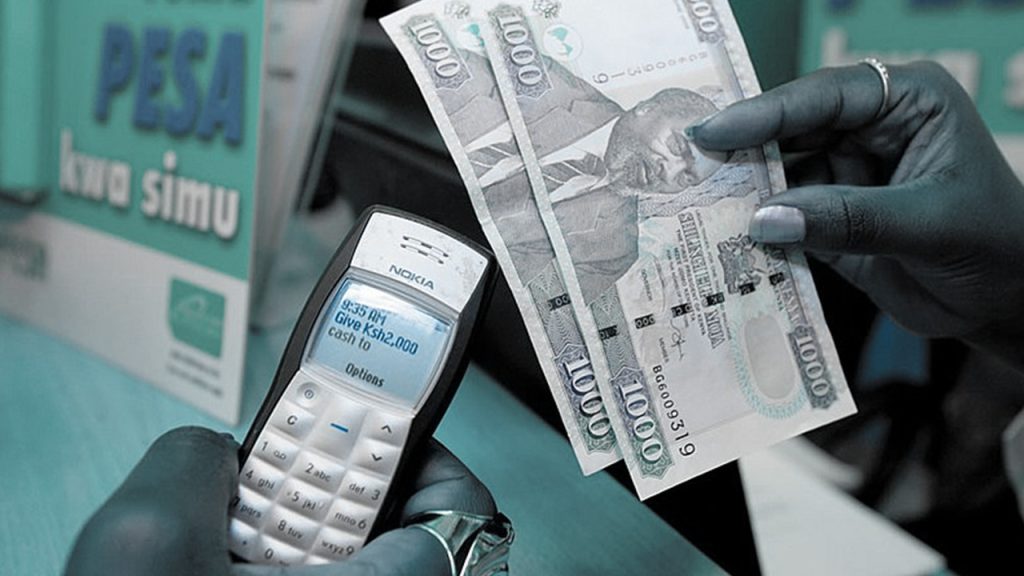
    Kenya is pivotal in mobile technology, being the birthplace of mobile money with M-Pesa. Nairobi, its capital, is a tech hub with a slew of startups focusing on innovative solutions to everyday problems, supported by active incubators and government backing.

    4. Rwanda

    Rwanda’s rapid transformation into a tech-friendly nation is underpinned by government initiatives aimed at creating a digital economy. Kigali is becoming a magnet for tech entrepreneurs, thanks to its business-friendly environment and commitment to becoming a tech hub.

    5. Egypt

    Egypt’s tech industry is booming, driven by a significant youth population and governmental support in digital transformation. Cairo is home to a growing number of tech startups and has a strong focus on nurturing tech talent and innovation in connectivity technologies.

    6. Ghana

    Ghana is making a name for itself with a focus on technology education and startup support. Accra hosts several tech hubs that are instrumental in the country’s burgeoning status as a leader in technology-driven solutions.

    7. Morocco

    Morocco is leveraging its strategic location to serve as a bridge between Europe and Africa in tech advancements. The country is investing heavily in tech parks and education, with a significant focus on renewable energy technologies and smart city solutions.

    8. Senegal

    Senegal’s tech scene is anchored by Dakar, which hosts numerous tech events and startup incubators. The country is recognized for its innovations in digital finance and agricultural technologies, supported by a progressive regulatory framework.

    9. Uganda

    Uganda may be smaller than some of its neighbors, but it is mighty in its tech ambitions. The country has a vibrant community of young innovators and has made significant strides in mobile technologies and health innovations.

    10. Tanzania

    Tanzania is focusing on harnessing technology to boost its agricultural and manufacturing sectors. Its tech hubs in Dar es Salaam are becoming key players in the region, fostering innovations that aim to improve daily life and economic growth.

    Why These Countries Stand Out

    These nations are not just adopting technology but are adapting it to meet local needs, thereby driving genuine innovation. Their governments are implementing policies that favor tech growth, such as improved broadband access, tech education in schools, and support for tech startups. These efforts are complemented by a dynamic young workforce eager to innovate and solve real-world problems.

    Frequently Asked Questions (FAQs)

    Q1: What makes these countries leaders in tech innovation?

    These countries have strong governmental support, vibrant tech ecosystems with hubs and accelerators, significant investment in tech, and a focus on adapting technology to solve local challenges.

    Q2: How do these countries compare to global tech leaders?

    While they may not yet match the scale of Silicon Valley or other global tech capitals, these countries are rapidly growing and are increasingly recognized on international platforms for their innovative contributions.

    Q3: What are the main sectors these countries innovate in?

    Key sectors include fintech, agritech, health tech, mobile technology, renewable energy, and digital finance.

    Q4: How do these innovations impact their economies?

    Tech innovations drive economic growth by creating jobs, attracting foreign investment, and improving the overall efficiency and competitiveness of the economies.

    Q5: Are there opportunities for foreign investors and tech professionals?

    Yes, these countries offer numerous opportunities for collaboration, investment, and employment, particularly in tech startups and enterprises focusing on innovation.

    As we look towards the future, it’s clear that Africa’s tech scene is not just catching up but is poised to redefine global tech narratives. These top 10 countries are at the forefront of this transformation, making them exciting places to watch, work, and invest in the coming years.

  • Top 10 Best African Countries for Remote Work

    Top 10 Best African Countries for Remote Work

    The rise of remote work has transformed how and where we can do our jobs, allowing for flexibility that was once thought impossible. For digital nomads and those looking to embrace a remote working lifestyle, Africa offers a plethora of destinations with the right mix of connectivity, culture, and cost of living. Here’s a look at the top 10 African countries that are ideal for remote work, taking into consideration factors such as internet accessibility, local amenities, safety, and the overall quality of life.

    1. Mauritius

    Mauritius isn’t just a paradise island for vacationers; it’s also becoming a top spot for remote workers. With its Premium Visa program, which allows for long stays, and reliable high-speed internet, Mauritius offers an idyllic setting with all the necessary modern amenities for digital nomads.

    2. South Africa

    With cities like Cape Town and Johannesburg, South Africa is a hub for remote workers. South Africa offers a solid internet infrastructure, a vibrant cultural scene, and a variety of coworking spaces. Furthermore, the cost of living is reasonable compared to Western standards, making it an attractive option for remote workers.

    3. Morocco

    Morocco, particularly cities like Marrakech and Casablanca, offers an enticing mix of culture and connectivity. The country has seen an improvement in internet services and offers various spots with excellent Wi-Fi and beautiful scenery, perfect for those who draw inspiration from their surroundings.

    4. Kenya

    Kenya is well-known for its innovation in digital and mobile technology, making it a suitable choice for remote workers. Nairobi, known as “Silicon Savannah,” provides a thriving tech community, fast internet, and a selection of coworking spaces.

    5. Egypt

    With its rich history and modern advancements, Egypt is more than just a travel destination. Cities like Cairo and Alexandria offer affordable living and good internet connectivity. The local tech scene is burgeoning, and the cost of living is low, which is great for budget-conscious remote workers.

    6. Ghana

    Ghana is rapidly becoming a favorite among remote workers due to its friendly visa policies and welcoming locals. Accra, the capital, boasts reliable internet, an English-speaking population, and a peaceful environment, making it a comfortable place for foreigners to settle in.

    7. Rwanda

    Rwanda has made significant strides in becoming an ICT hub. The capital, Kigali, is known for its cleanliness, safety, and fast internet. The government’s focus on digital infrastructure makes Rwanda an emerging hotspot for remote workers.

    8. Tanzania

    For those who want a view, Tanzania offers incredible landscapes from Mount Kilimanjaro to the beaches of Zanzibar. The main cities like Dar es Salaam have been improving their internet infrastructure, making it easier for remote workers to stay connected.

    9. Senegal

    Senegal is known for its stability and vibrant cultural heritage. Dakar, the capital, provides a good mix of traditional and modern with reliable internet access, numerous cafes, and coworking spaces. It’s an inviting place for those looking to work in a culturally rich yet modern environment.

    10. Namibia

    Namibia offers a unique desert landscape with the advantage of a strong internet backbone in urban areas like Windhoek. It’s perfect for remote workers who prefer a quiet environment but still want access to modern amenities.

    Why These Countries?

    These nations provide the best environments for remote work due to their stable internet connections, reasonable cost of living, welcoming communities, and governmental policies supporting digital nomads. They combine the allure of African hospitality and scenery with the necessities that modern remote work demands.

    Frequently Asked Questions (FAQs)

    Q: What makes these African countries suitable for remote work?

    These countries offer reliable internet, affordable living costs, safe environments, and supportive local communities which are essential for remote work.

    Q: How do I choose the right country for remote work?

    Consider your personal lifestyle preferences, the cost of living, internet reliability, and cultural offerings when choosing a country for remote work.

    Q: Are these African countries safe for foreign remote workers?

    Yes, these countries are known for their hospitality and stable environments, making them safe for foreigners. However, it’s always advisable to follow local guidelines and stay informed about safety conditions.

    Q: Can I expect good healthcare facilities in these African countries?

    Urban areas in these countries usually have good healthcare facilities, though it’s wise to have health insurance that covers international treatment.

    Q: What are the visa requirements for these countries?

    Visa requirements vary by country. Some, like Mauritius, offer specific visas for long-term stays for remote workers, while others may require standard tourist visas renewed periodically.

    As remote work continues to redefine traditional work environments, Africa is positioning itself as a continent not just of vast natural beauty and culture, but also as a serious contender for digital nomads and tech professionals looking to work from anywhere in the world. These ten countries exemplify the best of what Africa has to offer for remote workers.

  • How to Set Up a Mobile Money Wallet for Easy Transactions in Rwanda

    How to Set Up a Mobile Money Wallet for Easy Transactions in Rwanda

    In Rwanda, the rise of mobile technology has revolutionized the way people handle money, transforming the nation into one of Africa’s most rapidly advancing digital economies. Mobile wallets have become a cornerstone of this transformation, providing Rwandans with a secure, fast, and convenient way to perform financial transactions without the need for physical cash. This guide will walk you through the steps to set up a mobile wallet in Rwanda, highlighting the benefits and offering tips on how to use it effectively.

    Choosing a Mobile Wallet Provider

    The first step in setting up a mobile wallet is selecting the right provider. In Rwanda, several key players offer reliable mobile wallet services:

    • MTN Mobile Money: Known for its widespread use across Rwanda, MTN Mobile Money (also known as MoMo) offers a comprehensive range of services including sending and receiving money, paying bills, and buying goods and services.
    • Airtel Money/Tigo Cash: A consolidated service that offers a user-friendly interface and a wide range of services including money transfers, bill payments, and financial services. Airtel Money and Tigo Cash merged operations to streamline services and expand their reach.

    Each provider has its unique strengths, so your choice will depend on your specific needs, such as the types of transactions you anticipate conducting most frequently.

    Step-by-Step Setup Process

    1. Registration:

    • Visit a nearby authorized agent or store of your chosen mobile wallet provider.
    • Bring a valid government-issued ID such as a national ID card or passport.
    • The agent will register your account using your phone number and ID. This process includes filling out a registration form with your personal details.

    2. Activation:

    • Once registered, you will receive an SMS confirmation that your account is set up.
    • First-time users will often be prompted to create a personal identification number (PIN). Choose a secure PIN that you can remember but is not easy for others to guess.

    3. Adding Funds to Your Wallet:

    • You can load money into your mobile wallet by visiting any authorized agent. Simply give them cash, and they will credit your mobile wallet account.
    • Alternatively, you can transfer money from your bank account to your mobile wallet if your bank supports this service.

    4. Using Your Mobile Wallet:

    • To start using your wallet, access the service menu on your phone. This is usually done through a USSD code, such as *182# for MTN Mobile Money.
    • Follow the on-screen prompts to send money, make payments, or purchase airtime.

    Securing Your Mobile Wallet

    Security is paramount when it comes to digital transactions. Here are some essential tips to keep your mobile wallet secure:

    • Keep your PIN confidential: Never share your PIN with anyone and avoid writing it down.
    • Monitor your transactions: Regularly check your transaction history for any unauthorized activity.
    • Be cautious of scams: Be wary of messages or calls asking for your PIN or personal information.

    Benefits of Using a Mobile Wallet in Rwanda

    • Convenience: Conduct transactions from anywhere at any time, right from your mobile phone.
    • Speed: Transactions are almost instantaneous, saving you time and hassle.
    • Safety: Less cash handling reduces the risk of theft.
    • Financial inclusion: Mobile wallets provide financial services to those without access to traditional banking.

    Frequently Asked Questions (FAQs)

    Q: What do I need to open a mobile wallet in Rwanda?

    You will need a valid Rwandan phone number and a government-issued ID.

    Q: Are there fees associated with using a mobile wallet in Rwanda?

    Yes, there are typically small fees for transactions such as sending money or withdrawing cash. However, checking your balance or receiving money is usually free.

    Q: Can I use a mobile wallet to make in-store purchases in Rwanda?

    Yes, many retailers in Rwanda accept mobile money payments directly from your wallet.

    Q: What should I do if I forget my mobile wallet PIN in Rwanda?

    Contact your service provider’s customer support immediately. They will guide you through the process of resetting your PIN.

    Q: Is it safe to keep large amounts of money in my mobile wallet?

    Mobile wallets are designed to be secure, but it is advisable to only keep amounts necessary for daily transactions and use other banking services for larger sums.

    The integration of mobile wallets into daily life in Rwanda is more than just a technological advancement; it’s a lifestyle change that enhances how Rwandans access and manage their finances. By understanding the setup and proper use of mobile wallets, users can embrace this digital revolution safely and effectively.

  • Top 10 African Countries Pioneering Digital Payment Solutions

    Top 10 African Countries Pioneering Digital Payment Solutions

    In recent years, digital payment solutions have revolutionized how transactions are conducted across the globe, particularly in Africa where traditional banking services often fall short of reaching the entire population. This shift towards digital platforms is not only promoting financial inclusivity but also paving the way for a dynamic economic environment. Here, we explore the top ten African countries that are leading in digital payment adoption, highlighting the innovations and policies that make them stand out.

    1. Kenya

    Kenya is synonymous with mobile money, thanks to M-Pesa, a service that has become a global case study for successful digital payment systems. Launched in 2007, M-Pesa allows millions of people to deposit, withdraw, and transfer money with a simple mobile device, contributing significantly to financial inclusivity in Kenya.

    2. Ghana

    Ghana’s digital payment landscape has seen remarkable growth, spurred by services like Mobile Money Interoperability (MMI), which allows customers to transfer funds across different mobile money services and banks seamlessly. This has greatly enhanced the convenience and adoption of digital payments across the country.

    3. South Africa

    In South Africa, digital payments have become a norm thanks to a robust banking infrastructure and the proliferation of fintech startups. Services like SnapScan and Zapper have integrated mobile payments into daily transactions for everything from groceries to utility bills, making it one of the most advanced countries in Africa for digital payment solutions.

    4. Nigeria

    Africa’s largest economy, Nigeria, has a rapidly growing fintech sector with a slew of services designed to ease the way people use money digitally. Platforms like Paystack and Flutterwave have revolutionized online transactions, enabling businesses to flourish and reach customers through seamless payment solutions.

    5. Rwanda

    Rwanda is making significant strides with its vision to become a cashless economy. The government’s push for digital platforms has led to widespread use of mobile money services, with substantial public and private sector collaboration to embed digital payment systems in daily transactions.

    6. Egypt

    Egypt’s digital payment sector is booming, driven by a young, tech-savvy population and government initiatives aimed at promoting digital transactions. The Central Bank of Egypt has implemented several policies that encourage banks and businesses to adopt digital payments, significantly increasing their usage.

    7. Ivory Coast

    Ivory Coast is a leader in digital payments in the Francophone region of Africa, with mobile money services experiencing exponential growth. The government’s supportive policies towards fintech companies have played a crucial role in this surge, facilitating more inclusive financial services.

    8. Tanzania

    In Tanzania, the adoption of digital payment platforms is accelerating, with significant contributions from mobile money services like M-Pesa, Tigo Pesa, and Airtel Money. These platforms have dramatically transformed the financial landscape, offering extended services including loans and savings.

    9. Uganda

    Uganda has seen a substantial increase in digital payment adoption, driven by the ubiquity of mobile phones and the success of mobile money. The country continues to innovate in this area, providing a wide range of digital financial services that cater to its largely rural population.

    10. Morocco

    Morocco is rapidly advancing in digital payments, supported by a strong banking sector and governmental enthusiasm for fintech solutions. The introduction of mobile payment solutions and innovative banking services has made digital payments more accessible to the Moroccan public.

    Why These Countries Are Leading

    The success of digital payment adoption in these countries can be attributed to several factors, including strong governmental support, innovative fintech ecosystems, robust mobile penetration, and progressive regulatory environments that encourage digital transformation in financial services.

    Frequently Asked Questions (FAQs)

    Q: What factors contribute to the success of digital payments in these African countries?

    Key factors include high mobile penetration, supportive government policies, innovative fintech solutions, and a collaborative ecosystem involving banks and tech companies.

    Q: How do digital payments impact economic development in Africa?

    Digital payments streamline transactions, reduce the costs associated with handling cash, increase transaction security, and bring more people into the formal economy, all of which boost economic development.

    Q: What challenges do African countries face with digital payment adoption?

    Challenges include cybersecurity risks, resistance from traditional cash users, and the need for constant technological upgrades to handle the growing demands of digital finance.

    Q: Are digital payments in Africa secure?

    Yes, digital payments are generally secure, but they require robust cybersecurity measures to protect against fraud and breaches.

    Q: How can other African countries enhance their digital payment systems?

    Other countries can enhance their digital payment systems by investing in technology infrastructure, adopting favorable regulatory frameworks, and encouraging partnerships between the government, fintech companies, and financial institutions.

    The rise of digital payments in these top ten African countries is not just transforming their economies but also setting a benchmark for others to follow. As these nations continue to innovate and adapt, they pave the way for a more financially inclusive and economically vibrant Africa.

  • Why PayPal Is Still Not Available In Ghana

    Why PayPal Is Still Not Available In Ghana

    In today’s globalized economy, digital payments have become crucial for international transactions and e-commerce. Platforms like PayPal simplify online purchases, making them accessible and secure. However, despite the widespread adoption of PayPal around the world, it remains notably absent in some countries, including Ghana. This article explores the various factors contributing to the absence of PayPal services in Ghana, and how it affects the local economy and tech sector.

    Historical Context and Current Landscape

    Ghana has seen significant technological advancements and has a burgeoning e-commerce sector. With a growing middle class and increasing internet penetration, the demand for digital payment solutions is higher than ever. Mobile money services like MTN Mobile Money, Vodafone Cash (now Telecel Cash), and AirtelTigo Money have filled this gap to some extent but lack the global reach and user base of PayPal.

    Regulatory Challenges

    One of the primary reasons why PayPal has not yet entered the Ghanaian market is the complex regulatory environment. Financial regulations in Ghana are designed to control money laundering and ensure the stability of the financial system. PayPal, with its global operations, must ensure that it complies with these regulations comprehensively before it can operate in Ghana. This involves navigating both local regulations and international financial laws, which can be time-consuming and costly.

    Economic Factors

    Another significant factor is the economic environment. While Ghana’s economy is growing, issues such as currency stability and inflation pose risks for international financial service providers. PayPal typically operates in markets where there is a certain level of economic stability to mitigate potential financial losses that could arise from currency fluctuations.

    Market Viability

    For PayPal, the decision to enter a new market also depends on the market’s profitability potential. This includes the number of potential users and the volume of transactions. Despite the high demand for such services in Ghana, the current volume and value of digital transactions may still be deemed insufficient by PayPal to warrant the establishment of services, especially considering the costs associated with setting up and maintaining operations.

    Financial Infrastructure

    The financial infrastructure in Ghana, though improving, is still developing. The readiness of the banking system to integrate with international payment platforms like PayPal is crucial. This integration involves technological upgrades and compliance with international security standards, which are still underway in many Ghanaian banks.

    Risk of Fraud

    The risk of financial fraud is a concern for any financial service provider. In regions where digital fraud tactics are prevalent, PayPal might be cautious in rolling out its services to mitigate potential losses. Ensuring that robust security measures are in place is a prerequisite for PayPal’s operations, which could delay its introduction in such markets.

    Alternative Solutions and the Future

    In the absence of PayPal, other services have been gaining traction in Ghana. These include other international payment platforms like Skrill, Payoneer, and local innovations that provide similar services. The Ghanaian government and financial institutions continue to work towards improving financial regulations and infrastructure, which could pave the way for PayPal in the future.

    Frequently Asked Questions (FAQs)

    Q: Why is PayPal not available in Ghana?

    PayPal is not available in Ghana primarily due to regulatory challenges, economic factors, market viability concerns, the developing financial infrastructure, and the risks associated with financial fraud.

    Q: How does the absence of PayPal affect the Ghanaian economy?

    The absence of PayPal limits the options for international e-commerce and may slow the growth of Ghana’s digital economy by making it more difficult for businesses and freelancers to engage with global markets.

    Q: What are the alternatives to PayPal in Ghana?

    Alternatives to PayPal in Ghana include other international payment services like Skrill and Payoneer, as well as local mobile money services that support international transactions.

    Q: Is there a possibility of PayPal entering the Ghanaian market soon?

    While it is difficult to predict, the possibility exists if Ghana continues to improve its financial regulations and infrastructure, and if economic conditions stabilize to meet PayPal’s operational standards.

    Q: What can be done to expedite PayPal’s entry into Ghana?

    Efforts can be made to strengthen financial regulations, enhance the security and infrastructure of the banking system, and ensure economic stability to create a more favorable environment for international payment platforms like PayPal.

    Q: Which African countries is PayPal available in?

    As of 2024, PayPal is available in several African countries, including South Africa, Kenya, Morocco, Egypt, Nigeria, Algeria, Angola, Benin, Botswana, Burkina Faso, Burundi, Cameroon, Cape Verde, Chad, Comoros, Ivory Coast, Democratic Republic of the Congo, Djibouti, Eritrea, Ethiopia, Gabon Republic, Gambia, Guinea, Guinea-Bissau, Lesotho, Madagascar, Malawi, Mali, Mauritania, Mauritius, Mozambique, Namibia, Niger, Republic of the Congo, Rwanda, Saint Helena, São Tomé and Príncipe, Senegal, Seychelles, Sierra Leone, Swaziland, Tanzania, Togo, Tunisia, Uganda, Zambia, and Zimbabwe. These countries allow residents to open and operate a PayPal account for secure international payments and money transfers.

    Q: Which other African countries is PayPal not available in?

    PayPal is not available in some African countries due to various regulatory and operational constraints. Notable exclusions include Libya, Sudan, and Somalia. In these countries, residents cannot officially open or operate a PayPal account, limiting their access to this global payment platform.

    Understanding why PayPal is not yet available in Ghana provides insight into the complexities of financial services in emerging markets and highlights the need for ongoing improvements in financial infrastructure and regulations to support economic growth and global integration.

  • Top 10 African Countries With Affordable High-Speed Internet

    Top 10 African Countries With Affordable High-Speed Internet

    In an era where the internet is as crucial as any other utility service, finding affordable and reliable high-speed internet is a priority for many.

    Across Africa, several countries are making remarkable strides in improving not just the availability but also the affordability of internet access. Let’s dive into the most affordable African countries for high-speed internet, exploring how they’re achieving this and what it means for their citizens and economies.

    1. Egypt

    Egypt tops the list with some of the lowest broadband costs in Africa, thanks to significant investments in telecommunications infrastructure and a competitive market that drives prices down. The government’s initiatives to expand digital access have made high-speed internet widely available at costs that are manageable for a large segment of the population.

    2. Nigeria

    Africa’s largest economy is also one of the leaders in affordable internet access. With a vibrant tech scene and multiple internet service providers (ISPs), competition is fierce, which benefits the consumer. Nigeria’s expansive fiber-optic network has also contributed to lowering prices while increasing internet speed.

    3. Kenya

    Kenya is renowned for its mobile money revolution and its internet services are no less revolutionary in terms of pricing and speed. The widespread adoption of mobile internet services has driven costs down, making Kenya one of the most affordable countries for internet access on the continent.

    4. Ghana

    Ghana’s government has been proactive in its efforts to increase internet penetration, which has involved partnerships with major ISPs to reduce costs and improve service quality. These initiatives have positioned Ghana as a country with both affordable and reliable internet access.

    5. Morocco

    Morocco boasts a highly competitive ISP market, with numerous providers pushing down prices. The Moroccan government’s commitment to boosting IT as a cornerstone of economic development has led to improved internet infrastructure, making high-speed internet both accessible and affordable.

    6. Uganda

    In Uganda, government policies aimed at digital inclusion have seen the cost of internet services decrease significantly. With the rise of ISPs that focus on affordable broadband, Ugandans are enjoying faster internet speeds at lower prices.

    7. Rwanda

    Rwanda’s vision to become a tech hub in Africa includes ambitious plans for broadband penetration. The government’s investment in ICT has paid dividends, resulting in lower costs for high-speed internet that support its burgeoning tech ecosystem.

    8. South Africa

    While traditionally more expensive, recent years have seen South Africa make strides in reducing internet costs. Increased competition among broadband providers and regulatory efforts to ensure fair pricing have made high-speed internet more affordable for more South Africans.

    9. Tanzania

    Tanzania’s focus on enhancing digital infrastructure has led to a significant reduction in internet costs. With strategic investments in internet technologies, Tanzanians are increasingly accessing high-speed internet at competitive prices.

    10. Senegal

    Senegal rounds out the list with its strong commitment to enhancing internet accessibility. The introduction of newer technologies and government-led initiatives aimed at digital education and infrastructure has helped lower the cost of internet services across the country.

    What Drives Affordability?

    Several factors contribute to the affordability of high-speed internet in these countries, including government policies, competition among ISPs, investments in infrastructure, and partnerships with global tech companies. These elements not only drive down prices but also improve the quality of service, creating a healthy cycle of growth and accessibility.

    Frequently Asked Questions (FAQs)

    Q: What makes internet access affordable in these African countries?

    Affordability is driven by competitive ISP markets, government investments in digital infrastructure, and regulatory policies that encourage lower prices and improved service quality.

    Q: How do lower internet costs impact these African countries?

    Lower internet costs boost economic growth by enabling businesses to operate more efficiently and by increasing the number of digital services available to consumers.

    Q: Can I expect internet prices in these African countries to decrease further?

    Yes, as these countries continue to invest in technology and infrastructure and as competition among ISPs intensifies, prices are likely to decrease even further.

    Q: What role do African governments play in reducing internet costs?

    Governments play a crucial role through regulatory frameworks that encourage competition and fair pricing, as well as through direct investments in technology infrastructure.

    Q: How does high-speed internet contribute to a country’s development?

    High-speed internet is vital for education, healthcare, business, and communication, contributing significantly to the overall development and global competitiveness of a country.

    These top ten African countries are setting examples of how strategic measures can significantly enhance internet affordability. This not only empowers their citizens but also catalyzes growth across various sectors, showcasing the transformative power of accessible technology.

  • Top 10 African Countries for Women in Technology

    Top 10 African Countries for Women in Technology

    As the global tech landscape continues to expand, African nations are increasingly recognizing the importance of gender equality in fostering innovation. Several countries on the continent have made commendable strides towards achieving more inclusive tech sectors. This article highlights the top 10 African countries where women in technology are thriving, based on gender-focused policies, participation rates, and support systems.

    1. South Africa

    South Africa leads with robust initiatives aimed at encouraging women in tech. Organizations like Women in IT (WIIT) and GirlCode provide mentoring and support, while government policies increasingly focus on closing the gender gap in STEM fields.

    2. Rwanda

    Rwanda’s government has prioritized gender equality as a key component of its vision for tech advancement. Initiatives such as the Girls in ICT Rwanda promote tech education and career opportunities for women, significantly increasing female participation in tech.

    3. Kenya

    In Kenya, women are at the forefront of the tech revolution, with entities like AkiraChix offering training and networking for women in tech. The country’s growing number of women-led tech startups showcases its progressive environment.

    4. Ghana

    Ghana’s tech sector sees high female participation rates, thanks to efforts like Soronko Academy, which focuses on teaching young women to code. The government’s commitment to digital literacy for all also includes specific programs targeting women.

    5. Nigeria

    Nigeria hosts a vibrant tech community with initiatives like Pearls Africa Foundation, which empowers young women with tech skills. The increasing number of female tech entrepreneurs and developers speaks to a slowly but surely changing landscape.

    6. Egypt

    Egypt’s tech industry has seen an upswing in female participation, supported by government-led projects that aim to increase the number of women in tech fields. Programs and workshops aimed specifically at women help bridge the gender gap in STEM education.

    7. Uganda

    Uganda has witnessed a rise in tech initiatives for women, such as Women in Technology Uganda, which offers training and mentorship. These efforts are supported by a national agenda to empower women through technology.

    8. Morocco

    In Morocco, the tech sector is becoming more inclusive, with educational reforms to encourage female participation in science and technology. The Moroccan government and private sector initiatives are paving the way for more women to enter and succeed in tech roles.

    9. Tanzania

    Tanzania has seen significant initiatives aimed at incorporating women into the tech sector. Programs focused on developing digital skills among women are crucial in elevating their role in tech professions.

    10. Botswana

    Botswana rounds out the list with its commitment to integrating technology in education and promoting gender parity in all sectors, including tech. Programs that focus on young women and technology help ensure a balanced participation in the tech workforce.

    Why These Countries Stand Out

    These nations are not just providing women with access to tech education and careers but are actively striving to overcome historical gender biases through supportive policies and community initiatives. These efforts are crucial for empowering women and ensuring they have equal opportunities to succeed in tech roles, which in turn drives innovation and economic growth.

    Frequently Asked Questions (FAQs)

    Q: Why is gender equality important in the tech industry?

    Gender equality in tech ensures diverse perspectives in problem-solving and innovation, leading to more comprehensive and effective technology solutions.

    Q: What common strategies are these countries using to promote women in tech?

    Common strategies include government policies supporting STEM education for women, mentorship programs, and women-centric tech initiatives.

    Q: How do these countries measure progress in gender equality in tech?

    Progress is often measured by participation rates in education and the workforce, success rates of initiatives, and qualitative assessments of workplace equality.

    Q: Are there opportunities for international collaboration in these efforts?

    Yes, many countries collaborate with international organizations to enhance their gender equality programs in tech, sharing best practices and resources.

    Q: What challenges do women still face in the tech industry in these countries?

    Challenges include cultural stereotypes, lack of female role models in tech, and balancing work with societal expectations.

    These top 10 African countries are setting powerful examples for others to follow, demonstrating that when women are supported and encouraged to pursue careers in technology, the entire industry benefits. By continuing to invest in women, these nations are not only promoting gender equality but are also strengthening their technological sectors to compete on a global scale.

  • ThriveAgric and Acorn Rabobank Collaborate to Support 30,000 Nigerian Farmers

    ThriveAgric and Acorn Rabobank Collaborate to Support 30,000 Nigerian Farmers

    ThriveAgric, a pioneering Nigerian agritech startup, has unveiled a groundbreaking collaboration with Acorn Rabobank aimed at empowering over 30,000 smallholder farmers.

    This strategic partnership focuses on providing carbon credits to enhance sustainable agroforestry practices and foster the development of the global carbon market. The initiative is poised to not only revolutionize agricultural practices but also yield substantial benefits for the participating Nigerian farmers, generating an estimated $56 million in revenue and mitigating 1.3 million metric tonnes of carbon emissions.

    Spanning across nine states in Nigeria, namely Kaduna, Gombe, Adamawa, Taraba, Bauchi, Jigawa, Niger, Nassarawa, and Kano, this ambitious project underscores ThriveAgric’s unwavering commitment to promoting sustainable agriculture while uplifting rural communities.

    “The carbon market presents vast opportunities, and it’s imperative that African farmers are not left behind,” emphasized Ayo Arikwe, Chief Technology Officer at Thrive Agric.

    As of October 2023, the carbon credit market boasted a staggering valuation of $103 billion, with projections indicating a robust average annual growth rate of 14.8% through 2032. Despite Africa’s immense potential in this domain, the continent presently accounts for a mere 2% of the market’s capacity. This glaring disparity highlights the pressing need for initiatives like the one spearheaded by ThriveAgric and Acorn Rabobank.

    In low-income countries, particularly in Africa, farmers often face barriers to participating in the carbon credit market, ranging from limited awareness to securing access. ThriveAgric aims to address these challenges head-on. Samirah Bello, Head of Partnerships at ThriveAgric, emphasized that every farmer involved in their program will have the opportunity to diversify their income streams by harnessing carbon credits.

    “For instance, a farmer managing one hectare of land stands to earn up to $1,700 in revenue from carbon credits annually. With newly planted trees, this revenue is poised to increase over time as the trees mature, capturing more carbon and generating additional credits,” added Bello.

    The collaborative efforts between ThriveAgric and Acorn Rabobank are poised to combat climate change by enhancing soil health, increasing productivity, and bolstering carbon capture. Participating farmers can anticipate improved crop yields, reduced post-harvest losses, and the integration of an additional income source through carbon credits, among other climate-smart initiatives.

    ThriveAgric, which boasts a robust network of over 800,000 smallholder farmers spanning Nigeria, Ghana, Kenya, and Uganda, is also pioneering the Dorewa platform. This innovative solution aims to empower other climate-focused startups across Africa to embark on their carbon journey.

    “Dorewa is designed to facilitate the entry of more farmers across Africa into the carbon credit landscape,” explained Arikwe.

    Acorn Rabobank, the climate-focused subsidiary of Dutch banking giant Rabobank, is actively engaged in climate change mitigation efforts across Ghana, Kenya, Zambia, Rwanda, and Tanzania. Through collaborative ventures like the one with ThriveAgric, Acorn Rabobank is spearheading transformative change in agricultural practices while fostering sustainable development across Africa.