Tag: Namibia

  • Top 10 African Countries Leading in Renewable Tech

    Top 10 African Countries Leading in Renewable Tech

    As the global push towards sustainability intensifies, Africa is stepping into the limelight with significant strides in renewable technology. Rich in solar, wind, hydro, and geothermal resources, the continent is uniquely positioned to pioneer innovative green solutions. This article highlights the top ten African countries leading the charge in renewable technology, showcasing their initiatives, achievements, and future potential.

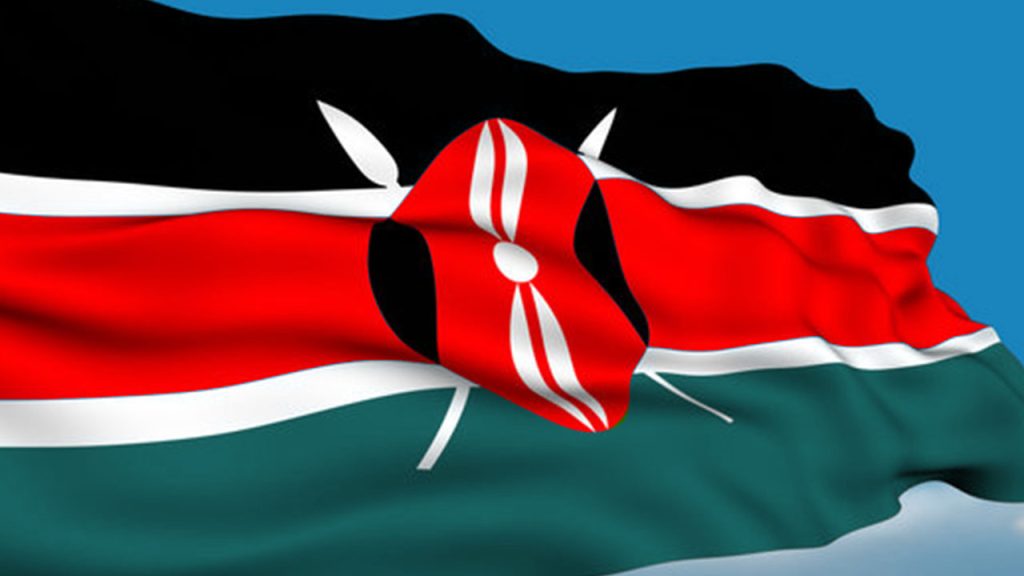
    1. Kenya

    Kenya is a trailblazer in geothermal energy, harnessing volcanic activity along the Great Rift Valley. The Olkaria Geothermal Plant, one of the largest of its kind in the world, exemplifies Kenya’s commitment to expanding its geothermal capabilities, which supply a significant portion of the nation’s energy needs.

    2. Morocco

    Morocco is making remarkable headway in solar energy with the Ouarzazate Solar Power Station, also known as Noor, which is one of the largest solar farms globally. This ambitious project is part of Morocco’s plan to derive over 40% of its energy from renewable sources by 2030.

    3. South Africa

    South Africa’s renewable energy sector is rapidly growing, driven by the Renewable Energy Independent Power Producer Procurement Programme (REIPPPP). The country is increasingly investing in both solar and wind projects, aiming to reduce its reliance on coal and enhance energy security.

    4. Egypt

    With its sunny weather and high wind speeds, Egypt is ideal for both solar and wind power. The Benban Solar Park, which aims to be one of the largest solar installations worldwide, and the Zaafarana wind farm, are pivotal in Egypt’s energy transformation efforts.

    5. Ethiopia

    Ethiopia is investing heavily in hydropower with the Grand Ethiopian Renaissance Dam (GERD), set to be the largest hydroelectric power plant in Africa upon completion. Ethiopia’s vast hydropower initiatives are crucial for its plans to become a major electricity exporter in Africa.

    6. Ghana

    Ghana is emerging as a leader in solar energy within West Africa, with policies that support solar technology adoption among residential and commercial users. The country’s ambitious solar programs aim to increase energy reliability and support sustainable development.

    7. Nigeria

    Despite its oil-rich resources, Nigeria is advancing in renewable energy, particularly solar, to address its significant power shortages. Various initiatives, including rural solar power projects, are pivotal in increasing energy access to its large population.

    8. Tanzania

    Tanzania is focusing on diversifying its energy mix through renewable sources, particularly hydropower and solar energy. Projects like the Kikuletwa Hydropower Station renovation demonstrate Tanzania’s commitment to increasing its renewable energy capacity.

    9. Namibia

    With one of the highest rates of solar irradiance in the world, Namibia is well-positioned to become a solar energy leader. The country is working on increasing solar power installations to capitalize on this abundant natural resource, aiming for greater energy self-sufficiency.

    10. Rwanda

    Rwanda’s renewable energy sector is boosted by government initiatives and international partnerships. The country’s focus on small-scale solar projects and methane power plants exemplifies its innovative approaches to achieving its energy goals.

    Why These Countries Stand Out

    These nations are not only rich in natural resources conducive to renewable energy production but are also committed to sustainable energy policies and projects that support both local energy needs and broader environmental goals. Their efforts are supported by international investments and partnerships, enhancing their capacity to innovate and implement large-scale renewable energy solutions.

    Frequently Asked Questions (FAQs)

    Q1: What makes these African countries leaders in renewable tech?

    These countries possess abundant natural resources, supportive government policies, active involvement in international renewable energy initiatives, and strong public-private partnerships.

    Q2: How do renewable technologies impact these countries’ economies?

    Renewable technologies reduce energy import costs, create jobs in new industries, and provide more stable and affordable energy supplies, which improve overall economic stability and growth.

    Q3: What are the main challenges these countries face in expanding renewable tech?

    Challenges include financing large-scale projects, integrating renewable systems into existing power grids, and the need for technical expertise and infrastructure development.

    Q4: How significant is international cooperation in these renewable projects?

    International cooperation is crucial, providing financial, technical, and logistical support that helps these countries achieve their ambitious renewable energy goals.

    Q5: What future developments are expected in the renewable tech sector in these countries?

    Future developments include expanding existing renewable projects, exploring new renewable resources, increasing regional power trade, and enhancing technologies to improve energy storage and efficiency.

    The commitment of these ten African countries to renewable technology not only sets a precedent for the continent but also contributes significantly to global environmental sustainability efforts. As they continue to innovate and expand their renewable energy capabilities, they offer valuable insights and opportunities for the rest of the world in the transition towards a greener future.

  • Top 10 Best African Countries for Remote Work

    Top 10 Best African Countries for Remote Work

    The rise of remote work has transformed how and where we can do our jobs, allowing for flexibility that was once thought impossible. For digital nomads and those looking to embrace a remote working lifestyle, Africa offers a plethora of destinations with the right mix of connectivity, culture, and cost of living. Here’s a look at the top 10 African countries that are ideal for remote work, taking into consideration factors such as internet accessibility, local amenities, safety, and the overall quality of life.

    1. Mauritius

    Mauritius isn’t just a paradise island for vacationers; it’s also becoming a top spot for remote workers. With its Premium Visa program, which allows for long stays, and reliable high-speed internet, Mauritius offers an idyllic setting with all the necessary modern amenities for digital nomads.

    2. South Africa

    With cities like Cape Town and Johannesburg, South Africa is a hub for remote workers. South Africa offers a solid internet infrastructure, a vibrant cultural scene, and a variety of coworking spaces. Furthermore, the cost of living is reasonable compared to Western standards, making it an attractive option for remote workers.

    3. Morocco

    Morocco, particularly cities like Marrakech and Casablanca, offers an enticing mix of culture and connectivity. The country has seen an improvement in internet services and offers various spots with excellent Wi-Fi and beautiful scenery, perfect for those who draw inspiration from their surroundings.

    4. Kenya

    Kenya is well-known for its innovation in digital and mobile technology, making it a suitable choice for remote workers. Nairobi, known as “Silicon Savannah,” provides a thriving tech community, fast internet, and a selection of coworking spaces.

    5. Egypt

    With its rich history and modern advancements, Egypt is more than just a travel destination. Cities like Cairo and Alexandria offer affordable living and good internet connectivity. The local tech scene is burgeoning, and the cost of living is low, which is great for budget-conscious remote workers.

    6. Ghana

    Ghana is rapidly becoming a favorite among remote workers due to its friendly visa policies and welcoming locals. Accra, the capital, boasts reliable internet, an English-speaking population, and a peaceful environment, making it a comfortable place for foreigners to settle in.

    7. Rwanda

    Rwanda has made significant strides in becoming an ICT hub. The capital, Kigali, is known for its cleanliness, safety, and fast internet. The government’s focus on digital infrastructure makes Rwanda an emerging hotspot for remote workers.

    8. Tanzania

    For those who want a view, Tanzania offers incredible landscapes from Mount Kilimanjaro to the beaches of Zanzibar. The main cities like Dar es Salaam have been improving their internet infrastructure, making it easier for remote workers to stay connected.

    9. Senegal

    Senegal is known for its stability and vibrant cultural heritage. Dakar, the capital, provides a good mix of traditional and modern with reliable internet access, numerous cafes, and coworking spaces. It’s an inviting place for those looking to work in a culturally rich yet modern environment.

    10. Namibia

    Namibia offers a unique desert landscape with the advantage of a strong internet backbone in urban areas like Windhoek. It’s perfect for remote workers who prefer a quiet environment but still want access to modern amenities.

    Why These Countries?

    These nations provide the best environments for remote work due to their stable internet connections, reasonable cost of living, welcoming communities, and governmental policies supporting digital nomads. They combine the allure of African hospitality and scenery with the necessities that modern remote work demands.

    Frequently Asked Questions (FAQs)

    Q: What makes these African countries suitable for remote work?

    These countries offer reliable internet, affordable living costs, safe environments, and supportive local communities which are essential for remote work.

    Q: How do I choose the right country for remote work?

    Consider your personal lifestyle preferences, the cost of living, internet reliability, and cultural offerings when choosing a country for remote work.

    Q: Are these African countries safe for foreign remote workers?

    Yes, these countries are known for their hospitality and stable environments, making them safe for foreigners. However, it’s always advisable to follow local guidelines and stay informed about safety conditions.

    Q: Can I expect good healthcare facilities in these African countries?

    Urban areas in these countries usually have good healthcare facilities, though it’s wise to have health insurance that covers international treatment.

    Q: What are the visa requirements for these countries?

    Visa requirements vary by country. Some, like Mauritius, offer specific visas for long-term stays for remote workers, while others may require standard tourist visas renewed periodically.

    As remote work continues to redefine traditional work environments, Africa is positioning itself as a continent not just of vast natural beauty and culture, but also as a serious contender for digital nomads and tech professionals looking to work from anywhere in the world. These ten countries exemplify the best of what Africa has to offer for remote workers.

  • Why PayPal Is Still Not Available In Ghana

    Why PayPal Is Still Not Available In Ghana

    In today’s globalized economy, digital payments have become crucial for international transactions and e-commerce. Platforms like PayPal simplify online purchases, making them accessible and secure. However, despite the widespread adoption of PayPal around the world, it remains notably absent in some countries, including Ghana. This article explores the various factors contributing to the absence of PayPal services in Ghana, and how it affects the local economy and tech sector.

    Historical Context and Current Landscape

    Ghana has seen significant technological advancements and has a burgeoning e-commerce sector. With a growing middle class and increasing internet penetration, the demand for digital payment solutions is higher than ever. Mobile money services like MTN Mobile Money, Vodafone Cash (now Telecel Cash), and AirtelTigo Money have filled this gap to some extent but lack the global reach and user base of PayPal.

    Regulatory Challenges

    One of the primary reasons why PayPal has not yet entered the Ghanaian market is the complex regulatory environment. Financial regulations in Ghana are designed to control money laundering and ensure the stability of the financial system. PayPal, with its global operations, must ensure that it complies with these regulations comprehensively before it can operate in Ghana. This involves navigating both local regulations and international financial laws, which can be time-consuming and costly.

    Economic Factors

    Another significant factor is the economic environment. While Ghana’s economy is growing, issues such as currency stability and inflation pose risks for international financial service providers. PayPal typically operates in markets where there is a certain level of economic stability to mitigate potential financial losses that could arise from currency fluctuations.

    Market Viability

    For PayPal, the decision to enter a new market also depends on the market’s profitability potential. This includes the number of potential users and the volume of transactions. Despite the high demand for such services in Ghana, the current volume and value of digital transactions may still be deemed insufficient by PayPal to warrant the establishment of services, especially considering the costs associated with setting up and maintaining operations.

    Financial Infrastructure

    The financial infrastructure in Ghana, though improving, is still developing. The readiness of the banking system to integrate with international payment platforms like PayPal is crucial. This integration involves technological upgrades and compliance with international security standards, which are still underway in many Ghanaian banks.

    Risk of Fraud

    The risk of financial fraud is a concern for any financial service provider. In regions where digital fraud tactics are prevalent, PayPal might be cautious in rolling out its services to mitigate potential losses. Ensuring that robust security measures are in place is a prerequisite for PayPal’s operations, which could delay its introduction in such markets.

    Alternative Solutions and the Future

    In the absence of PayPal, other services have been gaining traction in Ghana. These include other international payment platforms like Skrill, Payoneer, and local innovations that provide similar services. The Ghanaian government and financial institutions continue to work towards improving financial regulations and infrastructure, which could pave the way for PayPal in the future.

    Frequently Asked Questions (FAQs)

    Q: Why is PayPal not available in Ghana?

    PayPal is not available in Ghana primarily due to regulatory challenges, economic factors, market viability concerns, the developing financial infrastructure, and the risks associated with financial fraud.

    Q: How does the absence of PayPal affect the Ghanaian economy?

    The absence of PayPal limits the options for international e-commerce and may slow the growth of Ghana’s digital economy by making it more difficult for businesses and freelancers to engage with global markets.

    Q: What are the alternatives to PayPal in Ghana?

    Alternatives to PayPal in Ghana include other international payment services like Skrill and Payoneer, as well as local mobile money services that support international transactions.

    Q: Is there a possibility of PayPal entering the Ghanaian market soon?

    While it is difficult to predict, the possibility exists if Ghana continues to improve its financial regulations and infrastructure, and if economic conditions stabilize to meet PayPal’s operational standards.

    Q: What can be done to expedite PayPal’s entry into Ghana?

    Efforts can be made to strengthen financial regulations, enhance the security and infrastructure of the banking system, and ensure economic stability to create a more favorable environment for international payment platforms like PayPal.

    Q: Which African countries is PayPal available in?

    As of 2024, PayPal is available in several African countries, including South Africa, Kenya, Morocco, Egypt, Nigeria, Algeria, Angola, Benin, Botswana, Burkina Faso, Burundi, Cameroon, Cape Verde, Chad, Comoros, Ivory Coast, Democratic Republic of the Congo, Djibouti, Eritrea, Ethiopia, Gabon Republic, Gambia, Guinea, Guinea-Bissau, Lesotho, Madagascar, Malawi, Mali, Mauritania, Mauritius, Mozambique, Namibia, Niger, Republic of the Congo, Rwanda, Saint Helena, São Tomé and Príncipe, Senegal, Seychelles, Sierra Leone, Swaziland, Tanzania, Togo, Tunisia, Uganda, Zambia, and Zimbabwe. These countries allow residents to open and operate a PayPal account for secure international payments and money transfers.

    Q: Which other African countries is PayPal not available in?

    PayPal is not available in some African countries due to various regulatory and operational constraints. Notable exclusions include Libya, Sudan, and Somalia. In these countries, residents cannot officially open or operate a PayPal account, limiting their access to this global payment platform.

    Understanding why PayPal is not yet available in Ghana provides insight into the complexities of financial services in emerging markets and highlights the need for ongoing improvements in financial infrastructure and regulations to support economic growth and global integration.