Category: News

Get the latest news, tips and updates on innovation, technology and startups in Africa and beyond.

  • Kenyan Court Orders Marketforce to Pay $16,000 for Wrongful Termination

    Kenyan Court Orders Marketforce to Pay $16,000 for Wrongful Termination

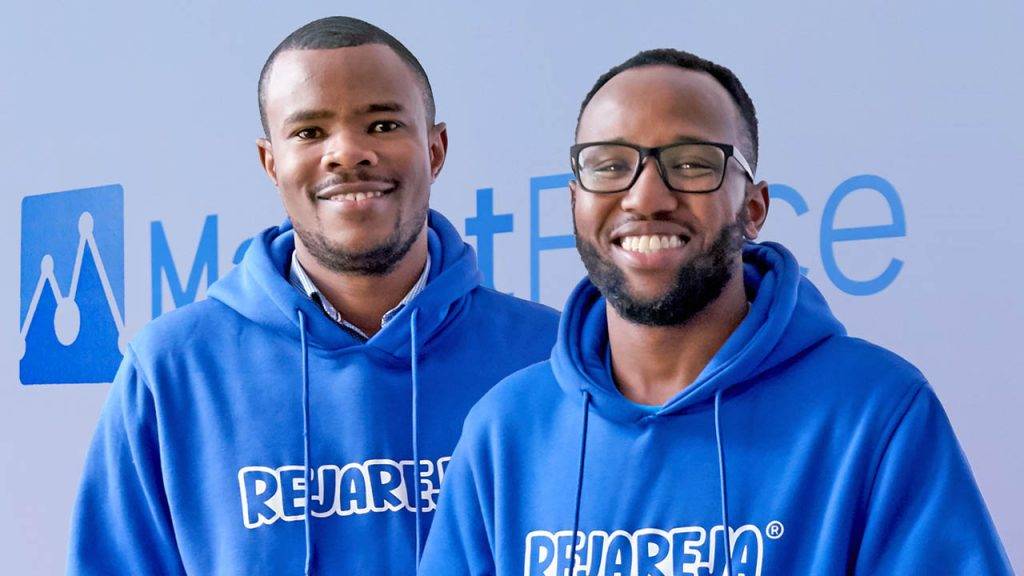
    Marketforce Technologies, once a promising name in Africa’s B2B e-commerce space, has been ordered by a Kenyan court to pay KES 2.1 million ($16,000) to a former employee for wrongful termination.

    This ruling comes nearly a year after the Y Combinator-backed startup shut down its flagship marketplace, RejaReja, casting uncertainty over its future. Meanwhile, co-founder Tesh Mbaabu has moved on, launching a new social commerce platform called Chpter.

    Tom Maina Chege, a former product manager at Marketforce, took the company to court after being laid off in July 2023. He argued that the termination was unlawful because the required 30-day notice period wasn’t fully observed, and the company failed to inform the Labour Office as required by Kenya’s Employment Act of 2007. At the time, Chege was earning a monthly salary of KES 200,000 ($1,550). He sought compensation for unpaid leave, notice pay, severance pay, salary arrears, and general damages, amounting to KES 1,560,870 ($12,000).

    Since Marketforce did not contest the case, Judge C.N. Baari ruled in favor of Chege, declaring the redundancy both procedurally and substantively unfair. The court awarded him KES 1,316,547 ($10,000) in terminal dues and an additional KES 800,000 ($6,000) to cover compensation and legal costs.

    This legal battle brings to light Marketforce’s deeper struggles, which former employees say started in late 2022. Mass staff departures disrupted operations and weakened relationships with major distributors. One former employee, speaking anonymously, explained how Marketforce had a credit arrangement with major manufacturers, allowing them to acquire stock and pay later. However, as internal challenges mounted and key employees left, these agreements fell apart.

    At the same time, Marketforce faced severe cash flow issues, leading to delayed salaries and pay cuts of up to 50% for non-tech employees. Despite securing over $40 million in funding from investors like Reflect Ventures, Greenhouse Capital, and Century Oak Capital, the company’s sudden exit from the B2B e-commerce sector in 2024 has left its current state unclear.

    While Marketforce’s fate remains uncertain, its co-founder Tesh Mbaabu has moved forward with Chpter, a social commerce platform helping businesses sell via social media. In September 2024, Chpter raised $1.2 million in a pre-seed funding round led by Pani, an Africa-focused investment firm co-founded by former Cellulant CEO Ken Njoroge. The company has also joined the Safaricom Spark and Norrsken Accelerator programs.

    Whether Marketforce will attempt a comeback is still unknown, but for now, its focus seems to have shifted elsewhere.
  • Jiji Expands Beyond Africa with Bangladesh as the Next Stop

    Jiji Expands Beyond Africa with Bangladesh as the Next Stop

    Jiji, the African e-commerce giant, is taking a big leap beyond the continent.

    The company has set its sights on Bangladesh, a country with a booming middle class and rising mobile connectivity. It’s a move that shows Jiji is ready to go global, targeting high-growth emerging markets outside Africa. And the numbers back up their decision—Bangladesh’s e-commerce market is on track to hit $13 billion by 2027, according to Payments and Commerce Market Intelligence (PCMI).

    Right now, Jiji operates in seven African countries: Ethiopia, Ghana, Kenya, Nigeria, Tanzania, Uganda, and Senegal. Expanding into Bangladesh feels like the next logical step. The country has 131 million internet users, and more people are getting comfortable shopping online. That’s a massive audience for Jiji, which already has 12 million active users every month.

    “With a solid financial foundation and a scalable business model, we have grown into a profitable leader in Africa’s e-commerce space,” a Jiji spokesperson told TechCabal. “Our success in Africa has shown us how to navigate fast-growing markets, and we believe Bangladesh has the same potential for Jiji to thrive, helping to grow the e-commerce sector.”

    Bangladesh has been making strategic moves to fuel e-commerce growth. Government policies, such as the Information and Communication Technology (ICT) Act of 2006, provide a legal framework for online transactions while addressing cybersecurity issues. There are also national ICT policies designed to shape the country’s digital economy, including e-commerce.

    These efforts, combined with a growing middle class, have made Bangladesh a promising market. A PCMI survey from 2024 revealed that 79% of Bangladeshi consumers have shopped online, and 47% feel comfortable making digital payments.

    However, Jiji won’t have the market to itself. It will be going up against big names like Daraz, Bikroy, and Ajkerdeal—companies that already have strong brand recognition and consumer trust. To win over Bangladeshi shoppers, Jiji will need to stand out with localized offerings and strategic partnerships, much like it did in Africa.

    Since its launch in 2014, Jiji has found success by adapting to market needs. In Nigeria, it gained traction by offering free listings to first-time users and preloading its app on budget-friendly smartphones through partnerships with phone manufacturers. In 2016, the company struck a deal with Airtel to allow users to browse the platform without using data.

    Jiji’s aggressive expansion strategy has also played a key role in its growth. In 2019, the company raised $21 million and acquired OLX Africa, taking over operations in Nigeria, Kenya, Ghana, Uganda, and Tanzania. This gave Jiji access to a combined market of 300 million people. In 2021, Jiji acquired Cars45, a platform for buying and selling used cars in Nigeria, Kenya, and Ghana. The next year, it took over Tonaton, its main competitor in Ghana.

    The strategy has worked well in Africa, and Jiji is now hoping to replicate that success in Asia. The question is: can it carve out space in Bangladesh’s competitive e-commerce landscape? Time will tell, but if history is any indication, Jiji knows how to play the long game.

  • Why Paystack Sent a Legal Warning to Zap Africa

    Why Paystack Sent a Legal Warning to Zap Africa

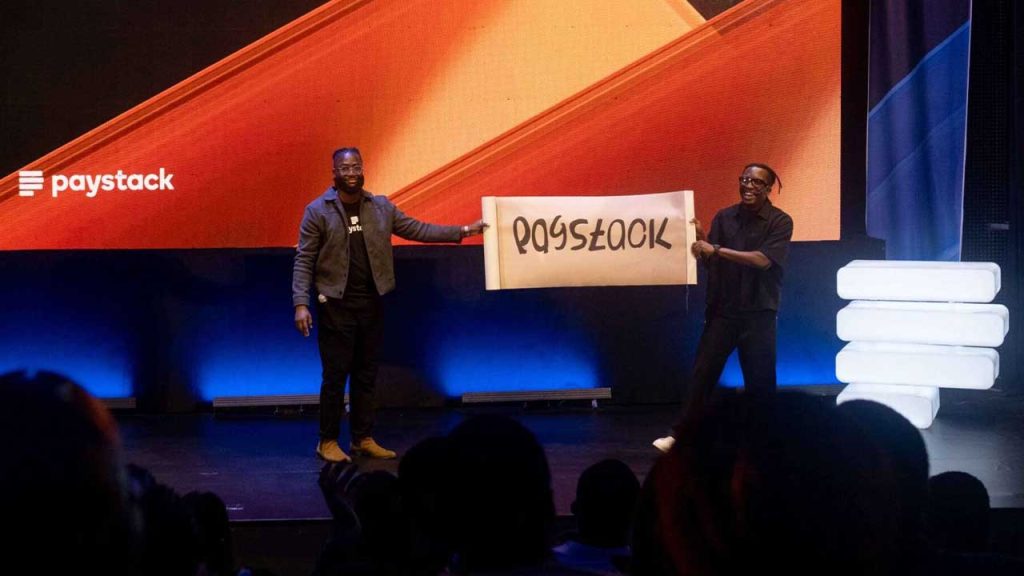
    Paystack, the African payments company owned by Stripe, has sent a cease and desist notice to crypto startup Zap Africa after launching its new consumer product, Zap by Paystack.

    This legal move comes in response to Zap Africa’s claims that Paystack failed to check whether “Zap” was already in use before branding their product.

    The announcement of Paystack’s new offering stirred up a debate online, with Zap Africa accusing the payments giant of neglecting due diligence. But according to a source within Paystack, the company did its homework before moving forward with the name.

    “We’re confident that we filed for trademark and that we filed in the right category,” the source told Condia. “We registered the [Zap] trademark across multiple classes, including financial services — a class where Zap Africa has no filing registration.”

    Documents reviewed by Condia confirm that Paystack applied for a trademark on December 4, 2023, covering six different categories, including financial affairs, monetary services, insurance, and estate affairs. Meanwhile, a search of Nigeria’s Corporate Affairs Commission (CAC) registry shows that many businesses already use “Zap” in their names.

    Zap Africa has also raised concerns that Paystack’s use of “Zap” is confusing its customers. However, the Paystack source dismissed this argument, pointing out that “Zap” is a common word used by multiple businesses in different industries.

    “Zap” is a common term widely used in everyday language, making it difficult to associate exclusively with a single brand,” the source explained. “Over 40 companies listed on the CAC website include ‘Zap’ in their business names. Records from the Trademarks, Patents, and Designs Registry in Nigeria also show that the word ‘Zap’ has been in use for well over a decade. In fact, a trademark containing ‘Zap’ was filed as early as 2008 by an entirely different entity. So, the name is not exclusive to Zap Africa.”

    It’s clear that this dispute is far from over, and how it unfolds could set a precedent for naming rights in Nigeria’s business landscape.

  • Thousands Demand Justice After Tragic Death of Tech Leader TeeJay Opayele

    Thousands Demand Justice After Tragic Death of Tech Leader TeeJay Opayele

    The tragic death of Adetunji ‘TeeJay’ Opayele has sparked an outpouring of public outrage, with over 57,000 people signing a change.org petition demanding a full investigation and legal accountability.

    On March 4, 2025, Opayele was on his way home from the gym, riding his power bike along Ozumba Mbadiwe in Victoria Island, Lagos. According to eyewitnesses, Biola Adams-Odutayo, driving a vehicle with license plate LND 418 JR, allegedly merged onto the expressway without checking for oncoming traffic, leading to a devastating collision.

    A Shocking Turn of Events

    The petition details disturbing allegations about what happened next. Despite Opayele wearing full safety gear, he was knocked unconscious. Witnesses say Adams-Odutayo, who is a Sales Head at HygeiaHMO, refused to leave her car, ignored multiple pleas for help, and remained on a phone call for over 30 minutes while Opayele lay on the ground, still breathing but unresponsive. One witness even claimed that when they asked her to assist, they were told, “She doesn’t want blood to stain her car.”

    Eyewitnesses also allege that multiple hospitals refused to treat Opayele after bystanders finally transported him for medical attention. Sadly, he was pronounced dead in the early hours of March 5.

    Adding to the controversy, Adams-Odutayo reportedly entered the same hospital, requested a drip, claimed she was in shock, and then attempted to leave unnoticed.

    A Respected Figure in Tech

    Beyond his role at Bumpa, where he worked to support small businesses with digital tools, Opayele was a well-known figure in Nigeria’s tech space. His sudden death has left many in shock, igniting discussions about accountability on the roads and the treatment of victims in such incidents.

    His community is now calling for justice, insisting that Adams-Odutayo’s charge be upgraded from reckless driving to manslaughter. Supporters are also urging government officials to step in, fearing that social influence could be used to manipulate legal outcomes.

    Justice and Public Frustration

    Adams-Odutayo reportedly spent just one night in detention before being granted bail set at ₦1 million, which she immediately paid. Many see this as yet another example of how wealth and connections can allow people to escape consequences, fueling growing frustration over the country’s justice system.

    The petition continues to gain momentum, with citizens demanding that the Lagos State Government take real action and ensure accountability. Meanwhile, investigations into the case are said to be ongoing.

    Disclaimer: This report is based on the change.org petition and publicly reported accounts. Legal proceedings are still underway.

  • MTN South Africa Makes History with Africa’s First Satellite Phone Call

    MTN South Africa Makes History with Africa’s First Satellite Phone Call

    MTN South Africa and Lynk Global just pulled off something big—they made Africa’s first phone call via satellite.

    This could be a game-changer for people in remote areas who struggle with poor network coverage.

    Think about it: If you live in a big city, you rarely worry about dropped calls. But in rural areas, building cell towers is expensive and not always practical. That’s where satellites—especially low-earth orbit (LEO) satellites—come in. They can beam network signals directly to your phone, no extra equipment needed.

    The test call happened in Vryburg, a town in South Africa’s North West province. And here’s the cool part—it was made using a regular smartphone. No fancy satellite phone, no extra gadgets. Just a normal phone connecting to an LEO satellite. MTN South Africa’s CEO, Charles Molapisi, said the trial was part of the company’s mission to improve network access in hard-to-reach areas. The test had the green light from South Africa’s telecom regulator, ICASA, which means it was all official.

    MTN isn’t the only company looking at satellites for better coverage. They’ve been in talks with big names like Omnispace, OneWeb, Starlink, and AST SpaceMobile. Other telecom giants like Vodacom and Cell C are also moving in the same direction. In 2023, Vodacom teamed up with Amazon’s Project Kuiper to explore satellite connectivity. Meanwhile, Starlink, the company owned by Elon Musk’s SpaceX, recently announced its direct-to-cell service, which lets standard phones connect directly to its satellites.

    If satellite connectivity becomes widely available, it could unlock a massive market. According to GSMA Intelligence, telcos across Sub-Saharan Africa could tap into a $30 billion opportunity by 2035. That’s a huge deal, especially for regions where traditional network expansion has been slow or impossible. For now, the technology is still being tested, but this successful call is proof that satellite-powered mobile networks aren’t just science fiction—they’re becoming reality. If things go as planned, making a call from the middle of nowhere might soon be as easy as calling from downtown Johannesburg or Lagos.

  • Kenyan Fintech Lipa Later Struggles After Failed Fundraising

    Kenyan Fintech Lipa Later Struggles After Failed Fundraising

    Kenyan buy-now-pay-later (BNPL) fintech Lipa Later has officially entered administration as of March 24, 2025, following months of financial trouble and unsuccessful fundraising efforts.

    The move means the company’s directors no longer have control over its assets or operations, with decision-making now in the hands of Joy Vipinchandra Bhatt from Moore JVB Consulting LLP, the appointed administrator. A gazette notice confirming this was seen by TechCabal.

    Lipa Later’s financial struggles have been ongoing since its last successful funding round in September 2023, when it secured $3.4 million in debt financing. Since then, the company has been unable to attract fresh capital, leading to difficulties in paying employees and suppliers. As the company navigates administration, creditors have until April 23 to submit their claims.

    “We are currently engaging all key stakeholders of the company to elicit their cooperation in order to achieve the best possible outcome for the company,” Bhatt said.

    Employees have borne the brunt of the crisis, with at least five staff members revealing to TechCabal that they had not received their salaries for several months as of December 2024. Suppliers have also been affected, including London-based consultancy Africa Foresight Group (AFG), which took legal action against Lipa Later over an unpaid $13,516 consultancy fee. Court documents indicate that the dispute dates back to April 2022 when AFG was contracted to prepare a market report. Lipa Later withheld payment, arguing that the work did not meet expectations. However, in December 2024, Kenya’s High Court ruled against Lipa Later, stating the company had admitted to the debt in internal correspondence.

    “It is therefore clear to me that the amount demanded in the statutory demand is, in fact, not disputed, and the debtor (Lipa Later) is estopped from claiming so having admitted to the debt,” Justice Mong’are stated in the ruling.

    The court also determined that Lipa Later did not provide sufficient evidence to show a genuine dispute over the debt.

    Lipa Later’s struggles are a sharp contrast to its earlier success when it was seen as a rising star in the fintech space. The company raised $12 million in seed funding in January 2022 from investors like Cauris and Lateral Frontiers. Prior to that, it secured backing from Orbit Startups in 2021 and Founders Factory Africa in 2019. Despite this early investor confidence, Lipa Later failed to raise additional funding in 2024. A top executive, speaking anonymously, claimed that a major funding deal was close in late 2024 but ultimately fell through.

    Financial concerns surrounding the company grew after it acquired struggling e-commerce platform Sky.Garden in December 2023 for KES 250 million ($1.9 million). At the time, Lipa Later was already facing financial pressure, and the acquisition raised questions about whether it could sustain its operations.

    Now, the company’s future depends on whether the administrator can successfully restructure the business or find a buyer willing to take a chance on its BNPL model.

  • MyFoodAngels Goes Green with Sustainable Packaging and Refill Options

    MyFoodAngels Goes Green with Sustainable Packaging and Refill Options

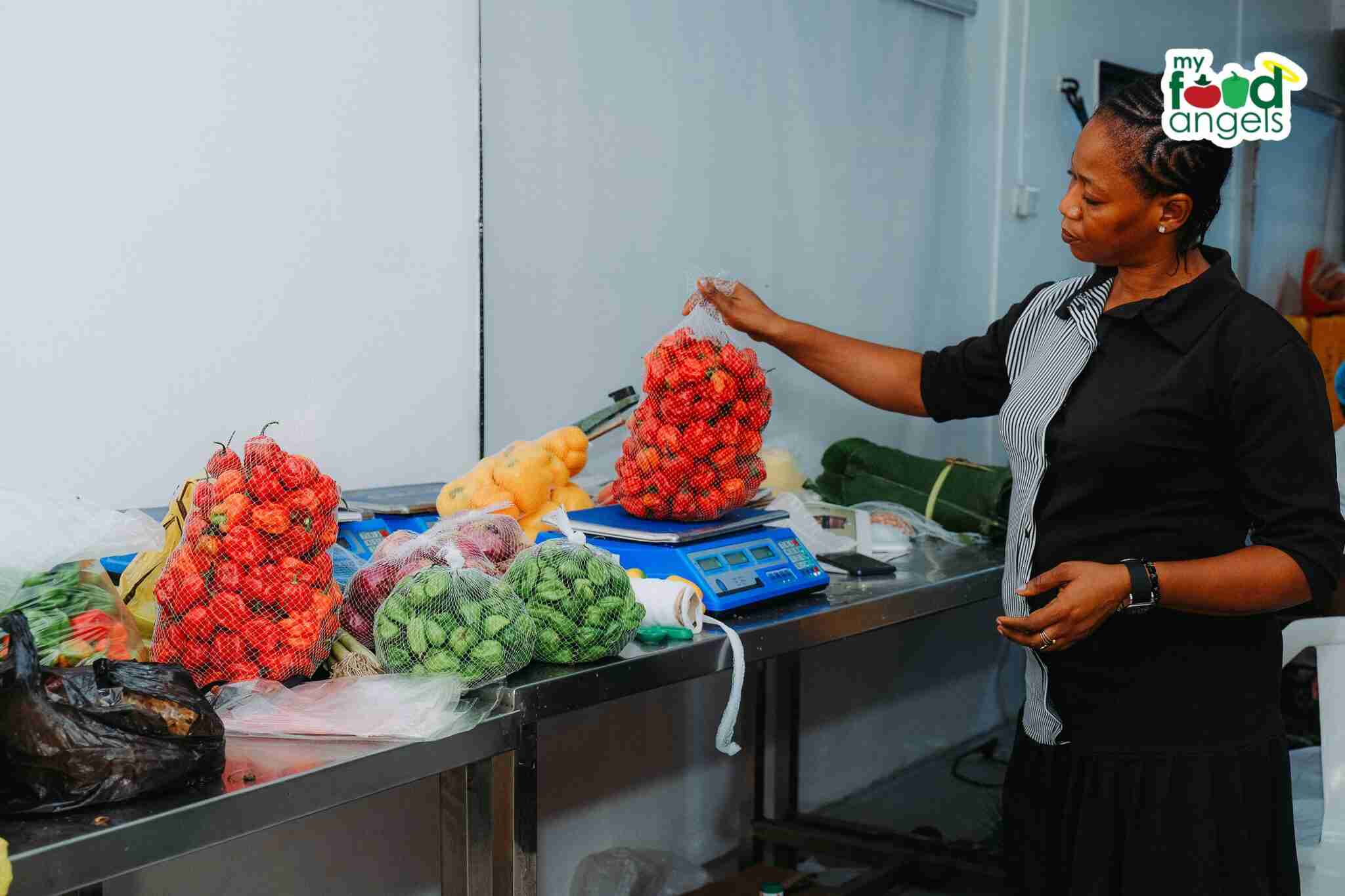
    MyFoodAngels, the grocery delivery startup known for farm-fresh foods and personalized meal recommendations, is taking a big step towards sustainability by rolling out eco-friendly packaging.

    The company has been experimenting with ways to cut down on plastic use while staying aligned with global sustainable development goals. According to CEO Olapeju Umah, one major concern is the waste generated by single-use packaging.

    “Imagine someone bought five kegs of five-litre palm oil from us over the last five months,” Umah explained. “That would leave them with more kegs to trash.”

    To tackle this, MyFoodAngels is introducing reusable packaging and refill options. Customers who opt for palm oil refills, for example, can save money—getting a litre for ₦3,850 instead of ₦4,000. When checking out on the website, they can choose to refill their existing container rather than buying a new one each time.

    MyFoodAngels

    Another initiative is the crate return system for eggs. Instead of accumulating unnecessary egg crates at home, customers can return them after use. “You do not need more egg crates at home to add to the previous ones. We will supply you and take back our crates,” Umah said.

    Looking ahead, the company is also testing biodegradable plastics as a long-term solution, aiming to be the first grocery delivery platform in Nigeria to make a full pivot to sustainable packaging. While palm oil and eggs are the first products to benefit from these changes, MyFoodAngels is working on similar solutions for other grocery items.

    Beyond sustainability, the company has been growing fast. Its gross merchandise value (GMV) has quadrupled in the past year, and in 2024 alone, it served over 50,000 customers. MyFoodAngels has built a strong presence in Lagos by working closely with local farmers and running an in-house palm oil milling operation. Its supply chain delivers fresh groceries like tomatoes, bell peppers, palm oil, and protein directly to both restaurants and individual customers.

    Now, the startup is seeking $500,000 in funding to expand beyond Lagos, develop new products in the fisheries sector, and launch its mobile app, which is currently in beta testing. The app is expected to simplify the ordering process and drive even more growth.

  • Payhippo Becomes Rivy and Gets $4M to Support Solar Energy

    Payhippo Becomes Rivy and Gets $4M to Support Solar Energy

    Nigerian fintech company Payhippo has officially rebranded to Rivy, signaling a major shift from SME lending to clean energy financing.

    Along with this transformation, Rivy has secured $4 million in pre-Series A funding to expand its renewable energy financing efforts across Africa.

    The funding round was led by climate-focused investors All On and EchoVC Eco, with an even split of $2 million in debt and $2 million in equity. This investment underscores growing confidence in Rivy’s vision of tackling Africa’s energy challenges through accessible financing solutions.

    According to Rivy’s CEO, Dami Olawoye, the company’s mission is rooted in addressing Africa’s massive energy gap. “Renewable energy is not just a necessity for today, but an investment in Africa’s future. With over 600 million people in sub-Saharan Africa lacking access to reliable electricity, clean energy solutions are crucial to driving economic growth, improving livelihoods, and combating climate change,” he said.

    Rivy’s pivot toward clean energy financing started in 2023 and aligns with the urgent need for reliable electricity in sub-Saharan Africa. Many households and businesses either lack access to power entirely or struggle with high costs. By offering financing solutions for solar micro-grids, clean-tech equipment, and access to carbon markets, Rivy is making renewable energy more attainable.

    Payhippo Becomes Rivy and Gets $4M to Support Solar Energy
    Image Source: Rivy

    The company’s model enables individuals, households, and businesses to finance their transition to solar energy. Oluseye Bassir, Investment Manager at All On, emphasized the importance of such financing in scaling clean energy adoption. “Rivy empowers individuals and SMEs with the financing needed to adopt solar power. Such financing is crucial for accelerating the adoption of clean energy in underserved and unserved communities across Nigeria.”

    The market for solar energy in Nigeria is vast, with significant potential to improve energy access and reduce dependence on costly and unreliable alternatives. Rivy’s approach is geared toward unlocking this potential by increasing loan disbursements and helping communities transition to sustainable energy sources.

    Investors see Rivy as a key player in Africa’s clean energy movement. Taiwo Ketiku, Principal at EchoVC Eco, reinforced this sentiment: “We’re thrilled to back Rivy as they scale their efforts in Nigeria’s renewable energy sector. Rivy’s approach is exactly what Africa needs to address its energy access challenges, syndicate reach to households and businesses, and build a sustainable, low-carbon future.”

    With this fresh round of funding, Rivy is set to scale operations, expand its financing reach, and contribute to both economic growth and carbon reduction efforts.

  • Russia’s AvtoVAZ Wants to Bring Lada Cars to Nigeria, but Can It Compete?

    Russia’s AvtoVAZ Wants to Bring Lada Cars to Nigeria, but Can It Compete?

    Russia’s biggest automaker, AvtoVAZ, is making a bold move into Nigeria as part of its strategy to expand beyond its home turf.

    The company, which is mostly owned by the Russian government, has its sights set on the Lekki Free Trade Zone in Lagos, where it plans to set up a spare parts hub and service center before the end of 2025. This marks its most ambitious effort yet in West Africa’s largest economy.

    But AvtoVAZ isn’t stopping there. The automaker is also in talks with the Nigerian government to establish a local assembly plant, a move that could strengthen its foothold in a market where most car buyers opt for used vehicles over new ones.

    The company’s push into Nigeria comes at a time when competition is heating up back home. Chinese automakers have been expanding their footprint in Russia, with Great Wall Motors planning to increase production from 150,000 to 200,000 units by 2025. At the same time, major players like Hyundai and Renault are reportedly eyeing a return to Russia once a ceasefire in the ongoing conflict with Ukraine is secured.

    Looking for fresh opportunities, AvtoVAZ sees Nigeria’s auto industry as an untapped goldmine. Demand for vehicles in the country is huge—about 720,000 units per year—but local production only accounts for a tiny fraction of that, around 14,000 units annually.

    One area where AvtoVAZ hopes to make an impact is Nigeria’s growing interest in alternative fuel vehicles. The company plans to partner with a Russian engineering firm to set up a compressed natural gas (CNG) conversion plant. This will allow Lada cars to come with factory-fitted or locally converted gas-powered engines.

    “If you bring CNG cars to Nigeria, you don’t pay any duties, which is why we are in talks with the relevant agencies,” said Adewole Opeyemi, AvtoVAZ’s official representative in Nigeria. “Some Lada cars will arrive with factory-fitted gas-powered engines, while others will be converted locally by Russian specialists.”

    AvtoVAZ, known for its Lada brand of budget-friendly cars, SUVs, and commercial vehicles, has been doing business in Africa since 1999. Over the years, it has shipped around 100,000 cars to the continent, with its first major partnership being in Egypt, where Lada models were assembled at a local Suzuki plant.

    In 2022, the company announced plans to export 20,000 vehicles in 2023, with a strong focus on the African market. Since then, it has been working on reestablishing itself on the continent, with Ethiopia emerging as a key destination. In 2023, AvtoVAZ signed a letter of intent with Ethio Engineering Group to begin local production of Lada vehicles.

    “We are witnessing a new wave of diplomatic cooperation between Russia and African countries. Nigeria, as the region’s biggest market, simply cannot be overlooked,” said Artem Aglichev, AvtoVAZ’s Head of Product Marketing. “Opportunities are opening up for us, and we’re ready to explore them.”

    Despite Nigeria’s potential, the local auto industry is still largely dependent on imports, particularly second-hand vehicles. Domestic manufacturers like Innoson Vehicle Manufacturing, Peugeot Automobile Nigeria (PAN), Coscharis Motors, and GAC Motors operate in the market, but foreign brands still dominate. Toyota leads the pack with a 16.1% market share, largely due to its reputation for reliability and easy-to-find spare parts. Japanese brands like Toyota and Honda control nearly a third of the market, while Hyundai and Kia have gained traction with stylish designs and competitive pricing.

    “As a state-owned company, we fully understand the regulatory requirements and are committed to local assembly,” Aglichev added. “Nigeria has been a strong player in this field since the 1950s, with skilled labor, logistical capabilities, and economic feasibility. This is a logical and reasonable step, and we are confidently moving forward.”

    Still, AvtoVAZ faces significant challenges. Navigating Nigeria’s regulatory landscape won’t be easy, and breaking into a market dominated by used cars and well-established brands will take time. The big question is whether Lada’s low-cost models can win over Nigerian buyers who are accustomed to pre-owned imports.

  • MTN and Airtel Join Forces to Cut Costs and Expand Coverage in Nigeria and Uganda

    MTN and Airtel Join Forces to Cut Costs and Expand Coverage in Nigeria and Uganda

    MTN Group and Airtel Africa are teaming up to share network infrastructure in Nigeria and Uganda.

    This move is all about cutting costs and expanding coverage, especially in areas that don’t yet have strong mobile networks. It’s not every day you see two big competitors working together like this, but with economic challenges and currency devaluation hitting profits, telecom giants are rethinking how they operate.

    Nigeria is the biggest market for both companies, but it hasn’t been smooth sailing. MTN Group makes 40% of its revenue there, while Airtel Africa pulls in 34.4% from the country. The problem? The naira’s devaluation has made everything more expensive, from setting up towers to maintaining fiber networks. Instead of each company building its own infrastructure, they’re now looking to share resources—towers, base stations, and fiber-optic networks—to keep costs under control while improving service quality.

    MTN Group CEO Ralph Mupita pointed out that demand for data and digital financial services keeps growing across Africa. In Nigeria, MTN’s market share hit 51% in January, with over 3 million new subscribers bringing its total to 87.5 million. Airtel Nigeria also saw an increase, going from 56.6 million subscribers in December 2024 to 57.6 million by January 2025.

    “We continue to see strong structural demand for digital and financial services across our markets,” Mupita said. “To meet this demand, we continue to invest in coverage and capacity to ensure high-quality connectivity for our customers.”

    Before signing this deal with Airtel, MTN Nigeria had been in talks with 9mobile, a struggling telecom operator that has been losing customers. That potential agreement, which is still under discussion, would allow 9mobile to use MTN’s network in certain areas while MTN would gain access to 9mobile’s spectrum.

    This new partnership fits right in with regulatory requirements. When the Nigerian Communications Commission (NCC) approved telecom tariff hikes in January, it told operators they had to roll out additional infrastructure within three months to improve service. Since the new tariffs kicked in this February, that means telecoms have just two months left to meet the deadline.

    MTN and Airtel aren’t stopping at Nigeria and Uganda. They’re looking at other African markets too—places like Congo-Brazzaville, Rwanda, and Zambia—where they could also share networks. The companies are considering different approaches, from radio access network (RAN) sharing to joint investments in fiber infrastructure.

    “As we compete fiercely in the market on the strength of our brand, services, and offerings, we are building common infrastructure within the permissible regulatory framework,” Airtel Africa CEO Sunil Taldar said. “This allows us to provide a more robust and extensive digital highway while avoiding the costly duplication of infrastructure.”

    If this collaboration works well, it could pave the way for more network-sharing deals across Africa, helping telecom operators manage costs while expanding their reach.

  • Mysten Labs Co-founder’s $1.3M Fund to Train Africa’s Next Top Software Engineers

    Mysten Labs Co-founder’s $1.3M Fund to Train Africa’s Next Top Software Engineers

    Adeniyi Abiodun, Mysten Labs co-founder, and his wife, Gloria, are funding Africa’s next generation of software engineers.

    They’ve set up a $1.3 million endowment fund to help tackle the shortage of skilled tech talent in the region, a problem that could slow down Africa’s booming startup scene.
    Over the next five years, the fund will be managed by Inurere Foundation and will provide student loans to aspiring software engineers enrolled in Semicolon Africa’s Techpreneurship programme. Semicolon, a Nigerian workforce development company, has already trained over 800 engineers and aims to equip more students with in-demand programming skills, including Move, a language used for smart contract development. Meedl Africa, a fintech company, will handle loan disbursement.

    Students can borrow around ₦5 million ($3,300) at a 12% annual interest rate. These repayments will be reinvested into the fund, ensuring a continuous cycle of support for future students. Ashley Immanuel, COO of Semicolon, explained the impact of this structure: “Funds are recycled, meaning many more learners can be trained over time. This fund, which isn’t seeking a financial return, can attract other funding sources to offer affordable interest rates. Nigerian financial providers are interested in student loans, but with MPR at 27.5%, their rates are too high. Blending that ‘expensive’ capital with endowment funds can make loans more affordable.”

    Africa’s tech industry is growing fast, but a lack of trained blockchain engineers threatens to slow things down. For Abiodun, this initiative isn’t just about business—it’s personal. Before launching Mysten Labs, he worked as an engineer at JP Morgan, HSBC, Oracle, and Meta’s Novi, the now-defunct digital wallet project that supported the Libra stablecoin.

    “Supporting Nigerian students while inviting more builders to learn the programming language that has defined my career is immensely rewarding,” Abiodun said. “With the rise of AI and blockchain, we are committed to ensuring African students are high-level contributors to the global tech workforce.”

    The need for skilled tech professionals is only going to grow. Africa’s digital economy is projected to reach $712 billion by 2050, and the demand for software engineers will continue to rise. Sam Immanuel, CEO of Semicolon Africa, believes this fund could inspire similar efforts to bridge the education financing gap.

    “We hope that more individuals—and companies—will follow in the Abioduns’ footsteps and invest in funds, like this endowment, that will engender sustainable talent development across the continent,” he said.

  • UBA’s Profitable 2024 Overshadowed by ₦1.14 Billion Fraud Loss

    UBA’s Profitable 2024 Overshadowed by ₦1.14 Billion Fraud Loss

    UBA lost ₦1.14 billion to fraud in 2024 but still recorded a ₦766.6 billion after-tax profit according to its latest audited financial statements.

    The losses stemmed mainly from electronic fraud and unauthorized transfers, reinforcing the ongoing challenge Nigerian banks face in combating financial crimes.

    UBA reported that fraudulent activities were tied to transactions worth ₦4.9 billion ($3.15 million) in 2024, with about 23% of those resulting in actual financial losses. Electronic fraud was the biggest culprit, leading to losses of ₦805 million ($518,000), while fraudulent transfers cost the bank ₦314 million ($202,000), accounting for 88% of the total value lost in such incidents.

    While these losses are minimal compared to UBA’s record-breaking annual profit, they serve as a reminder that even the most successful financial institutions are not immune to fraud. The bank’s profit after tax jumped by 26% from ₦607.7 billion ($391 million) in 2023, demonstrating strong financial performance despite these setbacks.

    This disclosure is UBA’s first since 2012, coming at a time when Nigerian banks are under growing pressure to tighten security measures. In Q3 2024 alone, Nigerian banks collectively lost ₦10.1 billion ($6.7 million) to fraud, though this was a notable 76.4% drop from the previous quarter, as reported by the Financial Institutions Training Centre (FITC). However, fraudsters are becoming more sophisticated, making it an ongoing battle for banks. The FITC report also highlighted a sharp increase in external fraud involvement, which rose by 70.4% between Q2 and Q3 2024, while staff-related fraud jumped by 54% during the same period.

    UBA, which is one of the top banks in Nigeria, maintained in its financial statements that “there is no fraud involving management or other employees who could have any significant role in the bank’s internal control.”

    This surge in fraud cases comes amid broader concerns in Nigeria’s financial sector. In January, the Central Bank of Nigeria instructed NIBSS to debit the settlement accounts of commercial banks that receive fraudulent funds, a move aimed at encouraging stricter internal controls and reducing illicit transactions.

    UBA’s decision to publicly disclose its fraud losses signals a shift towards greater transparency in Nigeria’s banking sector. Many banks still prefer to keep such incidents under wraps to avoid reputational damage. In 2023, only 60 out of 163 financial institutions in Nigeria reported fraud cases, according to the Nigeria Inter-Bank Settlement System (NIBSS). As financial crimes become more sophisticated, banks and regulators face the dual challenge of tightening security measures while maintaining customer confidence.

  • SpaceX Working on Faster Starlink Dish That Could Hit Gigabit Speeds

    SpaceX Working on Faster Starlink Dish That Could Hit Gigabit Speeds

    SpaceX is gearing up to launch a next-generation Starlink dish that promises significantly faster internet speeds, potentially reaching up to 1Gbps—far beyond the current 200Mbps limit. This could be a game-changer for users in rural and underserved areas who rely on satellite internet.

    A new Starlink dish was recently mentioned during a webinar for resellers, according to someone who attended the session. While details remain limited, this confirms that SpaceX is actively working on the technology to boost Starlink’s speed and performance.

    What This Means

    Right now, Starlink offers solid speeds, but it’s not always a true alternative to fiber networks. A jump to gigabit speeds could change that. Imagine having fiber-like internet in places where fiber simply isn’t available—this could make a huge difference for businesses, remote workers, and even households looking for a more reliable connection.

    Of course, there’s a catch. Users will likely need to purchase new hardware to take advantage of the speed upgrade. That means an additional cost on top of the monthly subscription.

    How SpaceX Plans to Do It

    To make gigabit speeds possible, SpaceX is focusing on two key upgrades:

    • Expanding Starlink’s radio spectrum usage – This would allow for greater data transmission capacity.
    • Deploying upgraded Starlink satellites – The upcoming V3 Starlink satellites will be launched using SpaceX’s massive Starship rocket, which is still in development.

    However, all of this depends on regulatory approvals. SpaceX has applied for permission from the U.S. Federal Communications Commission (FCC) to make these upgrades, but it’s still waiting for the green light.

    SpaceX President Gwynne Shotwell hinted at these improvements last year, saying, “Next generation, we’ll have smaller beams, more capacity per beam, lower latency. Starlink speeds will reach as high as 2 gigabits.”

    Satellite industry analyst Tim Farrar also noted that even existing Starlink users may see some speed improvements, thanks to potential changes in power limits and satellite positioning that SpaceX is working on.

    Before rolling out to regular customers, SpaceX may introduce the gigabit-capable dish to business users first. The company is also working on a new high-performance dish for enterprise buyers.

    Additionally, this upgraded model will follow the recently introduced Starlink Mini dish, which currently costs $499 in the U.S.

  • DStv Ghana Prices Jump 15% in April – Full Breakdown

    DStv Ghana Prices Jump 15% in April – Full Breakdown

    MultiChoice Ghana, the company behind DStv, is set to increase subscription prices again, with adjustments kicking in from April 1, 2025. This time, the price hike averages around 15% across all packages.

    If this feels familiar, that’s because it is. This will be the third increase in less than a year, following two adjustments in 2024 that didn’t sit well with subscribers.

    The new prices for each package are as follows:

    PackageCurrent PriceNew Price
    Premium750 GHC865 GHC
    Compact330 GHC380 GHC
    Compact Plus495 GHC570 GHC
    Family165 GHC190 GHC
    Access85 GHC99 GHC
    DStv Lite50 GHC59 GHC

    MultiChoice says rising operational costs and economic pressures are behind the decision.

    Not surprisingly, consumer groups aren’t happy. CUTS International, a consumer advocacy group, has criticized the company’s approach, particularly the short notice given to subscribers.

    “Short notices erode trust and burden consumers,” a CUTS spokesperson said, calling for DStv to be more transparent and give customers more time to prepare for these changes.

    This price hike also comes at a time when many Ghanaians are already dealing with inflation and a weakening currency. With streaming services offering more affordable alternatives, DStv could be putting its own customer loyalty to the test.

  • Verve and Temu Partnership Signals Tougher Competition for Jumia

    Verve and Temu Partnership Signals Tougher Competition for Jumia

    African Verve cardholders now have an easier way to shop on Temu and pay in their local currencies, thanks to a new partnership between Verve International and the Chinese e-commerce platform. This move is a big win for shoppers who’ve struggled with international payment restrictions when buying from global online stores.

    This isn’t Verve’s first major deal in e-commerce. Last year, the payment network teamed up with AliExpress, allowing customers to shop without needing a dollar card. At the time, an Interswitch executive hinted, “Temu is next.” Now, that promise has been fulfilled, putting Temu in direct competition with Jumia, Africa’s biggest homegrown e-commerce platform.

    Making Global Shopping Easier

    Temu has quickly become one of the largest online marketplaces, offering budget-friendly deals on fashion, electronics, home goods, and more. By enabling Verve payments, it’s removing a major barrier for African shoppers—no more worrying about currency conversions or needing internationally issued cards.

    For Verve, this is another step in its global reach. The payment provider is already accepted on big-name platforms like Google, Netflix, Uber, and Spotify. Expanding to Temu further strengthens its position in cross-border commerce. Verve International’s Managing Director, Vincent Ogbunude, called the partnership a major milestone, saying, “Our recent addition of Temu to our growing network is a pointer to our relentless and unwavering commitment to break down barriers in global/cross border commerce.”

    What This Means for Jumia

    Jumia has long been Africa’s leading online marketplace, but with AliExpress and Temu both now accepting Verve, competition is heating up. Temu’s low prices and frequent free shipping deals make it an appealing alternative for budget-conscious shoppers.

    Jumia, on the other hand, has been refining its strategy. Last year, it pulled out of South Africa and Tunisia to focus on markets with stronger growth potential. As it works towards profitability, it will need to find ways to stand out against rising international competition.

    This deal with Temu likely won’t be Verve’s last. The company has been steadily expanding its international presence, and as more global brands look to tap into Africa’s growing e-commerce market, Verve will likely add even more platforms to its payment network.

    For African shoppers, this means more options, fewer payment hurdles, and a smoother experience when buying from international stores.

  • Paystack Introduces Zap for Seamless Bank Transactions

    Paystack Introduces Zap for Seamless Bank Transactions

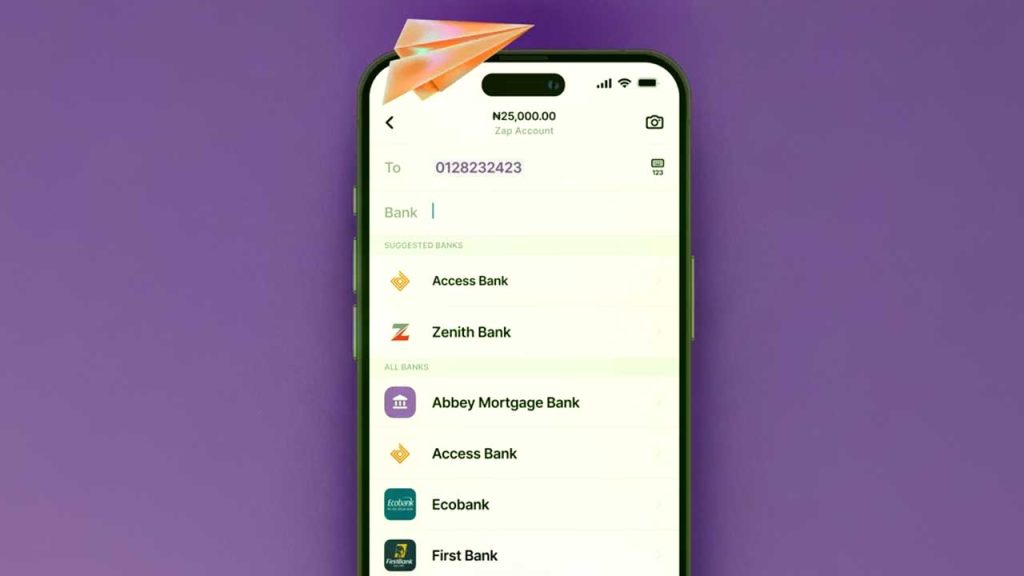
    Paystack just dropped a new product, and if you’re tired of clunky bank apps or high transaction fees, this one’s worth paying attention to. It’s called Zap, a consumer app designed for instant and secure bank transfers—no card networks involved.

    They made the announcement during a live stream on their YouTube page, keeping things direct and transparent, just how they like it.

    Right now, the digital payments space is packed. You’ve got mobile money, digital wallets, and bank apps all fighting for attention. But Zap is taking a different approach. Instead of routing payments through card networks, which can add extra fees and sometimes slow things down, it sticks to good old bank transfers. That means lower costs and fewer middlemen.

    How does Zap work?

    Zap isn’t reinventing the wheel—it’s just making it run smoother. Here’s what to expect:

    FeatureWhat It Means for You
    Instant Bank TransfersNo waiting around—money moves in real-time.
    Secure TransactionsBuilt on Paystack’s existing system, which already processes millions of payments daily.
    Easy to UseNo complicated setup, just straightforward money transfers.

    Where is it available?

    Right now, Zap is live in Nigeria. But Paystack isn’t stopping there—they have plans to roll it out in other markets soon.

    Africa’s digital payments space is booming. More people want quick, reliable ways to send and receive money without dealing with unnecessary fees or complicated apps. Zap is banking on the idea that consumers want a smoother, cheaper experience without the usual friction that comes with traditional banking apps. If it takes off, it could push other fintech players to rethink their approach too.

    For now, if you’re in Nigeria and want a no-fuss way to send and receive money, Zap might be worth checking out.

  • Enza Secures $6M to Revolutionize Payment Systems for African Banks

    Enza Secures $6M to Revolutionize Payment Systems for African Banks

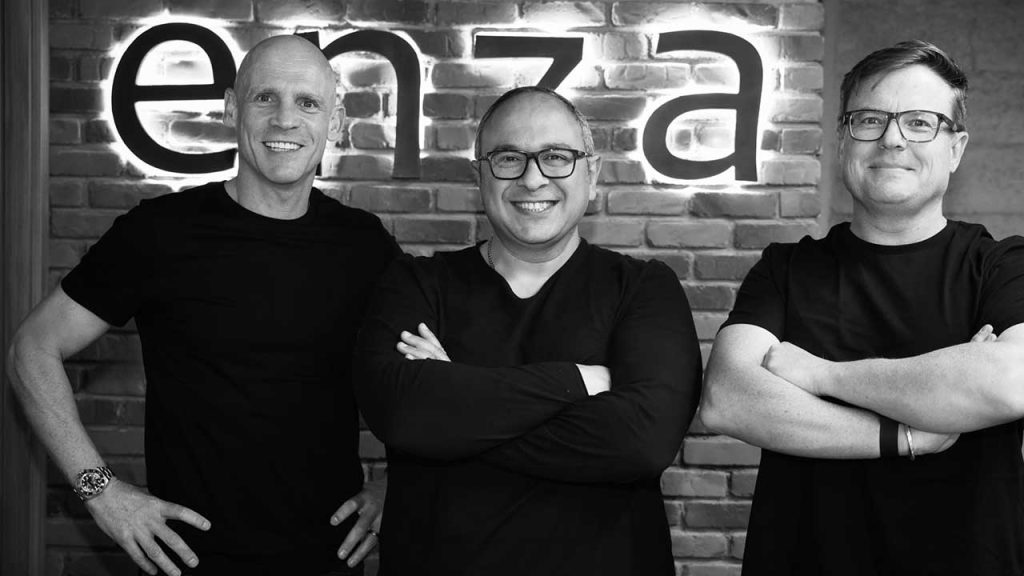
    Dubai-based fintech startup Enza has just secured $6 million in seed funding to help African banks and fintechs improve their payment infrastructure.

    Founded in 2022 by ex-Network International executives Hany Fekry and Hamish Houston, the company is stepping in to ensure traditional banks don’t get left behind in the fast-moving fintech revolution.

    Fintech startups have shaken up Africa’s financial sector, offering fast, digital-first solutions that have left traditional banks struggling to keep up. Enza wants to change that by giving banks the tools they need to compete, not just survive.

    How Enza Works

    Enza’s platform is designed to support both sides of the payment process—issuing and acceptance. This means banks and fintechs can offer local payment solutions, including:

    • Card payments
    • Real-time transactions
    • Other digital payment methods

    Rather than just focusing on merchant payments (like most processors do), Enza provides a full-scale solution that integrates seamlessly with existing financial systems. The company is starting with Egypt, Nigeria, and South Africa—three of Africa’s largest financial markets.

    Why Payments Matter for Financial Inclusion

    For small businesses across Africa, the ability to accept digital payments is often the first step toward financial growth. Enza’s strategy is built around two key benefits:

    Key BenefitHow It Helps
    Lower Costs for BusinessesMakes it easier for small businesses to accept digital payments.
    Smarter BankingUses payment data to help banks offer lending, savings, and insurance products.

    “Payments are the gateway, but the value is in the data and services you can layer on top,” said Enza executive director Andrew Key.

    “Banks have realized they gave up too much ground to fintechs. We want to give them the tech to compete and win it back,” added co-founder Hamish Houston.

    Even though fintech giants like Flutterwave and Moniepoint have made huge strides, banks still play a critical role in Africa’s financial ecosystem. They’re highly regulated and remain the backbone of payment networks. Enza helps them regain visibility and control over transactions while staying connected to major global and regional payment schemes like Visa, Mastercard, and others.

    Enza is already making an impact, with:

    • Over 10 million monthly contracted transactions across six African markets, including Nigeria, Ghana, and South Africa.
    • 35-40% month-over-month transaction growth, with plans to double volumes in two years.
    • Funding from Algebra Ventures and Quona Capital to expand its team and roll out new banking solutions across Africa.

    “We founded Enza to solve real infrastructure problems,” said CEO Hany Fekry. “We want African communities to access financial products as easily as people in Europe or the U.S.”

    With strong growth and investor backing, Enza is well on its way to reshaping Africa’s banking landscape. By giving banks the right tools, they’re making sure financial institutions can thrive in a world that’s increasingly going digital.

  • How Nigeria’s $40M Startup Fund Aims to Fuel Tech Innovation

    How Nigeria’s $40M Startup Fund Aims to Fuel Tech Innovation

    The Nigerian government is stepping up its support for tech startups with a new $40 million fund aimed at early-stage companies.

    For years, Nigeria’s booming tech scene has relied on private investors, but this move signals a more structured government-backed approach to fueling innovation.

    Nigeria has been the dominant startup hub in Africa, attracting over $2 billion in funding between 2015 and 2022. This fund is a major step under the 2022 Nigeria Startup Act, designed to keep the momentum going and provide a clear investment framework for emerging companies.

    The Breakdown

    So, where’s the money coming from? Here’s how it’s structured:

    SourceContribution
    Japan International Cooperation Agency (JICA)$20 million
    Nigeria Sovereign Investment Authority (NSIA)$20 million

    The NSIA, which manages over $2 billion in Nigeria’s sovereign wealth, will be in charge of the fund as outlined in the startup law. According to Kashifu Inuwa Abdullahi, the head of the National Information Technology Development Agency (NITDA), the final agreement is set to be signed next month.

    Putting It Into Perspective

    Nigeria has already produced some of Africa’s biggest tech successes. Companies like Paystack (acquired by Stripe), Flutterwave, Andela, and Opay all reached billion-dollar valuations, largely driven by their operations in Nigeria. The startup law aims to build on this by creating a smoother, more predictable path for new startups to thrive.

    What’s Already Happening

    One major outcome of the startup law is the formal registration of around 13,000 businesses as startups under NITDA’s guidelines. These registered startups enjoy perks such as:

    • A three-year income tax exemption
    • Tax credits for their investors

    These incentives are designed to ease financial pressures on new businesses and encourage more investment in Nigeria’s growing tech ecosystem.

    What Comes Next

    While the fund is a promising step, awareness remains a challenge. Many entrepreneurs across Nigeria still don’t know about these opportunities. To address this, NITDA plans to visit all 36 states and Abuja before the end of the year, ensuring that startups nationwide can access the fund and other benefits.

    With structured government backing, tax incentives, and a growing pool of startups, Nigeria’s tech ecosystem is set for another big leap forward. The key question now is whether awareness efforts will be enough to help entrepreneurs take full advantage of these opportunities.

  • Flutterwave Partners with Affinity Bank to Launch Pay With Bank Transfer in Ghana

    Flutterwave Partners with Affinity Bank to Launch Pay With Bank Transfer in Ghana

    Flutterwave, Africa’s top payments technology company, is making moves in Ghana again.

    This time, they’ve integrated Pay With Bank Transfer in partnership with Affinity Bank, giving businesses another seamless way to receive payments.

    If you’ve been paying attention to Ghana’s payment trends, you’ll know bank transfers are on the rise. In 2023 alone, Ghanaians made over 115 million bank transfer payments. That’s a big deal. While Mobile Money (MoMo) still dominates, this shift suggests people are looking for more options.

    For businesses using Flutterwave, this integration means they can now accept payments via bank transfers, making transactions smoother and more flexible for customers.

    With this new feature, businesses in Ghana can:

    • Accept bank transfers as a payment method, making transactions faster and more secure.
    • Reduce reliance on cash and mobile money.
    • Give customers more options, which can lead to more sales.

    Flutterwave’s leadership is clear on why this move matters:

    “We are excited to extend our services to the Ghanaian market. By making payment options like Pay With Bank Transfer available for everyday use, we are expanding access to payments and enabling local businesses to thrive.” — Olugbenga Agboola, Flutterwave Founder & CEO

    “By delivering essential payment options like Pay With Bank Transfer, we’re providing an easy way for businesses in Ghana to increase revenue opportunities and grow.” — Geoffrey Fiador, Manager, Country Operations & Partnerships, Flutterwave

    This update comes shortly after Flutterwave secured approval from the Bank of Ghana to offer inward remittance services. That’s another step toward making digital payments more accessible across Africa.

    With a presence in over 34 countries, Flutterwave is cementing its role as a major fintech player, helping businesses bridge the gap between traditional and digital payments. If Ghana’s growing adoption of bank transfers is any indication, this is just the beginning.

  • Unity Bank Taps Ebenezer Kolawole as Acting CEO Ahead of Providus Deal

    Unity Bank Taps Ebenezer Kolawole as Acting CEO Ahead of Providus Deal

    Unity Bank has just made a big leadership change. Ebenezer Kolawole is stepping in as the Acting Managing Director/Chief Executive Officer, taking over from Oluwatomi Somefun, who retired after leading the bank for ten years.

    The Central Bank of Nigeria (CBN) has given its approval for this move, and it was officially announced at the bank’s 18th Annual General Meeting (AGM) in Lagos.

    Kolawole is taking charge at a crucial time. Unity Bank is gearing up for a merger with Providus Bank Limited, a move that could reshape its future. Originally formed in 2006 through the merger of nine banks, Unity Bank has had its fair share of financial struggles, dealing with high levels of bad loans and recurring losses.

    The bank’s financial report for 2023, which came out in February 2025, painted a tough picture. It recorded a loss after tax of ₦62.6 billion, erasing the profit it had made the previous year. More concerning is the fact that the bank’s liabilities outweighed its assets by ₦326.9 billion, and its capital adequacy ratio stood at -76.14%, far below CBN’s requirements. Simply put, the bank is under serious financial strain. Kolawole’s first order of business? Stabilizing operations, especially after CBN’s ₦750 billion financial injection, which was released in two phases to keep the bank afloat.

    Who is Ebenezer Kolawole?

    Kolawole isn’t new to the world of financial management. With over 30 years of experience, he has worked at several major institutions, including Caribbean Finance Limited, Ecobank, Standard Trust Bank (STB), and United Bank for Africa (UBA). In fact, he played a key role in the STB/UBA merger, which gives him valuable experience as Unity Bank moves toward its own merger with Providus Bank. He has also held leadership positions at Mainstreet Bank and even ventured into the telecom sector with Globacom.

    Since joining Unity Bank in 2015 as Chief Financial Officer (CFO), Kolawole has steadily climbed the ranks. He was later promoted to Executive Director, where he oversaw Finance, Operations, and Information Technology. His work has been instrumental in the bank’s transformation strategy and cost-cutting efforts, making him a natural fit for this leadership role.

    With Unity Bank facing some of its biggest challenges yet, all eyes will be on Kolawole to see how he steers the bank forward, especially with the upcoming merger and financial restructuring on the horizon.

  • Vendease Tweaks Salaries and Seeks Fresh Funding Amid Financial Challenges

    Vendease Tweaks Salaries and Seeks Fresh Funding Amid Financial Challenges

    Vendease, the Nigerian foodtech startup, is shaking things up in a big way.

    In a bid to cut costs and boost profitability, the company has switched to a performance-based salary system while also looking for fresh investment. If you’ve been following the African tech space, you’ll know that times have been tough for many startups, and Vendease is no exception.

    What’s Changing with Salaries?

    Earlier this year, Vendease laid off nearly half of its workforce—about 120 employees. Now, for those who remain, the company has introduced a phased salary recovery plan. According to internal documents obtained by TechCrunch, here’s how the new system works:

    PeriodSalary Payout (as a % of previous salary)
    February 2024Flat ₦140,000 (~$90) for all employees
    March – May 202430% of former salary
    June – August 202460% of former salary
    September – November 202490% of former salary
    December 2024Full salary (if targets are met)

    On top of that, any unpaid salary portions will be converted into share options under Vendease’s Equity Share Option Plan (ESOP). Half of these shares will vest over ten months, while the rest will take three years. But here’s the catch—employees can only cash out based on the fair market value set by the board.

    A Shift in Strategy

    Vendease isn’t just changing how it pays employees; it’s also adjusting its business model. The startup, which raised $30 million in its Series A funding round from investors like Partech Africa and TLcom Capital, is moving away from directly managing logistics and warehousing. Instead, it’s doubling down on software, AI-driven efficiencies, and financial discipline.

    According to the company, these changes have already helped it break even. But it still needs fresh capital to keep going. With about 150 employees left, Vendease is betting big on internal restructuring and technology to sustain operations. A major focus is its payments and credit marketplace, which could prove more profitable than its traditional procurement services.

    Currency Struggles and BNPL Expansion

    Since launching in 2019, Vendease has helped over 2,000 customers move around 400,000 metric tonnes of food, saving them significant procurement costs. But despite tripling its naira revenue since 2022, the company has been hit hard by currency devaluation. Inflation and rising costs have made profitability an even bigger challenge.

    One of its lifelines has been its buy now, pay later (BNPL) offering, which provides short-term credit to food businesses. Over the past two years, Vendease has issued more than $70 million in credit, boasting a default rate of under 1%—a rare feat in Nigeria’s lending space.

    Vendease’s CFO, Mohamed Chaudry, who came on board in January 2024, has been championing BNPL as a key path to profitability. But even with this focus, the company still needs more cash to fund its next growth phase.

    Fundraising and Potential Acquisition Talks

    Right now, Vendease is talking to both existing and new investors to raise a bridge round. According to TechCrunch, this money won’t go toward daily operations but rather to support technology growth and expansion.

    The big question remains: will these changes be enough? With its restructuring efforts in full swing, the next few months will be crucial in determining whether Vendease’s strategy can secure its long-term future. If it plays its cards right, it might just navigate these financial headwinds and come out stronger.

  • Airtel Nigeria Increases Data and Call Tariffs Following NCC Approval

    Airtel Nigeria Increases Data and Call Tariffs Following NCC Approval

    Airtel Nigeria has adjusted its internet and voice plan prices, marking a 50% increase just a week after MTN Nigeria made a similar move.

    Under the new pricing structure, Airtel’s most affordable monthly data package now offers 2GB for ₦1,500, replacing the previous 1.2GB plan that cost ₦1,000. Other notable changes include:

    • 3GB for ₦2,000 (previously 1.5GB at ₦1,200)
    • 4GB for ₦2,500 (up from 3GB at ₦1,500)
    • 8GB for ₦3,000 (previously 4.5GB at ₦2,000)
    • 10GB for ₦4,000 (formerly 6GB at ₦2,500)
    • 13GB for ₦5,000 (up from 10GB at ₦3,000)
    • 18GB for ₦6,000 (previously 15GB at ₦4,000)
    • 25GB for ₦8,000 (replacing the former 18GB plan at ₦5,000)

    This price revision aligns with the broader industry trend of telecom operators adjusting their tariffs after the Nigerian Communications Commission (NCC) approved a 50% increase on January 20, 2025.

    MTN Nigeria was the first to implement the changes, which led to significant public backlash after some of its data plans exceeded the approved hike. The company defended its decision, stating that it was merely removing subsidies from certain special plans. However, following the criticism, MTN later issued an apology to its customers.

    Alongside data price adjustments, Airtel Nigeria has also revised its call rates, now charging a flat rate of 25 kobo per second. This means a one-minute call on the network now costs approximately ₦15, up from ₦11. Despite the increase, many daily and weekly plans remain unchanged, including the one-week 5GB plan, which still costs ₦1,500.

    Airtel’s unlimited plans remain available at existing rates. For instance, the ₦20,000 plan offers 200GB for 30 days, with an additional 10GB available daily once the main data is exhausted. Similarly, the ₦30,000 plan provides 300GB for 30 days.

  • Former Kuda Executive Files Lawsuit Alleging Toxic Culture and Unfair Dismissal

    Former Kuda Executive Files Lawsuit Alleging Toxic Culture and Unfair Dismissal

    A former high-ranking executive at Kuda, one of Nigeria’s prominent fintech startups, has taken legal action in the United Kingdom, alleging workplace discrimination, a toxic corporate culture, and wrongful termination. Rosemary Hewat, Kuda’s former Group Chief People Officer, filed a lawsuit claiming that the company and its CEO, Babatunde Ogundeyi, fostered an environment where women were marginalized and treated unfairly.

    According to reports from credible sources, court documents indicate that Hewat alleges Kuda failed to grant her stock options under the same terms as her male counterparts and dismissed her after she raised concerns about gender-based workplace mistreatment.

    Kuda, an FCCPC-approved loan app in Nigeria that has publicly positioned itself as a proponent of gender inclusivity, now faces scrutiny over these claims. The company, backed by Target Global, has highlighted its efforts to support women in the workplace. Hewat herself played a key role in these initiatives, announcing in March 2023 that Kuda had achieved a 1:1 gender ratio. However, her lawsuit paints a different picture, describing an environment where women were systematically excluded and belittled.

    Hewat specifically accuses Ogundeyi of fostering a hostile work culture. The lawsuit claims he made demeaning remarks about female employees, publicly humiliated two women at a strategy retreat in December 2023, and dismissed them as “low class” for lacking exposure to luxury. She further alleges that he instilled fear among employees, stating that staff “see him as God” and are afraid to approach him.

    When asked about the allegations, Kuda confirmed the lawsuit but declined to comment.

    “In line with our current policy and out of respect for privacy, we do not comment on matters of this nature involving current or former employees,” a Kuda spokesperson stated via email.

    One of the key points in Hewat’s legal claims revolves around her Employee Stock Ownership Plan (ESOP). She alleges that Kuda reneged on an agreement to grant her shares at the more favorable Series A valuation, instead offering them at the higher Series B price. Meanwhile, her male counterpart, Steven Bastian, reportedly received adjusted terms to reflect the lower valuation. According to the lawsuit, Ogundeyi justified this by claiming Bastian’s role as Group CFO was “more important” than Hewat’s.

    Hewat also asserts that she faced professional retaliation after voicing her concerns. She says she was deliberately excluded from critical meetings, and that Kuda’s Group Chief Operating Officer, Pavel Khristolubov, gradually took over aspects of her role while undermining her. When she raised the issue with Ogundeyi, she claims he dismissed her concerns and advised her to “spend the next six months getting Khristolubov to like her.”

    Her employment at Kuda officially ended on February 20, 2024—just weeks after she filed a formal grievance about the ESOP issue. Hewat alleges she was dismissed while on her way to an executive retreat in Nigeria, with Kuda framing the decision as part of cost-cutting measures. However, she argues that the company continued spending on discretionary items, including allegedly employing a nanny for Ogundeyi’s children at the company’s expense. Adding to the confusion, Kuda’s Chief Technical Officer, Mutairu Mustapha, reportedly told Hewat that her termination was a “mistake” and urged her to return to work.

    The impact of these events, Hewat claims, severely affected her mental and physical health, leading to panic attacks, depression, and insomnia. She is now seeking financial compensation for lost benefits, emotional distress, and punitive damages for what she describes as severe workplace misconduct.

    Kuda has yet to issue a public statement addressing the lawsuit or the allegations made against its leadership.

  • MTN Nigeria Revises Data Prices, Some Plans See Over 200% Increase

    MTN Nigeria Revises Data Prices, Some Plans See Over 200% Increase

    MTN Nigeria has adjusted its internet tariffs, implementing a price increase that has sparked mixed reactions among subscribers. While the Nigerian Communications Commission (NCC) approved a 50% hike, some plans saw significantly steeper increases.

    A closer look at the telco’s new pricing structure reveals that only four out of its 18 internet plans were directly affected by the 50% increase. However, other adjustments resulted in some plans doubling—or even tripling—in cost.

    For instance, the 2GB hourly bundle, previously available for ₦200, has been replaced with a 400MB hourly plan priced at ₦100. This effectively raises the cost per gigabyte by 156%. Similarly, the 400GB three-month plan, which used to cost ₦50,000, has been revised to 480GB for ₦120,000—marking a 100% increase.

    Subscribers using digital-only bundles also saw price adjustments. The 2.5GB digital channels-only plan jumped from ₦500 to ₦750, reflecting a 50% increase. Meanwhile, the most dramatic shift came with the 15GB digital channels-only bundle, which previously cost ₦2,000. It has now been rebranded as a 15GB PGW Weekly bundle and is priced at ₦6,000—an increase of 200%.

    Responding to concerns over the steep increases, an MTN Nigeria spokesperson explained that the affected plans had originally been offered at heavily discounted rates to cater to specific subscriber segments.

    “What we have done now is to price the bundle properly since the period for the discounted price ended a long time ago. We then added the 50% tariff increase on the standard market price,” the spokesperson stated.

    Of the 18 data plans MTN offers, 13 experienced price hikes below 40%. Among these, the largest adjustment was to the 25GB monthly plan, which went from ₦6,500 to ₦9,000.

    While MTN has defended the changes as a necessary correction of previously discounted rates, the new pricing has sparked debate among users, particularly those who now face significantly higher costs for the same data volume.

  • Ex-Bundle CEO Emmanuel Babalola Joins Fincra as Chief Commercial and Growth Officer

    Ex-Bundle CEO Emmanuel Babalola Joins Fincra as Chief Commercial and Growth Officer

    Fincra, a leading B2B payment infrastructure provider, has appointed Emmanuel Babalola as its new Chief Commercial and Growth Officer. This move comes as the company refines its strategy to scale cross-border transactions and expand its reach.

    Babalola brings a wealth of experience in fintech and crypto. He previously served as CEO of Bundle, a social payments app for cash and cryptocurrency, before it pivoted in July 2023 to focus solely on its peer-to-peer platform, Cashlink. Before that, he was the Director for Africa at Binance, the world’s largest cryptocurrency exchange.

    Fincra CEO Wole Ayodele expressed confidence in Babalola’s ability to drive the company forward. “His track record of scaling platforms, driving innovation, and advocating for financial inclusion aligns perfectly with our mission to build seamless payment rails for Africa. His leadership will be instrumental as we continue to push boundaries and redefine payments across the continent.”

    Founded in 2021, Fincra provides APIs that help fintechs develop and scale payment solutions. Since 2023, the company has processed over $10 billion in transactions and serves clients such as Lemfi, OneLiquidity, and Cleva. It also offers an API designed to help Nigerian businesses collect local payments through bank transfers and card transactions. Operating in multiple regions—including Ghana, South Africa, Kenya, Uganda, the UK, Europe, and North America—Fincra is now eyeing expansion into Francophone Africa.

    Babalola sees his new role as an opportunity to further his mission of financial empowerment. “Africa’s financial ecosystem is evolving rapidly, and Fincra is at the forefront of building the payment infrastructure powering the next generation of businesses and entrepreneurs. My mission has always been to enable freedom and prosperity for Africa through technology, and joining Fincra is an exciting opportunity to amplify this vision.”

    With this leadership addition, Fincra is positioning itself to accelerate growth and innovation in Africa’s digital payment space.

  • Raenest To Expand Cross-Border Payment Solutions with $11M Series A Investment

    Raenest To Expand Cross-Border Payment Solutions with $11M Series A Investment

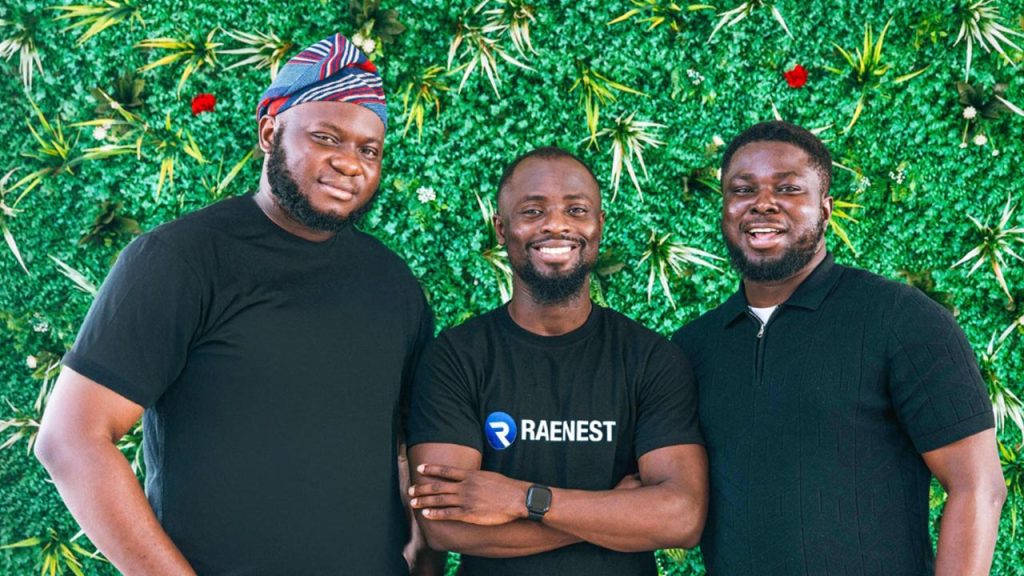
    Raenest, a Nigerian fintech specializing in cross-border payments, has secured $11 million in a Series A funding round, bringing its total funding to $14.3 million. The investment will support its expansion into new markets and the introduction of additional financial tools.

    The round was led by QED Investors, with backing from Norrsken22, Ventures Platform, P1 Ventures, and Seedstars. This follows Raenest’s earlier funding rounds, including a $700,000 pre-seed round in 2022 and a $2.6 million seed round in 2023.

    Expansion Plans and New Features

    With operations in Kenya, Ghana, Tanzania, and Uganda, Raenest is now eyeing launches in Egypt and the U.S. The company also plans to roll out new offerings such as expense management, savings, and investment tools to enhance its multi-currency payment solutions.

    This investment reflects the growing confidence in African fintech startups. In January 2025 alone, African startups secured $289 million in funding—a staggering 240% increase from the previous year. Notable fintech investments include Moniepoint’s $10 million from Visa and LemFi’s $53 million round.

    From Employer of Record to Fintech Powerhouse

    Since its launch in 2022, Raenest has transitioned from an Employer of Record (EOR) to a full-fledged fintech platform. It helps freelancers and businesses receive international payments, convert currencies, and manage multi-currency wallets. Users can open global bank accounts, access physical and virtual dollar cards, and transact in USD, EUR, and GBP.

    Through its consumer-focused product, Geegpay, Raenest enables freelancers, content creators, and solopreneurs to receive payments from platforms like Upwork, Fiverr, and Gusto. The company reports serving over 700,000 users and processing more than $1 billion in transactions.

    Addressing Africa’s Cross-Border Payment Challenges

    Africa’s gig economy is expanding at an annual rate of 20%, yet freelancers and businesses continue to face challenges with cross-border payments. Investors see Raenest as a key player in bridging this gap.

    “Africa’s gig economy is growing at an impressive 20% year-on-year, yet cross-border payment challenges persist for workers and businesses alike. Our investment in Raenest reflects our belief that they are unlocking new opportunities by transforming how Africa’s global workforce connects to the world economy,” said Lexi Novitske, General Partner of Norrsken22.

    Business Banking and Competitive Edge

    In March 2024, Raenest launched its business banking service, quickly positioning itself as a go-to alternative for African startups that lost access to Mercury, a U.S.-based banking provider. According to CEO Alade, the company is profitable and serves around 300 businesses, including Moniepoint, Helium Health, Fez Delivery, and Matta. Since its launch, Raenest’s business banking arm has processed over $100 million in transactions.

    Raenest operates in an increasingly competitive cross-border payment space, facing off against Cleva, Grey, and LemFi. However, its ability to serve both businesses and individuals gives it a unique position in the market. While its primary focus has been on Africans living within the continent, Raenest is now looking to extend its reach to Africans in the diaspora as well.

    “The mission is to become a trusted financial platform that makes it easier for people to manage their funds globally,” Alade said.

    With its latest funding, Raenest is poised to scale further, reinforcing its role in Africa’s evolving digital payments landscape.

  • UR-PR Launches DIY Tool to Elevate African Music Marketing

    UR-PR Launches DIY Tool to Elevate African Music Marketing

    UR-PR has launched a revolutionary tool designed to elevate African music on the global stage.

    The new web app offers African musicians and labels the tools they need to effectively promote their music and gain the international recognition they deserve.

    African music is experiencing a surge in popularity worldwide, but many artists still struggle to break into new markets. UR-PR’s platform addresses this challenge by providing a direct pathway to top media outlets and the tools needed to manage successful PR campaigns.

    “This platform is a game-changer for African musicians,” says Philip Edusei, co-founder of UR-PR’s parent company, Unorthodox Media. “We’ve designed it to empower artists by giving them the tools to take charge of their promotion and reach new audiences without the usual barriers.”

    The platform’s all-in-one dashboard allows users to manage multiple campaigns, track progress in real-time, and adjust strategies to maximize impact. Whether you’re in Nigeria, Ghana, South Africa, or Kenya, UR-PR offers professional PR and promotion services to help you elevate your music. For record labels, this means greater control over their artists’ promotional efforts and better results in terms of visibility and success.

    With its official launch, UR-PR is set to become an essential tool for African musicians looking to make their mark on the global stage. The platform can get you featured in top African music blogs like Unorthodox Reviews, Album Talks, and Pulse Nigeria, helping your music reach audiences around the world.

  • Nigeria Launches First Multilingual Language Model Amid AI Strategy Rollout

    Nigeria Launches First Multilingual Language Model Amid AI Strategy Rollout

    In a significant technological advance, Nigeria has introduced its first multilingual large language model (LLM), a groundbreaking development announced by Dr. Bosun Tijani, the country’s Communications Minister.

    This announcement came on the heels of a productive four-day artificial intelligence workshop in Abuja.

    This pioneering AI tool is the result of a collaborative effort involving key partners: Nigerian AI enterprise Awarritech, global tech innovator DataDotOrg, along with governmental agencies the National Information Technology Development Agency (NITDA) and the National Centre for AI and Robotics (NCAIR).

    Dr. Tijani explained that the LLM would be trained to understand five under-resourced languages and accented English. This training aims to improve the representation of these languages in current datasets, which is crucial for developing robust AI solutions in Nigeria. Additionally, the initiative will benefit from the involvement of more than 7,000 fellows participating in the 3MTT Nigeria program.

    The workshop also marked a milestone in Nigeria’s strategic AI development, with the creation of an initial draft of the National AI Strategy. This strategy outlines Nigeria’s commitment to enhancing its position as a leader in AI technology, supported by notable partnerships and investments aimed at advancing local capabilities in this field.

    To further this endeavor, 21st Century Technology has committed to funding the acquisition of GPUs. These crucial resources will enhance the computational power at the GBB Data Centre in the Federal Capital Territory (FCT), supporting local researchers, startups, and government projects in AI.

    Furthermore, the National AI Strategy has secured $3.5 million in seed funding through contributions from both international and local partners, including UNDP, UNESCO, major tech corporations like Meta, Google, Microsoft, and Luminate, as well as academic and governmental bodies like Lagos Business School, Data Science Nigeria, and other divisions within the Federal Ministry of Communications, Innovation, and Digital Economy. The funding package includes $1.5 million in direct support and an additional $2 million from 21st Century Technologies invested into a pilot program, setting a solid financial foundation for Nigeria’s AI ambitions.

  • TLcom Capital Secures Record $154 Million for New Africa Tech Fund

    TLcom Capital Secures Record $154 Million for New Africa Tech Fund

    TLcom Capital, a prominent venture capital firm with a focus on Africa, has successfully completed funding for its second technology-focused fund, TIDE Africa Fund II, amassing $154 million.

    This substantial achievement makes it the largest early-stage venture capital fund dedicated to African technology ventures.

    The TIDE Africa Fund II has attracted significant interest, resulting in an oversubscription. Its capital pool is more than double the size of its predecessor, TIDE Africa Fund I, which closed in 2020. The latest fund welcomes participation from several esteemed new and returning limited partners (LPs), including the European Investment Bank (EIB), Allianz and DEG Impact’s AfricaGrow, Visa Foundation, and Bertelsmann.

    Expanding its geographical reach, TLcom Capital now includes Egypt along with its traditional focus areas in Sub-Saharan Africa. TIDE Africa Fund II is set to invest between $1 million to $3 million in initial funding to promising startups, with additional substantial allocations reserved for follow-up investments in successful ventures.

    Maurizio Caio, Founder and Managing Partner at TLcom Capital, expressed pride in the firm’s success in securing multiple significant funds for technology in Africa, citing this as evidence of their robust team and strong partner relationships. “TLcom is primed to continue supporting exceptional African entrepreneurs early in their journey, enhancing our presence in the Egyptian market, and strengthening our position as a leading early-stage VC in Africa,” he remarked.

    The firm has already made inaugural investments through the new fund in South Africa and Egypt, including into LittleFish, a software firm in Cape Town, and ILLA, a logistics platform based in Cairo.

    Vice President and Head of Investments at the European Investment Bank, Ambroise Fayolle, highlighted the critical need for capital among African startups and TLcom’s role in addressing this gap, leveraging the region’s burgeoning, tech-savvy demographic. Similarly, Najada Kumbuli, Vice President & Head of Investments at Visa Foundation, commended TLcom’s effective support of visionary entrepreneurs and its alignment with Visa Foundation’s objectives to foster economic growth and societal benefits.

    Furthering its commitment to diversity and inclusion, TLcom Capital continues to support female entrepreneurs, evidenced by a recent $2 million co-investment in FirstCheck Africa, a female-focused pre-seed fund. With a portfolio now exceeding $300 million under management and comprising 17 startups, TLcom’s influence spans across various high-impact sectors in the African tech ecosystem. This strategic expansion and focused investment underscore TLcom’s commitment to shaping the future of Africa’s economic landscape through technology and innovation.

  • Ghana to Enact “Local Content” Law for Telecommunications

    Ghana to Enact “Local Content” Law for Telecommunications

    Ursula Owusu-Ekuful, the Minister of Communications and Digitalisation in Ghana, has announced the initiation of a legislative framework specifically designed to foster the growth of local content within the nation’s telecommunications sector.

    This initiative is a strategic move to bolster Ghana’s oversight and management of its own digital frameworks, applications, and services while reducing its dependency on expensive international expertise.

    The minister explained, “We are in the process of passing local content legislation for the telecommunications sector and have directed that certain categories of managed services in the telecom sector should be reserved for local Ghanaian companies only. This initiative is crucial for building our capacity to autonomously manage our digital infrastructure, applications, and services. It is essential to move away from an over-reliance on costly foreign consultants and contractors, especially when we have capable local options.”

    Owusu-Ekuful highlighted the economic disadvantages of the current reliance on foreign entities, noting that international firms often subcontract to local businesses yet retain the majority of the profits. “Many of these foreign companies outsource their contracts to local entities and pocket the huge profits… of course, those who benefit from the current system and their collaborators will protest that we must put the interest of the country and our collective development first instead of some misguided, short-term, individual benefit,” she remarked.

    The minister drew parallels with the policies in Ghana’s Petroleum Industry, where legislation mandates prioritizing Ghanaians for employment and ensuring they benefit from the nation’s natural resources. This approach aims to ensure that the prosperity derived from Ghana’s resources is enjoyed predominantly by its citizens.

    This proposed legislation is a part of Ghana’s broader strategy to enhance national development and economic self-sufficiency by leveraging legislative support to protect and promote local industries and workforce in the telecommunications sector.

  • SpaceX Initiates Action Against Unauthorized Starlink Usage

    SpaceX Initiates Action Against Unauthorized Starlink Usage

    SpaceX has embarked on a proactive campaign to curtail the utilization of its Starlink high-speed internet service in regions where it lacks authorization.

    Recent days have seen Starlink customers in Sudan, Zimbabwe, and South Africa receiving email notifications from SpaceX, alerting them to the imminent termination of their service by month’s end. These notifications were dispatched to users residing in areas where Starlink has yet to receive full regulatory clearance.

    “The availability of our Mobile Service Plans is contingent upon various factors, including regulatory approvals,” the emails cautioned, alluding to Starlink’s roaming products designed to facilitate internet access across different countries.

    Commencing its Low Earth Orbit (LEO) internet service in 2019, Starlink has been fervently seeking regulatory endorsements worldwide. Presently, the company boasts authorization for operations in 72 countries.

    However, a notable challenge arises from the practice of intermediaries procuring and activating Starlink kits in authorized territories, subsequently reselling them to consumers in restricted regions to circumvent limitations. These intermediaries leverage the company’s “Roaming” services to facilitate access to Starlink’s internet provisions.

    In its correspondence with users, Starlink underscored that its regional roaming arrangements are intended for temporary travel and transit, explicitly discouraging permanent usage in unauthorized locations. Users who have engaged in roaming for over two months without returning to their designated country of device procurement will face service restrictions.

    African nations, including Sudan, South Africa, Zimbabwe, and the Democratic Republic of the Congo, have witnessed consumers acquiring Starlink kits from intermediaries for domestic use. In Zimbabwe, authorities have initiated measures to confiscate Starlink kits, resulting in the arrest and fining of some users.

  • Kenya’s BasiGo Raises $3 Million From CFAO Group for EV Buses

    Kenya’s BasiGo Raises $3 Million From CFAO Group for EV Buses

    BasiGo, a Kenyan startup specializing in electric bus solutions, has secured a substantial $3 million investment from the CFAO Group, aimed at amplifying its production capacities in Rwanda and Kenya.

    This infusion of capital stems from the corporate venture capital arms of CFAO, namely Mobility54 and CFAO Kenya, signifying a concerted effort to propel BasiGo’s innovative endeavors forward.

    BasiGo’s contemporary electric buses not only offer cutting-edge transportation solutions but also encompass comprehensive maintenance and charging services for bus operators. Moreover, the company’s adoption of a pay-as-you-go financing model facilitates accessibility, allowing operators to bifurcate payments for the battery and charging infrastructure from the bus itself.

    Jit Bhattacharya, CEO and co-founder of BasiGo, lauded CFAO’s recognition of the transformative potential of electric mobility in African economies. This investment not only validates BasiGo’s vision but also fortifies its position as a pioneering force in the region’s sustainable transportation landscape.

    Akira Wada, Managing Director of CFAO Kenya, echoed this sentiment, expressing optimism for the future trajectory of the partnership. He emphasized CFAO’s dual commitment to advancing the electric vehicle sector while fostering a resilient green energy ecosystem that resonates positively with communities across Africa.

    BasiGo’s recent milestone of successfully developing its inaugural domestically manufactured electric bus in February underscores its dedication to localized production. With ambitious plans to manufacture 1,000 electric buses within the next three years, bolstered by a preceding $5 million funding round in December 2023, BasiGo emerges as a frontrunner in driving sustainable mobility solutions in the region.

  • MAX and Kofa Partner to Facilitate TAILG Jidi EV Motorcycle Financing

    MAX and Kofa Partner to Facilitate TAILG Jidi EV Motorcycle Financing

    Kofa, an industry leader in energy infrastructure solutions in Ghana, and Max, a trailblazer in electric vehicle technology across Africa, have unveiled an exciting partnership to finance TAILG Jidi motorcycles.

    This collaboration aims to extend financing options for up to 2,000 TAILG Jidi motorcycles, a joint venture between Kofa and TAILG.

    Max’s financing initiatives for these electric motorbikes will democratize access to eco-friendly transportation, advancing the shared vision of a sustainable future embraced by both companies.

    The TAILG Jidi Motorcycle, born from the collaboration between Kofa and TAILG, epitomizes the future of environmentally conscious mobility. Engineered to meet the burgeoning demand for sustainable urban transport solutions, these motorcycles offer a range of up to 100km and average speeds of 47km/h, with a maximum speed capability of 85km/h.

    TAILG Jidi

    Powered by two 2.3kWh Kofa Kore2 batteries renowned for their durability and dependability, the TAILG Jidi is further optimized by the Kofa Swap & Go Network. This innovative service streamlines battery exchange, ensuring seamless operations for gig workers without prolonged downtime.

    Through this strategic alliance, Ghana is poised to embrace a more interconnected future, characterized by sustainable and reliable transportation options. This concerted effort will not only enhance mobility but also invigorate Ghana’s economy by facilitating the efficient movement of people and goods across the nation.

  • HD PLUS Ghana To Embrace Free-To-Air Model Starting June 13

    HD PLUS Ghana To Embrace Free-To-Air Model Starting June 13

    HD PLUS Ghana is transitioning from a subscription model to a free-to-air model on June 13, 2024, facilitated by the WAPS platform.

    SES HD PLUS Ghana, a leading provider of premium high-definition satellite broadcasting services in Ghana, has unveiled plans to transition from its subscription-based model to a free-to-air (“FTA”) format, commencing on June 13, 2024. This strategic shift, facilitated by the West African Platform Services (WAPS) platform, marks a significant milestone in the landscape of satellite television in the region.

    Under the purview of WAPS, an affiliate of SES responsible for local ground services, HD PLUS Ghana will undergo a fundamental transformation, offering its HD channels as part of the broader array of FTA channels available on the WAPS platform. This transition reflects a paradigmatic shift from a user-pays model to one where viewers can access premium content without the burden of subscription fees.

    Effective April 16, 2024, customers will no longer have the option to purchase HD+ subscription packages or activate new HD+ devices. However, existing subscribers with active packages will continue to enjoy uninterrupted service until the full transition on June 13, 2024. To ensure a smooth transition, HD+ subscribers with active subscriptions beyond the transition date will receive compensation, with notifications commencing from April 30, 2024, through the HD+ call center.

    In preparation for the switch, users of HD+ decoders in Ghana are mandated to update their devices with new software, available over the air, by May 30, 2024. SES HD PLUS Ghana will provide support for this software update process until June 20, 2024, ensuring that viewers can seamlessly access the new lineup of FTA HD channels. Additionally, the My HD PLUS TV operator and mobile apps will be retired by May 30, 2024, as part of the transition process.

    The transition to a free-to-air model signifies HD PLUS Ghana’s commitment to democratizing access to high-quality broadcasting services, aligning with the evolving preferences and needs of consumers in the digital era. As the broadcasting landscape continues to evolve, this move heralds a new era of accessibility and inclusivity in satellite television, empowering viewers across Ghana to enjoy premium content without barriers.

  • Bolt Rolls Out Scheduled Rides Feature in Key South African Cities

    Bolt Rolls Out Scheduled Rides Feature in Key South African Cities

    Bolt, a prominent ride-hailing service across Africa, has introduced its latest offering, the ‘Scheduled Rides’ feature, in key cities such as Johannesburg, Cape Town, Durban, and Qqeberha.

    This innovative feature empowers users to book rides up to 72 hours in advance, ensuring hassle-free travel planning.

    Scheduled Rides alleviates concerns about driver availability during peak hours by allowing users to secure their transportation well in advance. While this convenience comes with an additional cost, it ensures a reliable and stress-free ride experience.

    The introduction of this feature holds particular significance for business users, who can now utilize the Ride Booker feature within the Bolt Business account to schedule rides for work-related purposes or for accommodating business guests.

    Moreover, riders have the flexibility to choose their preferred category of service and provide specific instructions to drivers, enabling a tailored experience to meet individual needs.

    One of the key advantages of this new feature is the absence of surge pricing, providing users with price stability and peace of mind when booking their trips.

    Sandra Suzanne Buyole, Bolt’s PR Manager, expressed excitement about the launch of Scheduled Rides, emphasizing Bolt’s commitment to enhancing convenience and reliability for riders. This initiative underscores Bolt’s ongoing dedication to revolutionizing urban transportation and ensuring a seamless travel experience for its users.

    With Scheduled Rides, Bolt users can now plan their journeys with confidence, knowing that their ride will be ready and waiting for them at the designated time. As Bolt continues to innovate and improve mobility solutions, Scheduled Rides represents another milestone in the company’s mission to redefine urban transportation dynamics.

  • MarketForce Discontinues B2B eCommerce Platform and Shifts to AI-Powered Social Commerce Venture

    MarketForce Discontinues B2B eCommerce Platform and Shifts to AI-Powered Social Commerce Venture

    MarketForce, a Kenyan startup specializing in sales force automation software, has made a strategic pivot, discontinuing its B2B eCommerce platform, RejaReja, and launching a new initiative called Chpter, a social commerce platform.

    This shift, announced by MarketForce CEO Tesh Mbaabu, represents a bold step towards leveraging AI technology to empower merchants in Kenya and South Africa to enhance their sales through social media channels.

    Chpter, described as an “AI-powered conversational commerce platform,” streamlines the sales process by automating conversations, marketing efforts, and payment transactions on platforms like WhatsApp and Instagram. Mbaabu attributed the closure of RejaReja to the challenging dynamics of the retail fast-moving consumer goods (FMCG) market, which posed significant obstacles to achieving profitability at the unit level. High price elasticity within the industry exacerbated the situation, leading to persistent price wars and unsustainable operations for RejaReja.

    Despite efforts to adjust the business model and streamline operations, including workforce reductions to extend financial runway, MarketForce ultimately made the decision to discontinue its eCommerce operations, marking the end of a chapter in its journey. Founded in 2018 by Mbaabu and Mesongo Sibuti, MarketForce gained recognition by participating in Y Combinator, a prestigious startup accelerator, in 2020. Subsequent funding rounds, including a $2 million investment in 2021 and a substantial Series A round of $40 million in 2022, fueled the company’s growth and expansion across multiple African markets.

    Initially focused on providing enterprise software solutions to FMCGs and financial institutions, MarketForce’s foray into B2B eCommerce marked a departure from its original business model. However, despite significant achievements, including expansion into 21 cities across five African countries and facilitating millions of orders totaling over $160 million in transaction volume, the challenges proved insurmountable in the long run.

    Mbaabu acknowledged the shortcomings of MarketForce’s previous ventures but remains optimistic about the prospects of Chpter, MarketForce’s latest endeavor. Drawing from the lessons learned and experiences gained from past failures, Mbaabu is confident that Chpter will not only achieve profitability but also establish long-term sustainability. The journey from SaaS provider to eCommerce platform to social commerce innovator exemplifies MarketForce’s resilience and commitment to evolving in response to market dynamics, ultimately striving to deliver value to merchants and consumers alike in the ever-changing digital landscape.

  • Pula’s $20 Million Investment Will Amplify Agricultural Insurance Across Africa, LatAm, and Asia

    Pula’s $20 Million Investment Will Amplify Agricultural Insurance Across Africa, LatAm, and Asia

    Pula, a Kenyan-based insurtech firm, has garnered a substantial $20 million in series B funding to bolster its presence across Africa, Latin America, and Asia.

    Spearheaded by global investment manager BlueOrchard, alongside contributions from prominent entities like IFC and the Bill & Melinda Gates Foundation, this infusion of capital marks a pivotal moment for Pula’s expansion endeavors.

    At the heart of Pula’s mission lies a commitment to extending vital insurance services to smallholder farmers, often marginalized and remote. Through a network of over 100 partners spanning charitable organizations, financial institutions, governmental bodies, and agricultural suppliers, Pula embeds insurance solutions seamlessly into agricultural processes, whether in the form of input costs or credit provisions.

    Tailored to the unique contexts and requirements of its clientele, each insurance product offered by Pula is meticulously crafted using data-driven insights. Leveraging a sophisticated digital actuary platform, Pula analyzes historical data encompassing weather patterns, crop yields, and risk events such as floods or droughts to devise optimal coverage strategies.

    The impact of Pula’s initiatives reverberates through tangible outcomes, with farmers experiencing heightened investment, amplified yields, and fortified financial resilience. In regions like Africa, where small-scale farmers constitute a substantial portion of the agricultural landscape yet remain vastly underinsured, Pula’s interventions offer a beacon of hope for sustainable growth.

    Thomas Njeru, CEO of Pula, articulates the transformative journey embarked upon by the company, from a new concept to a formidable force driving positive change. Njeru’s vision, encapsulated in the aspiration to extend insurance coverage to 100 million smallholder farmers, underscores Pula’s unwavering commitment to catalyzing agricultural prosperity.

    Drawing from empirical evidence, Njeru highlights the substantial dividends reaped by farmers embracing Pula’s insurance solutions. Research conducted across various African countries reveals compelling statistics: a 16% uptick in farm investment, a staggering 56% improvement in yields, and a remarkable 170% surge in household savings. Furthermore, the tangible impact of Pula’s interventions manifests in insurer payouts exceeding $40 million, benefitting nearly one million farmers to date.

    Evidencing the efficacy of its offerings, Pula boasts an impressive renewal rate, with 80% of farmer groups and aggregators opting to continue their insurance coverage annually. This robust retention rate underscores the efficacy and satisfaction derived from Pula’s comprehensive suite of products, cementing its status as a trusted partner in agricultural risk management.

    Looking ahead, Pula sets its sights on expanding its portfolio to encompass livestock insurance, building upon successful pilot programs conducted in regions like Nigeria. With a steadfast commitment to innovation and inclusivity, Pula charts a course towards furthering its impact across diverse geographies, propelling agricultural resilience and prosperity for generations to come.

  • Spotify Introduces AI Playlist Creation Feature

    Spotify Introduces AI Playlist Creation Feature

    In a bold move to redefine playlist creation, Spotify, the leading music streaming service, introduces a beta feature allowing Premium subscribers to craft personalized playlists using text prompts.

    While the innovation is currently exclusive to users in the United Kingdom and Australia, it marks a significant leap in leveraging AI for music discovery.

    Gone are the days of manual song selection; now, users can simply input descriptive phrases like “I want songs about purple” directly into the Spotify mobile app’s text box. This novel approach builds upon the platform’s existing AI-driven functionalities, such as the popular AI DJ and Daily Mix, offering users a more intuitive and tailored listening experience.

    Although the feature is still in its beta phase, Spotify promises further enhancements in the pipeline. While specifics remain undisclosed, the company hints at unveiling additional capabilities in the months ahead, promising an evolution in how users engage with their music libraries.

    Despite the buzz surrounding Spotify’s AI Playlist beta, eager users in the United States are left waiting in anticipation, as the rollout is yet to reach American shores. While representatives for Spotify remain tight-lipped regarding a definitive timeline, enthusiasts across the pond eagerly await their turn to experience the innovative tool firsthand.

    While Spotify leads the charge in AI-driven music curation, its rival, Apple Music, has remained relatively quiet on the AI front. Apart from its standard algorithm-driven features like Replay, Apple Music enthusiasts speculate on the platform’s potential adoption of machine learning with the anticipated release of iOS 18 later this year. As the battle for music streaming supremacy heats up, the integration of AI promises to shape the future of how we discover and enjoy music.

  • X To Battle Bots By Introducing Annual Fees for New Accounts

    X To Battle Bots By Introducing Annual Fees for New Accounts

    Elon Musk spearheads X’s fight against bots with the introduction of annual fees for new accounts, aiming to enhance platform integrity.

    A significant change was announced for newcomers to the X platform (formerly Twitter): the introduction of an annual fee to access essential features. This move, according to Musk, aims to combat the persistent issue of bots inundating the platform.

    In response to inquiries from X Daily News, Musk clarified that the nominal fee is a strategic measure to “curb the relentless onslaught of bots.” It signifies a departure from the platform’s previous model, where such features were freely accessible.

    Effective immediately, new users seeking to engage with the X community will need to subscribe to this fee-based model. This subscription grants them the ability to post updates, participate in discussions through replies, bookmark content, and express appreciation for others’ contributions.

    Piloted initially in New Zealand and the Philippines, this fee policy reflects a proactive approach to addressing the longstanding challenge of bot activity on the X platform. Bots, notorious for flooding discussions with spam and irrelevant content, have been a persistent headache for both users and platform administrators.

    Beyond its immediate impact on user experience, there is speculation about the broader implications of this fee structure. While some view it as a practical solution to maintain platform integrity, others speculate that it could serve as a revenue stream for sustaining the X platform’s operations.

    As of now, Fidelity estimates the platform’s value at approximately $12.5 billion. This figure underscores the significance of the X platform within the digital landscape. It’s worth noting that Elon Musk acquired the platform in 2022 for a staggering $44 billion, signaling his strategic interest in reshaping online discourse and engagement.

  • ThriveAgric and Acorn Rabobank Collaborate to Support 30,000 Nigerian Farmers

    ThriveAgric and Acorn Rabobank Collaborate to Support 30,000 Nigerian Farmers

    ThriveAgric, a pioneering Nigerian agritech startup, has unveiled a groundbreaking collaboration with Acorn Rabobank aimed at empowering over 30,000 smallholder farmers.

    This strategic partnership focuses on providing carbon credits to enhance sustainable agroforestry practices and foster the development of the global carbon market. The initiative is poised to not only revolutionize agricultural practices but also yield substantial benefits for the participating Nigerian farmers, generating an estimated $56 million in revenue and mitigating 1.3 million metric tonnes of carbon emissions.

    Spanning across nine states in Nigeria, namely Kaduna, Gombe, Adamawa, Taraba, Bauchi, Jigawa, Niger, Nassarawa, and Kano, this ambitious project underscores ThriveAgric’s unwavering commitment to promoting sustainable agriculture while uplifting rural communities.

    “The carbon market presents vast opportunities, and it’s imperative that African farmers are not left behind,” emphasized Ayo Arikwe, Chief Technology Officer at Thrive Agric.

    As of October 2023, the carbon credit market boasted a staggering valuation of $103 billion, with projections indicating a robust average annual growth rate of 14.8% through 2032. Despite Africa’s immense potential in this domain, the continent presently accounts for a mere 2% of the market’s capacity. This glaring disparity highlights the pressing need for initiatives like the one spearheaded by ThriveAgric and Acorn Rabobank.

    In low-income countries, particularly in Africa, farmers often face barriers to participating in the carbon credit market, ranging from limited awareness to securing access. ThriveAgric aims to address these challenges head-on. Samirah Bello, Head of Partnerships at ThriveAgric, emphasized that every farmer involved in their program will have the opportunity to diversify their income streams by harnessing carbon credits.

    “For instance, a farmer managing one hectare of land stands to earn up to $1,700 in revenue from carbon credits annually. With newly planted trees, this revenue is poised to increase over time as the trees mature, capturing more carbon and generating additional credits,” added Bello.

    The collaborative efforts between ThriveAgric and Acorn Rabobank are poised to combat climate change by enhancing soil health, increasing productivity, and bolstering carbon capture. Participating farmers can anticipate improved crop yields, reduced post-harvest losses, and the integration of an additional income source through carbon credits, among other climate-smart initiatives.

    ThriveAgric, which boasts a robust network of over 800,000 smallholder farmers spanning Nigeria, Ghana, Kenya, and Uganda, is also pioneering the Dorewa platform. This innovative solution aims to empower other climate-focused startups across Africa to embark on their carbon journey.

    “Dorewa is designed to facilitate the entry of more farmers across Africa into the carbon credit landscape,” explained Arikwe.

    Acorn Rabobank, the climate-focused subsidiary of Dutch banking giant Rabobank, is actively engaged in climate change mitigation efforts across Ghana, Kenya, Zambia, Rwanda, and Tanzania. Through collaborative ventures like the one with ThriveAgric, Acorn Rabobank is spearheading transformative change in agricultural practices while fostering sustainable development across Africa.

  • MultiChoice and Canal+ Reach Agreement For Buyout

    MultiChoice and Canal+ Reach Agreement For Buyout

    MultiChoice, the pay-TV giant listed on the Johannesburg Stock Exchange (JSE), has unveiled a strategic partnership with Canal+, the French media powerhouse, divulging details to its investors regarding Canal+’s mandatory offer.

    Canal+ recently secured over 35% of MultiChoice’s shares, triggering a mandatory offer according to South African regulations. With a surge in recent acquisitions, Canal+ now commands a 36.6% stake in MultiChoice.

    This collaboration entails a joint effort between the two giants to streamline the offer process and issue a unified offer circular. Despite the South African Takeover Regulation Panel’s minimum offer price set at R105 per share, Canal+ is surpassing expectations with an elevated offer of R125 per share.

    Originally slated for completion by April 8, the takeover deadline might see an extension pending approval from the South African Takeover Regulation Panel. To ensure transparency, MultiChoice has established an independent board and engaged Standard Bank of South Africa Limited to scrutinize the offer terms.

    If the deal happens, MultiChoice might say goodbye to the JSE as Canal+ considers delisting it. However, Canal+ hints at potential opportunities for South African investors through its planned European listing and a proposed secondary inward listing on the JSE.

  • Baobab Network To Empower African Startups with Reflector Marketing Acquisition

    Baobab Network To Empower African Startups with Reflector Marketing Acquisition

    Baobab Network, a prominent early-stage investor dedicated to fostering startups across Africa, has acquired Reflector Marketing, a leading strategy and branding agency headquartered in South Africa.

    Since its inception in 2019, Baobab Network has been at the forefront of empowering startups through capacity building and fundraising endeavors, exemplified by its recent decision to increase standard investments to US$50,000. With an impressive portfolio encompassing 50 startups, Baobab Network has established itself as a key player in the African startup ecosystem.

    On the other hand, Reflector Marketing, founded in 2022 by Klyne Maharaj, has garnered recognition as a specialized agency offering strategic marketing, branding, and digital services tailored specifically to the unique needs of startups.

    The acquisition of Reflector Marketing by Baobab Network signifies a strategic move aimed at furthering the investor’s ambitious plans and long-term commitment to fostering entrepreneurship across Africa. Toby Hanington, co-founder of Baobab, emphasized the significance of this acquisition in aligning with the company’s vision of becoming a leading early-stage investor on the continent.

    Hanington remarked, “Baobab has made no secret that we want to become the leading early-stage investor across Africa. To do so, we’re always thinking about what value we create for founders, on top of our capital investment. We’ve worked with the Reflector team since early 2023, and the move to acquire them is a testament to the work they’ve already done with our portfolio. We have incredibly ambitious long term growth plans and bringing in Klyne and his team will definitely expedite those.”

    As part of the acquisition, Klyne Maharaj and his team will join Baobab, with Maharaj assuming the role of director of the accelerator. This integration is expected to bolster Baobab’s capacity to provide comprehensive in-house support to its portfolio companies, thereby further enhancing their growth prospects and investment readiness.

    Maharaj expressed enthusiasm about the synergies between the two entities, stating, “Our goal has always been to help the world’s best startups nail their positioning, win their markets, and raise capital to fuel their growth. Now, as part of Baobab, we’re excited to focus our efforts exclusively on supporting entrepreneurs in Africa. Baobab already has a phenomenal team that have made a profound impact on Africa’s venture ecosystem. Together, we’ll build the most powerful capabilities team of any early-stage investor on the continent.”

    In summary, Baobab Network’s acquisition of Reflector Marketing represents a strategic consolidation of resources aimed at bolstering support for startups across Africa, signaling a promising step towards fostering innovation and entrepreneurship on the continent.

  • Kingsley Abrokwah Hands Over CEO Role at Ghanaian Fintech Firm KudiGo

    Kingsley Abrokwah Hands Over CEO Role at Ghanaian Fintech Firm KudiGo

    In a recent development within Ghana’s fintech landscape, Kingsley Abrokwah, the visionary behind KudiGo, has revealed his decision to step down as CEO of the company.

    Taking to LinkedIn, Abrokwah communicated his forthcoming transition, emphasizing his continued commitment to KudiGo albeit in a different capacity, as a non-executive director.

    Acknowledging the significance of this change, Abrokwah assured stakeholders that KudiGo would soon introduce its new CEO, accompanied by the unveiling of a fresh brand identity. Intriguingly, visitors attempting to access KudiGo’s website find themselves redirected to a platform named VerifiBuy—a signal of the company’s evolving trajectory.

    Established as a pivotal player in the realm of retail technology, KudiGo offers a comprehensive suite of mobile-driven solutions spanning retail operations, payment facilitation, accounting, and data analytics.

    Formally launched in 2018, KudiGo embarked on its journey with a seed funding injection totaling $300,000, setting the stage for its ascent in the competitive fintech arena.

    Expanding its footprint beyond Ghana, KudiGo made strategic inroads into the Nigerian market in 2020, signaling broader ambitions that include future forays into East Africa.

  • Kenyan Fintech Pezesha and MarketForce Resolve Dispute After Legal Struggle

    Kenyan Fintech Pezesha and MarketForce Resolve Dispute After Legal Struggle

    After a protracted six-month legal tussle, Kenyan fintech startup Pezesha and B2B eCommerce platform MarketForce have finally reached a settlement outside the courtroom.

    In a unique turn of events, MarketForce will leverage its intangible assets, valued by Pezesha, to offset the debt owed.

    This resolution follows Pezesha‘s petition for MarketForce’s liquidation due to significant outstanding debts, a stark contrast to their initial collaboration aimed at enhancing customer inventory and distribution channels.

    The genesis of this conflict lies in MarketForce’s mounting funding challenges, leading to difficulties in meeting financial obligations to Pezesha, its former financier. These strains ultimately led to Pezesha’s legal action to recoup its dues.

    However, the narrative took a surprising twist as the two entities reconciled during the Harambeans Global Summit in Maasai Mara. Hilda Moraa, Pezesha’s founder, and Tesh Mbaabu, MarketForce’s CEO, engaged in constructive dialogue, culminating in an agreement to resolve their differences amicably.

    Reflecting on the ordeal, Mbaabu admitted to underestimating the complexities of scaling and acknowledged the need for better communication amidst funding setbacks. He emphasized the importance of resilience and pledged to cultivate a collaborative atmosphere going forward.

    In parallel, Moraa emphasized the significance of diplomacy and relationship prioritization, lamenting the lack thereof in handling the dispute. Both leaders recognized the invaluable lessons learned and committed to fostering a culture of transparency and cooperation.

    Meanwhile, Pezesha received a substantial $500,000 grant from the US International Development Finance Corporation (DFC), aimed at bolstering its lending capabilities to small businesses across sub-Saharan Africa. This injection of funds will enable Pezesha to leverage cutting-edge technologies like data science and machine learning to refine its lending practices and contribute to economic empowerment in the region.

  • Resumption of Online Payments Expected in Zimbabwe Post April 12

    Resumption of Online Payments Expected in Zimbabwe Post April 12

    Following the introduction of the Zimbabwe Gold (ZiG) currency on April 5, the Reserve Bank of Zimbabwe anticipates the restoration of online payment services after April 12.

    This follows significant progress by banks and payment providers in transitioning customer balances to ZiG.

    In a recent statement, the Reserve Bank expressed confidence that all online payment platforms would be fully operational by April 12, facilitating seamless transactions for users.

    The delay in online transactions stemmed from the inability of existing platforms to transact in ZiG immediately after its introduction, necessitating system recalibration. Consequently, consumers faced difficulties in making online payments during this interim period.

    Some citizens voiced concerns over the lack of coordination surrounding the introduction of ZiG, highlighting the inconvenience caused by the gap between balance conversion and the currency’s circulation commencement on April 30.

    Zimbabwe has traditionally favored cash-based transactions in stable foreign currencies like the South African rand, Botswana pula, and US dollar. This preference arose from past experiences of sudden currency instability, leading to a reluctance to trust local banking systems.

    Despite this, the country has witnessed a gradual shift towards online payment solutions in recent years. Notable examples include Innbucks, facilitating change provision at restaurants, Ecocash, a popular digital wallet, and O’Mari, a versatile superapp encompassing mobile money, insurtech, and investech products.

  • Binance Executive Denies Money Laundering Charges, Faces Remand in Prison

    Binance Executive Denies Money Laundering Charges, Faces Remand in Prison

    Tigran Gambaryan, a Binance executive detained since February, has entered a plea of not guilty to money laundering accusations leveled against him by Nigerian authorities.

    This unfolds amidst Binance grappling with regulatory pressures in Nigeria.

    The Economic and Financial Crimes Commission (EFCC) of Nigeria accused Binance and Gambaryan of money laundering and forex manipulation. Furthermore, the Federal Internal Revenue Service (FIRS) brought forth four-count tax evasion charges against the crypto exchange. Last week, both cases were adjourned due to procedural lapses.

    Legal Proceedings:

    Appearing before Justice Emeka Nwite of the Abuja Division of the Federal High Court, Gambaryan pleaded not guilty to all charges of money laundering. The court dismissed his request for separate proceedings from his colleague, Nadeem Anjarwalla, Binance’s Africa regional manager, who absconded in March.

    Remand and Future Proceedings:

    Pending his bail application on April 18, Gambaryan will be remanded in Kuje Correctional Centre. The trial is slated to commence on May 2. He and Anjarwalla were apprehended in February while attempting to address the government’s blockade of Binance’s website, linked to suspicions of forex price manipulation.

    Nigeria’s government crackdown on forex trading speculation, prompted by naira volatility, has ensnared Binance. In a bid for release, Binance has urged Nigerian authorities to free its detained executive, emphasizing his lack of decision-making authority in the company. Additionally, both executives have filed a human rights violation lawsuit, seeking release, passport restitution, and a public apology.

  • Canal+ Extends $2.9 Billion All-Cash Offer to Acquire MultiChoice

    Canal+ Extends $2.9 Billion All-Cash Offer to Acquire MultiChoice

    Vivendi SE’s Canal+ has presented an all-cash bid to acquire MultiChoice Group Ltd., valuing the South African broadcaster’s shares at $2.9 billion.

    Canal+ proposes to purchase shares at 125 rand ($6.7) each, as disclosed by MultiChoice and Canal+ in a joint filing on Monday. The bid now awaits review by a newly formed independent board of MultiChoice.

    Successfully navigating South Africa‘s regulations on foreign media ownership could grant Canal+ enhanced access to the burgeoning African market, which boasts the world’s fastest-growing and youngest population. Discussions at an early stage suggest the potential involvement of South African billionaire Patrice Motsepe to facilitate the deal.

    Canal+ initiated its acquisition of MultiChoice shares as early as 2020, eventually exceeding a 35% stake in the company this year, prompting a mandatory takeover offer. Vivendi, with a significant footprint in high-growth regions like Africa and Asia, intends to separately list Canal+ — its primary unit. Additionally, French authorities have expressed intentions to maintain MultiChoice’s listing on the Johannesburg Stock Exchange.

  • Remedial Health Launches App for African Pharmacies with Digital POS & Barcode Scanner

    Remedial Health Launches App for African Pharmacies with Digital POS & Barcode Scanner

    Embarking on a mission to streamline Africa’s pharmaceutical landscape, Remedial Health, a pioneering health tech startup, has introduced an enhanced iteration of its consumer-facing application.

    This innovative platform is poised to serve as an operational backbone for neighborhood pharmacies and Proprietary Patent Medicine Vendors (PPMVs) continent-wide.

    Key Features of the Remedial Health App:

    The upgraded app boasts a plethora of features including a digital Point of Sale (POS) terminal for seamless payment processing, virtual business accounts for payment reception, an integrated barcode scanner for swift product sales recording, and a store-switch functionality facilitating the effortless management of multiple outlets. Additionally, it offers robust inventory management solutions for restocking and identifying products nearing expiration.

    Furthermore, the app furnishes comprehensive financial reporting tools to monitor profit and loss, alongside data analytics capabilities aimed at informed decision-making.

    The Significance of the Remedial Health App:

    Despite commanding a significant chunk, approximately 85 percent, of retail medicine sales within Africa’s burgeoning pharmaceutical sector, neighborhood pharmacies and PPMVs grapple with the absence of tailored digital solutions tailored to their unique operational needs. This gap impedes their ability to optimize efficiency and profitability.

    Moreover, reliance on archaic paper-based inventory and sales management processes exacerbates the challenge, depriving manufacturers of crucial insights into consumer behavior vital for production and distribution strategies.

    Tailored Solutions for Africa:

    Crafted with the nuances of Africa’s healthcare ecosystem in mind, the Remedial Health app proffers bespoke features engineered to foster operational excellence and drive business growth.

    Kicking off in Nigeria, healthcare enterprises gain access to a curated selection of medications while managing sales and inventory seamlessly through a unified platform. This liberation from cumbersome administrative tasks enables pharmacies and PPMVs to devote more resources to serving their clientele and communities effectively.

    Furthermore, the app empowers Remedial Health to furnish real-time market behavior data to manufacturers, amplifying profitability and optimizing decision-making throughout the value chain.

    In the words of Samuel Okwuada, CEO, and co-founder of Remedial Health, “Neighborhood pharmacies and PPMVs serve as the frontline of healthcare delivery in Africa. However, they’ve historically been underserved in terms of operational support. Our aim is to equip these essential service providers with the requisite tools to navigate daily operations efficiently.”

    Achievements of Remedial Health:

    In 2023, Remedial Health facilitated the sale of over 300 million individual medicine packs to 7,500 healthcare facilities, spanning all 36 states of Nigeria. Notably, customers witnessed a remarkable 30 percent uptick in profits on average, gaining access to a meticulously curated catalog of over 8,000 vetted products at competitive prices. Leveraging same-day delivery and inventory financing, these enterprises minimized cash-flow friction, maximizing sales opportunities in the process.

    As Remedial Health continues its trajectory of innovation and empowerment, the landscape of African healthcare commerce stands poised for transformation, heralding a future where efficiency and profitability converge seamlessly.

  • Nigeria To Launch New National ID Cards In May 2024

    Nigeria To Launch New National ID Cards In May 2024

    In a strategic move aimed at empowering its citizens and bolstering digital infrastructure, the Federal Government of Nigeria is gearing up to unveil three new national identity cards by May 2024, a venture expected to cater to a staggering 104 million individuals.

    This ambitious undertaking forms a crucial component of a comprehensive initiative directed towards forging a unified and impregnable digital identity ecosystem spanning the entire nation.

    Rollout of New Nigerian ID Cards:

    The forthcoming identity cards will harness the capabilities of AfriGo, a national card scheme ingeniously crafted by the Central Bank of Nigeria, designed primarily for domestic transactions akin to prevalent debit cards. Collaborating closely on this endeavor are the Nigerian Interbank Settlement System (NIBSS), the National Identity Management Commission (NIMC), and the central bank.

    These new cards aspire to streamline transactions, streamline access to governmental amenities, and champion financial inclusivity, especially for marginalized demographics.

    In addition to physical counterparts, digital or virtual renditions of these cards will be made available, albeit with restricted functionalities compared to their tangible counterparts.

    Benefits and Utility:

    The impending national card is poised to serve as the linchpin for all governmental social initiatives, encompassing cash disbursements, agricultural financing, educational stipends, healthcare insurance schemes, micro-contributions, and micro-pensions, boasting a decade-long validity period.

    Implications of the New Nigerian ID Cards:

    However, the announcement of these forthcoming national ID cards hasn’t been met without its fair share of skepticism.

    Detractors argue that this initiative represents a redundant duplication of efforts, constituting an unjustifiable squandering of resources. They contend that existing platforms such as the National Identification Number (NIN) and the Bank Verification Number (BVN) systems adequately fulfill the intended objectives of these proposed cards.

    As Nigeria gears up for the much-anticipated launch of its new national ID cards, the discourse surrounding its efficacy and potential redundancy continues to simmer. Yet, amidst the cacophony of voices, one thing remains unequivocal: the nation’s unwavering commitment to fortifying its digital infrastructure and fostering inclusivity for all its citizens.

  • Ghana and Benin Set to Introduce Free Roaming, Slashing Mobile Costs from July 1, 2024

    Ghana and Benin Set to Introduce Free Roaming, Slashing Mobile Costs from July 1, 2024

    In a bid to ease communication expenses for travelers between their borders, Benin and Ghana are poised to roll out free roaming starting July 1, 2024.

    The agreement, formalized with the signing of a memorandum of understanding (MOU) last week in Cotonou, involves Benin’s Regulatory Authority for Electronic Communications and Post Office (ARCEP) and Ghana’s National Communications Authority (NCA).

    According to ARCEP’s statement released on Sunday, March 31, the implementation of this MOU will trigger a substantial drop in tariffs for both Beninese and Ghanaian consumers during roaming activities.

    Beyond merely reducing costs, this initiative holds the promise of facilitating the protocol on the free movement of people, goods, and services, thereby fostering more active citizen engagement in regional economic endeavors.

    Ghana’s proactive stance on this front is evident in its existing free-roaming agreements with fellow ECOWAS countries, such as Cote D’Ivoire and Togo, which are already operational. Similarly, neighboring nations like Togo and Niger have initiated discussions to follow suit, with expectations of reaching similar agreements shortly.

  • South Africa Greenlights Digital Nomad Visa Legislation

    South Africa Greenlights Digital Nomad Visa Legislation

    South Africa has officially enacted legislation for its digital nomad visa, signaling a significant move to adapt to the shifting landscape of the global workforce.

    Under this program, South Africa aims to attract skilled remote workers by offering visas valid for up to three years, a move anticipated to potentially invigorate the economy and foster innovation within the tech sector.

    However, concerns have surfaced regarding the minimum salary requirement set at R1,000,000 (~$53,000), raising questions about its inclusivity and the eligibility of freelancers. Furthermore, the introduction of an income tax exemption for foreign employees working in South Africa for less than six months necessitates amendments to existing tax laws, stirring additional debates.

    Critics also highlight potential legal obstacles, including the obligation for foreign companies to register within South Africa and adhere to the pay-as-you-earn (PAYE) tax system, which may hinder the program’s seamless implementation.

    Moreover, proposed amendments to the Copyright Bill have sparked apprehension among digital nomads engaged in software development, as these changes could potentially undermine copyright protection.

    Despite these challenges, South Africa‘s embrace of the digital nomad visa reflects its dedication to embracing the digital revolution and adapting to the evolving nature of work. This move underscores the nation’s commitment to fostering an environment conducive to remote work and innovation.

  • Central Bank of Kenya Greenlights LemFi Remittance Service in Collaboration with Wapi Pay

    Central Bank of Kenya Greenlights LemFi Remittance Service in Collaboration with Wapi Pay

    RightCard Payment Services Limited, operating under the name LemFi, has proudly announced the Central Bank of Kenya’s approval for its remittance operations into Kenya.

    This milestone underscores RightCard’s unwavering commitment to offering secure and compliant services in line with the regulatory standards set by the Central Bank of Kenya.

    For LemFi, this approval marks a significant stride toward fulfilling its pledge of facilitating seamless international payments for the vast community of over 500,000 Kenyans living abroad. LemFi stands out as a mobile application dedicated to providing Kenyan expatriates with a streamlined and effective avenue for sending money back to their homeland.

    With LemFi, Kenyans residing in the United Kingdom, the United States of America, and Canada now have the power to transfer funds within minutes directly to M-PESA, Mobile Money platforms, and bank accounts, all at highly competitive exchange rates and without incurring any transfer fees. This transformative service not only simplifies the remittance process but also empowers the Kenyan diaspora to contribute more seamlessly to their families and communities back home.

  • Mono and Mastercard Forge Key Alliance to Introduce Innovative Pay With Bank Feature

    Mono and Mastercard Forge Key Alliance to Introduce Innovative Pay With Bank Feature

    Mono, a trailblazing Nigerian open banking fintech, has joined forces with Mastercard, marking a significant milestone in financial innovation as they introduce Mono’s DirectPay Pay with Bank feature onto the Mastercard Payment Gateway System (MPGS).

    The Mastercard Payment Gateway service serves as a pivotal hub for developers and enterprises, granting them access to cutting-edge payment methods, APIs, SDKs, and robust fraud protection services.

    In the latest development, businesses eyeing the Nigerian market for commercial ventures will now have the advantage of tapping into Mono’s account-to-account payment solution to streamline their commercial services.

    At the heart of this collaboration lies Mono’s DirectPay Pay with Bank feature, enabling businesses to seamlessly collect swift and secure account-to-account payments from their clientele.

    For businesses operating in Nigeria, harnessing the MPGS solution opens doors to leveraging Mono DirectPay for effortless payment collection.

    The significance of this partnership reverberates across the fintech landscape. Notably, Mono emerges as the pioneering Nigerian Open Banking entity to gain acceptance into the prestigious StartPath Open Banking program in Africa.

    Beyond this accolade, the partnership paves the way for Mono to bolster the reach of its Pay with Bank account-to-account payment offering. By catering to evolving consumer and enterprise demands, Mono aims to glean invaluable insights from a diverse array of businesses. This strategic move not only enhances Mono’s Open Banking proficiency but also propels the trajectory of digital commerce and payments across Africa.

    Through this alliance, Mono and Mastercard stand at the forefront of revolutionizing financial ecosystems, promising a future where seamless, secure, and innovative payment solutions empower businesses and consumers alike.

  • Yango Unveils Cargo Express for Effortless Large Item Delivery in Ghana, Cote D’Ivoire, and Zambia

    Yango Unveils Cargo Express for Effortless Large Item Delivery in Ghana, Cote D’Ivoire, and Zambia

    Yango Delivery, a tech-driven platform facilitating swift in-city delivery services, has rolled out Cargo Express, a novel feature aimed at simplifying the transportation of bulky items across Africa’s urban landscapes.

    Cargo Express makes its debut in key metropolitan hubs like Abidjan, Accra, and Lusaka, aspiring to set the standard for handling large-scale logistics across the continent. Moreover, customers can leverage additional perks such as assistance from movers and ten minutes of complimentary loading and unloading time, enhancing the convenience quotient of the service.

    How It Operates

    Cargo Express operates on a transparent pricing model, ensuring that customers are presented with upfront costs, eliminating any surprises at checkout. Upon placing an order, customers receive real-time updates on every stage of the delivery process, with delivery statuses relayed through push notifications and the movement of items tracked via the Yango in-app map.

    Yango Cargo Express

    Significance of the Initiative

    This initiative addresses the prevailing challenges within the logistics sector, characterized by inefficiencies and opaque pricing structures, offering a much-needed solution to streamline large-item delivery.

    Insights from Yango

    Ireoluwa Obatoki, Head of Business Development for Africa at Yango Delivery, underscores the significance of Cargo Express: “The launch of Cargo Express reaffirms our commitment to leveraging technology to enhance urban delivery services, empowering local logistics partners and couriers with lucrative opportunities while ensuring transparent pricing standards across Africa’s delivery market.”

    In light of the burgeoning trend of online shopping, there arises a pressing demand for robust delivery services tailored to accommodate large items. Cargo Express endeavors to bridge this gap, presenting a reliable and straightforward solution to meet evolving consumer needs.

    Cargo Express marks a strategic expansion of Yango’s service portfolio, complementing its existing suite of offerings including ride-hailing (Yango), motorcycle-based light package delivery (Yango Delivery), and food delivery services (Yango Deli). This holistic approach consolidates Yango’s position as a one-stop destination for daily essentials, all conveniently accessible through a single app.

    Available exclusively through the Yango app’s Delivery section, Cargo Express provides access to a diverse range of vehicles aptly suited for transporting oversized and heavy items, ensuring a seamless delivery experience for customers across Africa.

  • Iconic Figure in Fiber Optics Technology, Dr. Thomas Mensah, Dies at 74

    Iconic Figure in Fiber Optics Technology, Dr. Thomas Mensah, Dies at 74

    The world mourns the loss of Dr. Thomas Mensah, a trailblazer in the realm of fiber optics technology, whose innovative strides have fundamentally reshaped the landscape of communication and information processing in our digital era.

    Early Beginnings

    Hailing from Kumasi, Ghana, Dr. Thomas Mensah’s journey epitomized a narrative of extraordinary accomplishments and an unwavering quest for knowledge. His formative years in Ghana provided the bedrock upon which he would build a career destined for global eminence in engineering and technology. Dr. Mensah’s academic prowess garnered him a prestigious fellowship that propelled him to study in France, where he further honed his expertise at Montpellier University before embarking on an enriching academic journey at the Massachusetts Institute of Technology (MIT).

    Professional Trajectory

    Dr. Mensah’s professional trajectory was distinguished by a relentless pursuit of innovation and a commitment to excellence. His tenure at Corning Glass Works stands as a testament to his ingenuity, as he played a pivotal role in optimizing the manufacturing processes of optical fibers. His groundbreaking efforts resulted in enhanced production speeds and a significant reduction in costs, democratizing access to this transformative technology. This breakthrough was instrumental in facilitating the rapid transmission of data, serving as the backbone of modern telecommunications systems.

    Beyond the realm of fiber optics, Dr. Thomas Mensah‘s expertise found resonance at Bell Laboratories, where he spearheaded initiatives that contributed to the advancement of laser-guided weapons systems, underscoring his versatility in harnessing technology for varied applications. Additionally, his leadership as president and CEO of Georgia Aerospace Systems underscored his commitment to innovation, as the company pioneered the manufacturing of advanced nanocomposite structures for the US Department of Defense.

    Dr. Thomas Mensah’s Legacy

    Dr. Mensah’s passing on March 27, 2024, at the age of 74, following a brief illness, leaves a void in the field of engineering and technology. However, his enduring legacy persists in the myriad ways his contributions have enriched and transformed our modern world. His indelible imprint on fiber optics technology ensures that his pioneering spirit will continue to inspire future generations of innovators and engineers, perpetuating a legacy of excellence and ingenuity.

  • Stephen Blewett Assumes CEO Role at MTN Ghana

    Stephen Blewett Assumes CEO Role at MTN Ghana

    In a significant transition, Stephen Blewett, an accomplished leader in the telecommunications space, has officially assumed the role of Chief Executive Officer (CEO) at MTN Ghana as of April 2024.

    Blewett steps into this pivotal position succeeding Selorm Adadevoh, who now serves as the Chief Commercial Officer of MTN Group, marking a strategic shift in leadership within the telecommunications giant.

    His appointment comes at a critical juncture as MTN Ghana endeavors to realize its ‘Ambition 2025’ strategy, charting a course toward becoming not just a conventional telecom entity but a holistic digital services provider.

    Before assuming his current role, Stephen Blewett served as the Operations Executive for Markets at MTN, where he supervised the Group’s operations in smaller markets across West and Central Africa. His extensive experience extends beyond MTN, having previously held the role of Chief Operating Officer at Digicel, further amplifying his expertise within the industry.

    Blewett’s journey within MTN has been marked by significant milestones, having held CEO positions at MTN Benin and MTN Cameroon. These roles have endowed him with a profound comprehension of the African telecom landscape, along with its attendant challenges and opportunities.

    Under Stephen Blewett’s stewardship, MTN Ghana is poised to prioritize the enhancement of digital customer experiences, the expansion of the fintech ecosystem, and the propulsion of sustainable growth initiatives. This strategic vision not only underscores the trajectory of MTN Ghana but also aligns with the overarching objectives of MTN Group, which aims to spearhead digital solutions fostering Africa’s advancement.

  • Y Combinator Backs African Travel Startup Triply With $500,000 Investment

    Y Combinator Backs African Travel Startup Triply With $500,000 Investment

    Y Combinator, the renowned US startup accelerator, has injected $500,000 into Triply, an emerging African travel platform headquartered in Kenya.

    Founded by Peter Wachira and Collins, Triply caters to travel businesses across Africa, offering essential tools for seamless payment processing, operational streamlining, and access to financial services.

    Wachira, a seasoned entrepreneur with prior ventures in vacation rental management, joins forces with Collins, bringing expertise from the realms of Fintech and insuretech startups. Triply’s comprehensive suite of business solutions spans accounting, payroll management, a centralized inbox, secure payment gateways, a versatile multi-currency wallet, robust analytics, and an efficient channel management system.

    Delving into the statistics, Africa’s travel sector boasts a staggering $300 billion valuation, with a significant chunk contributed by domestic travelers, who account for 66% of the continent’s travel expenditure.

    Expressing enthusiasm for the collaboration, Triply’s Founder and CEO, Peter Wachira, highlighted the transformative potential of the partnership with Y Combinator. He emphasized the investment’s dual role in solidifying Triply’s position as a premier solution for both businesses and travelers while empowering the company to tailor solutions that cater specifically to the needs of the Kenyan and broader African markets.

  • Binance Unveils Its First-Ever Board of Directors

    Binance Unveils Its First-Ever Board of Directors

    Binance Holdings Ltd has unveiled its inaugural board of directors, marking a pivotal moment in the company’s evolution.

    Led by Chief Executive Officer Richard Teng, the seven-member board comprises a blend of internal leadership and external expertise.

    Joining Teng are company stalwarts Heina Chen, Jinkai He, and Lilai Wang, all contributing their wealth of experience to the board’s deliberations. In addition, the board welcomes two notable figures from outside the organization: Arnaud Ventura, a seasoned managing partner at investment firm Gojo & Co, and Xin Wang, CEO of Bayview Acquisition Corp. Steering this assembly of minds is Gabriel Abed, formerly the ambassador of Barbados to the United Arab Emirates, now appointed as chairman.

    This move carries significant weight, signaling a new era for Binance under Teng’s leadership, who assumed the CEO mantle in November amidst the backdrop of the company’s legal settlement with US authorities.

    In February, Binance found itself in the crosshairs of US regulators, ultimately agreeing to a substantial $4.3 billion payment as part of a plea deal. The company’s founder, Changpeng Zhao, also admitted guilt to charges related to anti-money laundering and sanctions violations, with his sentencing slated for April.

    However, Binance’s challenges extend beyond American shores. In Africa, particularly Nigeria, the exchange faces scrutiny and censure from local authorities. Nigeria’s central bank has raised concerns over transactions exceeding $26 billion on Binance, alleging opacity in their origins. Accusations of exchange rate manipulation and currency speculation have compounded, further exacerbating the situation, and resulting in a hefty fine of $10 billion imposed on the platform.

    The composition of Binance’s inaugural board reflects a strategic pivot towards governance and accountability, as the company navigates a complex regulatory landscape. It underscores the imperative for cryptocurrency exchanges to adapt and address regulatory concerns while preserving their innovative spirit. As Binance charts its course forward, the scrutiny it faces serves as a cautionary tale for the broader crypto industry, emphasizing the importance of transparency and compliance in ensuring its long-term viability and legitimacy.

  • Verdant Capital Hybrid Fund Bolsters Zeepay with Additional $3 Million Investment

    Verdant Capital Hybrid Fund Bolsters Zeepay with Additional $3 Million Investment

    Adding another significant chapter to its investment portfolio, Verdant Capital Hybrid Fund recently injected $3 million in preferred equity into Zeepay, marking the fund’s fourth investment in just over two years.

    Zeepay, a Mobile Money Challenger, stands as a beacon in Africa’s financial landscape, boasting the title of the largest non-telco Mobile Money Operator in the continent by balance sheet and revenue. With Mobile Money Licenses spanning six countries including Ghana, Zambia, Ivory Coast, Sierra Leone, Gambia, and Barbados, Zeepay’s reach is expansive and its impact profound.

    The company’s forte lies in seamlessly terminating remittances into Mobile Money Wallets across various networks, including its proprietary wallets available in six countries. Moreover, Zeepay’s commitment to financial inclusion is underscored by its partnership with UNCDF, further cementing its dedication to bridging the financial gap in underserved communities.

    Celebrating a decade of existence this year, Zeepay stands tall with a workforce of over 200 spread across Africa, Europe, and the Caribbean. Andrew Takyi-Appiah, Zeepay’s Managing Director, expressed elation at welcoming Verdant Capital Hybrid Fund as a new shareholder, highlighting the fund’s significant role in bolstering the company’s financial position to fuel its growth trajectory in 2024.

    Kwabena Appenteng, Director at Verdant Capital, emphasized Zeepay’s allure to investors, citing its blend of hard currency earnings from remittance-to-wallet operations and promising growth prospects across the continent. He lauded Zeepay’s management team for steering the company to profitability early in its lifecycle and maintaining robust financial performance while expanding its footprint and revenue streams.

    Notably, Zeepay received legal counsel from JLD & MB Legal Consultancy, a renowned corporate and commercial law firm based in Ghana.

    Zeepay, founded in 2014, has emerged as a trailblazer in digital remittance termination and mobile financial services across Africa and the Caribbean. With a global presence spanning over 20 countries, Zeepay has established formidable partnerships with major remittance entities, including MoneyGram. Committed to regulatory compliance, Zeepay operates under the oversight of the Financial Conduct Authority (FCA) in the United Kingdom and the Bank of Ghana.

    Verdant Capital, a leading investment bank and manager operating on a Pan-African scale, specializes in private capital markets. Managing the Verdant Capital Hybrid Fund, the firm channels mezzanine capital into inclusive financial institutions across Africa, contributing to the region’s economic empowerment and development.

    The collaboration between Zeepay and Verdant Capital Hybrid Fund not only signifies a strategic investment move but also underscores the potential for sustainable financial inclusion and growth in Africa’s burgeoning fintech landscape.

  • Выигрывайте крупные призы на Вавада прямо сейчас


    Выигрывайте крупные призы на Вавада сейчас!


    Выигрывайте крупные призы на Вавада прямо сейчас

    Получите шанс на шикарные выигрыши с простыми шагами. Присоединяйтесь к азартным играми, делая ставки на лучшие игры платформы. Следите за акциями и используйте бонусы, которые помогут увеличить ваши шансы на удачу. Не упустите возможность удивить себя и своих близких щедрыми вознаграждениями!

    Как зарегистрироваться и получить бонусы на Вавада

    Чтобы создать аккаунт, посетите главный сайт платформы и нажмите на кнопку Регистрация. Вам предложат заполнить форму, где нужно указать свои данные: имя, адрес электронной почты и пароль. Убедитесь, что введенная информация корректна, так как она поможет восстановить доступ к профилю позже.

    После завершения регистрации проверьте свой электронный ящик на наличие письма для подтверждения. Перейдите по ссылке в этом письме, чтобы активировать аккаунт. Если не нашли его, проверьте папки “Спам” или “Рекламные сообщения”.

    На следующем этапе стоит обратить внимание на акционные предложения. Новички имеют возможность получить приветственный бонус. Он может включать бесплатные вращения или процент на первый депозит. Обратите внимание на условия получения – они могут варьироваться.

    После подтверждения аккаунта войдите в него и перейдите в раздел Касса. Выберите способ пополнения счета. Доступны различные варианты: банковская карта, электронные кошельки и другие методы. Крупные сервисы обеспечивают безопасность транзакций, поэтому не беспокойтесь о сохранности данных.

    При первом депозите не забудьте активировать бонус. В этом разделе сайта вы найдете поле для ввода промокода, если он есть. Запишите его точно так, как указано, перед проведением финансовой операции.

    После внесения средств вы сразу получите доступ ко всем активным предложениям. Следите за разделом Акции, где регулярно появляются новые возможности для заработка. Такие бонусы могут существенно повысить шансы на успех.

    Если возникнут вопросы, обратитесь в службу поддержки. Они доступны через чат или электронную почту. Специалисты помогут разобраться во всех нюансах регистрации и бонусных предложений, обеспечивая максимальный комфорт в процессе пользования платформой.

    Топ-5 стратегий для увеличения шансов на выигрыш

    Оцените игры с высоким RTP. Выбирайте азартные развлечения с возвратом к игроку (RTP) выше 95%. Это значительно увеличит вероятность получения вознаграждений. Исследуйте статистику и выбирайте игры, где RTP находится на уровне 96-98%, что даст вам больше шансов на успех.

    Изучите правила и стратегии. Перед тем как начать, ознакомьтесь с особенностями выбранной игры. В каждой из них есть уникальные механики. Понимание правил и наличие стратегии существенно повысят ваши шансы на результативность. Не пренебрегайте азартными играми с более простыми правилами, так как они могут принести достойные успехи.

    Используйте бонусы и акции. Существуют различные предложения от платформ, которые могут существенно помочь. Изучите условия получения бонусов, фриспинов и акций. Это даст вам возможность увеличить ставки без дополнительных затрат, что, в свою очередь, повысит шансы на получение вознаграждения.

    Определите бюджет и придерживайтесь его. Успех в азартных играх требует контроля над финансами. Установите лимит на расходы и строго соблюдайте его. Это не только защитит ваши средства, но и позволит играть дольше, повышая возможность получить выигрыш без риска для бюджета.

    Играйте в комфортных условиях. Убедитесь, что у вас есть спокойная обстановка и достаточное время для игры. Устраните отвлекающие факторы и сосредоточьтесь на процессе. Это поможет вам принимать более взвешенные решения и повысит шансы на удачу.

    Как участвовать в акциях и розыгрышах Вавада

    Для начала необходимо зарегистрироваться на платформе, если вы еще этого не сделали. Создайте учетную запись, указав все требуемые данные. Это позволит вам получать актуальные уведомления о предстоящих акциях и розыгрышах, а также участвовать в них. Убедитесь, что ваш профиль заполнен корректно и полностью.

    Далее следует обратить внимание на специальные предложения, которые появляются на сайте. Обычно информация о текущих акциях представлена на главной странице или в разделе «Акции». Подписка на рассылку позволит быть в курсе всех обновлений. Читайте условия участия в каждом конкретном конкурсе, так как они могут различаться.

    • Верификация аккаунта. Некоторые акции требуют подтверждения личности. Проверьте все инструкции.
    • Пополнение депозита. Часто для запуска участия нужно внести определенную сумму на счет.
    • Соблюдение сроков. Следите за датами проведения конкурсов, так как все акции имеют ограниченные временные рамки.

    Не забывайте про активное участие в игровых моментах. Многие розыгрыши подразумевают определенные действия на сайте, например, ставки в играх или выполнение заданий. Чем больше активности, тем выше шансы на успех. Познакомьтесь с платформой человеческим образом, чтобы понимать ее особенности. Узнать больше можно на странице vavada.