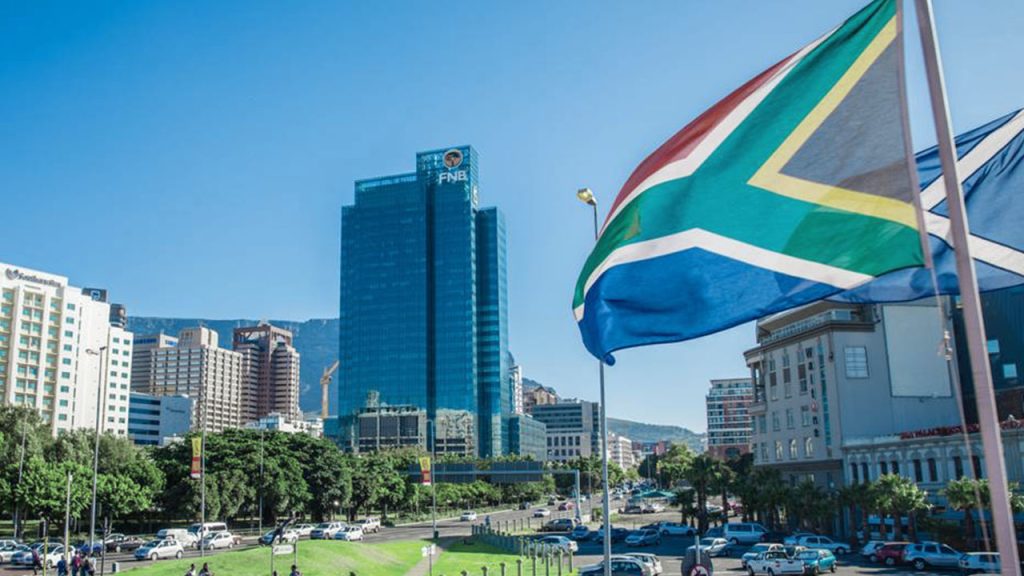
MTN South Africa and Lynk Global just pulled off something big—they made Africa’s first phone call via satellite.
This could be a game-changer for people in remote areas who struggle with poor network coverage.
Think about it: If you live in a big city, you rarely worry about dropped calls. But in rural areas, building cell towers is expensive and not always practical. That’s where satellites—especially low-earth orbit (LEO) satellites—come in. They can beam network signals directly to your phone, no extra equipment needed.
The test call happened in Vryburg, a town in South Africa’s North West province. And here’s the cool part—it was made using a regular smartphone. No fancy satellite phone, no extra gadgets. Just a normal phone connecting to an LEO satellite. MTN South Africa’s CEO, Charles Molapisi, said the trial was part of the company’s mission to improve network access in hard-to-reach areas. The test had the green light from South Africa’s telecom regulator, ICASA, which means it was all official.
MTN isn’t the only company looking at satellites for better coverage. They’ve been in talks with big names like Omnispace, OneWeb, Starlink, and AST SpaceMobile. Other telecom giants like Vodacom and Cell C are also moving in the same direction. In 2023, Vodacom teamed up with Amazon’s Project Kuiper to explore satellite connectivity. Meanwhile, Starlink, the company owned by Elon Musk’s SpaceX, recently announced its direct-to-cell service, which lets standard phones connect directly to its satellites.
If satellite connectivity becomes widely available, it could unlock a massive market. According to GSMA Intelligence, telcos across Sub-Saharan Africa could tap into a $30 billion opportunity by 2035. That’s a huge deal, especially for regions where traditional network expansion has been slow or impossible. For now, the technology is still being tested, but this successful call is proof that satellite-powered mobile networks aren’t just science fiction—they’re becoming reality. If things go as planned, making a call from the middle of nowhere might soon be as easy as calling from downtown Johannesburg or Lagos.
Booking an appointment with Home Affairs online in South Africa allows you to avoid long queues and save time. Follow these steps to book your appointment:
Create an Account – Register with your ID number and email.
Log In – Use your credentials to access the system.
Choose a Service – Select Smart ID, passport, or other services.
Pick a Branch – Choose a nearby Home Affairs office.
Select Date & Time – Choose an available appointment slot.
Confirm Details – Double-check all information.
Make Payment (If Required) – Pay online for services like passports.
Receive Confirmation – Check your email for booking details.
Attend the Appointment – Arrive early with necessary documents.
How to Book Appointments Online with Home Affairs in South Africa
Booking an appointment with Home Affairs in South Africa no longer means standing in long, frustrating queues. Thanks to the Home Affairs online booking system, you can schedule your visit ahead of time and avoid unnecessary delays. If you’re applying for a Smart ID, renewing a passport, or handling other official matters, this guide will walk you through the process step by step.
Let’s break it down in a way that’s easy to follow, like having a chat with a friend.
What is Home Affairs Online Booking?
The Home Affairs online booking system is an official platform that allows South Africans to schedule appointments for services such as:
Applying for or renewing a Smart ID card
Getting or renewing a passport
Registering a birth, marriage, or death
Other Home Affairs services requiring in-person visits
Instead of showing up at a Home Affairs branch and waiting in a long line, you pick a date and time that works for you, making the process more efficient.
Step-by-Step Guide to Booking an Appointment Online
Follow these steps to schedule your appointment quickly and easily.
Be sure to double-check that you’re on the official site to avoid scams.
Step 2: Create an Account (If You Don’t Have One)
If this is your first time using the system, you’ll need to register for an account:
Click on the “eHomeAffairs” option.
Enter your ID number, email address, and create a secure password.
Follow the prompts to verify your email.
Once registered, you can log in anytime to manage your bookings.
Step 3: Log In to the Online Booking System
Use your registered email and password to log in. If you ever forget your password, you can reset it through the “Forgot Password” link.
Step 4: Choose the Service You Need
Once logged in, navigate to the booking section and select the service you need. The most common options include:
Service Type
What It Covers
Smart ID Card
First-time application, replacement for lost or damaged ID
Passport
New passport, renewal, replacement for lost passport
Birth Registration
Registering a newborn, getting a birth certificate
Marriage Services
Marriage registration, applying for a marriage certificate
Death Registration
Registering a death, obtaining a death certificate
Select the service that applies to you.
Step 5: Pick a Home Affairs Branch
You’ll be asked to choose a Home Affairs office where you’ll attend your appointment. Try to select a branch close to you to make things easier. Keep in mind that some branches get fully booked quickly, so you might have to look at nearby options if your first choice isn’t available.
Step 6: Select a Date and Time
The system will show you available appointment slots. Choose a date and time that fits your schedule.
Tip: Mornings tend to have fewer delays, so book an early slot if possible!
Step 7: Confirm Your Details
Before you proceed, review everything carefully:
✔ Your name and ID number are correct. ✔ The service type matches what you need. ✔ The branch, date, and time are what you selected.
If everything looks good, click Confirm Appointment.
Step 8: Make Payment (If Required)
Some services require payment. If you’re applying for a passport or Smart ID, you’ll need to pay online. The system will guide you through secure payment options.
Service
Fee (Approximate)
Smart ID (First-time)
Free
Smart ID (Replacement)
R140
Passport (Adult)
R600
Passport (Child)
R400
Tip: Keep a copy of your payment confirmation as proof.
Step 9: Receive Appointment Confirmation
After booking, you’ll get an email confirmation with your appointment details and a reference number. Save this email because you’ll need it when you arrive at Home Affairs.
Step 10: Go to Your Appointment
On the day of your appointment, arrive at least 15 minutes early and bring:
Your ID book or birth certificate (if applicable)
Any supporting documents required for your service
Your appointment reference number
A printed payment confirmation (if you paid online)
Once you check in, the Home Affairs staff will assist you with your application.
Frequently Asked Questions (FAQs)
1. Can I reschedule my appointment?
Yes, you can reschedule by logging into your account and selecting a new date and time.
2. What if I miss my appointment?
If you miss your appointment, you’ll need to book a new one online. Home Affairs does not allow walk-ins for missed bookings.
3. Can I book for someone else?
Yes, parents or guardians can book for their children, and family members can assist elderly relatives.
4. What if my preferred branch is fully booked?
Try selecting a nearby branch with available slots.
5. Do I need to print my appointment confirmation?
It’s best to have a printed or digital copy on your phone.
The Home Affairs online booking system is a game changer, making it easier to handle essential documents without spending hours in line. By following this simple guide, you can book your appointment quickly and avoid unnecessary stress.
So, if you’ve been putting off your Smart ID or passport renewal, now’s the time to schedule your visit hassle-free!
Fill out the application form – Provide your personal details.
Book a biometric appointment – Choose a participating bank branch.
Pay the application fee – R140 (free for first-time applicants).
Visit the bank for biometrics – Fingerprints and photo will be taken.
Wait for processing – Usually takes 10-14 working days.
Collect your Smart ID – Pick it up from the same bank.
Now, let’s go into the details.
What Is a Smart ID, and Why Do You Need One?
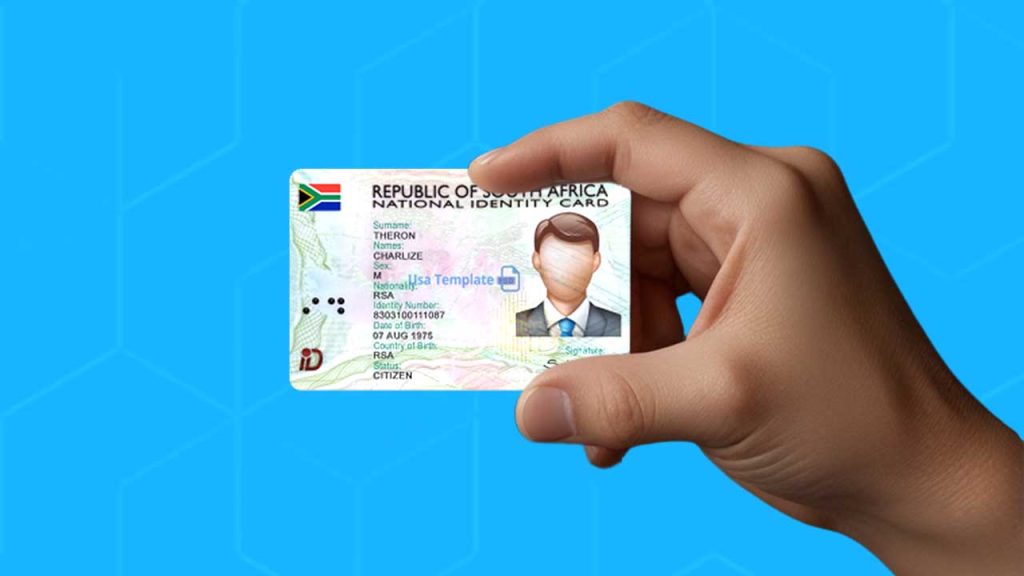
A Smart ID is South Africa’s modern version of the traditional green barcoded ID book. It’s a more secure card with embedded technology that helps prevent fraud. If you’re 16 or older, you need one—it’s essential for opening a bank account, applying for jobs, and proving who you are.
Who Can Apply for a Smart ID Online?
You can apply online if you meet these conditions:
You’re a South African citizen.
You’re applying for your first Smart ID or replacing a lost or damaged one.
You’re 16 years or older.
You have internet access to complete the online process.
Now, let’s go step by step.
Step 1: Register on the Department of Home Affairs Website
The first thing you need to do is create an account on the Department of Home Affairs eHomeAffairs portal. Here’s how:
Go to the official website: Visit the ehomeAffairs website (always use the official site to avoid scams!).
Click on ‘Register’: You’ll need to provide your ID number, email address, and phone number.
Create a password: Make sure it’s something secure but easy to remember.
Verify your account: A confirmation email will be sent to you—click the link inside to activate your account.
Once your account is set up, you’re ready for the next step.
Step 2: Fill Out the Smart ID Online Application Form
Now that you’re registered, log in and complete the application form. Here’s what to expect:
Personal Details: Full name, date of birth, and contact information.
Address: Where you currently live.
Reason for Application: First-time application, replacement, or renewal.
Tip: Double-check all the information before you submit—mistakes could cause delays!
Step 3: Book an Appointment for Biometrics
After submitting your application, you’ll need to schedule an appointment at a participating bank branch to complete the process. Why? Because the government needs to take your fingerprints and a photo to verify your identity.
Where Can You Go for Biometrics?
Not all banks offer this service, but some branches of Absa, FNB, Nedbank, and Standard Bank participate. The online system will show you available options.
How to Book Your Appointment:
Select your preferred bank branch.
Choose a date and time that works for you.
Confirm your booking.
Important: You must go to the bank in person for this step—no online shortcuts here!
Step 4: Pay the Application Fee
Applying for a Smart ID isn’t free (unless it’s your first time). Here’s what you need to know:
Application Type
Cost (ZAR)
First-time Smart ID
Free
Replacement (Lost/Damaged)
R140
How to Pay:
You can pay online using:
Credit or debit card. EFT (Electronic Funds Transfer) if your bank supports it.
Once you’ve paid, save the proof of payment—you’ll need it later.
Step 5: Visit the Bank for Biometrics
Now comes the only in-person step: your visit to the bank.
What Happens at the Bank?
They’ll scan your fingerprints.
They’ll take a digital photo.
You’ll confirm your details one last time.
What to Bring:
Your proof of payment (if applicable).
Your current ID book (if replacing it).
Any additional documents the system requested.
After this, the bank sends your application to Home Affairs for processing.
Step 6: Wait for Processing
Once your biometrics are captured, your application is officially in motion! Processing usually takes 10-14 working days, but it can sometimes be faster or slower depending on demand.
Want to check your application status? Log in to eHomeAffairs and track your progress.
Step 7: Collect Your Smart ID
Once your Smart ID is ready, you’ll get a notification. Pick it up from the same bank where you did your biometrics.
What to Bring When Collecting:
Your old ID book (if applicable).
The SMS or email notification that says your ID is ready.
Any other requested documents.
Note: Only YOU can collect your Smart ID—no one else can pick it up on your behalf!
FAQs
Question
Answer
Can I apply online if I don’t have internet?
No, you’ll need to visit a Home Affairs office instead.
What if I don’t have a bank account?
You can still apply, but you must visit a Home Affairs office for biometrics.
How long does it take to get a Smart ID?
Usually 10-14 working days after biometric capture.
Can I change my appointment date?
Yes, log in to eHomeAffairs and reschedule.
Applying for a Smart ID online in South Africa is a huge time-saver. Instead of waiting in long queues at Home Affairs, you can complete most of the process from your phone or computer. The only time you need to leave home is for biometrics—and even that is at a bank, not a government office!
By following these simple steps, you’ll have your Smart ID in no time. If you’re ready to start, head over to the eHomeAffairs website and get going!
Have questions? Drop them in the comments, and I’ll be happy to help!
Learn how to transfer MTN airtime in South Africa instantly using simple USSD codes or SMS, with step-by-step instructions.
Have you ever needed to send airtime to a friend or family member on MTN but weren’t sure how? Maybe your sibling ran out of airtime while chatting, or a friend needed an urgent top-up. Whatever the case, transferring airtime on MTN in South Africa is quick and easy. In this guide, I’ll walk you through the different ways to transfer airtime instantly. No complicated jargon—just simple steps you can follow right away!
What You Need to Know Before Transferring Airtime
Before we dive into the methods, here are some key points about MTN airtime transfers:
You can only transfer airtime to another MTN number.
The minimum transfer amount is R2.
The maximum transfer per transaction is R1,000.
You can transfer up to R10,000 per month.
The recipient can receive a maximum of R200 per day and R1,000 per month.
Transfers are free—no extra charges!
Method 1: Transfer Airtime Using USSD
One of the fastest ways to send airtime is through USSD. You don’t need an internet connection, just your phone’s dialer.
Steps:
Dial *136*3# on your MTN phone.
Follow the prompts to enter the recipient’s number and the amount you want to send.
Confirm the transaction.
You and the recipient will receive an SMS confirmation.
Quick Shortcut: If you want to skip the menu and send airtime instantly, use this direct code:
*136*6328*RecipientNumber*Amount#
Example: To send R10 to 0831234567, dial:
*136*6328*0831234567*10#
Simple, right? Now let’s move on to the next method.
Method 2: Transfer Airtime Using the myMTN App
If you prefer apps over USSD, the myMTN app makes it easy to transfer airtime. Here’s how:
Steps:
Download and install the myMTN app from the Google Play Store or Apple App Store.
Open the app and log in with your MTN number.
On the home screen, tap Airtime Share.
Enter the recipient’s MTN number and the amount you want to send.
Confirm the transfer using your app PIN.
The recipient will receive an SMS notification.
The myMTN app is a great option if you send airtime frequently and want to keep track of your transactions.
Method 3: Transfer Airtime as a PayAsYouGo Customer
If you’re an MTN PayAsYouGo user, you can send airtime just like regular MTN users. But here’s something to note: the airtime you transfer will be deducted from your available balance.
Steps:
Ensure you have enough airtime in your balance.
Use the USSD method (*136*3#) or the myMTN app to complete the transfer.
After the transfer, you’ll receive an SMS with the transaction details and your remaining balance.
Important: If you have an airtime expiry wallet, transfers will be deducted from that first before your main balance.
How to Request Airtime from Another MTN User
Running low on airtime and need someone to send you some? You can request airtime using the Me2U Request feature.
Steps:
Dial *136*3# and select the option to request airtime.
Enter the MTN number of the person you’re requesting from.
They will receive an SMS request and can approve the transfer.
Quick Shortcut: Use this code to request airtime directly:
*136*6328*SenderNumber#
Example: To request airtime from 0837654321, dial:
*136*6328*0837654321#
MTN Airtime Transfer Limits and Rules
To keep things clear, here’s a table summarizing the key limits:
Transfer Limit
Amount
Minimum transfer
R2
Maximum per transaction
R1,000
Maximum per day
R1,000
Maximum per month
R10,000
Max amount recipient can receive per day
R200
Max amount recipient can receive per month
R1,000
Frequently Asked Questions (FAQs)
1. How do I check my airtime balance on MTN?
Dial *136*1# to check your airtime balance instantly.
2. Is there a fee for transferring airtime?
No, MTN airtime transfers are free.
3. Can I transfer airtime to a non-MTN number?
No, you can only transfer airtime to another MTN user.
4. What happens if I enter the wrong number?
Unfortunately, airtime transfers are non-reversible, so always double-check the recipient’s number before confirming.
5. Can I transfer bonus airtime?
No, you can only transfer main account airtime, not bonus or promotional airtime.
Transferring MTN airtime in South Africa is simple, whether you use USSD or the myMTN app. Now that you know how it works, you’ll never have to worry about helping out a friend or family member who’s run out of airtime. Try it out today and stay connected!
If you found this guide helpful, share it with others who might need it. Happy airtime sharing!
Buying a voucher using airtime in South Africa is like using pocket money to get what you need—except in this case, your mobile phone balance does the job.
Whether you’re topping up data, paying for services, or even buying prepaid electricity, this method is simple, quick, and convenient. If you’ve ever wondered how it works, this guide will break it down in a way that makes complete sense. By the end, you’ll be able to do it confidently, just like sending a text message.
Why Buy Vouchers with Airtime?
Before we get into the steps, let’s quickly talk about why using airtime to buy vouchers is a smart option:
Benefit
Why It Matters
Convenience
No need for a bank card or cash. Just use your airtime balance.
Instant Access
Buy vouchers anytime, anywhere, even without internet access.
No Extra Fees
Avoid transaction fees that often come with other payment methods.
Works in Rural Areas
Even in places with no banking services, you can still buy vouchers easily.
This method is perfect for people who don’t have access to bank accounts, don’t want to deal with extra charges, or just prefer a simpler way to make payments.
Step-by-Step Guide to Buying a Voucher with Airtime
Step 1: Check Your Airtime Balance
Before you start, make sure you have enough airtime to cover the cost of the voucher. To check your balance, dial the USSD code for your mobile network:
If you don’t have enough airtime, you’ll need to top up before continuing.
Step 2: Choose a Voucher Provider
Different providers sell vouchers for various services. Decide what kind of voucher you need—mobile data, airtime, prepaid electricity, or even gaming credits. Some common providers include:
Vodacom
MTN
Cell C
Telkom
Electricity providers (like Eskom)
Each provider has its own way of selling vouchers, but the process is quite similar.
Step 3: Dial the USSD Code for Purchasing Vouchers
Once you know which voucher you want, dial the right USSD code to start the process:
Provider
USSD Code for Voucher Purchase
Vodacom
*135#
MTN
*136#
Cell C
*147#
Telkom
*180#
After dialing, a menu will appear on your screen with different voucher options.
Step 4: Select Your Voucher
Using the on-screen menu, navigate to the voucher you need. Most USSD menus work by responding with a number to choose an option. For example, you might see something like this:
1. R5 Airtime Voucher
2. R10 Airtime Voucher
3. R20 Data Voucher
4. Prepaid Electricity
5. More Options
Simply enter the number that matches the voucher you want.
Step 5: Confirm the Purchase
Before finalizing the transaction, double-check the details:
Is the voucher amount correct?
Are you using the right airtime balance?
Do you understand any terms or expiry dates?
If everything looks good, confirm the purchase by following the prompts.
Step 6: Receive Your Voucher Code
Once the transaction is complete, you’ll get a confirmation SMS with your voucher details. This message will include:
The voucher code
How to redeem the voucher
Expiry date (if applicable)
Make sure to save this SMS or write down the code somewhere safe.
FAQs
1. What if I don’t receive my voucher SMS?
Sometimes there’s a short delay. Wait a few minutes and check your messages again. If it doesn’t arrive, try these steps:
No, you must have enough airtime before you start the process. If you’re out of airtime, borrow some using these codes:
Network
Airtime Advance Code
Vodacom
*135#
MTN
*136#
Cell C
*147#
Telkom
*180#
You’ll need to repay the borrowed airtime when you next recharge.
3. Can I use airtime to buy other things online?
Yes! Some platforms let you pay for digital services using airtime. Look out for services like:
Google Play Store purchases (on some networks)
Streaming services (if they allow airtime billing)
Online gaming vouchers
4. Are there limits to how much airtime I can use for vouchers?
Yes, different networks have daily or monthly limits on airtime transactions. If you hit a limit, you’ll need to wait or use another payment method.
Using airtime to buy vouchers in South Africa is an easy and hassle-free way to pay for services without needing cash or a bank card. Whether you’re getting a data top-up, paying for electricity, or buying a gaming voucher, the process is straightforward and quick. Now that you know exactly how to do it, try it out the next time you need a voucher—you might be surprised at how simple it is!
Sending money to South Africa should be easy, secure, and fast. Whether you’re supporting family, paying for services, or handling business transactions, picking the right platform is essential. With so many options, how do you choose the best one? Don’t worry—I’ve got you covered. Let’s break it down in a way that makes sense, like explaining a game plan to a friend.
How to Identify a Good Money Transfer Platform
Before we jump into the list, here’s what to look for in a reliable money transfer service:
Security – Your money should be protected from fraud and scams.
Speed – Some transfers happen instantly, while others take a few days.
Fees – Look for low or no fees to save on costs.
Exchange Rates – Some platforms offer better rates than others.
Ease of Use – The platform should be simple to navigate.
Payment Methods – Options should include bank transfers, mobile wallets, and cash pickups.
Now, let’s explore 12 trusted platforms that make sending money to South Africa seamless and secure.
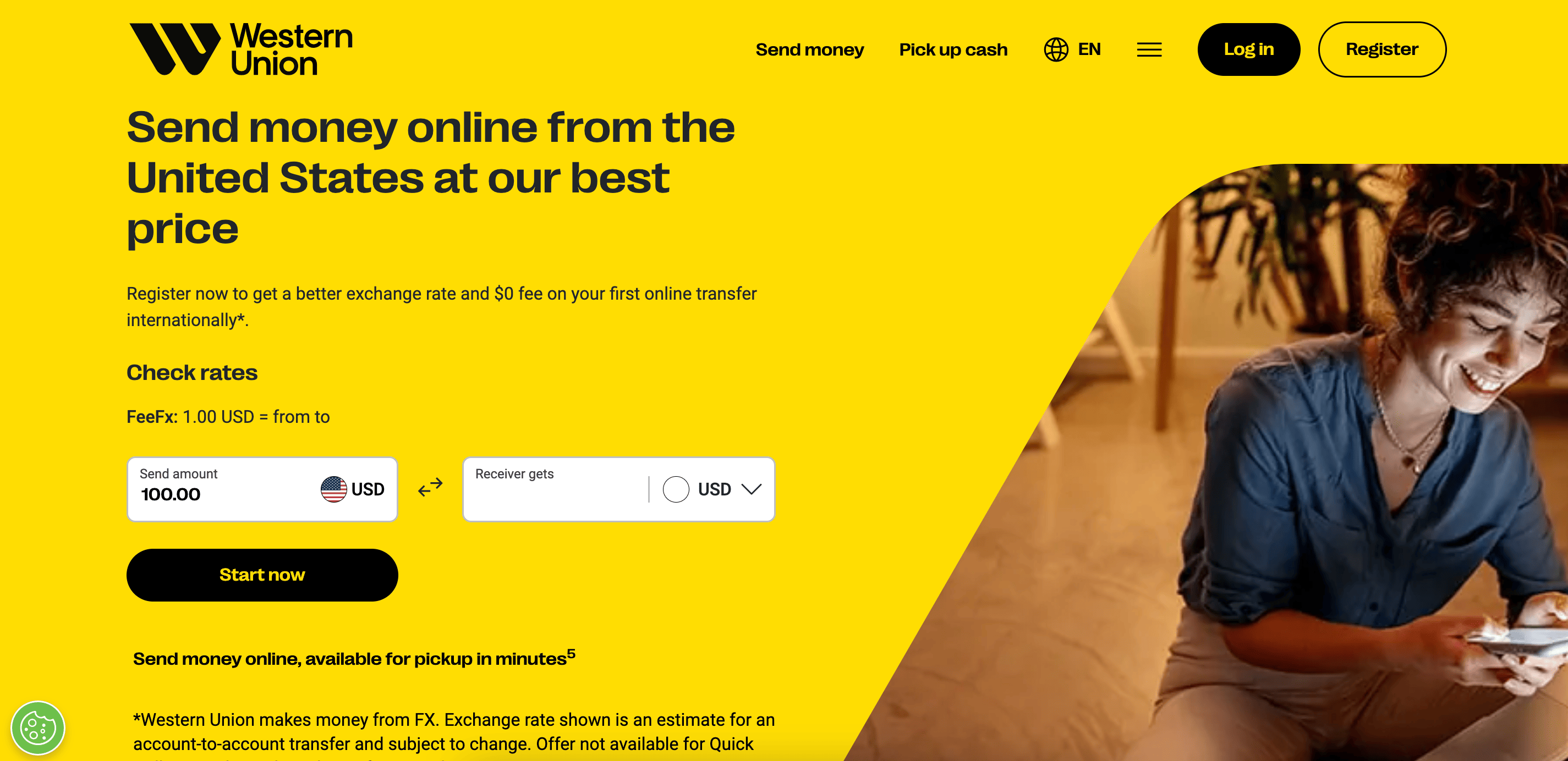
1. Western Union
Why it’s great:
Large global network with thousands of locations.
Western Union supports bank deposits, cash pickup, and mobile money.
Multiple payment options, including credit/debit cards and bank transfers.
Best for: Sending money to someone who prefers picking up cash in person.
Fast and direct deposits to mobile money accounts.
Easy-to-use mobile app for seamless transfers.
Best for: Mobile money users who want quick and free transfers.
11. LemFi
Why it’s great:
Zero transaction fees.
Supports multiple currencies for international transfers.
LemFi works well for South Africans living abroad who send money home frequently.
Best for: People who want fee-free international transfers with multi-currency support.
12. Remitbee
Why it’s great:
No fees for bank transfers over $500.
Strong exchange rates compared to banks.
Remitbee is ideal for Canadians sending money abroad.
Best for: Those in Canada who need a reliable and affordable way to send money to South Africa.
Comparing the Best Options
Here’s a quick comparison to help you pick the right service:
Platform
Fees
Speed
Payment Methods
Best For
Western Union
Varies
Fast
Bank, mobile, cash
Cash pickups worldwide
MoneyGram
Varies
Fast
Bank, mobile, cash
In-person and urgent transfers
WorldRemit
Low
Fast
Bank, mobile, cash
Multiple transfer options
Remitly
Low
Varies
Bank, mobile, cash
First-time users & flexible options
Paysend
$2
Fast
Bank, mobile
Low-cost transfers
Skrill
Low
Fast
Digital wallet
Online payments & money transfers
TransferGo
Low
Fast
Bank deposits
Quick bank transfers
ACE Money Transfer
Low
Fast
Bank, mobile, cash
Competitive exchange rates
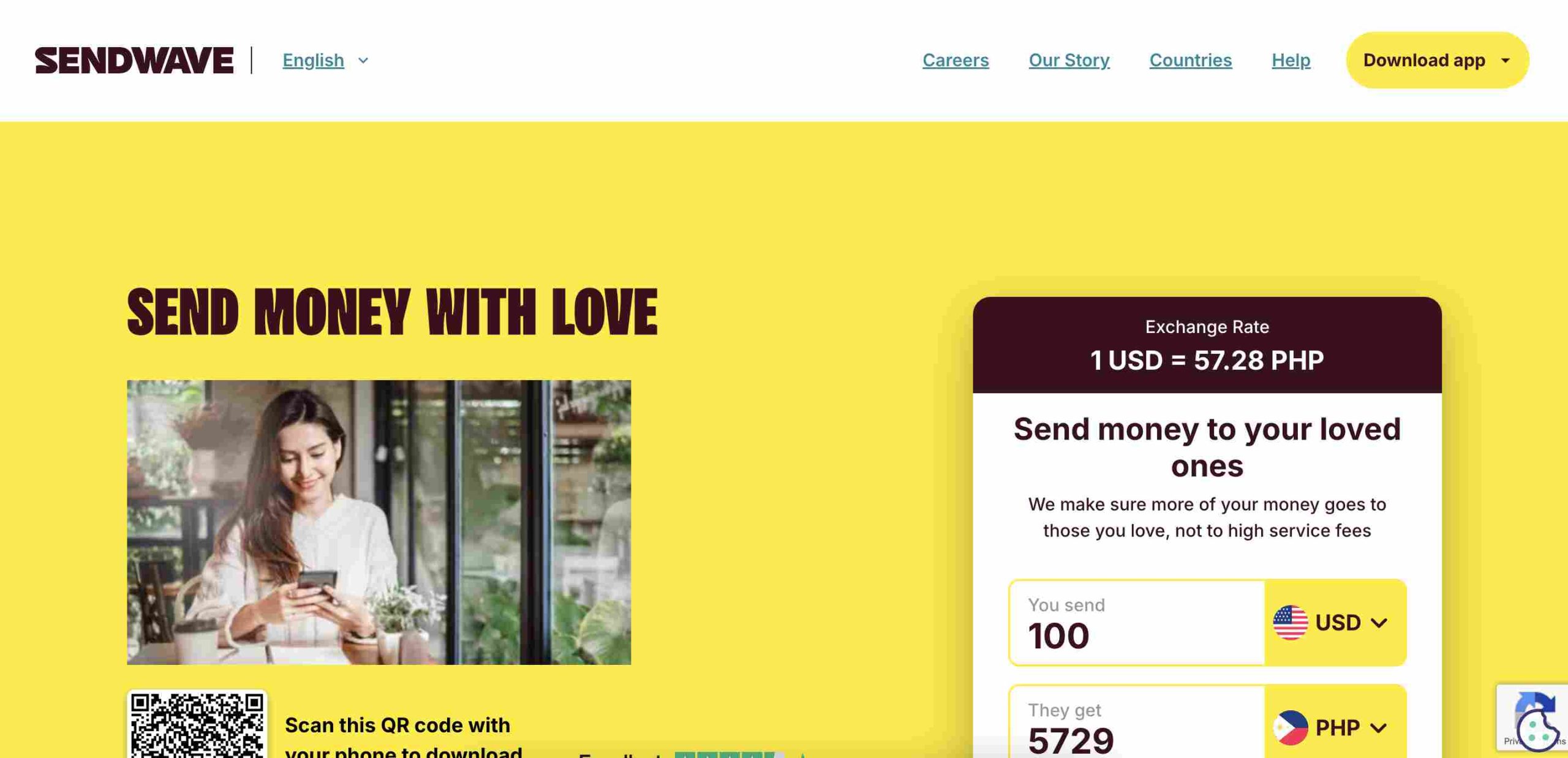
Sendwave
No
Fast
Mobile money
Instant, fee-free transfers
Taptap Send
No
Fast
Mobile money
Fee-free mobile money transfers
LemFi
No
Fast
Multi-currency
No-fee transfers
Remitbee
No (over $500)
Fast
Bank deposits
Canadians sending money
The best money transfer platform for you depends on what matters most—speed, cost, or payout methods. For fee-free mobile transfers, Sendwave and Taptap Send are solid options. If you’re after competitive exchange rates, consider TransferGo or ACE Money Transfer. Need cash pickup? Western Union or MoneyGram may be the best fit.
Whichever platform you choose, you can be confident that all of these are safe and reliable options for sending money to South Africa.
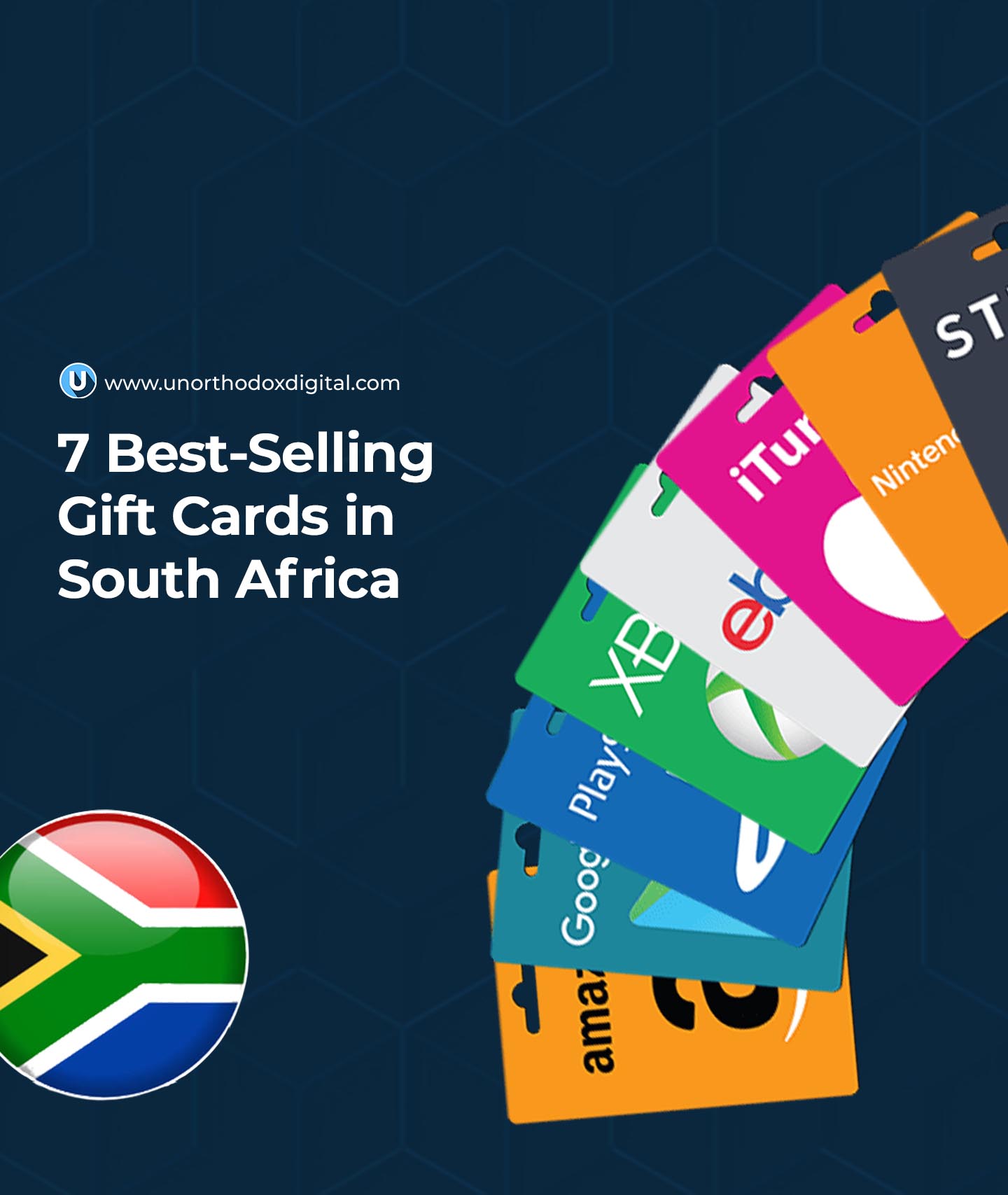
Gift cards have become one of the easiest and most thoughtful ways to give someone a present without worrying if they’ll like it. Instead of stressing over the perfect gift, you can hand them a gift card and let them pick exactly what they want. Sounds like a win-win, right?
In South Africa, some gift cards are more popular than others. Whether it’s for entertainment, shopping, or even healthcare, these are the top seven best-selling gift cards that people love.
1. Xbox Gift Card
If you know someone who loves video games, an Xbox gift card is like handing them a golden ticket to the gaming universe. With this card, they can buy games, apps, movies, and even subscriptions for Xbox services. The best part? There’s no expiration date, so they can use it whenever they want.
For anyone who owns an Android phone or uses Google services, the Google Play gift card is a perfect choice. It allows the recipient to buy apps, games, movies, books, and more from the Google Play Store. Since Google is a widely recognized brand, this card is one of the most accessible and secure digital gift options in South Africa.
Why it’s popular:
Works on all Android devices
No need for a credit card
No expiration date
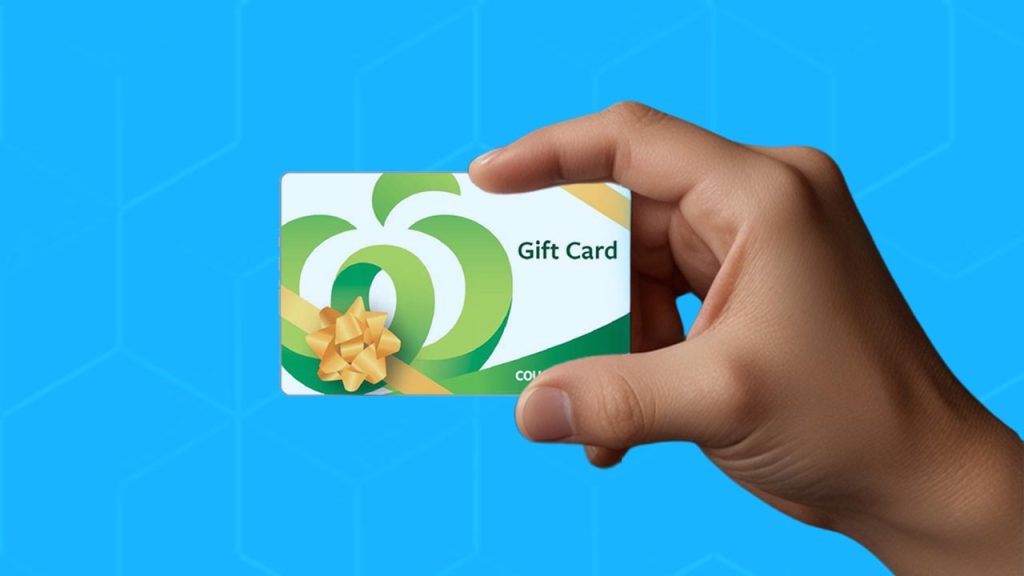
3. Woolworths Gift Card
If you want to give someone the freedom to shop for premium groceries, clothing, or homeware, the Woolworths gift card is a great pick. Woolworths is known for its high-quality products, and this card ensures that the recipient can buy what they need, whether it’s fresh food, stylish outfits, or home essentials.
What makes it special?
Available in different price ranges
Can be used in physical stores and online
No need to rush—it has a long validity period
4. Pick n Pay Gift Card
Sometimes, the best gift is letting someone choose exactly what they need, and that’s where the Pick n Pay gift card comes in. With this card, they can shop across different categories, including groceries, clothing, and household goods. Pick n Pay also has various store formats, such as Boxer and TM Supermarkets, making this card versatile.
Feature
Details
Use
Food, clothing, household items, liquor
Stores
Pick n Pay, Boxer, TM Supermarkets
Expiration
Valid for multiple years
5. Netflix Gift Card
Who doesn’t love a good movie night? With a Netflix gift card, you’re giving someone access to thousands of movies, TV shows, and exclusive Netflix originals. It’s perfect for movie lovers, and since the card doesn’t expire, they can redeem it whenever they’re ready for a binge-watch session.
Why people love it:
Works on any Netflix subscription
No expiration date
No need for a credit card
6. Edgars Gift Card
For fashion lovers, an Edgars gift card is a fantastic choice. This card allows recipients to shop at Edgars, Legit, Beaver Canoe, and Style stores, giving them access to a variety of fashion, beauty products, and accessories. With a validity of three years, they have plenty of time to pick the perfect item.
Why it stands out:
Accepted in multiple fashion stores
Can be used for clothes, shoes, and beauty products
Three-year validity period
7. Clicks Gift Card
If you want to give a thoughtful and practical gift, the Clicks gift card is an excellent option. Clicks is one of South Africa’s leading health and beauty retailers, and this card allows recipients to purchase medication, skincare products, toiletries, and even clinical services. Health is wealth, and with this card, you’re giving someone the gift of self-care.
What makes it unique?
Usable for health and beauty products
Accepted in all Clicks stores
Can be used for clinical services
Frequently Asked Questions (FAQs):
1. What Gift Cards Are Available in South Africa?
There are many options, including Woolworths, Pick n Pay, Netflix, Xbox, Google Play, Edgars, and Clicks gift cards. Each offers something unique, whether it’s entertainment, shopping, or healthcare.
2. Do Gift Cards Expire in South Africa?
According to the Consumer Protection Act (CPA), most gift cards must have a minimum validity of three years from the date of purchase. However, some brands offer cards with no expiration at all.
3. Can I Use a South African Gift Card Online?
It depends on the retailer. Some gift cards, like Google Play and Netflix, are designed for online use, while others, like Pick n Pay and Clicks, are primarily for in-store shopping.
4. Where Can I Buy Gift Cards in South Africa?
You can find gift cards at major retail stores, supermarkets, and even online platforms. Some common places include Woolworths, Pick n Pay, Edgars, Clicks, and tech stores for Xbox and Google Play gift cards.
5. How Much Does a Google Play Gift Card Cost in South Africa?
Google Play gift cards are available in different price ranges, typically starting from R50 up to R5,000. You can choose the amount based on your budget and needs.
Gift cards make gifting simple, stress-free, and practical. Whether you’re buying for a gamer, a fashion lover, a movie buff, or someone who loves to shop for daily essentials, there’s a gift card for everyone. The seven best-selling gift cards in South Africa cover a variety of needs, making them a perfect choice for any occasion. Next time you’re wondering what to give someone, consider one of these top options!
Sharing airtime between networks can feel confusing, but don’t worry—I’ve got you covered! If you’re an MTN user in South Africa and need to send airtime to someone on Vodacom, this guide will walk you through everything you need to know in the simplest way possible. I’ll break it down step by step so you can transfer airtime with confidence.
Can You Transfer Airtime from MTN to Vodacom?
Before we jump in, let’s get one thing straight: Airtime transfers between different networks aren’t always allowed. Mobile operators have their own policies on this, so it’s essential to check if MTN currently allows airtime transfers to Vodacom. Here’s how:
Visit the MTN and Vodacom websites – Check for any updates on cross-network airtime transfers.
Call Customer Service – Dial MTN South Africa’s helpline on 135 and ask if transfers to Vodacom are supported.
Try the Transfer – Sometimes, the best way to find out is to attempt a transfer. If it doesn’t go through, you’ll get a notification explaining why.
Sending MTN Airtime to Vodacom
Transferring Airtime via the MTN Mobile App
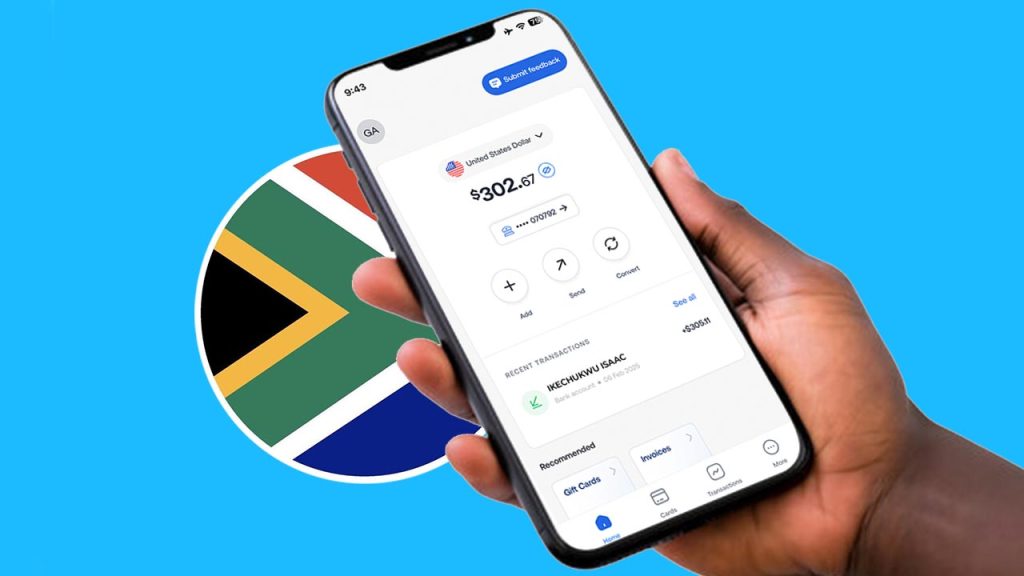
You can transfer airtime using the MTN Mobile Money app not only to MTN users but also to Vodacom users in just a few taps.
Wait for the confirmation message – Once you receive it, the airtime is sent!
Pros
Cons
User-friendly interface
Requires internet connection
Can track past transfers
Must download the app
Important Things to Keep in Mind
1. Transfer Limits
MTN has daily and monthly limits on airtime transfers. These limits may vary, so check with customer support or try a test transfer.
2. Transfer Fees
MTN may charge a small fee for transferring airtime to another network. Before confirming a transfer, check if there are any extra charges.
3. Double-Check Numbers
A simple typo in the recipient’s number can send your airtime to the wrong person. Always verify before confirming the transfer!
4. Sufficient Balance Required
You can’t send airtime if your balance is too low. Ensure you have enough airtime before attempting a transfer.
FAQs
1. How long does the airtime transfer take?
Airtime transfers are usually instant. If it doesn’t reflect immediately, ask the recipient to restart their phone.
2. Can I reverse an airtime transfer?
No. Once airtime is sent, it cannot be reversed. That’s why it’s crucial to double-check the recipient’s number.
3. What happens if I enter the wrong PIN?
If you enter the wrong PIN multiple times, your transfer may be blocked temporarily. Reset your PIN via MTN customer support if needed.
4. Can I send airtime from MTN to Vodacom using a banking app?
Some South African banks allow customers to purchase airtime for any network, including Vodacom. However, this is different from a direct MTN-to-Vodacom transfer.
5. Does the recipient need to do anything to receive the airtime?
No, once the transfer is successful, the recipient will receive a confirmation message and can use the airtime immediately.
Transferring airtime from MTN to Vodacom is simple when you know the right steps. With the MTN MoMo SA App, you can send airtime smoothly. Just remember to double-check the recipient’s number, be aware of possible fees, and ensure you have enough balance before making the transfer. Happy airtime sharing!
Need an Easy Way to Receive International Payments?
Imagine you’re a freelancer in South Africa, and a client from the U.S. wants to pay you in dollars. Or maybe you run an online store, and international customers prefer paying in euros or pounds. Normally, you’d deal with slow bank transfers, high fees, and exchange rate confusion. But what if you had a simple way to receive and manage foreign currencies right from South Africa?
That’s where Grey comes in! Grey lets you open a US, UK, or EU foreign bank account from South Africa, making it easy to receive international payments, exchange currencies, and withdraw in South African Rand (ZAR)—all without the usual banking headaches.
Let’s dive into how you can open a Grey foreign account today!
What is Grey, and Why Should You Use It?
Grey is a fintech platform that provides foreign bank accounts without the hassle of traditional banks. With Grey, you can open a USD, GBP, or EUR account in minutes—no need to travel or deal with complicated paperwork.
Here’s what you can do with a Grey foreign account:
Receive money from international clients easily
Convert foreign currency to ZAR at competitive rates
Withdraw to your local South African bank account instantly
Use virtual cards for online payments in different currencies
Basically, it’s like having a bank account in the U.S., U.K., or Europe—without leaving South Africa!
Why Open a Foreign Bank Account With Grey?
Grey makes international banking simple, fast, and affordable. Here’s why South Africans are using Grey:
Get paid like a local in multiple currencies – Receive payments in USD, GBP, or EUR directly into your foreign bank account.
Instant withdrawals to South African Rand (ZAR) – No more long wait times to access your funds.
No hidden fees – Traditional banks charge unnecessary fees, but Grey is transparent and cost-effective.
Virtual cards for international payments – Need to pay for global services like Netflix, Amazon, or Spotify? Grey makes it easy.
Perfect for freelancers, remote workers, and businesses – If you earn or spend in foreign currencies, Grey helps you save time and money.
How to Open a Foreign Bank Account in South Africa With Grey (3 Simple Steps!)
Unlike traditional banks that require tons of paperwork, Grey’s process is fully online and takes just a few minutes. Here’s how to get started:
Step 1: Sign Up on Grey
Visit Grey’s website or download the Grey mobile app. Create an account using your name, email, and phone number—it’s just like signing up for any other online service.
Step 2: Complete KYC Verification
To keep everything secure, Grey requires a quick verification process. You’ll need to:
Upload a government-issued ID (South African ID, Passport, or Driver’s License)
Take a quick selfie for identity verification
Provide proof of address (like a bank statement or utility bill)
This process ensures that your account is secure and compliant with regulations.
Step 3: Get Your Foreign Bank Account
Once verified, Grey provides you with a foreign bank account (USD, GBP, or EUR), and you’re good to go! Now, you can send and receive international payments like a pro.
How to Use Your Grey Foreign Bank Account
Now that you have your foreign account, here’s how to make the most of it:
1. Receive Payments From Anywhere
Freelancers, remote workers, and businesses can share their Grey account details with international clients and get paid seamlessly.
2. Convert and Withdraw Money Easily
Got paid $500 in your Grey USD account? Convert it to ZAR at competitive exchange rates and withdraw it instantly to your local South African bank account.
3. Make International Payments
Need to buy software, subscribe to services, or shop online? Use Grey’s virtual cards to make payments in foreign currencies without restrictions.
Frequently Asked Questions About Grey
1. Is Grey a Bank?
No, Grey is a fintech platform that partners with licensed financial institutions to provide foreign bank accounts and payment services.
2. Is Grey Safe?
Yes! Grey uses encryption, identity verification, and other security measures to protect your money and personal data.
3. How Long Does It Take to Open an Account?
Signing up takes just a few minutes, and KYC verification is usually completed within a few hours.
4. Are There Any Hidden Fees?
Nope! Grey is transparent with its fees, and you’ll always see the exchange rates before making a conversion.
Why You Should Open a Grey Foreign Account Today
If you earn or spend money in multiple currencies, Grey is the easiest way to manage international transactions from South Africa.
No paperwork. No hidden fees. Works anywhere in South Africa. Instant withdrawals.
Ready to simplify your international banking? Sign up on Grey today and start managing your foreign payments effortlessly!
Ever been stuck without data, trying to check your airtime, or needing to buy a bundle ASAP? That’s where USSD codes come in—they’re like secret cheat codes for your phone that let you get things done in seconds, no app or internet needed!
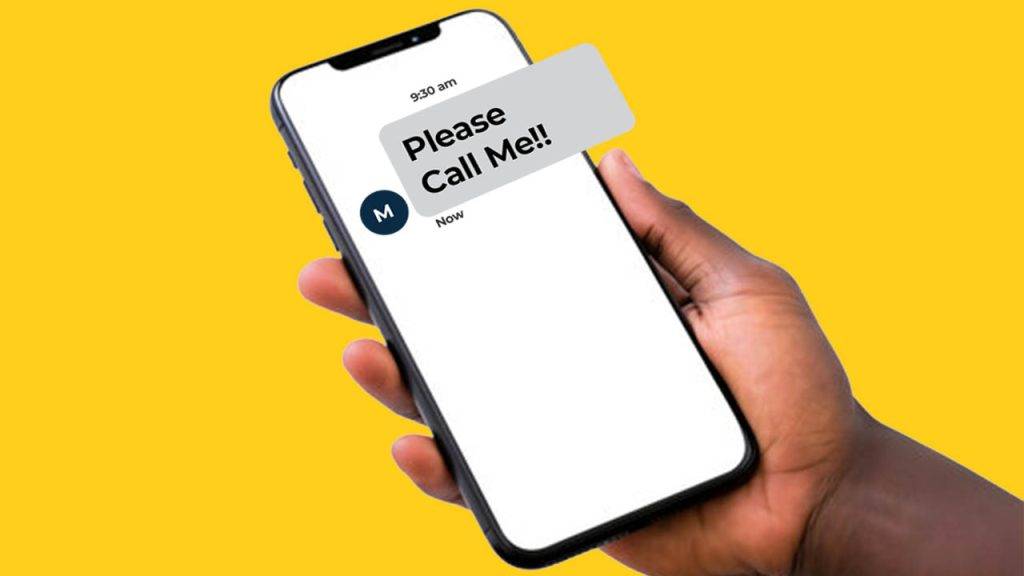
USSD (Unstructured Supplementary Service Data) might sound fancy, but it’s really just a simple way to talk to your mobile network using short number combos with * and #. Need to check your balance? There’s a code for that. Want to send a “Please Call Me” when you’re out of airtime? Yep, there’s a code for that too.
Even with mobile apps and online banking making recharges easier, USSD codes are still a lifesaver—especially when your internet is down or you’re in a hurry. Whether you’re on Vodacom, MTN, Telkom, or Cell C, knowing the right codes can save you time, money, and stress.
Below, we’ve gathered the must-know USSD codes for South Africa’s biggest mobile networks, so you’ll always be in control of your airtime, data, and more!
MTN South Africa USSD Codes (Short Codes)
MTN South Africa USSD Codes
Description
*136#
Airtime balance summary
*136*0#
Master USSD Menu
*135*5#
Check WASP subscriptions
*#06#
View your device IMEI
*123*888#
View your MSISDN
*121*number#
Please Call Me
*136*1#
Detailed balances
*136*2#
Buy data, voice, or SMS bundles
*136*3#
Buy or send airtime to another user
*136*4#
Change Tariff
*136*5#
Check your account details
*136*10#
Recharge balance with bank card
*135#
International roaming, voicemail, SIM swap, RICA SIM card
*141*voucher number*cellphone number to be charged
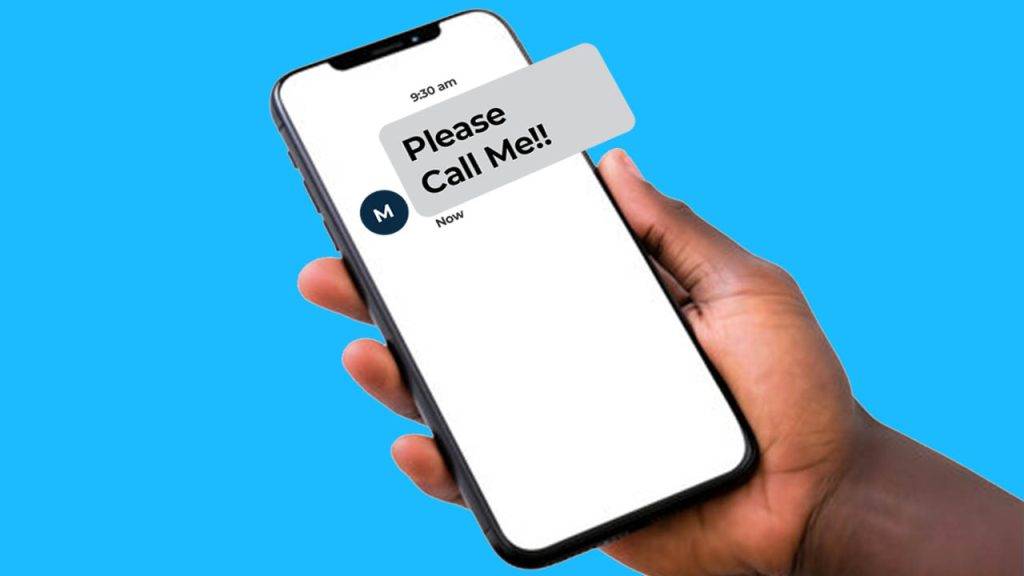
Ever been out of airtime but really needed to call someone? Maybe you just needed a quick chat with a friend, or you had to let a family member know something urgent. That’s where the “Please Call Me” service comes in handy! It’s a free way to ask someone to call you back when you can’t make a call yourself.
The best part? All major networks in South Africa—MTN, Vodacom, Telkom, and Cell C—offer this feature. In this guide, I’ll walk you through exactly how to send a “Please Call Me” on each network in the easiest way possible. Let’s get into it!
What Is a “Please Call Me” Message?
A “Please Call Me” message is a free SMS that you can send to someone when you don’t have airtime. It simply tells them to call you back. Think of it like knocking on someone’s door when you can’t enter their house—you’re letting them know you’re there and need their attention.
Each mobile network in South Africa has a unique code you can dial to send this message. Let’s go through each one step by step.
The recipient will receive a message asking them to call you back.
Cell C allows you to send up to 10 “Please Call Me” messages per day.
Extra Tips & Things to Keep in Mind
You can send “Please Call Me” messages to any number, even if they’re on a different network.
This service is completely free, so you won’t be charged for sending the message.
If you’ve reached your daily limit, you’ll have to wait until the next day to send more.
“Please Call Me” messages are useful in emergencies when you have no airtime.
Some networks may not allow international “Please Call Me” messages.
Why Use “Please Call Me”?
Still wondering why this service is so popular? Here are some real-life situations where “Please Call Me” can save the day:
You run out of airtime – You’re about to call someone, but your airtime is finished. Instead of stressing, just send a “Please Call Me” and wait for them to call you.
Emergency situations – Maybe you need to reach someone urgently but have no data or airtime. This is a quick way to let them know you need help.
You’re borrowing someone’s phone – If you don’t have your phone with you but need to contact someone, you can use this trick on a borrowed phone (as long as it’s on your network).
The “Please Call Me” service is one of the most useful features offered by South African mobile networks. Whether you’re out of airtime, in an emergency, or just need someone to call you back, this free service is a lifesaver.
Now that you know exactly how to send a “Please Call Me” on MTN, Vodacom, Telkom, and Cell C, you’ll never be stuck without a way to communicate. Try it out the next time you need a callback!
Did this guide help you? Share it with friends who might need it too!
So, you’re out and about, and your phone battery is running low, or maybe you’re just out of airtime, but you really need someone to call you back. That’s where the “Please Call Me” feature on MTN comes in handy! It’s like sending a quick, friendly tap on the shoulder saying, “Hey, can you give me a call when you get a chance?”
Here’s how you can send a “Please Call Me” on MTN in South Africa:
Open your phone dialer – the place where you make calls (don’t worry, it’s not hard to find!).
Type in this code: *121* followed by the phone number of the person you want to reach. For example, if you want to ask your friend with the number 0834511923 to call you, you’d dial *121*0834511923#.
Hit the call button – like you’re calling them, but it’s really just sending a request for them to call you!
That’s it! The person you sent it to will receive a message saying “Please Call Me” with your phone number. Easy, right?
Just keep in mind, you can send up to 5 “Please Call Me” messages on MTN every day. So if you’re out of airtime a few times in the day, you’ve got a bit of room to work with.
And just like that, you’ve sent a simple request asking for a call back—no airtime needed, just a little tap on the digital shoulder! Simple, right?
Now you’ve got this down, and you’re ready to stay connected—no matter where you are or what’s going on with your phone.
Ever been out of airtime but really needed to reach someone? Maybe you’re trying to call your mom, a friend, or even your ride home, but your balance is sitting at a big fat zero. Don’t worry—Cell C’s “Please Call Me” feature has got your back!
This handy service lets you send a free message asking someone to call you. It’s like tapping them on the shoulder and saying, “Hey, I need to talk!” without spending a cent.
Let’s break it down step by step, so you’ll never be stuck without a way to get in touch again.
Open your phone’s dialer (the screen where you type in phone numbers).
Dial *111*, followed by the phone number of the person you want to contact. For example, if you want to send a “Please Call Me” to 0812345678, you would dial:*111*0812345678#
Press the call/send button.
That’s it! The person will receive a message saying, “Please Call Me,” along with your phone number so they know who’s trying to reach them.
How Many ‘Please Call Me’ Messages Can You Send?
Cell C lets you send up to 10 ‘Please Call Me’ messages per day. So, if you’re in a tight spot and need to reach multiple people, you’re covered. Just use them wisely—you don’t want to spam your contacts!
Why Is This Feature Useful?
Imagine these situations:
You’re out of airtime and need a ride home. You can send a ‘Please Call Me’ to your friend or taxi service.
Your phone bill isn’t paid yet, but you need to talk to someone urgently. Just shoot them a message so they can call you back.
You’re in an emergency situation. Maybe you’re stuck somewhere, and you need help. This quick message could be a lifesaver.
What If the Person Doesn’t Call Back?
Sometimes, people miss messages or don’t check their phones right away. If it’s urgent, try sending a second ‘Please Call Me’ (as long as you haven’t hit your daily limit). If they still don’t respond, you might need to find another way to contact them—maybe borrow a phone or send a text if you have a little airtime left.
Does It Work on Any Phone?
Yes! Whether you’re using a simple feature phone (those old-school ones with buttons) or a fancy smartphone, the ‘Please Call Me’ works just the same.
The ‘Please Call Me’ feature is one of those little lifesavers that everyone should know about. It’s quick, free, and incredibly useful when you’re out of airtime but still need to reach someone. Now that you know how to use it, you’ll never be stuck without a way to get in touch again!
So, next time you’re low on airtime, just dial *111*[phone number]#, hit send, and wait for that callback!
Netflix is like the go-to place for movies, series, and documentaries, right? Whether you’re a fan of thrilling dramas, laugh-out-loud comedies, or binge-worthy shows, Netflix has something for everyone. But before you can dive into that massive collection of content, you have to pick the right Netflix plan. This choice affects how much you pay each month, the quality of what you watch, and how many people can watch at once.
So, let’s break it all down and explore the Netflix plans available in South Africa, their pricing, and what you get with each one.
Netflix’s 4 Plans: Which One is Right for You?
Netflix offers four main subscription plans, each designed to meet different needs. The plans are easy to understand, but they offer different features like video quality, how many screens you can watch on at once, and how much you’ll pay.
Mobile Plan (480p) – ZAR 49/month This plan is the most affordable and designed for people who only want to watch Netflix on their phones or tablets. If you’re someone who enjoys watching on-the-go (think during your daily commute or waiting for a friend), the Mobile Plan is for you.
Video Quality: 480p (Standard Definition)
Supported Devices: Mobile phones and tablets
Simultaneous Streams: 1
While the video quality isn’t the sharpest, it’s fine if you’re watching on a small screen. And at only ZAR 49 a month, it’s a pretty solid deal.
Basic Plan (720p) – ZAR 99/month The Basic Plan is a bit of a step-up. It gives you HD quality (720p), which means the picture looks sharper compared to the Mobile Plan. If you like to watch on your TV or computer (not just your phone), this plan works for you.
Video Quality: 720p (HD)
Supported Devices: TV, computer, mobile phone, tablet
Simultaneous Streams: 1
While the Basic Plan doesn’t let you watch on multiple devices at once, it’s still a good option for individuals or small households.
Standard Plan (1080p) – ZAR 159/month The Standard Plan is for people who want Full HD (1080p). This means better picture quality, especially on larger screens like a TV. Plus, it lets two devices stream at once. So, if you and your sibling or partner like to watch Netflix at the same time but on different screens, this plan works perfectly.
Video Quality: 1080p (Full HD)
Supported Devices: TV, computer, mobile phone, tablet
Simultaneous Streams: 2
At ZAR 159 a month, it’s not the cheapest, but the quality upgrade from the Basic Plan makes it a great middle option for small families or people who like to watch on different devices.
Premium Plan (4K + HDR) – ZAR 199/month If you want the best of the best, the Premium Plan is the way to go. With 4K resolution and HDR (High Dynamic Range), your shows and movies will look incredibly sharp and vivid, especially on big screens. Plus, it supports up to 4 devices streaming at once, making it perfect for larger households.
Video Quality: 4K Ultra HD + HDR
Supported Devices: TV, computer, mobile phone, tablet
Simultaneous Streams: 4
This plan is the most expensive at ZAR 199, but if you’re all about super-clear pictures and enjoy watching with family or friends at the same time, it’s worth the price.
A Simple Breakdown of Netflix’s Plans in South Africa
Plan
Price per month
Video Quality
Devices Allowed
Simultaneous Streams
Mobile
ZAR 49
480p (SD)
Mobile only
1
Basic
ZAR 99
720p (HD)
TV, computer, mobile, tablet
1
Standard
ZAR 159
1080p (Full HD)
TV, computer, mobile, tablet
2
Premium
ZAR 199
4K + HDR
TV, computer, mobile, tablet
4
Which Netflix Plan Should You Choose?
Your choice depends on your needs, budget, and how you like to watch Netflix. Here’s a quick guide to help you choose:
If you’re on a tight budget and watch on your phone: The Mobile Plan (ZAR 49) is perfect for you. It’s super affordable and gives you Netflix anywhere you go.
If you’re watching on a larger screen like a TV and want HD quality: The Basic Plan (ZAR 99) is a good middle option. It’s affordable and gives you HD quality on a TV, computer, or tablet, but remember, it only lets you stream on one device at a time.
If you’re in a small household or share Netflix with one other person: The Standard Plan (ZAR 159) offers Full HD quality and lets you stream on two devices at the same time. Great if you and a friend or family member want to watch different shows at once.
If you have a big family or want the best quality: The Premium Plan (ZAR 199) is the top choice. With 4K + HDR quality and the ability to stream on up to 4 devices at once, you can enjoy Netflix with your family or friends without any hiccups.
A Reliable Internet Connection Makes All the Difference
Now, no matter which plan you choose, one thing is super important: your internet connection. Streaming Netflix, especially in HD or 4K, requires a good internet connection. If your connection is slow, you might experience buffering (when your show stops to load) or poor video quality. So, it’s important to make sure your internet speed matches your plan. For higher quality (like 1080p or 4K), you’ll need a faster internet connection.
For Mobile and Basic Plans (480p and 720p): A standard connection should be fine.
For Standard and Premium Plans (1080p and 4K): You’ll need a faster, more reliable connection to avoid buffering.
Some Pros and Cons of Each Plan
Let’s take a quick look at the advantages and drawbacks of each plan:
Mobile Plan (480p)
Pros: Super affordable, great for watching on a small screen, perfect for one person.
Cons: Limited to mobile devices, lower video quality (not HD).
Basic Plan (720p)
Pros: Affordable, good for watching on bigger screens like TVs, decent quality.
Cons: Only one stream at a time, no 4K or HDR.
Standard Plan (1080p)
Pros: Full HD quality, supports 2 devices at once, good balance of price and features.
Cons: Higher price than Basic, still no 4K.
Premium Plan (4K + HDR)
Pros: Best quality with 4K + HDR, can stream on 4 devices at once.
Cons: The most expensive, requires a fast internet connection.
A Quick Note About Netflix’s Changes
In some countries, Netflix has been experimenting with new plans, like ones that have ads or cost less. But in South Africa, Netflix still focuses on ad-free plans. So, you don’t have to worry about any ads popping up during your favourite shows, at least for now.
Choosing the right Netflix plan comes down to how you watch, where you watch, and how much you want to spend. If you’re just starting with Netflix or watching mostly on your phone, the Mobile Plan could be perfect. But if you want to share Netflix with a couple of people, the Standard Plan or Premium Plan might be better suited for you.
No matter what you choose, Netflix offers a variety of plans that make it easy to find something that fits your lifestyle. Now you’re ready to dive into the world of Netflix and enjoy your favourite shows with just the right plan!
Have you ever found yourself in a situation where you needed to reach someone but didn’t have enough airtime to make a call? Or maybe you’re just in an area with bad signal and can’t get through? Well, Vodacom’s “Please Call Me” feature is a lifesaver for times like these! It’s a quick and free way to ask someone to call you back—perfect for when you’re low on airtime or can’t make a direct call. Don’t worry if this sounds confusing, though! By the end of this article, you’ll know exactly how to use it like a pro.
What is a “Please Call Me”?
Let’s break it down. A “Please Call Me” is a service from Vodacom that allows you to send a text to anyone asking them to call you back. It’s like knocking on someone’s door and saying, “Hey, can you please give me a call when you get a chance?” without actually making the call yourself. Super handy, right? This service works even when you’re out of airtime or have a poor network connection.
The best part? It works on any network. So whether the person you’re trying to reach uses Vodacom, MTN, Cell C, or Telkom, you can send them a request to call you back.
Why Would You Need “Please Call Me”?
There are plenty of reasons why you might need this service:
Running low on airtime: We’ve all been there, right? You’re trying to make an urgent call but realize you have no airtime. Instead of stressing, you can simply send a “Please Call Me” message and wait for the call to come to you!
Bad signal or no reception: Sometimes you’re in a place with no signal or a super weak connection. In those moments, calling is out of the question, but you can still send a “Please Call Me” to let someone know you’re trying to reach them.
Emergency situations: If you’re in a situation where you need help but can’t make a call, a “Please Call Me” message can be your way of asking someone to check in on you.
How to Send a “Please Call Me” on Vodacom: Step-by-Step
Now that you understand what “Please Call Me” is, let’s get into how to send one. It’s super easy, and I’m going to walk you through it step by step.
Step 1: Open the Dialer or Messaging App
First, you’ll need to open the phone’s dialer or messaging app. You know, the usual app you use to make calls or send texts.
Step 2: Enter the Recipient’s Number
Once the app is open, it’s time to enter the number of the person you want to contact. Here’s where you’ll input their phone number, but make sure it’s correct! You don’t want to accidentally send your message to the wrong person.
Dial the following code: *140* followed by the recipient’s phone number, and then close it with #.
For example, if you want to send a “Please Call Me” to the number 0821502903, you would type this into the dialer: *140*0821502903#.
Step 3: Optional: Add a Personal Message
Some versions of the service allow you to add a little personal note to your “Please Call Me” message. If you need to make the request more urgent or just want to explain why you need the call, feel free to add a brief message.
For instance, you could say, “Please call me back ASAP!” or “I need to talk to you about something important.” But remember, keep it short—there’s not a lot of space for long messages.
Step 4: Hit Send
Once you’ve entered the number and added a custom message (if you want), double-check to make sure everything is right. Then, press send, and the “Please Call Me” message will be delivered to the recipient.
That’s it! You’re done. It’s really that simple.
What Happens Next?
Once you’ve sent the “Please Call Me” message, the person you contacted will get a text saying that you need them to call you back. They don’t need to worry about calling you at a specific time or worrying about their airtime—they can just call you back when they’re able to.
If they’re on Vodacom, it’s free for both of you! If they’re on a different network, they might be charged for the call, but it’s still a great way to get in touch without worrying about airtime on your end.
Alternatives to “Please Call Me”
While the “Please Call Me” feature is super useful, there are also other ways to reach out if you can’t make a call. Let’s take a look at some of them:
Direct Calls: If you have airtime, the fastest way to reach someone is just to call them directly.
Text Messages (SMS): If you can’t make a call but have enough airtime, you can always send a text. It’s quick and gets your message across.
Instant Messaging Apps: If you’re on Wi-Fi, you can use apps like WhatsApp or Facebook Messenger to send messages or even make voice calls.
Email: For non-urgent or more detailed communication, email is another option.
Frequently Asked Questions (FAQs)
1. How long does it take for the recipient to get the message?
The “Please Call Me” message usually gets delivered almost immediately. But if there are network issues or the recipient’s phone is off, there might be a slight delay.
2. Can I send a “Please Call Me” message more than once?
You can! However, Vodacom might put a limit on how many messages you can send in a certain period, so be mindful of that.
3. What if the person doesn’t call me back?
If they don’t respond right away, you can try sending a follow-up text or, if possible, calling them again later. You can also consider using other ways to get in touch, like messaging them through social media or WhatsApp.
4. Can I send a “Please Call Me” internationally?
Unfortunately, the “Please Call Me” feature typically works only within the same country or network. If you’re trying to contact someone overseas, you might want to use another method, like WhatsApp or email.
Pros and Cons of “Please Call Me”
Like anything, the “Please Call Me” service has its ups and downs. Here’s a quick look at the advantages and potential drawbacks:
Pros:
Free: Sending a “Please Call Me” is completely free, which makes it an affordable option when you don’t have airtime.
Quick: It’s an instant way to let someone know you need them to call you back.
Great for Emergencies: If you need help but can’t call directly, it’s a useful backup plan.
Works on all networks: Whether your friend uses Vodacom, MTN, or any other network, you can send them a request.
Cons:
Message Length: The message is short, so you can’t explain everything in detail.
Recipient’s Response: It’s up to the recipient to respond, and sometimes they might not be able to call back right away.
Privacy: Sending a “Please Call Me” will reveal your phone number, which might be a concern for some people.
Network Issues: If there are network problems, your message might not go through.
Vodacom’s “Please Call Me” is a simple, free, and effective way to get in touch with someone when you can’t make a call yourself. Whether you’re out of airtime, have a weak signal, or just need someone to get back to you, this feature is a great tool to have in your phone. By following the easy steps above, you’ll be able to send your request in no time, and stay connected with those who matter most.
So, the next time you find yourself needing a quick call back, just send a “Please Call Me”!
Imagine this: You need to call someone urgently, but your airtime balance is sitting at a big fat zero. No problem! Telkom has a nifty little trick up its sleeve called the “Please Call Me” service. It’s a simple, free way to ask someone to call you back when you can’t make the call yourself. Whether it’s an emergency or you just ran out of airtime at the worst possible moment, this guide will show you exactly how to send a “Please Call Me” on Telkom.
What is a “Please Call Me”?
A “Please Call Me” is a free message you can send from your Telkom phone to someone else, asking them to call you back. It’s like tapping a friend on the shoulder and saying, “Hey, call me when you can!” This is super useful when you:
Run out of airtime and need to contact someone.
Need to reach a friend, family member, or even a co-worker in a pinch.
Are you in an emergency and can’t make a call yourself?
Now, let’s get straight to the point—how do you actually send one?
Step-by-Step Guide to Sending a “Please Call Me” on Telkom
Step 1: Open Your Phone’s Dialer
This is the app you use to make calls. It usually looks like a little phone icon on your screen. Open it up!
Step 2: Dial the Special Code
Here’s the magic number: 140 followed by the person’s phone number. It looks like this:
*140*Recipient’s Number#
For example, if you want to send a “Please Call Me” to someone with the number 0702244424, you would dial:
*140*0702244424#
Once you’ve typed that in, press the call button.
Step 3: Wait for Confirmation
You’ll get a confirmation message letting you know that your request has been sent. At the same time, the person you’re trying to reach will get a message that says something like:
“Please call [Your Number] back.”
And that’s it! Now you just wait for them to call you back.
Pro Tips for Using “Please Call Me” Effectively
Sending a “Please Call Me” is easy, but here are some tips to make sure you’re using it the right way:
Use it when it really matters – If you keep spamming someone with “Please Call Me” messages, they might start ignoring them. Keep it for times when you actually need a callback.
Make sure you have the right number – Double-check before you send it! You don’t want to send your callback request to the wrong person (awkward!).
Know the limits – Some networks limit the number of “Please Call Me” messages you can send per day. If it’s not working, you might have hit your daily cap.
When Should You Use “Please Call Me”?
Now that you know how to send a “Please Call Me,” when should you actually use it? Here are a few real-life examples:
You’re out of airtime but need to talk to a friend – Maybe you just want to catch up, but you’re low on credit. No worries, send them a quick “Please Call Me” and wait for them to ring you back.
You’re in an emergency – If you find yourself in a situation where you really need help and can’t make a call, this feature can be a lifesaver.
You’re coordinating plans – Maybe you’re trying to meet up with someone and need a quick chat but ran out of airtime. A “Please Call Me” can let them know to get in touch.
The “Please Call Me” feature on Telkom is one of those small but super handy tools that can save the day when you’re out of airtime. It’s free, easy to use, and can help you stay connected even when your balance says otherwise.
Next time you’re stuck without airtime, just remember: *140*Recipient’s Number#, hit the call button, and let Telkom do the rest!
Africa’s tech industry is witnessing remarkable growth, with women playing pivotal roles in driving innovation and progress. From Nigeria to South Africa, these women are breaking barriers and reshaping the continent’s digital landscape. Here, we present a consolidated list of 30 influential African women in technology, highlighting their diverse contributions and the countries they hail from.
1. Funke Opeke (Nigeria)
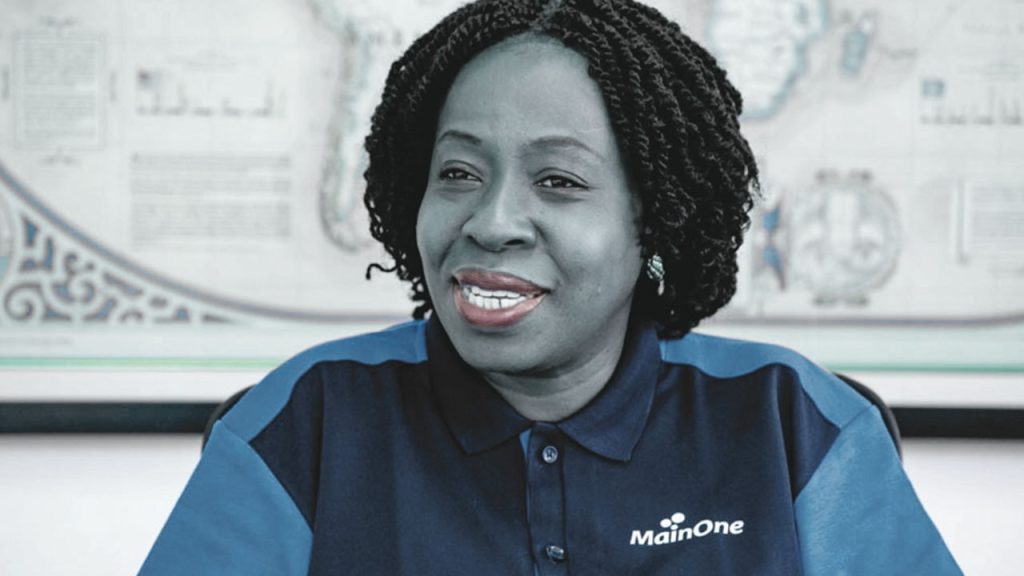
Funke Opeke, as the Founder and CEO of MainOne, has spearheaded a transformative venture that significantly enhanced internet connectivity across West Africa. Through MainOne’s groundbreaking submarine cable system, Opeke’s leadership has ushered in a new era of high-speed, reliable internet access, empowering communities and businesses alike. Her visionary efforts have not only bridged the digital divide but have also catalyzed innovation and economic growth throughout the region. Opeke’s unwavering commitment to excellence continues to shape the technological landscape of Africa, leaving an enduring legacy of progress and connectivity.
2. Omowale David-Ashiru (Nigeria)
Omowale David-Ashiru, in her role as Vice President of Global Operations at Andela, serves as a guiding force in nurturing African developers into future tech leaders. Through her mentorship initiatives, she empowers individuals with the skills and knowledge needed to thrive in the ever-evolving tech industry. David-Ashiru’s dedication to cultivating talent not only strengthens Andela’s global impact but also fosters innovation and excellence within Africa’s tech ecosystem. Her strategic leadership and commitment to mentorship continue to inspire a new generation of tech professionals, driving forward progress and innovation across the continent.
3. Nisha Maharaj (South Africa)
Nisha, CEO of Niche Integrated Solutions, is acclaimed internationally as a software expert and esteemed industry leader. Her illustrious career boasts accolades like the ‘Business Woman’s Association, SA’ award, ‘Africa’s Most Influential Woman,’ and finalist recognition in prestigious events including Fairlady Women of the Future South Africa and Women4Africa UK. With executive tenure at top financial institutions like Nedbank, Standard Bank, Wesbank, Investec Bank, and Altech, Nisha’s profound expertise and leadership prowess in the tech sector are undeniable.
4. Ethel Cofie (Ghana)
As the CEO of EDEL Technology Consulting, Ethel Cofie is dedicated to empowering women in the tech industry through comprehensive educational initiatives and personalized mentorship programs. Her visionary leadership not only fosters professional growth but also cultivates a supportive community where women can thrive and excel. Through her strategic guidance, Cofie is reshaping the landscape of tech entrepreneurship, paving the way for greater diversity and inclusion in the field.
5. Ifeoluwa Dare-Johnson (Nigeria)
Ifeoluwa Dare-Johnson, a tech consultant and developer, has distinguished herself by spearheading initiatives to narrow the technology gap in rural communities, thereby improving their access to digital resources. As the founder and CEO of Healthtracka, she has introduced a groundbreaking platform that enables convenient at-home health testing with secure online results, revolutionizing healthcare accessibility and empowering individuals to take control of their well-being.
6. Dr. Juliet Ehimuan (Nigeria)
Dr. Juliet Ehimuan, former Google Director, is driving African business empowerment through her initiative, Beyond Limits Africa. Leveraging her extensive experience and expertise, she equips businesses with the tools and resources needed to thrive in a dynamic digital landscape. Ehimuan’s commitment to fostering entrepreneurship and innovation is reshaping the African business ecosystem, paving the way for sustainable growth and prosperity.
7. Bilikiss Adebiyi Abiola (Nigeria)
Bilikiss Adebiyi Abiola’s groundbreaking venture, WeCyclers, is revolutionizing recycling practices in Nigeria through its innovative mobile waste collection platform. By harnessing technology, WeCyclers not only encourages recycling but also addresses environmental challenges and promotes sustainable living. Abiola’s visionary approach to waste management is paving the way for a cleaner, greener future in Nigeria, while also creating economic opportunities for local communities.
8. Adeola Shasanya (Nigeria)
Adeola Shasanya, co-founder of Afro-Tech Girls, is dedicated to inspiring and empowering young African women to embark on rewarding careers in the tech industry. Through mentorship programs and educational initiatives, Shasanya equips aspiring technologists with the skills and confidence needed to succeed in a rapidly evolving digital landscape. Her advocacy for diversity and inclusion is shaping the future of tech by fostering a vibrant and inclusive community of female innovators and leaders across Africa.
9. Karen Nadasen (South Africa)
Karen Nadasen, CEO of PayU South Africa, leads with distinction in the fintech sector, driving growth and innovation in e-commerce and digital payments. Chairing the Ecommerce Forum of South Africa (EFSA), she fosters competitiveness among online retailers and champions financial inclusion. Nadasen is a vocal advocate for diversity in tech, recognized as a Top Woman in Tech for her influential role in fintech.
10. Temi Giwa-Tubosun (Nigeria)
Temi Giwa-Tubosun’s groundbreaking initiative, LifeBank, utilizes technology to ensure timely delivery of life-saving blood supplies to hospitals across Nigeria. Through innovative solutions, LifeBank addresses critical gaps in healthcare logistics, saving countless lives and improving healthcare outcomes. Giwa-Tubosun’s visionary approach not only revolutionizes blood donation and distribution but also underscores the transformative potential of technology in healthcare delivery. Her dedication to leveraging technology for social impact has earned her widespread acclaim and recognition as a leading innovator in the healthcare sector.
11. Hawa Traore (Mali)
Hawa Traore, as CEO of Teliman, spearheads a transformative shift in Mali’s mobility sector by introducing innovative on-demand services. Through Teliman’s platform, Traore enhances accessibility and efficiency in transportation, catalyzing socio-economic development and improving the lives of Malians. Her visionary leadership and commitment to leveraging technology for social good mark her as a trailblazer in Mali’s evolving mobility landscape.
12. Yasmin Belo-Osagie (Nigeria)
As the co-founder of She Leads Africa, Yasmin Belo-Osagie empowers young African women by providing support and resources for their professional development. Through innovative programs and mentorship initiatives, Belo-Osagie fosters leadership skills and entrepreneurial spirit, enabling women to thrive in diverse industries. Her dedication to advancing women’s careers and promoting gender equality makes her a catalyst for positive change across the continent.
13. Nneile Nkholise (South Africa)
Nneile, through iMed Tech, fosters young African women’s development, envisioning them as future healthcare research leaders. Specializing in medical prosthetics and bio-implants, iMed Tech innovates in medical technology, with Nneile recognized as a top female innovator in Africa, championing women’s leadership in healthcare. Her work advances healthcare solutions and creates opportunities for women in the sector.
14. Abiola Rasaq (Nigeria)
Abiola Rasaq, as a QA Lead, cultivates a vibrant community of software testers through her platform, The Bug Detective. Her leadership and guidance empower testers to excel in their roles, fostering collaboration and continuous improvement within the software testing community. Rasaq’s dedication to quality assurance drives excellence in software development, ensuring robust and reliable digital solutions for users worldwide.
15. Ire Aderinokun (Nigeria)
Ire Aderinokun, a Google Developer Expert, advocates for web development and cryptocurrency infrastructure advancement in Africa. Her expertise and advocacy efforts drive innovation and accessibility, empowering individuals and businesses to leverage these technologies for economic growth and financial inclusion across the continent. Aderinokun’s dedication to fostering digital literacy and innovation marks her as a leader in Africa’s tech ecosystem.
16. Tara Fela-Durotoye (Nigeria)
Tara Fela-Durotoye’s e-commerce platform revolutionizes the accessibility of beauty products in Nigeria. Through her innovative approach, she democratizes the beauty industry, providing easy access to a wide range of products to consumers across the country. Fela-Durotoye’s platform empowers individuals to express themselves and enhance their well-being through quality beauty products, marking a significant shift in the Nigerian market.
17. Magatte Wade (Senegal)
Magatte Wade, through Skin Is Skin, champions economic inclusion in the beauty industry by leveraging technology. Her initiative promotes diversity and accessibility, fostering a more inclusive marketplace while celebrating the beauty of all skin types. Wade’s innovative approach to business and social impact underscores the transformative potential of technology in driving positive change.
18. Nunu Ntshingila (South Africa)
As Meta’s African Regional Director, Nunu Ntshingila spearheads initiatives to boost digital literacy and foster business growth via social media platforms. Her strategic leadership harnesses the power of social media to empower individuals and businesses across the continent, driving innovation and economic development.
19. Jihan Abass (Kenya)
Jihan Abass, the founder of Lami, revolutionizes the insurance sector in Kenya by digitizing services, thereby enhancing accessibility and efficiency. Through her innovative approach, Abass democratizes insurance products, ensuring they are more readily available to a wider audience while streamlining processes for greater convenience.
20. Lady Marieme Jamme (Senegal)
Lady Marieme Jamme, founder of iamtheCODE, empowers marginalized women by providing coding education, enabling them to thrive in the tech industry. Her initiative not only equips women with essential skills but also fosters inclusion and diversity in the digital workforce. Jamme’s dedication to bridging the gender gap in tech creates pathways for social and economic empowerment for women worldwide.
21. Odunayo Eweniyi (Nigeria)
Odunayo Eweniyi, co-founder of PiggyVest, advocates for financial empowerment among African women through fintech solutions. Her platform revolutionizes saving and investment practices, democratizing access to financial services and promoting economic independence for women across the continent.
22. Rapelang Rabana (South Africa)
Rapelang Rabana, renowned internationally for her pioneering efforts, established Rekindle Learning, a technology company providing innovative educational platforms. Her mission revolves around optimizing learning efficacy through cutting-edge mobile and web solutions.
23. Yvonne Khamati (Kenya)
Diplomat Yvonne Khamati champions fair tech policies to foster sustainable development in Africa. Through her advocacy efforts, Khamati promotes equitable access to technology and advocates for policies that prioritize environmental sustainability and social inclusion. Her diplomatic expertise and commitment to shaping ethical tech practices are instrumental in driving positive change and progress across the continent.
24. Isabel dos Santos (Angola)
Isabel dos Santos, an investor, plays a pivotal role in enhancing technology infrastructure development in Angola and beyond. Through strategic investments and initiatives, dos Santos catalyzes innovation and digital transformation, driving economic growth and connectivity across regions. Her commitment to leveraging technology for development underscores the importance of private sector involvement in shaping the future of emerging markets.
25. Charlette N’Guessan (Ghana)
Charlette N’Guessan, CEO of BACE Group, advances security in Africa through innovative facial recognition technology. Her groundbreaking solutions address pressing security challenges, safeguarding individuals and organizations across the continent. N’Guessan’s visionary leadership and technological expertise position her as a trailblazer in leveraging cutting-edge technology for societal benefit and safety.
26. Ivy Barley (Ghana)
Ivy Barley, co-founder of Developers in Vogue, empowers African women by providing training and mentorship for successful tech careers. Through her initiative, Barley champions diversity and inclusion in the tech industry, fostering a vibrant community of female technologists driving innovation across the continent. Her dedication to mentorship and skill development creates pathways for women to excel and thrive in the digital economy.
27. Regina Honu (Ghana)
Regina Honu, founder of Soronko Academy, leads the way in providing coding education for girls in West Africa. Her pioneering efforts break down barriers, empowering young women with valuable digital skills and opportunities. Honu’s visionary initiative promotes inclusivity and bridges the gender gap in tech, catalyzing positive change and innovation in the region.
28. Miishe Addy (Ghana)
Miishe Addy, co-founder of Jetstream Africa, revolutionizes logistics in Africa’s supply chain through technological optimization. Her innovative solutions streamline operations, enhancing efficiency and connectivity across the continent. Addy’s pioneering work exemplifies the transformative potential of technology in driving economic growth and development in Africa.
29. Farida Bedwei (Ghana)
Farida Bedwei, co-founder of Logiciel, defies odds by developing banking systems despite her battle with cerebral palsy. Her resilience and expertise in the field have positioned her as a trailblazer, inspiring countless individuals in the tech industry. Bedwei’s remarkable achievements underscore the power of determination and innovation in overcoming challenges.
30. Nthabiseng Mosia (South Africa)
Nthabiseng Mosia, a South African-Ghanaian entrepreneur, co-founded Easy Solar in Sierra Leone, addressing fintech and energy challenges. Under her leadership, Easy Solar has empowered nearly one million people with energy solutions in Liberia and Sierra Leone. A strong advocate for African women’s empowerment, Mosia is dedicated to community-centered solutions for Africa’s development challenges.
These women are not just leaders; they are pioneers, setting the pace for innovation and change across the continent. They exemplify how skill, passion, and determination can influence industries and inspire the next generation of tech enthusiasts in Africa.
Frequently Asked Questions (FAQs)
Q: What makes these African women influential in tech?
Their innovations, leadership, and contributions to their respective fields not only drive technological advancement but also inspire other women to pursue careers in technology.
Q: How can other women aspiring to enter the tech industry learn from these leaders?
Aspiring tech professionals can learn from these leaders by following their careers, attending talks or webinars they participate in, and reading about their approaches to solving complex problems.
Q: Why is diversity important in technology?
Diversity fosters innovation by incorporating a range of perspectives that lead to better solutions and products. It also creates a more inclusive and equitable industry.
Q: How do these women impact technology in Africa?
They provide solutions that address specific challenges, contribute to economic growth, and lead initiatives that encourage more inclusive participation in tech.
Q: What can be done to support more women in tech across Africa?
Supporting more women in tech can be achieved by creating more educational opportunities in STEM, offering mentorships, funding women-led startups, and establishing policies that encourage diversity in the workplace.
As the global push towards sustainability intensifies, Africa is stepping into the limelight with significant strides in renewable technology. Rich in solar, wind, hydro, and geothermal resources, the continent is uniquely positioned to pioneer innovative green solutions. This article highlights the top ten African countries leading the charge in renewable technology, showcasing their initiatives, achievements, and future potential.
1. Kenya
Kenya is a trailblazer in geothermal energy, harnessing volcanic activity along the Great Rift Valley. The Olkaria Geothermal Plant, one of the largest of its kind in the world, exemplifies Kenya’s commitment to expanding its geothermal capabilities, which supply a significant portion of the nation’s energy needs.
2. Morocco
Morocco is making remarkable headway in solar energy with the Ouarzazate Solar Power Station, also known as Noor, which is one of the largest solar farms globally. This ambitious project is part of Morocco’s plan to derive over 40% of its energy from renewable sources by 2030.
3. South Africa
South Africa’s renewable energy sector is rapidly growing, driven by the Renewable Energy Independent Power Producer Procurement Programme (REIPPPP). The country is increasingly investing in both solar and wind projects, aiming to reduce its reliance on coal and enhance energy security.
4. Egypt
With its sunny weather and high wind speeds, Egypt is ideal for both solar and wind power. The Benban Solar Park, which aims to be one of the largest solar installations worldwide, and the Zaafarana wind farm, are pivotal in Egypt’s energy transformation efforts.
5. Ethiopia
Ethiopia is investing heavily in hydropower with the Grand Ethiopian Renaissance Dam (GERD), set to be the largest hydroelectric power plant in Africa upon completion. Ethiopia’s vast hydropower initiatives are crucial for its plans to become a major electricity exporter in Africa.
6. Ghana
Ghana is emerging as a leader in solar energy within West Africa, with policies that support solar technology adoption among residential and commercial users. The country’s ambitious solar programs aim to increase energy reliability and support sustainable development.
7. Nigeria
Despite its oil-rich resources, Nigeria is advancing in renewable energy, particularly solar, to address its significant power shortages. Various initiatives, including rural solar power projects, are pivotal in increasing energy access to its large population.
8. Tanzania
Tanzania is focusing on diversifying its energy mix through renewable sources, particularly hydropower and solar energy. Projects like the Kikuletwa Hydropower Station renovation demonstrate Tanzania’s commitment to increasing its renewable energy capacity.
9. Namibia
With one of the highest rates of solar irradiance in the world, Namibia is well-positioned to become a solar energy leader. The country is working on increasing solar power installations to capitalize on this abundant natural resource, aiming for greater energy self-sufficiency.
10. Rwanda
Rwanda’s renewable energy sector is boosted by government initiatives and international partnerships. The country’s focus on small-scale solar projects and methane power plants exemplifies its innovative approaches to achieving its energy goals.
Why These Countries Stand Out
These nations are not only rich in natural resources conducive to renewable energy production but are also committed to sustainable energy policies and projects that support both local energy needs and broader environmental goals. Their efforts are supported by international investments and partnerships, enhancing their capacity to innovate and implement large-scale renewable energy solutions.
Frequently Asked Questions (FAQs)
Q1: What makes these African countries leaders in renewable tech?
These countries possess abundant natural resources, supportive government policies, active involvement in international renewable energy initiatives, and strong public-private partnerships.
Q2: How do renewable technologies impact these countries’ economies?
Renewable technologies reduce energy import costs, create jobs in new industries, and provide more stable and affordable energy supplies, which improve overall economic stability and growth.
Q3: What are the main challenges these countries face in expanding renewable tech?
Challenges include financing large-scale projects, integrating renewable systems into existing power grids, and the need for technical expertise and infrastructure development.
Q4: How significant is international cooperation in these renewable projects?
International cooperation is crucial, providing financial, technical, and logistical support that helps these countries achieve their ambitious renewable energy goals.
Q5: What future developments are expected in the renewable tech sector in these countries?
Future developments include expanding existing renewable projects, exploring new renewable resources, increasing regional power trade, and enhancing technologies to improve energy storage and efficiency.
The commitment of these ten African countries to renewable technology not only sets a precedent for the continent but also contributes significantly to global environmental sustainability efforts. As they continue to innovate and expand their renewable energy capabilities, they offer valuable insights and opportunities for the rest of the world in the transition towards a greener future.
Have you ever wondered which countries in Africa have the strongest economies? Africa is an amazing continent with 54 countries, each with its own unique story of economic development. Some African nations have grown their wealth through natural resources like oil and diamonds, while others have built strong tourism industries or developed manufacturing and technology sectors.
In this article, we’ll explore the 10 wealthiest African countries based on their Gross Domestic Product (GDP) per capita. But wait—what exactly is GDP per capita? Imagine if we took all the money a country makes in a year and divided it equally among every person living there. That amount would be the GDP per capita! It helps us understand how wealthy the average person in a country might be.
Let’s journey across Africa to discover these economic powerhouses and what makes each one special!
1. Seychelles
If you were to fly over Seychelles, you’d see a breathtaking collection of 115 islands scattered like jewels across the Indian Ocean. This tropical paradise isn’t just beautiful—it’s also Africa’s wealthiest country in terms of GDP per capita!
Seychelles might be tiny (about twice the size of Washington, DC), but its economic strength is mighty. With a population of just over 130,000 people, this nation has managed to build an economy that gives each citizen an average of $21,875 per year (as of 2024).
How did Seychelles become so wealthy?
Imagine you owned a beautiful beach house that people would pay a lot of money to visit. That’s essentially what Seychelles has done with its stunning islands! Tourism is the main economic engine here, with visitors from around the world coming to enjoy its pristine beaches, crystal-clear waters, and unique wildlife. These tourists stay in luxury resorts, eat at restaurants, and buy souvenirs, bringing money into the country.
The second pillar of Seychelles’ economy is fishing. The country is surrounded by rich fishing grounds, and seafood—especially tuna—is a major export. In fact, when you eat canned tuna in many parts of the world, there’s a chance it came from Seychelles!
In recent years, Seychelles has also developed a strong financial services industry, particularly offshore banking. Think of offshore banking as a special bank account type that people or companies from other countries can use, often because it offers some advantages like privacy or tax benefits.
Seychelles at a Glance
Statistic
Capital
Victoria
Population
~130,418 (2024)
GDP (Total)
$2.2 billion
GDP per Capita
$21,875
Main Industries
Tourism, fishing, financial services
Fun Fact
Seychelles has the highest Human Development Index in Africa at 0.802!
Seychelles’ success story isn’t just about natural beauty—it’s also about smart planning. The government has worked hard to create a stable political environment and implement economic policies that attract investments. Since gaining independence from Britain in 1976, the country has transformed from a plantation economy to a diverse, service-based one.
An interesting recent development is that Seychelles offers “digital nomad” visas, allowing remote workers from around the world to live and work from these beautiful islands. Imagine doing your homework with a view of the ocean!
2. Mauritius
Not far from Seychelles in the Indian Ocean lies another island nation that has achieved remarkable economic success. Mauritius, with its population of about 1.3 million people, has earned a reputation as “Africa’s economic miracle.”
When Mauritius gained independence in 1968, many experts thought it would struggle economically. It had few natural resources, a rapidly growing population, and depended almost entirely on sugar production. Fast forward to today, and Mauritius has a diverse economy with a GDP per capita of over $10,000!
The Secret to Mauritius’ Success
Mauritius is like a student who realized they couldn’t rely on just one subject to succeed, so they developed skills in many areas. While sugar was once the main export, Mauritius now has four strong economic pillars:
Tourism: Like Seychelles, Mauritius attracts visitors with its beautiful beaches and luxury resorts. Tourism now accounts for over 70% of the country’s GDP!
Manufacturing: Mauritius built a strong textile industry that produces clothing for major brands around the world.
Financial Services: The country has become a hub for banking and investment in the region.
Information Technology: In recent years, Mauritius has invested heavily in becoming a tech center, building cybercities and attracting IT companies.
Mauritius at a Glance
Statistic
Capital
Port Louis
Population
~1.26 million (2022)
GDP (Total)
$12.95 billion
GDP per Capita
$10,256
Main Industries
Tourism, textiles, sugar, financial services, IT
Fun Fact
Mauritius was once home to the dodo bird before it became extinct!
What makes Mauritius special is its commitment to education and good governance. The government has invested heavily in schools and universities, creating a well-educated workforce. It has also maintained political stability and low corruption, making it attractive for international businesses and investors.
The story of Mauritius teaches us an important lesson: even without abundant natural resources, countries can thrive by investing in their people and creating a business-friendly environment.
3. Gabon
Let’s travel to mainland Africa, specifically to the west-central coast, where we find Gabon. If Seychelles and Mauritius are like jewelry boxes—small but precious—then Gabon is like a treasure chest hidden in a lush forest.
Gabon is covered by nearly 85% rainforest and has a relatively small population of about 2.5 million people. With a GDP per capita of $8,831 (2023), it ranks as the third wealthiest country in Africa.
What Makes Gabon Rich?
Imagine having a backyard where you could find valuable treasures just by digging! Gabon’s wealth primarily comes from what’s under its soil: oil. In fact, oil accounts for about 80% of its exports and 70% of its government revenue. It’s like having a giant oil piggy bank!
Besides oil, Gabon has:
Some of the world’s richest manganese deposits (manganese is used to make steel stronger)
Gold mines
Beautiful timber from its vast forests
Gabon at a Glance
Statistic
Capital
Libreville
Population
~2.46 million (2024)
GDP (Total)
$19.32 billion
GDP per Capita
$8,831
Main Industries
Oil, manganese mining, timber
Fun Fact
Gabon is one of the most urbanized countries in Africa, with over 80% of people living in cities!
Despite its natural wealth, Gabon faces a significant challenge: about one in three citizens lives in poverty. This highlights an important economic concept called “wealth distribution”—just because a country has a high GDP per capita doesn’t mean everyone shares equally in that wealth.
The Gabonese government has been working to diversify its economy beyond oil and manage its forests sustainably. In fact, Gabon has set aside about 10% of its land as national parks to protect its incredible biodiversity, showing a commitment to preserving its natural treasures for future generations.
4. Equatorial Guinea
Continuing our journey along Africa’s western coast, we come to Equatorial Guinea, a small country that experienced one of the most dramatic economic transformations on the continent.
Before the 1990s, Equatorial Guinea was among the poorest countries in Africa. Then something happened that changed everything: they discovered oil! It was like finding a winning lottery ticket buried in your backyard.
The Overnight Wealth
Virtually overnight, Equatorial Guinea transformed into one of Africa’s richest countries per capita. With a GDP per capita of about $7,067 (2023) and a small population of around 1.7 million, it ranks fourth on our list.
The country’s economy is extremely dependent on its oil sector, which accounts for nearly all of its exports and government revenue. It’s also a significant producer of natural gas, which is used for cooking, heating, and generating electricity in many countries.
Equatorial Guinea at a Glance
Statistic
Capital
Malabo
Population
~1.71 million (2023)
GDP (Total)
$12.12 billion
GDP per Capita
$7,067
Main Industries
Oil, natural gas, timber
Fun Fact
Equatorial Guinea is the only Spanish-speaking country in Africa!
However, Equatorial Guinea provides an important lesson about economic development: having natural resources doesn’t automatically mean prosperity for everyone. Despite its oil wealth, approximately 70% of the population lives below the poverty line. From 2015 through 2022, the country experienced seven consecutive years of economic recession.
This situation highlights the concept of the “resource curse,” where countries rich in natural resources sometimes struggle to translate that wealth into broad-based development and improved living standards for their citizens.
5. Egypt
Let’s travel to North Africa, where the mighty Nile River flows through Egypt, one of Africa’s most populous countries and a cradle of ancient civilization. With its rich history spanning thousands of years, Egypt has built the continent’s largest economy in terms of total GDP, though it ranks fifth in GDP per capita at approximately $3,800 (2023).
The Economic Pyramids of Egypt
Egypt’s economy is as diverse as its history, built on several strong pillars:
Oil and Natural Gas: Egypt has significant petroleum and natural gas reserves, particularly in the Western Desert and Gulf of Suez.
Tourism: The Pyramids of Giza, the Sphinx, and countless other historical treasures attract millions of visitors each year. Think about it—people have been traveling to see Egypt’s wonders for thousands of years!
Agriculture: The fertile Nile Valley has been cultivated since ancient times, producing cotton (some of the world’s finest), rice, wheat, and many other crops.
Manufacturing: Egypt has a growing industrial sector, producing textiles, food products, chemicals, and pharmaceuticals.
Suez Canal: This crucial waterway connecting the Mediterranean Sea to the Red Sea generates billions in revenue from ships passing through it.
Egypt at a Glance
Statistic
Capital
Cairo
Population
~106 million (2024)
GDP (Total)
$404 billion
GDP per Capita
$3,800
Main Industries
Oil, tourism, agriculture, manufacturing
Fun Fact
The Egyptian economy is the largest in North Africa and the Arab world!
Despite its economic strength, Egypt faces significant challenges. High inflation (35.7% as of February 2024!) has made everyday items much more expensive for ordinary Egyptians. Foreign exchange shortages have also complicated international trade.
With its large, young population, Egypt’s greatest challenge—and opportunity—lies in creating enough jobs and economic opportunities to improve living standards for all its citizens. The government has been implementing economic reforms aimed at stabilizing the economy and attracting more investment.
6. Botswana
In southern Africa, landlocked Botswana shines as one of the continent’s most remarkable economic success stories. When it gained independence from Britain in 1966, Botswana was among the poorest countries in the world. Today, it ranks as the sixth wealthiest African country with a GDP per capita of $7,859 (2024).
How Diamonds Transformed a Nation
Imagine if you discovered that your backyard was full of diamonds! Something similar happened to Botswana in the years following independence when massive diamond deposits were discovered. Unlike many resource-rich countries that failed to manage their wealth effectively, Botswana did something extraordinary: it used its diamond revenue wisely.
The government partnered with De Beers (a major diamond company) to ensure that most of the profits from diamonds stayed in the country. These revenues were then invested in:
Building schools and hospitals
Developing infrastructure like roads and water systems
Creating a savings fund for future generations
Botswana at a Glance
Statistic
Capital
Gaborone
Population
~2.36 million (2022)
GDP (Total)
$21.90 billion
GDP per Capita
$7,859
Main Industries
Diamond mining, tourism, cattle farming
Fun Fact
Botswana has one of the world’s fastest growing economies over the past 50 years!
Botswana’s success isn’t just about diamonds—it’s about good governance. The country has maintained a stable democracy with low levels of corruption, allowing it to use its natural resources for the benefit of its citizens. This approach has helped Botswana achieve one of the fastest economic growth rates in the world over several decades.
However, Botswana faces two significant challenges. First, its heavy reliance on diamonds makes it vulnerable to changes in the global diamond market. Second, the country has one of the world’s highest HIV/AIDS rates, which affects many families and puts pressure on healthcare systems.
Despite these challenges, Botswana’s transformation from one of the world’s poorest countries to an upper-middle-income nation demonstrates how good leadership and smart resource management can change a nation’s destiny.
7. Algeria
Traveling to North Africa, we arrive in Algeria, the largest country on the continent by land area—most of it covered by the magnificent Sahara Desert. With its vast natural resources and strategic location, Algeria has built the seventh highest GDP per capita in Africa at approximately $4,100 (2023).
The Energy Powerhouse
Algeria’s economic strength comes primarily from beneath its sandy surface: oil and natural gas. These energy resources account for about 25% of the country’s GDP and an even larger share of its export earnings and government revenue.
Imagine having an underground lake of oil and natural gas that you could sell to other countries! That’s essentially what Algeria has, making it one of Africa’s most important energy suppliers, especially to Europe. The country has the 16th largest oil reserves in the world and is the 10th largest natural gas producer.
Algeria at a Glance
Statistic
Capital
Algiers
Population
~47 million (2024)
GDP (Total)
$193.6 billion
GDP per Capita
$4,100
Main Industries
Oil, natural gas, mining, agriculture
Fun Fact
Algeria is the largest country in Africa and the 10th largest in the world!
Beyond energy, Algeria has a diverse economic base:
Mining: The country has significant deposits of phosphates, iron, gold, and other minerals.
Agriculture: Despite the desert climate, Algeria produces cereals, dates, and other crops in its fertile northern regions.
Manufacturing: Industries include steel production, cement, and food processing.
In recent years, the Algerian government has recognized the dangers of relying too heavily on oil and gas. What happens when these resources eventually run out, or if the world moves away from fossil fuels to combat climate change? To address this concern, Algeria has been working to diversify its economy by developing other sectors and creating a more business-friendly environment.
8. South Africa
At the southern tip of the African continent lies South Africa, a nation of remarkable diversity and economic complexity. While it ranks eighth in GDP per capita at approximately $6,950 (2023), South Africa is the largest economy in Africa, with a GDP of over $373 billion in 2024.
A Treasure Chest of Resources
South Africa’s wealth begins with what’s underground. The country is:
The world’s largest producer of platinum
A leading producer of gold, diamonds, and chromium
Rich in coal, iron ore, and many other minerals
But unlike many resource-dependent economies, South Africa has built a diverse economic structure that’s more like what you’d find in developed countries:
Manufacturing: South Africa has a substantial industrial sector, including automobile assembly, machinery production, and metal processing.
Agriculture: The country produces a wide variety of crops and is especially known for its excellent wines. If your parents enjoy South African wine, that’s part of the country’s economy at work!
Financial Services: Johannesburg is home to Africa’s largest stock exchange, and South African banks operate throughout the continent.
Tourism: From safari adventures to stunning coastal drives, South Africa attracts visitors from around the world.
South Africa at a Glance
Statistic
Capital
Pretoria (administrative), Cape Town (legislative), Bloemfontein (judicial)
Despite its economic sophistication, South Africa faces significant challenges, particularly inequality. The country has one of the world’s highest gaps between rich and poor, a legacy partly stemming from its apartheid past. Another major challenge has been electricity supply—since 2007, power outages (called “load shedding” in South Africa) have constrained economic growth.
Nevertheless, South Africa remains the continent’s most industrialized economy and an important gateway for investment in Africa.
9. Libya
In North Africa along the Mediterranean coast, Libya controls the largest proven oil reserves on the African continent. This oil wealth has helped Libya achieve the ninth-highest GDP per capita in Africa at approximately $17,700 (2023).
An Economy Built on Black Gold
Libya’s economic story is predominantly about oil, which forms the backbone of its economy. Before oil was discovered in 1959, Libya was one of the poorest countries in the world. The subsequent oil boom transformed it into one of Africa’s wealthiest nations per capita.
Oil and natural gas account for almost all of Libya’s export earnings and the vast majority of government revenue. It’s like having a giant underground savings account that keeps producing money!
Libya at a Glance
Statistic
Capital
Tripoli
Population
~7.36 million (2024)
GDP (Total)
$121.95 billion
GDP per Capita
$17,700
Main Industries
Oil, natural gas, petrochemicals
Fun Fact
Libya has the largest proven oil reserves in Africa!
Beyond oil, Libya has tried to develop:
Agriculture: In the coastal regions, farmers grow olives, dates, wheat, and other crops.
Industry: The country has facilities for producing petrochemicals, cement, and some light manufacturing.
Libya’s recent economic history provides an important lesson about how political stability affects prosperity. Two civil wars in the past two decades have severely disrupted oil production and other economic activities. Even though Libya has enormous resources, conflict has prevented the country from reaching its full economic potential and improving living standards for all its citizens.
10. Tunisia
Completing our journey across Africa’s wealthiest countries, we arrive in Tunisia, the northernmost country on the African continent. Though it ranks tenth on our list with a GDP per capita of approximately $3,800 (2022), Tunisia stands out for having one of North Africa’s most diverse economies.
A Little Bit of Everything
Unlike some of its neighbors that rely heavily on oil and gas, Tunisia has built an economy with multiple strengths:
Agriculture: Tunisia produces wheat, citrus fruits, olives (it’s one of the world’s largest olive oil producers!), dates, and many other crops.
Tourism: With beautiful Mediterranean beaches, ancient Roman ruins, and unique desert landscapes, Tunisia attracts millions of visitors annually.
Manufacturing: The country has developed industries producing textiles, food products, mechanical and electrical equipment, and chemicals.
Mining: Tunisia has significant phosphate deposits, which are used to make fertilizers.
Tunisia at a Glance
Statistic
Capital
Tunis
Population
~12.1 million (2024)
GDP (Total)
$45.6 billion
GDP per Capita
$3,800
Main Industries
Agriculture, tourism, manufacturing, mining
Fun Fact
Parts of Star Wars were filmed in Tunisia’s desert landscapes!
Tunisia’s journey hasn’t been without challenges. The country was the birthplace of the “Arab Spring” uprisings in 2011, when a revolution overthrew the government. This political upheaval, while ultimately leading to democratic reforms, disrupted economic growth for several years.
More recently, the COVID-19 pandemic dealt a severe blow to Tunisia’s tourism industry, which accounts for about 14% of the country’s GDP. However, tourism has rebounded strongly since the pandemic, helping to drive economic recovery.
What Makes a Country Wealthy?
As we’ve journeyed across Africa’s wealthiest nations, you might have noticed some patterns about what contributes to a country’s prosperity:
Natural Resources: Many countries on our list have valuable natural resources like oil (Libya, Algeria, Gabon, Equatorial Guinea), diamonds (Botswana), or other minerals (South Africa).
Tourism: Countries with beautiful landscapes or cultural attractions (Seychelles, Mauritius, Tunisia) have leveraged tourism to build wealth.
Diversification: The most resilient economies tend to have multiple economic sectors rather than relying on just one industry.
Good Governance: Countries that manage their resources wisely and maintain political stability generally perform better economically over time.
Human Capital: Investing in education and healthcare helps build a skilled workforce that can drive economic growth.
It’s important to remember that GDP per capita doesn’t tell the whole story about a country’s development or the well-being of its people. Some countries with high GDP per capita still struggle with inequality, where wealth is concentrated among a small portion of the population.
Africa’s economic landscape is rich and diverse, with countries finding different paths to prosperity based on their unique resources, geography, and historical circumstances. From the tourism-driven island economies of Seychelles and Mauritius to the resource-rich nations of Libya and Gabon, each country offers valuable lessons about economic development.
As Africa continues to grow and develop in the coming decades, these ten nations will likely remain important economic players on the continent. However, the rankings may shift as countries work to diversify their economies, manage their resources more effectively, and navigate the challenges of a changing global economy.
By understanding how these nations built their wealth, we gain insights not just into Africa’s economic present, but also its promising future. Who knows? Perhaps in a few decades, we’ll see entirely different countries on this list as Africa’s economic story continues to unfold!
In the bustling tech landscape of South Africa, women are increasingly making their mark.
From spearheading innovative startups to leading major tech initiatives, South African women are reshaping the technology sector. This article celebrates the achievements of 15 influential South African women whose contributions are not only driving technological innovation but are also inspiring a new generation of tech enthusiasts.
1. Rapelang Rabana
Recognized globally for her groundbreaking work, Rapelang Rabana founded Rekindle Learning, a technology company that offers innovative educational platforms. Her work focuses on enhancing learning efficiency through mobile and web solutions.
2. Barbara Mallinson
Barbara Mallinson is the visionary founder of Obami, a groundbreaking social learning platform that has significantly impacted educational methods across Africa. Recognized by prestigious outlets such as Forbes and CNN, Obami has become a vital tool in transforming how educational content is delivered and interacted with in schools throughout the continent. The platform integrates social networking elements with educational resources, making learning more engaging and accessible for students and educators alike. By harnessing the power of technology, Obami not only facilitates enhanced communication and collaboration within educational communities but also provides tailored learning experiences that meet the diverse needs of its users. Under Mallinson’s leadership, Obami continues to expand its reach, shaping the future of education in Africa through innovative tech solutions.
3. Nthabiseng Mosia
Nthabiseng Mosia, a South African-Ghanaian entrepreneur, co-founded Easy Solar, a company based in Sierra Leone that focuses on addressing fintech and energy challenges. Through her leadership, Easy Solar has successfully delivered energy solutions to nearly one million people across Liberia and Sierra Leone. A fervent advocate for empowering African women, Mosia is committed to broadening their opportunities and enhancing their influence. She is also dedicated to developing community-centered solutions to tackle some of Africa’s most pressing development issues.
Annette Muller is the founder of DOTNXT, one of the first innovation consultancies in South Africa, which helps companies integrate new technologies. Her expertise in digital strategy and tech innovation has made her a leading figure in the industry.
5. Adriana Marais
Adriana Marais is a South African theoretical physicist, technologist, and proponent of space exploration. She serves as a director of the Foundation for Space Development Africa, which is dedicated to launching Africa’s first lunar mission, known as the Africa2Moon Project.
6. Dr. Aisha Pandor
Co-founder of SweepSouth, an online platform for booking home cleaning services, Dr. Aisha Pandor has revolutionized the domestic services industry in South Africa through technology, providing employment opportunities and streamlining services.
7. Nneile Nkholise
Nneile is deeply committed to fostering the development of young African women through her biotech company, iMed Tech. She envisions these young women as future leaders in healthcare research both continentally and worldwide. iMed Tech specializes in the technological creation of medical prosthetics, breast prostheses, and bio-implants, paving the way in medical technology. Recognized as one of the top female innovators in Africa, Nneile exemplifies the potential of women to lead and innovate in the specialized field of medical technology. Her work not only advances healthcare solutions but also opens up significant opportunities for women in the sector.
8. Baratang Miya
Baratang is the founder and chief executive of GirlHype, an academy dedicated to teaching coding to women and girls from disadvantaged communities in South Africa. Established in 2003, her academy focuses on education and development in the fields of Science, Technology, Engineering, and Mathematics (STEM). Over the years, Baratang has empowered thousands of girls to learn coding and web development, significantly enhancing their career prospects. Through GirlHype, numerous women have gained valuable tech skills and found employment opportunities in the tech industry.
9. Zandile Mkwanazi
Zandile is the CEO and co-founder of GirlCode, an organization dedicated to empowering young girls by offering free coding sessions, teaching basic programming skills, and enhancing digital literacy. Passionate about creating an equal and safe environment in the tech world for young girls globally, she provides transformative opportunities. Through GirlCode, she connects these young learners with top female professionals in the ICT industry, equipping them with vital skills and opening doors to potential recruitment by leading companies. Her work is pivotal in shaping a more inclusive future in technology.
10. Karen Nadasen
Karen Nadasen is a distinguished figure in South Africa’s tech industry, currently serving as the CEO of PayU South Africa, a leading financial services provider in the payment and fintech sector. Under her leadership, PayU has seen significant growth and innovation, particularly in enhancing e-commerce and digital payment systems within the region. Karen is recognized for her strategic acumen and her efforts to drive financial inclusion. She also chairs the Ecommerce Forum of South Africa (EFSA), promoting the development and competitiveness of online retailers. A staunch advocate for diversity and women in technology, Karen has been involved in various initiatives aimed at empowering women in the digital economy. Her contributions to the industry have earned her recognition as one of the Top Women in Tech by CIO Views and as a powerful influencer in fintech.
11. Nisha Maharaj
As the CEO of Niche Integrated Solutions, Nisha has established herself as an international software expert and a respected leader in her field. Her impressive career is highlighted by numerous awards, including ‘Winner of Business Woman’s Association, SA,’ ‘Winner of Africa’s Most Influential Woman,’ and being a finalist in events like Fairlady Women of the Future South Africa and Women4Africa UK. Nisha’s extensive experience also includes executive roles at major financial institutions such as Nedbank, Standard Bank, Wesbank, Investec Bank, and Altech, underscoring her wide-ranging expertise and leadership capabilities in the tech industry.
12. Tanya Knowles
Tanya Knowles is a prominent figure in South Africa’s tech sector, currently serving as the Business Manager of Adhara, a leader in liquidity management and international payment solutions for decentralized financial networks. Her career includes significant roles such as Country Manager of Binance and Managing Executive of Fractal Solutions at Strate (Pty) Ltd, where she focused on blockchain and digital asset technologies. Tanya holds an MBA from the University of the Witwatersrand, along with certifications in blockchain from MIT. Additionally, she is dedicated to supporting professional businesswomen through various leadership and mentoring initiatives.
13. Magda Wierzycka
CEO of Sygnia, Magda Wierzycka is a fierce advocate for technology’s role in finance. Under her leadership, Sygnia has embraced innovative technologies to enhance financial services and investment strategies.
14. Lindiwe Matlali
Founder and CEO of Africa Teen Geeks, Lindiwe Matlali runs one of Africa’s largest computer science non-profit organizations, dedicated to educating young Africans in digital technology and coding.
Michelle Atagana is a prominent figure in the South African tech industry, known for her influential roles in major tech companies. With over six years of experience at Google, where she made significant contributions, Atagana has continued to advance her career in the tech field. Currently, she serves as the Head of Communications and Public Relations at Spotify, playing a key role in shaping the company’s image and outreach strategies. Her expertise and leadership have positioned her as a notable leader among women in technology in South Africa.
Frequently Asked Questions (FAQs)
Q1: Why is it important to highlight female tech leaders in South Africa?
Highlighting these leaders encourages diversity and inclusivity in tech, provides role models, and promotes a balanced perspective in technological development.
Q2: What can organizations do to support more women in tech?
Organizations can implement inclusive hiring practices, support women-led tech initiatives, offer mentorship programs, and promote equal growth opportunities within the tech industry.
Q3: How do these leaders impact South Africa’s tech industry?
They drive innovation, create job opportunities, and help solve societal challenges through technology, contributing to economic growth and enhancing South Africa’s position in the global tech landscape.
Q4: Who are the African women leaders in tech?
African women leaders in tech include Nunu Ntshingila, who is the regional director of Facebook Africa, Rapelang Rabana, founder of Rekindle Learning, and Rebecca Enonchong, founder and CEO of AppsTech.
Q5: How many women are in tech in South Africa?
The exact number fluctuates, but reports indicate that women constitute about 23% of the tech workforce in South Africa.
Q6: Who is the most powerful woman in South Africa?
The answer can vary depending on the context, but one influential figure is Phumzile Mlambo-Ngcuka, former Deputy President of South Africa and former Executive Director of UN Women.
Q7: Who is the biggest woman in tech world?
Some of the most influential women in the global tech scene include Ginni Rometty, former CEO of IBM, and Sheryl Sandberg, COO of Facebook.
Q8: Who is the strong woman in tech?
This can refer to many leaders, such as Susan Wojcicki, CEO of YouTube, and Safra Catz, CEO of Oracle.
Q9: Who is the CEO of Tech Girls?
The organization “Tech Girls Movement Foundation” was founded by Dr. Jenine Beekhuyzen. Note that there may be different organizations with similar names in various regions.
Q10: What is the tech capital of South Africa?
Cape Town is often considered the tech capital of South Africa due to its vibrant tech startup ecosystem and numerous tech firms.
Q11: Which country has the most women in tech?
According to various reports, countries like Bulgaria and Latvia have a high percentage of women in the tech workforce, exceeding the average in many other European countries.
Q12: How many women are in engineering in South Africa?
Women make up about 11% of the engineering workforce in South Africa, according to statistics from the Engineering Council of South Africa.
The accomplishments of these 15 influential South African women in technology illustrate their critical role in shaping the future of the industry. Their innovative work not only propels technological advancements but also ensures that the tech community remains vibrant and inclusive. As South Africa continues to grow as a tech hub, the influence of these women will undoubtedly expand, inspiring countless others along the way.
As technology continues to evolve at an unprecedented pace, Africa is not just watching from the sidelines; it’s actively participating and, in some cases, leading the way.
The continent’s tech landscape is burgeoning, driven by vibrant startups, significant investments, and a young, tech-savvy population. In 2025, several African countries are standing out as leaders in tech innovation, creating ecosystems that foster technological advancements and attract global attention. Here’s a look at the top 10 African countries making significant strides in the tech industry.
1. Nigeria
Nigeria’s reputation as the “Giant of Africa” extends into its tech innovation, with Lagos often dubbed the Silicon Valley of Africa. The country’s thriving ecosystem is supported by numerous tech hubs, accelerators, and venture capital presence, fueling growth in fintech, agritech, and health tech sectors.
2. South Africa
South Africa remains a powerhouse in the continent’s tech scene, particularly in Cape Town and Johannesburg. The country excels in software development and has a robust infrastructure that supports significant tech conferences and multinational companies investing in local talent.
3. Kenya
Kenya is pivotal in mobile technology, being the birthplace of mobile money with M-Pesa. Nairobi, its capital, is a tech hub with a slew of startups focusing on innovative solutions to everyday problems, supported by active incubators and government backing.
4. Rwanda
Rwanda’s rapid transformation into a tech-friendly nation is underpinned by government initiatives aimed at creating a digital economy. Kigali is becoming a magnet for tech entrepreneurs, thanks to its business-friendly environment and commitment to becoming a tech hub.
5. Egypt
Egypt’s tech industry is booming, driven by a significant youth population and governmental support in digital transformation. Cairo is home to a growing number of tech startups and has a strong focus on nurturing tech talent and innovation in connectivity technologies.
6. Ghana
Ghana is making a name for itself with a focus on technology education and startup support. Accra hosts several tech hubs that are instrumental in the country’s burgeoning status as a leader in technology-driven solutions.
7. Morocco
Morocco is leveraging its strategic location to serve as a bridge between Europe and Africa in tech advancements. The country is investing heavily in tech parks and education, with a significant focus on renewable energy technologies and smart city solutions.
8. Senegal
Senegal’s tech scene is anchored by Dakar, which hosts numerous tech events and startup incubators. The country is recognized for its innovations in digital finance and agricultural technologies, supported by a progressive regulatory framework.
9. Uganda
Uganda may be smaller than some of its neighbors, but it is mighty in its tech ambitions. The country has a vibrant community of young innovators and has made significant strides in mobile technologies and health innovations.
10. Tanzania
Tanzania is focusing on harnessing technology to boost its agricultural and manufacturing sectors. Its tech hubs in Dar es Salaam are becoming key players in the region, fostering innovations that aim to improve daily life and economic growth.
Why These Countries Stand Out
These nations are not just adopting technology but are adapting it to meet local needs, thereby driving genuine innovation. Their governments are implementing policies that favor tech growth, such as improved broadband access, tech education in schools, and support for tech startups. These efforts are complemented by a dynamic young workforce eager to innovate and solve real-world problems.
Frequently Asked Questions (FAQs)
Q1: What makes these countries leaders in tech innovation?
These countries have strong governmental support, vibrant tech ecosystems with hubs and accelerators, significant investment in tech, and a focus on adapting technology to solve local challenges.
Q2: How do these countries compare to global tech leaders?
While they may not yet match the scale of Silicon Valley or other global tech capitals, these countries are rapidly growing and are increasingly recognized on international platforms for their innovative contributions.
Q3: What are the main sectors these countries innovate in?
Key sectors include fintech, agritech, health tech, mobile technology, renewable energy, and digital finance.
Q4: How do these innovations impact their economies?
Tech innovations drive economic growth by creating jobs, attracting foreign investment, and improving the overall efficiency and competitiveness of the economies.
Q5: Are there opportunities for foreign investors and tech professionals?
As we look towards the future, it’s clear that Africa’s tech scene is not just catching up but is poised to redefine global tech narratives. These top 10 countries are at the forefront of this transformation, making them exciting places to watch, work, and invest in the coming years.
The rise of remote work has transformed how and where we can do our jobs, allowing for flexibility that was once thought impossible. For digital nomads and those looking to embrace a remote working lifestyle, Africa offers a plethora of destinations with the right mix of connectivity, culture, and cost of living. Here’s a look at the top 10 African countries that are ideal for remote work, taking into consideration factors such as internet accessibility, local amenities, safety, and the overall quality of life.
1. Mauritius
Mauritius isn’t just a paradise island for vacationers; it’s also becoming a top spot for remote workers. With its Premium Visa program, which allows for long stays, and reliable high-speed internet, Mauritius offers an idyllic setting with all the necessary modern amenities for digital nomads.
2. South Africa
With cities like Cape Town and Johannesburg, South Africa is a hub for remote workers. South Africa offers a solid internet infrastructure, a vibrant cultural scene, and a variety of coworking spaces. Furthermore, the cost of living is reasonable compared to Western standards, making it an attractive option for remote workers.
3. Morocco
Morocco, particularly cities like Marrakech and Casablanca, offers an enticing mix of culture and connectivity. The country has seen an improvement in internet services and offers various spots with excellent Wi-Fi and beautiful scenery, perfect for those who draw inspiration from their surroundings.
4. Kenya
Kenya is well-known for its innovation in digital and mobile technology, making it a suitable choice for remote workers. Nairobi, known as “Silicon Savannah,” provides a thriving tech community, fast internet, and a selection of coworking spaces.
5. Egypt
With its rich history and modern advancements, Egypt is more than just a travel destination. Cities like Cairo and Alexandria offer affordable living and good internet connectivity. The local tech scene is burgeoning, and the cost of living is low, which is great for budget-conscious remote workers.
6. Ghana
Ghana is rapidly becoming a favorite among remote workers due to its friendly visa policies and welcoming locals. Accra, the capital, boasts reliable internet, an English-speaking population, and a peaceful environment, making it a comfortable place for foreigners to settle in.
7. Rwanda
Rwanda has made significant strides in becoming an ICT hub. The capital, Kigali, is known for its cleanliness, safety, and fast internet. The government’s focus on digital infrastructure makes Rwanda an emerging hotspot for remote workers.
8. Tanzania
For those who want a view, Tanzania offers incredible landscapes from Mount Kilimanjaro to the beaches of Zanzibar. The main cities like Dar es Salaam have been improving their internet infrastructure, making it easier for remote workers to stay connected.
9. Senegal
Senegal is known for its stability and vibrant cultural heritage. Dakar, the capital, provides a good mix of traditional and modern with reliable internet access, numerous cafes, and coworking spaces. It’s an inviting place for those looking to work in a culturally rich yet modern environment.
10. Namibia
Namibia offers a unique desert landscape with the advantage of a strong internet backbone in urban areas like Windhoek. It’s perfect for remote workers who prefer a quiet environment but still want access to modern amenities.
Why These Countries?
These nations provide the best environments for remote work due to their stable internet connections, reasonable cost of living, welcoming communities, and governmental policies supporting digital nomads. They combine the allure of African hospitality and scenery with the necessities that modern remote work demands.
Frequently Asked Questions (FAQs)
Q: What makes these African countries suitable for remote work?
These countries offer reliable internet, affordable living costs, safe environments, and supportive local communities which are essential for remote work.
Q: How do I choose the right country for remote work?
Consider your personal lifestyle preferences, the cost of living, internet reliability, and cultural offerings when choosing a country for remote work.
Q: Are these African countries safe for foreign remote workers?
Yes, these countries are known for their hospitality and stable environments, making them safe for foreigners. However, it’s always advisable to follow local guidelines and stay informed about safety conditions.
Q: Can I expect good healthcare facilities in these African countries?
Urban areas in these countries usually have good healthcare facilities, though it’s wise to have health insurance that covers international treatment.
Q: What are the visa requirements for these countries?
Visa requirements vary by country. Some, like Mauritius, offer specific visas for long-term stays for remote workers, while others may require standard tourist visas renewed periodically.
As remote work continues to redefine traditional work environments, Africa is positioning itself as a continent not just of vast natural beauty and culture, but also as a serious contender for digital nomads and tech professionals looking to work from anywhere in the world. These ten countries exemplify the best of what Africa has to offer for remote workers.
In recent years, mobile gaming has surged globally, and Africa is no exception. With an expanding young population, increased smartphone penetration, and improved internet connectivity, the continent is quickly becoming a hotspot for mobile gaming enthusiasts and developers alike. This article explores the top 10 African countries leading the charge in the mobile gaming sector, highlighting their market strengths and growth opportunities.
1. Nigeria
Nigeria, Africa’s largest economy, boasts a vibrant mobile gaming scene. The country’s massive youth population and increasing mobile phone usage make it a prime market for mobile game developers. Local studios are beginning to gain recognition, not just within the country but across the continent.
2. South Africa
South Africa has a well-established mobile gaming market, supported by its strong infrastructure and high rates of mobile connectivity. South African gamers are known for their enthusiasm for mobile games, which has attracted investments from major international gaming companies.
3. Kenya
Kenya is another key player in the mobile gaming industry in Africa. The widespread use of mobile payments has made in-app purchases more accessible, enhancing the mobile gaming experience for users and increasing revenue for developers.
4. Egypt
Egypt’s rapidly growing tech-savvy population and improved broadband accessibility have created a fertile ground for the mobile gaming industry. Egyptian gamers are keen on games that offer in-depth narratives and localized content, pushing developers to innovate.
5. Morocco
Morocco has seen significant growth in its mobile gaming market due to its strategic location and bilingual population (Arabic and French). These factors make it an attractive market for both local and international mobile gaming companies looking to expand their reach.
6. Ghana
With one of the fastest-growing mobile phone markets in Africa, Ghana is seeing an increase in mobile gaming among its internet users. The country’s young demographic is highly engaged with mobile technology, providing a robust audience for gaming apps.
Check out the RWC Racing Vol 1, a Ghanaian car racing game with high quality graphics and seamless gameplay 🚘 🇬🇭
Uganda may be smaller than other markets on this list, but its mobile gaming industry is vibrant and growing. Innovations in mobile technology and a high youth population contribute to a burgeoning market with a lot of potential.
8. Ivory Coast
Ivory Coast is establishing itself as a significant player in the West African mobile gaming market. The country’s improving internet infrastructure and a high number of mobile users create a promising environment for mobile gaming growth.
9. Senegal
Senegal’s mobile gaming market is driven by its young and tech-savvy population. With a growing number of smartphone users and a stable economic environment, Senegal offers great potential for mobile gaming companies looking to establish a presence in West Africa.
10. Tanzania
Rounding out the list is Tanzania, where mobile gaming is gaining popularity among the urban youth. The increasing availability of affordable smartphones has made mobile gaming more accessible to a wider audience.
Why These Markets Are Thriving
These countries show strong potential in the mobile gaming sector due to a combination of high mobile penetration, youthful populations, and increasing access to faster internet services. Additionally, the growing middle class across these nations contributes to more disposable income available for entertainment like mobile gaming.
Frequently Asked Questions (FAQs)
Q: What factors contribute to the growth of mobile gaming markets in Africa?
Key factors include high smartphone penetration, young demographics, improving internet access, and an increasing middle class with disposable income for entertainment.
Q: How do local developers impact these markets?
Local developers play a crucial role by creating culturally relevant and localized content that resonates with regional audiences, which helps to drive engagement and loyalty.
Q: What challenges do these markets face?
Challenges include variable internet quality, high data costs in some regions, and the need for more local content development.
Q: Are international companies investing in these markets?
Yes, recognizing the growth potential, international companies are increasingly investing in Africa’s mobile gaming markets, either through direct investments or partnerships with local firms.
Q: How can one access opportunities in these markets?
Opportunities can be accessed through collaborations with local developers, participation in regional tech and gaming conferences, or direct investment in marketing and localized game development.
The rise of mobile gaming in Africa represents not just a shift in how people entertain themselves but also a significant economic opportunity. As technology continues to evolve and the gaming community grows, these top 10 countries are well-positioned to lead this exciting industry into the future.
In recent years, digital payment solutions have revolutionized how transactions are conducted across the globe, particularly in Africa where traditional banking services often fall short of reaching the entire population. This shift towards digital platforms is not only promoting financial inclusivity but also paving the way for a dynamic economic environment. Here, we explore the top ten African countries that are leading in digital payment adoption, highlighting the innovations and policies that make them stand out.
1. Kenya
Kenya is synonymous with mobile money, thanks to M-Pesa, a service that has become a global case study for successful digital payment systems. Launched in 2007, M-Pesa allows millions of people to deposit, withdraw, and transfer money with a simple mobile device, contributing significantly to financial inclusivity in Kenya.
2. Ghana
Ghana’s digital payment landscape has seen remarkable growth, spurred by services like Mobile Money Interoperability (MMI), which allows customers to transfer funds across different mobile money services and banks seamlessly. This has greatly enhanced the convenience and adoption of digital payments across the country.
3. South Africa
In South Africa, digital payments have become a norm thanks to a robust banking infrastructure and the proliferation of fintech startups. Services like SnapScan and Zapper have integrated mobile payments into daily transactions for everything from groceries to utility bills, making it one of the most advanced countries in Africa for digital payment solutions.
4. Nigeria
Africa’s largest economy, Nigeria, has a rapidly growing fintech sector with a slew of services designed to ease the way people use money digitally. Platforms like Paystack and Flutterwave have revolutionized online transactions, enabling businesses to flourish and reach customers through seamless payment solutions.
5. Rwanda
Rwanda is making significant strides with its vision to become a cashless economy. The government’s push for digital platforms has led to widespread use of mobile money services, with substantial public and private sector collaboration to embed digital payment systems in daily transactions.
6. Egypt
Egypt’s digital payment sector is booming, driven by a young, tech-savvy population and government initiatives aimed at promoting digital transactions. The Central Bank of Egypt has implemented several policies that encourage banks and businesses to adopt digital payments, significantly increasing their usage.
7. Ivory Coast
Ivory Coast is a leader in digital payments in the Francophone region of Africa, with mobile money services experiencing exponential growth. The government’s supportive policies towards fintech companies have played a crucial role in this surge, facilitating more inclusive financial services.
8. Tanzania
In Tanzania, the adoption of digital payment platforms is accelerating, with significant contributions from mobile money services like M-Pesa, Tigo Pesa, and Airtel Money. These platforms have dramatically transformed the financial landscape, offering extended services including loans and savings.
9. Uganda
Uganda has seen a substantial increase in digital payment adoption, driven by the ubiquity of mobile phones and the success of mobile money. The country continues to innovate in this area, providing a wide range of digital financial services that cater to its largely rural population.
10. Morocco
Morocco is rapidly advancing in digital payments, supported by a strong banking sector and governmental enthusiasm for fintech solutions. The introduction of mobile payment solutions and innovative banking services has made digital payments more accessible to the Moroccan public.
Why These Countries Are Leading
The success of digital payment adoption in these countries can be attributed to several factors, including strong governmental support, innovative fintech ecosystems, robust mobile penetration, and progressive regulatory environments that encourage digital transformation in financial services.
Frequently Asked Questions (FAQs)
Q: What factors contribute to the success of digital payments in these African countries?
Key factors include high mobile penetration, supportive government policies, innovative fintech solutions, and a collaborative ecosystem involving banks and tech companies.
Q: How do digital payments impact economic development in Africa?
Digital payments streamline transactions, reduce the costs associated with handling cash, increase transaction security, and bring more people into the formal economy, all of which boost economic development.
Q: What challenges do African countries face with digital payment adoption?
Challenges include cybersecurity risks, resistance from traditional cash users, and the need for constant technological upgrades to handle the growing demands of digital finance.
Q: Are digital payments in Africa secure?
Yes, digital payments are generally secure, but they require robust cybersecurity measures to protect against fraud and breaches.
Q: How can other African countries enhance their digital payment systems?
Other countries can enhance their digital payment systems by investing in technology infrastructure, adopting favorable regulatory frameworks, and encouraging partnerships between the government, fintech companies, and financial institutions.
The rise of digital payments in these top ten African countries is not just transforming their economies but also setting a benchmark for others to follow. As these nations continue to innovate and adapt, they pave the way for a more financially inclusive and economically vibrant Africa.
In today’s globalized economy, digital payments have become crucial for international transactions and e-commerce. Platforms like PayPal simplify online purchases, making them accessible and secure. However, despite the widespread adoption of PayPal around the world, it remains notably absent in some countries, including Ghana. This article explores the various factors contributing to the absence of PayPal services in Ghana, and how it affects the local economy and tech sector.
Historical Context and Current Landscape
Ghana has seen significant technological advancements and has a burgeoning e-commerce sector. With a growing middle class and increasing internet penetration, the demand for digital payment solutions is higher than ever. Mobile money services like MTN Mobile Money, Vodafone Cash (now Telecel Cash), and AirtelTigo Money have filled this gap to some extent but lack the global reach and user base of PayPal.
Regulatory Challenges
One of the primary reasons why PayPal has not yet entered the Ghanaian market is the complex regulatory environment. Financial regulations in Ghana are designed to control money laundering and ensure the stability of the financial system. PayPal, with its global operations, must ensure that it complies with these regulations comprehensively before it can operate in Ghana. This involves navigating both local regulations and international financial laws, which can be time-consuming and costly.
Economic Factors
Another significant factor is the economic environment. While Ghana’s economy is growing, issues such as currency stability and inflation pose risks for international financial service providers. PayPal typically operates in markets where there is a certain level of economic stability to mitigate potential financial losses that could arise from currency fluctuations.
Market Viability
For PayPal, the decision to enter a new market also depends on the market’s profitability potential. This includes the number of potential users and the volume of transactions. Despite the high demand for such services in Ghana, the current volume and value of digital transactions may still be deemed insufficient by PayPal to warrant the establishment of services, especially considering the costs associated with setting up and maintaining operations.
Financial Infrastructure
The financial infrastructure in Ghana, though improving, is still developing. The readiness of the banking system to integrate with international payment platforms like PayPal is crucial. This integration involves technological upgrades and compliance with international security standards, which are still underway in many Ghanaian banks.
Risk of Fraud
The risk of financial fraud is a concern for any financial service provider. In regions where digital fraud tactics are prevalent, PayPal might be cautious in rolling out its services to mitigate potential losses. Ensuring that robust security measures are in place is a prerequisite for PayPal’s operations, which could delay its introduction in such markets.
Alternative Solutions and the Future
In the absence of PayPal, other services have been gaining traction in Ghana. These include other international payment platforms like Skrill, Payoneer, and local innovations that provide similar services. The Ghanaian government and financial institutions continue to work towards improving financial regulations and infrastructure, which could pave the way for PayPal in the future.
Frequently Asked Questions (FAQs)
Q: Why is PayPal not available in Ghana?
PayPal is not available in Ghana primarily due to regulatory challenges, economic factors, market viability concerns, the developing financial infrastructure, and the risks associated with financial fraud.
Q: How does the absence of PayPal affect the Ghanaian economy?
The absence of PayPal limits the options for international e-commerce and may slow the growth of Ghana’s digital economy by making it more difficult for businesses and freelancers to engage with global markets.
Q: What are the alternatives to PayPal in Ghana?
Alternatives to PayPal in Ghana include other international payment services like Skrill and Payoneer, as well as local mobile money services that support international transactions.
Q: Is there a possibility of PayPal entering the Ghanaian market soon?
While it is difficult to predict, the possibility exists if Ghana continues to improve its financial regulations and infrastructure, and if economic conditions stabilize to meet PayPal’s operational standards.
Q: What can be done to expedite PayPal’s entry into Ghana?
Efforts can be made to strengthen financial regulations, enhance the security and infrastructure of the banking system, and ensure economic stability to create a more favorable environment for international payment platforms like PayPal.
Q: Which African countries is PayPal available in?
As of 2024, PayPal is available in several African countries, including South Africa, Kenya, Morocco, Egypt, Nigeria, Algeria, Angola, Benin, Botswana, Burkina Faso, Burundi, Cameroon, Cape Verde, Chad, Comoros, Ivory Coast, Democratic Republic of the Congo, Djibouti, Eritrea, Ethiopia, Gabon Republic, Gambia, Guinea, Guinea-Bissau, Lesotho, Madagascar, Malawi, Mali, Mauritania, Mauritius, Mozambique, Namibia, Niger, Republic of the Congo, Rwanda, Saint Helena, São Tomé and Príncipe, Senegal, Seychelles, Sierra Leone, Swaziland, Tanzania, Togo, Tunisia, Uganda, Zambia, and Zimbabwe. These countries allow residents to open and operate a PayPal account for secure international payments and money transfers.
Q: Which other African countries is PayPal not available in?
PayPal is not available in some African countries due to various regulatory and operational constraints. Notable exclusions include Libya, Sudan, and Somalia. In these countries, residents cannot officially open or operate a PayPal account, limiting their access to this global payment platform.
Understanding why PayPal is not yet available in Ghana provides insight into the complexities of financial services in emerging markets and highlights the need for ongoing improvements in financial infrastructure and regulations to support economic growth and global integration.
In an era where the internet is as crucial as any other utility service, finding affordable and reliable high-speed internet is a priority for many.
Across Africa, several countries are making remarkable strides in improving not just the availability but also the affordability of internet access. Let’s dive into the most affordable African countries for high-speed internet, exploring how they’re achieving this and what it means for their citizens and economies.
1. Egypt
Egypt tops the list with some of the lowest broadband costs in Africa, thanks to significant investments in telecommunications infrastructure and a competitive market that drives prices down. The government’s initiatives to expand digital access have made high-speed internet widely available at costs that are manageable for a large segment of the population.
2. Nigeria
Africa’s largest economy is also one of the leaders in affordable internet access. With a vibrant tech scene and multiple internet service providers (ISPs), competition is fierce, which benefits the consumer. Nigeria’s expansive fiber-optic network has also contributed to lowering prices while increasing internet speed.
3. Kenya
Kenya is renowned for its mobile money revolution and its internet services are no less revolutionary in terms of pricing and speed. The widespread adoption of mobile internet services has driven costs down, making Kenya one of the most affordable countries for internet access on the continent.
4. Ghana
Ghana’s government has been proactive in its efforts to increase internet penetration, which has involved partnerships with major ISPs to reduce costs and improve service quality. These initiatives have positioned Ghana as a country with both affordable and reliable internet access.
5. Morocco
Morocco boasts a highly competitive ISP market, with numerous providers pushing down prices. The Moroccan government’s commitment to boosting IT as a cornerstone of economic development has led to improved internet infrastructure, making high-speed internet both accessible and affordable.
6. Uganda
In Uganda, government policies aimed at digital inclusion have seen the cost of internet services decrease significantly. With the rise of ISPs that focus on affordable broadband, Ugandans are enjoying faster internet speeds at lower prices.
7. Rwanda
Rwanda’s vision to become a tech hub in Africa includes ambitious plans for broadband penetration. The government’s investment in ICT has paid dividends, resulting in lower costs for high-speed internet that support its burgeoning tech ecosystem.
8. South Africa
While traditionally more expensive, recent years have seen South Africa make strides in reducing internet costs. Increased competition among broadband providers and regulatory efforts to ensure fair pricing have made high-speed internet more affordable for more South Africans.
9. Tanzania
Tanzania’s focus on enhancing digital infrastructure has led to a significant reduction in internet costs. With strategic investments in internet technologies, Tanzanians are increasingly accessing high-speed internet at competitive prices.
10. Senegal
Senegal rounds out the list with its strong commitment to enhancing internet accessibility. The introduction of newer technologies and government-led initiatives aimed at digital education and infrastructure has helped lower the cost of internet services across the country.
What Drives Affordability?
Several factors contribute to the affordability of high-speed internet in these countries, including government policies, competition among ISPs, investments in infrastructure, and partnerships with global tech companies. These elements not only drive down prices but also improve the quality of service, creating a healthy cycle of growth and accessibility.
Frequently Asked Questions (FAQs)
Q: What makes internet access affordable in these African countries?
Affordability is driven by competitive ISP markets, government investments in digital infrastructure, and regulatory policies that encourage lower prices and improved service quality.
Q: How do lower internet costs impact these African countries?
Lower internet costs boost economic growth by enabling businesses to operate more efficiently and by increasing the number of digital services available to consumers.
Q: Can I expect internet prices in these African countries to decrease further?
Yes, as these countries continue to invest in technology and infrastructure and as competition among ISPs intensifies, prices are likely to decrease even further.
Q: What role do African governments play in reducing internet costs?
Governments play a crucial role through regulatory frameworks that encourage competition and fair pricing, as well as through direct investments in technology infrastructure.
Q: How does high-speed internet contribute to a country’s development?
High-speed internet is vital for education, healthcare, business, and communication, contributing significantly to the overall development and global competitiveness of a country.
These top ten African countries are setting examples of how strategic measures can significantly enhance internet affordability. This not only empowers their citizens but also catalyzes growth across various sectors, showcasing the transformative power of accessible technology.
Navigating the admission process for universities can be a daunting task, but with the right information and preparation, the process can be much smoother. If you’re aiming for a spot at the University of KwaZulu-Natal (UKZN), one of South Africa’s leading universities, understanding the specific criteria and procedures is crucial.
This article will guide you through the key steps to maximize your chances of getting into How to Secure Admission into the University of KwaZulu-Natal (UKZN).
Understanding the Early Selection Process
UKZN offers an early selection option for applicants who have demonstrated outstanding academic performance in their Grade 11 and mid-year Grade 12 (June, trial or mock) results. To be considered for early selection, applicants must submit certified copies of these results. Those selected early will secure their spot provided they achieve a National Senior Certificate (NSC) with a degree pass and meet the faculty-specific requirements in their final exams.
For those already holding a Senior Certificate, an early admission offer may be possible upon the submission of an application accompanied by the required documents.
Selection Based on Admission Point Score (APS)
The bulk of the selection process begins once the final Grade 12 results are released. University of KwaZulu-Natal uses the Admission Point Score (APS) system to rank applicants. Here’s how it works:
Calculation of APS: Your APS is calculated based on your best six subject performances in the NSC exams, excluding Life Orientation. If you have more than seven subjects, the scores from your best subjects are used, including mandatory subjects relevant to your chosen program.
Ranking Applicants: Applicants are ranked according to their APS, and selection is made from the top down until all available places for each program are filled.
Minimum Score Requirement: Each program has a minimum APS required for consideration. Applicants scoring below this minimum are generally not selected.
Additional Selection Criteria
For 2024, at least 15% of new entrants in each program will be selected from students who completed their schooling at Quantile 1 or 2 schools and meet the entry requirements. Within set quotas, selection is based on academic merit. Certain programs, particularly competitive ones like Medicine, may have additional criteria such as portfolios, auditions, or interviews.
For International or Non-NSC Applicants
Applicants with qualifications other than the NSC will be evaluated based on the guidelines provided by Universities South Africa (USAf) for equivalent performance levels. This ensures a fair assessment based on the respective educational standards.
Final Steps Upon Offer
If you receive an offer from the University of KwaZulu-Natal:
You will be notified via SMS and a formal letter.
You must complete an Acceptance of Offer form and pay a R500 fee directly to the University of KwaZulu-Natal to confirm your spot.
Frequently Asked Questions (FAQs)
Q: What documents do I need to apply for early selection at the University of KwaZulu-Natal?
For early selection, you need to submit certified copies of your outstanding Grade 11 or mid-year Grade 12 results.
Q: How is the Admission Point Score (APS) calculated?
The APS is calculated by adding the performance levels (1-8) of your six best subjects from the NSC, excluding Life Orientation.
Q: Does achieving the minimum APS guarantee admission?
No, meeting the minimum APS does not guarantee admission due to the high volume of applications and limited spots available.
Q: What happens if I do not meet the minimum APS?
Applicants below the minimum APS are normally not considered for admission and are advised against applying.
Q: How can I secure my place after receiving an admission offer?
To secure your place, you must complete the Acceptance of Offer form and pay an acceptance fee of R500.
Navigating your way into the University of KwaZulu-Natal involves timely preparation and a clear understanding of the admission process. By meeting the early selection criteria or ensuring a high APS score, and carefully following through with the acceptance procedures, you can enhance your chances of embarking on your academic journey at UKZN. Good luck!
As the global tech landscape continues to expand, African nations are increasingly recognizing the importance of gender equality in fostering innovation. Several countries on the continent have made commendable strides towards achieving more inclusive tech sectors. This article highlights the top 10 African countries where women in technology are thriving, based on gender-focused policies, participation rates, and support systems.
1. South Africa
South Africa leads with robust initiatives aimed at encouraging women in tech. Organizations like Women in IT (WIIT) and GirlCode provide mentoring and support, while government policies increasingly focus on closing the gender gap in STEM fields.
Rwanda’s government has prioritized gender equality as a key component of its vision for tech advancement. Initiatives such as the Girls in ICT Rwanda promote tech education and career opportunities for women, significantly increasing female participation in tech.
3. Kenya
In Kenya, women are at the forefront of the tech revolution, with entities like AkiraChix offering training and networking for women in tech. The country’s growing number of women-led tech startups showcases its progressive environment.
Ghana’s tech sector sees high female participation rates, thanks to efforts like Soronko Academy, which focuses on teaching young women to code. The government’s commitment to digital literacy for all also includes specific programs targeting women.
Nigeria hosts a vibrant tech community with initiatives like Pearls Africa Foundation, which empowers young women with tech skills. The increasing number of female tech entrepreneurs and developers speaks to a slowly but surely changing landscape.
Egypt’s tech industry has seen an upswing in female participation, supported by government-led projects that aim to increase the number of women in tech fields. Programs and workshops aimed specifically at women help bridge the gender gap in STEM education.
7. Uganda
Uganda has witnessed a rise in tech initiatives for women, such as Women in Technology Uganda, which offers training and mentorship. These efforts are supported by a national agenda to empower women through technology.
In Morocco, the tech sector is becoming more inclusive, with educational reforms to encourage female participation in science and technology. The Moroccan government and private sector initiatives are paving the way for more women to enter and succeed in tech roles.
9. Tanzania
Tanzania has seen significant initiatives aimed at incorporating women into the tech sector. Programs focused on developing digital skills among women are crucial in elevating their role in tech professions.
10. Botswana
Botswana rounds out the list with its commitment to integrating technology in education and promoting gender parity in all sectors, including tech. Programs that focus on young women and technology help ensure a balanced participation in the tech workforce.
Why These Countries Stand Out
These nations are not just providing women with access to tech education and careers but are actively striving to overcome historical gender biases through supportive policies and community initiatives. These efforts are crucial for empowering women and ensuring they have equal opportunities to succeed in tech roles, which in turn drives innovation and economic growth.
Frequently Asked Questions (FAQs)
Q: Why is gender equality important in the tech industry?
Gender equality in tech ensures diverse perspectives in problem-solving and innovation, leading to more comprehensive and effective technology solutions.
Q: What common strategies are these countries using to promote women in tech?
Common strategies include government policies supporting STEM education for women, mentorship programs, and women-centric tech initiatives.
Q: How do these countries measure progress in gender equality in tech?
Progress is often measured by participation rates in education and the workforce, success rates of initiatives, and qualitative assessments of workplace equality.
Q: Are there opportunities for international collaboration in these efforts?
Yes, many countries collaborate with international organizations to enhance their gender equality programs in tech, sharing best practices and resources.
Q: What challenges do women still face in the tech industry in these countries?
Challenges include cultural stereotypes, lack of female role models in tech, and balancing work with societal expectations.
These top 10 African countries are setting powerful examples for others to follow, demonstrating that when women are supported and encouraged to pursue careers in technology, the entire industry benefits. By continuing to invest in women, these nations are not only promoting gender equality but are also strengthening their technological sectors to compete on a global scale.
In today’s rapidly evolving tech landscape, choosing the right university can be a game-changer for aspiring tech professionals.
Across the African continent, several institutions are leading the charge, offering top-tier education that equips students with the skills needed to thrive in the global tech scene. Here’s a roundup of the 10 best African tech universities, each contributing uniquely to the tech ecosystem.
1. University of KwaZulu-Natal
Located in South Africa, the University of KwaZulu-Natal combines rigorous academics with a vibrant research environment. Its School of Engineering is particularly renowned for cutting-edge research and strong industry ties, providing a robust foundation in both theoretical and practical aspects of technology.
2. University of South Africa (UNISA)
UNISA stands out as a pioneer in long-distance learning, making technology and computer science education accessible to students regardless of their geographic location. With an extensive digital library and online support, UNISA is ideal for students who need a flexible learning schedule that does not compromise on quality.
3. University of Johannesburg
The University of Johannesburg offers a dynamic tech curriculum that emphasizes innovation and entrepreneurship. Its tech programs are designed to foster creativity and problem-solving skills, preparing students to be pioneers in their fields.
4. University of Pretoria
Known for its strong emphasis on research and innovation, the University of Pretoria offers a comprehensive range of engineering and IT courses. The university’s high-tech labs and collaboration with industries ensure that students gain valuable hands-on experience.
5. American University in Cairo
This university serves as a hub for tech education in the Middle East and North Africa. With a curriculum that meets international standards, the American University in Cairo excels in producing graduates who are ready to tackle global tech challenges.
6. University of Botswana
The University of Botswana has made significant strides in integrating technology into all aspects of its curriculum. Its focus on emerging technologies, particularly in artificial intelligence and machine learning, makes it a top choice for students looking to be at the forefront of innovation.
7. University of Cape Town
The University of Cape Town’s Information Technology department is highly regarded for its comprehensive research and education programs. It’s known for fostering a culture of innovation and critical thinking, making it a top pick for students who want to push the boundaries of current tech paradigms.
8. University of Ibadan
As one of Nigeria’s premier universities, the University of Ibadan has a solid track record in fostering technological innovation and expertise. Its programs are tailored to meet the needs of the tech industry, emphasizing both software and hardware disciplines.
9. Obafemi Awolowo University
Located in Nigeria, Obafemi Awolowo University is celebrated for its vibrant academic community and its strong focus on technological research and development. The university offers a wide array of tech-related programs that prepare students for the demands of a global tech career.
10. Cape Peninsula University of Technology
Known for its practical approach to technology education, the Cape Peninsula University of Technology in South Africa focuses on ‘learning by doing.’ This approach ensures that graduates not only understand theory but are also proficient in applying their skills in real-world situations.
Choosing the Right Fit
When deciding which tech university in Africa to attend, prospective students should consider several factors beyond the rankings. These include the specific tech programs offered, the university’s industry connections, internship opportunities, and campus facilities. Additionally, cultural fit and personal career goals are crucial in selecting an institution that aligns with one’s aspirations.
Each of these universities offers unique advantages and specializes in different areas of technology and research. Whether you’re drawn to the entrepreneurial spirit at the University of Johannesburg or the innovative research at the University of Cape Town, you’ll find that each institution has a distinct approach to shaping the future tech leaders of tomorrow.
The landscape of tech education in Africa is rich and varied. With institutions like these providing world-class education and cutting-edge research opportunities, African students have access to the tools they need to excel in the global technology arena. The future of tech in Africa is bright, and these universities are leading the way in nurturing the next generation of tech innovators and leaders.
SpaceX has embarked on a proactive campaign to curtail the utilization of its Starlink high-speed internet service in regions where it lacks authorization.
Recent days have seen Starlink customers in Sudan, Zimbabwe, and South Africa receiving email notifications from SpaceX, alerting them to the imminent termination of their service by month’s end. These notifications were dispatched to users residing in areas where Starlink has yet to receive full regulatory clearance.
“The availability of our Mobile Service Plans is contingent upon various factors, including regulatory approvals,” the emails cautioned, alluding to Starlink’s roaming products designed to facilitate internet access across different countries.
Commencing its Low Earth Orbit (LEO) internet service in 2019, Starlink has been fervently seeking regulatory endorsements worldwide. Presently, the company boasts authorization for operations in 72 countries.
However, a notable challenge arises from the practice of intermediaries procuring and activating Starlink kits in authorized territories, subsequently reselling them to consumers in restricted regions to circumvent limitations. These intermediaries leverage the company’s “Roaming” services to facilitate access to Starlink’s internet provisions.
In its correspondence with users, Starlink underscored that its regional roaming arrangements are intended for temporary travel and transit, explicitly discouraging permanent usage in unauthorized locations. Users who have engaged in roaming for over two months without returning to their designated country of device procurement will face service restrictions.
African nations, including Sudan, South Africa, Zimbabwe, and the Democratic Republic of the Congo, have witnessed consumers acquiring Starlink kits from intermediaries for domestic use. In Zimbabwe, authorities have initiated measures to confiscate Starlink kits, resulting in the arrest and fining of some users.
Bolt, a prominent ride-hailing service across Africa, has introduced its latest offering, the ‘Scheduled Rides’ feature, in key cities such as Johannesburg, Cape Town, Durban, and Qqeberha.
This innovative feature empowers users to book rides up to 72 hours in advance, ensuring hassle-free travel planning.
Scheduled Rides alleviates concerns about driver availability during peak hours by allowing users to secure their transportation well in advance. While this convenience comes with an additional cost, it ensures a reliable and stress-free ride experience.
The introduction of this feature holds particular significance for business users, who can now utilize the Ride Booker feature within the Bolt Business account to schedule rides for work-related purposes or for accommodating business guests.
Moreover, riders have the flexibility to choose their preferred category of service and provide specific instructions to drivers, enabling a tailored experience to meet individual needs.
One of the key advantages of this new feature is the absence of surge pricing, providing users with price stability and peace of mind when booking their trips.
Sandra Suzanne Buyole, Bolt’s PR Manager, expressed excitement about the launch of Scheduled Rides, emphasizing Bolt’s commitment to enhancing convenience and reliability for riders. This initiative underscores Bolt’s ongoing dedication to revolutionizing urban transportation and ensuring a seamless travel experience for its users.
With Scheduled Rides, Bolt users can now plan their journeys with confidence, knowing that their ride will be ready and waiting for them at the designated time. As Bolt continues to innovate and improve mobility solutions, Scheduled Rides represents another milestone in the company’s mission to redefine urban transportation dynamics.
MultiChoice, the pay-TV giant listed on the Johannesburg Stock Exchange (JSE), has unveiled a strategic partnership with Canal+, the French media powerhouse, divulging details to its investors regarding Canal+’s mandatory offer.
Canal+ recently secured over 35% of MultiChoice’s shares, triggering a mandatory offer according to South African regulations. With a surge in recent acquisitions, Canal+ now commands a 36.6% stake in MultiChoice.
This collaboration entails a joint effort between the two giants to streamline the offer process and issue a unified offer circular. Despite the South African Takeover Regulation Panel’s minimum offer price set at R105 per share, Canal+ is surpassing expectations with an elevated offer of R125 per share.
Originally slated for completion by April 8, the takeover deadline might see an extension pending approval from the South African Takeover Regulation Panel. To ensure transparency, MultiChoice has established an independent board and engaged Standard Bank of South Africa Limited to scrutinize the offer terms.
If the deal happens, MultiChoice might say goodbye to the JSE as Canal+ considers delisting it. However, Canal+ hints at potential opportunities for South African investors through its planned European listing and a proposed secondary inward listing on the JSE.
Baobab Network, a prominent early-stage investor dedicated to fostering startups across Africa, has acquired Reflector Marketing, a leading strategy and branding agency headquartered in South Africa.
Since its inception in 2019, Baobab Network has been at the forefront of empowering startups through capacity building and fundraising endeavors, exemplified by its recent decision to increase standard investments to US$50,000. With an impressive portfolio encompassing 50 startups, Baobab Network has established itself as a key player in the African startup ecosystem.
On the other hand, Reflector Marketing, founded in 2022 by Klyne Maharaj, has garnered recognition as a specialized agency offering strategic marketing, branding, and digital services tailored specifically to the unique needs of startups.
The acquisition of Reflector Marketing by Baobab Network signifies a strategic move aimed at furthering the investor’s ambitious plans and long-term commitment to fostering entrepreneurship across Africa. Toby Hanington, co-founder of Baobab, emphasized the significance of this acquisition in aligning with the company’s vision of becoming a leading early-stage investor on the continent.
Hanington remarked, “Baobab has made no secret that we want to become the leading early-stage investor across Africa. To do so, we’re always thinking about what value we create for founders, on top of our capital investment. We’ve worked with the Reflector team since early 2023, and the move to acquire them is a testament to the work they’ve already done with our portfolio. We have incredibly ambitious long term growth plans and bringing in Klyne and his team will definitely expedite those.”
As part of the acquisition, Klyne Maharaj and his team will join Baobab, with Maharaj assuming the role of director of the accelerator. This integration is expected to bolster Baobab’s capacity to provide comprehensive in-house support to its portfolio companies, thereby further enhancing their growth prospects and investment readiness.
Maharaj expressed enthusiasm about the synergies between the two entities, stating, “Our goal has always been to help the world’s best startups nail their positioning, win their markets, and raise capital to fuel their growth. Now, as part of Baobab, we’re excited to focus our efforts exclusively on supporting entrepreneurs in Africa. Baobab already has a phenomenal team that have made a profound impact on Africa’s venture ecosystem. Together, we’ll build the most powerful capabilities team of any early-stage investor on the continent.”
In summary, Baobab Network’s acquisition of Reflector Marketing represents a strategic consolidation of resources aimed at bolstering support for startups across Africa, signaling a promising step towards fostering innovation and entrepreneurship on the continent.
Vivendi SE’s Canal+ has presented an all-cash bid to acquire MultiChoice Group Ltd., valuing the South African broadcaster’s shares at $2.9 billion.
Canal+ proposes to purchase shares at 125 rand ($6.7) each, as disclosed by MultiChoice and Canal+ in a joint filing on Monday. The bid now awaits review by a newly formed independent board of MultiChoice.
Successfully navigating South Africa‘s regulations on foreign media ownership could grant Canal+ enhanced access to the burgeoning African market, which boasts the world’s fastest-growing and youngest population. Discussions at an early stage suggest the potential involvement of South African billionaire Patrice Motsepe to facilitate the deal.
Canal+ initiated its acquisition of MultiChoice shares as early as 2020, eventually exceeding a 35% stake in the company this year, prompting a mandatory takeover offer. Vivendi, with a significant footprint in high-growth regions like Africa and Asia, intends to separately list Canal+ — its primary unit. Additionally, French authorities have expressed intentions to maintain MultiChoice’s listing on the Johannesburg Stock Exchange.
South Africa has officially enacted legislation for its digital nomad visa, signaling a significant move to adapt to the shifting landscape of the global workforce.
Under this program, South Africa aims to attract skilled remote workers by offering visas valid for up to three years, a move anticipated to potentially invigorate the economy and foster innovation within the tech sector.
However, concerns have surfaced regarding the minimum salary requirement set at R1,000,000 (~$53,000), raising questions about its inclusivity and the eligibility of freelancers. Furthermore, the introduction of an income tax exemption for foreign employees working in South Africa for less than six months necessitates amendments to existing tax laws, stirring additional debates.
Critics also highlight potential legal obstacles, including the obligation for foreign companies to register within South Africa and adhere to the pay-as-you-earn (PAYE) tax system, which may hinder the program’s seamless implementation.
Moreover, proposed amendments to the Copyright Bill have sparked apprehension among digital nomads engaged in software development, as these changes could potentially undermine copyright protection.
Despite these challenges, South Africa‘s embrace of the digital nomad visa reflects its dedication to embracing the digital revolution and adapting to the evolving nature of work. This move underscores the nation’s commitment to fostering an environment conducive to remote work and innovation.
TradeSafe, a South African online escrow platform that safeguards the buyer’s funds in trust in a transaction involving two or more parties, has raised an undisclosed amount of funding from Standard Bank in return for a 35 per cent equity stake.
According to an article published by Disrupt Africa in 2018, the startup’s escrow platform ensures funds are only released to the seller, and other approved beneficiaries, once the buyer receives the goods or services in the agreed condition.
Established in 2013, TradeSafe is credited as the oldest African escrow platform, and also the first digital escrow organisation globally to offer an API gateway which allows for online marketplaces and stores to offer escrow payments to customers.
TradSafe now has funding from Standard Bank. The bank acquired a 35 per cent equity stake, with the investment set to allow TradeSafe to increase the types of transactions it can carry out.
“Both TradeSafe and Standard Bank realised the necessity for a fast, secure, and affordable escrow solution in the wake of the increasing volume of scams, fraud and unpaid invoice payments in South African commerce. Our fees come in at a fifth of what a reputable law firm or bank would charge in a transaction,” said TradeSafe chief executive officer (CEO) Jethro O’Brien.
“The bank will provide a second release payment function. This means that with our increased governance, security and credibility, TradeSafe will now be able to target commodity and M&A transactions greater than ZAR25 million (US$1.5 million.”
As part of the investment, Standard Bank has appointed two non-executive directors to the TradeSafe board. Standard Bank, which has invested in other South African fintechs such as Payment24 and Nomanini, has also taken on management oversight of TradeSafe’s escrow account and is fully involved in the process for payment instructions that TradeSafe initiates.
TradeSafe has recently overhauled its platform, and its API offering now also incorporates new payment gateways such as SnapScan and Ozow.
“We also employed Standard Bank’s proprietary host-to-host technology which allows for automated payments,” said O’Brien.
Kuben Chetty, head of client solutions at Standard Bank, said there was a strong need for a digital escrow solution within South Africa given the rise of digital transactions and especially as buyers and sellers seek ways to mitigate transaction fraud.
“Standard Bank is very excited with its investment in TradeSafe Escrow and this provides both parties the opportunity to explore ways to leverage each other’s capabilities to help their clients transact securely,” Chetty said.
We are excited to see what TradSafe does with this investment from Standard Bank.
Uber Africa launches Uber Cash, a digital wallet feature in Sub-Saharan Africa through a partnership with Flutterwave, a Nigerian founded fintech firm based in San Francisco.
Now, without any physical cash and/or money in your bank account, you can still request an Uber ride. Uber Cash is a new payment feature on the app where riders can now load their ‘Uber Cash’ wallets with money for rides.
Uber Cash will be available in Ghana, Tanzania, South Africa, Kenya, Nigeria, Uganda and Ivory Coast. Methods for topping-up your Uber Cash wallets may vary across countries as Uber is directly working with mobile money providers and fintech companies of the aforementioned countries.
“For example in Nigeria you can use your Verve Card or mobile money. In Kenya, you can use M-Pesa and EFT (electronic funds transfer), and in South Africa you can top up with EFT,” said Alon Lits, Uber’s General Manager for Sub-Saharan Africa.
Uber Cash will help reduce the need for cash payments or direct withdrawals from their bank accounts, the latter being a somewhat problematic process that requires customers to give out sensitive card information.
Flutterwave is the infrastructure provider across all African countries where Uber Cash will be available. Transfers from Flutterwave’s Barter app, launched in 2019, to Uber Cash is also available.
Uber has been a Flutterwave customer in Africa since 2017 so this is not an entirely new partnership. The latter’s B2B platform helps companies build payments systems that cut across national boundaries.
However, Uber Cash is different in the sense that it could increase use cases for Flutterwave’s consumer-facing product, Barter, to more users similar to the way MPesa is used by millions of individual users in East Africa.
This is especially true considering Uber Cash isn’t just for rides; the feature is also available for Uber Eats, the ride-hailing company’s food delivery service that is currently only available in South Africa.
In April, Flutterwave launched Flutterwave Store to help small businesses build an online presence, overcoming the physical limitations imposed by coronavirus lockdowns. The store has a database of over 1,000 small businesses across Africa, according to Olugbenga Agboola, Flutterwave’s CEO.