Tag: Ghana

  • How to Set Up a Mobile Money Wallet for Easy Transactions in Ghana

    How to Set Up a Mobile Money Wallet for Easy Transactions in Ghana

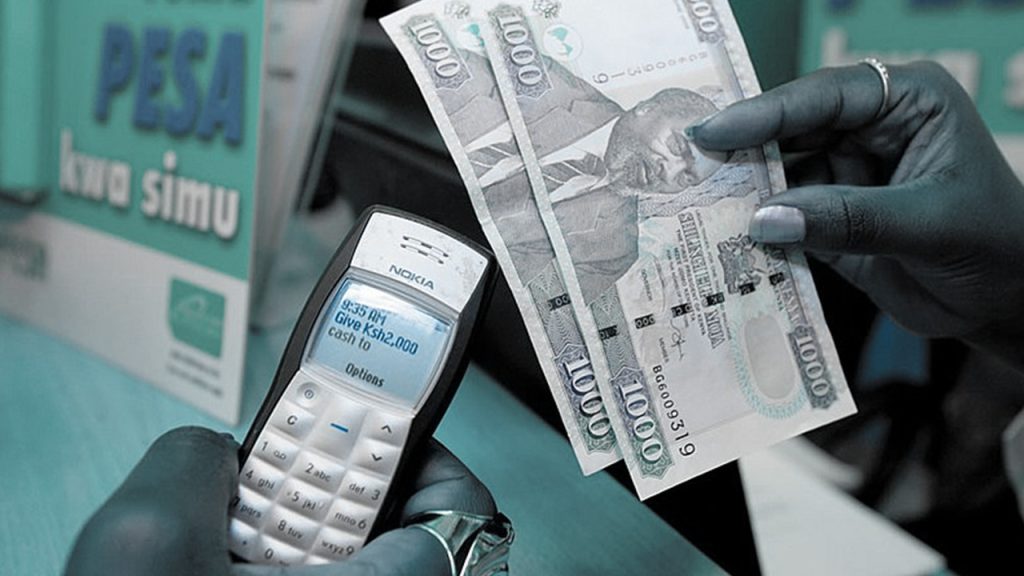
    In today’s fast-paced digital world, mobile wallets have become an indispensable tool for managing personal finances efficiently. Ghana is at the forefront of this technology within Africa, with several providers offering robust mobile money services that make transactions simple, quick, and secure. Here’s a detailed guide on how to set up mobile wallets like MTN Mobile Money, Telecel Cash (formerly Vodafone Cash), and AirtelTigo Money in Ghana, along with tips on managing your transactions securely and the benefits of mobile banking.

    Step-by-Step Guide to Setting Up Your Mobile Wallet

    1. Choose Your Service Provider

    • MTN Mobile Money: Widely used across Ghana, known for its reliability and extensive agent network.
    • Telecel Cash: Offers competitive transaction fees and is widely accepted for payments.
    • AirtelTigo Money: Known for providing innovative services like interest on wallet balances and micro-loans.

    2. Register for an Account

    • Visit any authorized mobile money agent or the nearest branch of your service provider.
    • Provide a valid government-issued ID (Driver’s License, Passport, Voter ID).
    • The agent will set up your account and link it to your mobile number.

    3. Activate Your Mobile Wallet

    • You will receive an SMS from your service provider once your account is set up.
    • Follow the instructions to create your own secure PIN.
    • Change the default PIN sent to you immediately to secure your account.

    4. Loading Money into Your Wallet

    • Deposit cash with any authorized mobile money agent.
    • Transfer money from a bank account to your mobile wallet via internet banking.
    • Receive money from another mobile money user directly into your wallet.

    5. Accessing Your Funds

    • Withdraw cash at any mobile money agent.
    • Pay for goods and services at registered merchants using your mobile number.
    • Send money to other users instantly using the mobile money transfer feature.

    Managing Transactions Securely

    To ensure the security of your transactions, always keep the following in mind:

    • Never share your PIN with anyone. Your PIN is the key to your account.
    • Always confirm the recipient’s number twice before sending money. Transactions are instant and often irreversible.
    • Check SMS confirmations. Always check the confirmation SMS for the correctness of the transaction immediately after completing any operation.
    • Use trusted Wi-Fi networks for transactions. Avoid public Wi-Fi networks when accessing mobile banking or making transactions online.

    Benefits of Mobile Banking in Ghana

    • Convenience: Perform transactions from anywhere, anytime. No need to visit a bank or wait in queues.
    • Safety: Carrying less cash reduces the risk of theft.
    • Speed: Transactions are completed in seconds.
    • Accessibility: Extensive network of agents makes it easy to access your funds across the country.
    • Financial Inclusion: Brings banking services to the unbanked, increasing their access to financial services.

    Frequently Asked Questions (FAQs)

    Q: What do I need to set up a mobile wallet in Ghana?

    You need a valid government-issued ID and a mobile phone number. Registration must be done through an authorized agent or branch of the service provider.

    Q: How secure are mobile money services in Ghana?

    Mobile money services are very secure as long as you protect your PIN and verify transactions carefully. Providers use advanced security measures to protect user data and funds.

    Q: Can I link my mobile wallet to my bank account?

    Yes, most mobile wallets can be linked to a bank account for seamless transfers between your bank and mobile wallet.

    Q: Are there charges for using mobile wallets?

    Yes, transaction fees apply when sending money, withdrawing cash, and sometimes when making payments. Fees vary by provider and transaction type.

    Q: What should I do if I forget my mobile wallet PIN?

    Contact your service provider’s customer care immediately for assistance. Do not attempt to guess your PIN, as multiple incorrect attempts can lead to account suspension.

    Mobile wallets in Ghana offer a practical solution to daily financial transactions, providing speed, security, and convenience that traditional banking methods often fail to match. With the continued growth and improvement in mobile banking technology, more Ghanaians are embracing this modern approach to finance, making mobile wallets an essential part of economic life in Ghana.


  • Top 10 Best African Countries for Remote Work

    Top 10 Best African Countries for Remote Work

    The rise of remote work has transformed how and where we can do our jobs, allowing for flexibility that was once thought impossible. For digital nomads and those looking to embrace a remote working lifestyle, Africa offers a plethora of destinations with the right mix of connectivity, culture, and cost of living. Here’s a look at the top 10 African countries that are ideal for remote work, taking into consideration factors such as internet accessibility, local amenities, safety, and the overall quality of life.

    1. Mauritius

    Mauritius isn’t just a paradise island for vacationers; it’s also becoming a top spot for remote workers. With its Premium Visa program, which allows for long stays, and reliable high-speed internet, Mauritius offers an idyllic setting with all the necessary modern amenities for digital nomads.

    2. South Africa

    With cities like Cape Town and Johannesburg, South Africa is a hub for remote workers. South Africa offers a solid internet infrastructure, a vibrant cultural scene, and a variety of coworking spaces. Furthermore, the cost of living is reasonable compared to Western standards, making it an attractive option for remote workers.

    3. Morocco

    Morocco, particularly cities like Marrakech and Casablanca, offers an enticing mix of culture and connectivity. The country has seen an improvement in internet services and offers various spots with excellent Wi-Fi and beautiful scenery, perfect for those who draw inspiration from their surroundings.

    4. Kenya

    Kenya is well-known for its innovation in digital and mobile technology, making it a suitable choice for remote workers. Nairobi, known as “Silicon Savannah,” provides a thriving tech community, fast internet, and a selection of coworking spaces.

    5. Egypt

    With its rich history and modern advancements, Egypt is more than just a travel destination. Cities like Cairo and Alexandria offer affordable living and good internet connectivity. The local tech scene is burgeoning, and the cost of living is low, which is great for budget-conscious remote workers.

    6. Ghana

    Ghana is rapidly becoming a favorite among remote workers due to its friendly visa policies and welcoming locals. Accra, the capital, boasts reliable internet, an English-speaking population, and a peaceful environment, making it a comfortable place for foreigners to settle in.

    7. Rwanda

    Rwanda has made significant strides in becoming an ICT hub. The capital, Kigali, is known for its cleanliness, safety, and fast internet. The government’s focus on digital infrastructure makes Rwanda an emerging hotspot for remote workers.

    8. Tanzania

    For those who want a view, Tanzania offers incredible landscapes from Mount Kilimanjaro to the beaches of Zanzibar. The main cities like Dar es Salaam have been improving their internet infrastructure, making it easier for remote workers to stay connected.

    9. Senegal

    Senegal is known for its stability and vibrant cultural heritage. Dakar, the capital, provides a good mix of traditional and modern with reliable internet access, numerous cafes, and coworking spaces. It’s an inviting place for those looking to work in a culturally rich yet modern environment.

    10. Namibia

    Namibia offers a unique desert landscape with the advantage of a strong internet backbone in urban areas like Windhoek. It’s perfect for remote workers who prefer a quiet environment but still want access to modern amenities.

    Why These Countries?

    These nations provide the best environments for remote work due to their stable internet connections, reasonable cost of living, welcoming communities, and governmental policies supporting digital nomads. They combine the allure of African hospitality and scenery with the necessities that modern remote work demands.

    Frequently Asked Questions (FAQs)

    Q: What makes these African countries suitable for remote work?

    These countries offer reliable internet, affordable living costs, safe environments, and supportive local communities which are essential for remote work.

    Q: How do I choose the right country for remote work?

    Consider your personal lifestyle preferences, the cost of living, internet reliability, and cultural offerings when choosing a country for remote work.

    Q: Are these African countries safe for foreign remote workers?

    Yes, these countries are known for their hospitality and stable environments, making them safe for foreigners. However, it’s always advisable to follow local guidelines and stay informed about safety conditions.

    Q: Can I expect good healthcare facilities in these African countries?

    Urban areas in these countries usually have good healthcare facilities, though it’s wise to have health insurance that covers international treatment.

    Q: What are the visa requirements for these countries?

    Visa requirements vary by country. Some, like Mauritius, offer specific visas for long-term stays for remote workers, while others may require standard tourist visas renewed periodically.

    As remote work continues to redefine traditional work environments, Africa is positioning itself as a continent not just of vast natural beauty and culture, but also as a serious contender for digital nomads and tech professionals looking to work from anywhere in the world. These ten countries exemplify the best of what Africa has to offer for remote workers.

  • Top 10 African Countries with the Best Mobile Gaming Markets

    Top 10 African Countries with the Best Mobile Gaming Markets

    In recent years, mobile gaming has surged globally, and Africa is no exception. With an expanding young population, increased smartphone penetration, and improved internet connectivity, the continent is quickly becoming a hotspot for mobile gaming enthusiasts and developers alike. This article explores the top 10 African countries leading the charge in the mobile gaming sector, highlighting their market strengths and growth opportunities.

    1. Nigeria

    Nigeria, Africa’s largest economy, boasts a vibrant mobile gaming scene. The country’s massive youth population and increasing mobile phone usage make it a prime market for mobile game developers. Local studios are beginning to gain recognition, not just within the country but across the continent.

    2. South Africa

    South Africa has a well-established mobile gaming market, supported by its strong infrastructure and high rates of mobile connectivity. South African gamers are known for their enthusiasm for mobile games, which has attracted investments from major international gaming companies.

    3. Kenya

    Kenya is another key player in the mobile gaming industry in Africa. The widespread use of mobile payments has made in-app purchases more accessible, enhancing the mobile gaming experience for users and increasing revenue for developers.

    4. Egypt

    Egypt’s rapidly growing tech-savvy population and improved broadband accessibility have created a fertile ground for the mobile gaming industry. Egyptian gamers are keen on games that offer in-depth narratives and localized content, pushing developers to innovate.

    5. Morocco

    Morocco has seen significant growth in its mobile gaming market due to its strategic location and bilingual population (Arabic and French). These factors make it an attractive market for both local and international mobile gaming companies looking to expand their reach.

    6. Ghana

    With one of the fastest-growing mobile phone markets in Africa, Ghana is seeing an increase in mobile gaming among its internet users. The country’s young demographic is highly engaged with mobile technology, providing a robust audience for gaming apps.

    7. Uganda

    Uganda may be smaller than other markets on this list, but its mobile gaming industry is vibrant and growing. Innovations in mobile technology and a high youth population contribute to a burgeoning market with a lot of potential.

    8. Ivory Coast

    Ivory Coast is establishing itself as a significant player in the West African mobile gaming market. The country’s improving internet infrastructure and a high number of mobile users create a promising environment for mobile gaming growth.

    9. Senegal

    Senegal’s mobile gaming market is driven by its young and tech-savvy population. With a growing number of smartphone users and a stable economic environment, Senegal offers great potential for mobile gaming companies looking to establish a presence in West Africa.

    10. Tanzania

    Rounding out the list is Tanzania, where mobile gaming is gaining popularity among the urban youth. The increasing availability of affordable smartphones has made mobile gaming more accessible to a wider audience.

    Why These Markets Are Thriving

    These countries show strong potential in the mobile gaming sector due to a combination of high mobile penetration, youthful populations, and increasing access to faster internet services. Additionally, the growing middle class across these nations contributes to more disposable income available for entertainment like mobile gaming.

    Frequently Asked Questions (FAQs)

    Q: What factors contribute to the growth of mobile gaming markets in Africa?

    Key factors include high smartphone penetration, young demographics, improving internet access, and an increasing middle class with disposable income for entertainment.

    Q: How do local developers impact these markets?

    Local developers play a crucial role by creating culturally relevant and localized content that resonates with regional audiences, which helps to drive engagement and loyalty.

    Q: What challenges do these markets face?

    Challenges include variable internet quality, high data costs in some regions, and the need for more local content development.

    Q: Are international companies investing in these markets?

    Yes, recognizing the growth potential, international companies are increasingly investing in Africa’s mobile gaming markets, either through direct investments or partnerships with local firms.

    Q: How can one access opportunities in these markets?

    Opportunities can be accessed through collaborations with local developers, participation in regional tech and gaming conferences, or direct investment in marketing and localized game development.

    The rise of mobile gaming in Africa represents not just a shift in how people entertain themselves but also a significant economic opportunity. As technology continues to evolve and the gaming community grows, these top 10 countries are well-positioned to lead this exciting industry into the future.

  • The Risks of Using Unofficial Methods to Access PayPal in Ghana

    The Risks of Using Unofficial Methods to Access PayPal in Ghana

    In an increasingly digital world, the convenience of global payment platforms like PayPal cannot be overstated. They connect businesses and individuals across continents, facilitating smooth transactions and opening up international markets. However, for countries like Ghana where PayPal is not officially available, some residents resort to unconventional methods to create and use PayPal accounts. This article explores the risks associated with using such unofficial methods to access PayPal in Ghana.

    The Allure of PayPal

    PayPal’s global acceptance makes it a coveted service for online transactions. It provides security for online purchases, broad merchant acceptance, and ease of managing payments. For Ghanaians engaged in international business, e-commerce, or freelancing, PayPal appears as a gateway to economic opportunities that are otherwise limited by local transaction services.

    Unofficial Access Methods

    Typically, these unofficial methods involve using false information to set up a PayPal account, such as using an address or phone number from a country where PayPal operates without restrictions. Some might use VPN services to mask their IP address, making it appear as though they are accessing the service from another country. Others might rely on friends or relatives in PayPal-friendly countries to set up an account in their name.

    The Risks Involved

    1. Account Suspension or Termination: PayPal has stringent policies against fraudulent account information. If discovered, the account is likely to be suspended or terminated, and the funds within it could be frozen. This not only cuts off the user from their funds but can also disrupt ongoing transactions and business operations.
    2. Legal and Financial Repercussions: Using falsified information to create a PayPal account can have legal consequences. Users risk breaching international laws concerning identity fraud and false declarations. Financial losses may also incur from frozen funds and failed transactions.
    3. Security Risks: Relying on VPNs or proxies to access PayPal can expose users to security vulnerabilities. Such connections can potentially be intercepted, putting sensitive financial information at risk of theft or misuse.
    4. Limited Recourse and Support: With an unofficial account, users have limited, if any, access to customer support. In the event of an account being compromised, resolving issues with PayPal’s support can be nearly impossible without revealing the illegitimacy of the account setup.
    5. Impact on Business Reputation: Businesses using unofficial methods to access PayPal might face reputational damage if their account activities are deemed fraudulent. This could lead to loss of client trust and future business opportunities.

    Safer Alternatives

    Given the risks associated with unofficial PayPal use, Ghanaians should consider safer, legitimate alternatives for international transactions. These include:

    • International Money Transfer Services: Services like Western Union, MoneyGram, or direct bank transfers, although sometimes costlier, offer legal and secure ways to send and receive money internationally.
    • Other Online Payment Platforms: Platforms like Payoneer, Skrill, or Stripe might be available in Ghana and are good alternatives to PayPal. They provide similar services with legal support in the country.
    • Cryptocurrency: For tech-savvy users, cryptocurrencies offer a decentralized alternative for cross-border transactions without the need for traditional banking systems.

    Frequently Asked Questions (FAQs)

    Q: Why can’t Ghanaians use PayPal officially?

    PayPal has not officially entered the Ghanaian market, likely due to regulatory, economic, and operational considerations.

    Q: What are the penalties for using PayPal through unofficial means?

    Penalties can include account suspension, loss of funds, inability to access customer support, and potential legal action.

    Q: Are there any efforts to make PayPal officially available in Ghana?

    While specific efforts by PayPal to enter the Ghanaian market are not publicly disclosed, the growing digital economy could potentially attract PayPal in the future.

    Q: How can Ghanaian businesses safely engage in international e-commerce?

    Businesses should explore other reputable international payment gateways and digital banking solutions that legally operate in Ghana.

    Q: What should Ghanaians do if their unofficial PayPal account is suspended?

    There is little to no recourse for recovering funds or reinstating a suspended account used with falsified information. The focus should be on transitioning to a legitimate payment method.

    Understanding and navigating the complexities of international online transactions requires a cautious approach. For Ghanaians, using unofficial methods to access services like PayPal is fraught with risks that could have severe financial and legal consequences. Exploring legal and secure alternatives not only ensures compliance with international financial regulations but also safeguards one’s assets and business reputation.

  • Zeepay vs. expressPay: Which Mobile Money Wallet is Better for Ghanaians?

    Zeepay vs. expressPay: Which Mobile Money Wallet is Better for Ghanaians?

    In Ghana, the adoption of mobile wallets has transformed the financial landscape, offering users unprecedented convenience for daily transactions and financial management. Among the frontrunners in this digital revolution are Zeepay and expressPay, two platforms that have garnered attention for their user-friendly features and robust service offerings. This article delves into a comparative analysis of both mobile wallets, helping Ghanaians decide which service might suit their needs best.

    Overview of Zeepay and expressPay

    Zeepay is a pioneering Ghanaian digital finance platform that focuses on integrating digital assets through mobile money services across Africa. It allows users to send and receive money, pay bills, and buy airtime across different networks, among other services. With its remittance solution, Zeepay is particularly popular among those looking to receive international money transfers directly into mobile money accounts.

    expressPay, on the other hand, is an end-to-end payments platform that offers services similar to Zeepay but with a particular strength in utility payments and e-commerce integration. Users can pay for a wide array of services including utilities, school fees, and online shopping. expressPay also facilitates travel bookings directly from the app, which adds a unique layer to its functionality.

    Feature Comparison

    Services Offered:

    • Zeepay: Apart from the usual mobile money functions, Zeepay excels in international remittances and currency exchanges, making it a great option for those with international financial needs.
    • expressPay: Beyond basic mobile money services, expressPay supports a broad range of bill payments and is integrated with several e-commerce platforms, making it ideal for shoppers and commercial users.

    Usability:

    • Zeepay: Offers an intuitive interface that is user-friendly, especially for those who are not tech-savvy. Its process flows are simple, making navigation and transaction execution straightforward.
    • expressPay: Features a clean, modern interface that caters to tech-savvy users. It is highly intuitive for online shopping and bill payments, although the plethora of options might overwhelm new users.

    Transaction Fees:

    • Both platforms strive to keep transaction fees competitive. Zeepay has structured its fees to be especially favorable for international transactions and remittances. expressPay, meanwhile, often runs promotions that reduce or eliminate fees for certain types of transactions, particularly bill payments and online purchases.

    Security:

    • Zeepay and expressPay both use advanced security protocols to protect user data and transactions. This includes SSL encryption, two-factor authentication, and continuous monitoring for fraudulent activities.

    Market Impact and Customer Satisfaction

    Both Zeepay and expressPay have significantly impacted the mobile wallet scene in Ghana, each carving out a niche in terms of their specialized services. User reviews generally praise Zeepay for its efficiency in handling remittances and its straightforward user interface. expressPay users often highlight the convenience of integrating various payment options and the ease of handling utility and commercial transactions.

    Customer service experiences tend to vary, with both platforms working continuously to improve user interaction and response times to inquiries and issues. Delays in transaction processing or account verification are among the most common concerns reported by users of both services.

    Frequently Asked Questions (FAQs)

    Q: Which service is more affordable in terms of transaction fees?

    It depends on the type of transactions. Zeepay tends to be more cost-effective for international transactions, while expressPay might offer lower fees for domestic services and e-commerce.

    Q: Can I use both Zeepay and expressPay?

    Absolutely, many Ghanaians use multiple mobile wallets to take advantage of specific features and promotions offered by each.

    Q: Which platform offers better security?

    Both Zeepay and expressPay employ robust security measures. Your choice might depend more on personal preference for the user interface and specific features rather than security alone.

    Q: Which app should I choose if I frequently make international transactions?

    Zeepay is generally preferred for international remittances and currency exchange due to its optimized services in these areas.

    Q: What should I do if I encounter a problem with my transaction on either platform?

    Both platforms have customer service channels including hotlines and email support. It is advisable to contact them directly for any transaction issues.

    Choosing between Zeepay and expressPay depends largely on your specific needs. If your focus is on international remittances or you frequently deal with currency exchange, Zeepay might be the better choice. If you prioritize versatility in local payments, e-commerce, and utility bill management, expressPay could be more suitable. Both platforms continue to evolve, adding features that respond to the dynamic needs of Ghanaian users and expand their services beyond traditional transaction boundaries.

  • Top 10 African Countries Pioneering Digital Payment Solutions

    Top 10 African Countries Pioneering Digital Payment Solutions

    In recent years, digital payment solutions have revolutionized how transactions are conducted across the globe, particularly in Africa where traditional banking services often fall short of reaching the entire population. This shift towards digital platforms is not only promoting financial inclusivity but also paving the way for a dynamic economic environment. Here, we explore the top ten African countries that are leading in digital payment adoption, highlighting the innovations and policies that make them stand out.

    1. Kenya

    Kenya is synonymous with mobile money, thanks to M-Pesa, a service that has become a global case study for successful digital payment systems. Launched in 2007, M-Pesa allows millions of people to deposit, withdraw, and transfer money with a simple mobile device, contributing significantly to financial inclusivity in Kenya.

    2. Ghana

    Ghana’s digital payment landscape has seen remarkable growth, spurred by services like Mobile Money Interoperability (MMI), which allows customers to transfer funds across different mobile money services and banks seamlessly. This has greatly enhanced the convenience and adoption of digital payments across the country.

    3. South Africa

    In South Africa, digital payments have become a norm thanks to a robust banking infrastructure and the proliferation of fintech startups. Services like SnapScan and Zapper have integrated mobile payments into daily transactions for everything from groceries to utility bills, making it one of the most advanced countries in Africa for digital payment solutions.

    4. Nigeria

    Africa’s largest economy, Nigeria, has a rapidly growing fintech sector with a slew of services designed to ease the way people use money digitally. Platforms like Paystack and Flutterwave have revolutionized online transactions, enabling businesses to flourish and reach customers through seamless payment solutions.

    5. Rwanda

    Rwanda is making significant strides with its vision to become a cashless economy. The government’s push for digital platforms has led to widespread use of mobile money services, with substantial public and private sector collaboration to embed digital payment systems in daily transactions.

    6. Egypt

    Egypt’s digital payment sector is booming, driven by a young, tech-savvy population and government initiatives aimed at promoting digital transactions. The Central Bank of Egypt has implemented several policies that encourage banks and businesses to adopt digital payments, significantly increasing their usage.

    7. Ivory Coast

    Ivory Coast is a leader in digital payments in the Francophone region of Africa, with mobile money services experiencing exponential growth. The government’s supportive policies towards fintech companies have played a crucial role in this surge, facilitating more inclusive financial services.

    8. Tanzania

    In Tanzania, the adoption of digital payment platforms is accelerating, with significant contributions from mobile money services like M-Pesa, Tigo Pesa, and Airtel Money. These platforms have dramatically transformed the financial landscape, offering extended services including loans and savings.

    9. Uganda

    Uganda has seen a substantial increase in digital payment adoption, driven by the ubiquity of mobile phones and the success of mobile money. The country continues to innovate in this area, providing a wide range of digital financial services that cater to its largely rural population.

    10. Morocco

    Morocco is rapidly advancing in digital payments, supported by a strong banking sector and governmental enthusiasm for fintech solutions. The introduction of mobile payment solutions and innovative banking services has made digital payments more accessible to the Moroccan public.

    Why These Countries Are Leading

    The success of digital payment adoption in these countries can be attributed to several factors, including strong governmental support, innovative fintech ecosystems, robust mobile penetration, and progressive regulatory environments that encourage digital transformation in financial services.

    Frequently Asked Questions (FAQs)

    Q: What factors contribute to the success of digital payments in these African countries?

    Key factors include high mobile penetration, supportive government policies, innovative fintech solutions, and a collaborative ecosystem involving banks and tech companies.

    Q: How do digital payments impact economic development in Africa?

    Digital payments streamline transactions, reduce the costs associated with handling cash, increase transaction security, and bring more people into the formal economy, all of which boost economic development.

    Q: What challenges do African countries face with digital payment adoption?

    Challenges include cybersecurity risks, resistance from traditional cash users, and the need for constant technological upgrades to handle the growing demands of digital finance.

    Q: Are digital payments in Africa secure?

    Yes, digital payments are generally secure, but they require robust cybersecurity measures to protect against fraud and breaches.

    Q: How can other African countries enhance their digital payment systems?

    Other countries can enhance their digital payment systems by investing in technology infrastructure, adopting favorable regulatory frameworks, and encouraging partnerships between the government, fintech companies, and financial institutions.

    The rise of digital payments in these top ten African countries is not just transforming their economies but also setting a benchmark for others to follow. As these nations continue to innovate and adapt, they pave the way for a more financially inclusive and economically vibrant Africa.

  • Why PayPal Is Still Not Available In Ghana

    Why PayPal Is Still Not Available In Ghana

    In today’s globalized economy, digital payments have become crucial for international transactions and e-commerce. Platforms like PayPal simplify online purchases, making them accessible and secure. However, despite the widespread adoption of PayPal around the world, it remains notably absent in some countries, including Ghana. This article explores the various factors contributing to the absence of PayPal services in Ghana, and how it affects the local economy and tech sector.

    Historical Context and Current Landscape

    Ghana has seen significant technological advancements and has a burgeoning e-commerce sector. With a growing middle class and increasing internet penetration, the demand for digital payment solutions is higher than ever. Mobile money services like MTN Mobile Money, Vodafone Cash (now Telecel Cash), and AirtelTigo Money have filled this gap to some extent but lack the global reach and user base of PayPal.

    Regulatory Challenges

    One of the primary reasons why PayPal has not yet entered the Ghanaian market is the complex regulatory environment. Financial regulations in Ghana are designed to control money laundering and ensure the stability of the financial system. PayPal, with its global operations, must ensure that it complies with these regulations comprehensively before it can operate in Ghana. This involves navigating both local regulations and international financial laws, which can be time-consuming and costly.

    Economic Factors

    Another significant factor is the economic environment. While Ghana’s economy is growing, issues such as currency stability and inflation pose risks for international financial service providers. PayPal typically operates in markets where there is a certain level of economic stability to mitigate potential financial losses that could arise from currency fluctuations.

    Market Viability

    For PayPal, the decision to enter a new market also depends on the market’s profitability potential. This includes the number of potential users and the volume of transactions. Despite the high demand for such services in Ghana, the current volume and value of digital transactions may still be deemed insufficient by PayPal to warrant the establishment of services, especially considering the costs associated with setting up and maintaining operations.

    Financial Infrastructure

    The financial infrastructure in Ghana, though improving, is still developing. The readiness of the banking system to integrate with international payment platforms like PayPal is crucial. This integration involves technological upgrades and compliance with international security standards, which are still underway in many Ghanaian banks.

    Risk of Fraud

    The risk of financial fraud is a concern for any financial service provider. In regions where digital fraud tactics are prevalent, PayPal might be cautious in rolling out its services to mitigate potential losses. Ensuring that robust security measures are in place is a prerequisite for PayPal’s operations, which could delay its introduction in such markets.

    Alternative Solutions and the Future

    In the absence of PayPal, other services have been gaining traction in Ghana. These include other international payment platforms like Skrill, Payoneer, and local innovations that provide similar services. The Ghanaian government and financial institutions continue to work towards improving financial regulations and infrastructure, which could pave the way for PayPal in the future.

    Frequently Asked Questions (FAQs)

    Q: Why is PayPal not available in Ghana?

    PayPal is not available in Ghana primarily due to regulatory challenges, economic factors, market viability concerns, the developing financial infrastructure, and the risks associated with financial fraud.

    Q: How does the absence of PayPal affect the Ghanaian economy?

    The absence of PayPal limits the options for international e-commerce and may slow the growth of Ghana’s digital economy by making it more difficult for businesses and freelancers to engage with global markets.

    Q: What are the alternatives to PayPal in Ghana?

    Alternatives to PayPal in Ghana include other international payment services like Skrill and Payoneer, as well as local mobile money services that support international transactions.

    Q: Is there a possibility of PayPal entering the Ghanaian market soon?

    While it is difficult to predict, the possibility exists if Ghana continues to improve its financial regulations and infrastructure, and if economic conditions stabilize to meet PayPal’s operational standards.

    Q: What can be done to expedite PayPal’s entry into Ghana?

    Efforts can be made to strengthen financial regulations, enhance the security and infrastructure of the banking system, and ensure economic stability to create a more favorable environment for international payment platforms like PayPal.

    Q: Which African countries is PayPal available in?

    As of 2024, PayPal is available in several African countries, including South Africa, Kenya, Morocco, Egypt, Nigeria, Algeria, Angola, Benin, Botswana, Burkina Faso, Burundi, Cameroon, Cape Verde, Chad, Comoros, Ivory Coast, Democratic Republic of the Congo, Djibouti, Eritrea, Ethiopia, Gabon Republic, Gambia, Guinea, Guinea-Bissau, Lesotho, Madagascar, Malawi, Mali, Mauritania, Mauritius, Mozambique, Namibia, Niger, Republic of the Congo, Rwanda, Saint Helena, São Tomé and Príncipe, Senegal, Seychelles, Sierra Leone, Swaziland, Tanzania, Togo, Tunisia, Uganda, Zambia, and Zimbabwe. These countries allow residents to open and operate a PayPal account for secure international payments and money transfers.

    Q: Which other African countries is PayPal not available in?

    PayPal is not available in some African countries due to various regulatory and operational constraints. Notable exclusions include Libya, Sudan, and Somalia. In these countries, residents cannot officially open or operate a PayPal account, limiting their access to this global payment platform.

    Understanding why PayPal is not yet available in Ghana provides insight into the complexities of financial services in emerging markets and highlights the need for ongoing improvements in financial infrastructure and regulations to support economic growth and global integration.

  • Top 10 African Countries With Affordable High-Speed Internet

    Top 10 African Countries With Affordable High-Speed Internet

    In an era where the internet is as crucial as any other utility service, finding affordable and reliable high-speed internet is a priority for many.

    Across Africa, several countries are making remarkable strides in improving not just the availability but also the affordability of internet access. Let’s dive into the most affordable African countries for high-speed internet, exploring how they’re achieving this and what it means for their citizens and economies.

    1. Egypt

    Egypt tops the list with some of the lowest broadband costs in Africa, thanks to significant investments in telecommunications infrastructure and a competitive market that drives prices down. The government’s initiatives to expand digital access have made high-speed internet widely available at costs that are manageable for a large segment of the population.

    2. Nigeria

    Africa’s largest economy is also one of the leaders in affordable internet access. With a vibrant tech scene and multiple internet service providers (ISPs), competition is fierce, which benefits the consumer. Nigeria’s expansive fiber-optic network has also contributed to lowering prices while increasing internet speed.

    3. Kenya

    Kenya is renowned for its mobile money revolution and its internet services are no less revolutionary in terms of pricing and speed. The widespread adoption of mobile internet services has driven costs down, making Kenya one of the most affordable countries for internet access on the continent.

    4. Ghana

    Ghana’s government has been proactive in its efforts to increase internet penetration, which has involved partnerships with major ISPs to reduce costs and improve service quality. These initiatives have positioned Ghana as a country with both affordable and reliable internet access.

    5. Morocco

    Morocco boasts a highly competitive ISP market, with numerous providers pushing down prices. The Moroccan government’s commitment to boosting IT as a cornerstone of economic development has led to improved internet infrastructure, making high-speed internet both accessible and affordable.

    6. Uganda

    In Uganda, government policies aimed at digital inclusion have seen the cost of internet services decrease significantly. With the rise of ISPs that focus on affordable broadband, Ugandans are enjoying faster internet speeds at lower prices.

    7. Rwanda

    Rwanda’s vision to become a tech hub in Africa includes ambitious plans for broadband penetration. The government’s investment in ICT has paid dividends, resulting in lower costs for high-speed internet that support its burgeoning tech ecosystem.

    8. South Africa

    While traditionally more expensive, recent years have seen South Africa make strides in reducing internet costs. Increased competition among broadband providers and regulatory efforts to ensure fair pricing have made high-speed internet more affordable for more South Africans.

    9. Tanzania

    Tanzania’s focus on enhancing digital infrastructure has led to a significant reduction in internet costs. With strategic investments in internet technologies, Tanzanians are increasingly accessing high-speed internet at competitive prices.

    10. Senegal

    Senegal rounds out the list with its strong commitment to enhancing internet accessibility. The introduction of newer technologies and government-led initiatives aimed at digital education and infrastructure has helped lower the cost of internet services across the country.

    What Drives Affordability?

    Several factors contribute to the affordability of high-speed internet in these countries, including government policies, competition among ISPs, investments in infrastructure, and partnerships with global tech companies. These elements not only drive down prices but also improve the quality of service, creating a healthy cycle of growth and accessibility.

    Frequently Asked Questions (FAQs)

    Q: What makes internet access affordable in these African countries?

    Affordability is driven by competitive ISP markets, government investments in digital infrastructure, and regulatory policies that encourage lower prices and improved service quality.

    Q: How do lower internet costs impact these African countries?

    Lower internet costs boost economic growth by enabling businesses to operate more efficiently and by increasing the number of digital services available to consumers.

    Q: Can I expect internet prices in these African countries to decrease further?

    Yes, as these countries continue to invest in technology and infrastructure and as competition among ISPs intensifies, prices are likely to decrease even further.

    Q: What role do African governments play in reducing internet costs?

    Governments play a crucial role through regulatory frameworks that encourage competition and fair pricing, as well as through direct investments in technology infrastructure.

    Q: How does high-speed internet contribute to a country’s development?

    High-speed internet is vital for education, healthcare, business, and communication, contributing significantly to the overall development and global competitiveness of a country.

    These top ten African countries are setting examples of how strategic measures can significantly enhance internet affordability. This not only empowers their citizens but also catalyzes growth across various sectors, showcasing the transformative power of accessible technology.

  • Top 10 African Countries for Women in Technology

    Top 10 African Countries for Women in Technology

    As the global tech landscape continues to expand, African nations are increasingly recognizing the importance of gender equality in fostering innovation. Several countries on the continent have made commendable strides towards achieving more inclusive tech sectors. This article highlights the top 10 African countries where women in technology are thriving, based on gender-focused policies, participation rates, and support systems.

    1. South Africa

    South Africa leads with robust initiatives aimed at encouraging women in tech. Organizations like Women in IT (WIIT) and GirlCode provide mentoring and support, while government policies increasingly focus on closing the gender gap in STEM fields.

    2. Rwanda

    Rwanda’s government has prioritized gender equality as a key component of its vision for tech advancement. Initiatives such as the Girls in ICT Rwanda promote tech education and career opportunities for women, significantly increasing female participation in tech.

    3. Kenya

    In Kenya, women are at the forefront of the tech revolution, with entities like AkiraChix offering training and networking for women in tech. The country’s growing number of women-led tech startups showcases its progressive environment.

    4. Ghana

    Ghana’s tech sector sees high female participation rates, thanks to efforts like Soronko Academy, which focuses on teaching young women to code. The government’s commitment to digital literacy for all also includes specific programs targeting women.

    5. Nigeria

    Nigeria hosts a vibrant tech community with initiatives like Pearls Africa Foundation, which empowers young women with tech skills. The increasing number of female tech entrepreneurs and developers speaks to a slowly but surely changing landscape.

    6. Egypt

    Egypt’s tech industry has seen an upswing in female participation, supported by government-led projects that aim to increase the number of women in tech fields. Programs and workshops aimed specifically at women help bridge the gender gap in STEM education.

    7. Uganda

    Uganda has witnessed a rise in tech initiatives for women, such as Women in Technology Uganda, which offers training and mentorship. These efforts are supported by a national agenda to empower women through technology.

    8. Morocco

    In Morocco, the tech sector is becoming more inclusive, with educational reforms to encourage female participation in science and technology. The Moroccan government and private sector initiatives are paving the way for more women to enter and succeed in tech roles.

    9. Tanzania

    Tanzania has seen significant initiatives aimed at incorporating women into the tech sector. Programs focused on developing digital skills among women are crucial in elevating their role in tech professions.

    10. Botswana

    Botswana rounds out the list with its commitment to integrating technology in education and promoting gender parity in all sectors, including tech. Programs that focus on young women and technology help ensure a balanced participation in the tech workforce.

    Why These Countries Stand Out

    These nations are not just providing women with access to tech education and careers but are actively striving to overcome historical gender biases through supportive policies and community initiatives. These efforts are crucial for empowering women and ensuring they have equal opportunities to succeed in tech roles, which in turn drives innovation and economic growth.

    Frequently Asked Questions (FAQs)

    Q: Why is gender equality important in the tech industry?

    Gender equality in tech ensures diverse perspectives in problem-solving and innovation, leading to more comprehensive and effective technology solutions.

    Q: What common strategies are these countries using to promote women in tech?

    Common strategies include government policies supporting STEM education for women, mentorship programs, and women-centric tech initiatives.

    Q: How do these countries measure progress in gender equality in tech?

    Progress is often measured by participation rates in education and the workforce, success rates of initiatives, and qualitative assessments of workplace equality.

    Q: Are there opportunities for international collaboration in these efforts?

    Yes, many countries collaborate with international organizations to enhance their gender equality programs in tech, sharing best practices and resources.

    Q: What challenges do women still face in the tech industry in these countries?

    Challenges include cultural stereotypes, lack of female role models in tech, and balancing work with societal expectations.

    These top 10 African countries are setting powerful examples for others to follow, demonstrating that when women are supported and encouraged to pursue careers in technology, the entire industry benefits. By continuing to invest in women, these nations are not only promoting gender equality but are also strengthening their technological sectors to compete on a global scale.

  • Ghana to Enact “Local Content” Law for Telecommunications

    Ghana to Enact “Local Content” Law for Telecommunications

    Ursula Owusu-Ekuful, the Minister of Communications and Digitalisation in Ghana, has announced the initiation of a legislative framework specifically designed to foster the growth of local content within the nation’s telecommunications sector.

    This initiative is a strategic move to bolster Ghana’s oversight and management of its own digital frameworks, applications, and services while reducing its dependency on expensive international expertise.

    The minister explained, “We are in the process of passing local content legislation for the telecommunications sector and have directed that certain categories of managed services in the telecom sector should be reserved for local Ghanaian companies only. This initiative is crucial for building our capacity to autonomously manage our digital infrastructure, applications, and services. It is essential to move away from an over-reliance on costly foreign consultants and contractors, especially when we have capable local options.”

    Owusu-Ekuful highlighted the economic disadvantages of the current reliance on foreign entities, noting that international firms often subcontract to local businesses yet retain the majority of the profits. “Many of these foreign companies outsource their contracts to local entities and pocket the huge profits… of course, those who benefit from the current system and their collaborators will protest that we must put the interest of the country and our collective development first instead of some misguided, short-term, individual benefit,” she remarked.

    The minister drew parallels with the policies in Ghana’s Petroleum Industry, where legislation mandates prioritizing Ghanaians for employment and ensuring they benefit from the nation’s natural resources. This approach aims to ensure that the prosperity derived from Ghana’s resources is enjoyed predominantly by its citizens.

    This proposed legislation is a part of Ghana’s broader strategy to enhance national development and economic self-sufficiency by leveraging legislative support to protect and promote local industries and workforce in the telecommunications sector.

  • Top 10 Bitcoin Platforms for Secure Trading in Ghana

    Top 10 Bitcoin Platforms for Secure Trading in Ghana

    Finding the optimal Bitcoin trading platform in Ghana presents a challenge, given the varied offerings in terms of safety, speed, and user experience.

    Regardless of your level of experience in trading, it’s crucial to conduct a thorough analysis of each platform’s features, fees, and security protocols to identify the most suitable option in Ghana’s expanding crypto market.

    In this article, we explore 10 Bitcoin trading platforms operating in Ghana, each presenting its combination of characteristics tailored to meet diverse trading requirements.

    1. Binance

    With its broad spectrum of cryptocurrencies, Binance stands tall as a popular choice among traders. Boasting low fees and swift transaction speeds, it’s a go-to for those valuing efficiency and variety. Yet, its intricate interface might prove daunting for newcomers, and the absence of fiat currency support poses a limitation.


    2. OKX

    Emphasizing user reputation, OKX ensures a secure trading environment where buyers and sellers engage directly. Despite its commendable security measures, OKX falls short in cryptocurrency variety and lacks support for fiat currencies, factors worth considering amidst its relatively higher fees.


    3. Paxful

    As a peer-to-peer trading platform, Paxful shines with its diverse payment methods, catering to various preferences including M-Pesa, bank transfers, and credit cards. However, its offerings in cryptocurrencies may feel somewhat constrained, and the potential for higher expenses warrants attention.


    4. BitPesa

    Targeting M-Pesa users, BitPesa streamlines Bitcoin transactions with its swift speeds and low fees. Yet, its exclusive focus on M-Pesa payments limits accessibility, and the range of available cryptocurrencies may not meet every trader’s needs.


    5. Remitano

    Offering versatility in payment methods akin to Paxful, Remitano presents itself as a user-friendly peer-to-peer platform. Nevertheless, its cryptocurrency selection and support options echo similar constraints found in other platforms of its kind.

    6. Bitstamp

    Renowned for its security prowess, Bitstamp provides a sanctuary for traders seeking safety. However, its higher fees and lack of support for margin trading might steer some away, despite its broad cryptocurrency offerings.


    7. Coinbase

    A beacon for beginners, Coinbase marries simplicity with security, making it an attractive entry point into Bitcoin trading. Yet, its higher fees and limited payment methods could pose hurdles for more seasoned traders seeking versatility.
    Bitfinex: Targeting the experienced trader, Bitfinex dazzles with its advanced features like margin trading and limit orders. However, its complexity may deter novices, and its fees might give pause to those sensitive to costs.


    8. Kraken

    Offering a blend of security and trading features akin to Bitfinex, Kraken stands as a sanctuary for seasoned traders. Yet, its complexity and fees mirror similar concerns found in platforms catering to more advanced users.


    9. BitMart

    Promising low fees and rapid transactions, BitMart appeals to those valuing efficiency. Nonetheless, its limited payment methods and intricate interface might dampen its appeal among newcomers.

    10. Bitfinex

    Targeting the experienced trader, Bitfinex dazzles with its advanced features like margin trading and limit orders. However, its complexity may deter novices, and its fees might give pause to those sensitive to costs.

  • MAX and Kofa Partner to Facilitate TAILG Jidi EV Motorcycle Financing

    MAX and Kofa Partner to Facilitate TAILG Jidi EV Motorcycle Financing

    Kofa, an industry leader in energy infrastructure solutions in Ghana, and Max, a trailblazer in electric vehicle technology across Africa, have unveiled an exciting partnership to finance TAILG Jidi motorcycles.

    This collaboration aims to extend financing options for up to 2,000 TAILG Jidi motorcycles, a joint venture between Kofa and TAILG.

    Max’s financing initiatives for these electric motorbikes will democratize access to eco-friendly transportation, advancing the shared vision of a sustainable future embraced by both companies.

    The TAILG Jidi Motorcycle, born from the collaboration between Kofa and TAILG, epitomizes the future of environmentally conscious mobility. Engineered to meet the burgeoning demand for sustainable urban transport solutions, these motorcycles offer a range of up to 100km and average speeds of 47km/h, with a maximum speed capability of 85km/h.

    TAILG Jidi

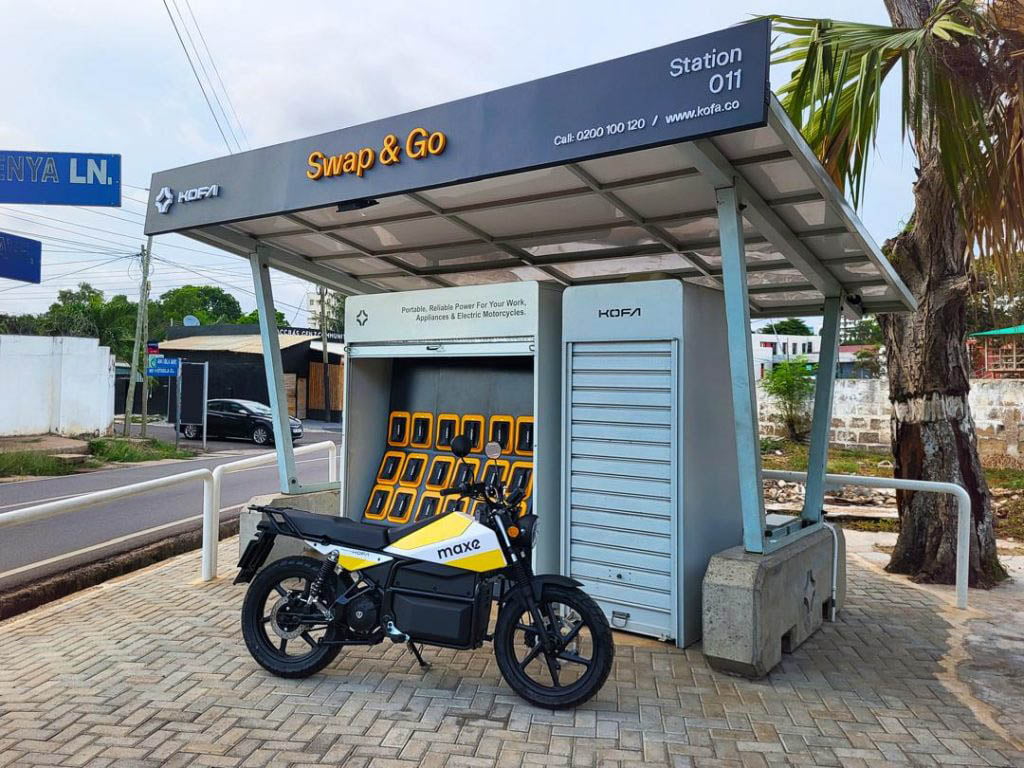
    Powered by two 2.3kWh Kofa Kore2 batteries renowned for their durability and dependability, the TAILG Jidi is further optimized by the Kofa Swap & Go Network. This innovative service streamlines battery exchange, ensuring seamless operations for gig workers without prolonged downtime.

    Through this strategic alliance, Ghana is poised to embrace a more interconnected future, characterized by sustainable and reliable transportation options. This concerted effort will not only enhance mobility but also invigorate Ghana’s economy by facilitating the efficient movement of people and goods across the nation.

  • HD PLUS Ghana To Embrace Free-To-Air Model Starting June 13

    HD PLUS Ghana To Embrace Free-To-Air Model Starting June 13

    HD PLUS Ghana is transitioning from a subscription model to a free-to-air model on June 13, 2024, facilitated by the WAPS platform.

    SES HD PLUS Ghana, a leading provider of premium high-definition satellite broadcasting services in Ghana, has unveiled plans to transition from its subscription-based model to a free-to-air (“FTA”) format, commencing on June 13, 2024. This strategic shift, facilitated by the West African Platform Services (WAPS) platform, marks a significant milestone in the landscape of satellite television in the region.

    Under the purview of WAPS, an affiliate of SES responsible for local ground services, HD PLUS Ghana will undergo a fundamental transformation, offering its HD channels as part of the broader array of FTA channels available on the WAPS platform. This transition reflects a paradigmatic shift from a user-pays model to one where viewers can access premium content without the burden of subscription fees.

    Effective April 16, 2024, customers will no longer have the option to purchase HD+ subscription packages or activate new HD+ devices. However, existing subscribers with active packages will continue to enjoy uninterrupted service until the full transition on June 13, 2024. To ensure a smooth transition, HD+ subscribers with active subscriptions beyond the transition date will receive compensation, with notifications commencing from April 30, 2024, through the HD+ call center.

    In preparation for the switch, users of HD+ decoders in Ghana are mandated to update their devices with new software, available over the air, by May 30, 2024. SES HD PLUS Ghana will provide support for this software update process until June 20, 2024, ensuring that viewers can seamlessly access the new lineup of FTA HD channels. Additionally, the My HD PLUS TV operator and mobile apps will be retired by May 30, 2024, as part of the transition process.

    The transition to a free-to-air model signifies HD PLUS Ghana’s commitment to democratizing access to high-quality broadcasting services, aligning with the evolving preferences and needs of consumers in the digital era. As the broadcasting landscape continues to evolve, this move heralds a new era of accessibility and inclusivity in satellite television, empowering viewers across Ghana to enjoy premium content without barriers.

  • ThriveAgric and Acorn Rabobank Collaborate to Support 30,000 Nigerian Farmers

    ThriveAgric and Acorn Rabobank Collaborate to Support 30,000 Nigerian Farmers

    ThriveAgric, a pioneering Nigerian agritech startup, has unveiled a groundbreaking collaboration with Acorn Rabobank aimed at empowering over 30,000 smallholder farmers.

    This strategic partnership focuses on providing carbon credits to enhance sustainable agroforestry practices and foster the development of the global carbon market. The initiative is poised to not only revolutionize agricultural practices but also yield substantial benefits for the participating Nigerian farmers, generating an estimated $56 million in revenue and mitigating 1.3 million metric tonnes of carbon emissions.

    Spanning across nine states in Nigeria, namely Kaduna, Gombe, Adamawa, Taraba, Bauchi, Jigawa, Niger, Nassarawa, and Kano, this ambitious project underscores ThriveAgric’s unwavering commitment to promoting sustainable agriculture while uplifting rural communities.

    “The carbon market presents vast opportunities, and it’s imperative that African farmers are not left behind,” emphasized Ayo Arikwe, Chief Technology Officer at Thrive Agric.

    As of October 2023, the carbon credit market boasted a staggering valuation of $103 billion, with projections indicating a robust average annual growth rate of 14.8% through 2032. Despite Africa’s immense potential in this domain, the continent presently accounts for a mere 2% of the market’s capacity. This glaring disparity highlights the pressing need for initiatives like the one spearheaded by ThriveAgric and Acorn Rabobank.

    In low-income countries, particularly in Africa, farmers often face barriers to participating in the carbon credit market, ranging from limited awareness to securing access. ThriveAgric aims to address these challenges head-on. Samirah Bello, Head of Partnerships at ThriveAgric, emphasized that every farmer involved in their program will have the opportunity to diversify their income streams by harnessing carbon credits.

    “For instance, a farmer managing one hectare of land stands to earn up to $1,700 in revenue from carbon credits annually. With newly planted trees, this revenue is poised to increase over time as the trees mature, capturing more carbon and generating additional credits,” added Bello.

    The collaborative efforts between ThriveAgric and Acorn Rabobank are poised to combat climate change by enhancing soil health, increasing productivity, and bolstering carbon capture. Participating farmers can anticipate improved crop yields, reduced post-harvest losses, and the integration of an additional income source through carbon credits, among other climate-smart initiatives.

    ThriveAgric, which boasts a robust network of over 800,000 smallholder farmers spanning Nigeria, Ghana, Kenya, and Uganda, is also pioneering the Dorewa platform. This innovative solution aims to empower other climate-focused startups across Africa to embark on their carbon journey.

    “Dorewa is designed to facilitate the entry of more farmers across Africa into the carbon credit landscape,” explained Arikwe.

    Acorn Rabobank, the climate-focused subsidiary of Dutch banking giant Rabobank, is actively engaged in climate change mitigation efforts across Ghana, Kenya, Zambia, Rwanda, and Tanzania. Through collaborative ventures like the one with ThriveAgric, Acorn Rabobank is spearheading transformative change in agricultural practices while fostering sustainable development across Africa.

  • Kingsley Abrokwah Hands Over CEO Role at Ghanaian Fintech Firm KudiGo

    Kingsley Abrokwah Hands Over CEO Role at Ghanaian Fintech Firm KudiGo

    In a recent development within Ghana’s fintech landscape, Kingsley Abrokwah, the visionary behind KudiGo, has revealed his decision to step down as CEO of the company.

    Taking to LinkedIn, Abrokwah communicated his forthcoming transition, emphasizing his continued commitment to KudiGo albeit in a different capacity, as a non-executive director.

    Acknowledging the significance of this change, Abrokwah assured stakeholders that KudiGo would soon introduce its new CEO, accompanied by the unveiling of a fresh brand identity. Intriguingly, visitors attempting to access KudiGo’s website find themselves redirected to a platform named VerifiBuy—a signal of the company’s evolving trajectory.

    Established as a pivotal player in the realm of retail technology, KudiGo offers a comprehensive suite of mobile-driven solutions spanning retail operations, payment facilitation, accounting, and data analytics.

    Formally launched in 2018, KudiGo embarked on its journey with a seed funding injection totaling $300,000, setting the stage for its ascent in the competitive fintech arena.

    Expanding its footprint beyond Ghana, KudiGo made strategic inroads into the Nigerian market in 2020, signaling broader ambitions that include future forays into East Africa.

  • Ghana and Benin Set to Introduce Free Roaming, Slashing Mobile Costs from July 1, 2024

    Ghana and Benin Set to Introduce Free Roaming, Slashing Mobile Costs from July 1, 2024

    In a bid to ease communication expenses for travelers between their borders, Benin and Ghana are poised to roll out free roaming starting July 1, 2024.

    The agreement, formalized with the signing of a memorandum of understanding (MOU) last week in Cotonou, involves Benin’s Regulatory Authority for Electronic Communications and Post Office (ARCEP) and Ghana’s National Communications Authority (NCA).

    According to ARCEP’s statement released on Sunday, March 31, the implementation of this MOU will trigger a substantial drop in tariffs for both Beninese and Ghanaian consumers during roaming activities.

    Beyond merely reducing costs, this initiative holds the promise of facilitating the protocol on the free movement of people, goods, and services, thereby fostering more active citizen engagement in regional economic endeavors.

    Ghana’s proactive stance on this front is evident in its existing free-roaming agreements with fellow ECOWAS countries, such as Cote D’Ivoire and Togo, which are already operational. Similarly, neighboring nations like Togo and Niger have initiated discussions to follow suit, with expectations of reaching similar agreements shortly.

  • Yango Unveils Cargo Express for Effortless Large Item Delivery in Ghana, Cote D’Ivoire, and Zambia

    Yango Unveils Cargo Express for Effortless Large Item Delivery in Ghana, Cote D’Ivoire, and Zambia

    Yango Delivery, a tech-driven platform facilitating swift in-city delivery services, has rolled out Cargo Express, a novel feature aimed at simplifying the transportation of bulky items across Africa’s urban landscapes.

    Cargo Express makes its debut in key metropolitan hubs like Abidjan, Accra, and Lusaka, aspiring to set the standard for handling large-scale logistics across the continent. Moreover, customers can leverage additional perks such as assistance from movers and ten minutes of complimentary loading and unloading time, enhancing the convenience quotient of the service.

    How It Operates

    Cargo Express operates on a transparent pricing model, ensuring that customers are presented with upfront costs, eliminating any surprises at checkout. Upon placing an order, customers receive real-time updates on every stage of the delivery process, with delivery statuses relayed through push notifications and the movement of items tracked via the Yango in-app map.

    Yango Cargo Express

    Significance of the Initiative

    This initiative addresses the prevailing challenges within the logistics sector, characterized by inefficiencies and opaque pricing structures, offering a much-needed solution to streamline large-item delivery.

    Insights from Yango

    Ireoluwa Obatoki, Head of Business Development for Africa at Yango Delivery, underscores the significance of Cargo Express: “The launch of Cargo Express reaffirms our commitment to leveraging technology to enhance urban delivery services, empowering local logistics partners and couriers with lucrative opportunities while ensuring transparent pricing standards across Africa’s delivery market.”

    In light of the burgeoning trend of online shopping, there arises a pressing demand for robust delivery services tailored to accommodate large items. Cargo Express endeavors to bridge this gap, presenting a reliable and straightforward solution to meet evolving consumer needs.

    Cargo Express marks a strategic expansion of Yango’s service portfolio, complementing its existing suite of offerings including ride-hailing (Yango), motorcycle-based light package delivery (Yango Delivery), and food delivery services (Yango Deli). This holistic approach consolidates Yango’s position as a one-stop destination for daily essentials, all conveniently accessible through a single app.

    Available exclusively through the Yango app’s Delivery section, Cargo Express provides access to a diverse range of vehicles aptly suited for transporting oversized and heavy items, ensuring a seamless delivery experience for customers across Africa.

  • Iconic Figure in Fiber Optics Technology, Dr. Thomas Mensah, Dies at 74

    Iconic Figure in Fiber Optics Technology, Dr. Thomas Mensah, Dies at 74

    The world mourns the loss of Dr. Thomas Mensah, a trailblazer in the realm of fiber optics technology, whose innovative strides have fundamentally reshaped the landscape of communication and information processing in our digital era.

    Early Beginnings

    Hailing from Kumasi, Ghana, Dr. Thomas Mensah’s journey epitomized a narrative of extraordinary accomplishments and an unwavering quest for knowledge. His formative years in Ghana provided the bedrock upon which he would build a career destined for global eminence in engineering and technology. Dr. Mensah’s academic prowess garnered him a prestigious fellowship that propelled him to study in France, where he further honed his expertise at Montpellier University before embarking on an enriching academic journey at the Massachusetts Institute of Technology (MIT).

    Professional Trajectory

    Dr. Mensah’s professional trajectory was distinguished by a relentless pursuit of innovation and a commitment to excellence. His tenure at Corning Glass Works stands as a testament to his ingenuity, as he played a pivotal role in optimizing the manufacturing processes of optical fibers. His groundbreaking efforts resulted in enhanced production speeds and a significant reduction in costs, democratizing access to this transformative technology. This breakthrough was instrumental in facilitating the rapid transmission of data, serving as the backbone of modern telecommunications systems.

    Beyond the realm of fiber optics, Dr. Thomas Mensah‘s expertise found resonance at Bell Laboratories, where he spearheaded initiatives that contributed to the advancement of laser-guided weapons systems, underscoring his versatility in harnessing technology for varied applications. Additionally, his leadership as president and CEO of Georgia Aerospace Systems underscored his commitment to innovation, as the company pioneered the manufacturing of advanced nanocomposite structures for the US Department of Defense.

    Dr. Thomas Mensah’s Legacy

    Dr. Mensah’s passing on March 27, 2024, at the age of 74, following a brief illness, leaves a void in the field of engineering and technology. However, his enduring legacy persists in the myriad ways his contributions have enriched and transformed our modern world. His indelible imprint on fiber optics technology ensures that his pioneering spirit will continue to inspire future generations of innovators and engineers, perpetuating a legacy of excellence and ingenuity.

  • Stephen Blewett Assumes CEO Role at MTN Ghana

    Stephen Blewett Assumes CEO Role at MTN Ghana

    In a significant transition, Stephen Blewett, an accomplished leader in the telecommunications space, has officially assumed the role of Chief Executive Officer (CEO) at MTN Ghana as of April 2024.

    Blewett steps into this pivotal position succeeding Selorm Adadevoh, who now serves as the Chief Commercial Officer of MTN Group, marking a strategic shift in leadership within the telecommunications giant.

    His appointment comes at a critical juncture as MTN Ghana endeavors to realize its ‘Ambition 2025’ strategy, charting a course toward becoming not just a conventional telecom entity but a holistic digital services provider.

    Before assuming his current role, Stephen Blewett served as the Operations Executive for Markets at MTN, where he supervised the Group’s operations in smaller markets across West and Central Africa. His extensive experience extends beyond MTN, having previously held the role of Chief Operating Officer at Digicel, further amplifying his expertise within the industry.

    Blewett’s journey within MTN has been marked by significant milestones, having held CEO positions at MTN Benin and MTN Cameroon. These roles have endowed him with a profound comprehension of the African telecom landscape, along with its attendant challenges and opportunities.

    Under Stephen Blewett’s stewardship, MTN Ghana is poised to prioritize the enhancement of digital customer experiences, the expansion of the fintech ecosystem, and the propulsion of sustainable growth initiatives. This strategic vision not only underscores the trajectory of MTN Ghana but also aligns with the overarching objectives of MTN Group, which aims to spearhead digital solutions fostering Africa’s advancement.

  • Verdant Capital Hybrid Fund Bolsters Zeepay with Additional $3 Million Investment

    Verdant Capital Hybrid Fund Bolsters Zeepay with Additional $3 Million Investment

    Adding another significant chapter to its investment portfolio, Verdant Capital Hybrid Fund recently injected $3 million in preferred equity into Zeepay, marking the fund’s fourth investment in just over two years.

    Zeepay, a Mobile Money Challenger, stands as a beacon in Africa’s financial landscape, boasting the title of the largest non-telco Mobile Money Operator in the continent by balance sheet and revenue. With Mobile Money Licenses spanning six countries including Ghana, Zambia, Ivory Coast, Sierra Leone, Gambia, and Barbados, Zeepay’s reach is expansive and its impact profound.

    The company’s forte lies in seamlessly terminating remittances into Mobile Money Wallets across various networks, including its proprietary wallets available in six countries. Moreover, Zeepay’s commitment to financial inclusion is underscored by its partnership with UNCDF, further cementing its dedication to bridging the financial gap in underserved communities.

    Celebrating a decade of existence this year, Zeepay stands tall with a workforce of over 200 spread across Africa, Europe, and the Caribbean. Andrew Takyi-Appiah, Zeepay’s Managing Director, expressed elation at welcoming Verdant Capital Hybrid Fund as a new shareholder, highlighting the fund’s significant role in bolstering the company’s financial position to fuel its growth trajectory in 2024.

    Kwabena Appenteng, Director at Verdant Capital, emphasized Zeepay’s allure to investors, citing its blend of hard currency earnings from remittance-to-wallet operations and promising growth prospects across the continent. He lauded Zeepay’s management team for steering the company to profitability early in its lifecycle and maintaining robust financial performance while expanding its footprint and revenue streams.

    Notably, Zeepay received legal counsel from JLD & MB Legal Consultancy, a renowned corporate and commercial law firm based in Ghana.

    Zeepay, founded in 2014, has emerged as a trailblazer in digital remittance termination and mobile financial services across Africa and the Caribbean. With a global presence spanning over 20 countries, Zeepay has established formidable partnerships with major remittance entities, including MoneyGram. Committed to regulatory compliance, Zeepay operates under the oversight of the Financial Conduct Authority (FCA) in the United Kingdom and the Bank of Ghana.

    Verdant Capital, a leading investment bank and manager operating on a Pan-African scale, specializes in private capital markets. Managing the Verdant Capital Hybrid Fund, the firm channels mezzanine capital into inclusive financial institutions across Africa, contributing to the region’s economic empowerment and development.

    The collaboration between Zeepay and Verdant Capital Hybrid Fund not only signifies a strategic investment move but also underscores the potential for sustainable financial inclusion and growth in Africa’s burgeoning fintech landscape.

  • 5 Reasons Ghanaians Should Invest With The Phundit App

    5 Reasons Ghanaians Should Invest With The Phundit App

    In personal finance management, finding the right tool to navigate the often complex landscape of budgeting, saving, and investing can be daunting. However, with innovative solutions like Phundit, Ghanaians now have access to a streamlined platform that simplifies financial management and empowers individuals to make informed decisions about their money. Founded by Peter Tokor in response to his own struggles with financial accountability, Phundit stands out as a beacon of financial wellness in Africa. Here are 5 compelling reasons Ghanaians should consider investing with the Phundit app.

    1. Enhanced Financial Literacy:

    One of the cornerstone features of Phundit is its commitment to improving financial literacy among users. Before diving into the world of budgeting and investing, Phundit encourages individuals to take a Financial Health Test. This assessment provides valuable insights into one’s understanding of financial concepts and serves as a foundation for tailored financial guidance. By equipping users with essential knowledge and resources, Phundit empowers them to make informed decisions and build a solid financial future.

    2. Efficient Budgeting Tools:

    Effective budgeting is key to achieving financial stability, and Phundit offers a suite of tools to simplify this process. With intuitive budgeting features, users can easily track their income and expenses, set spending limits, and identify areas for potential savings. By providing a clear overview of one’s financial standing, Phundit enables users to make strategic adjustments to their spending habits and work towards their financial goals with confidence.

    3. Guidance Towards Investment Goals:

    Investing can seem daunting for many, especially those new to the world of finance. Phundit acts as a trusted guide on the journey towards investment success. Through personalized recommendations and expert insights, the app helps users identify investment opportunities aligned with their financial goals and risk tolerance. Whether saving for retirement, building wealth, or planning for future expenses, Phundit equips users with the tools and knowledge needed to navigate the complexities of the investment landscape effectively.

    4. Facilitation of Emergency Funds:

    Life is unpredictable, and having a financial safety net in place is essential for weathering unexpected expenses or emergencies. Phundit recognizes the importance of an emergency fund and provides users with the tools to establish and maintain one. By setting aside funds for unforeseen circumstances, individuals can mitigate financial stress and maintain stability even in the face of adversity. With Phundit’s support, Ghanaians can proactively prepare for the unexpected and safeguard their financial well-being.

    5. Community and Support:

    Beyond its array of features and tools, Phundit fosters a sense of community among its users. Through forums, educational resources, and interactive sessions, individuals can connect with like-minded peers, share insights, and learn from each other’s experiences. This sense of camaraderie and support creates a conducive environment for personal growth and financial empowerment, ensuring that users feel motivated and supported on their journey towards financial success.

    Phundit represents a paradigm shift in personal finance management, offering Ghanaians a comprehensive solution for achieving financial wellness. From enhancing financial literacy to providing practical tools for budgeting, saving, and investing, Phundit empowers users to take control of their financial destiny. By leveraging the power of technology and innovation, Phundit is poised to make a meaningful impact on the lives of Ghanaians and Africans, guiding them toward a brighter and more prosperous future.

  • 7 Best Places To Buy iPhones in Ghana

    7 Best Places To Buy iPhones in Ghana

    Explore the top 7 shops in Accra, Ghana, for hassle-free purchases of iPhones, MacBooks, iPads, and other Apple products!

    In the ever-evolving landscape of technology, finding the right place to purchase your iPhone in Ghana can be daunting. With numerous options available, it’s crucial to identify trusted sellers offering quality products and reliable services. We compiled a list of 7 best shops to buy iPhones in Accra, Ghana.

    1. Best Price Ghana

    With both a website and a physical store, Best Price Ghana stands out for its accessibility. Boasting a solid online presence, they offer a range of Apple products including iPhones, MacBooks, and iPads. Trusted by many, you can easily place orders via WhatsApp or phone call at (+233) 246-330-667.

    2. Brickz Electronics

    Founded by Gucci Boateng, Brickz Electronics prioritizes excellent customer service. While they lack a website, you can conveniently place orders through WhatsApp or phone call. Known for their reliability, they showcase their products on Snapchat and offer a variety of Apple devices alongside accessories. Reach them at (+233) 207-576-147.

    3. LinkinForLife

    Although LinkinForLife currently operates without a website, it maintains an active social media presence, particularly on Twitter. Located in Accra at the Circle Mall, LinkinForLife offers iPhones and other gadgets. Ordering is simple via WhatsApp or phone call at (+233) 541-427-156.

    4. Quabuy Ghana

    Endorsed by Ghanaian celebrities like Medikal and Fella Makafui, Quabuy Ghana is a trusted name in the market. With a website and physical stores in multiple locations including Accra, Kumasi, and Takoradi, they don’t just sell Apple products but offer payment installment options and phone repair services as well. Contact them at (+233) 205-872-837.

    5. Igoodsgh

    Operating without a website, Igoodsgh relies on a robust social media presence, particularly on Twitter. Situated at Dansoman B Opoku, they provide iPhones and Samsung products alongside accessories. Orders can be placed via WhatsApp or phone call at (+233) 209-522-979.

    6. Device Home GH

    Despite the absence of a website, Device Home Gh maintains a trusted reputation. Located at Accra Circle adjacent to the Odo Rise Fast Foods building, Device Home GH offers iPhones, Macbooks, iPads and other accessories. Ordering is hassle-free via WhatsApp or phone call at (+233) 542-678-561.

    7. Istore Ghana

    With both a website and physical stores in Accra and Kumasi, Istore Ghana provides a reliable option for iPhone purchases. While their social media presence is limited, they offer a range of Apple products. Orders can be placed via WhatsApp or phone call at (+233) 544-336-856.

    When purchasing an iPhone in Ghana, it’s essential to consider factors like trustworthiness, product variety, and after-sales service. By choosing one of these reputable sellers, you can ensure a seamless buying experience and enjoy the latest Apple technology with peace of mind.

  • Google Incorporates Ghanaian Language “Twi” into Google Translate

    Google Incorporates Ghanaian Language “Twi” into Google Translate

    In its recent update, Google broadens its linguistic repertoire by introducing the Ghanaian language, “Twi,” along with 24 additional languages to Google Translate.

    This inclusion elevates the total count of available languages to 133, reflecting Google’s commitment to linguistic diversity.

    Twi, a variant of the Akan language prevalent in southern and central Ghana, boasts millions of speakers, predominantly among the Akan community. With an estimated 17-18 million speakers, including those who adopt it as a second language, Twi holds significant cultural and communicative importance within Ghana. Remarkably, approximately 80% of the Ghanaian populace converses in Twi either fluently or as a secondary language.

    Google highlights the technical advancements underpinning this expansion, emphasizing the integration of machine learning models. These models facilitate translation processes by learning to interpret and translate languages, even without prior exposure to specific examples.

    By integrating Twi and other languages into Google Translate, Google not only enriches its platform but also fosters inclusivity by ensuring that diverse linguistic communities have access to essential translation services. This development marks a significant stride towards bridging linguistic barriers and facilitating global communication.

  • Interview: Dynasto Afedo Is The Ghanaian Making Games Of The Future Today

    Interview: Dynasto Afedo Is The Ghanaian Making Games Of The Future Today

    Dynasto Afedo, popularly known on social media as Dynasto, is a Ghanaian software/app developer. He’s the name behind the trending car racing game- RCW Racing.

    For a software developer, Dynasto has a rather “unusual” educational background. He has a diploma in Public Administration which he acquired from the University of Ghana, a BSc. Business Admin degree from UPSA (University of Professional Studies, Accra) and a BSc. Marketing degree from KNUST (Kwame Nkrumah University of Science and Technology).

    Unorthodox Digital caught up with him to get to know more about this Tech genius.

    Are you strictly a game developer or you develop other software/applications?

    I don’t just develop games. I develop other applications as well.

    Are you currently working on other game projects?

    Yes I am. I am working on a few other games that I can’t currently speak on yet. Vol.2 of RWC Racing is currently in the works.

    Are you a gamer yourself or you just enjoy creating games?

    I am not an avid gamer now but I was when I was younger.

    How will you describe the game development industry in Ghana/Africa?

    There is potential and you can see from some of these works when you search on social media.

    Who are some of the other game developers in the sub region we should look out for?

    This is the thing, I am new to the industry and I’m honored to even be called a game developer. I’m more of a professional googler. I feel like I walked into the wrong room but I was given a seat anyway, so I’m grateful. Please look out for everyone.

    What has been the reception to RCW Racing?

    It has been amazing! Very unexpected but the support has been amazing. People keep sharing suggestions and ideas on how to make the game better.

    Can you identify what caused the significant increase in downloads?

    I think people saw that they were being represented and hence wanted to be a part of the moment and experience it for themselves.

    What other gaming projects have you worked on in the past?

    I worked on one but it was a meme, it’s no longer on play store but it was available for about a day and that was it.

    What do you think the future holds for Africa’s gaming industry?

    The opportunity is huge and we have the skill set to meet the demands of how dynamic this industry is. Thankfully our backgrounds across the continent is diverse and we will represent that in our games

    What do game developers in these parts need?

    We need support, and financing as well as very incentivized competitions. What could be improved? We need our games representing more when we open the Appstore or Playstore than games from outside the continent.

  • Ghanaian Music Publication, Unorthodox Reviews Is Now A Tastemaker on Audiomack

    Ghanaian Music Publication, Unorthodox Reviews Is Now A Tastemaker on Audiomack

    Unorthodox Reviews is proud to announce its new partnership with the world-acclaimed digital streaming platform Audiomack as a verified tastemaker.

    Founded by Ghanaian creative entrepreneurs Philip Edusei and Godwin Mitchual, Unorthodox Reviews is an online music, lifestyle and culture editorial with a mission statement of not only connecting the global audience to Africa through compelling content but also serving as a platform for Africa’s millennial generation to opine about pertinent issues in society and impact them through the power of music and urban arts.

    Living up to their reputation of delivering Africa’s Best Music Reviews, the editorial with the able assistance of a network of contributors, DJs, artists and music curators scattered across Africa and beyond will ensure Unorthodox Reviews’ verified Audiomack channel will showcase the very best of African music as it drops!

    Unorthodox Reviews look to jumpstart their Verified Audiomack channel with three playlists: Ghana WeeklyNaija Weekly, and Mzansi Weekly playlists; with exciting new additions being made in the coming weeks.

    Explore Unorthodox Reviews’ channel on Audiomack here and make sure to follow to get timely updates on their selections

    Ghana Weekly Playlist

    Naija Weekly Playlist

    Mzansi Weekly Playlist

  • What Are Ghana’s Zip Codes and Postal Codes?

    What Are Ghana’s Zip Codes and Postal Codes?

    Discover Ghana’s zip codes and postal codes, including 00233, 23321, and +233, which originate from the country’s early telephone system.

    In today’s digital age, postal codes are more crucial than ever. They do much more than help mail find its way. In Ghana, understanding postal codes, often called zip codes, can simplify everything from setting up utilities to ordering goods online. This article will dive into the postal codes for major cities across all 16 regions of Ghana, ensuring you have the information needed to navigate this system effectively.

    Understanding Postal Codes in Ghana

    Postal codes in Ghana are numeric and typically consist of four digits. Unlike some countries, Ghana’s postal codes are directly linked to geographic regions or administrative districts, making them essential for accurate delivery and services.

    The 16 Regions of Ghana and Their Capitals:

    Below is a table outlining the 16 regions of Ghana, their respective capitals, and some of their major cities:

    RegionCapitalMajor Cities
    Ahafo RegionGoasoBechem, Hwidiem, Kenyasi
    Ashanti RegionKumasiObuasi, Mampong, Ejura
    Bono East RegionTechimanKintampo, Nkoranza, Atebubu
    Bono RegionSunyaniBerekum, Dormaa Ahenkro, Techiman
    Central RegionCape CoastKasoa, Winneba, Swedru
    Eastern RegionKoforiduaNkawkaw, Aburi, Suhum
    Greater Accra RegionAccraTema, Madina, Adenta
    North East RegionNaleriguGambaga, Walewale, Bunkpurugu
    Northern RegionTamaleYendi, Walewale, Bimbilla
    Oti RegionDambaiJasikan, Kadjebi, Nkwanta
    Savannah RegionDamongoBole, Sawla, Mankango
    Upper East RegionBolgatangaBawku, Navrongo, Zebilla
    Upper West RegionWaLawra, Tumu, Jirapa
    Volta RegionHoHohoe, Keta, Anloga
    Western North RegionSefwi WiawsoBibiani, Juaboso, Akontombra
    Western RegionSekondi-TakoradiTarkwa, Prestea, Axim

    Let’s explore the postal codes in Ghana region by region:

    RegionCity/TownZip/Postal Code
    Ahafo RegionBechem03521
    Ahafo RegionBerekum03522
    Ahafo RegionDormaa Ahenkro03523
    Ahafo RegionWenchi03524
    Ahafo RegionTechiman03525
    Ahafo RegionAtebubu03526
    Ahafo RegionYeji03527
    Ashanti RegionKumasi03220
    Ashanti RegionKonongo03221
    Ashanti RegionAshanti Mampong03222
    Ashanti RegionEjura03223
    Ashanti RegionBekwai03224
    Ashanti RegionObuasi03225
    Bono East RegionTechiman03525
    Bono East RegionAtebubu03526
    Bono East RegionYeji03527
    Bono RegionSunyani03520
    Bono RegionBerekum03522
    Bono RegionDormaa Ahenkro03523
    Central RegionCape Coast03321
    Central RegionSwedru03320
    Central RegionDunkwa03322
    Central RegionWinneba03323
    Eastern RegionKoforidua03420
    Eastern RegionNsawam03421
    Eastern RegionNkawkaw03431
    Eastern RegionMpraeso03423
    Eastern RegionDonkorkrom03424
    Eastern RegionSuhum03425
    Eastern RegionAsamankese03426
    Eastern RegionAkuapim Mampong03427
    Eastern RegionAburi03428
    Eastern RegionAkim Oda034292
    Eastern RegionAkosombo03430
    Greater Accra RegionAccra0302
    Greater Accra RegionTema0303
    Greater Accra RegionAda03035
    North East RegionNalerigu
    North East RegionGambaga
    North East RegionWalewale03721
    Northern RegionTamale03720
    Northern RegionBuipe03722
    Northern RegionDamongo03723
    Northern RegionYendi03724
    Northern RegionBole03725
    Northern RegionSalaga03726
    Oti RegionDambai
    Oti RegionJasikan
    Oti RegionKadjebi
    Savannah RegionDamongo03723
    Savannah RegionBole03725
    Savannah RegionMankango
    Upper East RegionBolgatanga03820
    Upper East RegionNavrongo03821
    Upper East RegionBawku03822
    Upper West RegionWa03920
    Volta RegionHo03620
    Volta RegionAmedzofe03621
    Volta RegionHohoe03627
    Volta RegionKpandu03623
    Volta RegionKete-Krachi03624
    Volta RegionDenu/Aflao03625
    Volta RegionKeta/Akatsi03626
    Western North RegionSefwi Wiawso
    Western North RegionBibiani
    Western North RegionJuaboso
    Western RegionTakoradi03120
    Western RegionAxim03121
    Western RegionElubo03122
    Western RegionTarkwa03123
    Western RegionAsankragwa03124
    Western RegionSamreboi03125
    Western RegionEnchi03126

    Note: Postal codes marked with “-” indicate not available.

    The Emergence of the GhanaPostGPS Mobile App

    Contrary to common belief, there isn’t a single fixed zip code for Ghana. Instead, the more accurate question should be, “What are Ghana’s zip codes?” or “What are Ghana’s postal codes?” This is because zip codes are designed for specific geographical locations within a country rather than for the entire country.

    This distinction means that instead of searching online for “What is Ghana’s zip code?“, it would be more precise to inquire about zip codes for specific cities like Accra, Kumasi, or Tamale. However, a quick Google search might return “00233” as the zip code for these locations, which might not always be accurate. This is because Google uses related keywords from your search terms to fetch this information, which may not always reflect the most current or correct data.

    In Ghana, the issuance of zip codes and postal codes is managed by Ghana Post, the nation’s governmental postal service. To provide a reliable solution, Ghana Post has launched the GhanaPostGPS mobile app. This innovative application offers an official and accurate means to obtain digital addresses, zip codes or postal codes throughout Ghana. It utilizes a comprehensive 5 x 5 meter grid addressing system that covers the entire country.

    For those needing precise and official postal information, downloading the GhanaPostGPS app is highly recommended. It allows users to access their specific Ghanaian zip codes or postal codes with just a few clicks. The app is also available in a browser version for those who prefer accessing it on a computer.

    Understanding Zip Codes and Postal Codes in Ghana

    The query, “What is Ghana’s zip code?” is undoubtedly one of the most frequent online searches by Ghanaians, especially when filling out forms that require this information. Whether in Kumasi, Takoradi, Tamale, or Accra, you have likely encountered the need to provide a zip code and resorted to Google for answers.

    The numbers commonly used as Ghana’s zip code, such as 00233, 23321, or +233, originate from the country’s early landline telephone system. These are not true postal codes but have been widely used due to a lack of widespread public knowledge about the correct codes.

    This section aims to clarify the concept of zip codes and their intended purposes. Zip codes are essential for a range of activities, from sorting mail more efficiently to enhancing the delivery of goods and services. With the advent of the GhanaPostGPS app, Ghanaians can now easily access accurate postal codes tailored to their specific location within the country, thereby improving accuracy in data handling and service delivery.

    How Postal Codes Facilitate Daily Life in Ghana

    Postal codes in Ghana are vital for several reasons:

    1. E-Commerce: They allow companies to accurately calculate shipping costs and delivery times.
    2. Utility Services: Postal codes help in the quick setup and management of services like electricity and water.
    3. Navigation and GIS: Geographical Information Systems (GIS) use postal codes for mapping and managing geographic data.
    4. Emergency Services: Quick location identification can be crucial in emergencies.

    Incorporating Postal Codes into Business and Technology

    For businesses, especially in logistics, e-commerce, and location-based services, understanding and utilizing postal codes can greatly enhance efficiency. Technology apps that require location data, such as ride-sharing or food delivery services, rely on accurate postal codes to match drivers with customers efficiently.

    Frequently Asked Questions(FAQs)

    Q1: What is the Republic of Ghana zip code?

    Ghana has no single zip code but uses various postal codes for different areas. Use the GhanaPostGPS Mobile App to find the accurate zip code for your location.

    Q2: What is Kumasi’s zip code?

    Previously, 03220 was commonly used as Kumasi’s zip code in the Ashanti Region. For the most accurate and current postal information, using the GhanaPostGPS Mobile App is recommended.

    Q3: Does Ghana have a country code?

    Yes, Ghana’s country code for phone calls is +233.

    Q4: What is an example of a zip code?

    With the use of the GhanaPostGPS Mobile App, an example of a zip code in Ghana is GA287 for a city in the Greater Accra Region.

    Q5: What is Takoradi’s Zip code?

    Previously, 03120 was commonly used as Takoradi’s zip code in the Western Region. However, for the most accurate and up-to-date postal information, it is recommended to use the GhanaPostGPS Mobile App.

    Q6: Is zip code the same as postal code?

    Yes, in the context of Ghana, zip code and postal code are used interchangeably and refer to the same concept of regional coding.

    Q7: What is Ghana’s full name?

    The full name of the country is the Republic of Ghana.

    Q8: How do I know my Ghana number?

    Your “Ghana number” would typically be your mobile phone number. It starts with the country code +233 followed by your specific number.

    Q9: Which number is 030 in Ghana?

    The 030 prefix is commonly used for landline numbers in the Greater Accra Region.

    Q10: Which network code is 059 in Ghana?

    The 059 prefix is used by MTN Ghana, one of the country’s leading telecommunications providers.

    Q11: Which country code is 233?

    The country code 233 is for Ghana.

    Understanding the postal code system in Ghana is essential for both residents and businesses. It facilitates efficient mail delivery, enhances e-commerce processes, and supports emergency services. Whether you are setting up utilities, expecting a delivery, or simply exploring new technologies and services, knowing the right postal code can make a significant difference. This guide aims to provide you with a thorough overview of Ghana’s postal code system, helping you navigate this essential aspect of daily life in Ghana more effectively.

  • Flutterwave launches Flutterwave Store in Ghana and other African countries

    Flutterwave launches Flutterwave Store in Ghana and other African countries

    African payments technology company, Flutterwave, has launched Flutterwave Store, an online eCommerce solution for African merchants to create digital shops to sell online.

    The Flutterwave Store is an easy way to launch and manage an e-commerce business that accepts payments from anywhere in the world without creating a website, knowing how to code, etc. The portal allows you to upload products, set prices and have integrated delivery partners pick up when you have an order and deliver to your customer. “Buy Online, Pickup Curbside” store if you like.

    How Flutterwave Store Works

    To set up a Flutterwave Store, users will need to register for a Flutterwave account if they’re not already registered.  When they log in, they select “Store” from their online dashboard menu. On the Store page, they click ‘Setup my store’ that’s displayed.

    They can then enter their store name, enter their store description and their online URL if necessary. Once completed, a store is generated and displayed on their dashboard.

    Users can click on “Add Product” to set listing their items on their Flutterwave store. They can add product details, and add a picture of the product they’re selling. After they finish listing their products, they can share their Flutterwave store with their customers online through email, Twitter, Instagram or WhatsApp.

    Flutterwave accelerated the development of Flutterwave Store in response to COVID-19, which has brought restrictive measures to SMEs and traders operating in Africa. In 2019, Flutterwave processed 107 million transactions worth $5.4 billion, according to company data. The company also joined forces with Chinese e-commerce company Alibaba’s Alipay to offer digital payments between Africa and China.

    Users can get started with setting up the Flutterwave store by going https://flutterwave.com/gh/store and registering online.