We cover Africa’s top tech innovations, from electric vehicles to startups, highlighting companies transforming industries and shaping the continent’s future.
Jiji, the African e-commerce giant, is taking a big leap beyond the continent.
The company has set its sights on Bangladesh, a country with a booming middle class and rising mobile connectivity. It’s a move that shows Jiji is ready to go global, targeting high-growth emerging markets outside Africa. And the numbers back up their decision—Bangladesh’s e-commerce market is on track to hit $13 billion by 2027, according to Payments and Commerce Market Intelligence (PCMI).
Right now, Jiji operates in seven African countries: Ethiopia, Ghana, Kenya, Nigeria, Tanzania, Uganda, and Senegal. Expanding into Bangladesh feels like the next logical step. The country has 131 million internet users, and more people are getting comfortable shopping online. That’s a massive audience for Jiji, which already has 12 million active users every month.
“With a solid financial foundation and a scalable business model, we have grown into a profitable leader in Africa’s e-commerce space,” a Jiji spokesperson told TechCabal. “Our success in Africa has shown us how to navigate fast-growing markets, and we believe Bangladesh has the same potential for Jiji to thrive, helping to grow the e-commerce sector.”
Bangladesh has been making strategic moves to fuel e-commerce growth. Government policies, such as the Information and Communication Technology (ICT) Act of 2006, provide a legal framework for online transactions while addressing cybersecurity issues. There are also national ICT policies designed to shape the country’s digital economy, including e-commerce.
These efforts, combined with a growing middle class, have made Bangladesh a promising market. A PCMI survey from 2024 revealed that 79% of Bangladeshi consumers have shopped online, and 47% feel comfortable making digital payments.
However, Jiji won’t have the market to itself. It will be going up against big names like Daraz, Bikroy, and Ajkerdeal—companies that already have strong brand recognition and consumer trust. To win over Bangladeshi shoppers, Jiji will need to stand out with localized offerings and strategic partnerships, much like it did in Africa.
Since its launch in 2014, Jiji has found success by adapting to market needs. In Nigeria, it gained traction by offering free listings to first-time users and preloading its app on budget-friendly smartphones through partnerships with phone manufacturers. In 2016, the company struck a deal with Airtel to allow users to browse the platform without using data.
Jiji’s aggressive expansion strategy has also played a key role in its growth. In 2019, the company raised $21 million and acquired OLX Africa, taking over operations in Nigeria, Kenya, Ghana, Uganda, and Tanzania. This gave Jiji access to a combined market of 300 million people. In 2021, Jiji acquired Cars45, a platform for buying and selling used cars in Nigeria, Kenya, and Ghana. The next year, it took over Tonaton, its main competitor in Ghana.
The strategy has worked well in Africa, and Jiji is now hoping to replicate that success in Asia. The question is: can it carve out space in Bangladesh’s competitive e-commerce landscape? Time will tell, but if history is any indication, Jiji knows how to play the long game.
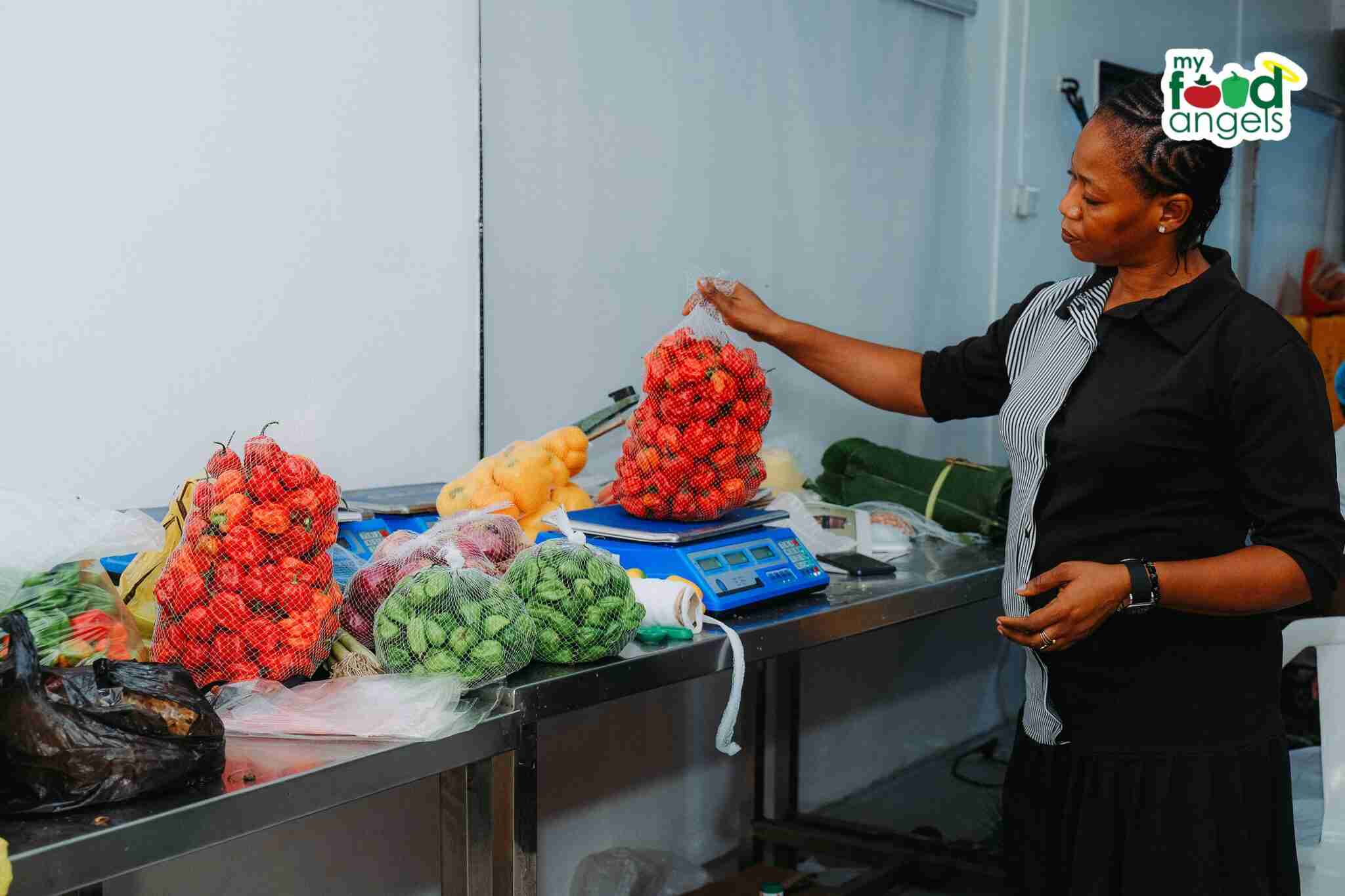
MyFoodAngels, the grocery delivery startup known for farm-fresh foods and personalized meal recommendations, is taking a big step towards sustainability by rolling out eco-friendly packaging.
The company has been experimenting with ways to cut down on plastic use while staying aligned with global sustainable development goals. According to CEO Olapeju Umah, one major concern is the waste generated by single-use packaging.
“Imagine someone bought five kegs of five-litre palm oil from us over the last five months,” Umah explained. “That would leave them with more kegs to trash.”
To tackle this, MyFoodAngels is introducing reusable packaging and refill options. Customers who opt for palm oil refills, for example, can save money—getting a litre for ₦3,850 instead of ₦4,000. When checking out on the website, they can choose to refill their existing container rather than buying a new one each time.
Another initiative is the crate return system for eggs. Instead of accumulating unnecessary egg crates at home, customers can return them after use. “You do not need more egg crates at home to add to the previous ones. We will supply you and take back our crates,” Umah said.
Looking ahead, the company is also testing biodegradable plastics as a long-term solution, aiming to be the first grocery delivery platform in Nigeria to make a full pivot to sustainable packaging. While palm oil and eggs are the first products to benefit from these changes, MyFoodAngels is working on similar solutions for other grocery items.
Beyond sustainability, the company has been growing fast. Its gross merchandise value (GMV) has quadrupled in the past year, and in 2024 alone, it served over 50,000 customers. MyFoodAngels has built a strong presence in Lagos by working closely with local farmers and running an in-house palm oil milling operation. Its supply chain delivers fresh groceries like tomatoes, bell peppers, palm oil, and protein directly to both restaurants and individual customers.
Now, the startup is seeking $500,000 in funding to expand beyond Lagos, develop new products in the fisheries sector, and launch its mobile app, which is currently in beta testing. The app is expected to simplify the ordering process and drive even more growth.
Nigerian fintech company Payhippo has officially rebranded to Rivy, signaling a major shift from SME lending to clean energy financing.
Along with this transformation, Rivy has secured $4 million in pre-Series A funding to expand its renewable energy financing efforts across Africa.
The funding round was led by climate-focused investors All On and EchoVC Eco, with an even split of $2 million in debt and $2 million in equity. This investment underscores growing confidence in Rivy’s vision of tackling Africa’s energy challenges through accessible financing solutions.
According to Rivy’s CEO, Dami Olawoye, the company’s mission is rooted in addressing Africa’s massive energy gap. “Renewable energy is not just a necessity for today, but an investment in Africa’s future. With over 600 million people in sub-Saharan Africa lacking access to reliable electricity, clean energy solutions are crucial to driving economic growth, improving livelihoods, and combating climate change,” he said.
Rivy’s pivot toward clean energy financing started in 2023 and aligns with the urgent need for reliable electricity in sub-Saharan Africa. Many households and businesses either lack access to power entirely or struggle with high costs. By offering financing solutions for solar micro-grids, clean-tech equipment, and access to carbon markets, Rivy is making renewable energy more attainable.
Image Source: Rivy
The company’s model enables individuals, households, and businesses to finance their transition to solar energy. Oluseye Bassir, Investment Manager at All On, emphasized the importance of such financing in scaling clean energy adoption. “Rivy empowers individuals and SMEs with the financing needed to adopt solar power. Such financing is crucial for accelerating the adoption of clean energy in underserved and unserved communities across Nigeria.”
The market for solar energy in Nigeria is vast, with significant potential to improve energy access and reduce dependence on costly and unreliable alternatives. Rivy’s approach is geared toward unlocking this potential by increasing loan disbursements and helping communities transition to sustainable energy sources.
Investors see Rivy as a key player in Africa’s clean energy movement. Taiwo Ketiku, Principal at EchoVC Eco, reinforced this sentiment: “We’re thrilled to back Rivy as they scale their efforts in Nigeria’s renewable energy sector. Rivy’s approach is exactly what Africa needs to address its energy access challenges, syndicate reach to households and businesses, and build a sustainable, low-carbon future.”
With this fresh round of funding, Rivy is set to scale operations, expand its financing reach, and contribute to both economic growth and carbon reduction efforts.
Russia’s biggest automaker, AvtoVAZ, is making a bold move into Nigeria as part of its strategy to expand beyond its home turf.
The company, which is mostly owned by the Russian government, has its sights set on the Lekki Free Trade Zone in Lagos, where it plans to set up a spare parts hub and service center before the end of 2025. This marks its most ambitious effort yet in West Africa’s largest economy.
But AvtoVAZ isn’t stopping there. The automaker is also in talks with the Nigerian government to establish a local assembly plant, a move that could strengthen its foothold in a market where most car buyers opt for used vehicles over new ones.
The company’s push into Nigeria comes at a time when competition is heating up back home. Chinese automakers have been expanding their footprint in Russia, with Great Wall Motors planning to increase production from 150,000 to 200,000 units by 2025. At the same time, major players like Hyundai and Renault are reportedly eyeing a return to Russia once a ceasefire in the ongoing conflict with Ukraine is secured.
Looking for fresh opportunities, AvtoVAZ sees Nigeria’s auto industry as an untapped goldmine. Demand for vehicles in the country is huge—about 720,000 units per year—but local production only accounts for a tiny fraction of that, around 14,000 units annually.
One area where AvtoVAZ hopes to make an impact is Nigeria’s growing interest in alternative fuel vehicles. The company plans to partner with a Russian engineering firm to set up a compressed natural gas (CNG) conversion plant. This will allow Lada cars to come with factory-fitted or locally converted gas-powered engines.
“If you bring CNG cars to Nigeria, you don’t pay any duties, which is why we are in talks with the relevant agencies,” said Adewole Opeyemi, AvtoVAZ’s official representative in Nigeria. “Some Lada cars will arrive with factory-fitted gas-powered engines, while others will be converted locally by Russian specialists.”
AvtoVAZ, known for its Lada brand of budget-friendly cars, SUVs, and commercial vehicles, has been doing business in Africa since 1999. Over the years, it has shipped around 100,000 cars to the continent, with its first major partnership being in Egypt, where Lada models were assembled at a local Suzuki plant.
In 2022, the company announced plans to export 20,000 vehicles in 2023, with a strong focus on the African market. Since then, it has been working on reestablishing itself on the continent, with Ethiopia emerging as a key destination. In 2023, AvtoVAZ signed a letter of intent with Ethio Engineering Group to begin local production of Lada vehicles.
“We are witnessing a new wave of diplomatic cooperation between Russia and African countries. Nigeria, as the region’s biggest market, simply cannot be overlooked,” said Artem Aglichev, AvtoVAZ’s Head of Product Marketing. “Opportunities are opening up for us, and we’re ready to explore them.”
Despite Nigeria’s potential, the local auto industry is still largely dependent on imports, particularly second-hand vehicles. Domestic manufacturers like Innoson Vehicle Manufacturing, Peugeot Automobile Nigeria (PAN), Coscharis Motors, and GAC Motors operate in the market, but foreign brands still dominate. Toyota leads the pack with a 16.1% market share, largely due to its reputation for reliability and easy-to-find spare parts. Japanese brands like Toyota and Honda control nearly a third of the market, while Hyundai and Kia have gained traction with stylish designs and competitive pricing.
“As a state-owned company, we fully understand the regulatory requirements and are committed to local assembly,” Aglichev added. “Nigeria has been a strong player in this field since the 1950s, with skilled labor, logistical capabilities, and economic feasibility. This is a logical and reasonable step, and we are confidently moving forward.”
Still, AvtoVAZ faces significant challenges. Navigating Nigeria’s regulatory landscape won’t be easy, and breaking into a market dominated by used cars and well-established brands will take time. The big question is whether Lada’s low-cost models can win over Nigerian buyers who are accustomed to pre-owned imports.
The Nigerian government is stepping up its support for tech startups with a new $40 million fund aimed at early-stage companies.
For years, Nigeria’s booming tech scene has relied on private investors, but this move signals a more structured government-backed approach to fueling innovation.
Nigeria has been the dominant startup hub in Africa, attracting over $2 billion in funding between 2015 and 2022. This fund is a major step under the 2022 Nigeria Startup Act, designed to keep the momentum going and provide a clear investment framework for emerging companies.
The Breakdown
So, where’s the money coming from? Here’s how it’s structured:
Source
Contribution
Japan International Cooperation Agency (JICA)
$20 million
Nigeria Sovereign Investment Authority (NSIA)
$20 million
The NSIA, which manages over $2 billion in Nigeria’s sovereign wealth, will be in charge of the fund as outlined in the startup law. According to Kashifu Inuwa Abdullahi, the head of the National Information Technology Development Agency (NITDA), the final agreement is set to be signed next month.
Putting It Into Perspective
Nigeria has already produced some of Africa’s biggest tech successes. Companies like Paystack (acquired by Stripe), Flutterwave, Andela, and Opay all reached billion-dollar valuations, largely driven by their operations in Nigeria. The startup law aims to build on this by creating a smoother, more predictable path for new startups to thrive.
What’s Already Happening
One major outcome of the startup law is the formal registration of around 13,000 businesses as startups under NITDA’s guidelines. These registered startups enjoy perks such as:
A three-year income tax exemption
Tax credits for their investors
These incentives are designed to ease financial pressures on new businesses and encourage more investment in Nigeria’s growing tech ecosystem.
What Comes Next
While the fund is a promising step, awareness remains a challenge. Many entrepreneurs across Nigeria still don’t know about these opportunities. To address this, NITDA plans to visit all 36 states and Abuja before the end of the year, ensuring that startups nationwide can access the fund and other benefits.
With structured government backing, tax incentives, and a growing pool of startups, Nigeria’s tech ecosystem is set for another big leap forward. The key question now is whether awareness efforts will be enough to help entrepreneurs take full advantage of these opportunities.
Booking an appointment with Home Affairs online in South Africa allows you to avoid long queues and save time. Follow these steps to book your appointment:
Create an Account – Register with your ID number and email.
Log In – Use your credentials to access the system.
Choose a Service – Select Smart ID, passport, or other services.
Pick a Branch – Choose a nearby Home Affairs office.
Select Date & Time – Choose an available appointment slot.
Confirm Details – Double-check all information.
Make Payment (If Required) – Pay online for services like passports.
Receive Confirmation – Check your email for booking details.
Attend the Appointment – Arrive early with necessary documents.
How to Book Appointments Online with Home Affairs in South Africa
Booking an appointment with Home Affairs in South Africa no longer means standing in long, frustrating queues. Thanks to the Home Affairs online booking system, you can schedule your visit ahead of time and avoid unnecessary delays. If you’re applying for a Smart ID, renewing a passport, or handling other official matters, this guide will walk you through the process step by step.
Let’s break it down in a way that’s easy to follow, like having a chat with a friend.
What is Home Affairs Online Booking?
The Home Affairs online booking system is an official platform that allows South Africans to schedule appointments for services such as:
Applying for or renewing a Smart ID card
Getting or renewing a passport
Registering a birth, marriage, or death
Other Home Affairs services requiring in-person visits
Instead of showing up at a Home Affairs branch and waiting in a long line, you pick a date and time that works for you, making the process more efficient.
Step-by-Step Guide to Booking an Appointment Online
Follow these steps to schedule your appointment quickly and easily.
Be sure to double-check that you’re on the official site to avoid scams.
Step 2: Create an Account (If You Don’t Have One)
If this is your first time using the system, you’ll need to register for an account:
Click on the “eHomeAffairs” option.
Enter your ID number, email address, and create a secure password.
Follow the prompts to verify your email.
Once registered, you can log in anytime to manage your bookings.
Step 3: Log In to the Online Booking System
Use your registered email and password to log in. If you ever forget your password, you can reset it through the “Forgot Password” link.
Step 4: Choose the Service You Need
Once logged in, navigate to the booking section and select the service you need. The most common options include:
Service Type
What It Covers
Smart ID Card
First-time application, replacement for lost or damaged ID
Passport
New passport, renewal, replacement for lost passport
Birth Registration
Registering a newborn, getting a birth certificate
Marriage Services
Marriage registration, applying for a marriage certificate
Death Registration
Registering a death, obtaining a death certificate
Select the service that applies to you.
Step 5: Pick a Home Affairs Branch
You’ll be asked to choose a Home Affairs office where you’ll attend your appointment. Try to select a branch close to you to make things easier. Keep in mind that some branches get fully booked quickly, so you might have to look at nearby options if your first choice isn’t available.
Step 6: Select a Date and Time
The system will show you available appointment slots. Choose a date and time that fits your schedule.
Tip: Mornings tend to have fewer delays, so book an early slot if possible!
Step 7: Confirm Your Details
Before you proceed, review everything carefully:
✔ Your name and ID number are correct. ✔ The service type matches what you need. ✔ The branch, date, and time are what you selected.
If everything looks good, click Confirm Appointment.
Step 8: Make Payment (If Required)
Some services require payment. If you’re applying for a passport or Smart ID, you’ll need to pay online. The system will guide you through secure payment options.
Service
Fee (Approximate)
Smart ID (First-time)
Free
Smart ID (Replacement)
R140
Passport (Adult)
R600
Passport (Child)
R400
Tip: Keep a copy of your payment confirmation as proof.
Step 9: Receive Appointment Confirmation
After booking, you’ll get an email confirmation with your appointment details and a reference number. Save this email because you’ll need it when you arrive at Home Affairs.
Step 10: Go to Your Appointment
On the day of your appointment, arrive at least 15 minutes early and bring:
Your ID book or birth certificate (if applicable)
Any supporting documents required for your service
Your appointment reference number
A printed payment confirmation (if you paid online)
Once you check in, the Home Affairs staff will assist you with your application.
Frequently Asked Questions (FAQs)
1. Can I reschedule my appointment?
Yes, you can reschedule by logging into your account and selecting a new date and time.
2. What if I miss my appointment?
If you miss your appointment, you’ll need to book a new one online. Home Affairs does not allow walk-ins for missed bookings.
3. Can I book for someone else?
Yes, parents or guardians can book for their children, and family members can assist elderly relatives.
4. What if my preferred branch is fully booked?
Try selecting a nearby branch with available slots.
5. Do I need to print my appointment confirmation?
It’s best to have a printed or digital copy on your phone.
The Home Affairs online booking system is a game changer, making it easier to handle essential documents without spending hours in line. By following this simple guide, you can book your appointment quickly and avoid unnecessary stress.
So, if you’ve been putting off your Smart ID or passport renewal, now’s the time to schedule your visit hassle-free!
Fill out the application form – Provide your personal details.
Book a biometric appointment – Choose a participating bank branch.
Pay the application fee – R140 (free for first-time applicants).
Visit the bank for biometrics – Fingerprints and photo will be taken.
Wait for processing – Usually takes 10-14 working days.
Collect your Smart ID – Pick it up from the same bank.
Now, let’s go into the details.
What Is a Smart ID, and Why Do You Need One?
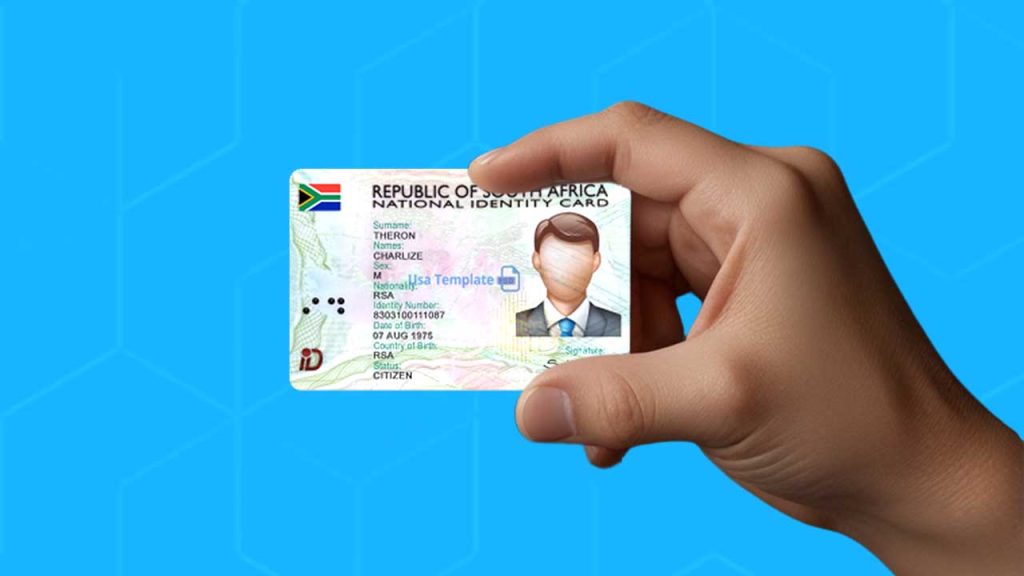
A Smart ID is South Africa’s modern version of the traditional green barcoded ID book. It’s a more secure card with embedded technology that helps prevent fraud. If you’re 16 or older, you need one—it’s essential for opening a bank account, applying for jobs, and proving who you are.
Who Can Apply for a Smart ID Online?
You can apply online if you meet these conditions:
You’re a South African citizen.
You’re applying for your first Smart ID or replacing a lost or damaged one.
You’re 16 years or older.
You have internet access to complete the online process.
Now, let’s go step by step.
Step 1: Register on the Department of Home Affairs Website
The first thing you need to do is create an account on the Department of Home Affairs eHomeAffairs portal. Here’s how:
Go to the official website: Visit the ehomeAffairs website (always use the official site to avoid scams!).
Click on ‘Register’: You’ll need to provide your ID number, email address, and phone number.
Create a password: Make sure it’s something secure but easy to remember.
Verify your account: A confirmation email will be sent to you—click the link inside to activate your account.
Once your account is set up, you’re ready for the next step.
Step 2: Fill Out the Smart ID Online Application Form
Now that you’re registered, log in and complete the application form. Here’s what to expect:
Personal Details: Full name, date of birth, and contact information.
Address: Where you currently live.
Reason for Application: First-time application, replacement, or renewal.
Tip: Double-check all the information before you submit—mistakes could cause delays!
Step 3: Book an Appointment for Biometrics
After submitting your application, you’ll need to schedule an appointment at a participating bank branch to complete the process. Why? Because the government needs to take your fingerprints and a photo to verify your identity.
Where Can You Go for Biometrics?
Not all banks offer this service, but some branches of Absa, FNB, Nedbank, and Standard Bank participate. The online system will show you available options.
How to Book Your Appointment:
Select your preferred bank branch.
Choose a date and time that works for you.
Confirm your booking.
Important: You must go to the bank in person for this step—no online shortcuts here!
Step 4: Pay the Application Fee
Applying for a Smart ID isn’t free (unless it’s your first time). Here’s what you need to know:
Application Type
Cost (ZAR)
First-time Smart ID
Free
Replacement (Lost/Damaged)
R140
How to Pay:
You can pay online using:
Credit or debit card. EFT (Electronic Funds Transfer) if your bank supports it.
Once you’ve paid, save the proof of payment—you’ll need it later.
Step 5: Visit the Bank for Biometrics
Now comes the only in-person step: your visit to the bank.
What Happens at the Bank?
They’ll scan your fingerprints.
They’ll take a digital photo.
You’ll confirm your details one last time.
What to Bring:
Your proof of payment (if applicable).
Your current ID book (if replacing it).
Any additional documents the system requested.
After this, the bank sends your application to Home Affairs for processing.
Step 6: Wait for Processing
Once your biometrics are captured, your application is officially in motion! Processing usually takes 10-14 working days, but it can sometimes be faster or slower depending on demand.
Want to check your application status? Log in to eHomeAffairs and track your progress.
Step 7: Collect Your Smart ID
Once your Smart ID is ready, you’ll get a notification. Pick it up from the same bank where you did your biometrics.
What to Bring When Collecting:
Your old ID book (if applicable).
The SMS or email notification that says your ID is ready.
Any other requested documents.
Note: Only YOU can collect your Smart ID—no one else can pick it up on your behalf!
FAQs
Question
Answer
Can I apply online if I don’t have internet?
No, you’ll need to visit a Home Affairs office instead.
What if I don’t have a bank account?
You can still apply, but you must visit a Home Affairs office for biometrics.
How long does it take to get a Smart ID?
Usually 10-14 working days after biometric capture.
Can I change my appointment date?
Yes, log in to eHomeAffairs and reschedule.
Applying for a Smart ID online in South Africa is a huge time-saver. Instead of waiting in long queues at Home Affairs, you can complete most of the process from your phone or computer. The only time you need to leave home is for biometrics—and even that is at a bank, not a government office!
By following these simple steps, you’ll have your Smart ID in no time. If you’re ready to start, head over to the eHomeAffairs website and get going!
Have questions? Drop them in the comments, and I’ll be happy to help!
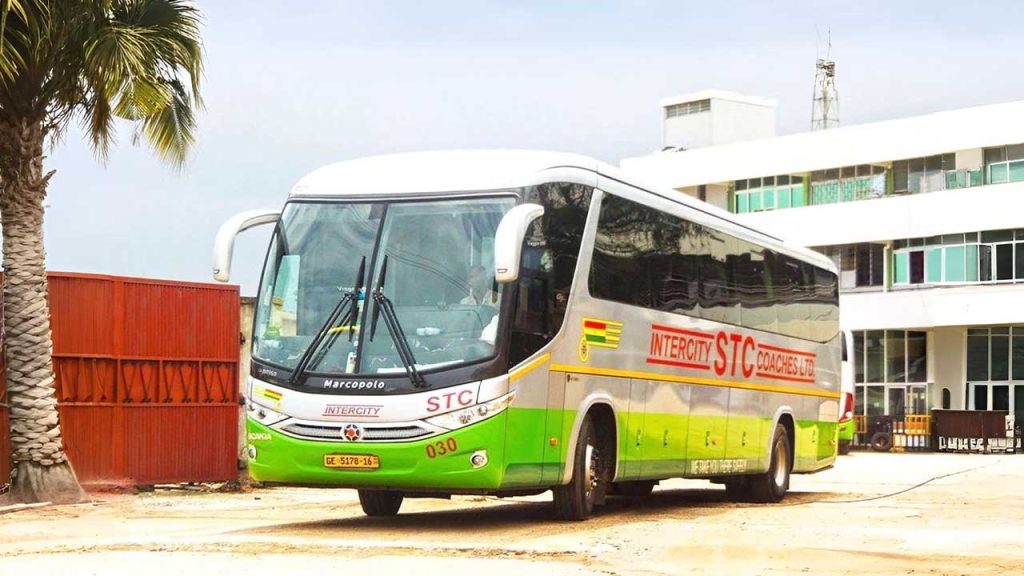
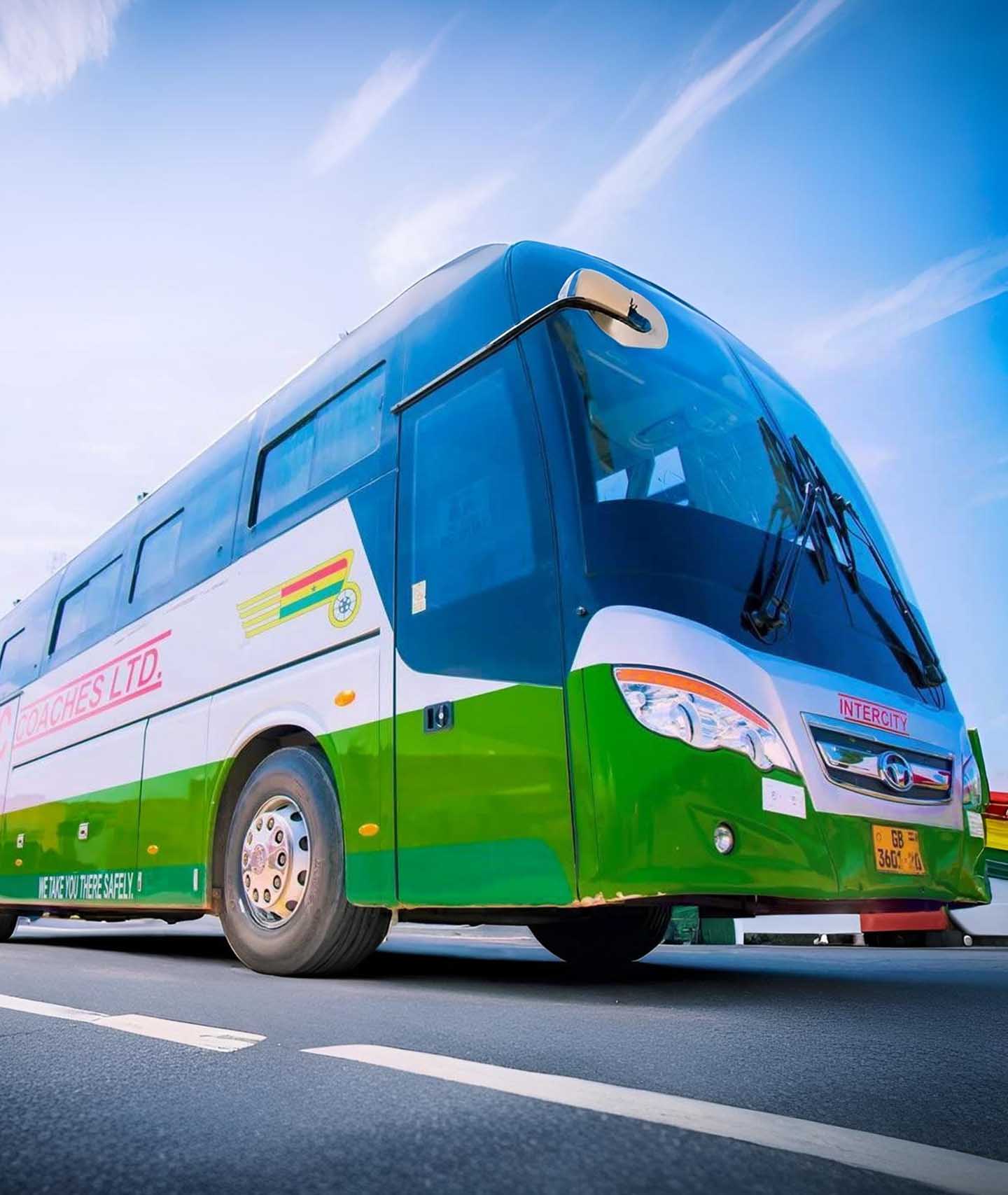
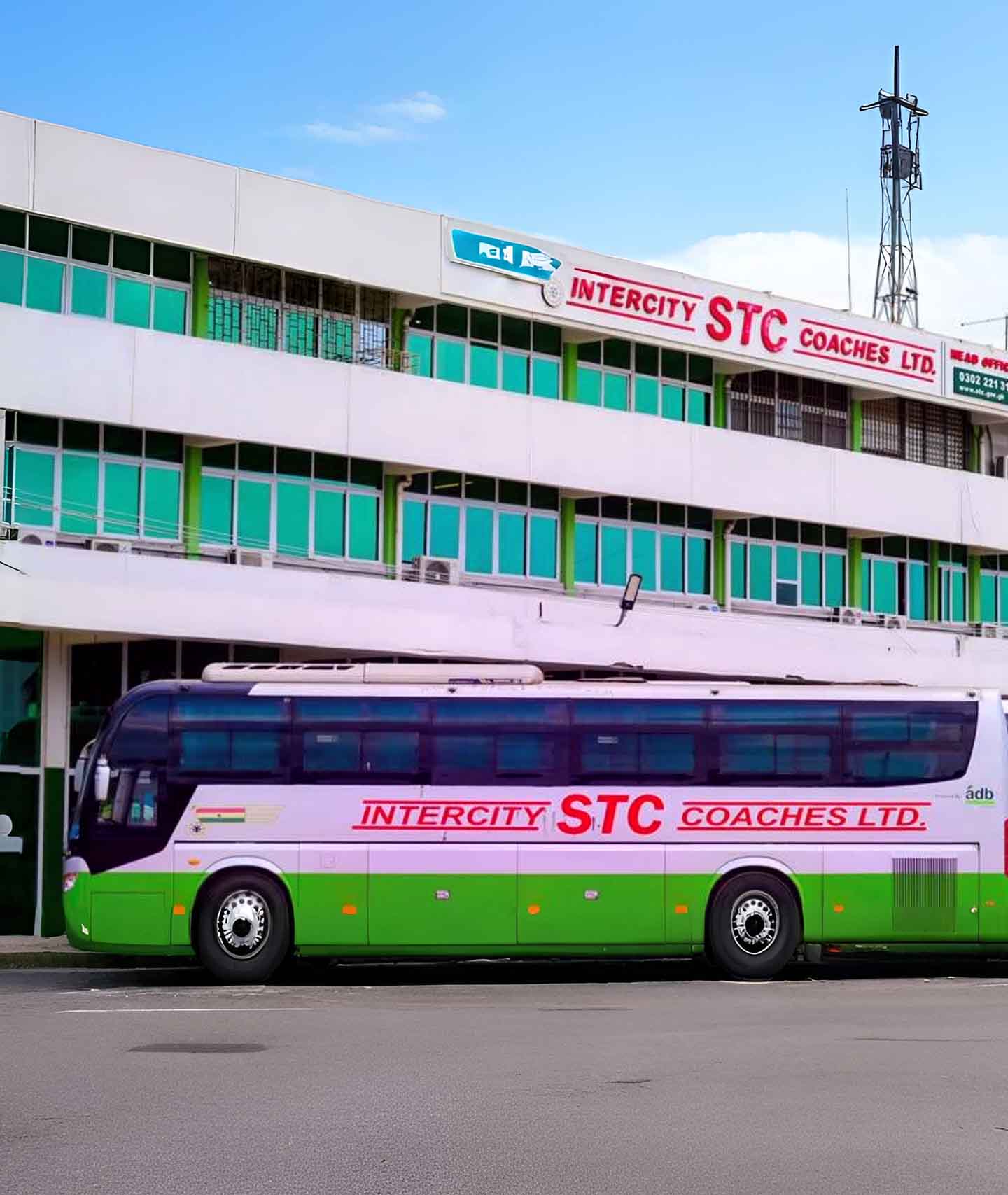
STC buses are known for their comfort, reliability, and excellent customer service. The best part? You don’t have to stand in long queues at the bus terminal to buy your ticket. Instead, you can book it online from your phone or computer in just a few minutes.
In this guide, we’ll walk you through the simple steps to book an STC bus ticket online, answer common questions, and give you some extra tips to make your trip smoother.
Why Book Your STC Bus Ticket Online?
Before we dive into the steps, let’s look at why online booking is a great option:
No Long Queues: You don’t have to waste time standing in line at the station.
Convenience: Book your ticket from anywhere—home, office, or even while on the go.
Secure Payments: Pay safely using mobile money or bank card.
Choose Your Seat: Some STC buses allow you to select your preferred seat.
Now, let’s get into how you can book your ticket online.
Step-by-Step Guide to Booking Your STC Bus Ticket Online
1. Visit the STC Ticketing Website
Open your web browser and go to stcticketing.gov.gh. This is the official website for booking STC tickets online.
2. Enter Your Travel Details
On the homepage, you’ll see fields where you need to enter:
Traveling From: Type in your current location (e.g., Accra, Kumasi, Takoradi).
Traveling To: Enter your destination.
Departure Date: Select the date you want to travel.
3. Search for Available Buses
After entering your details, click the Search button. The system will show you a list of available buses for your chosen date, along with the departure times and ticket prices.
Bus Type
Departure Time
Fare (GHS)
Express
6:00 AM
100
Standard
9:00 AM
80
VIP
12:00 PM
150
If there are no buses available for your selected date, the system will notify you.
4. Choose Your Bus and Seat
Select the bus that suits your schedule and budget. Some buses allow you to pick your seat from a seating chart.
5. Make Payment
To confirm your booking, you’ll need to pay for your ticket. STC accepts payments through:
Mobile Money (MTN, Vodafone, AirtelTigo)
Debit/Credit Card
Follow the on-screen instructions to complete your payment.
6. Receive Your Ticket
Once payment is successful, STC will send your ticket receipt to the email or mobile number you provided. Your ticket will contain important details like:
Booking reference number
Bus departure time
Seat number (if applicable)
Bus terminal location
Make sure to save this ticket or print it out for your trip.
What to Do If You Encounter Issues
Sometimes, things don’t go as planned. If you have trouble booking your ticket online or have any questions, you can visit an STC office or call customer support.
STC Physical Offices & Contact Information
Here are some key STC offices where you can get assistance:
STC Main Office (Accra)
Location: No. 1 Ajuma Crescent, opposite Awudome Cemetery, Ring Road West Industrial Area
Location: Adum Oforikrom Terminal, Workshop and Administration
Phone: 0557943607 / 0573100383 / 0573100390
Tudu Station (Accra)
Location: Opposite Kimbu Senior High School, Central Business District
Phone: 0573100340
Tips for a Smooth Travel Experience
Arrive Early: Even with an online ticket, it’s best to get to the terminal at least 30 minutes before departure.
Carry a Valid ID: Some trips may require identification for verification.
Keep Your Phone Charged: You might need to show your e-ticket on your phone.
Double-Check Your Travel Date & Time: Mistakes can happen, so always confirm your details before making payment.
Booking an STC bus ticket online in Ghana is fast, easy, and convenient. With just a few clicks, you can secure your seat and avoid the hassle of long queues at the terminal. Whether you’re traveling for business, school, or leisure, this online system makes planning your trip stress-free.
Now that you know how to book your ticket, go ahead and give it a try for your next journey. Safe travels!
Learn how to renew your NHIS (National Health Insurance Scheme) membership in Ghana quickly by dialing *929# on your phone for renewal.
Renewing your National Health Insurance Scheme (NHIS) membership in Ghana used to mean long, frustrating queues at NHIS offices. But not anymore! Now, you can do it quickly and easily from your phone, no matter where you are.
If you’ve ever wondered how to renew your NHIS membership without the stress, this guide will walk you through the entire process in a way that’s simple and easy to follow. By the end, you’ll be renewing your NHIS membership like a pro!
Why Renew Your NHIS Membership?
The NHIS gives you access to healthcare services at hospitals, clinics, and pharmacies without paying out-of-pocket for every visit. But here’s the catch: if you don’t renew your membership on time, you lose access to these benefits.
So, if you want to keep enjoying free or affordable healthcare, renewing your NHIS membership every year is a must. And the good news? You can do it right from your phone, using just a few taps.
Enough money in your mobile money account to pay the renewal fee
Your NHIS card number (the 8-digit number found on your NHIS membership ID, just below your date of birth)
Step-by-Step Guide to Renewing NHIS Membership on Your Phone
Follow these steps to renew your NHIS membership using your phone:
Step 1: Dial the NHIS Renewal Code
Open your phone’s dialer and type *929#, then press the call button.
Step 2: Select ‘Renew Membership’
You’ll see a menu on your screen with different options.
Choose Option 2 (Renew Membership) and press send.
Step 3: Choose NHIS Card
Next, select Option 1 (NHIS Card) when prompted.
Step 4: Enter Your NHIS Card Number
Type in your 8-digit NHIS card number (this is on your membership ID, just below your date of birth).
Double-check the number and enter it again to confirm.
Step 5: Make Payment
Follow the on-screen prompts to complete payment using your MTN Mobile Money, AirtelTigo Money, or Telecel Cash.
Step 6: Confirmation
Once payment is successful, you’ll receive an SMS confirming your renewal.
And that’s it! Your NHIS membership is now active for another year.
How Much Does NHIS Renewal Cost?
The renewal cost depends on your age and category. Here’s a breakdown:
Category
Renewal Fee (GHS)
Children (Below 18)
6.00
Adults (18 – 69)
28.00
The Aged (70+)
6.00
SSNIT Contributors
6.00
Important Things to Know About NHIS Renewal
Renewal is valid for one year. You’ll need to renew it every year to continue enjoying NHIS benefits.
Renew early to avoid delays. If you renew at least one month before expiry, your coverage will remain uninterrupted.
If your membership has expired for more than three months, renewal might take up to one month before it becomes active again.
Extra NHIS Services You Can Access with *929#
Besides renewal, the *929# short code allows you to:
Check your NHIS policy validity (to confirm if your membership is active)
Check NHIS medicine list (to see which medicines are covered)
Check benefit package (to know the services covered by NHIS)
Why This Mobile Renewal System is a Game-Changer
Before this system, renewing NHIS meant traveling to an NHIS office, standing in long queues, and waiting hours just to pay a renewal fee. Now, with a simple short code, you can renew your membership in minutes—no stress, no long waits, and no transport costs.
If you haven’t renewed your NHIS yet, don’t wait until you need it for a hospital visit. Dial *929# today and renew from the comfort of your home. Stay covered, stay healthy!
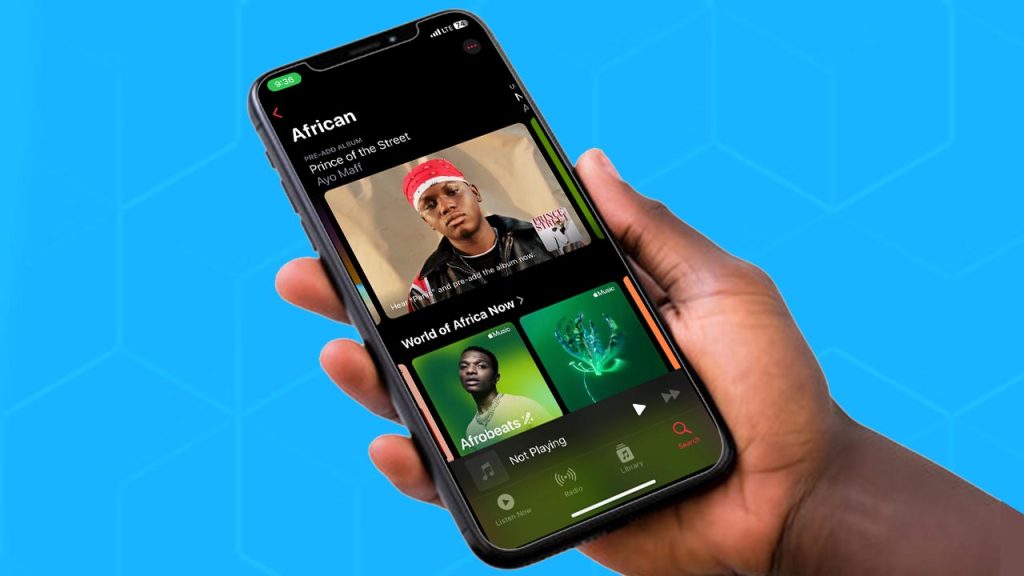
So, you want to enjoy Apple Music, but your Nigerian debit card keeps getting declined? Frustrating, right? Don’t worry—you’re not alone, and luckily, there are easy workarounds. Whether it’s Apple rejecting your card or Nigerian banks blocking international transactions, you can still subscribe without the headache.
Below are five simple ways to pay for Apple Music without a Nigerian bank card. Each method is reliable, and I’ll walk you through them like we’re chatting over a cup of coffee. Let’s dive in!
1. Use Family Sharing
Did you know you can get Apple Music without making the payment yourself? With Apple’s Family Sharing, someone with an accepted payment method (like a relative abroad) can add you to their plan. It’s like when your parents used to pay for cable TV, and you got to enjoy all the channels.
How It Works:
Ask a family member or trusted friend with a working Apple Music subscription to add you to their Apple Music Family Plan.
They can add up to six people under one subscription.
Once you’re in, you get full access without needing a bank card.
Just make sure they’re cool with covering your share or agree to reimburse them some other way.
Plan
Monthly Cost
Number of Users
Individual
₦900
1
Family
₦1,400
Up to 6
Student
₦450
1
The Family Plan is not only convenient, but it’s also cheaper per person if split properly. If you can join a group, you’re saving money while avoiding the payment stress.
2. Pay with Apple Gift Cards
Think of Apple gift cards as prepaid vouchers for Apple Music. They work just like a mobile recharge card—you buy a code, load it into your account, and boom! Your subscription is covered.
How It Works:
Buy an Apple/iTunes gift card from platforms like Prestmit, Konga, or Cardtonic.
The seller will send you a 16-digit code.
Open your iPhone or iPad and go to the App Store.
Tap your profile, select Redeem Gift Card or Code, and enter the digits.
Your account balance updates, and Apple deducts your subscription from there.
Gift cards are a one-time purchase, meaning no auto-renewals. If you don’t want recurring deductions, this is a great option.
3. Use a Virtual Dollar Card
Nigerian banks might block your card, but virtual dollar cards bypass that issue. These are online prepaid cards loaded with USD, which work like regular debit cards for international transactions.
How It Works:
Sign up for a virtual dollar card from services like Chipper Cash, Geegpay, or Grey.
Fund your card with naira—it converts to dollars.
Use the virtual card details to pay for Apple Music like you would with a normal debit card.
Platform
Supports Apple Music?
Deposit Methods
Chipper Cash
Yes
Bank transfer, crypto
Geegpay
Yes
Bank transfer
Payday
Yes
Bank transfer, mobile money
This is one of the most seamless methods since you’re essentially paying the way Apple expects—through a card that works internationally.
4. Pay with MTN Airtime
Yes, you read that right. MTN lets you pay for Apple Music directly from your airtime balance. If you’re an MTN subscriber, this could be the most convenient method for you.
How It Works:
Ensure you have at least ₦1,000 airtime on your MTN line.
Send “MUSIC” to 8000 via SMS.
MTN will deduct the subscription fee directly from your balance.
You’ll receive a confirmation SMS, and your Apple Music will be activated.
The only catch? Not all MTN users are eligible, so you’ll need to check if it works for your line first.
5. Use an International Payment Service (Wise, Payoneer, etc.)
If you have a Payoneer or Wise (formerly TransferWise) account, you can generate a virtual international bank card that works for Apple Music.
How It Works:
Sign up for an account on Wise or Payoneer.
Get a foreign virtual card (USD, EUR, or GBP).
Fund the card through a bank transfer.
Use the card details to subscribe to Apple Music.
This is a great long-term solution if you plan to make multiple international transactions, not just for Apple Music.
Final Thoughts
There you have it—five easy ways to pay for Apple Music in Nigeria without a local debit card. No more declined payments, no more frustration. Here’s a quick recap:
Method
Pros
Cons
Family Sharing
Cheapest if shared with others
Requires a family member with a working card
Gift Cards
One-time payment, no auto-renewal
Needs to be repurchased manually
Virtual Dollar Card
Works for multiple subscriptions
May have extra charges
MTN Airtime
Simple and accessible
Not available for all users
International Payment Services
Works for multiple services
Requires account setup
So, which one works best for you? If you have a friend or family member with an Apple Music subscription, Family Sharing is the easiest. If you prefer a one-time purchase, go for gift cards. If you need a recurring payment method, try virtual dollar cards or Wise/Payoneer.
No more missing out on your favorite songs—pick the best method for you and start streaming today!
Imagine stepping into a place where every corner buzzes with energy, where the latest gadgets, spare parts, and tech experts all come together in one chaotic but fascinating space. That’s Computer Village for you—the biggest ICT (Information and Communications Technology) accessories market in Africa, right in the heart of Ikeja, Lagos.
Computer Village isn’t just a marketplace; it’s a city within a city. From dawn to dusk, traders, technicians, and customers fill its streets, making deals, fixing devices, and hunting for the best tech bargains. Whether you need a new phone, a laptop charger, or someone to fix your cracked screen, this is the place to go.
It wasn’t always here, though. In the early 1990s, the market was in Surulere before moving to its current location in Otigba, Ikeja. Over time, it has grown into the powerhouse it is today, attracting traders and buyers from all over Nigeria and even beyond.
What Can You Find in Computer Village?
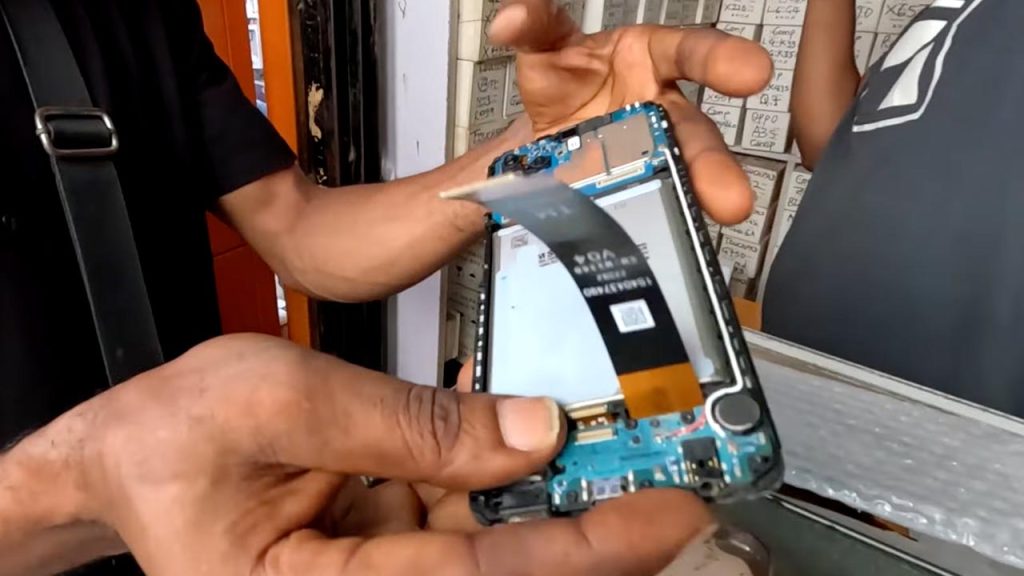
At Computer Village, almost anything tech-related is up for grabs. You’ll find brand-new gadgets, fairly used (London-used) devices, spare parts, and software solutions. But the market isn’t just about sales; it’s also a hub for repairs. There are skilled engineers and technicians who specialize in fixing mobile phones and computers—whether it’s a software glitch or a hardware problem. If your phone screen suddenly goes blank, chances are you’ll find someone here who can fix it in minutes.
How the Market Works
One thing that makes Computer Village unique is its open competition. No single dealer controls prices; instead, sellers compete, which means buyers can often negotiate and find great deals. If you walk through the market, you’ll hear traders calling out prices and offering discounts. But don’t just go for the first deal—bargaining is key here.
Another interesting thing is that there’s almost no barrier to entry. If you have tech skills or want to start selling gadgets, you can jump into the market. That’s why many young entrepreneurs and engineers see it as a great place to build their businesses.
The Good, The Bad, and The Controversial
Like any major marketplace, Computer Village has its downsides. With so many traders, it’s not surprising that a few bad eggs try to take advantage of customers. Some people have lost money to fake products, unqualified repairmen, or outright scams. Stories of stolen phones being resold in the market have also raised concerns. However, organizations like the Computer and Allied Products Dealers Association of Nigeria (CAPDAN) are working to regulate activities and ensure customers can trust who they are buying from.
The Future of Computer Village
The Lagos State Government has plans to relocate the market to Katangowa, a larger space where traders can operate in a more organized environment. While this move is still in the works, one thing is certain—Computer Village isn’t going anywhere in terms of influence. As technology continues to grow in Nigeria, this market will keep evolving, providing jobs, business opportunities, and solutions to millions.
Computer Village is more than just a market—it’s a tech hub, a repair center, and a business incubator all rolled into one. It’s a place where someone can start with a single stall and grow into a major tech dealer. If you’ve never been there, visiting might just give you a whole new appreciation for Nigeria’s tech scene.
If you love shopping but prefer breaking your payments into smaller chunks, you’re probably familiar with Fingerhut. It lets you buy now and pay later, making it easier to afford big purchases without stressing your wallet. But Fingerhut isn’t the only option out there. Plenty of other websites offer flexible payment plans, whether you’re shopping for furniture, electronics, clothes, or even gifts.
Let’s dive into 15 great alternatives to Fingerhut, explaining what makes each one special and why they might be the right fit for you.
1. Montgomery Ward
Montgomery Ward has been in the buy now, pay later (BNPL) game for over a century. They offer furniture, home décor, electronics, and more, all with affordable monthly payment plans through their own credit system.
Why You’ll Like It:
Long history of reliable service
Offers a wide variety of products
Monthly payments with their store credit
2. Seventh Avenue
Seventh Avenue focuses on stylish home décor, furniture, and gifts. If you like decorating your space or finding unique home items, this is a great option.
What Makes It Stand Out:
Flexible payment plans
Great for furniture and home décor lovers
Easy credit approval process
3. Miles Kimball
If you’re into personalized gifts, kitchen gadgets, and home décor, Miles Kimball is a fun alternative. They offer BNPL options similar to Fingerhut, making it easier to grab unique finds without paying upfront.
Why You Might Like It:
Specializes in personalized gifts
Flexible payment plans
Great for home organization items
4. Walmart
Yes, Walmart! While it’s known for low prices, Walmart also offers BNPL options through services like Affirm and Klarna. Whether you’re buying electronics, groceries, or furniture, you can spread out payments.
What’s Great About Walmart BNPL:
Huge product selection
Available online and in stores
Partnered with multiple BNPL providers
5. Harriet Carter
Harriet Carter focuses on unique gifts, home solutions, and personal care products. Their flexible credit plans make it easy to shop for practical household items without immediate full payment.
Why It’s Worth Considering:
Affordable home essentials
BNPL options available
Personalized and practical gifts
6. Kohl’s
Kohl’s is a well-known department store offering everything from clothing to electronics. They have a “Buy Now, Pay Later” option through Affirm, making it easier to budget your purchases.
Why You Should Check It Out:
Frequent discounts and deals
Wide variety of products
Flexible payment plans via Affirm
7. Home Shopping Network (HSN)
HSN is great for finding daily deals on beauty, electronics, and home goods. Their Easy Pay system allows you to split payments into smaller amounts over time.
What You’ll Love:
Great for TV shoppers who love deals
Installment payments without interest
Large variety of products
8. Stoneberry
Stoneberry works just like Fingerhut, offering flexible credit terms on electronics, fashion, and more. Payments can be as low as $5.99 per month.
What Stands Out:
Low monthly payments
Easy credit approval
Wide product range
9. Bed Bath & Beyond
Though known for home goods, Bed Bath & Beyond partners with BNPL services to let you split payments on furniture, kitchen gadgets, and décor.
Why Consider It?
Frequent sales and discounts
Flexible payment options
Great for home essentials
10. ShopHQ
ShopHQ specializes in home appliances, beauty products, and jewelry. They offer BNPL plans to help customers spread out costs on bigger-ticket items.
Why Shop Here:
Niche product selection
Installment payments available
Personalized shopping experience
11. Afterpay
Afterpay isn’t a store but a BNPL service that partners with many retailers. It lets you shop and split your payment into four interest-free installments.
What’s Good About Afterpay:
No interest if paid on time
Accepted at thousands of stores
Ideal for fashion, beauty, and home goods
12. Klarna
Klarna works like Afterpay but gives you multiple payment options, such as paying within 30 days or splitting purchases into four payments.
Why It’s a Strong Alternative:
Accepted at many retailers
Different payment plan choices
Easy-to-use app for tracking payments
13. Affirm
Affirm lets you spread payments over 3 to 36 months. It’s a great alternative for big purchases like furniture and electronics.
Why People Love Affirm:
Transparent pricing with no hidden fees
Long-term financing options
Works with major retailers
14. QVC Easy Pay
QVC is famous for its home shopping channel, but its Easy Pay option lets you split payments into five equal, interest-free installments.
Why It’s a Solid Choice:
No interest on installment payments
Wide variety of products
Trusted brand with great customer service
15. Perpay
Perpay is designed for people with low credit scores. It lets you shop and pay off purchases through payroll deductions, helping you build credit.
What’s Unique About Perpay:
No credit check required
Helps improve your credit score
Easy payroll-deducted payments
Comparison Table: Best Fingerhut Alternatives
Website
Product Focus
Payment Plan Type
Montgomery Ward
Furniture, electronics
Store credit
Seventh Avenue
Home décor, gifts
Monthly payments
Miles Kimball
Personalized gifts
Flexible payments
Walmart
Everything
BNPL via Affirm, Klarna
Harriet Carter
Home & personal care
Installments
Kohl’s
Clothing, electronics
Affirm BNPL
HSN
Beauty, home goods
Easy Pay
Stoneberry
Electronics, fashion
Low monthly payments
Bed Bath & Beyond
Home goods
BNPL options
ShopHQ
Jewelry, beauty
BNPL options
Afterpay
Various retailers
4 interest-free payments
Klarna
Various retailers
Flexible BNPL options
Affirm
Electronics, furniture
3-36 month financing
QVC Easy Pay
Home shopping
5 equal installments
Perpay
General shopping
Payroll-deducted payments
FAQs
Is there another website like Fingerhut?
Yes, similar websites include Zebit, Stoneberry, and MDG, which offer buy now, pay later (BNPL) options with flexible payment plans.
Fingerhut offers a revolving credit account, which functions like a store credit card but can only be used for purchases through Fingerhut.
Why is Fingerhut so expensive?
Fingerhut’s prices tend to be higher due to financing costs, interest rates, and the convenience of its credit-based purchasing system.
What is a cheaper BNPL option compared to Fingerhut?
Afterpay and Klarna provide interest-free installment plans, making them some of the most cost-effective alternatives.
Can BNPL services be used for daily purchases?
Yes, many BNPL platforms support purchases of everyday essentials, including groceries, clothing, and household goods.
Is Afterpay a better choice than Fingerhut?
Since Afterpay offers interest-free payments, it is often a more budget-friendly alternative to Fingerhut, which typically has higher interest rates.
Finding the right Fingerhut alternative depends on what you’re looking for. If you want easy monthly payments, Montgomery Ward or Stoneberry might be best. If you prefer interest-free installments, Afterpay and QVC Easy Pay are solid choices. And if you’re looking to improve your credit, Perpay is a smart option.
No matter your shopping needs, there’s a BNPL option that fits your lifestyle. Happy shopping!
Buy Now, Pay Later (BNPL) services are transforming how Africans shop, making it easier for people to afford everyday items without paying the full price upfront.
Instead of waiting months to save up, BNPL allows customers to get what they need now and spread the payments over time. While global platforms like Fingerhut have long offered similar installment-based shopping options, Africa’s BNPL startups are now making waves in this growing industry. Let’s explore the top BNPL startups in Africa driving this change.
1. Motito
Founded in 2021, Motito is a fast-rising BNPL platform that enables shoppers to purchase a wide range of products, from fashion to electronics, and pay in installments. Customers can choose flexible repayment options that match their budget, making big purchases more manageable.
Why Motito Stands Out:
Quick approval process
Easy-to-use platform
Multiple payment plans
Partnerships with local merchants
Motito’s ability to collaborate with retailers has made it a top choice among African shoppers.
2. CDcare
CDcare was founded in 2020 by Oluwatobi Odukoya and Ayodeji Farohun to help Nigerians acquire electronics and smartphones without paying the full cost upfront. The platform requires a small deposit, after which users can pay the balance in monthly installments.
What Makes CDcare Special:
Ideal for buying smartphones and electronics
Simple tracking of installment payments
Affordable options for premium devices
Growing popularity among tech-savvy Nigerians
3. Payflex
Based in South Africa and founded in 2017, Payflex has revolutionized online shopping by allowing customers to split payments into four interest-free installments. This makes it easier for people to afford items without financial strain.
Feature
Details
Founded
2017
Location
South Africa
Installments
4 interest-free payments
Growth Rate
119% over 5 years
Payflex’s strong performance is backed by $500K in funding and a growing base of satisfied customers.
4. Mobicred
Mobicred, founded in 2013, is one of South Africa’s oldest BNPL platforms. Instead of a fixed installment plan, it offers customers a revolving credit facility, allowing them to make multiple purchases and repay at their own pace.
Key Benefits of Mobicred:
Access to thousands of retailers
Single monthly repayment option
Credit limit that resets as payments are made
This approach has made Mobicred a go-to option for South Africans looking for flexible credit solutions.
5. Carbon
Carbon started as a digital bank in Nigeria but later introduced BNPL services. Since 2016, it has helped users make purchases both online and in-store with a four-installment, zero-interest payment plan.
What Makes Carbon Unique:
Interest-free installment plans
User-friendly app
Expanding network of partner stores
Supports financial inclusion in Nigeria
6. Zilla
Launched in 2020 in Lagos, Zilla simplifies BNPL by allowing shoppers to split payments into smaller chunks, reducing financial stress. Merchants also benefit from increased sales as more customers can afford to shop.
Why People Love Zilla:
Boosts sales for merchants
Flexible installment plans
Popular among small and big retailers
Strong presence in Nigeria’s e-commerce space
7. Lipa Later
Lipa Later is a leading BNPL provider in East Africa, founded in 2018 in Nairobi, Kenya. The company operates in Kenya, Uganda, and Rwanda, offering installment payments for electronics and household goods.
Feature
Details
Founded
2018
Headquarters
Nairobi, Kenya
Countries
Kenya, Uganda, Rwanda
Focus
Electronics, household items
Lipa Later’s strategic partnerships with e-commerce platforms have made it a major player in East Africa.
8. CredPal
CredPal, founded in 2018, is one of Nigeria’s top BNPL platforms. It works by allowing customers to make purchases using credit at the point of sale, which they can pay off later in flexible installments.
What Makes CredPal a Market Leader:
Large network of merchants
Easy access to credit
Expanding services beyond Nigeria
CredPal continues to attract users looking for simple and reliable financing options.
9. EasyBuy
EasyBuy, founded in 2019, specializes in helping Nigerians afford smartphones and electronics through installment payments. It has built a strong reputation by partnering with phone retailers to offer installment plans directly in stores.
EasyBuy’s Key Features:
Focuses on smartphones and gadgets
In-store financing available
Accessible to a wide range of income levels
10. PayJustNow
PayJustNow is a major BNPL provider in South Africa, offering shoppers a way to divide their payments into three equal, interest-free installments. Since its launch in 2019, the platform has gained popularity for its ease of use and focus on responsible spending. In 2022, Weaver Fintech acquired PayJustNow, boosting its expansion and market presence. The service is available at numerous online and physical stores, giving consumers greater flexibility in managing their purchases.
Why PayJustNow Is Gaining Traction:
Seamless payment process
Attractive to younger demographics
Helps businesses increase customer spending
11. LayUp
LayUp is a South African BNPL provider that simplifies payments for consumers. Founded in 2019, the platform enables customers to pay in interest-free installments, offering better financial control. LayUp has grown by integrating its service into various industries, including healthcare, education, and retail. Unlike many BNPL services focused on everyday shopping, LayUp prioritizes essential purchases, making financial flexibility available for critical expenses beyond consumer goods.
The Future of BNPL in Africa
BNPL services in Africa are growing fast, making shopping more affordable for millions of people. With companies expanding into more regions and improving their offerings, customers can expect even more flexible and accessible payment solutions.
As financial technology (fintech) continues to evolve, BNPL is set to play a bigger role in bridging the credit gap in Africa, making essential goods and services more accessible to everyone. Whether you’re looking for a new smartphone, household appliances, or even fashion items, there’s a BNPL provider ready to help you buy now and pay later!
Gift card trading is a big deal in Nigeria. Many people get gift cards from friends, family, or giveaways but can’t use them directly. Instead of letting them sit unused, you can exchange them for cash or cryptocurrency. But where do you trade them safely? Let’s talk about the top seven platforms that make it easy and safe to convert your gift cards to naira.
What is the Best Platform to Trade Gift Cards in Nigeria?
There’s no single best platform because different people have different needs. Some platforms offer higher rates, while others focus on speed, reliability, or security. Here are seven trusted platforms you can use:
1. Prestmit
Supports both cash and crypto payments
User-friendly mobile app
Quick transaction processing
Live chat customer support
Prestmit is one of the most popular platforms in Nigeria for trading gift cards. It allows you to sell various types of gift cards, including Amazon, iTunes, Google Play, and Steam, for either cash or Bitcoin. The app is easy to use, and transactions are usually processed fast.
2. Cardtonic
Competitive exchange rates
Fast transaction process
Mobile app for iOS and Android
Supports multiple payment options
Cardtonic is another solid option if you’re looking for great rates and a seamless experience. You can trade directly through their app, and payments are processed quickly. They support a wide range of gift cards, from Visa gift cards to gaming and shopping cards.
3. GiftCardsToNaira
Instant payments
24/7 customer support
Simple and fast sign-up process
This platform specializes in converting gift cards to naira instantly. If you need your money fast, GiftCardsToNaira is a great choice. Their website and app are simple to use, and you can get started in minutes.
4. Paxful
Peer-to-peer marketplace
Trade gift cards for Bitcoin
Multiple payment options
Highly secure platform
Paxful works differently from other platforms on this list. It’s a peer-to-peer marketplace where buyers and sellers connect to exchange gift cards for Bitcoin or other digital assets. While it’s secure, you need to be cautious and only trade with verified users.
5. Nosh
Competitive rates
Fast transactions
Mobile app available
Nosh is known for offering competitive rates on gift card exchanges. Their app makes it easy to complete trades, and they provide a secure environment for transactions.
6. Apexpay
Supports multiple gift card types
Easy withdrawal process
Secure trading platform
Apexpay is a reliable option that supports various gift cards, including Steam, eBay, Google Play, and Amazon. They offer good rates and ensure a smooth withdrawal process for users.
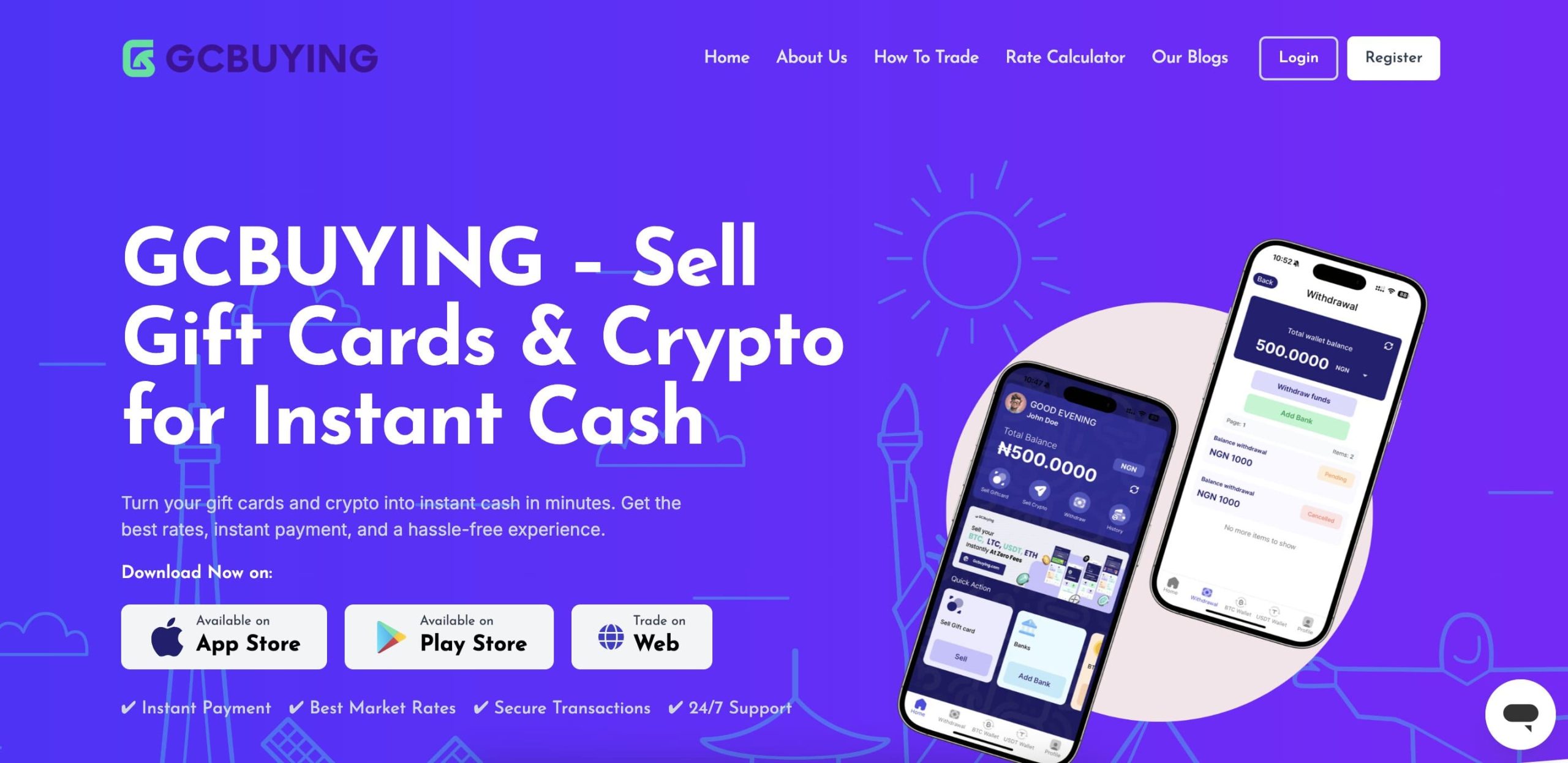
7. GC Buying
High exchange rates
Fast processing time
Great customer service
GC Buying is a top choice if you’re looking for some of the best rates in the market. Their customer service is also known to be responsive, making it a trustworthy option for gift card traders in Nigeria.
How to Trade a Gift Card in Nigeria
Trading a gift card in Nigeria is simple. Here’s a step-by-step guide to help you:
Choose a Platform: Pick one from the list above based on your needs.
Create an Account: Sign up with your email and phone number.
Select Your Gift Card: Choose the type of gift card you want to trade (Amazon, Steam, iTunes, etc.).
Upload the Gift Card Details: This usually includes the card’s code and value.
Get an Offer: The platform will show you how much they are willing to pay for your card.
Accept and Get Paid: Once you accept the offer, your payment is processed within minutes or hours, depending on the platform.
Can Gift Cards Be Sent Directly to Friends and Family?
Yes! Gift cards are designed to be sent directly to friends and family as a way of giving them access to specific stores, services, or digital platforms. Most gift cards come in two forms: physical cards and digital (eGift) cards.
Physical Gift Cards: These are plastic cards that you can buy from stores and give to someone in person or by mail.
Digital Gift Cards: These are codes sent via email or text, which the recipient can redeem online.
How to Send a Gift Card to Someone
Choose the Type: Decide whether you want a physical or digital gift card.
Pick a Brand: Select a gift card for a store or service the recipient will find useful (Amazon, iTunes, Google Play, etc.).
Purchase the Card: Buy it online or in-store.
Send the Card:
For digital cards, enter the recipient’s email or phone number during checkout.
For physical cards, mail it or hand it to them personally.
Things to Consider
Some gift cards are region-locked, meaning they can only be used in specific countries.
Always check the expiration date before sending a gift card.
If buying online, ensure you’re purchasing from a trusted website to avoid scams.
What is the Best Gift Card Site in Nigeria?
There’s no single “best” site for everyone, but if you want:
Best Rates: GC Buying and Cardtonic
Fast Payments: GiftCardsToNaira and Prestmit
Crypto Payouts: Paxful and Prestmit
Ease of Use: Cardtonic and Nosh
Gift card trading in Nigeria is a great way to turn unused gift cards into cash. With platforms like Prestmit, Cardtonic, and GiftCardsToNaira, you can trade safely and quickly. Always check the current rates and ensure you’re using a trusted platform to avoid scams. Happy trading!
Electric vehicles (EVs) are taking over the world, and Nigeria is no exception. With rising fuel costs and increasing environmental concerns, Nigerian companies are stepping up to build EVs that are practical, affordable, and suited for local conditions. Whether it’s electric motorcycles for delivery riders, taxis for city commuters, or cargo vans for businesses, these companies are making serious moves. Here’s a closer look at some of the Nigerian EV companies leading the charge.
1. MAX
Founded: 2015
Total Funding: $39.6 million
Flagship EV: MAX M3 Electric Bike
Range: 80-110 km per charge
Top Speed: 85 km/h
MAX started as a logistics company but shifted focus to EVs when the government banned commercial motorcycles in some Nigerian cities. Their MAX M3 electric bike is designed for commercial use, offering a smooth ride and a decent travel range. The company also provides financing options, making it easier for transport operators to own EV bikes. With over 45,000 users on its platform, MAX is setting the pace for electric two-wheelers in Nigeria.
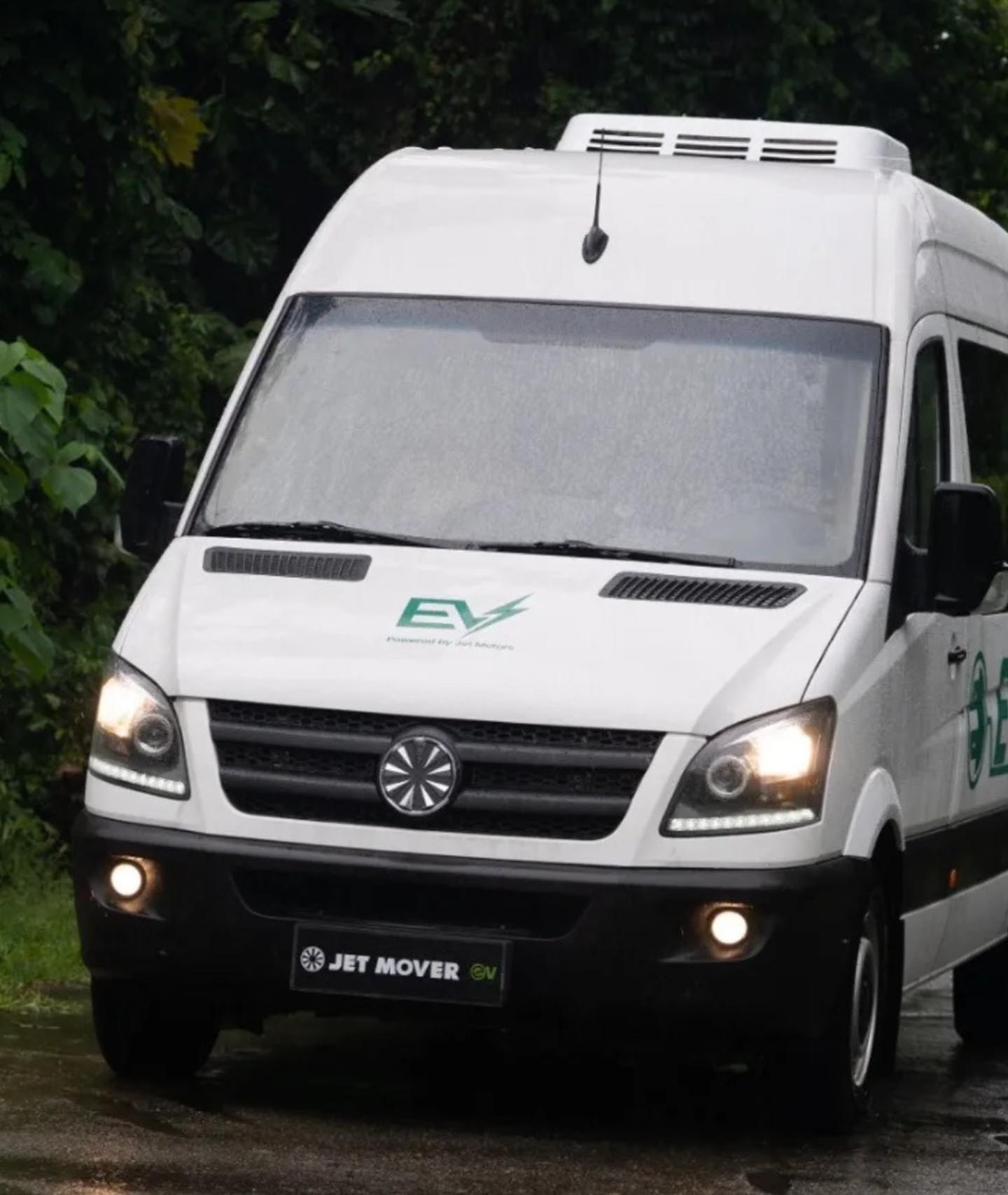
2. Jet Motor Company
Founded: 2018
Total Funding: $9 million
Flagship EV: Jet EV Van
Range: 300 km per charge
Battery Capacity: 107.8 kWh
Jet Motor Company wants to be the “Tesla of Africa.” It has already supplied electric vans to the Nigerian government and logistics giant GIGL. Designed to handle Nigeria’s rough roads, the Jet EV comes with reinforced shock absorbers, bigger tires, and higher ground clearance. With more companies looking for cleaner transportation options, Jet Motor Company is poised for bigger things.
3. Siltech
Founded: 2016
Total Funding: $3 million
Flagship EV: Falcon Three-Wheeler
Range: 300 km per charge
Siltech focuses on three-wheeled EVs, perfect for delivery services and short-distance transport. It recently partnered with Glovo to provide electric delivery bikes in Lagos. The company has also set up 10 EV service centers, making it easier for users to charge or swap their batteries. With plans to scale up production, Siltech could soon become a household name in Nigeria’s EV space.
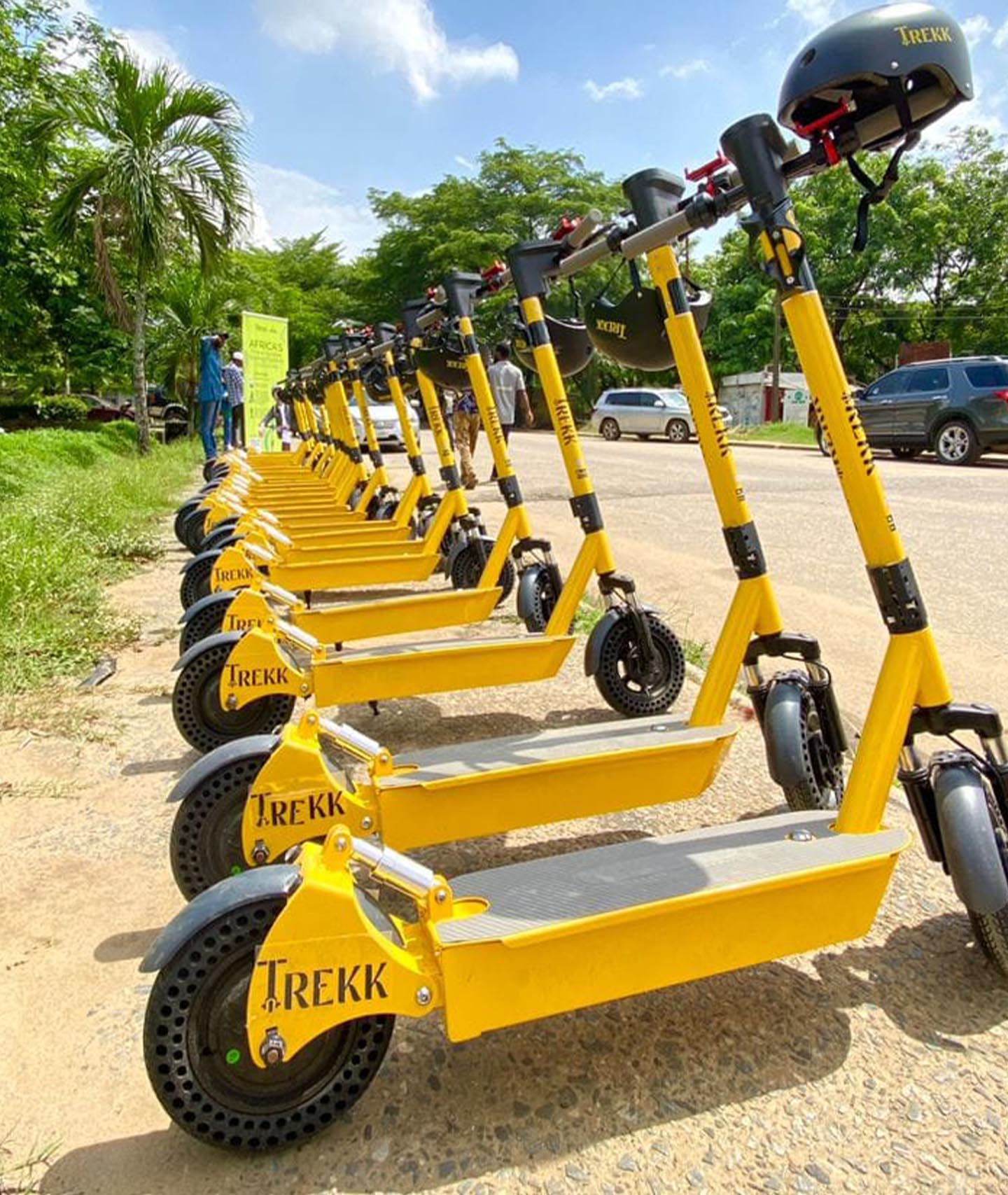
4. Trekk Scooters
Founded by: Isaac Oyedokun, Praise Sakanwi, Jean-Noël Bayi
Available In: Select Nigerian universities
Trekk Scooters is an innovative startup offering electric scooter-sharing services in Nigerian universities like Lagos State University and Pan-Atlantic University. Users can rent scooters through a mobile app, making it a convenient option for short commutes. To ensure safety, Trekk scooters are geo-fenced, preventing them from being used outside designated areas. While still in its early stages, this concept could revolutionize urban mobility in Nigeria.
5. Possible EVs
Founded: 2021
Total Funding: $5 million
Flagship Service: EV Taxi
Range: 400 km per charge
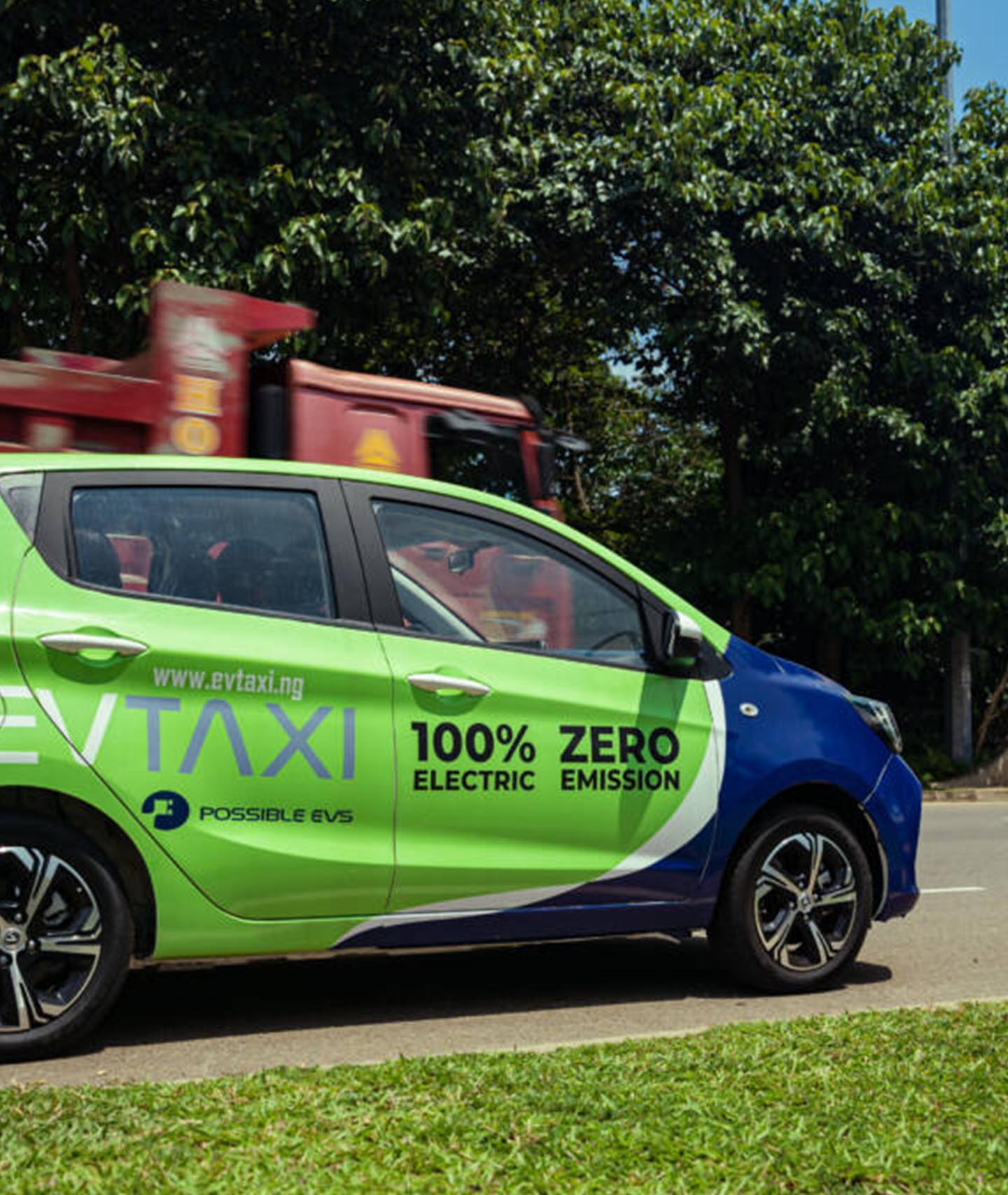
Possible EVs launched Nigeria’s first electric taxi service to challenge misconceptions about EVs. Their taxis are currently being tested in Abuja, with plans to expand to Lagos and Akwa Ibom. With a strong focus on affordability and reliability, this company is on a mission to make electric taxis mainstream.
6. EMVC
Founded by: Prince Mustapha Audu
Flagship EVs: Adoja M1 & Adoja M2
Range: 250 km per charge
EMVC is one of the few Nigerian companies producing four-wheeled EVs. Their Adoja M2 model features air conditioning, a reverse camera, and a solid range of 250 km per charge. Unlike many local EV startups focused on two or three-wheelers, EMVC is trying to make full-sized electric cars a reality in Nigeria.
Challenges Facing Nigerian EV Companies
While these companies are making impressive progress, they still face some hurdles:
Challenge
Explanation
High Production Costs
EV batteries make up nearly 50% of the total cost, making it expensive to produce four-wheeled EVs.
Charging Infrastructure
Nigeria still lacks widespread EV charging stations, limiting adoption.
Government Support
Unlike global EV giants like Tesla, Nigerian startups receive little financial backing from the government.
Consumer Awareness
Many Nigerians are still skeptical about EVs due to concerns about reliability and range.
The Future of EVs in Nigeria
Despite these challenges, Nigeria’s EV industry is growing fast. The government has drafted a national EV action plan, which, if implemented, could help local startups scale production and improve infrastructure. With the right support, these companies could position Nigeria as a key player in Africa’s electric vehicle market.
The Nigerian EV industry is still young, but the companies listed above are proving that clean and sustainable transportation is possible. Whether it’s electric motorcycles, vans, scooters, or taxis, each of these startups is solving real problems and shaping the future of mobility in Nigeria. If the industry continues to grow, Nigeria could soon be a leader in Africa’s EV revolution.
Kofa, an industry leader in energy infrastructure solutions in Ghana, and Max, a trailblazer in electric vehicle technology across Africa, have unveiled an exciting partnership to finance TAILG Jidi motorcycles.
This collaboration aims to extend financing options for up to 2,000 TAILG Jidi motorcycles, a joint venture between Kofa and TAILG.
Max’s financing initiatives for these electric motorbikes will democratize access to eco-friendly transportation, advancing the shared vision of a sustainable future embraced by both companies.
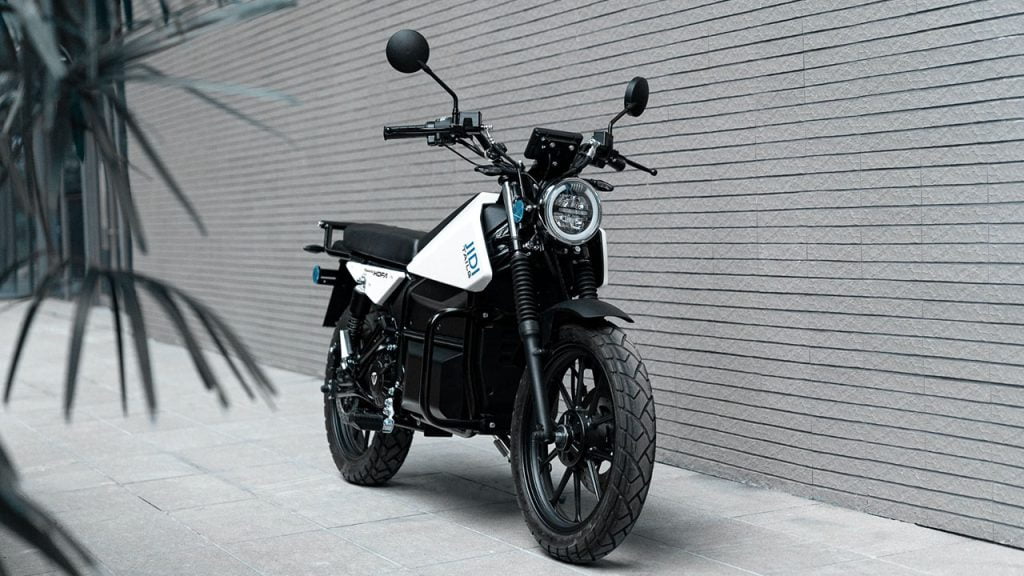
The TAILG Jidi Motorcycle, born from the collaboration between Kofa and TAILG, epitomizes the future of environmentally conscious mobility. Engineered to meet the burgeoning demand for sustainable urban transport solutions, these motorcycles offer a range of up to 100km and average speeds of 47km/h, with a maximum speed capability of 85km/h.
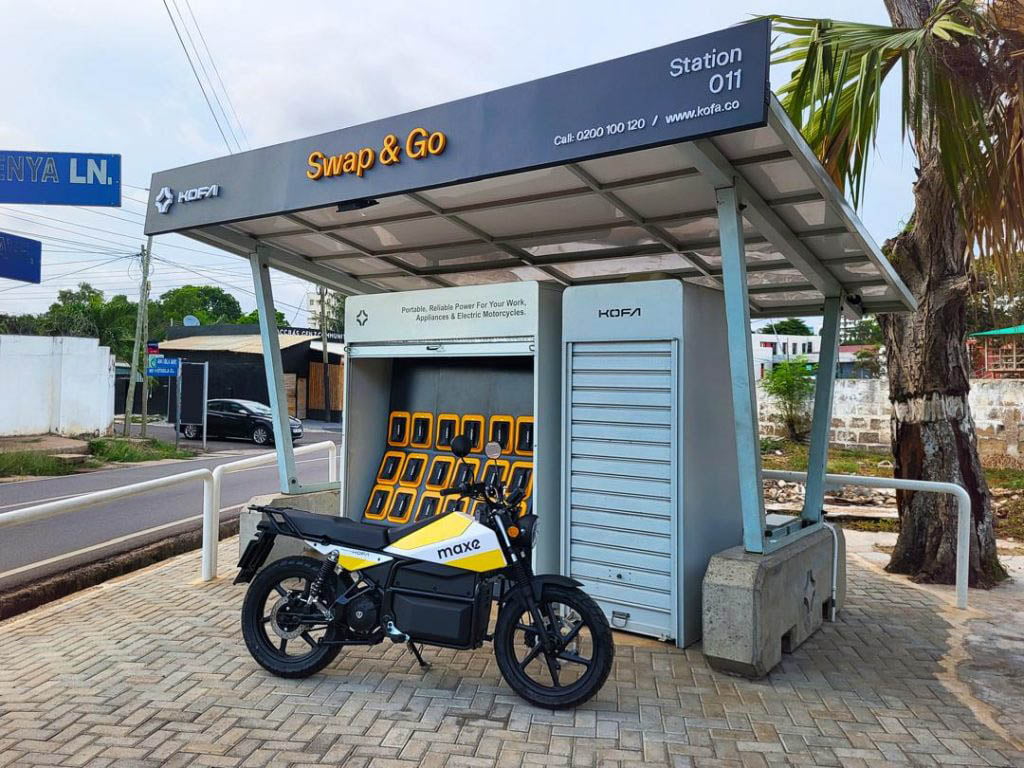
Powered by two 2.3kWh Kofa Kore2 batteries renowned for their durability and dependability, the TAILG Jidi is further optimized by the Kofa Swap & Go Network. This innovative service streamlines battery exchange, ensuring seamless operations for gig workers without prolonged downtime.
Through this strategic alliance, Ghana is poised to embrace a more interconnected future, characterized by sustainable and reliable transportation options. This concerted effort will not only enhance mobility but also invigorate Ghana’s economy by facilitating the efficient movement of people and goods across the nation.