As the global push towards sustainability intensifies, Africa is stepping into the limelight with significant strides in renewable technology. Rich in solar, wind, hydro, and geothermal resources, the continent is uniquely positioned to pioneer innovative green solutions. This article highlights the top ten African countries leading the charge in renewable technology, showcasing their initiatives, achievements, and future potential.
1. Kenya
Kenya is a trailblazer in geothermal energy, harnessing volcanic activity along the Great Rift Valley. The Olkaria Geothermal Plant, one of the largest of its kind in the world, exemplifies Kenya’s commitment to expanding its geothermal capabilities, which supply a significant portion of the nation’s energy needs.
2. Morocco
Morocco is making remarkable headway in solar energy with the Ouarzazate Solar Power Station, also known as Noor, which is one of the largest solar farms globally. This ambitious project is part of Morocco’s plan to derive over 40% of its energy from renewable sources by 2030.
3. South Africa
South Africa’s renewable energy sector is rapidly growing, driven by the Renewable Energy Independent Power Producer Procurement Programme (REIPPPP). The country is increasingly investing in both solar and wind projects, aiming to reduce its reliance on coal and enhance energy security.
4. Egypt
With its sunny weather and high wind speeds, Egypt is ideal for both solar and wind power. The Benban Solar Park, which aims to be one of the largest solar installations worldwide, and the Zaafarana wind farm, are pivotal in Egypt’s energy transformation efforts.
5. Ethiopia
Ethiopia is investing heavily in hydropower with the Grand Ethiopian Renaissance Dam (GERD), set to be the largest hydroelectric power plant in Africa upon completion. Ethiopia’s vast hydropower initiatives are crucial for its plans to become a major electricity exporter in Africa.
6. Ghana
Ghana is emerging as a leader in solar energy within West Africa, with policies that support solar technology adoption among residential and commercial users. The country’s ambitious solar programs aim to increase energy reliability and support sustainable development.
7. Nigeria
Despite its oil-rich resources, Nigeria is advancing in renewable energy, particularly solar, to address its significant power shortages. Various initiatives, including rural solar power projects, are pivotal in increasing energy access to its large population.
8. Tanzania
Tanzania is focusing on diversifying its energy mix through renewable sources, particularly hydropower and solar energy. Projects like the Kikuletwa Hydropower Station renovation demonstrate Tanzania’s commitment to increasing its renewable energy capacity.
9. Namibia
With one of the highest rates of solar irradiance in the world, Namibia is well-positioned to become a solar energy leader. The country is working on increasing solar power installations to capitalize on this abundant natural resource, aiming for greater energy self-sufficiency.
10. Rwanda
Rwanda’s renewable energy sector is boosted by government initiatives and international partnerships. The country’s focus on small-scale solar projects and methane power plants exemplifies its innovative approaches to achieving its energy goals.
Why These Countries Stand Out
These nations are not only rich in natural resources conducive to renewable energy production but are also committed to sustainable energy policies and projects that support both local energy needs and broader environmental goals. Their efforts are supported by international investments and partnerships, enhancing their capacity to innovate and implement large-scale renewable energy solutions.
Frequently Asked Questions (FAQs)
Q1: What makes these African countries leaders in renewable tech?
These countries possess abundant natural resources, supportive government policies, active involvement in international renewable energy initiatives, and strong public-private partnerships.
Q2: How do renewable technologies impact these countries’ economies?
Renewable technologies reduce energy import costs, create jobs in new industries, and provide more stable and affordable energy supplies, which improve overall economic stability and growth.
Q3: What are the main challenges these countries face in expanding renewable tech?
Challenges include financing large-scale projects, integrating renewable systems into existing power grids, and the need for technical expertise and infrastructure development.
Q4: How significant is international cooperation in these renewable projects?
International cooperation is crucial, providing financial, technical, and logistical support that helps these countries achieve their ambitious renewable energy goals.
Q5: What future developments are expected in the renewable tech sector in these countries?
Future developments include expanding existing renewable projects, exploring new renewable resources, increasing regional power trade, and enhancing technologies to improve energy storage and efficiency.
The commitment of these ten African countries to renewable technology not only sets a precedent for the continent but also contributes significantly to global environmental sustainability efforts. As they continue to innovate and expand their renewable energy capabilities, they offer valuable insights and opportunities for the rest of the world in the transition towards a greener future.
Have you ever wondered which countries in Africa have the strongest economies? Africa is an amazing continent with 54 countries, each with its own unique story of economic development. Some African nations have grown their wealth through natural resources like oil and diamonds, while others have built strong tourism industries or developed manufacturing and technology sectors.
In this article, we’ll explore the 10 wealthiest African countries based on their Gross Domestic Product (GDP) per capita. But wait—what exactly is GDP per capita? Imagine if we took all the money a country makes in a year and divided it equally among every person living there. That amount would be the GDP per capita! It helps us understand how wealthy the average person in a country might be.
Let’s journey across Africa to discover these economic powerhouses and what makes each one special!
1. Seychelles
If you were to fly over Seychelles, you’d see a breathtaking collection of 115 islands scattered like jewels across the Indian Ocean. This tropical paradise isn’t just beautiful—it’s also Africa’s wealthiest country in terms of GDP per capita!
Seychelles might be tiny (about twice the size of Washington, DC), but its economic strength is mighty. With a population of just over 130,000 people, this nation has managed to build an economy that gives each citizen an average of $21,875 per year (as of 2024).
How did Seychelles become so wealthy?
Imagine you owned a beautiful beach house that people would pay a lot of money to visit. That’s essentially what Seychelles has done with its stunning islands! Tourism is the main economic engine here, with visitors from around the world coming to enjoy its pristine beaches, crystal-clear waters, and unique wildlife. These tourists stay in luxury resorts, eat at restaurants, and buy souvenirs, bringing money into the country.
The second pillar of Seychelles’ economy is fishing. The country is surrounded by rich fishing grounds, and seafood—especially tuna—is a major export. In fact, when you eat canned tuna in many parts of the world, there’s a chance it came from Seychelles!
In recent years, Seychelles has also developed a strong financial services industry, particularly offshore banking. Think of offshore banking as a special bank account type that people or companies from other countries can use, often because it offers some advantages like privacy or tax benefits.
Seychelles at a Glance
Statistic
Capital
Victoria
Population
~130,418 (2024)
GDP (Total)
$2.2 billion
GDP per Capita
$21,875
Main Industries
Tourism, fishing, financial services
Fun Fact
Seychelles has the highest Human Development Index in Africa at 0.802!
Seychelles’ success story isn’t just about natural beauty—it’s also about smart planning. The government has worked hard to create a stable political environment and implement economic policies that attract investments. Since gaining independence from Britain in 1976, the country has transformed from a plantation economy to a diverse, service-based one.
An interesting recent development is that Seychelles offers “digital nomad” visas, allowing remote workers from around the world to live and work from these beautiful islands. Imagine doing your homework with a view of the ocean!
2. Mauritius
Not far from Seychelles in the Indian Ocean lies another island nation that has achieved remarkable economic success. Mauritius, with its population of about 1.3 million people, has earned a reputation as “Africa’s economic miracle.”
When Mauritius gained independence in 1968, many experts thought it would struggle economically. It had few natural resources, a rapidly growing population, and depended almost entirely on sugar production. Fast forward to today, and Mauritius has a diverse economy with a GDP per capita of over $10,000!
The Secret to Mauritius’ Success
Mauritius is like a student who realized they couldn’t rely on just one subject to succeed, so they developed skills in many areas. While sugar was once the main export, Mauritius now has four strong economic pillars:
Tourism: Like Seychelles, Mauritius attracts visitors with its beautiful beaches and luxury resorts. Tourism now accounts for over 70% of the country’s GDP!
Manufacturing: Mauritius built a strong textile industry that produces clothing for major brands around the world.
Financial Services: The country has become a hub for banking and investment in the region.
Information Technology: In recent years, Mauritius has invested heavily in becoming a tech center, building cybercities and attracting IT companies.
Mauritius at a Glance
Statistic
Capital
Port Louis
Population
~1.26 million (2022)
GDP (Total)
$12.95 billion
GDP per Capita
$10,256
Main Industries
Tourism, textiles, sugar, financial services, IT
Fun Fact
Mauritius was once home to the dodo bird before it became extinct!
What makes Mauritius special is its commitment to education and good governance. The government has invested heavily in schools and universities, creating a well-educated workforce. It has also maintained political stability and low corruption, making it attractive for international businesses and investors.
The story of Mauritius teaches us an important lesson: even without abundant natural resources, countries can thrive by investing in their people and creating a business-friendly environment.
3. Gabon
Let’s travel to mainland Africa, specifically to the west-central coast, where we find Gabon. If Seychelles and Mauritius are like jewelry boxes—small but precious—then Gabon is like a treasure chest hidden in a lush forest.
Gabon is covered by nearly 85% rainforest and has a relatively small population of about 2.5 million people. With a GDP per capita of $8,831 (2023), it ranks as the third wealthiest country in Africa.
What Makes Gabon Rich?
Imagine having a backyard where you could find valuable treasures just by digging! Gabon’s wealth primarily comes from what’s under its soil: oil. In fact, oil accounts for about 80% of its exports and 70% of its government revenue. It’s like having a giant oil piggy bank!
Besides oil, Gabon has:
Some of the world’s richest manganese deposits (manganese is used to make steel stronger)
Gold mines
Beautiful timber from its vast forests
Gabon at a Glance
Statistic
Capital
Libreville
Population
~2.46 million (2024)
GDP (Total)
$19.32 billion
GDP per Capita
$8,831
Main Industries
Oil, manganese mining, timber
Fun Fact
Gabon is one of the most urbanized countries in Africa, with over 80% of people living in cities!
Despite its natural wealth, Gabon faces a significant challenge: about one in three citizens lives in poverty. This highlights an important economic concept called “wealth distribution”—just because a country has a high GDP per capita doesn’t mean everyone shares equally in that wealth.
The Gabonese government has been working to diversify its economy beyond oil and manage its forests sustainably. In fact, Gabon has set aside about 10% of its land as national parks to protect its incredible biodiversity, showing a commitment to preserving its natural treasures for future generations.
4. Equatorial Guinea
Continuing our journey along Africa’s western coast, we come to Equatorial Guinea, a small country that experienced one of the most dramatic economic transformations on the continent.
Before the 1990s, Equatorial Guinea was among the poorest countries in Africa. Then something happened that changed everything: they discovered oil! It was like finding a winning lottery ticket buried in your backyard.
The Overnight Wealth
Virtually overnight, Equatorial Guinea transformed into one of Africa’s richest countries per capita. With a GDP per capita of about $7,067 (2023) and a small population of around 1.7 million, it ranks fourth on our list.
The country’s economy is extremely dependent on its oil sector, which accounts for nearly all of its exports and government revenue. It’s also a significant producer of natural gas, which is used for cooking, heating, and generating electricity in many countries.
Equatorial Guinea at a Glance
Statistic
Capital
Malabo
Population
~1.71 million (2023)
GDP (Total)
$12.12 billion
GDP per Capita
$7,067
Main Industries
Oil, natural gas, timber
Fun Fact
Equatorial Guinea is the only Spanish-speaking country in Africa!
However, Equatorial Guinea provides an important lesson about economic development: having natural resources doesn’t automatically mean prosperity for everyone. Despite its oil wealth, approximately 70% of the population lives below the poverty line. From 2015 through 2022, the country experienced seven consecutive years of economic recession.
This situation highlights the concept of the “resource curse,” where countries rich in natural resources sometimes struggle to translate that wealth into broad-based development and improved living standards for their citizens.
5. Egypt
Let’s travel to North Africa, where the mighty Nile River flows through Egypt, one of Africa’s most populous countries and a cradle of ancient civilization. With its rich history spanning thousands of years, Egypt has built the continent’s largest economy in terms of total GDP, though it ranks fifth in GDP per capita at approximately $3,800 (2023).
The Economic Pyramids of Egypt
Egypt’s economy is as diverse as its history, built on several strong pillars:
Oil and Natural Gas: Egypt has significant petroleum and natural gas reserves, particularly in the Western Desert and Gulf of Suez.
Tourism: The Pyramids of Giza, the Sphinx, and countless other historical treasures attract millions of visitors each year. Think about it—people have been traveling to see Egypt’s wonders for thousands of years!
Agriculture: The fertile Nile Valley has been cultivated since ancient times, producing cotton (some of the world’s finest), rice, wheat, and many other crops.
Manufacturing: Egypt has a growing industrial sector, producing textiles, food products, chemicals, and pharmaceuticals.
Suez Canal: This crucial waterway connecting the Mediterranean Sea to the Red Sea generates billions in revenue from ships passing through it.
Egypt at a Glance
Statistic
Capital
Cairo
Population
~106 million (2024)
GDP (Total)
$404 billion
GDP per Capita
$3,800
Main Industries
Oil, tourism, agriculture, manufacturing
Fun Fact
The Egyptian economy is the largest in North Africa and the Arab world!
Despite its economic strength, Egypt faces significant challenges. High inflation (35.7% as of February 2024!) has made everyday items much more expensive for ordinary Egyptians. Foreign exchange shortages have also complicated international trade.
With its large, young population, Egypt’s greatest challenge—and opportunity—lies in creating enough jobs and economic opportunities to improve living standards for all its citizens. The government has been implementing economic reforms aimed at stabilizing the economy and attracting more investment.
6. Botswana
In southern Africa, landlocked Botswana shines as one of the continent’s most remarkable economic success stories. When it gained independence from Britain in 1966, Botswana was among the poorest countries in the world. Today, it ranks as the sixth wealthiest African country with a GDP per capita of $7,859 (2024).
How Diamonds Transformed a Nation
Imagine if you discovered that your backyard was full of diamonds! Something similar happened to Botswana in the years following independence when massive diamond deposits were discovered. Unlike many resource-rich countries that failed to manage their wealth effectively, Botswana did something extraordinary: it used its diamond revenue wisely.
The government partnered with De Beers (a major diamond company) to ensure that most of the profits from diamonds stayed in the country. These revenues were then invested in:
Building schools and hospitals
Developing infrastructure like roads and water systems
Creating a savings fund for future generations
Botswana at a Glance
Statistic
Capital
Gaborone
Population
~2.36 million (2022)
GDP (Total)
$21.90 billion
GDP per Capita
$7,859
Main Industries
Diamond mining, tourism, cattle farming
Fun Fact
Botswana has one of the world’s fastest growing economies over the past 50 years!
Botswana’s success isn’t just about diamonds—it’s about good governance. The country has maintained a stable democracy with low levels of corruption, allowing it to use its natural resources for the benefit of its citizens. This approach has helped Botswana achieve one of the fastest economic growth rates in the world over several decades.
However, Botswana faces two significant challenges. First, its heavy reliance on diamonds makes it vulnerable to changes in the global diamond market. Second, the country has one of the world’s highest HIV/AIDS rates, which affects many families and puts pressure on healthcare systems.
Despite these challenges, Botswana’s transformation from one of the world’s poorest countries to an upper-middle-income nation demonstrates how good leadership and smart resource management can change a nation’s destiny.
7. Algeria
Traveling to North Africa, we arrive in Algeria, the largest country on the continent by land area—most of it covered by the magnificent Sahara Desert. With its vast natural resources and strategic location, Algeria has built the seventh highest GDP per capita in Africa at approximately $4,100 (2023).
The Energy Powerhouse
Algeria’s economic strength comes primarily from beneath its sandy surface: oil and natural gas. These energy resources account for about 25% of the country’s GDP and an even larger share of its export earnings and government revenue.
Imagine having an underground lake of oil and natural gas that you could sell to other countries! That’s essentially what Algeria has, making it one of Africa’s most important energy suppliers, especially to Europe. The country has the 16th largest oil reserves in the world and is the 10th largest natural gas producer.
Algeria at a Glance
Statistic
Capital
Algiers
Population
~47 million (2024)
GDP (Total)
$193.6 billion
GDP per Capita
$4,100
Main Industries
Oil, natural gas, mining, agriculture
Fun Fact
Algeria is the largest country in Africa and the 10th largest in the world!
Beyond energy, Algeria has a diverse economic base:
Mining: The country has significant deposits of phosphates, iron, gold, and other minerals.
Agriculture: Despite the desert climate, Algeria produces cereals, dates, and other crops in its fertile northern regions.
Manufacturing: Industries include steel production, cement, and food processing.
In recent years, the Algerian government has recognized the dangers of relying too heavily on oil and gas. What happens when these resources eventually run out, or if the world moves away from fossil fuels to combat climate change? To address this concern, Algeria has been working to diversify its economy by developing other sectors and creating a more business-friendly environment.
8. South Africa
At the southern tip of the African continent lies South Africa, a nation of remarkable diversity and economic complexity. While it ranks eighth in GDP per capita at approximately $6,950 (2023), South Africa is the largest economy in Africa, with a GDP of over $373 billion in 2024.
A Treasure Chest of Resources
South Africa’s wealth begins with what’s underground. The country is:
The world’s largest producer of platinum
A leading producer of gold, diamonds, and chromium
Rich in coal, iron ore, and many other minerals
But unlike many resource-dependent economies, South Africa has built a diverse economic structure that’s more like what you’d find in developed countries:
Manufacturing: South Africa has a substantial industrial sector, including automobile assembly, machinery production, and metal processing.
Agriculture: The country produces a wide variety of crops and is especially known for its excellent wines. If your parents enjoy South African wine, that’s part of the country’s economy at work!
Financial Services: Johannesburg is home to Africa’s largest stock exchange, and South African banks operate throughout the continent.
Tourism: From safari adventures to stunning coastal drives, South Africa attracts visitors from around the world.
South Africa at a Glance
Statistic
Capital
Pretoria (administrative), Cape Town (legislative), Bloemfontein (judicial)
Despite its economic sophistication, South Africa faces significant challenges, particularly inequality. The country has one of the world’s highest gaps between rich and poor, a legacy partly stemming from its apartheid past. Another major challenge has been electricity supply—since 2007, power outages (called “load shedding” in South Africa) have constrained economic growth.
Nevertheless, South Africa remains the continent’s most industrialized economy and an important gateway for investment in Africa.
9. Libya
In North Africa along the Mediterranean coast, Libya controls the largest proven oil reserves on the African continent. This oil wealth has helped Libya achieve the ninth-highest GDP per capita in Africa at approximately $17,700 (2023).
An Economy Built on Black Gold
Libya’s economic story is predominantly about oil, which forms the backbone of its economy. Before oil was discovered in 1959, Libya was one of the poorest countries in the world. The subsequent oil boom transformed it into one of Africa’s wealthiest nations per capita.
Oil and natural gas account for almost all of Libya’s export earnings and the vast majority of government revenue. It’s like having a giant underground savings account that keeps producing money!
Libya at a Glance
Statistic
Capital
Tripoli
Population
~7.36 million (2024)
GDP (Total)
$121.95 billion
GDP per Capita
$17,700
Main Industries
Oil, natural gas, petrochemicals
Fun Fact
Libya has the largest proven oil reserves in Africa!
Beyond oil, Libya has tried to develop:
Agriculture: In the coastal regions, farmers grow olives, dates, wheat, and other crops.
Industry: The country has facilities for producing petrochemicals, cement, and some light manufacturing.
Libya’s recent economic history provides an important lesson about how political stability affects prosperity. Two civil wars in the past two decades have severely disrupted oil production and other economic activities. Even though Libya has enormous resources, conflict has prevented the country from reaching its full economic potential and improving living standards for all its citizens.
10. Tunisia
Completing our journey across Africa’s wealthiest countries, we arrive in Tunisia, the northernmost country on the African continent. Though it ranks tenth on our list with a GDP per capita of approximately $3,800 (2022), Tunisia stands out for having one of North Africa’s most diverse economies.
A Little Bit of Everything
Unlike some of its neighbors that rely heavily on oil and gas, Tunisia has built an economy with multiple strengths:
Agriculture: Tunisia produces wheat, citrus fruits, olives (it’s one of the world’s largest olive oil producers!), dates, and many other crops.
Tourism: With beautiful Mediterranean beaches, ancient Roman ruins, and unique desert landscapes, Tunisia attracts millions of visitors annually.
Manufacturing: The country has developed industries producing textiles, food products, mechanical and electrical equipment, and chemicals.
Mining: Tunisia has significant phosphate deposits, which are used to make fertilizers.
Tunisia at a Glance
Statistic
Capital
Tunis
Population
~12.1 million (2024)
GDP (Total)
$45.6 billion
GDP per Capita
$3,800
Main Industries
Agriculture, tourism, manufacturing, mining
Fun Fact
Parts of Star Wars were filmed in Tunisia’s desert landscapes!
Tunisia’s journey hasn’t been without challenges. The country was the birthplace of the “Arab Spring” uprisings in 2011, when a revolution overthrew the government. This political upheaval, while ultimately leading to democratic reforms, disrupted economic growth for several years.
More recently, the COVID-19 pandemic dealt a severe blow to Tunisia’s tourism industry, which accounts for about 14% of the country’s GDP. However, tourism has rebounded strongly since the pandemic, helping to drive economic recovery.
What Makes a Country Wealthy?
As we’ve journeyed across Africa’s wealthiest nations, you might have noticed some patterns about what contributes to a country’s prosperity:
Natural Resources: Many countries on our list have valuable natural resources like oil (Libya, Algeria, Gabon, Equatorial Guinea), diamonds (Botswana), or other minerals (South Africa).
Tourism: Countries with beautiful landscapes or cultural attractions (Seychelles, Mauritius, Tunisia) have leveraged tourism to build wealth.
Diversification: The most resilient economies tend to have multiple economic sectors rather than relying on just one industry.
Good Governance: Countries that manage their resources wisely and maintain political stability generally perform better economically over time.
Human Capital: Investing in education and healthcare helps build a skilled workforce that can drive economic growth.
It’s important to remember that GDP per capita doesn’t tell the whole story about a country’s development or the well-being of its people. Some countries with high GDP per capita still struggle with inequality, where wealth is concentrated among a small portion of the population.
Africa’s economic landscape is rich and diverse, with countries finding different paths to prosperity based on their unique resources, geography, and historical circumstances. From the tourism-driven island economies of Seychelles and Mauritius to the resource-rich nations of Libya and Gabon, each country offers valuable lessons about economic development.
As Africa continues to grow and develop in the coming decades, these ten nations will likely remain important economic players on the continent. However, the rankings may shift as countries work to diversify their economies, manage their resources more effectively, and navigate the challenges of a changing global economy.
By understanding how these nations built their wealth, we gain insights not just into Africa’s economic present, but also its promising future. Who knows? Perhaps in a few decades, we’ll see entirely different countries on this list as Africa’s economic story continues to unfold!
As technology continues to evolve at an unprecedented pace, Africa is not just watching from the sidelines; it’s actively participating and, in some cases, leading the way.
The continent’s tech landscape is burgeoning, driven by vibrant startups, significant investments, and a young, tech-savvy population. In 2025, several African countries are standing out as leaders in tech innovation, creating ecosystems that foster technological advancements and attract global attention. Here’s a look at the top 10 African countries making significant strides in the tech industry.
1. Nigeria
Nigeria’s reputation as the “Giant of Africa” extends into its tech innovation, with Lagos often dubbed the Silicon Valley of Africa. The country’s thriving ecosystem is supported by numerous tech hubs, accelerators, and venture capital presence, fueling growth in fintech, agritech, and health tech sectors.
2. South Africa
South Africa remains a powerhouse in the continent’s tech scene, particularly in Cape Town and Johannesburg. The country excels in software development and has a robust infrastructure that supports significant tech conferences and multinational companies investing in local talent.
3. Kenya
Kenya is pivotal in mobile technology, being the birthplace of mobile money with M-Pesa. Nairobi, its capital, is a tech hub with a slew of startups focusing on innovative solutions to everyday problems, supported by active incubators and government backing.
4. Rwanda
Rwanda’s rapid transformation into a tech-friendly nation is underpinned by government initiatives aimed at creating a digital economy. Kigali is becoming a magnet for tech entrepreneurs, thanks to its business-friendly environment and commitment to becoming a tech hub.
5. Egypt
Egypt’s tech industry is booming, driven by a significant youth population and governmental support in digital transformation. Cairo is home to a growing number of tech startups and has a strong focus on nurturing tech talent and innovation in connectivity technologies.
6. Ghana
Ghana is making a name for itself with a focus on technology education and startup support. Accra hosts several tech hubs that are instrumental in the country’s burgeoning status as a leader in technology-driven solutions.
7. Morocco
Morocco is leveraging its strategic location to serve as a bridge between Europe and Africa in tech advancements. The country is investing heavily in tech parks and education, with a significant focus on renewable energy technologies and smart city solutions.
8. Senegal
Senegal’s tech scene is anchored by Dakar, which hosts numerous tech events and startup incubators. The country is recognized for its innovations in digital finance and agricultural technologies, supported by a progressive regulatory framework.
9. Uganda
Uganda may be smaller than some of its neighbors, but it is mighty in its tech ambitions. The country has a vibrant community of young innovators and has made significant strides in mobile technologies and health innovations.
10. Tanzania
Tanzania is focusing on harnessing technology to boost its agricultural and manufacturing sectors. Its tech hubs in Dar es Salaam are becoming key players in the region, fostering innovations that aim to improve daily life and economic growth.
Why These Countries Stand Out
These nations are not just adopting technology but are adapting it to meet local needs, thereby driving genuine innovation. Their governments are implementing policies that favor tech growth, such as improved broadband access, tech education in schools, and support for tech startups. These efforts are complemented by a dynamic young workforce eager to innovate and solve real-world problems.
Frequently Asked Questions (FAQs)
Q1: What makes these countries leaders in tech innovation?
These countries have strong governmental support, vibrant tech ecosystems with hubs and accelerators, significant investment in tech, and a focus on adapting technology to solve local challenges.
Q2: How do these countries compare to global tech leaders?
While they may not yet match the scale of Silicon Valley or other global tech capitals, these countries are rapidly growing and are increasingly recognized on international platforms for their innovative contributions.
Q3: What are the main sectors these countries innovate in?
Key sectors include fintech, agritech, health tech, mobile technology, renewable energy, and digital finance.
Q4: How do these innovations impact their economies?
Tech innovations drive economic growth by creating jobs, attracting foreign investment, and improving the overall efficiency and competitiveness of the economies.
Q5: Are there opportunities for foreign investors and tech professionals?
As we look towards the future, it’s clear that Africa’s tech scene is not just catching up but is poised to redefine global tech narratives. These top 10 countries are at the forefront of this transformation, making them exciting places to watch, work, and invest in the coming years.
The rise of remote work has transformed how and where we can do our jobs, allowing for flexibility that was once thought impossible. For digital nomads and those looking to embrace a remote working lifestyle, Africa offers a plethora of destinations with the right mix of connectivity, culture, and cost of living. Here’s a look at the top 10 African countries that are ideal for remote work, taking into consideration factors such as internet accessibility, local amenities, safety, and the overall quality of life.
1. Mauritius
Mauritius isn’t just a paradise island for vacationers; it’s also becoming a top spot for remote workers. With its Premium Visa program, which allows for long stays, and reliable high-speed internet, Mauritius offers an idyllic setting with all the necessary modern amenities for digital nomads.
2. South Africa
With cities like Cape Town and Johannesburg, South Africa is a hub for remote workers. South Africa offers a solid internet infrastructure, a vibrant cultural scene, and a variety of coworking spaces. Furthermore, the cost of living is reasonable compared to Western standards, making it an attractive option for remote workers.
3. Morocco
Morocco, particularly cities like Marrakech and Casablanca, offers an enticing mix of culture and connectivity. The country has seen an improvement in internet services and offers various spots with excellent Wi-Fi and beautiful scenery, perfect for those who draw inspiration from their surroundings.
4. Kenya
Kenya is well-known for its innovation in digital and mobile technology, making it a suitable choice for remote workers. Nairobi, known as “Silicon Savannah,” provides a thriving tech community, fast internet, and a selection of coworking spaces.
5. Egypt
With its rich history and modern advancements, Egypt is more than just a travel destination. Cities like Cairo and Alexandria offer affordable living and good internet connectivity. The local tech scene is burgeoning, and the cost of living is low, which is great for budget-conscious remote workers.
6. Ghana
Ghana is rapidly becoming a favorite among remote workers due to its friendly visa policies and welcoming locals. Accra, the capital, boasts reliable internet, an English-speaking population, and a peaceful environment, making it a comfortable place for foreigners to settle in.
7. Rwanda
Rwanda has made significant strides in becoming an ICT hub. The capital, Kigali, is known for its cleanliness, safety, and fast internet. The government’s focus on digital infrastructure makes Rwanda an emerging hotspot for remote workers.
8. Tanzania
For those who want a view, Tanzania offers incredible landscapes from Mount Kilimanjaro to the beaches of Zanzibar. The main cities like Dar es Salaam have been improving their internet infrastructure, making it easier for remote workers to stay connected.
9. Senegal
Senegal is known for its stability and vibrant cultural heritage. Dakar, the capital, provides a good mix of traditional and modern with reliable internet access, numerous cafes, and coworking spaces. It’s an inviting place for those looking to work in a culturally rich yet modern environment.
10. Namibia
Namibia offers a unique desert landscape with the advantage of a strong internet backbone in urban areas like Windhoek. It’s perfect for remote workers who prefer a quiet environment but still want access to modern amenities.
Why These Countries?
These nations provide the best environments for remote work due to their stable internet connections, reasonable cost of living, welcoming communities, and governmental policies supporting digital nomads. They combine the allure of African hospitality and scenery with the necessities that modern remote work demands.
Frequently Asked Questions (FAQs)
Q: What makes these African countries suitable for remote work?
These countries offer reliable internet, affordable living costs, safe environments, and supportive local communities which are essential for remote work.
Q: How do I choose the right country for remote work?
Consider your personal lifestyle preferences, the cost of living, internet reliability, and cultural offerings when choosing a country for remote work.
Q: Are these African countries safe for foreign remote workers?
Yes, these countries are known for their hospitality and stable environments, making them safe for foreigners. However, it’s always advisable to follow local guidelines and stay informed about safety conditions.
Q: Can I expect good healthcare facilities in these African countries?
Urban areas in these countries usually have good healthcare facilities, though it’s wise to have health insurance that covers international treatment.
Q: What are the visa requirements for these countries?
Visa requirements vary by country. Some, like Mauritius, offer specific visas for long-term stays for remote workers, while others may require standard tourist visas renewed periodically.
As remote work continues to redefine traditional work environments, Africa is positioning itself as a continent not just of vast natural beauty and culture, but also as a serious contender for digital nomads and tech professionals looking to work from anywhere in the world. These ten countries exemplify the best of what Africa has to offer for remote workers.
In recent years, mobile gaming has surged globally, and Africa is no exception. With an expanding young population, increased smartphone penetration, and improved internet connectivity, the continent is quickly becoming a hotspot for mobile gaming enthusiasts and developers alike. This article explores the top 10 African countries leading the charge in the mobile gaming sector, highlighting their market strengths and growth opportunities.
1. Nigeria
Nigeria, Africa’s largest economy, boasts a vibrant mobile gaming scene. The country’s massive youth population and increasing mobile phone usage make it a prime market for mobile game developers. Local studios are beginning to gain recognition, not just within the country but across the continent.
2. South Africa
South Africa has a well-established mobile gaming market, supported by its strong infrastructure and high rates of mobile connectivity. South African gamers are known for their enthusiasm for mobile games, which has attracted investments from major international gaming companies.
3. Kenya
Kenya is another key player in the mobile gaming industry in Africa. The widespread use of mobile payments has made in-app purchases more accessible, enhancing the mobile gaming experience for users and increasing revenue for developers.
4. Egypt
Egypt’s rapidly growing tech-savvy population and improved broadband accessibility have created a fertile ground for the mobile gaming industry. Egyptian gamers are keen on games that offer in-depth narratives and localized content, pushing developers to innovate.
5. Morocco
Morocco has seen significant growth in its mobile gaming market due to its strategic location and bilingual population (Arabic and French). These factors make it an attractive market for both local and international mobile gaming companies looking to expand their reach.
6. Ghana
With one of the fastest-growing mobile phone markets in Africa, Ghana is seeing an increase in mobile gaming among its internet users. The country’s young demographic is highly engaged with mobile technology, providing a robust audience for gaming apps.
Check out the RWC Racing Vol 1, a Ghanaian car racing game with high quality graphics and seamless gameplay 🚘 🇬🇭
Uganda may be smaller than other markets on this list, but its mobile gaming industry is vibrant and growing. Innovations in mobile technology and a high youth population contribute to a burgeoning market with a lot of potential.
8. Ivory Coast
Ivory Coast is establishing itself as a significant player in the West African mobile gaming market. The country’s improving internet infrastructure and a high number of mobile users create a promising environment for mobile gaming growth.
9. Senegal
Senegal’s mobile gaming market is driven by its young and tech-savvy population. With a growing number of smartphone users and a stable economic environment, Senegal offers great potential for mobile gaming companies looking to establish a presence in West Africa.
10. Tanzania
Rounding out the list is Tanzania, where mobile gaming is gaining popularity among the urban youth. The increasing availability of affordable smartphones has made mobile gaming more accessible to a wider audience.
Why These Markets Are Thriving
These countries show strong potential in the mobile gaming sector due to a combination of high mobile penetration, youthful populations, and increasing access to faster internet services. Additionally, the growing middle class across these nations contributes to more disposable income available for entertainment like mobile gaming.
Frequently Asked Questions (FAQs)
Q: What factors contribute to the growth of mobile gaming markets in Africa?
Key factors include high smartphone penetration, young demographics, improving internet access, and an increasing middle class with disposable income for entertainment.
Q: How do local developers impact these markets?
Local developers play a crucial role by creating culturally relevant and localized content that resonates with regional audiences, which helps to drive engagement and loyalty.
Q: What challenges do these markets face?
Challenges include variable internet quality, high data costs in some regions, and the need for more local content development.
Q: Are international companies investing in these markets?
Yes, recognizing the growth potential, international companies are increasingly investing in Africa’s mobile gaming markets, either through direct investments or partnerships with local firms.
Q: How can one access opportunities in these markets?
Opportunities can be accessed through collaborations with local developers, participation in regional tech and gaming conferences, or direct investment in marketing and localized game development.
The rise of mobile gaming in Africa represents not just a shift in how people entertain themselves but also a significant economic opportunity. As technology continues to evolve and the gaming community grows, these top 10 countries are well-positioned to lead this exciting industry into the future.
In recent years, digital payment solutions have revolutionized how transactions are conducted across the globe, particularly in Africa where traditional banking services often fall short of reaching the entire population. This shift towards digital platforms is not only promoting financial inclusivity but also paving the way for a dynamic economic environment. Here, we explore the top ten African countries that are leading in digital payment adoption, highlighting the innovations and policies that make them stand out.
1. Kenya
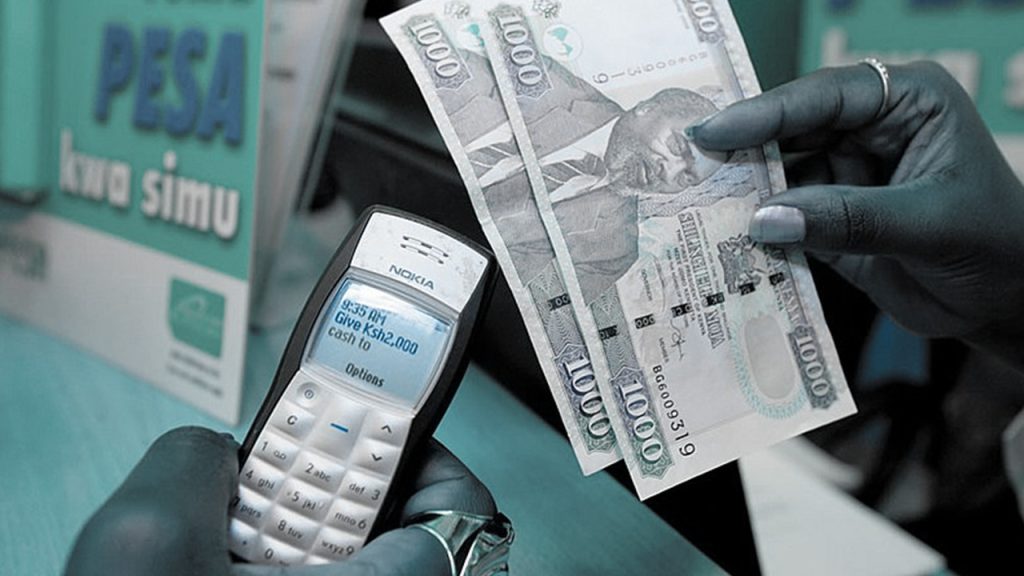
Kenya is synonymous with mobile money, thanks to M-Pesa, a service that has become a global case study for successful digital payment systems. Launched in 2007, M-Pesa allows millions of people to deposit, withdraw, and transfer money with a simple mobile device, contributing significantly to financial inclusivity in Kenya.
2. Ghana
Ghana’s digital payment landscape has seen remarkable growth, spurred by services like Mobile Money Interoperability (MMI), which allows customers to transfer funds across different mobile money services and banks seamlessly. This has greatly enhanced the convenience and adoption of digital payments across the country.
3. South Africa
In South Africa, digital payments have become a norm thanks to a robust banking infrastructure and the proliferation of fintech startups. Services like SnapScan and Zapper have integrated mobile payments into daily transactions for everything from groceries to utility bills, making it one of the most advanced countries in Africa for digital payment solutions.
4. Nigeria
Africa’s largest economy, Nigeria, has a rapidly growing fintech sector with a slew of services designed to ease the way people use money digitally. Platforms like Paystack and Flutterwave have revolutionized online transactions, enabling businesses to flourish and reach customers through seamless payment solutions.
5. Rwanda
Rwanda is making significant strides with its vision to become a cashless economy. The government’s push for digital platforms has led to widespread use of mobile money services, with substantial public and private sector collaboration to embed digital payment systems in daily transactions.
6. Egypt
Egypt’s digital payment sector is booming, driven by a young, tech-savvy population and government initiatives aimed at promoting digital transactions. The Central Bank of Egypt has implemented several policies that encourage banks and businesses to adopt digital payments, significantly increasing their usage.
7. Ivory Coast
Ivory Coast is a leader in digital payments in the Francophone region of Africa, with mobile money services experiencing exponential growth. The government’s supportive policies towards fintech companies have played a crucial role in this surge, facilitating more inclusive financial services.
8. Tanzania
In Tanzania, the adoption of digital payment platforms is accelerating, with significant contributions from mobile money services like M-Pesa, Tigo Pesa, and Airtel Money. These platforms have dramatically transformed the financial landscape, offering extended services including loans and savings.
9. Uganda
Uganda has seen a substantial increase in digital payment adoption, driven by the ubiquity of mobile phones and the success of mobile money. The country continues to innovate in this area, providing a wide range of digital financial services that cater to its largely rural population.
10. Morocco
Morocco is rapidly advancing in digital payments, supported by a strong banking sector and governmental enthusiasm for fintech solutions. The introduction of mobile payment solutions and innovative banking services has made digital payments more accessible to the Moroccan public.
Why These Countries Are Leading
The success of digital payment adoption in these countries can be attributed to several factors, including strong governmental support, innovative fintech ecosystems, robust mobile penetration, and progressive regulatory environments that encourage digital transformation in financial services.
Frequently Asked Questions (FAQs)
Q: What factors contribute to the success of digital payments in these African countries?
Key factors include high mobile penetration, supportive government policies, innovative fintech solutions, and a collaborative ecosystem involving banks and tech companies.
Q: How do digital payments impact economic development in Africa?
Digital payments streamline transactions, reduce the costs associated with handling cash, increase transaction security, and bring more people into the formal economy, all of which boost economic development.
Q: What challenges do African countries face with digital payment adoption?
Challenges include cybersecurity risks, resistance from traditional cash users, and the need for constant technological upgrades to handle the growing demands of digital finance.
Q: Are digital payments in Africa secure?
Yes, digital payments are generally secure, but they require robust cybersecurity measures to protect against fraud and breaches.
Q: How can other African countries enhance their digital payment systems?
Other countries can enhance their digital payment systems by investing in technology infrastructure, adopting favorable regulatory frameworks, and encouraging partnerships between the government, fintech companies, and financial institutions.
The rise of digital payments in these top ten African countries is not just transforming their economies but also setting a benchmark for others to follow. As these nations continue to innovate and adapt, they pave the way for a more financially inclusive and economically vibrant Africa.
In today’s globalized economy, digital payments have become crucial for international transactions and e-commerce. Platforms like PayPal simplify online purchases, making them accessible and secure. However, despite the widespread adoption of PayPal around the world, it remains notably absent in some countries, including Ghana. This article explores the various factors contributing to the absence of PayPal services in Ghana, and how it affects the local economy and tech sector.
Historical Context and Current Landscape
Ghana has seen significant technological advancements and has a burgeoning e-commerce sector. With a growing middle class and increasing internet penetration, the demand for digital payment solutions is higher than ever. Mobile money services like MTN Mobile Money, Vodafone Cash (now Telecel Cash), and AirtelTigo Money have filled this gap to some extent but lack the global reach and user base of PayPal.
Regulatory Challenges
One of the primary reasons why PayPal has not yet entered the Ghanaian market is the complex regulatory environment. Financial regulations in Ghana are designed to control money laundering and ensure the stability of the financial system. PayPal, with its global operations, must ensure that it complies with these regulations comprehensively before it can operate in Ghana. This involves navigating both local regulations and international financial laws, which can be time-consuming and costly.
Economic Factors
Another significant factor is the economic environment. While Ghana’s economy is growing, issues such as currency stability and inflation pose risks for international financial service providers. PayPal typically operates in markets where there is a certain level of economic stability to mitigate potential financial losses that could arise from currency fluctuations.
Market Viability
For PayPal, the decision to enter a new market also depends on the market’s profitability potential. This includes the number of potential users and the volume of transactions. Despite the high demand for such services in Ghana, the current volume and value of digital transactions may still be deemed insufficient by PayPal to warrant the establishment of services, especially considering the costs associated with setting up and maintaining operations.
Financial Infrastructure
The financial infrastructure in Ghana, though improving, is still developing. The readiness of the banking system to integrate with international payment platforms like PayPal is crucial. This integration involves technological upgrades and compliance with international security standards, which are still underway in many Ghanaian banks.
Risk of Fraud
The risk of financial fraud is a concern for any financial service provider. In regions where digital fraud tactics are prevalent, PayPal might be cautious in rolling out its services to mitigate potential losses. Ensuring that robust security measures are in place is a prerequisite for PayPal’s operations, which could delay its introduction in such markets.
Alternative Solutions and the Future
In the absence of PayPal, other services have been gaining traction in Ghana. These include other international payment platforms like Skrill, Payoneer, and local innovations that provide similar services. The Ghanaian government and financial institutions continue to work towards improving financial regulations and infrastructure, which could pave the way for PayPal in the future.
Frequently Asked Questions (FAQs)
Q: Why is PayPal not available in Ghana?
PayPal is not available in Ghana primarily due to regulatory challenges, economic factors, market viability concerns, the developing financial infrastructure, and the risks associated with financial fraud.
Q: How does the absence of PayPal affect the Ghanaian economy?
The absence of PayPal limits the options for international e-commerce and may slow the growth of Ghana’s digital economy by making it more difficult for businesses and freelancers to engage with global markets.
Q: What are the alternatives to PayPal in Ghana?
Alternatives to PayPal in Ghana include other international payment services like Skrill and Payoneer, as well as local mobile money services that support international transactions.
Q: Is there a possibility of PayPal entering the Ghanaian market soon?
While it is difficult to predict, the possibility exists if Ghana continues to improve its financial regulations and infrastructure, and if economic conditions stabilize to meet PayPal’s operational standards.
Q: What can be done to expedite PayPal’s entry into Ghana?
Efforts can be made to strengthen financial regulations, enhance the security and infrastructure of the banking system, and ensure economic stability to create a more favorable environment for international payment platforms like PayPal.
Q: Which African countries is PayPal available in?
As of 2024, PayPal is available in several African countries, including South Africa, Kenya, Morocco, Egypt, Nigeria, Algeria, Angola, Benin, Botswana, Burkina Faso, Burundi, Cameroon, Cape Verde, Chad, Comoros, Ivory Coast, Democratic Republic of the Congo, Djibouti, Eritrea, Ethiopia, Gabon Republic, Gambia, Guinea, Guinea-Bissau, Lesotho, Madagascar, Malawi, Mali, Mauritania, Mauritius, Mozambique, Namibia, Niger, Republic of the Congo, Rwanda, Saint Helena, São Tomé and Príncipe, Senegal, Seychelles, Sierra Leone, Swaziland, Tanzania, Togo, Tunisia, Uganda, Zambia, and Zimbabwe. These countries allow residents to open and operate a PayPal account for secure international payments and money transfers.
Q: Which other African countries is PayPal not available in?
PayPal is not available in some African countries due to various regulatory and operational constraints. Notable exclusions include Libya, Sudan, and Somalia. In these countries, residents cannot officially open or operate a PayPal account, limiting their access to this global payment platform.
Understanding why PayPal is not yet available in Ghana provides insight into the complexities of financial services in emerging markets and highlights the need for ongoing improvements in financial infrastructure and regulations to support economic growth and global integration.
In an era where the internet is as crucial as any other utility service, finding affordable and reliable high-speed internet is a priority for many.
Across Africa, several countries are making remarkable strides in improving not just the availability but also the affordability of internet access. Let’s dive into the most affordable African countries for high-speed internet, exploring how they’re achieving this and what it means for their citizens and economies.
1. Egypt
Egypt tops the list with some of the lowest broadband costs in Africa, thanks to significant investments in telecommunications infrastructure and a competitive market that drives prices down. The government’s initiatives to expand digital access have made high-speed internet widely available at costs that are manageable for a large segment of the population.
2. Nigeria
Africa’s largest economy is also one of the leaders in affordable internet access. With a vibrant tech scene and multiple internet service providers (ISPs), competition is fierce, which benefits the consumer. Nigeria’s expansive fiber-optic network has also contributed to lowering prices while increasing internet speed.
3. Kenya
Kenya is renowned for its mobile money revolution and its internet services are no less revolutionary in terms of pricing and speed. The widespread adoption of mobile internet services has driven costs down, making Kenya one of the most affordable countries for internet access on the continent.
4. Ghana
Ghana’s government has been proactive in its efforts to increase internet penetration, which has involved partnerships with major ISPs to reduce costs and improve service quality. These initiatives have positioned Ghana as a country with both affordable and reliable internet access.
5. Morocco
Morocco boasts a highly competitive ISP market, with numerous providers pushing down prices. The Moroccan government’s commitment to boosting IT as a cornerstone of economic development has led to improved internet infrastructure, making high-speed internet both accessible and affordable.
6. Uganda
In Uganda, government policies aimed at digital inclusion have seen the cost of internet services decrease significantly. With the rise of ISPs that focus on affordable broadband, Ugandans are enjoying faster internet speeds at lower prices.
7. Rwanda
Rwanda’s vision to become a tech hub in Africa includes ambitious plans for broadband penetration. The government’s investment in ICT has paid dividends, resulting in lower costs for high-speed internet that support its burgeoning tech ecosystem.
8. South Africa
While traditionally more expensive, recent years have seen South Africa make strides in reducing internet costs. Increased competition among broadband providers and regulatory efforts to ensure fair pricing have made high-speed internet more affordable for more South Africans.
9. Tanzania
Tanzania’s focus on enhancing digital infrastructure has led to a significant reduction in internet costs. With strategic investments in internet technologies, Tanzanians are increasingly accessing high-speed internet at competitive prices.
10. Senegal
Senegal rounds out the list with its strong commitment to enhancing internet accessibility. The introduction of newer technologies and government-led initiatives aimed at digital education and infrastructure has helped lower the cost of internet services across the country.
What Drives Affordability?
Several factors contribute to the affordability of high-speed internet in these countries, including government policies, competition among ISPs, investments in infrastructure, and partnerships with global tech companies. These elements not only drive down prices but also improve the quality of service, creating a healthy cycle of growth and accessibility.
Frequently Asked Questions (FAQs)
Q: What makes internet access affordable in these African countries?
Affordability is driven by competitive ISP markets, government investments in digital infrastructure, and regulatory policies that encourage lower prices and improved service quality.
Q: How do lower internet costs impact these African countries?
Lower internet costs boost economic growth by enabling businesses to operate more efficiently and by increasing the number of digital services available to consumers.
Q: Can I expect internet prices in these African countries to decrease further?
Yes, as these countries continue to invest in technology and infrastructure and as competition among ISPs intensifies, prices are likely to decrease even further.
Q: What role do African governments play in reducing internet costs?
Governments play a crucial role through regulatory frameworks that encourage competition and fair pricing, as well as through direct investments in technology infrastructure.
Q: How does high-speed internet contribute to a country’s development?
High-speed internet is vital for education, healthcare, business, and communication, contributing significantly to the overall development and global competitiveness of a country.
These top ten African countries are setting examples of how strategic measures can significantly enhance internet affordability. This not only empowers their citizens but also catalyzes growth across various sectors, showcasing the transformative power of accessible technology.
As the global tech landscape continues to expand, African nations are increasingly recognizing the importance of gender equality in fostering innovation. Several countries on the continent have made commendable strides towards achieving more inclusive tech sectors. This article highlights the top 10 African countries where women in technology are thriving, based on gender-focused policies, participation rates, and support systems.
1. South Africa
South Africa leads with robust initiatives aimed at encouraging women in tech. Organizations like Women in IT (WIIT) and GirlCode provide mentoring and support, while government policies increasingly focus on closing the gender gap in STEM fields.
Rwanda’s government has prioritized gender equality as a key component of its vision for tech advancement. Initiatives such as the Girls in ICT Rwanda promote tech education and career opportunities for women, significantly increasing female participation in tech.
3. Kenya
In Kenya, women are at the forefront of the tech revolution, with entities like AkiraChix offering training and networking for women in tech. The country’s growing number of women-led tech startups showcases its progressive environment.
Ghana’s tech sector sees high female participation rates, thanks to efforts like Soronko Academy, which focuses on teaching young women to code. The government’s commitment to digital literacy for all also includes specific programs targeting women.
Nigeria hosts a vibrant tech community with initiatives like Pearls Africa Foundation, which empowers young women with tech skills. The increasing number of female tech entrepreneurs and developers speaks to a slowly but surely changing landscape.
Egypt’s tech industry has seen an upswing in female participation, supported by government-led projects that aim to increase the number of women in tech fields. Programs and workshops aimed specifically at women help bridge the gender gap in STEM education.
7. Uganda
Uganda has witnessed a rise in tech initiatives for women, such as Women in Technology Uganda, which offers training and mentorship. These efforts are supported by a national agenda to empower women through technology.
In Morocco, the tech sector is becoming more inclusive, with educational reforms to encourage female participation in science and technology. The Moroccan government and private sector initiatives are paving the way for more women to enter and succeed in tech roles.
9. Tanzania
Tanzania has seen significant initiatives aimed at incorporating women into the tech sector. Programs focused on developing digital skills among women are crucial in elevating their role in tech professions.
10. Botswana
Botswana rounds out the list with its commitment to integrating technology in education and promoting gender parity in all sectors, including tech. Programs that focus on young women and technology help ensure a balanced participation in the tech workforce.
Why These Countries Stand Out
These nations are not just providing women with access to tech education and careers but are actively striving to overcome historical gender biases through supportive policies and community initiatives. These efforts are crucial for empowering women and ensuring they have equal opportunities to succeed in tech roles, which in turn drives innovation and economic growth.
Frequently Asked Questions (FAQs)
Q: Why is gender equality important in the tech industry?
Gender equality in tech ensures diverse perspectives in problem-solving and innovation, leading to more comprehensive and effective technology solutions.
Q: What common strategies are these countries using to promote women in tech?
Common strategies include government policies supporting STEM education for women, mentorship programs, and women-centric tech initiatives.
Q: How do these countries measure progress in gender equality in tech?
Progress is often measured by participation rates in education and the workforce, success rates of initiatives, and qualitative assessments of workplace equality.
Q: Are there opportunities for international collaboration in these efforts?
Yes, many countries collaborate with international organizations to enhance their gender equality programs in tech, sharing best practices and resources.
Q: What challenges do women still face in the tech industry in these countries?
Challenges include cultural stereotypes, lack of female role models in tech, and balancing work with societal expectations.
These top 10 African countries are setting powerful examples for others to follow, demonstrating that when women are supported and encouraged to pursue careers in technology, the entire industry benefits. By continuing to invest in women, these nations are not only promoting gender equality but are also strengthening their technological sectors to compete on a global scale.
In today’s rapidly evolving tech landscape, choosing the right university can be a game-changer for aspiring tech professionals.
Across the African continent, several institutions are leading the charge, offering top-tier education that equips students with the skills needed to thrive in the global tech scene. Here’s a roundup of the 10 best African tech universities, each contributing uniquely to the tech ecosystem.
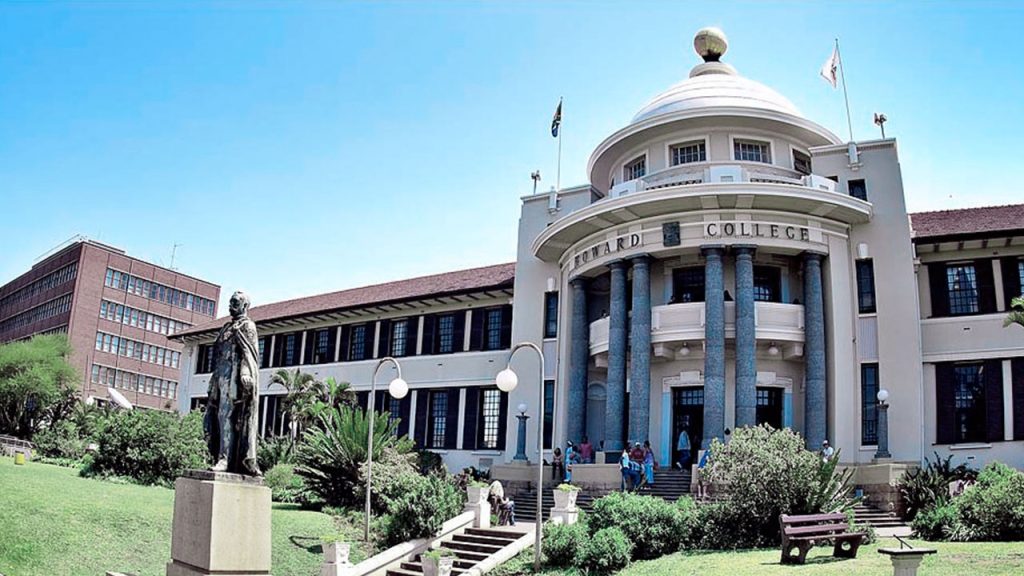
1. University of KwaZulu-Natal
Located in South Africa, the University of KwaZulu-Natal combines rigorous academics with a vibrant research environment. Its School of Engineering is particularly renowned for cutting-edge research and strong industry ties, providing a robust foundation in both theoretical and practical aspects of technology.
2. University of South Africa (UNISA)
UNISA stands out as a pioneer in long-distance learning, making technology and computer science education accessible to students regardless of their geographic location. With an extensive digital library and online support, UNISA is ideal for students who need a flexible learning schedule that does not compromise on quality.
3. University of Johannesburg
The University of Johannesburg offers a dynamic tech curriculum that emphasizes innovation and entrepreneurship. Its tech programs are designed to foster creativity and problem-solving skills, preparing students to be pioneers in their fields.
4. University of Pretoria
Known for its strong emphasis on research and innovation, the University of Pretoria offers a comprehensive range of engineering and IT courses. The university’s high-tech labs and collaboration with industries ensure that students gain valuable hands-on experience.
5. American University in Cairo
This university serves as a hub for tech education in the Middle East and North Africa. With a curriculum that meets international standards, the American University in Cairo excels in producing graduates who are ready to tackle global tech challenges.
6. University of Botswana
The University of Botswana has made significant strides in integrating technology into all aspects of its curriculum. Its focus on emerging technologies, particularly in artificial intelligence and machine learning, makes it a top choice for students looking to be at the forefront of innovation.
7. University of Cape Town
The University of Cape Town’s Information Technology department is highly regarded for its comprehensive research and education programs. It’s known for fostering a culture of innovation and critical thinking, making it a top pick for students who want to push the boundaries of current tech paradigms.
8. University of Ibadan
As one of Nigeria’s premier universities, the University of Ibadan has a solid track record in fostering technological innovation and expertise. Its programs are tailored to meet the needs of the tech industry, emphasizing both software and hardware disciplines.
9. Obafemi Awolowo University
Located in Nigeria, Obafemi Awolowo University is celebrated for its vibrant academic community and its strong focus on technological research and development. The university offers a wide array of tech-related programs that prepare students for the demands of a global tech career.
10. Cape Peninsula University of Technology
Known for its practical approach to technology education, the Cape Peninsula University of Technology in South Africa focuses on ‘learning by doing.’ This approach ensures that graduates not only understand theory but are also proficient in applying their skills in real-world situations.
Choosing the Right Fit
When deciding which tech university in Africa to attend, prospective students should consider several factors beyond the rankings. These include the specific tech programs offered, the university’s industry connections, internship opportunities, and campus facilities. Additionally, cultural fit and personal career goals are crucial in selecting an institution that aligns with one’s aspirations.
Each of these universities offers unique advantages and specializes in different areas of technology and research. Whether you’re drawn to the entrepreneurial spirit at the University of Johannesburg or the innovative research at the University of Cape Town, you’ll find that each institution has a distinct approach to shaping the future tech leaders of tomorrow.
The landscape of tech education in Africa is rich and varied. With institutions like these providing world-class education and cutting-edge research opportunities, African students have access to the tools they need to excel in the global technology arena. The future of tech in Africa is bright, and these universities are leading the way in nurturing the next generation of tech innovators and leaders.