Tag: Uganda

  • Jiji Expands Beyond Africa with Bangladesh as the Next Stop

    Jiji Expands Beyond Africa with Bangladesh as the Next Stop

    Jiji, the African e-commerce giant, is taking a big leap beyond the continent.

    The company has set its sights on Bangladesh, a country with a booming middle class and rising mobile connectivity. It’s a move that shows Jiji is ready to go global, targeting high-growth emerging markets outside Africa. And the numbers back up their decision—Bangladesh’s e-commerce market is on track to hit $13 billion by 2027, according to Payments and Commerce Market Intelligence (PCMI).

    Right now, Jiji operates in seven African countries: Ethiopia, Ghana, Kenya, Nigeria, Tanzania, Uganda, and Senegal. Expanding into Bangladesh feels like the next logical step. The country has 131 million internet users, and more people are getting comfortable shopping online. That’s a massive audience for Jiji, which already has 12 million active users every month.

    “With a solid financial foundation and a scalable business model, we have grown into a profitable leader in Africa’s e-commerce space,” a Jiji spokesperson told TechCabal. “Our success in Africa has shown us how to navigate fast-growing markets, and we believe Bangladesh has the same potential for Jiji to thrive, helping to grow the e-commerce sector.”

    Bangladesh has been making strategic moves to fuel e-commerce growth. Government policies, such as the Information and Communication Technology (ICT) Act of 2006, provide a legal framework for online transactions while addressing cybersecurity issues. There are also national ICT policies designed to shape the country’s digital economy, including e-commerce.

    These efforts, combined with a growing middle class, have made Bangladesh a promising market. A PCMI survey from 2024 revealed that 79% of Bangladeshi consumers have shopped online, and 47% feel comfortable making digital payments.

    However, Jiji won’t have the market to itself. It will be going up against big names like Daraz, Bikroy, and Ajkerdeal—companies that already have strong brand recognition and consumer trust. To win over Bangladeshi shoppers, Jiji will need to stand out with localized offerings and strategic partnerships, much like it did in Africa.

    Since its launch in 2014, Jiji has found success by adapting to market needs. In Nigeria, it gained traction by offering free listings to first-time users and preloading its app on budget-friendly smartphones through partnerships with phone manufacturers. In 2016, the company struck a deal with Airtel to allow users to browse the platform without using data.

    Jiji’s aggressive expansion strategy has also played a key role in its growth. In 2019, the company raised $21 million and acquired OLX Africa, taking over operations in Nigeria, Kenya, Ghana, Uganda, and Tanzania. This gave Jiji access to a combined market of 300 million people. In 2021, Jiji acquired Cars45, a platform for buying and selling used cars in Nigeria, Kenya, and Ghana. The next year, it took over Tonaton, its main competitor in Ghana.

    The strategy has worked well in Africa, and Jiji is now hoping to replicate that success in Asia. The question is: can it carve out space in Bangladesh’s competitive e-commerce landscape? Time will tell, but if history is any indication, Jiji knows how to play the long game.

  • MTN and Airtel Join Forces to Cut Costs and Expand Coverage in Nigeria and Uganda

    MTN and Airtel Join Forces to Cut Costs and Expand Coverage in Nigeria and Uganda

    MTN Group and Airtel Africa are teaming up to share network infrastructure in Nigeria and Uganda.

    This move is all about cutting costs and expanding coverage, especially in areas that don’t yet have strong mobile networks. It’s not every day you see two big competitors working together like this, but with economic challenges and currency devaluation hitting profits, telecom giants are rethinking how they operate.

    Nigeria is the biggest market for both companies, but it hasn’t been smooth sailing. MTN Group makes 40% of its revenue there, while Airtel Africa pulls in 34.4% from the country. The problem? The naira’s devaluation has made everything more expensive, from setting up towers to maintaining fiber networks. Instead of each company building its own infrastructure, they’re now looking to share resources—towers, base stations, and fiber-optic networks—to keep costs under control while improving service quality.

    MTN Group CEO Ralph Mupita pointed out that demand for data and digital financial services keeps growing across Africa. In Nigeria, MTN’s market share hit 51% in January, with over 3 million new subscribers bringing its total to 87.5 million. Airtel Nigeria also saw an increase, going from 56.6 million subscribers in December 2024 to 57.6 million by January 2025.

    “We continue to see strong structural demand for digital and financial services across our markets,” Mupita said. “To meet this demand, we continue to invest in coverage and capacity to ensure high-quality connectivity for our customers.”

    Before signing this deal with Airtel, MTN Nigeria had been in talks with 9mobile, a struggling telecom operator that has been losing customers. That potential agreement, which is still under discussion, would allow 9mobile to use MTN’s network in certain areas while MTN would gain access to 9mobile’s spectrum.

    This new partnership fits right in with regulatory requirements. When the Nigerian Communications Commission (NCC) approved telecom tariff hikes in January, it told operators they had to roll out additional infrastructure within three months to improve service. Since the new tariffs kicked in this February, that means telecoms have just two months left to meet the deadline.

    MTN and Airtel aren’t stopping at Nigeria and Uganda. They’re looking at other African markets too—places like Congo-Brazzaville, Rwanda, and Zambia—where they could also share networks. The companies are considering different approaches, from radio access network (RAN) sharing to joint investments in fiber infrastructure.

    “As we compete fiercely in the market on the strength of our brand, services, and offerings, we are building common infrastructure within the permissible regulatory framework,” Airtel Africa CEO Sunil Taldar said. “This allows us to provide a more robust and extensive digital highway while avoiding the costly duplication of infrastructure.”

    If this collaboration works well, it could pave the way for more network-sharing deals across Africa, helping telecom operators manage costs while expanding their reach.

  • Top 10 African Countries Leading in Tech Innovation

    Top 10 African Countries Leading in Tech Innovation

    As technology continues to evolve at an unprecedented pace, Africa is not just watching from the sidelines; it’s actively participating and, in some cases, leading the way.

    The continent’s tech landscape is burgeoning, driven by vibrant startups, significant investments, and a young, tech-savvy population. In 2025, several African countries are standing out as leaders in tech innovation, creating ecosystems that foster technological advancements and attract global attention. Here’s a look at the top 10 African countries making significant strides in the tech industry.

    1. Nigeria

    Nigeria’s reputation as the “Giant of Africa” extends into its tech innovation, with Lagos often dubbed the Silicon Valley of Africa. The country’s thriving ecosystem is supported by numerous tech hubs, accelerators, and venture capital presence, fueling growth in fintech, agritech, and health tech sectors.

    2. South Africa

    South Africa remains a powerhouse in the continent’s tech scene, particularly in Cape Town and Johannesburg. The country excels in software development and has a robust infrastructure that supports significant tech conferences and multinational companies investing in local talent.

    3. Kenya

    Kenya is pivotal in mobile technology, being the birthplace of mobile money with M-Pesa. Nairobi, its capital, is a tech hub with a slew of startups focusing on innovative solutions to everyday problems, supported by active incubators and government backing.

    4. Rwanda

    Rwanda’s rapid transformation into a tech-friendly nation is underpinned by government initiatives aimed at creating a digital economy. Kigali is becoming a magnet for tech entrepreneurs, thanks to its business-friendly environment and commitment to becoming a tech hub.

    5. Egypt

    Egypt’s tech industry is booming, driven by a significant youth population and governmental support in digital transformation. Cairo is home to a growing number of tech startups and has a strong focus on nurturing tech talent and innovation in connectivity technologies.

    6. Ghana

    Ghana is making a name for itself with a focus on technology education and startup support. Accra hosts several tech hubs that are instrumental in the country’s burgeoning status as a leader in technology-driven solutions.

    7. Morocco

    Morocco is leveraging its strategic location to serve as a bridge between Europe and Africa in tech advancements. The country is investing heavily in tech parks and education, with a significant focus on renewable energy technologies and smart city solutions.

    8. Senegal

    Senegal’s tech scene is anchored by Dakar, which hosts numerous tech events and startup incubators. The country is recognized for its innovations in digital finance and agricultural technologies, supported by a progressive regulatory framework.

    9. Uganda

    Uganda may be smaller than some of its neighbors, but it is mighty in its tech ambitions. The country has a vibrant community of young innovators and has made significant strides in mobile technologies and health innovations.

    10. Tanzania

    Tanzania is focusing on harnessing technology to boost its agricultural and manufacturing sectors. Its tech hubs in Dar es Salaam are becoming key players in the region, fostering innovations that aim to improve daily life and economic growth.

    Why These Countries Stand Out

    These nations are not just adopting technology but are adapting it to meet local needs, thereby driving genuine innovation. Their governments are implementing policies that favor tech growth, such as improved broadband access, tech education in schools, and support for tech startups. These efforts are complemented by a dynamic young workforce eager to innovate and solve real-world problems.

    Frequently Asked Questions (FAQs)

    Q1: What makes these countries leaders in tech innovation?

    These countries have strong governmental support, vibrant tech ecosystems with hubs and accelerators, significant investment in tech, and a focus on adapting technology to solve local challenges.

    Q2: How do these countries compare to global tech leaders?

    While they may not yet match the scale of Silicon Valley or other global tech capitals, these countries are rapidly growing and are increasingly recognized on international platforms for their innovative contributions.

    Q3: What are the main sectors these countries innovate in?

    Key sectors include fintech, agritech, health tech, mobile technology, renewable energy, and digital finance.

    Q4: How do these innovations impact their economies?

    Tech innovations drive economic growth by creating jobs, attracting foreign investment, and improving the overall efficiency and competitiveness of the economies.

    Q5: Are there opportunities for foreign investors and tech professionals?

    Yes, these countries offer numerous opportunities for collaboration, investment, and employment, particularly in tech startups and enterprises focusing on innovation.

    As we look towards the future, it’s clear that Africa’s tech scene is not just catching up but is poised to redefine global tech narratives. These top 10 countries are at the forefront of this transformation, making them exciting places to watch, work, and invest in the coming years.

  • Top 10 African Countries with the Best Mobile Gaming Markets

    Top 10 African Countries with the Best Mobile Gaming Markets

    In recent years, mobile gaming has surged globally, and Africa is no exception. With an expanding young population, increased smartphone penetration, and improved internet connectivity, the continent is quickly becoming a hotspot for mobile gaming enthusiasts and developers alike. This article explores the top 10 African countries leading the charge in the mobile gaming sector, highlighting their market strengths and growth opportunities.

    1. Nigeria

    Nigeria, Africa’s largest economy, boasts a vibrant mobile gaming scene. The country’s massive youth population and increasing mobile phone usage make it a prime market for mobile game developers. Local studios are beginning to gain recognition, not just within the country but across the continent.

    2. South Africa

    South Africa has a well-established mobile gaming market, supported by its strong infrastructure and high rates of mobile connectivity. South African gamers are known for their enthusiasm for mobile games, which has attracted investments from major international gaming companies.

    3. Kenya

    Kenya is another key player in the mobile gaming industry in Africa. The widespread use of mobile payments has made in-app purchases more accessible, enhancing the mobile gaming experience for users and increasing revenue for developers.

    4. Egypt

    Egypt’s rapidly growing tech-savvy population and improved broadband accessibility have created a fertile ground for the mobile gaming industry. Egyptian gamers are keen on games that offer in-depth narratives and localized content, pushing developers to innovate.

    5. Morocco

    Morocco has seen significant growth in its mobile gaming market due to its strategic location and bilingual population (Arabic and French). These factors make it an attractive market for both local and international mobile gaming companies looking to expand their reach.

    6. Ghana

    With one of the fastest-growing mobile phone markets in Africa, Ghana is seeing an increase in mobile gaming among its internet users. The country’s young demographic is highly engaged with mobile technology, providing a robust audience for gaming apps.

    7. Uganda

    Uganda may be smaller than other markets on this list, but its mobile gaming industry is vibrant and growing. Innovations in mobile technology and a high youth population contribute to a burgeoning market with a lot of potential.

    8. Ivory Coast

    Ivory Coast is establishing itself as a significant player in the West African mobile gaming market. The country’s improving internet infrastructure and a high number of mobile users create a promising environment for mobile gaming growth.

    9. Senegal

    Senegal’s mobile gaming market is driven by its young and tech-savvy population. With a growing number of smartphone users and a stable economic environment, Senegal offers great potential for mobile gaming companies looking to establish a presence in West Africa.

    10. Tanzania

    Rounding out the list is Tanzania, where mobile gaming is gaining popularity among the urban youth. The increasing availability of affordable smartphones has made mobile gaming more accessible to a wider audience.

    Why These Markets Are Thriving

    These countries show strong potential in the mobile gaming sector due to a combination of high mobile penetration, youthful populations, and increasing access to faster internet services. Additionally, the growing middle class across these nations contributes to more disposable income available for entertainment like mobile gaming.

    Frequently Asked Questions (FAQs)

    Q: What factors contribute to the growth of mobile gaming markets in Africa?

    Key factors include high smartphone penetration, young demographics, improving internet access, and an increasing middle class with disposable income for entertainment.

    Q: How do local developers impact these markets?

    Local developers play a crucial role by creating culturally relevant and localized content that resonates with regional audiences, which helps to drive engagement and loyalty.

    Q: What challenges do these markets face?

    Challenges include variable internet quality, high data costs in some regions, and the need for more local content development.

    Q: Are international companies investing in these markets?

    Yes, recognizing the growth potential, international companies are increasingly investing in Africa’s mobile gaming markets, either through direct investments or partnerships with local firms.

    Q: How can one access opportunities in these markets?

    Opportunities can be accessed through collaborations with local developers, participation in regional tech and gaming conferences, or direct investment in marketing and localized game development.

    The rise of mobile gaming in Africa represents not just a shift in how people entertain themselves but also a significant economic opportunity. As technology continues to evolve and the gaming community grows, these top 10 countries are well-positioned to lead this exciting industry into the future.

  • Top 10 African Countries Pioneering Digital Payment Solutions

    Top 10 African Countries Pioneering Digital Payment Solutions

    In recent years, digital payment solutions have revolutionized how transactions are conducted across the globe, particularly in Africa where traditional banking services often fall short of reaching the entire population. This shift towards digital platforms is not only promoting financial inclusivity but also paving the way for a dynamic economic environment. Here, we explore the top ten African countries that are leading in digital payment adoption, highlighting the innovations and policies that make them stand out.

    1. Kenya

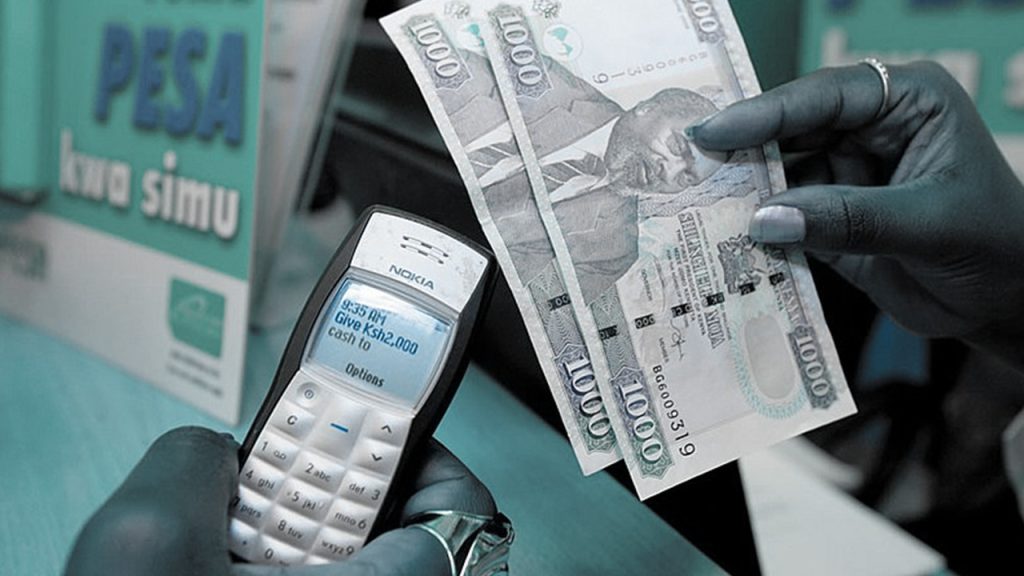
    Kenya is synonymous with mobile money, thanks to M-Pesa, a service that has become a global case study for successful digital payment systems. Launched in 2007, M-Pesa allows millions of people to deposit, withdraw, and transfer money with a simple mobile device, contributing significantly to financial inclusivity in Kenya.

    2. Ghana

    Ghana’s digital payment landscape has seen remarkable growth, spurred by services like Mobile Money Interoperability (MMI), which allows customers to transfer funds across different mobile money services and banks seamlessly. This has greatly enhanced the convenience and adoption of digital payments across the country.

    3. South Africa

    In South Africa, digital payments have become a norm thanks to a robust banking infrastructure and the proliferation of fintech startups. Services like SnapScan and Zapper have integrated mobile payments into daily transactions for everything from groceries to utility bills, making it one of the most advanced countries in Africa for digital payment solutions.

    4. Nigeria

    Africa’s largest economy, Nigeria, has a rapidly growing fintech sector with a slew of services designed to ease the way people use money digitally. Platforms like Paystack and Flutterwave have revolutionized online transactions, enabling businesses to flourish and reach customers through seamless payment solutions.

    5. Rwanda

    Rwanda is making significant strides with its vision to become a cashless economy. The government’s push for digital platforms has led to widespread use of mobile money services, with substantial public and private sector collaboration to embed digital payment systems in daily transactions.

    6. Egypt

    Egypt’s digital payment sector is booming, driven by a young, tech-savvy population and government initiatives aimed at promoting digital transactions. The Central Bank of Egypt has implemented several policies that encourage banks and businesses to adopt digital payments, significantly increasing their usage.

    7. Ivory Coast

    Ivory Coast is a leader in digital payments in the Francophone region of Africa, with mobile money services experiencing exponential growth. The government’s supportive policies towards fintech companies have played a crucial role in this surge, facilitating more inclusive financial services.

    8. Tanzania

    In Tanzania, the adoption of digital payment platforms is accelerating, with significant contributions from mobile money services like M-Pesa, Tigo Pesa, and Airtel Money. These platforms have dramatically transformed the financial landscape, offering extended services including loans and savings.

    9. Uganda

    Uganda has seen a substantial increase in digital payment adoption, driven by the ubiquity of mobile phones and the success of mobile money. The country continues to innovate in this area, providing a wide range of digital financial services that cater to its largely rural population.

    10. Morocco

    Morocco is rapidly advancing in digital payments, supported by a strong banking sector and governmental enthusiasm for fintech solutions. The introduction of mobile payment solutions and innovative banking services has made digital payments more accessible to the Moroccan public.

    Why These Countries Are Leading

    The success of digital payment adoption in these countries can be attributed to several factors, including strong governmental support, innovative fintech ecosystems, robust mobile penetration, and progressive regulatory environments that encourage digital transformation in financial services.

    Frequently Asked Questions (FAQs)

    Q: What factors contribute to the success of digital payments in these African countries?

    Key factors include high mobile penetration, supportive government policies, innovative fintech solutions, and a collaborative ecosystem involving banks and tech companies.

    Q: How do digital payments impact economic development in Africa?

    Digital payments streamline transactions, reduce the costs associated with handling cash, increase transaction security, and bring more people into the formal economy, all of which boost economic development.

    Q: What challenges do African countries face with digital payment adoption?

    Challenges include cybersecurity risks, resistance from traditional cash users, and the need for constant technological upgrades to handle the growing demands of digital finance.

    Q: Are digital payments in Africa secure?

    Yes, digital payments are generally secure, but they require robust cybersecurity measures to protect against fraud and breaches.

    Q: How can other African countries enhance their digital payment systems?

    Other countries can enhance their digital payment systems by investing in technology infrastructure, adopting favorable regulatory frameworks, and encouraging partnerships between the government, fintech companies, and financial institutions.

    The rise of digital payments in these top ten African countries is not just transforming their economies but also setting a benchmark for others to follow. As these nations continue to innovate and adapt, they pave the way for a more financially inclusive and economically vibrant Africa.

  • Why PayPal Is Still Not Available In Ghana

    Why PayPal Is Still Not Available In Ghana

    In today’s globalized economy, digital payments have become crucial for international transactions and e-commerce. Platforms like PayPal simplify online purchases, making them accessible and secure. However, despite the widespread adoption of PayPal around the world, it remains notably absent in some countries, including Ghana. This article explores the various factors contributing to the absence of PayPal services in Ghana, and how it affects the local economy and tech sector.

    Historical Context and Current Landscape

    Ghana has seen significant technological advancements and has a burgeoning e-commerce sector. With a growing middle class and increasing internet penetration, the demand for digital payment solutions is higher than ever. Mobile money services like MTN Mobile Money, Vodafone Cash (now Telecel Cash), and AirtelTigo Money have filled this gap to some extent but lack the global reach and user base of PayPal.

    Regulatory Challenges

    One of the primary reasons why PayPal has not yet entered the Ghanaian market is the complex regulatory environment. Financial regulations in Ghana are designed to control money laundering and ensure the stability of the financial system. PayPal, with its global operations, must ensure that it complies with these regulations comprehensively before it can operate in Ghana. This involves navigating both local regulations and international financial laws, which can be time-consuming and costly.

    Economic Factors

    Another significant factor is the economic environment. While Ghana’s economy is growing, issues such as currency stability and inflation pose risks for international financial service providers. PayPal typically operates in markets where there is a certain level of economic stability to mitigate potential financial losses that could arise from currency fluctuations.

    Market Viability

    For PayPal, the decision to enter a new market also depends on the market’s profitability potential. This includes the number of potential users and the volume of transactions. Despite the high demand for such services in Ghana, the current volume and value of digital transactions may still be deemed insufficient by PayPal to warrant the establishment of services, especially considering the costs associated with setting up and maintaining operations.

    Financial Infrastructure

    The financial infrastructure in Ghana, though improving, is still developing. The readiness of the banking system to integrate with international payment platforms like PayPal is crucial. This integration involves technological upgrades and compliance with international security standards, which are still underway in many Ghanaian banks.

    Risk of Fraud

    The risk of financial fraud is a concern for any financial service provider. In regions where digital fraud tactics are prevalent, PayPal might be cautious in rolling out its services to mitigate potential losses. Ensuring that robust security measures are in place is a prerequisite for PayPal’s operations, which could delay its introduction in such markets.

    Alternative Solutions and the Future

    In the absence of PayPal, other services have been gaining traction in Ghana. These include other international payment platforms like Skrill, Payoneer, and local innovations that provide similar services. The Ghanaian government and financial institutions continue to work towards improving financial regulations and infrastructure, which could pave the way for PayPal in the future.

    Frequently Asked Questions (FAQs)

    Q: Why is PayPal not available in Ghana?

    PayPal is not available in Ghana primarily due to regulatory challenges, economic factors, market viability concerns, the developing financial infrastructure, and the risks associated with financial fraud.

    Q: How does the absence of PayPal affect the Ghanaian economy?

    The absence of PayPal limits the options for international e-commerce and may slow the growth of Ghana’s digital economy by making it more difficult for businesses and freelancers to engage with global markets.

    Q: What are the alternatives to PayPal in Ghana?

    Alternatives to PayPal in Ghana include other international payment services like Skrill and Payoneer, as well as local mobile money services that support international transactions.

    Q: Is there a possibility of PayPal entering the Ghanaian market soon?

    While it is difficult to predict, the possibility exists if Ghana continues to improve its financial regulations and infrastructure, and if economic conditions stabilize to meet PayPal’s operational standards.

    Q: What can be done to expedite PayPal’s entry into Ghana?

    Efforts can be made to strengthen financial regulations, enhance the security and infrastructure of the banking system, and ensure economic stability to create a more favorable environment for international payment platforms like PayPal.

    Q: Which African countries is PayPal available in?

    As of 2024, PayPal is available in several African countries, including South Africa, Kenya, Morocco, Egypt, Nigeria, Algeria, Angola, Benin, Botswana, Burkina Faso, Burundi, Cameroon, Cape Verde, Chad, Comoros, Ivory Coast, Democratic Republic of the Congo, Djibouti, Eritrea, Ethiopia, Gabon Republic, Gambia, Guinea, Guinea-Bissau, Lesotho, Madagascar, Malawi, Mali, Mauritania, Mauritius, Mozambique, Namibia, Niger, Republic of the Congo, Rwanda, Saint Helena, São Tomé and Príncipe, Senegal, Seychelles, Sierra Leone, Swaziland, Tanzania, Togo, Tunisia, Uganda, Zambia, and Zimbabwe. These countries allow residents to open and operate a PayPal account for secure international payments and money transfers.

    Q: Which other African countries is PayPal not available in?

    PayPal is not available in some African countries due to various regulatory and operational constraints. Notable exclusions include Libya, Sudan, and Somalia. In these countries, residents cannot officially open or operate a PayPal account, limiting their access to this global payment platform.

    Understanding why PayPal is not yet available in Ghana provides insight into the complexities of financial services in emerging markets and highlights the need for ongoing improvements in financial infrastructure and regulations to support economic growth and global integration.

  • Top 10 African Countries With Affordable High-Speed Internet

    Top 10 African Countries With Affordable High-Speed Internet

    In an era where the internet is as crucial as any other utility service, finding affordable and reliable high-speed internet is a priority for many.

    Across Africa, several countries are making remarkable strides in improving not just the availability but also the affordability of internet access. Let’s dive into the most affordable African countries for high-speed internet, exploring how they’re achieving this and what it means for their citizens and economies.

    1. Egypt

    Egypt tops the list with some of the lowest broadband costs in Africa, thanks to significant investments in telecommunications infrastructure and a competitive market that drives prices down. The government’s initiatives to expand digital access have made high-speed internet widely available at costs that are manageable for a large segment of the population.

    2. Nigeria

    Africa’s largest economy is also one of the leaders in affordable internet access. With a vibrant tech scene and multiple internet service providers (ISPs), competition is fierce, which benefits the consumer. Nigeria’s expansive fiber-optic network has also contributed to lowering prices while increasing internet speed.

    3. Kenya

    Kenya is renowned for its mobile money revolution and its internet services are no less revolutionary in terms of pricing and speed. The widespread adoption of mobile internet services has driven costs down, making Kenya one of the most affordable countries for internet access on the continent.

    4. Ghana

    Ghana’s government has been proactive in its efforts to increase internet penetration, which has involved partnerships with major ISPs to reduce costs and improve service quality. These initiatives have positioned Ghana as a country with both affordable and reliable internet access.

    5. Morocco

    Morocco boasts a highly competitive ISP market, with numerous providers pushing down prices. The Moroccan government’s commitment to boosting IT as a cornerstone of economic development has led to improved internet infrastructure, making high-speed internet both accessible and affordable.

    6. Uganda

    In Uganda, government policies aimed at digital inclusion have seen the cost of internet services decrease significantly. With the rise of ISPs that focus on affordable broadband, Ugandans are enjoying faster internet speeds at lower prices.

    7. Rwanda

    Rwanda’s vision to become a tech hub in Africa includes ambitious plans for broadband penetration. The government’s investment in ICT has paid dividends, resulting in lower costs for high-speed internet that support its burgeoning tech ecosystem.

    8. South Africa

    While traditionally more expensive, recent years have seen South Africa make strides in reducing internet costs. Increased competition among broadband providers and regulatory efforts to ensure fair pricing have made high-speed internet more affordable for more South Africans.

    9. Tanzania

    Tanzania’s focus on enhancing digital infrastructure has led to a significant reduction in internet costs. With strategic investments in internet technologies, Tanzanians are increasingly accessing high-speed internet at competitive prices.

    10. Senegal

    Senegal rounds out the list with its strong commitment to enhancing internet accessibility. The introduction of newer technologies and government-led initiatives aimed at digital education and infrastructure has helped lower the cost of internet services across the country.

    What Drives Affordability?

    Several factors contribute to the affordability of high-speed internet in these countries, including government policies, competition among ISPs, investments in infrastructure, and partnerships with global tech companies. These elements not only drive down prices but also improve the quality of service, creating a healthy cycle of growth and accessibility.

    Frequently Asked Questions (FAQs)

    Q: What makes internet access affordable in these African countries?

    Affordability is driven by competitive ISP markets, government investments in digital infrastructure, and regulatory policies that encourage lower prices and improved service quality.

    Q: How do lower internet costs impact these African countries?

    Lower internet costs boost economic growth by enabling businesses to operate more efficiently and by increasing the number of digital services available to consumers.

    Q: Can I expect internet prices in these African countries to decrease further?

    Yes, as these countries continue to invest in technology and infrastructure and as competition among ISPs intensifies, prices are likely to decrease even further.

    Q: What role do African governments play in reducing internet costs?

    Governments play a crucial role through regulatory frameworks that encourage competition and fair pricing, as well as through direct investments in technology infrastructure.

    Q: How does high-speed internet contribute to a country’s development?

    High-speed internet is vital for education, healthcare, business, and communication, contributing significantly to the overall development and global competitiveness of a country.

    These top ten African countries are setting examples of how strategic measures can significantly enhance internet affordability. This not only empowers their citizens but also catalyzes growth across various sectors, showcasing the transformative power of accessible technology.

  • Top 10 African Countries for Women in Technology

    Top 10 African Countries for Women in Technology

    As the global tech landscape continues to expand, African nations are increasingly recognizing the importance of gender equality in fostering innovation. Several countries on the continent have made commendable strides towards achieving more inclusive tech sectors. This article highlights the top 10 African countries where women in technology are thriving, based on gender-focused policies, participation rates, and support systems.

    1. South Africa

    South Africa leads with robust initiatives aimed at encouraging women in tech. Organizations like Women in IT (WIIT) and GirlCode provide mentoring and support, while government policies increasingly focus on closing the gender gap in STEM fields.

    2. Rwanda

    Rwanda’s government has prioritized gender equality as a key component of its vision for tech advancement. Initiatives such as the Girls in ICT Rwanda promote tech education and career opportunities for women, significantly increasing female participation in tech.

    3. Kenya

    In Kenya, women are at the forefront of the tech revolution, with entities like AkiraChix offering training and networking for women in tech. The country’s growing number of women-led tech startups showcases its progressive environment.

    4. Ghana

    Ghana’s tech sector sees high female participation rates, thanks to efforts like Soronko Academy, which focuses on teaching young women to code. The government’s commitment to digital literacy for all also includes specific programs targeting women.

    5. Nigeria

    Nigeria hosts a vibrant tech community with initiatives like Pearls Africa Foundation, which empowers young women with tech skills. The increasing number of female tech entrepreneurs and developers speaks to a slowly but surely changing landscape.

    6. Egypt

    Egypt’s tech industry has seen an upswing in female participation, supported by government-led projects that aim to increase the number of women in tech fields. Programs and workshops aimed specifically at women help bridge the gender gap in STEM education.

    7. Uganda

    Uganda has witnessed a rise in tech initiatives for women, such as Women in Technology Uganda, which offers training and mentorship. These efforts are supported by a national agenda to empower women through technology.

    8. Morocco

    In Morocco, the tech sector is becoming more inclusive, with educational reforms to encourage female participation in science and technology. The Moroccan government and private sector initiatives are paving the way for more women to enter and succeed in tech roles.

    9. Tanzania

    Tanzania has seen significant initiatives aimed at incorporating women into the tech sector. Programs focused on developing digital skills among women are crucial in elevating their role in tech professions.

    10. Botswana

    Botswana rounds out the list with its commitment to integrating technology in education and promoting gender parity in all sectors, including tech. Programs that focus on young women and technology help ensure a balanced participation in the tech workforce.

    Why These Countries Stand Out

    These nations are not just providing women with access to tech education and careers but are actively striving to overcome historical gender biases through supportive policies and community initiatives. These efforts are crucial for empowering women and ensuring they have equal opportunities to succeed in tech roles, which in turn drives innovation and economic growth.

    Frequently Asked Questions (FAQs)

    Q: Why is gender equality important in the tech industry?

    Gender equality in tech ensures diverse perspectives in problem-solving and innovation, leading to more comprehensive and effective technology solutions.

    Q: What common strategies are these countries using to promote women in tech?

    Common strategies include government policies supporting STEM education for women, mentorship programs, and women-centric tech initiatives.

    Q: How do these countries measure progress in gender equality in tech?

    Progress is often measured by participation rates in education and the workforce, success rates of initiatives, and qualitative assessments of workplace equality.

    Q: Are there opportunities for international collaboration in these efforts?

    Yes, many countries collaborate with international organizations to enhance their gender equality programs in tech, sharing best practices and resources.

    Q: What challenges do women still face in the tech industry in these countries?

    Challenges include cultural stereotypes, lack of female role models in tech, and balancing work with societal expectations.

    These top 10 African countries are setting powerful examples for others to follow, demonstrating that when women are supported and encouraged to pursue careers in technology, the entire industry benefits. By continuing to invest in women, these nations are not only promoting gender equality but are also strengthening their technological sectors to compete on a global scale.

  • ThriveAgric and Acorn Rabobank Collaborate to Support 30,000 Nigerian Farmers

    ThriveAgric and Acorn Rabobank Collaborate to Support 30,000 Nigerian Farmers

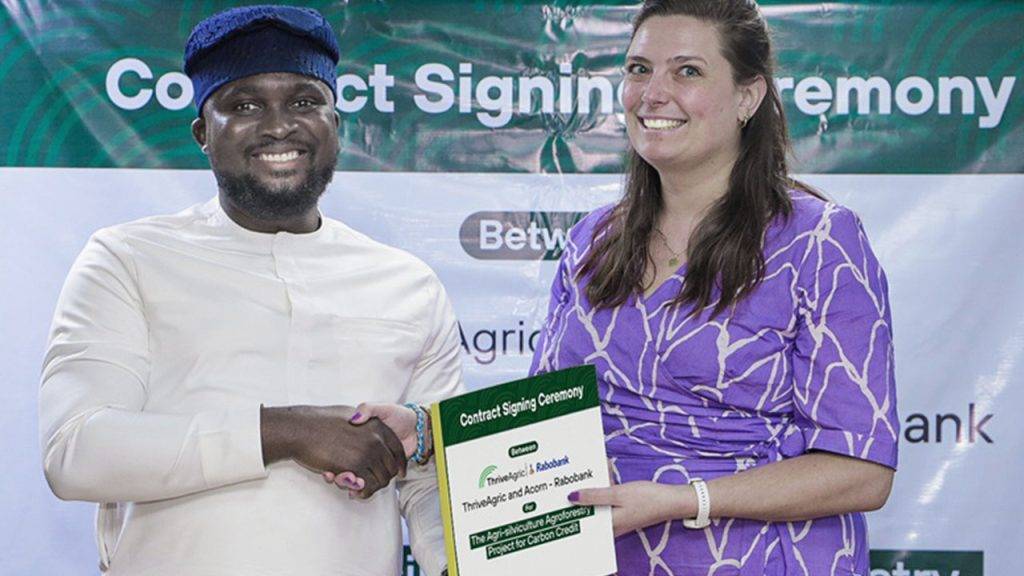
    ThriveAgric, a pioneering Nigerian agritech startup, has unveiled a groundbreaking collaboration with Acorn Rabobank aimed at empowering over 30,000 smallholder farmers.

    This strategic partnership focuses on providing carbon credits to enhance sustainable agroforestry practices and foster the development of the global carbon market. The initiative is poised to not only revolutionize agricultural practices but also yield substantial benefits for the participating Nigerian farmers, generating an estimated $56 million in revenue and mitigating 1.3 million metric tonnes of carbon emissions.

    Spanning across nine states in Nigeria, namely Kaduna, Gombe, Adamawa, Taraba, Bauchi, Jigawa, Niger, Nassarawa, and Kano, this ambitious project underscores ThriveAgric’s unwavering commitment to promoting sustainable agriculture while uplifting rural communities.

    “The carbon market presents vast opportunities, and it’s imperative that African farmers are not left behind,” emphasized Ayo Arikwe, Chief Technology Officer at Thrive Agric.

    As of October 2023, the carbon credit market boasted a staggering valuation of $103 billion, with projections indicating a robust average annual growth rate of 14.8% through 2032. Despite Africa’s immense potential in this domain, the continent presently accounts for a mere 2% of the market’s capacity. This glaring disparity highlights the pressing need for initiatives like the one spearheaded by ThriveAgric and Acorn Rabobank.

    In low-income countries, particularly in Africa, farmers often face barriers to participating in the carbon credit market, ranging from limited awareness to securing access. ThriveAgric aims to address these challenges head-on. Samirah Bello, Head of Partnerships at ThriveAgric, emphasized that every farmer involved in their program will have the opportunity to diversify their income streams by harnessing carbon credits.

    “For instance, a farmer managing one hectare of land stands to earn up to $1,700 in revenue from carbon credits annually. With newly planted trees, this revenue is poised to increase over time as the trees mature, capturing more carbon and generating additional credits,” added Bello.

    The collaborative efforts between ThriveAgric and Acorn Rabobank are poised to combat climate change by enhancing soil health, increasing productivity, and bolstering carbon capture. Participating farmers can anticipate improved crop yields, reduced post-harvest losses, and the integration of an additional income source through carbon credits, among other climate-smart initiatives.

    ThriveAgric, which boasts a robust network of over 800,000 smallholder farmers spanning Nigeria, Ghana, Kenya, and Uganda, is also pioneering the Dorewa platform. This innovative solution aims to empower other climate-focused startups across Africa to embark on their carbon journey.

    “Dorewa is designed to facilitate the entry of more farmers across Africa into the carbon credit landscape,” explained Arikwe.

    Acorn Rabobank, the climate-focused subsidiary of Dutch banking giant Rabobank, is actively engaged in climate change mitigation efforts across Ghana, Kenya, Zambia, Rwanda, and Tanzania. Through collaborative ventures like the one with ThriveAgric, Acorn Rabobank is spearheading transformative change in agricultural practices while fostering sustainable development across Africa.

  • African Payment Startup Chipper Cash Raises $13.8M Series A Funding

    African Payment Startup Chipper Cash Raises $13.8M Series A Funding

    African cross-border fintech startup Chipper Cash has closed a $13.8 million Series A funding round led by Deciens Capital and plans to hire 30 new staff globally.

    The raise caps an event filled run for the San Francisco based payments company, founded two years ago by Ugandan Ham Serunjogi and Ghanaian Maijid Moujaled.

    The two came to America for academics, met in Iowa while studying at Grinnell College and ventured out to Silicon Valley for stints in big tech: Facebook for Serunjogi and Flickr and Yahoo! for Moujaled.

    The startup call beckoned and after launching Chipper Cash in 2018, the duo convinced 500 Startups and and Liquid 2 Ventures — co-founded by American football legend Joe Montana — to back their company with seed funds.

    Two years and $22 million in total capital raised later, Chipper Cash offers its mobile-based, no fee, P2P payment services in seven countries: Ghana, Uganda, Nigeria, Tanzania, Rwanda, South Africa and Kenya.

    “We’re now at over one and a half million users and doing over a $100 million dollars a month in volume,” Serunjogi told TechCrunch on a call.

    Chipper Cash does not release audited financial data, but does share internal performance accounting with investors. Deciens Capital and Raptor Group co-led the startup’s Series A financing, with repeat support from 500 Startups and Liquid 2 Ventures .

    Deciens Capital founder Dan Kimmerling confirmed the fund’s lead on the investment and review of Chipper Cash’s payment value and volume metrics.

    Parallel to its P2P app, the startup also runs Chipper Checkout: a merchant-focused, fee-based mobile payment product that generates the revenue to support Chipper Cash’s free mobile-money business.

    The company will use its latest round to hire up to 30 people across operations in San Francisco, Lagos, London, Nairobi and New York — according to Serunjogi.

    Chipper Cash

    Chipper Cash has already brought on a new compliance officer, Lisa Dawson, whose background includes stints with the U.S. Department of Treasury’s Financial Crimes Enforcement Network and Citigroup’s anti-money laundering department.

    “You know in the world we live in the AML side is very important so it’s an area that we want to invest in from the get go,” said Serunjogi.

    He confirmed Dawson’s role aligned with getting Chipper Cash ready to meet regulatory requirements for new markets, but declined to name specific countries.

    With the round announcement, Chipper Cash also revealed a corporate social responsibility component to its business. Related to current U.S. events, the startup has formed the Chipper Fund for Black Lives.

    “We’ve been huge beneficiaries of the generosity and openness of this country and its entrepreneurial spirit,” explained Serunjogi. “But growing up in Africa, we’ve were able to navigate [the U.S.] without the traumas and baggage our African American friends have gone through living in America.”

    The Chipper Fund for Black Lives will give 5 to 10 grants of $5,000 to $10,000. “The plan is to give that to…people or causes who are furthering social justice reforms,” said Serunjogi.

    In Africa, Chipper Cash has placed itself in the continent’s major digital payments markets. As a sector, fintech has become Africa’s highest funded tech space, receiving the bulk of an estimated $2 billion in VC that went to startups in 2019.

    Those ventures, and a number of the continent’s established banks, are in a race to build market share through financial inclusion.

    By several estimates — including The Global Findex Database — the continent is home to the largest percentage of the world’s unbanked population, with a sizable number of underbanked consumers and SMEs.

    Increasingly, Nigeria has become the most significant fintech market in Africa, with the continent’s largest economy and population of 200 million.

    Chipper Cash expanded there in 2019 and faces competition from a number of players, including local payments venture Paga. More recently, outside entrants have jumped into Nigeria’s fintech scene.

    In 2019, Chinese investors put $220 million into OPay (owned by Opera) and PalmPay — two fledgling startups with plans to scale first in West Africa and then the broader continent.

    Over the next several years, expect to see market events — such as fails, acquisitions, or IPOs — determine how well funded fintech startups, including Chipper Cash, fare in Africa’s fintech arena.

    Source: https://techcrunch.com/

  • Uber Cash launches in Africa with Flutterwave

    Uber Cash launches in Africa with Flutterwave

    Uber Africa launches Uber Cash, a digital wallet feature in Sub-Saharan Africa through a partnership with Flutterwave, a Nigerian founded fintech firm based in San Francisco.

    Now, without any physical cash and/or money in your bank account, you can still request an Uber ride. Uber Cash is a new payment feature on the app where riders can now load their ‘Uber Cash’ wallets with money for rides. 

    Uber Cash will be available in Ghana, Tanzania, South Africa, Kenya,  Nigeria, Uganda and Ivory Coast. Methods for topping-up your Uber Cash wallets may vary across countries as Uber is directly working with mobile money providers and fintech companies of the aforementioned countries.

    For example in Nigeria you can use your Verve Card or mobile money. In Kenya, you can use M-Pesa and EFT (electronic funds transfer), and in South Africa you can top up with EFT,” said Alon Lits, Uber’s General Manager for Sub-Saharan Africa.

    Uber Cash will help reduce the need for cash payments or direct withdrawals from their bank accounts, the latter being a somewhat problematic process that requires customers to give out sensitive card information. 

    Flutterwave is the infrastructure provider across all African countries where Uber Cash will be available. Transfers from Flutterwave’s Barter app, launched in 2019, to Uber Cash is also available. 

    Uber has been a Flutterwave customer in Africa since 2017 so this is not an entirely new partnership. The latter’s B2B platform helps companies build payments systems that cut across national boundaries. 

    However, Uber Cash is different in the sense that it could increase use cases for Flutterwave’s consumer-facing product, Barter, to more users similar to the way MPesa is used by millions of individual users in East Africa.

    This is especially true considering Uber Cash isn’t just for rides; the feature is also available for Uber Eats, the ride-hailing company’s food delivery service that is currently only available in South Africa. 

    In April, Flutterwave launched Flutterwave Store to help small businesses build an online presence, overcoming the physical limitations imposed by coronavirus lockdowns. The store has a database of over 1,000 small businesses across Africa, according to Olugbenga Agboola, Flutterwave’s CEO.

    How To Use Uber Cash

    1. Open the app menu and tap on Payment
    2. Tap “Add funds”
    3. Change payment method to Uber Cash
    4. Choose a destination
    5. Request a ride