Jiji, the African e-commerce giant, is taking a big leap beyond the continent.
The company has set its sights on Bangladesh, a country with a booming middle class and rising mobile connectivity. It’s a move that shows Jiji is ready to go global, targeting high-growth emerging markets outside Africa. And the numbers back up their decision—Bangladesh’s e-commerce market is on track to hit $13 billion by 2027, according to Payments and Commerce Market Intelligence (PCMI).
Right now, Jiji operates in seven African countries: Ethiopia, Ghana, Kenya, Nigeria, Tanzania, Uganda, and Senegal. Expanding into Bangladesh feels like the next logical step. The country has 131 million internet users, and more people are getting comfortable shopping online. That’s a massive audience for Jiji, which already has 12 million active users every month.
“With a solid financial foundation and a scalable business model, we have grown into a profitable leader in Africa’s e-commerce space,” a Jiji spokesperson told TechCabal. “Our success in Africa has shown us how to navigate fast-growing markets, and we believe Bangladesh has the same potential for Jiji to thrive, helping to grow the e-commerce sector.”
Bangladesh has been making strategic moves to fuel e-commerce growth. Government policies, such as the Information and Communication Technology (ICT) Act of 2006, provide a legal framework for online transactions while addressing cybersecurity issues. There are also national ICT policies designed to shape the country’s digital economy, including e-commerce.
These efforts, combined with a growing middle class, have made Bangladesh a promising market. A PCMI survey from 2024 revealed that 79% of Bangladeshi consumers have shopped online, and 47% feel comfortable making digital payments.
However, Jiji won’t have the market to itself. It will be going up against big names like Daraz, Bikroy, and Ajkerdeal—companies that already have strong brand recognition and consumer trust. To win over Bangladeshi shoppers, Jiji will need to stand out with localized offerings and strategic partnerships, much like it did in Africa.
Since its launch in 2014, Jiji has found success by adapting to market needs. In Nigeria, it gained traction by offering free listings to first-time users and preloading its app on budget-friendly smartphones through partnerships with phone manufacturers. In 2016, the company struck a deal with Airtel to allow users to browse the platform without using data.
Jiji’s aggressive expansion strategy has also played a key role in its growth. In 2019, the company raised $21 million and acquired OLX Africa, taking over operations in Nigeria, Kenya, Ghana, Uganda, and Tanzania. This gave Jiji access to a combined market of 300 million people. In 2021, Jiji acquired Cars45, a platform for buying and selling used cars in Nigeria, Kenya, and Ghana. The next year, it took over Tonaton, its main competitor in Ghana.
The strategy has worked well in Africa, and Jiji is now hoping to replicate that success in Asia. The question is: can it carve out space in Bangladesh’s competitive e-commerce landscape? Time will tell, but if history is any indication, Jiji knows how to play the long game.
Africa’s tech industry is witnessing remarkable growth, with women playing pivotal roles in driving innovation and progress. From Nigeria to South Africa, these women are breaking barriers and reshaping the continent’s digital landscape. Here, we present a consolidated list of 30 influential African women in technology, highlighting their diverse contributions and the countries they hail from.
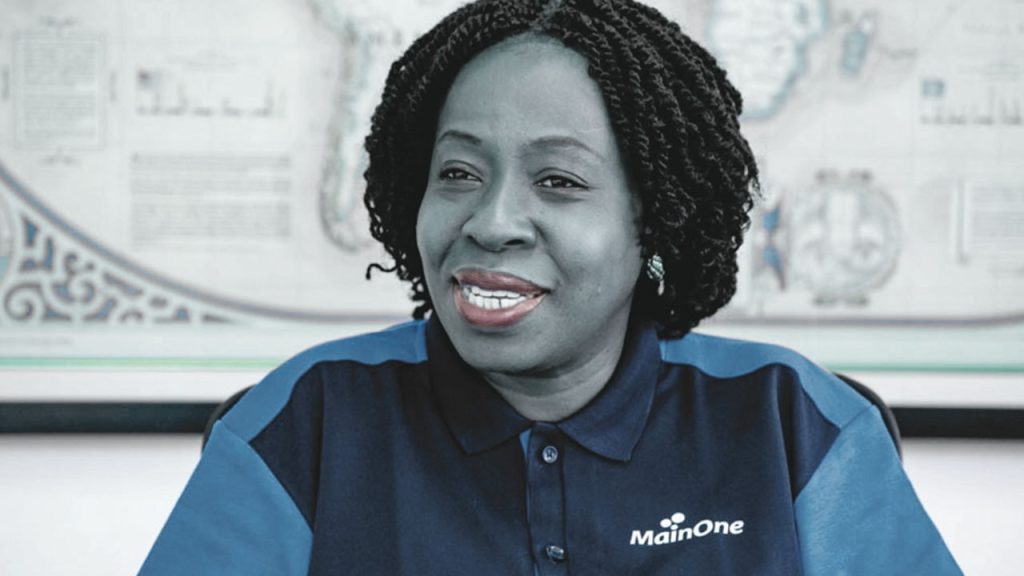
1. Funke Opeke (Nigeria)
Funke Opeke, as the Founder and CEO of MainOne, has spearheaded a transformative venture that significantly enhanced internet connectivity across West Africa. Through MainOne’s groundbreaking submarine cable system, Opeke’s leadership has ushered in a new era of high-speed, reliable internet access, empowering communities and businesses alike. Her visionary efforts have not only bridged the digital divide but have also catalyzed innovation and economic growth throughout the region. Opeke’s unwavering commitment to excellence continues to shape the technological landscape of Africa, leaving an enduring legacy of progress and connectivity.
2. Omowale David-Ashiru (Nigeria)
Omowale David-Ashiru, in her role as Vice President of Global Operations at Andela, serves as a guiding force in nurturing African developers into future tech leaders. Through her mentorship initiatives, she empowers individuals with the skills and knowledge needed to thrive in the ever-evolving tech industry. David-Ashiru’s dedication to cultivating talent not only strengthens Andela’s global impact but also fosters innovation and excellence within Africa’s tech ecosystem. Her strategic leadership and commitment to mentorship continue to inspire a new generation of tech professionals, driving forward progress and innovation across the continent.
3. Nisha Maharaj (South Africa)
Nisha, CEO of Niche Integrated Solutions, is acclaimed internationally as a software expert and esteemed industry leader. Her illustrious career boasts accolades like the ‘Business Woman’s Association, SA’ award, ‘Africa’s Most Influential Woman,’ and finalist recognition in prestigious events including Fairlady Women of the Future South Africa and Women4Africa UK. With executive tenure at top financial institutions like Nedbank, Standard Bank, Wesbank, Investec Bank, and Altech, Nisha’s profound expertise and leadership prowess in the tech sector are undeniable.
4. Ethel Cofie (Ghana)
As the CEO of EDEL Technology Consulting, Ethel Cofie is dedicated to empowering women in the tech industry through comprehensive educational initiatives and personalized mentorship programs. Her visionary leadership not only fosters professional growth but also cultivates a supportive community where women can thrive and excel. Through her strategic guidance, Cofie is reshaping the landscape of tech entrepreneurship, paving the way for greater diversity and inclusion in the field.
5. Ifeoluwa Dare-Johnson (Nigeria)
Ifeoluwa Dare-Johnson, a tech consultant and developer, has distinguished herself by spearheading initiatives to narrow the technology gap in rural communities, thereby improving their access to digital resources. As the founder and CEO of Healthtracka, she has introduced a groundbreaking platform that enables convenient at-home health testing with secure online results, revolutionizing healthcare accessibility and empowering individuals to take control of their well-being.
6. Dr. Juliet Ehimuan (Nigeria)
Dr. Juliet Ehimuan, former Google Director, is driving African business empowerment through her initiative, Beyond Limits Africa. Leveraging her extensive experience and expertise, she equips businesses with the tools and resources needed to thrive in a dynamic digital landscape. Ehimuan’s commitment to fostering entrepreneurship and innovation is reshaping the African business ecosystem, paving the way for sustainable growth and prosperity.
7. Bilikiss Adebiyi Abiola (Nigeria)
Bilikiss Adebiyi Abiola’s groundbreaking venture, WeCyclers, is revolutionizing recycling practices in Nigeria through its innovative mobile waste collection platform. By harnessing technology, WeCyclers not only encourages recycling but also addresses environmental challenges and promotes sustainable living. Abiola’s visionary approach to waste management is paving the way for a cleaner, greener future in Nigeria, while also creating economic opportunities for local communities.
8. Adeola Shasanya (Nigeria)
Adeola Shasanya, co-founder of Afro-Tech Girls, is dedicated to inspiring and empowering young African women to embark on rewarding careers in the tech industry. Through mentorship programs and educational initiatives, Shasanya equips aspiring technologists with the skills and confidence needed to succeed in a rapidly evolving digital landscape. Her advocacy for diversity and inclusion is shaping the future of tech by fostering a vibrant and inclusive community of female innovators and leaders across Africa.
9. Karen Nadasen (South Africa)
Karen Nadasen, CEO of PayU South Africa, leads with distinction in the fintech sector, driving growth and innovation in e-commerce and digital payments. Chairing the Ecommerce Forum of South Africa (EFSA), she fosters competitiveness among online retailers and champions financial inclusion. Nadasen is a vocal advocate for diversity in tech, recognized as a Top Woman in Tech for her influential role in fintech.
10. Temi Giwa-Tubosun (Nigeria)
Temi Giwa-Tubosun’s groundbreaking initiative, LifeBank, utilizes technology to ensure timely delivery of life-saving blood supplies to hospitals across Nigeria. Through innovative solutions, LifeBank addresses critical gaps in healthcare logistics, saving countless lives and improving healthcare outcomes. Giwa-Tubosun’s visionary approach not only revolutionizes blood donation and distribution but also underscores the transformative potential of technology in healthcare delivery. Her dedication to leveraging technology for social impact has earned her widespread acclaim and recognition as a leading innovator in the healthcare sector.
11. Hawa Traore (Mali)
Hawa Traore, as CEO of Teliman, spearheads a transformative shift in Mali’s mobility sector by introducing innovative on-demand services. Through Teliman’s platform, Traore enhances accessibility and efficiency in transportation, catalyzing socio-economic development and improving the lives of Malians. Her visionary leadership and commitment to leveraging technology for social good mark her as a trailblazer in Mali’s evolving mobility landscape.
12. Yasmin Belo-Osagie (Nigeria)
As the co-founder of She Leads Africa, Yasmin Belo-Osagie empowers young African women by providing support and resources for their professional development. Through innovative programs and mentorship initiatives, Belo-Osagie fosters leadership skills and entrepreneurial spirit, enabling women to thrive in diverse industries. Her dedication to advancing women’s careers and promoting gender equality makes her a catalyst for positive change across the continent.
13. Nneile Nkholise (South Africa)
Nneile, through iMed Tech, fosters young African women’s development, envisioning them as future healthcare research leaders. Specializing in medical prosthetics and bio-implants, iMed Tech innovates in medical technology, with Nneile recognized as a top female innovator in Africa, championing women’s leadership in healthcare. Her work advances healthcare solutions and creates opportunities for women in the sector.
14. Abiola Rasaq (Nigeria)
Abiola Rasaq, as a QA Lead, cultivates a vibrant community of software testers through her platform, The Bug Detective. Her leadership and guidance empower testers to excel in their roles, fostering collaboration and continuous improvement within the software testing community. Rasaq’s dedication to quality assurance drives excellence in software development, ensuring robust and reliable digital solutions for users worldwide.
15. Ire Aderinokun (Nigeria)
Ire Aderinokun, a Google Developer Expert, advocates for web development and cryptocurrency infrastructure advancement in Africa. Her expertise and advocacy efforts drive innovation and accessibility, empowering individuals and businesses to leverage these technologies for economic growth and financial inclusion across the continent. Aderinokun’s dedication to fostering digital literacy and innovation marks her as a leader in Africa’s tech ecosystem.
16. Tara Fela-Durotoye (Nigeria)
Tara Fela-Durotoye’s e-commerce platform revolutionizes the accessibility of beauty products in Nigeria. Through her innovative approach, she democratizes the beauty industry, providing easy access to a wide range of products to consumers across the country. Fela-Durotoye’s platform empowers individuals to express themselves and enhance their well-being through quality beauty products, marking a significant shift in the Nigerian market.
17. Magatte Wade (Senegal)
Magatte Wade, through Skin Is Skin, champions economic inclusion in the beauty industry by leveraging technology. Her initiative promotes diversity and accessibility, fostering a more inclusive marketplace while celebrating the beauty of all skin types. Wade’s innovative approach to business and social impact underscores the transformative potential of technology in driving positive change.
18. Nunu Ntshingila (South Africa)
As Meta’s African Regional Director, Nunu Ntshingila spearheads initiatives to boost digital literacy and foster business growth via social media platforms. Her strategic leadership harnesses the power of social media to empower individuals and businesses across the continent, driving innovation and economic development.
19. Jihan Abass (Kenya)
Jihan Abass, the founder of Lami, revolutionizes the insurance sector in Kenya by digitizing services, thereby enhancing accessibility and efficiency. Through her innovative approach, Abass democratizes insurance products, ensuring they are more readily available to a wider audience while streamlining processes for greater convenience.
20. Lady Marieme Jamme (Senegal)
Lady Marieme Jamme, founder of iamtheCODE, empowers marginalized women by providing coding education, enabling them to thrive in the tech industry. Her initiative not only equips women with essential skills but also fosters inclusion and diversity in the digital workforce. Jamme’s dedication to bridging the gender gap in tech creates pathways for social and economic empowerment for women worldwide.
21. Odunayo Eweniyi (Nigeria)
Odunayo Eweniyi, co-founder of PiggyVest, advocates for financial empowerment among African women through fintech solutions. Her platform revolutionizes saving and investment practices, democratizing access to financial services and promoting economic independence for women across the continent.
22. Rapelang Rabana (South Africa)
Rapelang Rabana, renowned internationally for her pioneering efforts, established Rekindle Learning, a technology company providing innovative educational platforms. Her mission revolves around optimizing learning efficacy through cutting-edge mobile and web solutions.
23. Yvonne Khamati (Kenya)
Diplomat Yvonne Khamati champions fair tech policies to foster sustainable development in Africa. Through her advocacy efforts, Khamati promotes equitable access to technology and advocates for policies that prioritize environmental sustainability and social inclusion. Her diplomatic expertise and commitment to shaping ethical tech practices are instrumental in driving positive change and progress across the continent.
24. Isabel dos Santos (Angola)
Isabel dos Santos, an investor, plays a pivotal role in enhancing technology infrastructure development in Angola and beyond. Through strategic investments and initiatives, dos Santos catalyzes innovation and digital transformation, driving economic growth and connectivity across regions. Her commitment to leveraging technology for development underscores the importance of private sector involvement in shaping the future of emerging markets.
25. Charlette N’Guessan (Ghana)
Charlette N’Guessan, CEO of BACE Group, advances security in Africa through innovative facial recognition technology. Her groundbreaking solutions address pressing security challenges, safeguarding individuals and organizations across the continent. N’Guessan’s visionary leadership and technological expertise position her as a trailblazer in leveraging cutting-edge technology for societal benefit and safety.
26. Ivy Barley (Ghana)
Ivy Barley, co-founder of Developers in Vogue, empowers African women by providing training and mentorship for successful tech careers. Through her initiative, Barley champions diversity and inclusion in the tech industry, fostering a vibrant community of female technologists driving innovation across the continent. Her dedication to mentorship and skill development creates pathways for women to excel and thrive in the digital economy.
27. Regina Honu (Ghana)
Regina Honu, founder of Soronko Academy, leads the way in providing coding education for girls in West Africa. Her pioneering efforts break down barriers, empowering young women with valuable digital skills and opportunities. Honu’s visionary initiative promotes inclusivity and bridges the gender gap in tech, catalyzing positive change and innovation in the region.
28. Miishe Addy (Ghana)
Miishe Addy, co-founder of Jetstream Africa, revolutionizes logistics in Africa’s supply chain through technological optimization. Her innovative solutions streamline operations, enhancing efficiency and connectivity across the continent. Addy’s pioneering work exemplifies the transformative potential of technology in driving economic growth and development in Africa.
29. Farida Bedwei (Ghana)
Farida Bedwei, co-founder of Logiciel, defies odds by developing banking systems despite her battle with cerebral palsy. Her resilience and expertise in the field have positioned her as a trailblazer, inspiring countless individuals in the tech industry. Bedwei’s remarkable achievements underscore the power of determination and innovation in overcoming challenges.
30. Nthabiseng Mosia (South Africa)
Nthabiseng Mosia, a South African-Ghanaian entrepreneur, co-founded Easy Solar in Sierra Leone, addressing fintech and energy challenges. Under her leadership, Easy Solar has empowered nearly one million people with energy solutions in Liberia and Sierra Leone. A strong advocate for African women’s empowerment, Mosia is dedicated to community-centered solutions for Africa’s development challenges.
These women are not just leaders; they are pioneers, setting the pace for innovation and change across the continent. They exemplify how skill, passion, and determination can influence industries and inspire the next generation of tech enthusiasts in Africa.
Frequently Asked Questions (FAQs)
Q: What makes these African women influential in tech?
Their innovations, leadership, and contributions to their respective fields not only drive technological advancement but also inspire other women to pursue careers in technology.
Q: How can other women aspiring to enter the tech industry learn from these leaders?
Aspiring tech professionals can learn from these leaders by following their careers, attending talks or webinars they participate in, and reading about their approaches to solving complex problems.
Q: Why is diversity important in technology?
Diversity fosters innovation by incorporating a range of perspectives that lead to better solutions and products. It also creates a more inclusive and equitable industry.
Q: How do these women impact technology in Africa?
They provide solutions that address specific challenges, contribute to economic growth, and lead initiatives that encourage more inclusive participation in tech.
Q: What can be done to support more women in tech across Africa?
Supporting more women in tech can be achieved by creating more educational opportunities in STEM, offering mentorships, funding women-led startups, and establishing policies that encourage diversity in the workplace.
As technology continues to evolve at an unprecedented pace, Africa is not just watching from the sidelines; it’s actively participating and, in some cases, leading the way.
The continent’s tech landscape is burgeoning, driven by vibrant startups, significant investments, and a young, tech-savvy population. In 2025, several African countries are standing out as leaders in tech innovation, creating ecosystems that foster technological advancements and attract global attention. Here’s a look at the top 10 African countries making significant strides in the tech industry.
1. Nigeria
Nigeria’s reputation as the “Giant of Africa” extends into its tech innovation, with Lagos often dubbed the Silicon Valley of Africa. The country’s thriving ecosystem is supported by numerous tech hubs, accelerators, and venture capital presence, fueling growth in fintech, agritech, and health tech sectors.
2. South Africa
South Africa remains a powerhouse in the continent’s tech scene, particularly in Cape Town and Johannesburg. The country excels in software development and has a robust infrastructure that supports significant tech conferences and multinational companies investing in local talent.
3. Kenya
Kenya is pivotal in mobile technology, being the birthplace of mobile money with M-Pesa. Nairobi, its capital, is a tech hub with a slew of startups focusing on innovative solutions to everyday problems, supported by active incubators and government backing.
4. Rwanda
Rwanda’s rapid transformation into a tech-friendly nation is underpinned by government initiatives aimed at creating a digital economy. Kigali is becoming a magnet for tech entrepreneurs, thanks to its business-friendly environment and commitment to becoming a tech hub.
5. Egypt
Egypt’s tech industry is booming, driven by a significant youth population and governmental support in digital transformation. Cairo is home to a growing number of tech startups and has a strong focus on nurturing tech talent and innovation in connectivity technologies.
6. Ghana
Ghana is making a name for itself with a focus on technology education and startup support. Accra hosts several tech hubs that are instrumental in the country’s burgeoning status as a leader in technology-driven solutions.
7. Morocco
Morocco is leveraging its strategic location to serve as a bridge between Europe and Africa in tech advancements. The country is investing heavily in tech parks and education, with a significant focus on renewable energy technologies and smart city solutions.
8. Senegal
Senegal’s tech scene is anchored by Dakar, which hosts numerous tech events and startup incubators. The country is recognized for its innovations in digital finance and agricultural technologies, supported by a progressive regulatory framework.
9. Uganda
Uganda may be smaller than some of its neighbors, but it is mighty in its tech ambitions. The country has a vibrant community of young innovators and has made significant strides in mobile technologies and health innovations.
10. Tanzania
Tanzania is focusing on harnessing technology to boost its agricultural and manufacturing sectors. Its tech hubs in Dar es Salaam are becoming key players in the region, fostering innovations that aim to improve daily life and economic growth.
Why These Countries Stand Out
These nations are not just adopting technology but are adapting it to meet local needs, thereby driving genuine innovation. Their governments are implementing policies that favor tech growth, such as improved broadband access, tech education in schools, and support for tech startups. These efforts are complemented by a dynamic young workforce eager to innovate and solve real-world problems.
Frequently Asked Questions (FAQs)
Q1: What makes these countries leaders in tech innovation?
These countries have strong governmental support, vibrant tech ecosystems with hubs and accelerators, significant investment in tech, and a focus on adapting technology to solve local challenges.
Q2: How do these countries compare to global tech leaders?
While they may not yet match the scale of Silicon Valley or other global tech capitals, these countries are rapidly growing and are increasingly recognized on international platforms for their innovative contributions.
Q3: What are the main sectors these countries innovate in?
Key sectors include fintech, agritech, health tech, mobile technology, renewable energy, and digital finance.
Q4: How do these innovations impact their economies?
Tech innovations drive economic growth by creating jobs, attracting foreign investment, and improving the overall efficiency and competitiveness of the economies.
Q5: Are there opportunities for foreign investors and tech professionals?
As we look towards the future, it’s clear that Africa’s tech scene is not just catching up but is poised to redefine global tech narratives. These top 10 countries are at the forefront of this transformation, making them exciting places to watch, work, and invest in the coming years.
The rise of remote work has transformed how and where we can do our jobs, allowing for flexibility that was once thought impossible. For digital nomads and those looking to embrace a remote working lifestyle, Africa offers a plethora of destinations with the right mix of connectivity, culture, and cost of living. Here’s a look at the top 10 African countries that are ideal for remote work, taking into consideration factors such as internet accessibility, local amenities, safety, and the overall quality of life.
1. Mauritius
Mauritius isn’t just a paradise island for vacationers; it’s also becoming a top spot for remote workers. With its Premium Visa program, which allows for long stays, and reliable high-speed internet, Mauritius offers an idyllic setting with all the necessary modern amenities for digital nomads.
2. South Africa
With cities like Cape Town and Johannesburg, South Africa is a hub for remote workers. South Africa offers a solid internet infrastructure, a vibrant cultural scene, and a variety of coworking spaces. Furthermore, the cost of living is reasonable compared to Western standards, making it an attractive option for remote workers.
3. Morocco
Morocco, particularly cities like Marrakech and Casablanca, offers an enticing mix of culture and connectivity. The country has seen an improvement in internet services and offers various spots with excellent Wi-Fi and beautiful scenery, perfect for those who draw inspiration from their surroundings.
4. Kenya
Kenya is well-known for its innovation in digital and mobile technology, making it a suitable choice for remote workers. Nairobi, known as “Silicon Savannah,” provides a thriving tech community, fast internet, and a selection of coworking spaces.
5. Egypt
With its rich history and modern advancements, Egypt is more than just a travel destination. Cities like Cairo and Alexandria offer affordable living and good internet connectivity. The local tech scene is burgeoning, and the cost of living is low, which is great for budget-conscious remote workers.
6. Ghana
Ghana is rapidly becoming a favorite among remote workers due to its friendly visa policies and welcoming locals. Accra, the capital, boasts reliable internet, an English-speaking population, and a peaceful environment, making it a comfortable place for foreigners to settle in.
7. Rwanda
Rwanda has made significant strides in becoming an ICT hub. The capital, Kigali, is known for its cleanliness, safety, and fast internet. The government’s focus on digital infrastructure makes Rwanda an emerging hotspot for remote workers.
8. Tanzania
For those who want a view, Tanzania offers incredible landscapes from Mount Kilimanjaro to the beaches of Zanzibar. The main cities like Dar es Salaam have been improving their internet infrastructure, making it easier for remote workers to stay connected.
9. Senegal
Senegal is known for its stability and vibrant cultural heritage. Dakar, the capital, provides a good mix of traditional and modern with reliable internet access, numerous cafes, and coworking spaces. It’s an inviting place for those looking to work in a culturally rich yet modern environment.
10. Namibia
Namibia offers a unique desert landscape with the advantage of a strong internet backbone in urban areas like Windhoek. It’s perfect for remote workers who prefer a quiet environment but still want access to modern amenities.
Why These Countries?
These nations provide the best environments for remote work due to their stable internet connections, reasonable cost of living, welcoming communities, and governmental policies supporting digital nomads. They combine the allure of African hospitality and scenery with the necessities that modern remote work demands.
Frequently Asked Questions (FAQs)
Q: What makes these African countries suitable for remote work?
These countries offer reliable internet, affordable living costs, safe environments, and supportive local communities which are essential for remote work.
Q: How do I choose the right country for remote work?
Consider your personal lifestyle preferences, the cost of living, internet reliability, and cultural offerings when choosing a country for remote work.
Q: Are these African countries safe for foreign remote workers?
Yes, these countries are known for their hospitality and stable environments, making them safe for foreigners. However, it’s always advisable to follow local guidelines and stay informed about safety conditions.
Q: Can I expect good healthcare facilities in these African countries?
Urban areas in these countries usually have good healthcare facilities, though it’s wise to have health insurance that covers international treatment.
Q: What are the visa requirements for these countries?
Visa requirements vary by country. Some, like Mauritius, offer specific visas for long-term stays for remote workers, while others may require standard tourist visas renewed periodically.
As remote work continues to redefine traditional work environments, Africa is positioning itself as a continent not just of vast natural beauty and culture, but also as a serious contender for digital nomads and tech professionals looking to work from anywhere in the world. These ten countries exemplify the best of what Africa has to offer for remote workers.
In recent years, mobile gaming has surged globally, and Africa is no exception. With an expanding young population, increased smartphone penetration, and improved internet connectivity, the continent is quickly becoming a hotspot for mobile gaming enthusiasts and developers alike. This article explores the top 10 African countries leading the charge in the mobile gaming sector, highlighting their market strengths and growth opportunities.
1. Nigeria
Nigeria, Africa’s largest economy, boasts a vibrant mobile gaming scene. The country’s massive youth population and increasing mobile phone usage make it a prime market for mobile game developers. Local studios are beginning to gain recognition, not just within the country but across the continent.
2. South Africa
South Africa has a well-established mobile gaming market, supported by its strong infrastructure and high rates of mobile connectivity. South African gamers are known for their enthusiasm for mobile games, which has attracted investments from major international gaming companies.
3. Kenya
Kenya is another key player in the mobile gaming industry in Africa. The widespread use of mobile payments has made in-app purchases more accessible, enhancing the mobile gaming experience for users and increasing revenue for developers.
4. Egypt
Egypt’s rapidly growing tech-savvy population and improved broadband accessibility have created a fertile ground for the mobile gaming industry. Egyptian gamers are keen on games that offer in-depth narratives and localized content, pushing developers to innovate.
5. Morocco
Morocco has seen significant growth in its mobile gaming market due to its strategic location and bilingual population (Arabic and French). These factors make it an attractive market for both local and international mobile gaming companies looking to expand their reach.
6. Ghana
With one of the fastest-growing mobile phone markets in Africa, Ghana is seeing an increase in mobile gaming among its internet users. The country’s young demographic is highly engaged with mobile technology, providing a robust audience for gaming apps.
Check out the RWC Racing Vol 1, a Ghanaian car racing game with high quality graphics and seamless gameplay 🚘 🇬🇭
Uganda may be smaller than other markets on this list, but its mobile gaming industry is vibrant and growing. Innovations in mobile technology and a high youth population contribute to a burgeoning market with a lot of potential.
8. Ivory Coast
Ivory Coast is establishing itself as a significant player in the West African mobile gaming market. The country’s improving internet infrastructure and a high number of mobile users create a promising environment for mobile gaming growth.
9. Senegal
Senegal’s mobile gaming market is driven by its young and tech-savvy population. With a growing number of smartphone users and a stable economic environment, Senegal offers great potential for mobile gaming companies looking to establish a presence in West Africa.
10. Tanzania
Rounding out the list is Tanzania, where mobile gaming is gaining popularity among the urban youth. The increasing availability of affordable smartphones has made mobile gaming more accessible to a wider audience.
Why These Markets Are Thriving
These countries show strong potential in the mobile gaming sector due to a combination of high mobile penetration, youthful populations, and increasing access to faster internet services. Additionally, the growing middle class across these nations contributes to more disposable income available for entertainment like mobile gaming.
Frequently Asked Questions (FAQs)
Q: What factors contribute to the growth of mobile gaming markets in Africa?
Key factors include high smartphone penetration, young demographics, improving internet access, and an increasing middle class with disposable income for entertainment.
Q: How do local developers impact these markets?
Local developers play a crucial role by creating culturally relevant and localized content that resonates with regional audiences, which helps to drive engagement and loyalty.
Q: What challenges do these markets face?
Challenges include variable internet quality, high data costs in some regions, and the need for more local content development.
Q: Are international companies investing in these markets?
Yes, recognizing the growth potential, international companies are increasingly investing in Africa’s mobile gaming markets, either through direct investments or partnerships with local firms.
Q: How can one access opportunities in these markets?
Opportunities can be accessed through collaborations with local developers, participation in regional tech and gaming conferences, or direct investment in marketing and localized game development.
The rise of mobile gaming in Africa represents not just a shift in how people entertain themselves but also a significant economic opportunity. As technology continues to evolve and the gaming community grows, these top 10 countries are well-positioned to lead this exciting industry into the future.
In today’s globalized economy, digital payments have become crucial for international transactions and e-commerce. Platforms like PayPal simplify online purchases, making them accessible and secure. However, despite the widespread adoption of PayPal around the world, it remains notably absent in some countries, including Ghana. This article explores the various factors contributing to the absence of PayPal services in Ghana, and how it affects the local economy and tech sector.
Historical Context and Current Landscape
Ghana has seen significant technological advancements and has a burgeoning e-commerce sector. With a growing middle class and increasing internet penetration, the demand for digital payment solutions is higher than ever. Mobile money services like MTN Mobile Money, Vodafone Cash (now Telecel Cash), and AirtelTigo Money have filled this gap to some extent but lack the global reach and user base of PayPal.
Regulatory Challenges
One of the primary reasons why PayPal has not yet entered the Ghanaian market is the complex regulatory environment. Financial regulations in Ghana are designed to control money laundering and ensure the stability of the financial system. PayPal, with its global operations, must ensure that it complies with these regulations comprehensively before it can operate in Ghana. This involves navigating both local regulations and international financial laws, which can be time-consuming and costly.
Economic Factors
Another significant factor is the economic environment. While Ghana’s economy is growing, issues such as currency stability and inflation pose risks for international financial service providers. PayPal typically operates in markets where there is a certain level of economic stability to mitigate potential financial losses that could arise from currency fluctuations.
Market Viability
For PayPal, the decision to enter a new market also depends on the market’s profitability potential. This includes the number of potential users and the volume of transactions. Despite the high demand for such services in Ghana, the current volume and value of digital transactions may still be deemed insufficient by PayPal to warrant the establishment of services, especially considering the costs associated with setting up and maintaining operations.
Financial Infrastructure
The financial infrastructure in Ghana, though improving, is still developing. The readiness of the banking system to integrate with international payment platforms like PayPal is crucial. This integration involves technological upgrades and compliance with international security standards, which are still underway in many Ghanaian banks.
Risk of Fraud
The risk of financial fraud is a concern for any financial service provider. In regions where digital fraud tactics are prevalent, PayPal might be cautious in rolling out its services to mitigate potential losses. Ensuring that robust security measures are in place is a prerequisite for PayPal’s operations, which could delay its introduction in such markets.
Alternative Solutions and the Future
In the absence of PayPal, other services have been gaining traction in Ghana. These include other international payment platforms like Skrill, Payoneer, and local innovations that provide similar services. The Ghanaian government and financial institutions continue to work towards improving financial regulations and infrastructure, which could pave the way for PayPal in the future.
Frequently Asked Questions (FAQs)
Q: Why is PayPal not available in Ghana?
PayPal is not available in Ghana primarily due to regulatory challenges, economic factors, market viability concerns, the developing financial infrastructure, and the risks associated with financial fraud.
Q: How does the absence of PayPal affect the Ghanaian economy?
The absence of PayPal limits the options for international e-commerce and may slow the growth of Ghana’s digital economy by making it more difficult for businesses and freelancers to engage with global markets.
Q: What are the alternatives to PayPal in Ghana?
Alternatives to PayPal in Ghana include other international payment services like Skrill and Payoneer, as well as local mobile money services that support international transactions.
Q: Is there a possibility of PayPal entering the Ghanaian market soon?
While it is difficult to predict, the possibility exists if Ghana continues to improve its financial regulations and infrastructure, and if economic conditions stabilize to meet PayPal’s operational standards.
Q: What can be done to expedite PayPal’s entry into Ghana?
Efforts can be made to strengthen financial regulations, enhance the security and infrastructure of the banking system, and ensure economic stability to create a more favorable environment for international payment platforms like PayPal.
Q: Which African countries is PayPal available in?
As of 2024, PayPal is available in several African countries, including South Africa, Kenya, Morocco, Egypt, Nigeria, Algeria, Angola, Benin, Botswana, Burkina Faso, Burundi, Cameroon, Cape Verde, Chad, Comoros, Ivory Coast, Democratic Republic of the Congo, Djibouti, Eritrea, Ethiopia, Gabon Republic, Gambia, Guinea, Guinea-Bissau, Lesotho, Madagascar, Malawi, Mali, Mauritania, Mauritius, Mozambique, Namibia, Niger, Republic of the Congo, Rwanda, Saint Helena, São Tomé and Príncipe, Senegal, Seychelles, Sierra Leone, Swaziland, Tanzania, Togo, Tunisia, Uganda, Zambia, and Zimbabwe. These countries allow residents to open and operate a PayPal account for secure international payments and money transfers.
Q: Which other African countries is PayPal not available in?
PayPal is not available in some African countries due to various regulatory and operational constraints. Notable exclusions include Libya, Sudan, and Somalia. In these countries, residents cannot officially open or operate a PayPal account, limiting their access to this global payment platform.
Understanding why PayPal is not yet available in Ghana provides insight into the complexities of financial services in emerging markets and highlights the need for ongoing improvements in financial infrastructure and regulations to support economic growth and global integration.
In an era where the internet is as crucial as any other utility service, finding affordable and reliable high-speed internet is a priority for many.
Across Africa, several countries are making remarkable strides in improving not just the availability but also the affordability of internet access. Let’s dive into the most affordable African countries for high-speed internet, exploring how they’re achieving this and what it means for their citizens and economies.
1. Egypt
Egypt tops the list with some of the lowest broadband costs in Africa, thanks to significant investments in telecommunications infrastructure and a competitive market that drives prices down. The government’s initiatives to expand digital access have made high-speed internet widely available at costs that are manageable for a large segment of the population.
2. Nigeria
Africa’s largest economy is also one of the leaders in affordable internet access. With a vibrant tech scene and multiple internet service providers (ISPs), competition is fierce, which benefits the consumer. Nigeria’s expansive fiber-optic network has also contributed to lowering prices while increasing internet speed.
3. Kenya
Kenya is renowned for its mobile money revolution and its internet services are no less revolutionary in terms of pricing and speed. The widespread adoption of mobile internet services has driven costs down, making Kenya one of the most affordable countries for internet access on the continent.
4. Ghana
Ghana’s government has been proactive in its efforts to increase internet penetration, which has involved partnerships with major ISPs to reduce costs and improve service quality. These initiatives have positioned Ghana as a country with both affordable and reliable internet access.
5. Morocco
Morocco boasts a highly competitive ISP market, with numerous providers pushing down prices. The Moroccan government’s commitment to boosting IT as a cornerstone of economic development has led to improved internet infrastructure, making high-speed internet both accessible and affordable.
6. Uganda
In Uganda, government policies aimed at digital inclusion have seen the cost of internet services decrease significantly. With the rise of ISPs that focus on affordable broadband, Ugandans are enjoying faster internet speeds at lower prices.
7. Rwanda
Rwanda’s vision to become a tech hub in Africa includes ambitious plans for broadband penetration. The government’s investment in ICT has paid dividends, resulting in lower costs for high-speed internet that support its burgeoning tech ecosystem.
8. South Africa
While traditionally more expensive, recent years have seen South Africa make strides in reducing internet costs. Increased competition among broadband providers and regulatory efforts to ensure fair pricing have made high-speed internet more affordable for more South Africans.
9. Tanzania
Tanzania’s focus on enhancing digital infrastructure has led to a significant reduction in internet costs. With strategic investments in internet technologies, Tanzanians are increasingly accessing high-speed internet at competitive prices.
10. Senegal
Senegal rounds out the list with its strong commitment to enhancing internet accessibility. The introduction of newer technologies and government-led initiatives aimed at digital education and infrastructure has helped lower the cost of internet services across the country.
What Drives Affordability?
Several factors contribute to the affordability of high-speed internet in these countries, including government policies, competition among ISPs, investments in infrastructure, and partnerships with global tech companies. These elements not only drive down prices but also improve the quality of service, creating a healthy cycle of growth and accessibility.
Frequently Asked Questions (FAQs)
Q: What makes internet access affordable in these African countries?
Affordability is driven by competitive ISP markets, government investments in digital infrastructure, and regulatory policies that encourage lower prices and improved service quality.
Q: How do lower internet costs impact these African countries?
Lower internet costs boost economic growth by enabling businesses to operate more efficiently and by increasing the number of digital services available to consumers.
Q: Can I expect internet prices in these African countries to decrease further?
Yes, as these countries continue to invest in technology and infrastructure and as competition among ISPs intensifies, prices are likely to decrease even further.
Q: What role do African governments play in reducing internet costs?
Governments play a crucial role through regulatory frameworks that encourage competition and fair pricing, as well as through direct investments in technology infrastructure.
Q: How does high-speed internet contribute to a country’s development?
High-speed internet is vital for education, healthcare, business, and communication, contributing significantly to the overall development and global competitiveness of a country.
These top ten African countries are setting examples of how strategic measures can significantly enhance internet affordability. This not only empowers their citizens but also catalyzes growth across various sectors, showcasing the transformative power of accessible technology.