Tag: Ivory Coast

  • How to Send Money from Ghana to Nigeria and Neighboring Countries With MTN MoMo

    How to Send Money from Ghana to Nigeria and Neighboring Countries With MTN MoMo

    Sending money across borders used to be a complicated process, but with MTN MoMo, it’s now quick, easy, and seamless. This service allows you to send money from Ghana to Nigeria, Cameroon, Benin, and Ivory Coast in just a few steps. Whether you’re supporting family, paying for services, or handling business transactions, MTN MoMo’s Cross-Border Payment feature ensures that your money gets where it needs to go securely and without hassle.

    Step-by-Step Guide to Sending Money from Ghana to Nigeria (and Other Countries)

    If you have an MTN MoMo account and need to send money to someone in Nigeria, Cameroon, Benin, or Ivory Coast, follow these simple steps:

    1. Dial *170# on your MTN phone.
    2. Select Option 1 (Transfer Money).
    3. Choose Option 7 (Cross Border Payment).
    4. Select Option 1 (Transfer to Wallet).
    5. Choose the country you want to send money to (Nigeria, Cameroon, Benin, or Ivory Coast).
    6. Enter the receiver’s phone number. For Nigeria, it should be in this format: 234XXXXXXXXXX.
    7. Enter the amount you want to send.
    8. Confirm the transaction details.
    9. Enter your MoMo PIN to authorize the payment.
    10. You will receive a confirmation message once the transfer is successful.

    It’s that simple! No need for bank accounts or long queues—just your phone and an MTN MoMo wallet.

    Requirements for Sending Money Across Borders

    Before you start sending money internationally with MTN MoMo, ensure you meet these requirements:

    RequirementDetails
    Active MTN MoMo AccountYou must have an MTN Mobile Money wallet with sufficient funds.
    Valid Receiver NumberThe recipient’s number should be registered with MTN in the receiving country.
    Transaction FeesMTN MoMo may charge a small fee for the transaction, depending on the amount sent.
    Transaction LimitsThere are daily and monthly limits on how much you can send. Check with MTN for specific limits.
    Correct Country CodeMake sure to use the right country code when entering the recipient’s phone number.

    Benefits of Using MTN MoMo for Cross-Border Transfers

    MTN MoMo is one of the most convenient ways to send money across African countries. Here’s why:

    1. Fast and Reliable

    Money transfers happen almost instantly, so your recipient doesn’t have to wait long to access the funds.

    2. Affordable

    Compared to traditional money transfer services, MTN MoMo offers lower transaction fees, making it cost-effective.

    3. Safe and Secure

    With PIN authentication and transaction confirmations, your money is always protected.

    4. No Bank Account Required

    Your recipient doesn’t need a bank account—just an active MTN mobile wallet.

    5. Widely Available

    MTN MoMo is accessible in multiple African countries, making it a great option for international payments within the region.

    With MTN MoMo’s Cross-Border Transfer feature, sending money from Ghana to Nigeria, Cameroon, Benin, or Ivory Coast is incredibly simple and efficient. No long processes, no unnecessary paperwork—just a few taps on your phone, and your money is sent securely. If you haven’t tried it yet, give it a go and enjoy hassle-free international payments with MTN MoMo.
    FAQs

    Can I send MTN MoMo from Ghana to Nigeria?

    Yes! You can send money from Ghana to Nigeria using MTN MoMo’s Cross-Border Transfer feature by following the steps outlined above.

    Can Ghanaians receive money from Nigeria with MTN MoMo?

    Yes. Ghanaians can send and receive money via MTN MoMo from Nigeria, Cameroon, Benin, and Ivory Coast.

    Can I send MTN MoMo from Ghana to Cameroon?

    Yes, MTN MoMo allows you to send and receive money from Ghana to Cameroon using the Cross-Border Payment option.

    Can I send MTN MoMo from Ghana to Benin?

    Yes, you can transfer and receive money from Ghana to Benin with MTN MoMo by selecting Benin as the destination country during the transaction process.

    Can I send MTN MoMo from Ghana to Ivory Coast?

    Yes, Ivory Coast is one of the supported countries for MTN MoMo’s Cross-Border Transfers, making it easy to send money there.

    With MTN MoMo, sending money internationally within Africa has never been easier. Try it today and experience the convenience firsthand!

  • Top 10 African Countries with the Best Mobile Gaming Markets

    Top 10 African Countries with the Best Mobile Gaming Markets

    In recent years, mobile gaming has surged globally, and Africa is no exception. With an expanding young population, increased smartphone penetration, and improved internet connectivity, the continent is quickly becoming a hotspot for mobile gaming enthusiasts and developers alike. This article explores the top 10 African countries leading the charge in the mobile gaming sector, highlighting their market strengths and growth opportunities.

    1. Nigeria

    Nigeria, Africa’s largest economy, boasts a vibrant mobile gaming scene. The country’s massive youth population and increasing mobile phone usage make it a prime market for mobile game developers. Local studios are beginning to gain recognition, not just within the country but across the continent.

    2. South Africa

    South Africa has a well-established mobile gaming market, supported by its strong infrastructure and high rates of mobile connectivity. South African gamers are known for their enthusiasm for mobile games, which has attracted investments from major international gaming companies.

    3. Kenya

    Kenya is another key player in the mobile gaming industry in Africa. The widespread use of mobile payments has made in-app purchases more accessible, enhancing the mobile gaming experience for users and increasing revenue for developers.

    4. Egypt

    Egypt’s rapidly growing tech-savvy population and improved broadband accessibility have created a fertile ground for the mobile gaming industry. Egyptian gamers are keen on games that offer in-depth narratives and localized content, pushing developers to innovate.

    5. Morocco

    Morocco has seen significant growth in its mobile gaming market due to its strategic location and bilingual population (Arabic and French). These factors make it an attractive market for both local and international mobile gaming companies looking to expand their reach.

    6. Ghana

    With one of the fastest-growing mobile phone markets in Africa, Ghana is seeing an increase in mobile gaming among its internet users. The country’s young demographic is highly engaged with mobile technology, providing a robust audience for gaming apps.

    7. Uganda

    Uganda may be smaller than other markets on this list, but its mobile gaming industry is vibrant and growing. Innovations in mobile technology and a high youth population contribute to a burgeoning market with a lot of potential.

    8. Ivory Coast

    Ivory Coast is establishing itself as a significant player in the West African mobile gaming market. The country’s improving internet infrastructure and a high number of mobile users create a promising environment for mobile gaming growth.

    9. Senegal

    Senegal’s mobile gaming market is driven by its young and tech-savvy population. With a growing number of smartphone users and a stable economic environment, Senegal offers great potential for mobile gaming companies looking to establish a presence in West Africa.

    10. Tanzania

    Rounding out the list is Tanzania, where mobile gaming is gaining popularity among the urban youth. The increasing availability of affordable smartphones has made mobile gaming more accessible to a wider audience.

    Why These Markets Are Thriving

    These countries show strong potential in the mobile gaming sector due to a combination of high mobile penetration, youthful populations, and increasing access to faster internet services. Additionally, the growing middle class across these nations contributes to more disposable income available for entertainment like mobile gaming.

    Frequently Asked Questions (FAQs)

    Q: What factors contribute to the growth of mobile gaming markets in Africa?

    Key factors include high smartphone penetration, young demographics, improving internet access, and an increasing middle class with disposable income for entertainment.

    Q: How do local developers impact these markets?

    Local developers play a crucial role by creating culturally relevant and localized content that resonates with regional audiences, which helps to drive engagement and loyalty.

    Q: What challenges do these markets face?

    Challenges include variable internet quality, high data costs in some regions, and the need for more local content development.

    Q: Are international companies investing in these markets?

    Yes, recognizing the growth potential, international companies are increasingly investing in Africa’s mobile gaming markets, either through direct investments or partnerships with local firms.

    Q: How can one access opportunities in these markets?

    Opportunities can be accessed through collaborations with local developers, participation in regional tech and gaming conferences, or direct investment in marketing and localized game development.

    The rise of mobile gaming in Africa represents not just a shift in how people entertain themselves but also a significant economic opportunity. As technology continues to evolve and the gaming community grows, these top 10 countries are well-positioned to lead this exciting industry into the future.

  • Top 10 African Countries Pioneering Digital Payment Solutions

    Top 10 African Countries Pioneering Digital Payment Solutions

    In recent years, digital payment solutions have revolutionized how transactions are conducted across the globe, particularly in Africa where traditional banking services often fall short of reaching the entire population. This shift towards digital platforms is not only promoting financial inclusivity but also paving the way for a dynamic economic environment. Here, we explore the top ten African countries that are leading in digital payment adoption, highlighting the innovations and policies that make them stand out.

    1. Kenya

    Kenya is synonymous with mobile money, thanks to M-Pesa, a service that has become a global case study for successful digital payment systems. Launched in 2007, M-Pesa allows millions of people to deposit, withdraw, and transfer money with a simple mobile device, contributing significantly to financial inclusivity in Kenya.

    2. Ghana

    Ghana’s digital payment landscape has seen remarkable growth, spurred by services like Mobile Money Interoperability (MMI), which allows customers to transfer funds across different mobile money services and banks seamlessly. This has greatly enhanced the convenience and adoption of digital payments across the country.

    3. South Africa

    In South Africa, digital payments have become a norm thanks to a robust banking infrastructure and the proliferation of fintech startups. Services like SnapScan and Zapper have integrated mobile payments into daily transactions for everything from groceries to utility bills, making it one of the most advanced countries in Africa for digital payment solutions.

    4. Nigeria

    Africa’s largest economy, Nigeria, has a rapidly growing fintech sector with a slew of services designed to ease the way people use money digitally. Platforms like Paystack and Flutterwave have revolutionized online transactions, enabling businesses to flourish and reach customers through seamless payment solutions.

    5. Rwanda

    Rwanda is making significant strides with its vision to become a cashless economy. The government’s push for digital platforms has led to widespread use of mobile money services, with substantial public and private sector collaboration to embed digital payment systems in daily transactions.

    6. Egypt

    Egypt’s digital payment sector is booming, driven by a young, tech-savvy population and government initiatives aimed at promoting digital transactions. The Central Bank of Egypt has implemented several policies that encourage banks and businesses to adopt digital payments, significantly increasing their usage.

    7. Ivory Coast

    Ivory Coast is a leader in digital payments in the Francophone region of Africa, with mobile money services experiencing exponential growth. The government’s supportive policies towards fintech companies have played a crucial role in this surge, facilitating more inclusive financial services.

    8. Tanzania

    In Tanzania, the adoption of digital payment platforms is accelerating, with significant contributions from mobile money services like M-Pesa, Tigo Pesa, and Airtel Money. These platforms have dramatically transformed the financial landscape, offering extended services including loans and savings.

    9. Uganda

    Uganda has seen a substantial increase in digital payment adoption, driven by the ubiquity of mobile phones and the success of mobile money. The country continues to innovate in this area, providing a wide range of digital financial services that cater to its largely rural population.

    10. Morocco

    Morocco is rapidly advancing in digital payments, supported by a strong banking sector and governmental enthusiasm for fintech solutions. The introduction of mobile payment solutions and innovative banking services has made digital payments more accessible to the Moroccan public.

    Why These Countries Are Leading

    The success of digital payment adoption in these countries can be attributed to several factors, including strong governmental support, innovative fintech ecosystems, robust mobile penetration, and progressive regulatory environments that encourage digital transformation in financial services.

    Frequently Asked Questions (FAQs)

    Q: What factors contribute to the success of digital payments in these African countries?

    Key factors include high mobile penetration, supportive government policies, innovative fintech solutions, and a collaborative ecosystem involving banks and tech companies.

    Q: How do digital payments impact economic development in Africa?

    Digital payments streamline transactions, reduce the costs associated with handling cash, increase transaction security, and bring more people into the formal economy, all of which boost economic development.

    Q: What challenges do African countries face with digital payment adoption?

    Challenges include cybersecurity risks, resistance from traditional cash users, and the need for constant technological upgrades to handle the growing demands of digital finance.

    Q: Are digital payments in Africa secure?

    Yes, digital payments are generally secure, but they require robust cybersecurity measures to protect against fraud and breaches.

    Q: How can other African countries enhance their digital payment systems?

    Other countries can enhance their digital payment systems by investing in technology infrastructure, adopting favorable regulatory frameworks, and encouraging partnerships between the government, fintech companies, and financial institutions.

    The rise of digital payments in these top ten African countries is not just transforming their economies but also setting a benchmark for others to follow. As these nations continue to innovate and adapt, they pave the way for a more financially inclusive and economically vibrant Africa.

  • Why PayPal Is Still Not Available In Ghana

    Why PayPal Is Still Not Available In Ghana

    In today’s globalized economy, digital payments have become crucial for international transactions and e-commerce. Platforms like PayPal simplify online purchases, making them accessible and secure. However, despite the widespread adoption of PayPal around the world, it remains notably absent in some countries, including Ghana. This article explores the various factors contributing to the absence of PayPal services in Ghana, and how it affects the local economy and tech sector.

    Historical Context and Current Landscape

    Ghana has seen significant technological advancements and has a burgeoning e-commerce sector. With a growing middle class and increasing internet penetration, the demand for digital payment solutions is higher than ever. Mobile money services like MTN Mobile Money, Vodafone Cash (now Telecel Cash), and AirtelTigo Money have filled this gap to some extent but lack the global reach and user base of PayPal.

    Regulatory Challenges

    One of the primary reasons why PayPal has not yet entered the Ghanaian market is the complex regulatory environment. Financial regulations in Ghana are designed to control money laundering and ensure the stability of the financial system. PayPal, with its global operations, must ensure that it complies with these regulations comprehensively before it can operate in Ghana. This involves navigating both local regulations and international financial laws, which can be time-consuming and costly.

    Economic Factors

    Another significant factor is the economic environment. While Ghana’s economy is growing, issues such as currency stability and inflation pose risks for international financial service providers. PayPal typically operates in markets where there is a certain level of economic stability to mitigate potential financial losses that could arise from currency fluctuations.

    Market Viability

    For PayPal, the decision to enter a new market also depends on the market’s profitability potential. This includes the number of potential users and the volume of transactions. Despite the high demand for such services in Ghana, the current volume and value of digital transactions may still be deemed insufficient by PayPal to warrant the establishment of services, especially considering the costs associated with setting up and maintaining operations.

    Financial Infrastructure

    The financial infrastructure in Ghana, though improving, is still developing. The readiness of the banking system to integrate with international payment platforms like PayPal is crucial. This integration involves technological upgrades and compliance with international security standards, which are still underway in many Ghanaian banks.

    Risk of Fraud

    The risk of financial fraud is a concern for any financial service provider. In regions where digital fraud tactics are prevalent, PayPal might be cautious in rolling out its services to mitigate potential losses. Ensuring that robust security measures are in place is a prerequisite for PayPal’s operations, which could delay its introduction in such markets.

    Alternative Solutions and the Future

    In the absence of PayPal, other services have been gaining traction in Ghana. These include other international payment platforms like Skrill, Payoneer, and local innovations that provide similar services. The Ghanaian government and financial institutions continue to work towards improving financial regulations and infrastructure, which could pave the way for PayPal in the future.

    Frequently Asked Questions (FAQs)

    Q: Why is PayPal not available in Ghana?

    PayPal is not available in Ghana primarily due to regulatory challenges, economic factors, market viability concerns, the developing financial infrastructure, and the risks associated with financial fraud.

    Q: How does the absence of PayPal affect the Ghanaian economy?

    The absence of PayPal limits the options for international e-commerce and may slow the growth of Ghana’s digital economy by making it more difficult for businesses and freelancers to engage with global markets.

    Q: What are the alternatives to PayPal in Ghana?

    Alternatives to PayPal in Ghana include other international payment services like Skrill and Payoneer, as well as local mobile money services that support international transactions.

    Q: Is there a possibility of PayPal entering the Ghanaian market soon?

    While it is difficult to predict, the possibility exists if Ghana continues to improve its financial regulations and infrastructure, and if economic conditions stabilize to meet PayPal’s operational standards.

    Q: What can be done to expedite PayPal’s entry into Ghana?

    Efforts can be made to strengthen financial regulations, enhance the security and infrastructure of the banking system, and ensure economic stability to create a more favorable environment for international payment platforms like PayPal.

    Q: Which African countries is PayPal available in?

    As of 2024, PayPal is available in several African countries, including South Africa, Kenya, Morocco, Egypt, Nigeria, Algeria, Angola, Benin, Botswana, Burkina Faso, Burundi, Cameroon, Cape Verde, Chad, Comoros, Ivory Coast, Democratic Republic of the Congo, Djibouti, Eritrea, Ethiopia, Gabon Republic, Gambia, Guinea, Guinea-Bissau, Lesotho, Madagascar, Malawi, Mali, Mauritania, Mauritius, Mozambique, Namibia, Niger, Republic of the Congo, Rwanda, Saint Helena, São Tomé and Príncipe, Senegal, Seychelles, Sierra Leone, Swaziland, Tanzania, Togo, Tunisia, Uganda, Zambia, and Zimbabwe. These countries allow residents to open and operate a PayPal account for secure international payments and money transfers.

    Q: Which other African countries is PayPal not available in?

    PayPal is not available in some African countries due to various regulatory and operational constraints. Notable exclusions include Libya, Sudan, and Somalia. In these countries, residents cannot officially open or operate a PayPal account, limiting their access to this global payment platform.

    Understanding why PayPal is not yet available in Ghana provides insight into the complexities of financial services in emerging markets and highlights the need for ongoing improvements in financial infrastructure and regulations to support economic growth and global integration.

  • Yango Unveils Cargo Express for Effortless Large Item Delivery in Ghana, Cote D’Ivoire, and Zambia

    Yango Unveils Cargo Express for Effortless Large Item Delivery in Ghana, Cote D’Ivoire, and Zambia

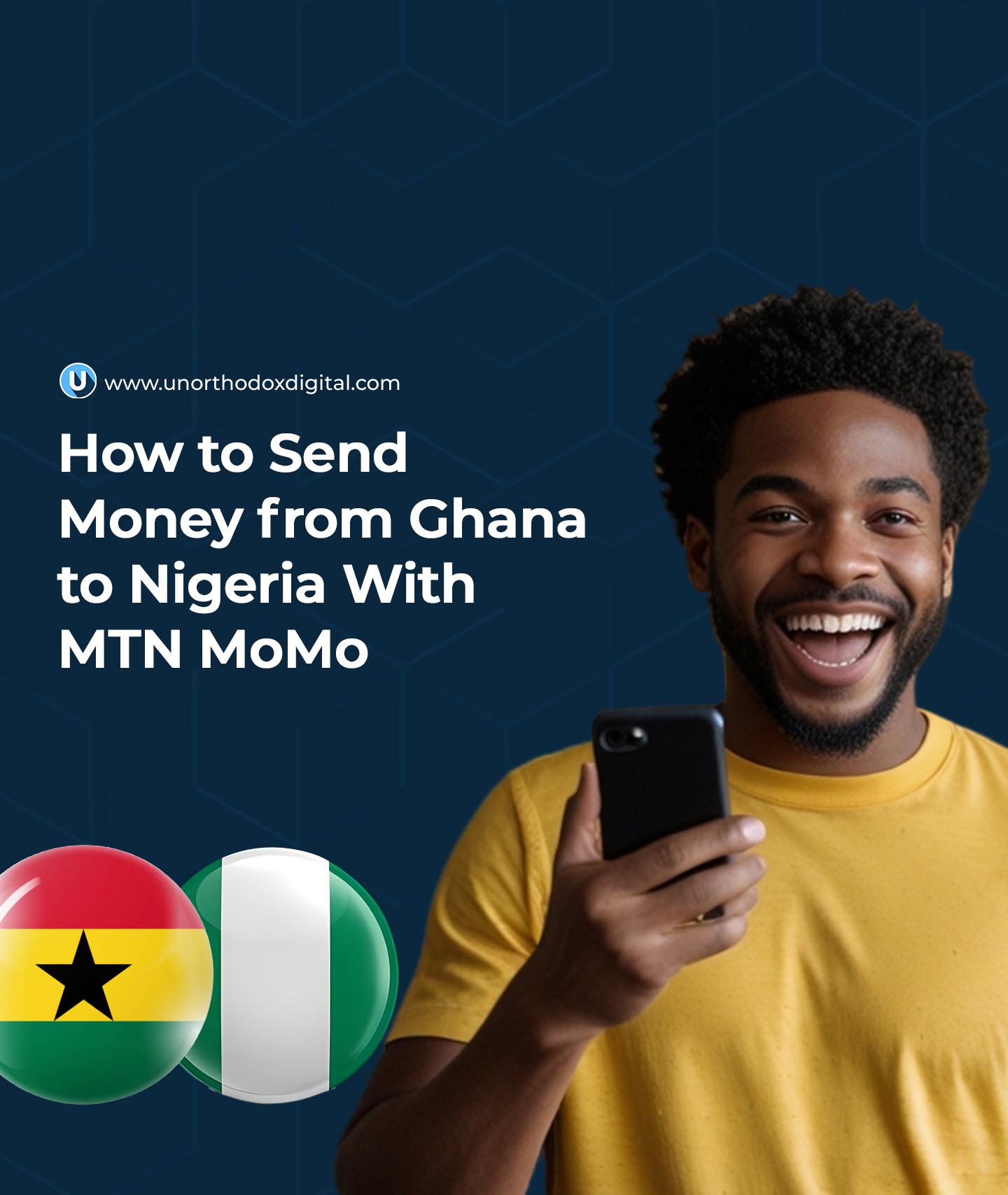
    Yango Delivery, a tech-driven platform facilitating swift in-city delivery services, has rolled out Cargo Express, a novel feature aimed at simplifying the transportation of bulky items across Africa’s urban landscapes.

    Cargo Express makes its debut in key metropolitan hubs like Abidjan, Accra, and Lusaka, aspiring to set the standard for handling large-scale logistics across the continent. Moreover, customers can leverage additional perks such as assistance from movers and ten minutes of complimentary loading and unloading time, enhancing the convenience quotient of the service.

    How It Operates

    Cargo Express operates on a transparent pricing model, ensuring that customers are presented with upfront costs, eliminating any surprises at checkout. Upon placing an order, customers receive real-time updates on every stage of the delivery process, with delivery statuses relayed through push notifications and the movement of items tracked via the Yango in-app map.

    Yango Cargo Express

    Significance of the Initiative

    This initiative addresses the prevailing challenges within the logistics sector, characterized by inefficiencies and opaque pricing structures, offering a much-needed solution to streamline large-item delivery.

    Insights from Yango

    Ireoluwa Obatoki, Head of Business Development for Africa at Yango Delivery, underscores the significance of Cargo Express: “The launch of Cargo Express reaffirms our commitment to leveraging technology to enhance urban delivery services, empowering local logistics partners and couriers with lucrative opportunities while ensuring transparent pricing standards across Africa’s delivery market.”

    In light of the burgeoning trend of online shopping, there arises a pressing demand for robust delivery services tailored to accommodate large items. Cargo Express endeavors to bridge this gap, presenting a reliable and straightforward solution to meet evolving consumer needs.

    Cargo Express marks a strategic expansion of Yango’s service portfolio, complementing its existing suite of offerings including ride-hailing (Yango), motorcycle-based light package delivery (Yango Delivery), and food delivery services (Yango Deli). This holistic approach consolidates Yango’s position as a one-stop destination for daily essentials, all conveniently accessible through a single app.

    Available exclusively through the Yango app’s Delivery section, Cargo Express provides access to a diverse range of vehicles aptly suited for transporting oversized and heavy items, ensuring a seamless delivery experience for customers across Africa.

  • Uber Cash launches in Africa with Flutterwave

    Uber Cash launches in Africa with Flutterwave

    Uber Africa launches Uber Cash, a digital wallet feature in Sub-Saharan Africa through a partnership with Flutterwave, a Nigerian founded fintech firm based in San Francisco.

    Now, without any physical cash and/or money in your bank account, you can still request an Uber ride. Uber Cash is a new payment feature on the app where riders can now load their ‘Uber Cash’ wallets with money for rides. 

    Uber Cash will be available in Ghana, Tanzania, South Africa, Kenya,  Nigeria, Uganda and Ivory Coast. Methods for topping-up your Uber Cash wallets may vary across countries as Uber is directly working with mobile money providers and fintech companies of the aforementioned countries.

    For example in Nigeria you can use your Verve Card or mobile money. In Kenya, you can use M-Pesa and EFT (electronic funds transfer), and in South Africa you can top up with EFT,” said Alon Lits, Uber’s General Manager for Sub-Saharan Africa.

    Uber Cash will help reduce the need for cash payments or direct withdrawals from their bank accounts, the latter being a somewhat problematic process that requires customers to give out sensitive card information. 

    Flutterwave is the infrastructure provider across all African countries where Uber Cash will be available. Transfers from Flutterwave’s Barter app, launched in 2019, to Uber Cash is also available. 

    Uber has been a Flutterwave customer in Africa since 2017 so this is not an entirely new partnership. The latter’s B2B platform helps companies build payments systems that cut across national boundaries. 

    However, Uber Cash is different in the sense that it could increase use cases for Flutterwave’s consumer-facing product, Barter, to more users similar to the way MPesa is used by millions of individual users in East Africa.

    This is especially true considering Uber Cash isn’t just for rides; the feature is also available for Uber Eats, the ride-hailing company’s food delivery service that is currently only available in South Africa. 

    In April, Flutterwave launched Flutterwave Store to help small businesses build an online presence, overcoming the physical limitations imposed by coronavirus lockdowns. The store has a database of over 1,000 small businesses across Africa, according to Olugbenga Agboola, Flutterwave’s CEO.

    How To Use Uber Cash

    1. Open the app menu and tap on Payment
    2. Tap “Add funds”
    3. Change payment method to Uber Cash
    4. Choose a destination
    5. Request a ride