Category: Cryptocurrency

We share cryptocurrency news, investment strategies, and trading tips to help Africans navigate the world of digital currencies.

  • Why Paystack Sent a Legal Warning to Zap Africa

    Why Paystack Sent a Legal Warning to Zap Africa

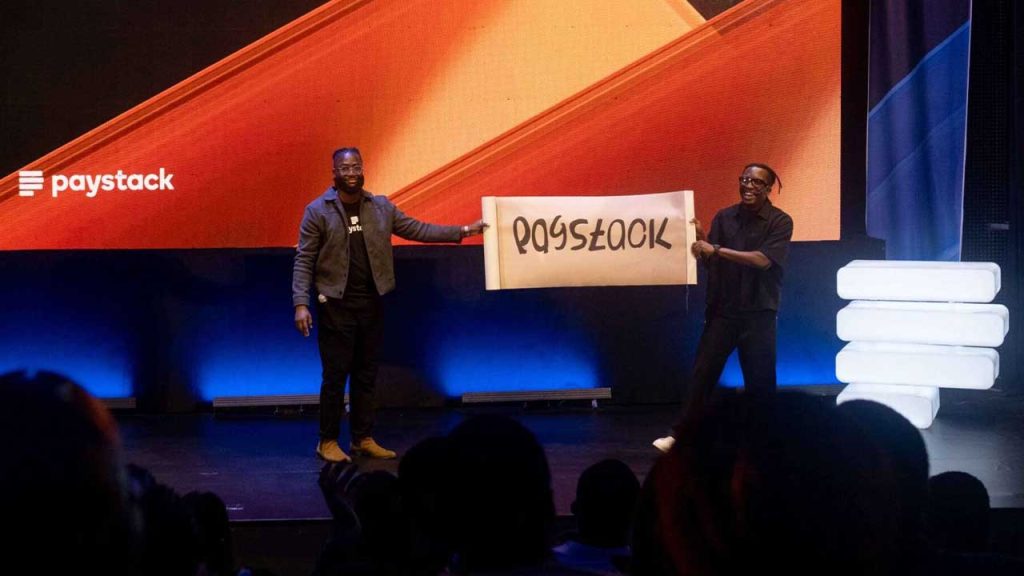
    Paystack, the African payments company owned by Stripe, has sent a cease and desist notice to crypto startup Zap Africa after launching its new consumer product, Zap by Paystack.

    This legal move comes in response to Zap Africa’s claims that Paystack failed to check whether “Zap” was already in use before branding their product.

    The announcement of Paystack’s new offering stirred up a debate online, with Zap Africa accusing the payments giant of neglecting due diligence. But according to a source within Paystack, the company did its homework before moving forward with the name.

    “We’re confident that we filed for trademark and that we filed in the right category,” the source told Condia. “We registered the [Zap] trademark across multiple classes, including financial services — a class where Zap Africa has no filing registration.”

    Documents reviewed by Condia confirm that Paystack applied for a trademark on December 4, 2023, covering six different categories, including financial affairs, monetary services, insurance, and estate affairs. Meanwhile, a search of Nigeria’s Corporate Affairs Commission (CAC) registry shows that many businesses already use “Zap” in their names.

    Zap Africa has also raised concerns that Paystack’s use of “Zap” is confusing its customers. However, the Paystack source dismissed this argument, pointing out that “Zap” is a common word used by multiple businesses in different industries.

    “Zap” is a common term widely used in everyday language, making it difficult to associate exclusively with a single brand,” the source explained. “Over 40 companies listed on the CAC website include ‘Zap’ in their business names. Records from the Trademarks, Patents, and Designs Registry in Nigeria also show that the word ‘Zap’ has been in use for well over a decade. In fact, a trademark containing ‘Zap’ was filed as early as 2008 by an entirely different entity. So, the name is not exclusive to Zap Africa.”

    It’s clear that this dispute is far from over, and how it unfolds could set a precedent for naming rights in Nigeria’s business landscape.

  • 6 Trusted Crypto Mining Apps for Android & iPhone

    6 Trusted Crypto Mining Apps for Android & iPhone

    If you’ve ever wondered if you can mine cryptocurrency straight from your phone, the answer is yes—but with a few catches. While mobile crypto mining won’t make you rich overnight, it’s a fun and accessible way to earn small amounts of crypto without investing in expensive mining hardware. The trick is finding apps that are trustworthy, easy to use, and actually pay out. That’s exactly what this guide will help you with.

    We’ll break down six of the most reliable crypto mining apps for Android and iPhone, explaining how they work, their pros and cons, and what you need to get started. Let’s dive in!

    What Is Crypto Mining on Mobile?

    Before we get to the apps, let’s quickly explain what mobile crypto mining is. Traditional crypto mining requires powerful computers (or ASIC miners) to solve complex math problems and validate transactions on a blockchain. This process is energy-intensive and not practical for smartphones.

    Instead, mobile mining apps use cloud mining or browser-based mining. Here’s the difference:

    • Cloud mining: You rent mining power from a remote data center. The mining happens on powerful machines elsewhere, and you earn a share of the rewards.
    • Browser-based mining: Some apps let you earn crypto while browsing the internet by using your phone’s idle processing power (although earnings are usually small).

    Now that we understand the basics, here are the six best crypto mining apps available for Android and iPhone.

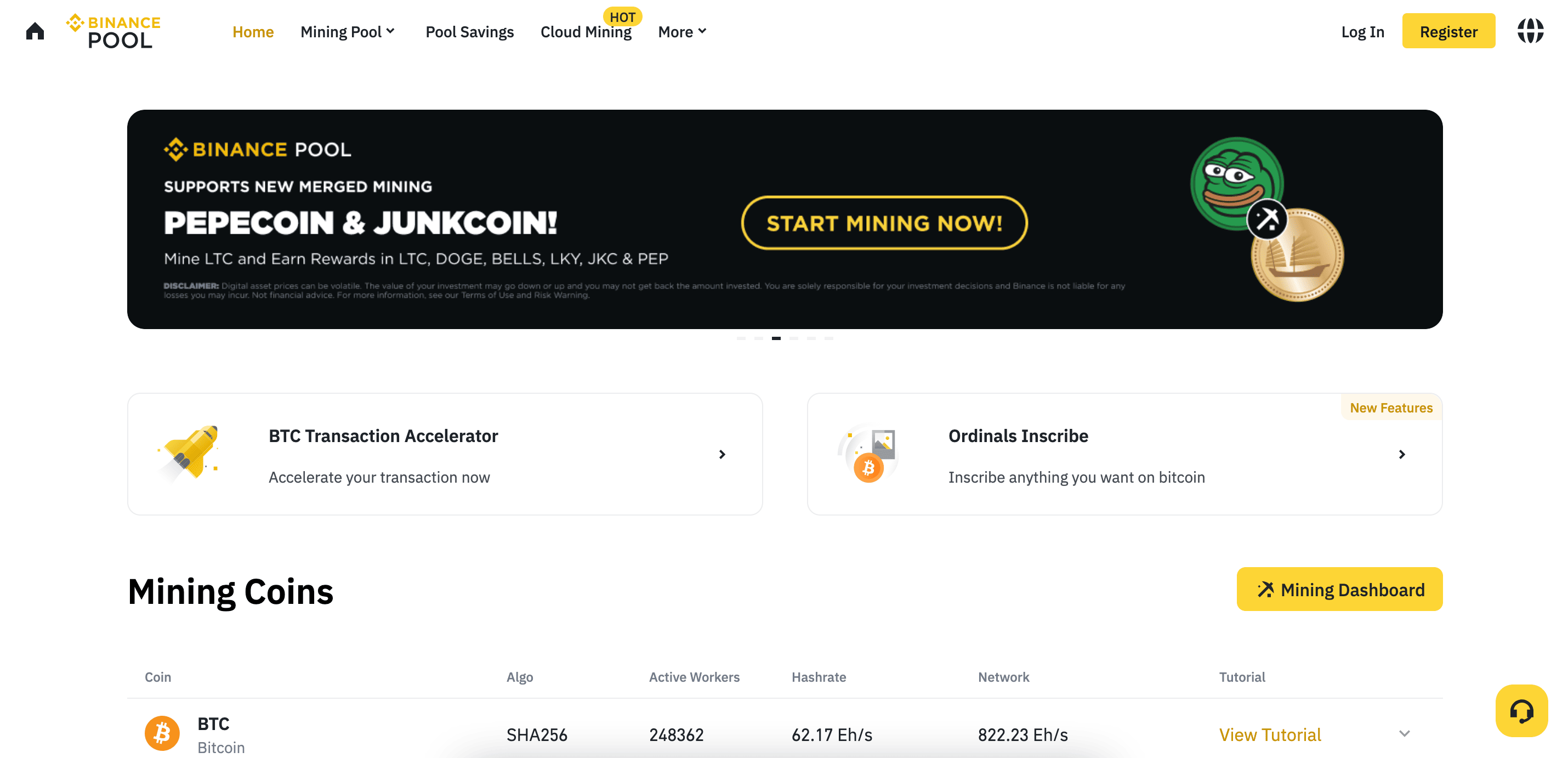
    1. Binance Pool

    Binance Mining Pool

    Binance, one of the largest cryptocurrency exchanges, offers Binance Pool, a cloud mining service that lets you mine Bitcoin without needing special hardware.

    Features:

    • Integrated with Binance’s trading platform
    • Daily payouts in Bitcoin
    • Easy tracking through the Binance app

    How It Works:

    1. Create a Binance account (if you don’t have one).
    2. Purchase a cloud mining contract (starting at $23.04).
    3. Sit back and track your earnings in the Binance app.

    Pros & Cons:

    ProsCons
    Trusted and reputable platformContracts sell out quickly
    No need for hardwareNo free mining options
    Daily payoutsRequires an initial investment

    2. CryptoTab Browser

    CryptoTab is a web browser that lets you mine Bitcoin while browsing the internet. It’s available in Lite, Pro, and Max Speed versions, with paid versions offering higher mining speeds.

    Features:

    • Built-in mining while you browse
    • Withdraw Bitcoin directly from the app
    • Boost options for faster mining

    How It Works:

    1. Download the CryptoTab Browser.
    2. Use it as your regular web browser.
    3. Earn Bitcoin as you browse.

    Pros & Cons:

    ProsCons
    Simple and user-friendlyMinimal earnings
    Works while browsingOccasional withdrawal issues
    Available on Android & iPhonePaid upgrades needed for better speeds

    3. Hashshiny

    Hashshiny is a cloud mining app that supports multiple cryptocurrencies, including Bitcoin, Ethereum, and Litecoin.

    Features:

    • No need for mining hardware
    • User-friendly mobile dashboard
    • Two-year minimum contract term

    How It Works:

    1. Download the Hashshiny app.
    2. Sign up and choose a mining contract.
    3. Track your mining progress remotely.

    Pros & Cons:

    ProsCons
    Supports multiple cryptosTwo-year contract requirement
    Easy-to-use interfaceHigh transaction fees
    Good customer supportCloud mining means limited control

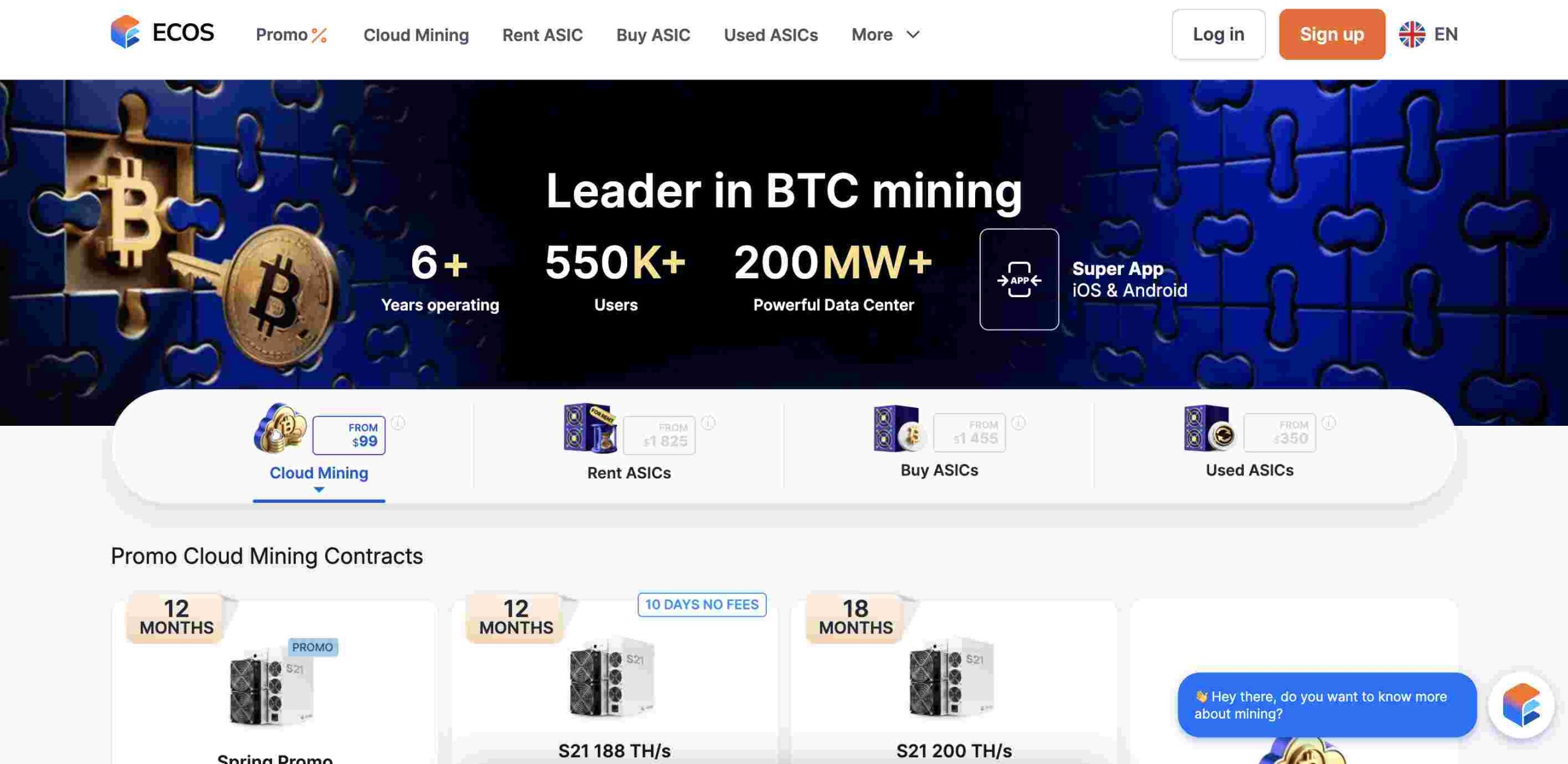
    4. ECOS

    ECOS

    ECOS offers cloud mining contracts, a Bitcoin wallet, and even an option to buy and host your own Bitcoin miners at the ECOS Data Center.

    Features:

    • Cloud mining options
    • Bitcoin wallet included
    • Option to host real mining hardware

    How It Works:

    1. Download the ECOS app and create an account.
    2. Choose between cloud mining, building a mining farm, or buying hardware.
    3. Start earning and tracking your progress.

    Pros & Cons:

    ProsCons
    Multiple ways to earnRequires upfront purchase
    User-friendly interfaceMinimal earnings from cloud mining
    Reliable platformWithdrawal limits apply

    5. NiceHash

    NiceHash is a cloud mining marketplace that lets you mine Bitcoin and other cryptocurrencies with both free and paid plans.

    Features:

    • Free and paid mining contracts
    • Monitor mining rigs remotely
    • Supports over 60 cryptocurrencies

    How It Works:

    1. Sign up on NiceHash and choose a mining plan.
    2. Use their app to track performance.
    3. Withdraw your earnings in Bitcoin or other cryptos.

    Pros & Cons:

    ProsCons
    Free plan availableRequires PC software for mining
    Supports multiple cryptosCan be overwhelming for beginners
    Remote monitoringService fees apply

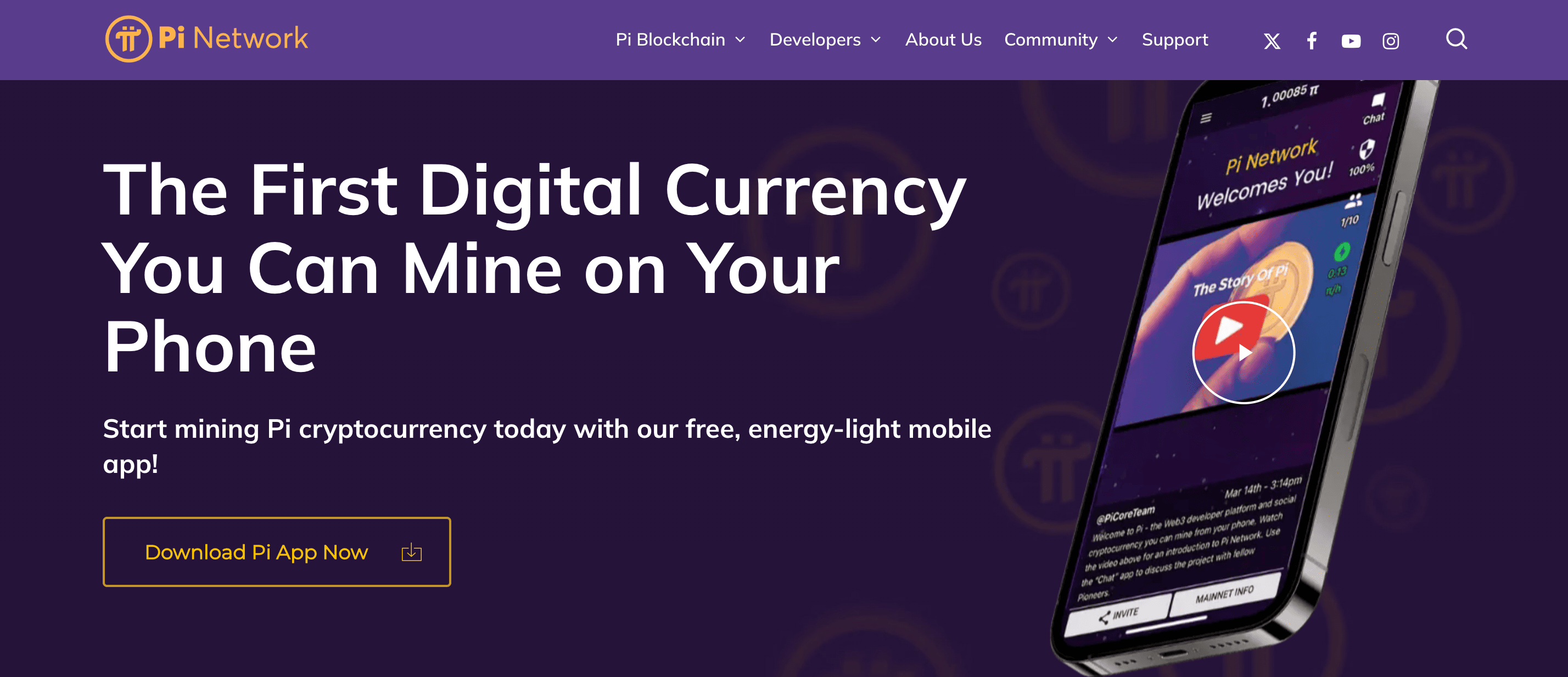
    6. Pi Network

    Pi Network

    Pi Network lets you mine Pi coins directly from your phone with minimal processing power.

    Features:

    • No battery drain or extra hardware required
    • Easy to use
    • High user engagement

    How It Works:

    1. Download Pi Network and create an account.
    2. Click the mining button once per day.
    3. Earn Pi coins for free!

    Pros & Cons:

    ProsCons
    Completely freePi coins aren’t listed on exchanges yet
    No hardware neededLimited earning potential for now
    Easy to useRequires daily engagement

    How to Choose a Legit Crypto Mining App

    When picking a mining app, keep these factors in mind:

    FactorWhy It Matters
    SecurityEnsure the app is from a trusted developer to avoid scams.
    Ease of UseA good mining app should have a simple interface.
    Earnings PotentialCheck reviews to see if the app actually pays out.
    FeesSome apps have hidden charges that reduce profits.
    Customer SupportIn case of issues, responsive support is a must.

    Crypto mining on mobile isn’t a get-rich-quick scheme, but it can be a fun way to earn small amounts of crypto with minimal effort. If you’re serious about mining, cloud mining services like Binance Pool and Hashshiny are your best bet. If you just want to experiment, CryptoTab and Pi Network offer easy, low-effort ways to get started.

    Whichever app you choose, always do your research, read user reviews, and never invest more than you can afford to lose. Happy mining!

    FAQs

    Can I mine crypto on my iPhone?

    Direct mining on iPhones is not feasible because of hardware limitations. Nonetheless, certain apps allow users to engage in cloud mining or earn cryptocurrency through other means:

    • Bitdeer: This platform facilitates cloud mining by enabling users to lease mining hardware remotely, eliminating the need for personal mining equipment.

    Can I mine crypto on my Android phone?

    Similar to iPhones, Android devices lack the necessary power for effective cryptocurrency mining. Yet, some apps provide alternative avenues:

    • Pi Network: This project allows users to “mine” Pi coins through the app without intensive computational requirements. It’s important to note that Pi Network’s mining mechanism differs from traditional Proof-of-Work systems.

    Are there any real crypto mining apps for Android?

    While traditional mining isn’t practical on Android devices, apps like Pi Network offer participation in cryptocurrency ecosystems without heavy resource consumption.

    What is the best device for mining crypto?

    Effective cryptocurrency mining typically requires specialized hardware:

    • ASIC Miners: Application-Specific Integrated Circuit miners are tailored for specific algorithms, offering high efficiency and performance, especially for cryptocurrencies like Bitcoin.
    • GPU Mining Rigs: High-end Graphics Processing Units can mine various cryptocurrencies, particularly those resistant to ASIC mining.

    Which crypto is fastest to mine?

    The ease of mining a cryptocurrency depends on its algorithm and network difficulty:

    • Monero (XMR): Known for its ASIC-resistant algorithm, Monero can be mined using CPUs or GPUs, making it accessible for individual miners.
    • Dash: Utilizing the X11 hashing algorithm, Dash is compatible with both ASIC and GPU mining, offering flexibility in mining approaches.

    Can I mine Bitcoin for free?

    Mining Bitcoin without investment is challenging due to high competition and resource requirements. Some platforms claim to offer free mining, but they often come with limitations or potential risks. It’s essential to exercise caution and research thoroughly before engaging with such services.

  • 12 Most Trusted Cryptocurrency Apps in Nigeria

    12 Most Trusted Cryptocurrency Apps in Nigeria

    Navigating the world of cryptocurrency can be overwhelming, especially with the multitude of apps available today. For Nigerian users looking to manage their digital assets efficiently and engage in hassle-free trading, finding the right app is crucial.

    This article highlights the 12 most preferred cryptocurrency apps in Nigeria, offering insights into their features, benefits, and why they stand out in the crowded crypto market. Whether you are a seasoned trader or a newcomer, these apps are tailored to meet your needs and enhance your crypto trading experience.

    Is Crypto Trading Legal in Nigeria?

    In February 2021, the Central Bank of Nigeria (CBN) banned regulated financial institutions from facilitating cryptocurrency transactions. Despite this, individual trading on peer-to-peer platforms remains legal. The regulatory environment is evolving, with new guidelines introduced in December 2023 aimed at increasing transparency and accountability in the crypto industry. Direct interaction with traditional banks for crypto transactions is still restricted, but these changes suggest that the landscape for crypto trading in Nigeria may continue to develop.

    Best Crypto Apps in Nigeria

    1. Coinbase

    Coinbase has expanded its services to Nigeria and 24 other African countries. Although direct Naira exchanges and P2P trading are unavailable, the app supports several popular cryptocurrencies like Bitcoin, Bitcoin Cash, Ethereum, and Litecoin. Designed for novice traders, Coinbase offers an intuitive interface and a broad range of supported currencies.

    2. Trust Wallet

    Launched in 2017 by Viktor Radchenko and Pavlo Vasylyev, Trust Wallet quickly gained popularity for its user-friendly design and decentralization focus. Acquired by Binance in 2019, it now supports a wide range of cryptocurrencies, decentralized exchanges (DEXs), decentralized applications (dApps), and allows users to earn interest through staking and DeFi participation. It also supports NFT transactions and boasts strong security features. Trust Wallet is praised for its functionality, security, and comprehensive crypto management tools.

    3. Luno

    Luno has become a leading cryptocurrency platform in Africa, with a significant presence in Nigeria. It enables Nigerians to purchase cryptocurrencies using naira-domiciled cards and local transfers, featuring Naira trading pairs for easy conversion between crypto and fiat. Luno supports a selection of popular cryptocurrencies and provides a user-friendly mobile app with robust trading tools. However, higher transaction fees and limited trading options may be a drawback for some users.

    4. Binance

    Established in 2017 by Changpeng Zhao, Binance is known for its extensive selection of digital assets, including Binance Coin (BNB), Bitcoin, Ethereum, and many other altcoins. Binance has also invested in educational programs in Nigeria to raise awareness and understanding of cryptocurrency. Despite regulatory challenges, Binance remains a popular platform for Nigerian users due to its comprehensive trading services and educational initiatives.

    5. KuCoin

    KuCoin is one of the largest cryptocurrency exchanges globally, including in Nigeria. It supports margin, futures, and peer-to-peer trading, and offers low trading fees. The platform’s affordability and strong security features make it appealing to Nigerian customers. KuCoin’s mobile app provides a feature-rich trading experience, crucial in a region where mobile usage is prevalent.

    6. Quidax

    Quidax is recognized for its ease of use and security, making it a trusted platform in Nigeria. It features a straightforward interface suitable for both new and experienced traders, supports various major cryptocurrencies, and ensures user safety with robust security measures. Quidax also offers low transaction fees and high liquidity, enhancing the trading experience.

    7. ByBit

    ByBit is known for its advanced trading features, fast transactions, and excellent customer service. The platform accepts multiple currencies, including NGN, and offers sophisticated trading tools, making it attractive to seasoned traders. ByBit’s commitment to quick transaction times and strong customer support further enhances its appeal.

    8. Yellow Card

    Yellow Card focuses on financial inclusion, providing easy access to cryptocurrencies for those without traditional banking services. It offers services beyond trading, including bill payments and remittances. The platform ensures user security with KYC verification and supports mobile wallets for managing digital assets.

    9. OKX

    OKX supports NGN and several other currencies, offering low trading fees and a minimum deposit requirement. The platform provides a range of educational resources, daily Bitcoin earnings through a loyalty program, and anti-phishing measures for added security. OKX’s comprehensive features make it suitable for both novice and experienced traders.

    10. MEXC

    MEXC is known for its user-friendly interface and low trading fees, making it appealing to cost-conscious Nigerian users. The platform’s high-performance trading engine ensures quick and reliable transaction processing. MEXC’s lack of mandatory KYC and up to 30 BTC withdrawal limits add to its attractiveness.

    11. NairaEx

    NairaEx is a Nigerian-based platform that allows users to buy and sell Bitcoin easily. It supports multiple payment methods and features a live market price tracker. The app provides a secure and reliable way to trade Bitcoin, with a user-friendly interface suitable for both new and experienced users.

    12. Busha

    Busha offers flexible options for buying and selling cryptocurrencies. It allows instant deposits and withdrawals, recurring buys, and limit orders. The platform is designed for convenience and accessibility, making it a preferred choice for Nigerian crypto traders.

    Frequently Asked Questions (FAQs)

    Q1: What is the best app to buy cryptocurrency in Nigeria?

    The best app depends on individual needs. Trust Wallet, Binance, and Luno are highly recommended for their functionality, security, and ease of use.

    Q2: Which wallet is the best in Nigeria?

    Trust Wallet is considered one of the best wallets in Nigeria due to its broad support for cryptocurrencies, strong security features, and user-friendly design.

    Q3: What is the best way to buy crypto in Nigeria?

    Using platforms like Luno, Quidax, and Binance is among the best ways to buy crypto in Nigeria due to their user-friendly interfaces, support for local payment methods, and reliable services.

    Q4: Is the Breet app legit in Nigeria?

    Yes, Breet is a legitimate app used in Nigeria for cryptocurrency trading.

    Q5: What is the minimum deposit for Breet?

    The minimum deposit for Breet varies, and users should check the app for the most current information.

    Q6: Which crypto exchange is best in Nigeria?

    Binance and Luno are considered among the best crypto exchanges in Nigeria for their extensive features, educational programs, and ease of use.
  • Top 10 Bitcoin Platforms for Secure Trading in Ghana

    Top 10 Bitcoin Platforms for Secure Trading in Ghana

    Finding the optimal Bitcoin trading platform in Ghana presents a challenge, given the varied offerings in terms of safety, speed, and user experience.

    Regardless of your level of experience in trading, it’s crucial to conduct a thorough analysis of each platform’s features, fees, and security protocols to identify the most suitable option in Ghana’s expanding crypto market.

    In this article, we explore 10 Bitcoin trading platforms operating in Ghana, each presenting its combination of characteristics tailored to meet diverse trading requirements.

    1. Binance

    With its broad spectrum of cryptocurrencies, Binance stands tall as a popular choice among traders. Boasting low fees and swift transaction speeds, it’s a go-to for those valuing efficiency and variety. Yet, its intricate interface might prove daunting for newcomers, and the absence of fiat currency support poses a limitation.


    2. OKX

    Emphasizing user reputation, OKX ensures a secure trading environment where buyers and sellers engage directly. Despite its commendable security measures, OKX falls short in cryptocurrency variety and lacks support for fiat currencies, factors worth considering amidst its relatively higher fees.


    3. Paxful

    As a peer-to-peer trading platform, Paxful shines with its diverse payment methods, catering to various preferences including M-Pesa, bank transfers, and credit cards. However, its offerings in cryptocurrencies may feel somewhat constrained, and the potential for higher expenses warrants attention.


    4. BitPesa

    Targeting M-Pesa users, BitPesa streamlines Bitcoin transactions with its swift speeds and low fees. Yet, its exclusive focus on M-Pesa payments limits accessibility, and the range of available cryptocurrencies may not meet every trader’s needs.


    5. Remitano

    Offering versatility in payment methods akin to Paxful, Remitano presents itself as a user-friendly peer-to-peer platform. Nevertheless, its cryptocurrency selection and support options echo similar constraints found in other platforms of its kind.

    6. Bitstamp

    Renowned for its security prowess, Bitstamp provides a sanctuary for traders seeking safety. However, its higher fees and lack of support for margin trading might steer some away, despite its broad cryptocurrency offerings.


    7. Coinbase

    A beacon for beginners, Coinbase marries simplicity with security, making it an attractive entry point into Bitcoin trading. Yet, its higher fees and limited payment methods could pose hurdles for more seasoned traders seeking versatility.
    Bitfinex: Targeting the experienced trader, Bitfinex dazzles with its advanced features like margin trading and limit orders. However, its complexity may deter novices, and its fees might give pause to those sensitive to costs.


    8. Kraken

    Offering a blend of security and trading features akin to Bitfinex, Kraken stands as a sanctuary for seasoned traders. Yet, its complexity and fees mirror similar concerns found in platforms catering to more advanced users.


    9. BitMart

    Promising low fees and rapid transactions, BitMart appeals to those valuing efficiency. Nonetheless, its limited payment methods and intricate interface might dampen its appeal among newcomers.

    10. Bitfinex

    Targeting the experienced trader, Bitfinex dazzles with its advanced features like margin trading and limit orders. However, its complexity may deter novices, and its fees might give pause to those sensitive to costs.

  • Binance Executive Denies Money Laundering Charges, Faces Remand in Prison

    Binance Executive Denies Money Laundering Charges, Faces Remand in Prison

    Tigran Gambaryan, a Binance executive detained since February, has entered a plea of not guilty to money laundering accusations leveled against him by Nigerian authorities.

    This unfolds amidst Binance grappling with regulatory pressures in Nigeria.

    The Economic and Financial Crimes Commission (EFCC) of Nigeria accused Binance and Gambaryan of money laundering and forex manipulation. Furthermore, the Federal Internal Revenue Service (FIRS) brought forth four-count tax evasion charges against the crypto exchange. Last week, both cases were adjourned due to procedural lapses.

    Legal Proceedings:

    Appearing before Justice Emeka Nwite of the Abuja Division of the Federal High Court, Gambaryan pleaded not guilty to all charges of money laundering. The court dismissed his request for separate proceedings from his colleague, Nadeem Anjarwalla, Binance’s Africa regional manager, who absconded in March.

    Remand and Future Proceedings:

    Pending his bail application on April 18, Gambaryan will be remanded in Kuje Correctional Centre. The trial is slated to commence on May 2. He and Anjarwalla were apprehended in February while attempting to address the government’s blockade of Binance’s website, linked to suspicions of forex price manipulation.

    Nigeria’s government crackdown on forex trading speculation, prompted by naira volatility, has ensnared Binance. In a bid for release, Binance has urged Nigerian authorities to free its detained executive, emphasizing his lack of decision-making authority in the company. Additionally, both executives have filed a human rights violation lawsuit, seeking release, passport restitution, and a public apology.

  • Binance Unveils Its First-Ever Board of Directors

    Binance Unveils Its First-Ever Board of Directors

    Binance Holdings Ltd has unveiled its inaugural board of directors, marking a pivotal moment in the company’s evolution.

    Led by Chief Executive Officer Richard Teng, the seven-member board comprises a blend of internal leadership and external expertise.

    Joining Teng are company stalwarts Heina Chen, Jinkai He, and Lilai Wang, all contributing their wealth of experience to the board’s deliberations. In addition, the board welcomes two notable figures from outside the organization: Arnaud Ventura, a seasoned managing partner at investment firm Gojo & Co, and Xin Wang, CEO of Bayview Acquisition Corp. Steering this assembly of minds is Gabriel Abed, formerly the ambassador of Barbados to the United Arab Emirates, now appointed as chairman.

    This move carries significant weight, signaling a new era for Binance under Teng’s leadership, who assumed the CEO mantle in November amidst the backdrop of the company’s legal settlement with US authorities.

    In February, Binance found itself in the crosshairs of US regulators, ultimately agreeing to a substantial $4.3 billion payment as part of a plea deal. The company’s founder, Changpeng Zhao, also admitted guilt to charges related to anti-money laundering and sanctions violations, with his sentencing slated for April.

    However, Binance’s challenges extend beyond American shores. In Africa, particularly Nigeria, the exchange faces scrutiny and censure from local authorities. Nigeria’s central bank has raised concerns over transactions exceeding $26 billion on Binance, alleging opacity in their origins. Accusations of exchange rate manipulation and currency speculation have compounded, further exacerbating the situation, and resulting in a hefty fine of $10 billion imposed on the platform.

    The composition of Binance’s inaugural board reflects a strategic pivot towards governance and accountability, as the company navigates a complex regulatory landscape. It underscores the imperative for cryptocurrency exchanges to adapt and address regulatory concerns while preserving their innovative spirit. As Binance charts its course forward, the scrutiny it faces serves as a cautionary tale for the broader crypto industry, emphasizing the importance of transparency and compliance in ensuring its long-term viability and legitimacy.