Category: Music, Podcasts, & Audio

We bring you the best in music, podcasts, & audio trends, helping Africans discover, create, and enjoy sound in new ways.

  • Top 5 Ways to Pay for Apple Music Without a Nigerian Bank Card

    Top 5 Ways to Pay for Apple Music Without a Nigerian Bank Card

    So, you want to enjoy Apple Music, but your Nigerian debit card keeps getting declined? Frustrating, right? Don’t worry—you’re not alone, and luckily, there are easy workarounds. Whether it’s Apple rejecting your card or Nigerian banks blocking international transactions, you can still subscribe without the headache.

    Below are five simple ways to pay for Apple Music without a Nigerian bank card. Each method is reliable, and I’ll walk you through them like we’re chatting over a cup of coffee. Let’s dive in!

    1. Use Family Sharing

    Did you know you can get Apple Music without making the payment yourself? With Apple’s Family Sharing, someone with an accepted payment method (like a relative abroad) can add you to their plan. It’s like when your parents used to pay for cable TV, and you got to enjoy all the channels.

    How It Works:

    • Ask a family member or trusted friend with a working Apple Music subscription to add you to their Apple Music Family Plan.
    • They can add up to six people under one subscription.
    • Once you’re in, you get full access without needing a bank card.
    • Just make sure they’re cool with covering your share or agree to reimburse them some other way.
    PlanMonthly CostNumber of Users
    Individual₦9001
    Family₦1,400Up to 6
    Student₦4501

    The Family Plan is not only convenient, but it’s also cheaper per person if split properly. If you can join a group, you’re saving money while avoiding the payment stress.

    2. Pay with Apple Gift Cards

    Think of Apple gift cards as prepaid vouchers for Apple Music. They work just like a mobile recharge card—you buy a code, load it into your account, and boom! Your subscription is covered.

    How It Works:

    1. Buy an Apple/iTunes gift card from platforms like Prestmit, Konga, or Cardtonic.
    2. The seller will send you a 16-digit code.
    3. Open your iPhone or iPad and go to the App Store.
    4. Tap your profile, select Redeem Gift Card or Code, and enter the digits.
    5. Your account balance updates, and Apple deducts your subscription from there.

    Gift cards are a one-time purchase, meaning no auto-renewals. If you don’t want recurring deductions, this is a great option.

    3. Use a Virtual Dollar Card

    Nigerian banks might block your card, but virtual dollar cards bypass that issue. These are online prepaid cards loaded with USD, which work like regular debit cards for international transactions.

    How It Works:

    1. Sign up for a virtual dollar card from services like Chipper Cash, Geegpay, or Grey.
    2. Fund your card with naira—it converts to dollars.
    3. Use the virtual card details to pay for Apple Music like you would with a normal debit card.
    PlatformSupports Apple Music?Deposit Methods
    Chipper CashYesBank transfer, crypto
    GeegpayYesBank transfer
    PaydayYesBank transfer, mobile money

    This is one of the most seamless methods since you’re essentially paying the way Apple expects—through a card that works internationally.

    4. Pay with MTN Airtime

    Yes, you read that right. MTN lets you pay for Apple Music directly from your airtime balance. If you’re an MTN subscriber, this could be the most convenient method for you.

    How It Works:

    1. Ensure you have at least ₦1,000 airtime on your MTN line.
    2. Send “MUSIC” to 8000 via SMS.
    3. MTN will deduct the subscription fee directly from your balance.
    4. You’ll receive a confirmation SMS, and your Apple Music will be activated.

    The only catch? Not all MTN users are eligible, so you’ll need to check if it works for your line first.

    5. Use an International Payment Service (Wise, Payoneer, etc.)

    If you have a Payoneer or Wise (formerly TransferWise) account, you can generate a virtual international bank card that works for Apple Music.

    How It Works:

    1. Sign up for an account on Wise or Payoneer.
    2. Get a foreign virtual card (USD, EUR, or GBP).
    3. Fund the card through a bank transfer.
    4. Use the card details to subscribe to Apple Music.

    This is a great long-term solution if you plan to make multiple international transactions, not just for Apple Music.

    Final Thoughts

    There you have it—five easy ways to pay for Apple Music in Nigeria without a local debit card. No more declined payments, no more frustration. Here’s a quick recap:

    MethodProsCons
    Family SharingCheapest if shared with othersRequires a family member with a working card
    Gift CardsOne-time payment, no auto-renewalNeeds to be repurchased manually
    Virtual Dollar CardWorks for multiple subscriptionsMay have extra charges
    MTN AirtimeSimple and accessibleNot available for all users
    International Payment ServicesWorks for multiple servicesRequires account setup

    So, which one works best for you? If you have a friend or family member with an Apple Music subscription, Family Sharing is the easiest. If you prefer a one-time purchase, go for gift cards. If you need a recurring payment method, try virtual dollar cards or Wise/Payoneer.

    No more missing out on your favorite songs—pick the best method for you and start streaming today!
  • 12 African-Owned Music Streaming Platforms Redefining the Industry

    12 African-Owned Music Streaming Platforms Redefining the Industry

    As Spotify continues to reign supreme in the global audio streaming industry, Africa’s narrative takes a unique turn with Boomplay emerging as the continent’s top platform.

    Boomplay’s inception traces back to 2015 when it debuted as a preinstalled music player on affordable Transsion handsets. Today, it proudly hosts an impressive 86% of its 75 million global users from sub-Saharan Africa.

    With hundreds of Boomplay staff spread across five offices within Africa, the platform’s roots run deep on the continent. Despite this strong African identity, it may come as a surprise to some that Boomplay is owned by two Chinese companies, NetEase and Transsion.

    The key question is whether indigenous African streaming platforms exist, and if so, which African countries do they originate from and how are they performing? This listicle aims to provide answers to this inquiry.

    1. Supafuse

    Hailing from Nigeria, Supafuse stands as a testament to the country’s booming music industry. Formerly known as Naijatastic, this platform serves as a digital hub for discovering and promoting diverse audio content, championing both local and global artists.

    2. Mino Music

    Another Nigerian gem, Mino Music, born from the renowned Afrobeats music blog NotJustOK, underwent a massive rebrand to offer a more streamlined and user-friendly experience. CEO Ademola Ogundele spearheaded the transformation, recognizing the need to distinguish between the blog and the streaming service.

    3. Gbedu

    This regional discovery platform transcends the conventional boundaries of music streaming, focusing on delivering Africa’s rich sounds to a global audience. With an emphasis on artist empowerment and localized content, Gbedu is carving its niche in the industry.

    4. Playfre

    Founded by Nigerian singer-songwriter Nwaogu, Playfre addresses the challenge of unauthorized music distribution, offering a platform where artists can showcase their work while ensuring fair compensation. Playfre’s unique selling point is that it separates the data-intensive video elements from each YouTube upload so that users can listen solely to the audio track for free.

    5. UduX

    Launched in Nigeria in April 2019, UduX aims to disrupt the global streaming market with its innovative approach. From live concert streaming to immersive video experiences, UduX seeks to redefine how users engage with music in the digital age.

    6. Mdundo

    Originating from Kenya, Mdundo has become a household name, providing accessible and affordable music streaming services to users across the country. With hundreds of artists on board, Mdundo continues to shape the East African music scene.

    7. Aftown Music

    Ghana’s very own Aftown Music offers a platform for local artists to showcase their talent and connect with fans. As a homegrown initiative, Aftown plays a vital role in nurturing Ghana’s vibrant music scene.

    8. MusikBi

    Senegal proudly boasts MusikBi as Africa’s first indigenous platform for legal music downloads. Championing both local and continental artists, MusikBi celebrates the diversity of African music.

    9. Wasafi

    Tanzania’s music scene shines brighter with Wasafi, spearheaded by the renowned artist Diamond Platnumz. Serving as both a record label and streaming platform, Wasafi promotes authentic Tanzanian music to a global audience.

    10. Sulapay

    Uganda’s Sulapay provides a haven for music enthusiasts to support their favorite local artists through purchases and streaming. With a focus on promoting Ugandan talent, Sulapay enriches the country’s music landscape.

    11. Muzikol

    Cameroon’s Muzikol emerges as a beacon for online music marketing and artist management tailored to the local industry. By providing essential tools and resources, Muzikol empowers Cameroonian artists to thrive in the digital age.

    12. OyOsMusic

    Zimbabwe’s OyOsMusic not only showcases local talent but also ensures artists receive fair compensation for their work. As a platform committed to artist empowerment, OyOsMusic plays a pivotal role in nurturing Zimbabwe’s music industry.

    As the global music streaming landscape continues to evolve, these African-owned platforms offer a glimpse into the continent’s rich musical tapestry. With a blend of innovation, authenticity, and cultural relevance, they are reshaping the industry and amplifying voices that deserve to be heard on a global scale.

  • 10 Digital Platforms Shaping the Afrobeats Narrative Online

    10 Digital Platforms Shaping the Afrobeats Narrative Online

    In the dynamic realm of music and culture, Afrobeats has swiftly emerged as a global phenomenon, captivating audiences far beyond its West African origins.

    With its infectious rhythms and vibrant melodies, Afrobeats has found a powerful ally in the digital sphere, where platforms play a pivotal role in shaping its narrative and expanding its reach. From podcasts to social media hubs, a diverse array of digital platforms are driving the evolution of Afrobeats, empowering artists, fans, and industry stakeholders alike.

    In this article, we delve into the dynamic landscape of digital platforms, spotlighting 10 influential platforms that are at the forefront of shaping the Afrobeats narrative online.

    1. Afrobeats By Spotify

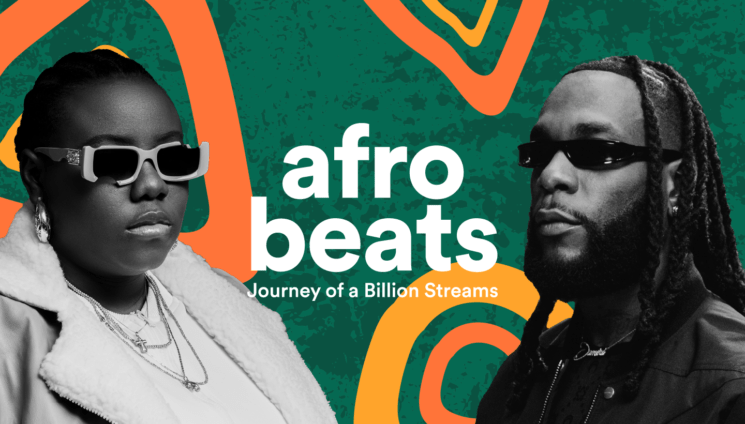
    Spotify has unveiled a new website specifically tailored for Afrobeats enthusiasts. Named “Afrobeats: Journey of a Billion Streams”, the platform chronicles the genre’s remarkable growth, skyrocketing by 550% since 2017. Acting as a comprehensive hub for this cultural phenomenon, the site offers an interactive journey for fans to explore and engage with fresh insights into the world of Afrobeats.

    2. Unorthodox Reviews

    Created in April 2016 by creative entrepreneurs and music enthusiasts Philip Edusei and Godwin Mitchual, Unorthodox Reviews is the flagship brand of Unorthodox Media. It provides music reviews, insightful interviews, and trend analyses in African music. With its unique perspective, Unorthodox Reviews attracts a diverse readership and acts as a gateway to global audiences and industry insiders.

    3. OkayAfrica

    Since its inception in 2011, OkayAfrica has been a trailblazing digital platform celebrating African culture, music, and politics. With a focus on cutting-edge music and culture from the continent, OkayAfrica provides an ideal platform for both established and emerging African artists.

    4. The Native Mag

    Launched in 2016 in Lagos, The Native Mag is a Nigerian music magazine shaping the voice of African youth through its coverage of music, style, and art. Co-founded by Seni Saraki and Teezee, The Native Mag is a vital hub for exploring upcoming trends in African music culture.

    5. Culture Custodian

    Established in 2014, Culture Custodian curates compelling stories for Nigerian and African youth across various domains, including African music. While primarily known for its diverse cultural coverage, Culture Custodian’s Afrobeats section offers exposure to a wide-ranging audience.

    6. Music In Africa

    As the fastest-growing African music information portal, Music In Africa connects musicians and industry experts while providing high-quality content and news about the African music scene. Artists can expand their reach by syncing songs and events to their Music In Africa profiles.

    7. Pulse Nigeria

    Pulse Nigeria, a leading innovative media company, boasts one of Africa’s most visited blogs, featuring top Afro-inspired songs in its regularly updated music section. With country-specific platforms in Nigeria, Ghana, Kenya, and Senegal, Pulse Nigeria serves as a launchpad for budding talents in the Afrobeats scene.

    8. Pan African Music (PAM)

    Established in 2017 under IDOL, Pan African Music celebrates African and diaspora tunes with in-depth, bilingual content crafted by a network of talented journalists across Africa and Europe. PAM’s collaboration with top artists underscores its influence in the music industry.

    9. ChopDaily

    Operating from the UK, ChopDaily leverages the reach of social media to promote African music globally through viral dance videos. Despite its deviation from the traditional blog format, ChopDaily holds a significant position as a powerful influencer in the Afro-music scene.

    10. Afrobeats Intelligence

    Hosted by Joey Akan, a well-known figure in the music journalism scene, this podcast takes a deep dive into the dynamic realm of African music and its rich creative environment. By conducting interviews, exploring various viewpoints, and providing insider knowledge, the podcast provides an intriguing look into an industry that is on the brink of receiving worldwide acclaim.

  • Spotify Introduces AI Playlist Creation Feature

    Spotify Introduces AI Playlist Creation Feature

    In a bold move to redefine playlist creation, Spotify, the leading music streaming service, introduces a beta feature allowing Premium subscribers to craft personalized playlists using text prompts.

    While the innovation is currently exclusive to users in the United Kingdom and Australia, it marks a significant leap in leveraging AI for music discovery.

    Gone are the days of manual song selection; now, users can simply input descriptive phrases like “I want songs about purple” directly into the Spotify mobile app’s text box. This novel approach builds upon the platform’s existing AI-driven functionalities, such as the popular AI DJ and Daily Mix, offering users a more intuitive and tailored listening experience.

    Although the feature is still in its beta phase, Spotify promises further enhancements in the pipeline. While specifics remain undisclosed, the company hints at unveiling additional capabilities in the months ahead, promising an evolution in how users engage with their music libraries.

    Despite the buzz surrounding Spotify’s AI Playlist beta, eager users in the United States are left waiting in anticipation, as the rollout is yet to reach American shores. While representatives for Spotify remain tight-lipped regarding a definitive timeline, enthusiasts across the pond eagerly await their turn to experience the innovative tool firsthand.

    While Spotify leads the charge in AI-driven music curation, its rival, Apple Music, has remained relatively quiet on the AI front. Apart from its standard algorithm-driven features like Replay, Apple Music enthusiasts speculate on the platform’s potential adoption of machine learning with the anticipated release of iOS 18 later this year. As the battle for music streaming supremacy heats up, the integration of AI promises to shape the future of how we discover and enjoy music.