Category: School & Work

Explore the latest tech tools, tips, and trends to enhance your school & work experience, from productivity apps to tech innovations.

  • How to Get Your TIN Number in Nigeria Fast

    How to Get Your TIN Number in Nigeria Fast

    If you’re planning to open a business, apply for a government loan, or even just open a bank account in Nigeria, you need a Tax Identification Number (TIN).

    It’s like a unique ID that helps the government track taxes and ensures you’re eligible for certain financial transactions. But don’t worry—it’s not as complicated as it sounds! This guide breaks down everything you need to know in a simple, easy-to-follow way.

    What is a TIN, and Why Do You Need It?

    A Tax Identification Number (TIN) is a unique number issued by the Federal Inland Revenue Service (FIRS) to individuals and businesses for tax purposes. Think of it like a student ID, but instead of tracking your school activities, it tracks tax payments and financial transactions.

    Here’s why you need a TIN:

    • Opening a Business Bank Account – Banks require a TIN before setting up a corporate account.
    • Applying for Government Loans – If you’re hoping to get financial assistance from the government, you must have a TIN.
    • Filing and Paying Taxes – Whether you run a business or work for yourself, having a TIN keeps you compliant with tax laws.
    • Registering a Business – If you want to legally operate a business, you’ll need a TIN to complete the process.
    • Engaging in Import/Export Activities – Businesses that import or export goods need a TIN to obtain licenses.

    Who Needs a TIN in Nigeria?

    Anyone involved in financial activities needs a TIN. That includes:

    • Individuals who earn taxable income
    • Freelancers and self-employed professionals
    • Business owners
    • Companies registered with the Corporate Affairs Commission (CAC)
    • Importers and exporters

    Documents Required for TIN Application

    The documents you need depend on whether you’re applying as an individual, a business, or an incorporated company. Here’s a breakdown:

    CategoryRequired Documents
    Individuals– Valid ID (National ID, Driver’s License, or Passport)
                          - Recent utility bill (Electricity bill, water bill, etc.)  
                          - Completed TIN application form |

    | Registered Businesses | – Business registration certificate
    – Utility bill
    – Completed TIN application form | | Incorporated Companies | – Certificate of Incorporation
    – Memorandum and Articles of Association (MEMART)
    – Particulars of directors and share capital statement |

    Make sure all your documents are accurate and up to date to avoid delays.

    How to Get Your TIN in Nigeria Fast: Step-by-Step Guide

    There are two main ways to apply for a TIN—online and in person. The online process is faster and more convenient.

    For Individuals

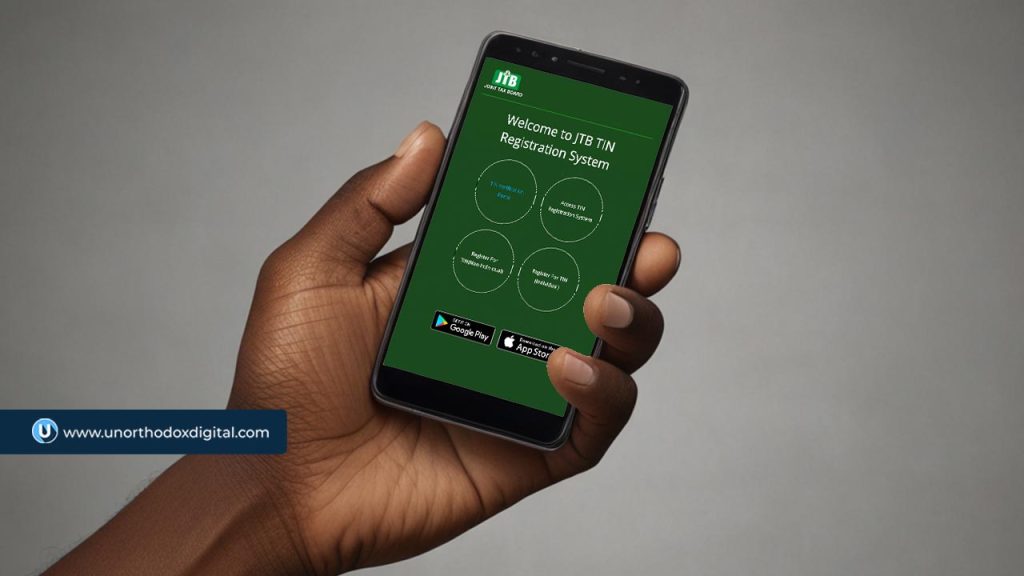
    1. Visit the Joint Tax Board (JTB) Website – Go to JTB TIN Registration portal and click on “Register For TIN (Individual).”
    2. Fill Out the Application Form – Provide your personal details, such as your name, date of birth, BVN (Bank Verification Number), and NIN (National Identification Number).
    3. Upload Your Documents – Attach a scanned copy of your ID and a recent utility bill.
    4. Submit the Application – Review your details and submit the form.
    5. Get Your TIN – If your application is approved, you’ll receive your TIN via email or SMS within a few days.

    👉 Tip: If you already have a BVN or NIN, you might already have a TIN assigned to you. You can check on the JTB’s TIN Verification Portal before applying.

    For Businesses and Companies

    1. Visit the FIRS Tax Office or JTB Website – Go to Register For TIN (Non-Individual) on the JTB TIN Registration Portal or visit the nearest Federal Inland Revenue Service (FIRS) office.
    2. Provide Business Details – Enter your business name, registration number, and company address.
    3. Upload Required Documents – Submit copies of your CAC registration certificate, MEMART, and director details.
    4. Submit the Application – Double-check all details and send in your application.
    5. Receive Your TIN – If everything is in order, your TIN will be issued within 7–10 business days.

    👉 Tip: If there’s a delay, follow up with the FIRS office where you applied.

    How to Get Your TIN Number in Nigeria Fast

    How to Verify Your TIN

    Once you’ve gotten your TIN, you should confirm that it’s valid and properly registered. Here’s how:

    1. Go to the FIRS Trade Portal – Click on the TIN Verification Portal.
    2. Enter Your TIN and Email Address – Provide your details in the verification form.
    3. Complete the Security Check – Solve the CAPTCHA to verify you’re not a robot.
    4. Click “Validate” – If your TIN is valid, you’ll receive a confirmation message and an email with final registration details.

    Common TIN Application Issues & How to Fix Them

    Even though the process is straightforward, some applicants face issues. Here’s how to solve them:

    IssuePossible CauseSolution
    Delayed ProcessingHigh application volumeFollow up with FIRS office
    Incorrect DetailsMistyped name or ID numberDouble-check and reapply
    Missing DocumentsIncomplete submissionEnsure all documents are provided
    No Response After SubmissionSystem error or wrong emailVisit FIRS office to confirm status

    Final Tips for a Smooth TIN Application

    To make sure you get your TIN without any stress, keep these tips in mind:

    Provide Accurate Information – Errors can delay processing. Double-check all entries.

    Use Online Platforms – Applying online is usually faster than going in person.

    Keep Copies of Your Documents – Always save digital and physical copies of your submitted documents.

    Follow Up If Needed – If you don’t get a response within the expected timeframe, contact the FIRS office.

    Verify Your TIN – Check the JTB portal to ensure your TIN is active before using it for transactions.

    Getting a TIN in Nigeria doesn’t have to be complicated. Whether you’re an individual or a business, following the right steps can make the process fast and stress-free. By applying online, ensuring your documents are accurate, and verifying your TIN after registration, you’ll be ready to access essential financial services without any issues. If you haven’t gotten your TIN yet, now is the time to do it!

    Need more help? Visit the Federal Inland Revenue Service (FIRS) website or your nearest tax office for additional support.

  • Top 10 High-Income Tech Skills Nigerians Can Learn Without a Degree

    Top 10 High-Income Tech Skills Nigerians Can Learn Without a Degree

    The world is changing fast, and technology is leading the way. The good news? You don’t need a university degree to cash in on this tech boom.

    If you have a laptop (or even just a smartphone to start), internet access, and a willingness to learn, you can master high-income tech skills that can earn you serious money.

    Let’s break down the top 10 tech skills that pay well, are in high demand, and don’t require a degree.

    1. Web Development

    Think of web development as building houses—but online. Every business needs a website, and someone has to build it. Web developers create and maintain websites using languages like HTML, CSS, and JavaScript. With free and paid resources like FreeCodeCamp and Udemy, you can start learning today.

    How much can you earn?

    Entry-level developers in Nigeria can earn ₦150,000 to ₦500,000 per month, while experienced developers can make much more.

    2. Graphic Design

    If you’ve ever admired a cool logo, a social media post, or a flyer, that’s the work of a graphic designer. Graphic designers use tools like Canva, Photoshop, and Illustrator to create visuals for businesses, influencers, and brands.

    Who needs graphic designers?

    • Businesses for branding and marketing
    • Content creators for social media designs
    • Companies for advertising materials

    3. Digital Marketing

    Ever wondered how businesses get people to buy their products online? That’s where digital marketing comes in. It includes social media marketing, email marketing, SEO (Search Engine Optimization), and paid ads.

    Why it’s a great skill:

    • Every business wants to sell more
    • You can work from anywhere
    • It pays well—entry-level roles start from ₦100,000 to ₦400,000 per month

    4. UI/UX Design

    UI/UX designers make apps and websites easy to use and visually appealing. If you’ve ever quit using an app because it was confusing, it means the UI/UX design wasn’t great.

    Tools to learn:

    • Figma (free and beginner-friendly)
    • Adobe XD
    • Sketch

    5. Video Editing

    With platforms like YouTube, Instagram, and TikTok booming, video content is king. Good video editors are in high demand to help content creators and businesses make their videos look professional.

    What you’ll need:

    • Software like Adobe Premiere Pro or CapCut
    • Creativity to tell great stories through video
    • Attention to detail

    6. Cybersecurity

    Hackers are everywhere, and businesses need to protect their data. Cybersecurity tech specialists help keep information safe by preventing cyberattacks. This field pays well and is growing fast.

    Where can you learn?

    • Cybrary (free cybersecurity courses)
    • TryHackMe (interactive training)
    • YouTube tutorials

    7. Data Analysis

    Data analysts help companies make sense of numbers. Businesses use data to make better decisions—like what products to sell more of or which ads work best.

    What tools do you need?

    ToolPurpose
    ExcelBasic data analysis
    SQLWorking with databases
    PythonAdvanced data processing
    Power BICreating visual reports

    8. Copywriting

    Copywriting is writing words that sell. Every website, social media ad, or marketing email was written by a copywriter. This skill is perfect if you love writing and can persuade people to take action.

    Where is copywriting used?

    • Websites and landing pages
    • Ads and sales pages
    • Social media posts

    9. Cloud Computing

    Cloud computing is like renting a computer on the internet. Companies like Amazon, Google, and Microsoft offer cloud services so businesses don’t have to buy expensive servers.

    Certifications that help (but aren’t required):

    • AWS Certified Cloud Practitioner
    • Google Associate Cloud Engineer
    • Microsoft Azure Fundamentals

    10. Mobile App Development

    We all use apps like WhatsApp, Instagram, and banking apps. Mobile app developers create and maintain these apps. You can specialize in:

    • Android development (using Kotlin or Java)
    • iOS development (using Swift)
    • Cross-platform development (using Flutter or React Native)

    How much can you make?

    Freelance app developers can earn ₦500,000 to ₦1,500,000+ per project, depending on the complexity.

    Getting Started: No Degree? No Problem!

    Now that you know these high-income skills, the next step is learning and practicing. Here’s how to start:

    1. Pick one skill. Don’t try to learn everything at once—choose one that excites you.
    2. Find free resources. YouTube, Coursera, and Udemy offer great beginner courses.
    3. Practice daily. Build projects, create a portfolio, or take on small jobs.
    4. Network and market yourself. Join LinkedIn, Twitter, and Facebook groups where professionals share job opportunities.

    Tech skills can open doors to opportunities in Nigeria and beyond. With determination and consistent practice, you can start earning in months—without a degree. The best time to start is now!

  • How to Check GOG Payslip, ePayslip in Ghana

    How to Check GOG Payslip, ePayslip in Ghana

    Understanding GOG Payslip

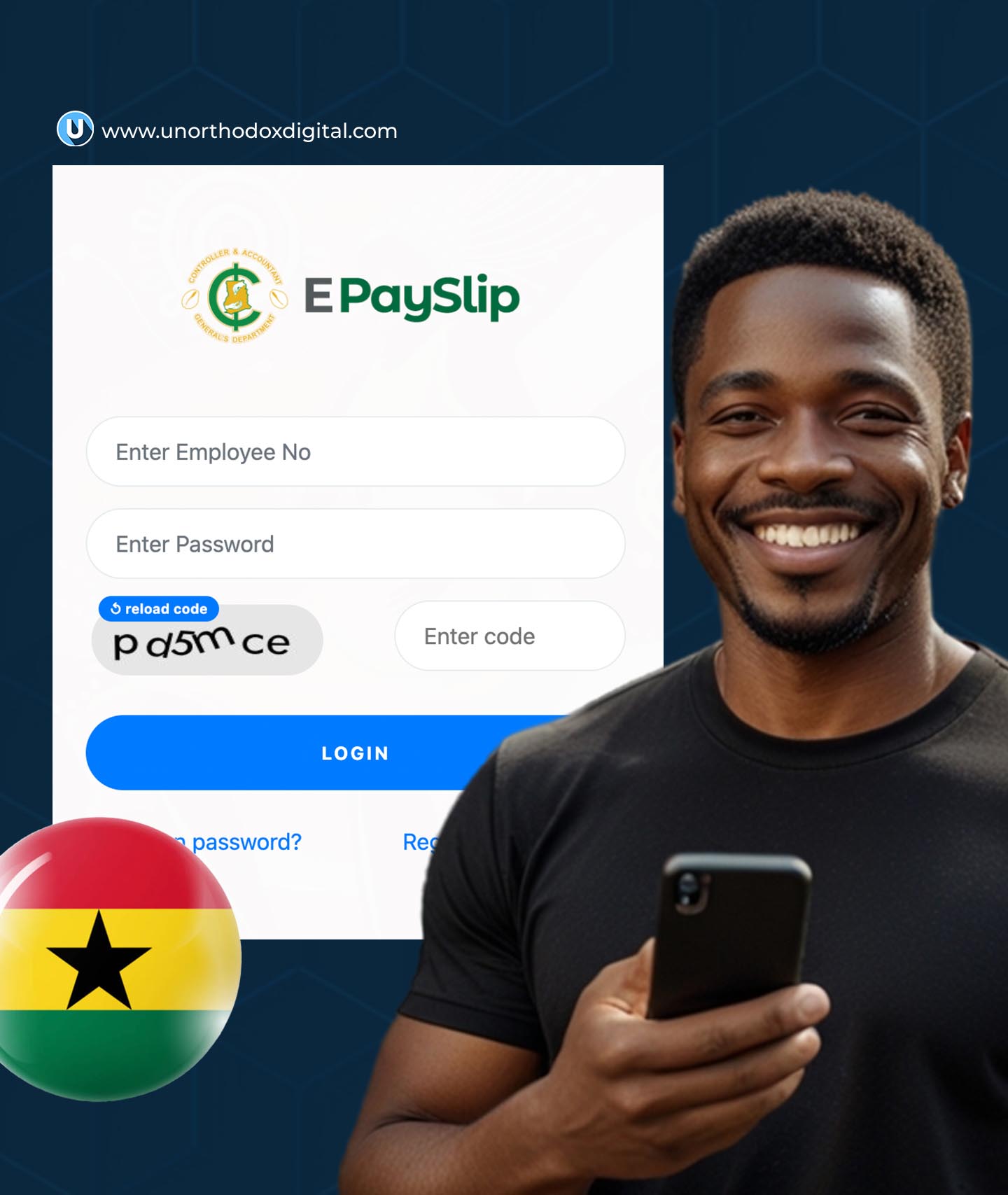
    If you’re a government employee in Ghana, your payslip—now called the GOG Payslip—contains everything you need to know about your salary. Instead of waiting for a paper copy, you can now access it online using the ePayslip system. But how do you check it? If you’ve ever struggled to log in or wondered how to print your payslip, this guide will walk you through the process in simple, easy-to-follow steps.

    What is the GOG Payslip?

    The GOG Payslip, also known as the ePayslip, is an electronic version of the traditional paper payslip. It is managed by the Controller and Accountant General’s Department (CAGD) and allows government workers to access their salary details online.

    Why Use the GOG ePayslip?

    The ePayslip system comes with several benefits:

    BenefitExplanation
    ConvenienceCheck your payslip from anywhere with internet access.
    SecurityOnly you can access your account with your unique login details.
    Eco-FriendlyReduces paper use and supports a greener environment.
    Faster AccessNo need to wait for a printed payslip—you can view it as soon as it’s available.
    Easier Record-KeepingAll previous payslips are stored and can be accessed anytime.

    How to Register for a GOG Payslip Account

    Before you can check your payslip, you need to register on the GOG Payslip portal.

    Steps to Register:

    1. Visit the official GOG Payslip website: Open your browser and go to the GOG Payslip Website.
    2. Click on ‘Register for ePayslip’: This option will take you to the registration form.
    3. Fill in your details:
      • Employee number (obtain this from your HR department).
      • Preferred password (choose a strong one and keep it safe).
      • Active phone number and email (used for account verification and password recovery).
    4. Obtain a registration code:
      • Visit your department’s accounts office to get a registration code.
    5. Enter the registration code on the website: This verifies your employment status.
    6. Submit the form and wait for confirmation: You will receive a message confirming that your registration is successful.

    How to Log In and Check Your GOG Payslip

    Once you have registered, follow these steps to log in and check your payslip:

    1. Go to the GOG Payslip website
    2. Enter your Employee Number and Password
    3. Solve the CAPTCHA (this helps prevent automated attacks)
    4. Click ‘Sign In’
    5. Once logged in, select ‘View Payslip’
    6. Choose the month you want to check
    7. Your payslip will be displayed on the screen

    How to Download and Print Your Payslip

    If you need a hard copy, follow these steps:

    1. After viewing your payslip, click ‘Download’ (usually in PDF format).
    2. To print, open the downloaded file and press Ctrl + P (on Windows) or Command + P (on Mac).
    3. Select your printer and click ‘Print’.

    Troubleshooting Common Login Issues

    Sometimes, users face challenges accessing their payslips. Here are some common problems and how to fix them:

    IssueSolution
    Forgot PasswordClick ‘Forgot Password’ on the login page and follow the instructions to reset it.
    Incorrect Employee NumberDouble-check your employee number with HR.
    Website Not LoadingEnsure you have a stable internet connection and try refreshing the page.
    Account LockedIf you enter the wrong password multiple times, your account may be locked. Contact HR for assistance.
    How to Check GOG Payslip, ePayslip in Ghana

    Why Choose ePayslip Over Traditional Payslips?

    FeatureePayslipPaper Payslip
    AccessibilityAvailable anytime, anywhereMust wait for distribution
    SecurityPassword-protectedCan be lost or stolen
    Environmental ImpactPaperless, eco-friendlyContributes to deforestation
    SpeedInstant accessDelayed by manual processing
    StorageStored online for future referenceNeeds physical storage space

    The GOG ePayslip system makes salary access easier, faster, and more secure for government employees in Ghana. Whether you need to check your salary, download past payslips, or print a copy for record-keeping, the online system simplifies the process.

    By following the steps in this guide, you should have no trouble accessing your GOG Payslip anytime you need it. If you experience issues, don’t hesitate to contact your HR department for assistance. Keep your login details safe and enjoy the convenience of digital payslips!

  • Top 15 Online Businesses in Nigeria to Make Money Daily

    Top 15 Online Businesses in Nigeria to Make Money Daily

    The internet is like a giant marketplace where people buy, sell, and make money every single day. In Nigeria, many online businesses allow you to earn daily without needing a physical shop. Whether you’re a student, stay-at-home parent, or someone looking for extra cash, there’s an online business for you. Let’s explore 15 of them and how they work!

    1. Freelancing (Writing, Graphic Design, Programming)

    Freelancing means offering your skills online to people who need them. If you’re good at writing, designing, or coding, you can find work on platforms like Fiverr, Upwork, and PeoplePerHour. Businesses and individuals post jobs, and you get paid per task.

    Example: A Nigerian writer on Fiverr can earn between ₦5,000 to ₦50,000 per article, depending on the quality and length.

    2. Affiliate Marketing

    Affiliate marketing is like being a middleman. You promote other people’s products using special links, and when someone buys through your link, you earn a commission. Platforms like Jumia Affiliate, Konga Affiliate, and Amazon Associates allow you to earn daily.

    Example: If you promote a phone that costs ₦100,000 and the company gives you 5% commission, you earn ₦5,000 per sale.

    3. Blogging with Ad Networks and Sponsored Posts

    Blogging involves creating a website where you write about topics people are interested in. You make money by displaying ads from Google AdSense, Mediavine, or Adsterra, and through sponsored posts where brands pay you to write about them.

    Example: A Nigerian blogger earning ₦500 per 1,000 views can make ₦5,000 daily if they get 10,000 visitors.

    4. Selling Food Online

    If you love cooking, why not sell homemade meals online? You can take orders through WhatsApp, Instagram, or Facebook and deliver them via dispatch riders.

    Example: If you sell 10 plates of jollof rice at ₦2,000 each, that’s ₦20,000 daily!

    5. Print-on-Demand Business

    With print-on-demand, you design custom T-shirts, mugs, or phone cases and sell them online. Websites like Printivo and Teespring handle printing and delivery while you focus on marketing.

    Example: If a T-shirt costs ₦3,000 to make and you sell it for ₦6,000, you earn ₦3,000 per sale.

    6. Social Media Management

    Many businesses need help managing their social media pages. If you understand how to create posts, reply to comments, and grow followers, you can offer social media management services.

    Example: Some Nigerian businesses pay ₦30,000 to ₦100,000 monthly for social media managers.

    7. YouTube Content Creation

    YouTube pays content creators through ads, sponsorships, and product promotions. If you can create engaging videos, this is a great way to earn daily income.

    Example: A YouTube channel with 10,000 views per day could earn around ₦10,000 – ₦30,000 daily from ads.

    Best Online Businesses in Nigeria to Make Money Daily

    8. Forex Trading

    Forex trading is buying and selling currencies to make a profit. It requires learning, patience, and the right strategy, but once mastered, it can be very profitable.

    Example: A skilled trader making ₦5,000 profit per trade could do 3-5 trades daily, making ₦15,000 – ₦25,000 per day.

    9. Cryptocurrency Trading

    Crypto trading involves buying and selling digital currencies like Bitcoin and Ethereum. It works like forex trading, but the market runs 24/7.

    Example: If you buy ₦50,000 worth of Bitcoin and sell it for ₦55,000, you just made ₦5,000 profit.

    10. Virtual Assistant Services

    A virtual assistant helps business owners with tasks like email management, data entry, and scheduling meetings.

    Example: Many Nigerian VAs earn between ₦5,000 to ₦15,000 per day depending on the tasks.

    11. Online Tutoring

    If you’re good at a subject, you can teach others online via Zoom or WhatsApp and get paid.

    Example: Teaching five students at ₦2,000 per class gives you ₦10,000 daily.

    12. Selling Digital Products (Ebooks, Courses, Templates)

    You can create ebooks, online courses, or business templates and sell them repeatedly without worrying about inventory.

    Example: Selling 20 copies of a ₦2,500 ebook makes ₦50,000 daily.

    13. Data Entry Jobs

    Data entry involves typing information into a computer system. Many companies outsource this work, and you can do it from home.

    Example: You could earn ₦3,000 – ₦10,000 per day, depending on the workload.

    14. Mobile Money Agent Business

    With a mobile money business, you help people withdraw, deposit, or transfer money using fintech services like Opay, Paga, or Moniepoint.

    ServiceCharge per TransactionDaily TransactionsDaily Earnings
    Cash Withdrawal₦100 per ₦5,00050 transactions₦5,000
    Cash Deposit₦50 per ₦5,00050 transactions₦2,500
    Bills Payment₦100 per bill20 transactions₦2,000

    Total Estimated Daily Earnings: ₦9,500+

    15. Domain Flipping

    Domain flipping is buying domain names (e.g., bestnaijadeals.com) at a low price and selling them for a profit.

    Example: If you buy a domain for ₦5,000 and sell it for ₦50,000, that’s a ₦45,000 profit!

    Starting an online business in Nigeria is easier than ever. Whether you love writing, teaching, or trading, there’s an option for you. The key is consistency, patience, and learning the right skills. Which of these businesses sounds most interesting to you? Start today and make money daily!

  • Nigeria’s 10 Best Universities You Should Know

    Nigeria’s 10 Best Universities You Should Know

    Choosing the right university is a big deal. Whether you’re planning for your future or just curious about Nigeria’s top schools, this guide will break things down in a way that’s easy to understand. Think of this as a friendly chat where we explore what makes these universities special. Let’s get started!

    1. Covenant University (CU)

    Located in Ota, Ogun State, Covenant University is often ranked as the best university in Nigeria. It’s a private Christian university known for discipline, academic excellence, and strong industry connections.

    • Student Population: 8,940
    • Male-to-Female Ratio: 63:37
    • Research Strength: 37% of its work involves interdisciplinary science
    • Student-to-Staff Ratio: 17.5 (meaning smaller class sizes)

    Why It Stands Out

    Covenant University focuses on entrepreneurship and leadership, ensuring that graduates are job-ready. It also has a strong tech program, which is a huge plus in today’s digital world.

    2. University of Ibadan (UI)

    As Nigeria’s first university, the University of Ibadan is rich in history and academic excellence. Located in Ibadan, Oyo State, it has produced many notable graduates in politics, science, and the arts.

    • Student Population: 41,269
    • Gender Ratio: 50:50
    • Research Strength: 19% of studies involve interdisciplinary science
    • Student-to-Staff Ratio: 19.7

    Why It Stands Out

    UI has a strong reputation for medical and agricultural sciences, making it a top choice for students in those fields.

    3. University of Lagos (UNILAG)

    Situated in Nigeria’s commercial capital, UNILAG is known for its vibrant student life and academic achievements.

    • Student Population: 41,048
    • Gender Ratio: 51% female, 49% male
    • Research Strength: 25%
    • Student-to-Staff Ratio: 27.5

    Why It Stands Out

    Being in Lagos, students get more networking and internship opportunities. It’s a great choice for those interested in business, media, and technology.

    4. University of Nigeria, Nsukka (UNN)

    UNN is one of Nigeria’s oldest and most respected universities. Founded in 1960, it has a strong focus on research and innovation.

    • Student Population: 43,108
    • Gender Ratio: 46% female, 54% male
    • Research Strength: 25%
    • Student-to-Staff Ratio: 11.7

    Why It Stands Out

    UNN is known for its high-quality engineering, medical, and law programs, attracting top students from across Nigeria.

    Nigeria’s 10 Best Universities You Should Know

    5. University of Ilorin (UNILORIN)

    This university has a reputation for being highly disciplined and maintaining an uninterrupted academic calendar.

    • Student Population: 52,921
    • Gender Ratio: 51% female, 49% male
    • Research Strength: 28%
    • Student-to-Staff Ratio: 39.2

    Why It Stands Out

    If you want to graduate on time without worrying about strikes, UNILORIN is a great choice. It also has strong programs in law and engineering.

    6. Federal University of Technology, Akure (FUTA)

    FUTA is one of Nigeria’s best universities for science and technology-related courses.

    • Student Population: 19,711
    • Gender Ratio: 26% female, 74% male
    • Research Strength: 35%
    • Student-to-Staff Ratio: 24.5

    Why It Stands Out

    FUTA is the go-to place for engineering and technology courses, making it a great choice for students interested in tech careers.

    7. Afe Babalola University (ABUAD)

    This is a fast-rising private university located in Ado-Ekiti, known for its academic excellence and top-tier facilities.

    • Student Population: 9,660
    • Gender Ratio: 57% female, 43% male
    • Research Strength: 30%
    • Student-to-Staff Ratio: 10.7

    Why It Stands Out

    ABUAD offers one of the best learning environments in Nigeria, with modern classrooms and a strong focus on entrepreneurship.

    8. University of Benin (UNIBEN)

    UNIBEN is a well-established federal university known for its research output and strong academic programs.

    • Student Population: 47,837
    • Gender Ratio: 49% female, 51% male
    • Research Strength: 25%
    • Student-to-Staff Ratio: 25.8

    Why It Stands Out

    It has a strong engineering faculty and a medical school that produces top doctors and researchers.

    9. Federal University of Agriculture, Abeokuta (FUNAAB)

    If you’re interested in agricultural sciences, FUNAAB is Nigeria’s top university in that field.

    • Student Population: 17,433
    • Gender Ratio: 52% female, 48% male
    • Research Strength: 30%
    • Student-to-Staff Ratio: 26.5

    Why It Stands Out

    FUNAAB focuses on agricultural research and innovations that help boost Nigeria’s farming sector.

    10. Bayero University, Kano (BUK)

    Located in Kano, Bayero University is a top university in Northern Nigeria with a strong emphasis on research and academic excellence.

    • Student Population: 43,027
    • Gender Ratio: 35% female, 65% male
    • Research Strength: 27%

    Why It Stands Out

    BUK has strong law and medical programs and is one of the most respected universities in Northern Nigeria.

    Summary Table

    UniversityLocationStudent PopulationGender RatioResearch Strength
    Covenant UniversityOta, Ogun8,94037% female, 63% male37%
    University of IbadanIbadan, Oyo41,26950% female, 50% male19%
    University of LagosLagos41,04851% female, 49% male25%
    UNNNsukka, Enugu43,10846% female, 54% male25%
    UNILORINIlorin, Kwara52,92151% female, 49% male28%
    FUTAAkure, Ondo19,71126% female, 74% male35%
    ABUADAdo-Ekiti9,66057% female, 43% male30%
    UNIBENBenin City, Edo47,83749% female, 51% male25%
    FUNAABAbeokuta, Ogun17,43352% female, 48% male30%
    BUKKano43,02735% female, 65% male27%

    Each of these universities has something unique to offer. Whether you value academic excellence, research opportunities, or a vibrant student life, there’s a perfect fit for you. Now that you know the best universities in Nigeria, which one interests you the most?

  • How to Make Money Selling Digital Products in Nigeria

    How to Make Money Selling Digital Products in Nigeria

    Imagine you could sell something over and over again without ever running out of stock. That’s the magic of digital products! If you’ve ever bought an eBook, downloaded a printable planner, or purchased an online course, you’ve already seen how digital products work. Now, let’s talk about how you can make money selling them in Nigeria.

    What Are Digital Products?

    Digital products are things you can sell online that don’t have a physical form. Unlike a T-shirt or a bag of rice, you don’t need a warehouse to store them. Once created, you can sell them repeatedly without worrying about running out of inventory. Some popular digital products include:

    CategoryExamples
    eBooksGuides, novels, educational books
    Online CoursesVideo lessons, tutorials, workshops
    PrintablesCalendars, planners, worksheets
    Software & AppsMobile apps, website themes, plugins
    Stock MediaPhotos, videos, music tracks
    Digital TemplatesResumes, business plans, PowerPoint designs

    Now, let’s break down how to get started and actually make money.

    Step 1: Choose a Profitable Digital Product

    Not all digital products sell well. The best ones solve a problem or make life easier for people. Here’s how to choose:

    • Think about what you’re good at. Are you great at writing? Try eBooks. Love designing? Sell templates.
    • Check what people need. Are students struggling with exam prep? An online course on study techniques might sell well.
    • Look at trends. Digital planners, CV templates, and social media content packs are hot right now.

    Step 2: Create Your Digital Product

    Once you have an idea, it’s time to create! This part takes effort, but don’t worry—you don’t need to be a pro. There are tools to help:

    Product TypeTools to Create It
    eBooksMicrosoft Word, Canva, Google Docs
    Online CoursesTeachable, Udemy, Zoom (for live classes)
    PrintablesCanva, Adobe Illustrator
    Apps & SoftwareFlutter, React Native, WordPress
    Stock MediaPhotoshop, Lightroom, Final Cut Pro
    TemplatesCanva, PowerPoint, Google Slides

    If you’re not skilled in a particular area, you can hire freelancers from sites like Fiverr or Upwork to help.

    Step 3: Set Up Your Online Store

    Now that your digital product is ready, you need a place to sell it. Here are your options:

    • Sell on Your Own Website – Platforms like Shopify, WooCommerce, or Flutterwave Store let you create an online store.
    • Use Marketplaces – Websites like Selar, Paystack Commerce, and Gumroad help Nigerians sell digital products easily.
    • Sell on Social Media – Instagram, Twitter, and Facebook are great for marketing, and you can use WhatsApp for direct sales.
    How to Make Money Selling Digital Products in Nigeria

    Step 4: Price Your Product

    Pricing can be tricky, but here are some tips:

    • Check what others are charging. If similar eBooks sell for ₦2,000, yours should be in the same range.
    • Consider the value. If your course teaches a skill that helps people earn money, you can charge higher.
    • Use tiered pricing. Offer a basic version at a lower price and a premium version with extra features at a higher price.

    Step 5: Market Your Digital Product

    You can’t just upload your product and expect people to find it. You need to market it!

    Ways to Promote Your Digital Products:

    MethodHow It Works
    Social MediaShare tips, testimonials, and promotions on platforms like Instagram, Twitter, and TikTok.
    Email MarketingCollect emails and send updates, offers, and valuable content to potential buyers.
    BloggingWrite useful articles related to your product and include a link to buy.
    YouTubeCreate videos that teach or demonstrate your product’s value.
    Influencer MarketingPartner with influencers who can promote your product to their followers.

    Step 6: Automate and Scale

    Once your product is selling, automate the process so you can make money while you sleep!

    • Set up automatic delivery. Platforms like Selar and Gumroad handle automatic file delivery after payment.
    • Use chatbots. Tools like ManyChat can answer questions from potential buyers even when you’re offline.
    • Create more products. If your first product does well, expand your catalog with related items.

    Why Selling Digital Products in Nigeria is a Great Idea

    • No physical inventory – No need to rent storage space.
    • Low startup cost – You don’t need much money to get started.
    • Scalability – You can sell to people across Nigeria and even internationally without extra effort.
    • Passive income – Once your product is created, it keeps earning you money.

    Selling digital products in Nigeria is a smart way to make money online. Whether you’re a writer, designer, teacher, or tech enthusiast, there’s a digital product you can create and sell. In Nigeria, you can sell digital and even physical products on platforms like Selar and Hawkit. The key is to pick something valuable, create it well, market it effectively, and automate where possible.

    So, what digital product are you going to sell first? Start today and turn your skills into profit!

  • How Nigerians Turn Social Media into Cash on Hawkit

    How Nigerians Turn Social Media into Cash on Hawkit

    Social media is a huge part of our daily lives. We scroll, like, comment, and share posts every day. But what if you could make money just by doing these things? That’s exactly what many Nigerians are doing on Hawkit—a platform that pays users for simple social media tasks. Sounds interesting, right? Let’s break it down step by step.

    How Does Hawkit Work?

    Imagine a business wants to become more popular on social media. They need more followers, likes, comments, and shares to look trustworthy and attract real customers. Celebrities and influencers also want more engagement to stay relevant. This is where Hawkit comes in.

    Businesses and individuals pay Hawkit to boost their social media presence. Hawkit then distributes these tasks to registered users like you. When you complete a task—like following an account or sharing a post—you get paid! It’s that simple.

    Example:

    A company called Unorthodox Media wants 10,000 new Instagram followers. They pay Hawkit to make it happen. Hawkit then gives the task to 10,000 users, each of whom gets paid for following Unorthodox Media’s account.

    Now, let’s talk about the different ways you can earn on Hawkit.

    9 Ways to Make Money on Hawkit

    Hawkit offers multiple earning opportunities. Here’s a breakdown of what you can do and how much you can earn per task:

    TaskEarnings per Task (₦)
    Following accounts on Instagram, Twitter, or TikTok3
    Liking Facebook business pages3
    Liking posts on Facebook, Instagram, Twitter, or TikTok3
    Commenting on social media posts15
    Posting adverts on WhatsApp status20
    Sharing or retweeting posts on Facebook and Twitter10
    Subscribing to YouTube channels30
    Downloading apps & posting reviews (Google Play Store)30
    Downloading apps & posting reviews (Apple Store)60

    The more tasks you complete, the more you earn. If you do 50 social media tasks in a day, you could make a few thousand naira without breaking a sweat!

    How Nigerians Turn Social Media into Cash on Hawkit

    Extra Ways to Earn Even More

    If you want to boost your earnings, Hawkit has some additional money-making opportunities:

    1. Referral Bonus: Earn ₦500 instantly for every person you invite to join Hawkit.
    2. Referral Commission: Earn an extra 20% commission when your referrals buy likes, followers, comments, or shares.
    3. Sell Airtime & Data: Buy airtime and data at up to 50% discount and sell to friends and family at normal prices.
    4. Sell Products & Services: List your products on the Hawkit marketplace and reach thousands of buyers. On Hawkit, you can sell physical and digital products.

    Who Can Join Hawkit?

    Anyone with a smartphone and internet access can join Hawkit. Whether you’re a student, stay-at-home parent, or just someone looking for extra cash, this platform is open to all.

    Is Hawkit Legit?

    Yes! Many Nigerians have been making money daily through Hawkit. As long as you complete tasks correctly, your earnings will keep adding up.

    How to Get Started

    1. Sign up on Hawkit
    2. Complete simple social media tasks
    3. Watch your earnings grow
    4. Withdraw your money anytime

    It’s as easy as that!

    Hawkit is changing the way Nigerians use social media. Instead of just scrolling for fun, people are now earning real money. If you’re looking for an easy way to make extra income, Hawkit is worth checking out. Why not start today and turn your social media activity into cash?

  • How Nigerians Make Money Daily Selling on Selar

    How Nigerians Make Money Daily Selling on Selar

    Imagine you have something valuable—maybe a book you wrote, a course you created, or a T-shirt design you love. Now, imagine you could sell that to people all over Nigeria and even the world, without needing a physical shop or worrying about payment hassles. That’s exactly what Selar helps Nigerians do every single day!

    Selar is an online marketplace where Nigerians make money by selling digital products, courses, event tickets, services, and even physical goods. It’s easy to use, free to start, and supports multiple payment options. Whether you’re a writer, teacher, designer, coach, or business owner, Selar can help you make money daily. Let’s break down how it works and how you can get started.

    What Can You Sell on Selar?

    Selar allows Nigerians to sell different kinds of products and services. Here’s a simple breakdown:

    CategoryExamples
    Digital ProductsEbooks, templates, music, PDFs, graphics, content packs
    Courses & MembershipsVideo lessons, coaching programs, exclusive community access
    Event TicketsWebinars, workshops, masterclasses, physical and virtual events
    ServicesConsultations, design work, tutoring, coaching
    Physical ProductsClothing, books, gadgets, accessories

    No matter your skill or passion, there’s likely something you can sell on Selar.

    How to Start Selling on Selar

    Getting started on Selar is as easy as opening a social media account. Here’s what you need to do:

    1. Sign Up and Create Your Store

    Go to Selar’s website and sign up for free. Once your account is ready, you’ll create an online store where customers can see and buy your products. Think of it like having your own mini website without the stress of building one.

    2. Add Your Products

    Upload your digital files, list your services, or add details about your physical products. Selar makes it easy to organize everything so customers can quickly understand what you’re selling.

    3. Set Your Prices and Currency

    You can sell in any currency—Naira, dollars, pounds, or more. If a customer pays in a different currency, Selar converts it to your default currency.

    4. Share Your Store Link

    Selar gives you a unique store link that you can share on social media, WhatsApp, or even your website. The more people see your store, the more sales you can make.

    5. Receive Payments Seamlessly

    Selar supports multiple payment methods, including bank transfers, card payments, and even PayPal. This means customers from anywhere in the world can pay you easily.

    6. Get Paid Regularly

    Selar settles your earnings based on their payment schedule. This means you don’t have to worry about chasing customers for money—Selar handles it for you.

    How Nigerians Are Making Money Daily on Selar

    Let’s look at real examples of how people use Selar to make money every day.

    1. Selling Ebooks

    Many Nigerian writers are making money by selling ebooks on Selar. A well-written ebook on personal finance, business strategies, or even storytelling can sell for ₦3,000. With the right promotion on Twitter, Instagram, or WhatsApp, sellers can make thousands of naira daily by selling multiple copies.

    2. Offering Online Courses

    Graphic designers, tech experts, and even language teachers are creating online courses and listing them on Selar for prices ranging from ₦5,000 to ₦50,000. With steady marketing through social media ads, it’s possible to sell multiple courses daily and generate a consistent income stream.

    3. Hosting Paid Webinars

    Professionals in different fields use Selar to sell tickets for webinars on topics like career growth, digital marketing, and business development. If each ticket costs ₦5,000 and 50 people register, that’s ₦250,000 in revenue from a single session.

    4. Selling Digital Templates

    Social media managers, designers, and business consultants are making money by selling pre-designed templates for Instagram posts, business proposals, or presentation slides. A well-priced template pack at ₦2,000 can generate steady daily sales from business owners looking for ready-made designs.

    5. Selling Physical Products

    Fashion designers, book sellers, and gadget retailers are listing their products on Selar, allowing them to sell to customers nationwide without needing a physical store. By promoting their Selar store links on social media, they receive daily orders and grow their business online.

    How Nigerians Make Money Daily Selling on Selar

    Why Selar is a Great Choice

    No Technical Skills Needed

    You don’t need to be a tech expert to use Selar. If you can use social media, you can run a Selar store.

    Supports Multiple Payment Methods

    Unlike traditional banks that require special setups, Selar allows buyers to pay via cards, transfers, and even international payment options.

    No Upfront Costs

    You can start selling for free. Selar only charges a small percentage when you make a sale, so you don’t lose money upfront.

    Automates Sales

    If you’re selling digital products or courses, Selar delivers them automatically. That means you can make money even while sleeping!

    Tips to Make More Money on Selar

    • Promote Your Products: Share your store link on WhatsApp, Twitter, Instagram, and Facebook.
    • Run Discounts & Offers: Give special deals to encourage more people to buy.
    • Leverage Ads: Facebook and Instagram ads can help you reach more potential buyers.
    • Keep Improving Your Products: Update your ebooks, courses, and templates to keep them relevant.
    • Engage Your Audience: Answer questions, respond to comments, and build relationships with your customers.

    Selar is a game-changer for Nigerians who want to make money online. Whether you’re an entrepreneur, a creative, or just someone with valuable knowledge, you can start selling and earning daily.

    So, what are you waiting for? Set up your store on Selar today and start making money from your skills and products!

  • Top 20 Career Paths for African Tech Graduates

    Top 20 Career Paths for African Tech Graduates

    In an era dominated by technology, African tech graduates are finding themselves at a crossroads of opportunity. With a rapidly growing digital landscape, the options are diverse and plentiful. Whether you’re freshly minted from university or coding bootcamp, understanding the breadth of available career paths can set the stage for a fulfilling professional life. Here’s a look at the top 20 career options that await African tech graduates.

    1. Software Developer

    Building applications for various operating systems, software developers are in high demand across global tech industries. This role offers opportunities in both corporate settings and as freelance contributors.

    2. Web Developer

    Focused on developing websites, web developers combine creative and technical skills to create user-friendly Internet pages. Specializations can include front-end, back-end, and full-stack development.

    3. Mobile App Developer

    With the proliferation of smartphones, mobile app developers have become crucial. They specialize in creating applications for iOS and Android and often work collaboratively with UI/UX designers.

    4. Data Scientist

    Data scientists analyze and interpret complex data to help companies make strategic decisions. Proficiency in statistics, machine learning, and data management tools is essential.

    5. AI/ML Engineer

    Artificial Intelligence and Machine Learning engineers develop systems that simulate human intelligence. These professionals are pioneers in creating smarter products and services.

    6. Cybersecurity Specialist

    As digital security concerns grow, cybersecurity specialists are becoming indispensable. They protect systems from cyber threats and teach best practices for security.

    7. Cloud Solutions Architect

    These professionals design and manage scalable cloud environments, ensuring efficient and secure cloud operations.

    8. Network Engineer

    Network engineers design, implement, and maintain networking configurations. This role is vital for keeping communication systems running smoothly.

    9. Systems Analyst

    Systems analysts bridge the gap between IT and business teams. They analyze workflows and design IT solutions to enhance business efficiency.

    10. Database Administrator

    Database administrators ensure that databases run efficiently and securely. They are skilled in database languages like SQL and are crucial for data-driven businesses.

    11. UI/UX Designer

    User Interface (UI) and User Experience (UX) designers focus on optimizing the user experience in apps and websites, ensuring that digital interfaces are intuitive and engaging.

    12. DevOps Engineer

    DevOps engineers streamline the development process by integrating and automating the workflows between software development and IT teams.

    13. Product Manager

    Product managers oversee the development and launch of tech products. This role requires strong leadership and strategic thinking skills.

    14. Quality Assurance Tester

    QA testers are essential for the software development process, ensuring that final products are free from bugs and meet customer expectations.

    15. Blockchain Developer

    Specializing in blockchain technology, these developers design and implement solutions that enhance security and transparency for digital transactions.

    16. IoT Engineer

    Internet of Things (IoT) engineers develop networked gadgets that connect and exchange data, transforming how we interact with everyday objects.

    17. Hardware Engineer

    These engineers focus on physical components of computers and electronic systems, designing processors, circuit boards, and memory devices.

    18. Technical Writer

    Technical writers produce manuals, guides, and documentation that make complex information accessible to users and professionals.

    19. SEO Specialist

    SEO specialists optimize website content to ensure higher rankings in search engine results, crucial for businesses looking to increase their online visibility.

    20. Digital Marketer

    Digital marketers use online platforms to promote brands and products, leveraging tools like social media, email, and digital advertising.

    Frequently Asked Questions (FAQs)

    Q1: What skills are crucial for African tech graduates entering the workforce?

    Strong technical expertise in your chosen field, problem-solving skills, adaptability, and continuous learning are crucial.

    Q2: How can tech graduates increase their employability?

    Acquiring certifications, attending workshops, building a robust portfolio, and networking can significantly enhance employability.

    Q3: Are there opportunities for tech graduates in non-tech companies?

    Absolutely. Businesses across sectors like finance, healthcare, and education are seeking tech professionals to drive digital transformation.

    Q4: What emerging tech fields should graduates consider?

    AI, cybersecurity, blockchain, and IoT are rapidly growing fields that promise exciting career opportunities.

    Q5: How important is having a mentor in tech?

    Very important. A mentor can provide guidance, network opportunities, and insights that are invaluable for career development.

    African tech graduates are well-placed to take advantage of a multitude of career paths that not only offer personal satisfaction but also the chance to make significant impacts in the tech world. As Africa continues to embrace digital transformation, the opportunities for its tech-savvy youth are boundless.

  • How to Secure Admission into the University of KwaZulu-Natal

    How to Secure Admission into the University of KwaZulu-Natal

    Navigating the admission process for universities can be a daunting task, but with the right information and preparation, the process can be much smoother. If you’re aiming for a spot at the University of KwaZulu-Natal (UKZN), one of South Africa’s leading universities, understanding the specific criteria and procedures is crucial.

    This article will guide you through the key steps to maximize your chances of getting into How to Secure Admission into the University of KwaZulu-Natal (UKZN).

    Understanding the Early Selection Process

    UKZN offers an early selection option for applicants who have demonstrated outstanding academic performance in their Grade 11 and mid-year Grade 12 (June, trial or mock) results. To be considered for early selection, applicants must submit certified copies of these results. Those selected early will secure their spot provided they achieve a National Senior Certificate (NSC) with a degree pass and meet the faculty-specific requirements in their final exams.

    For those already holding a Senior Certificate, an early admission offer may be possible upon the submission of an application accompanied by the required documents.

    Selection Based on Admission Point Score (APS)

    The bulk of the selection process begins once the final Grade 12 results are released. University of KwaZulu-Natal uses the Admission Point Score (APS) system to rank applicants. Here’s how it works:

    1. Calculation of APS: Your APS is calculated based on your best six subject performances in the NSC exams, excluding Life Orientation. If you have more than seven subjects, the scores from your best subjects are used, including mandatory subjects relevant to your chosen program.
    2. Ranking Applicants: Applicants are ranked according to their APS, and selection is made from the top down until all available places for each program are filled.
    3. Minimum Score Requirement: Each program has a minimum APS required for consideration. Applicants scoring below this minimum are generally not selected.

    Additional Selection Criteria

    For 2024, at least 15% of new entrants in each program will be selected from students who completed their schooling at Quantile 1 or 2 schools and meet the entry requirements. Within set quotas, selection is based on academic merit. Certain programs, particularly competitive ones like Medicine, may have additional criteria such as portfolios, auditions, or interviews.

    For International or Non-NSC Applicants

    Applicants with qualifications other than the NSC will be evaluated based on the guidelines provided by Universities South Africa (USAf) for equivalent performance levels. This ensures a fair assessment based on the respective educational standards.

    Final Steps Upon Offer

    If you receive an offer from the University of KwaZulu-Natal:

    • You will be notified via SMS and a formal letter.
    • You must complete an Acceptance of Offer form and pay a R500 fee directly to the University of KwaZulu-Natal to confirm your spot.

    Frequently Asked Questions (FAQs)

    Q: What documents do I need to apply for early selection at the University of KwaZulu-Natal?

    For early selection, you need to submit certified copies of your outstanding Grade 11 or mid-year Grade 12 results.

    Q: How is the Admission Point Score (APS) calculated?

    The APS is calculated by adding the performance levels (1-8) of your six best subjects from the NSC, excluding Life Orientation.

    Q: Does achieving the minimum APS guarantee admission?

    No, meeting the minimum APS does not guarantee admission due to the high volume of applications and limited spots available.

    Q: What happens if I do not meet the minimum APS?

    Applicants below the minimum APS are normally not considered for admission and are advised against applying.

    Q: How can I secure my place after receiving an admission offer?

    To secure your place, you must complete the Acceptance of Offer form and pay an acceptance fee of R500.

    Navigating your way into the University of KwaZulu-Natal involves timely preparation and a clear understanding of the admission process. By meeting the early selection criteria or ensuring a high APS score, and carefully following through with the acceptance procedures, you can enhance your chances of embarking on your academic journey at UKZN. Good luck!

  • Top 10 Technology Universities in Africa

    Top 10 Technology Universities in Africa

    In today’s rapidly evolving tech landscape, choosing the right university can be a game-changer for aspiring tech professionals.

    Across the African continent, several institutions are leading the charge, offering top-tier education that equips students with the skills needed to thrive in the global tech scene. Here’s a roundup of the 10 best African tech universities, each contributing uniquely to the tech ecosystem.

    1. University of KwaZulu-Natal

    Located in South Africa, the University of KwaZulu-Natal combines rigorous academics with a vibrant research environment. Its School of Engineering is particularly renowned for cutting-edge research and strong industry ties, providing a robust foundation in both theoretical and practical aspects of technology.

    2. University of South Africa (UNISA)

    UNISA stands out as a pioneer in long-distance learning, making technology and computer science education accessible to students regardless of their geographic location. With an extensive digital library and online support, UNISA is ideal for students who need a flexible learning schedule that does not compromise on quality.

    3. University of Johannesburg

    The University of Johannesburg offers a dynamic tech curriculum that emphasizes innovation and entrepreneurship. Its tech programs are designed to foster creativity and problem-solving skills, preparing students to be pioneers in their fields.

    4. University of Pretoria

    Known for its strong emphasis on research and innovation, the University of Pretoria offers a comprehensive range of engineering and IT courses. The university’s high-tech labs and collaboration with industries ensure that students gain valuable hands-on experience.

    5. American University in Cairo

    This university serves as a hub for tech education in the Middle East and North Africa. With a curriculum that meets international standards, the American University in Cairo excels in producing graduates who are ready to tackle global tech challenges.

    6. University of Botswana

    The University of Botswana has made significant strides in integrating technology into all aspects of its curriculum. Its focus on emerging technologies, particularly in artificial intelligence and machine learning, makes it a top choice for students looking to be at the forefront of innovation.

    7. University of Cape Town

    The University of Cape Town’s Information Technology department is highly regarded for its comprehensive research and education programs. It’s known for fostering a culture of innovation and critical thinking, making it a top pick for students who want to push the boundaries of current tech paradigms.

    8. University of Ibadan

    As one of Nigeria’s premier universities, the University of Ibadan has a solid track record in fostering technological innovation and expertise. Its programs are tailored to meet the needs of the tech industry, emphasizing both software and hardware disciplines.

    9. Obafemi Awolowo University

    Located in Nigeria, Obafemi Awolowo University is celebrated for its vibrant academic community and its strong focus on technological research and development. The university offers a wide array of tech-related programs that prepare students for the demands of a global tech career.

    10. Cape Peninsula University of Technology

    Known for its practical approach to technology education, the Cape Peninsula University of Technology in South Africa focuses on ‘learning by doing.’ This approach ensures that graduates not only understand theory but are also proficient in applying their skills in real-world situations.

    Choosing the Right Fit

    When deciding which tech university in Africa to attend, prospective students should consider several factors beyond the rankings. These include the specific tech programs offered, the university’s industry connections, internship opportunities, and campus facilities. Additionally, cultural fit and personal career goals are crucial in selecting an institution that aligns with one’s aspirations.

    Each of these universities offers unique advantages and specializes in different areas of technology and research. Whether you’re drawn to the entrepreneurial spirit at the University of Johannesburg or the innovative research at the University of Cape Town, you’ll find that each institution has a distinct approach to shaping the future tech leaders of tomorrow.

    The landscape of tech education in Africa is rich and varied. With institutions like these providing world-class education and cutting-edge research opportunities, African students have access to the tools they need to excel in the global technology arena. The future of tech in Africa is bright, and these universities are leading the way in nurturing the next generation of tech innovators and leaders.