Category: Deep Dive

Our Deep Dives offer in-depth analyses, expert insights, and detailed breakdowns of major trends, innovations, and developments in African tech.

  • Operating Systems Explained in Simple Terms

    Operating Systems Explained in Simple Terms

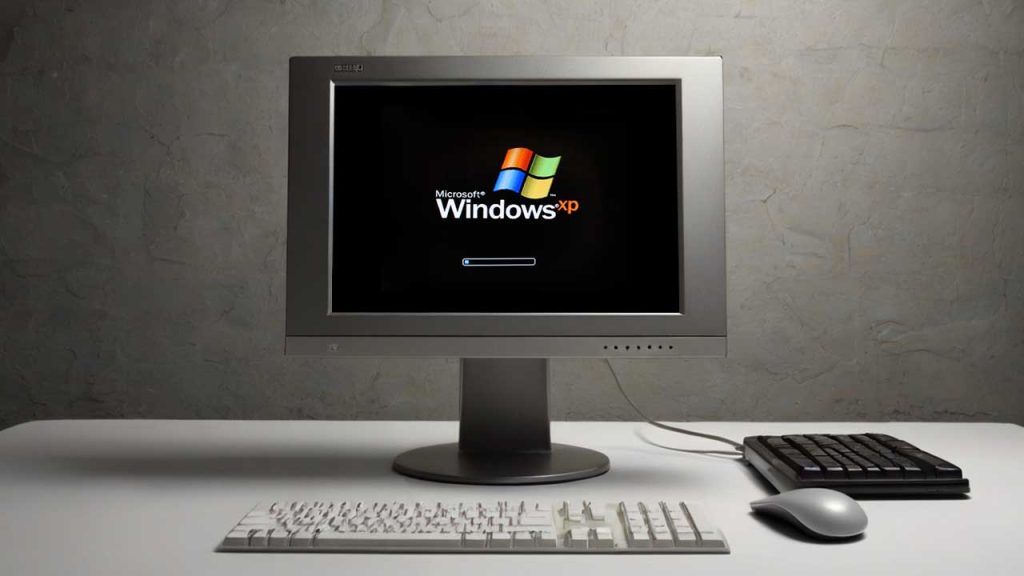
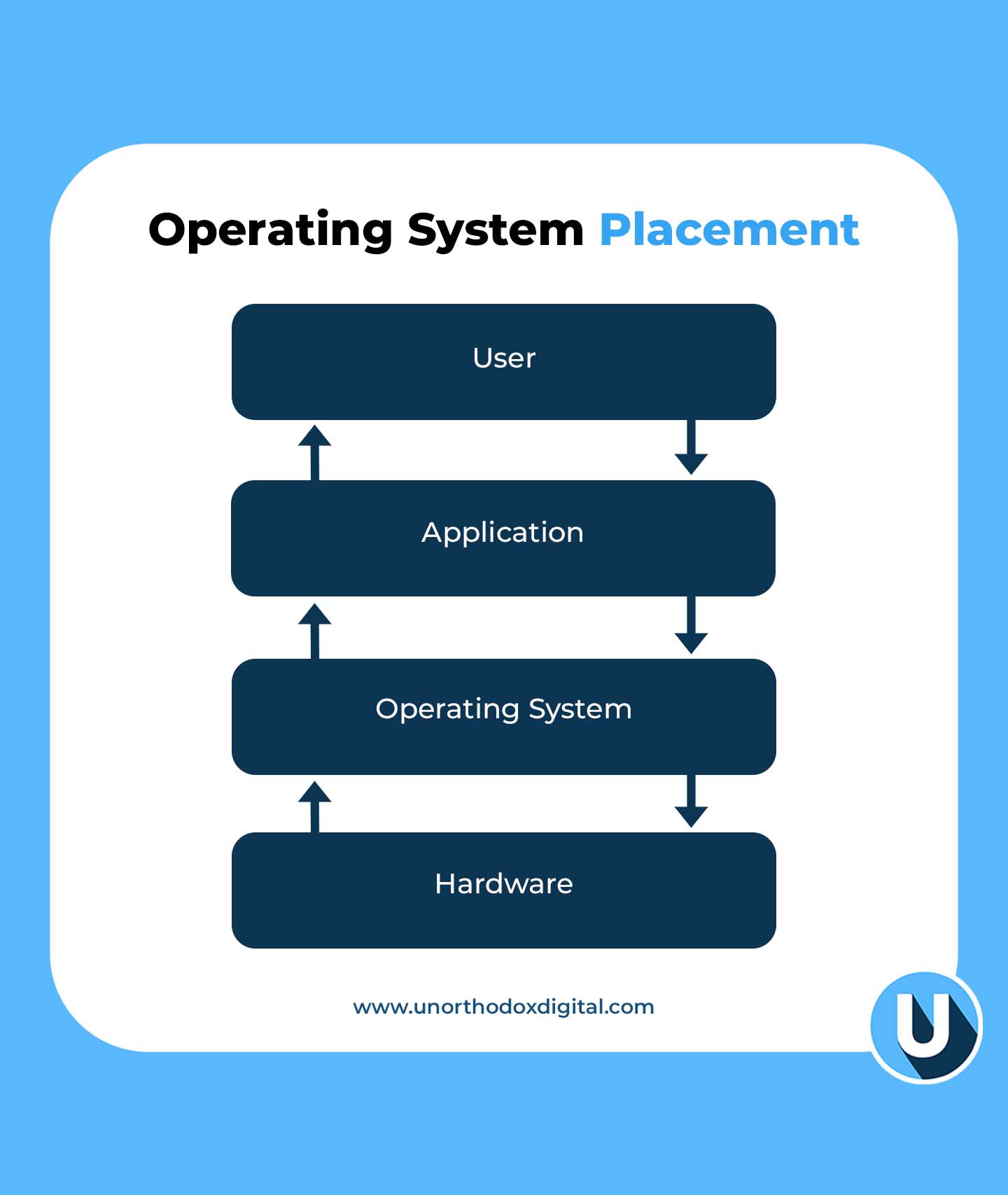
    Let’s say your computer is like a big school. Inside this school, there are students (apps), teachers (files), and lots of classrooms (hardware like memory, keyboard, etc). But someone needs to make sure everyone knows where to go, follows the rules, and uses the resources fairly. That someone is the Operating System, or OS.

    What is an Operating System?

    An operating system is the main boss of your computer. It controls how everything works together. Without it, your computer would just sit there—doing nothing—like a robot without instructions.

    A Simple Way to Think About It:

    If your computer was a restaurant:

    • The apps are chefs.
    • The ingredients are your files and data.
    • The kitchen tools (like stoves and ovens) are your hardware.
    • And the Operating System? It’s the kitchen manager making sure everything runs smoothly—no fires, no mess, and every chef gets what they need.

    Why Do We Need an Operating System?

    Here’s what the OS does behind the scenes:

    FunctionWhat It DoesSimple Example
    Manages programsRuns your apps and tells them when to start/stopWhen you open YouTube and switch to Word, the OS keeps them both working
    Handles memoryGives space to programs in RAMLike assigning lockers to students
    Controls hardwareTalks to devices like printers and keyboardsYou press a key, the OS tells the computer what letter you want
    Provides a user interfaceShows you icons, windows, and buttonsThat screen you click and type on? That’s the OS in action
    Keeps things secureProtects files and appsLike a security guard making sure no one breaks into your locker

    You might not see all of this happening, but the OS is always working in the background, like a superhero in disguise.

    What Are Some Popular Operating Systems?

    You’ve probably heard of these:

    OS NameWhere You See It
    WindowsMost office and home computers
    macOSApple laptops and desktops
    LinuxServers, some advanced personal computers
    AndroidMost smartphones (Samsung, Tecno, Infinix, etc.)
    iOSiPhones and iPads

    Each one has its strengths and fits different needs, just like different cars for different roads.
    What is an Operating System?

    What Does an Operating System Actually Do?

    Let’s zoom in on its main responsibilities.

    1. Process Management

    When you open a game and a browser at the same time, the OS decides how much power each one gets. It’s like a referee making sure every player follows the rules and no one cheats.

    2. Memory Management

    Your computer has a limited amount of memory (RAM), so the OS decides which app gets how much. If there’s not enough space, it’ll pause one or swap it out temporarily.

    3. File Management

    All your files—pictures, documents, downloads—are kept in folders. The OS helps you:

    • Create files
    • Save them
    • Move them
    • Delete them

    It also makes sure two apps don’t try to edit the same file at the same time.

    4. Device Management

    Have you ever printed something or plugged in a USB? The OS is behind that, making sure:

    • Your printer gets the file
    • Your USB drive shows up
    • Your mouse and keyboard work smoothly

    5. Security

    Before you log in with your password, the OS checks it. It also keeps apps from snooping around where they shouldn’t.

    6. User Interface

    That desktop with icons and folders? The OS creates that. Without it, you’d be typing commands like a hacker in a movie just to open Chrome.

    Different Types of Operating Systems (With Simple Comparisons)

    Let’s break this down into a simple table to help you remember:

    Type of OSWhat It DoesEveryday Example
    Batch OSHandles big jobs in groups (no user interaction)Like a teacher grading all homework at once without stopping
    Time-Sharing OSLets many users share computer timeLike taking turns playing games on a PlayStation
    Distributed OSUses many computers to do one jobLike a group project where each student handles a piece
    Network OSManages computers connected in a networkLike a teacher giving assignments to students in different classrooms
    Real-Time OSResponds instantlyUsed in robots, medical machines, or autopilots
    Multiprocessing OSUses many CPUs at onceLike several chefs cooking the same meal together
    Single-user OSOne person at a timeYour laptop at home
    Multi-user OSMany people use it at onceA school computer lab
    Embedded OSBuilt into small devicesLike your microwave or smartwatch
    Cluster OSConnects multiple machines as one powerful systemLike a team of supercomputers acting like a single brain

    So, How Do You Choose the Right Operating System?

    It depends on what you’re using your device for.

    FactorWhy It MattersTip
    PriceSome OS are free, others cost moneyLinux = free, Windows/macOS = paid
    Ease of UseSome are more user-friendlymacOS is easy for beginners
    App CompatibilityYou need apps that work with the OSGamers often choose Windows
    SecuritySome OS protect your data bettermacOS and Linux are known for security
    SupportCan you get help when it breaks?Windows has more tutorials and help forums

    If you’re just browsing the internet and watching YouTube, Android or Windows is great. If you’re doing coding or server stuff, Linux might be your best friend.

    Real-Life Scenarios to Understand the OS Better

    Let’s say:

    • You open WhatsApp → OS finds the app, opens it, and keeps it running.
    • You plug in headphones → OS switches audio from speaker to headphones.
    • Your phone rings during a game → OS pauses the game and shows you the call.

    All of this happens in seconds—and you barely notice. But without the OS, your computer or phone would be like a fancy brick.

    What If There Was No Operating System?

    Imagine:

    • No icons to click
    • No apps to open
    • No way to type, play music, or browse the internet

    You’d have to write code just to open a file. That’s how it was in the super old days. Luckily, modern OS handles all the hard stuff so you don’t have to.

    Fun Fact: What Is a System Call?

    A system call is like raising your hand in class.

    When an app (like Chrome) needs to do something important—like access the internet—it asks the OS through a “system call.” The OS then checks:

    • Is this app allowed to do that?
    • Is the resource (like network or file) available?

    If yes, the OS lets it happen. If not, it says, “Try again later.”

    Quick Recap Table

    Key TermSimple Meaning
    OS (Operating System)The boss of your device
    AppA worker that needs help from the OS
    HardwareThe physical parts of the device (like keyboard, screen)
    MemoryTemporary space to run things
    FileA piece of saved information (like a photo or doc)
    InterfaceWhat you see and click
    SecurityLocks and guards for your files
    System CallAn app politely asking the OS for something

    Understanding operating systems doesn’t have to be hard. They’re just the behind-the-scenes managers that help your devices actually do things. Whether you’re texting, watching a video, writing an essay, or printing your homework, the OS is working quietly in the background making sure everything clicks.

    So next time your laptop freezes or your phone updates its system, you’ll know exactly what’s going on. And maybe—even just a little—you’ll appreciate your operating system like the silent helper it is.

  • The Main Characteristics of a Computer System

    The Main Characteristics of a Computer System

    Computers are everywhere—at home, in schools, in offices, and even in our pockets. But have you ever wondered what makes a computer so powerful? Why does it seem to handle tasks effortlessly while humans need breaks? Let’s dive into the main characteristics of a computer system in a way that’s easy to understand, even if you’re new to the topic.

    What Is a Computer System?

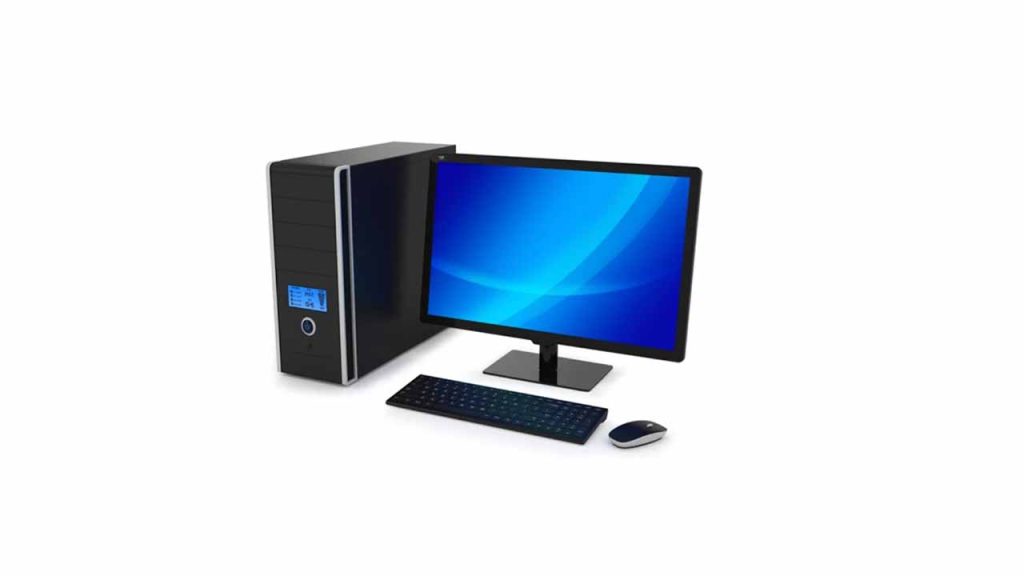
    At its core, a computer system is an electronic machine that takes in data (input), processes it using a set of instructions, and then gives back useful information (output). Think of it like a super-smart assistant that follows commands perfectly and never gets tired. The brain of the computer, known as the Central Processing Unit (CPU), is responsible for carrying out these tasks.

    A typical computer system consists of:

    • Input Devices – Devices like a keyboard or mouse that help users send information to the computer.
    • Processing Unit (CPU) – The brain of the computer, where all calculations and decisions happen.
    • Memory (RAM & Storage) – RAM helps the computer think quickly, while storage (like a hard drive) saves files for future use.
    • Output Devices – Screens, printers, and speakers that display or present the processed data.

    Now, let’s break down what makes a computer unique and why we rely on them so much.

    1. Speed

    Imagine solving a large multiplication problem—how long would it take you? A few seconds, maybe even a minute. But a computer can do millions of calculations in the blink of an eye! The speed of a computer is measured in Gigahertz (GHz), meaning it can process billions of instructions per second.

    Measurement UnitSpeed
    Millisecond1/1,000th of a second
    Microsecond1/1,000,000th of a second
    Nanosecond1/1,000,000,000th of a second

    Computers save time, which is why they are used for complex tasks like weather forecasting, space exploration, and financial transactions.

    2. Accuracy

    Computers don’t make mistakes on their own. If given the right instructions, they will always give the right answer. The only time errors occur is when a human enters incorrect data (this is called Garbage In, Garbage Out – GIGO). Unlike humans, computers don’t get tired or distracted, which makes them highly reliable.

    3. Diligence

    If you had to solve math problems for 24 hours straight, you’d eventually get tired. But a computer? It never gets bored, tired, or distracted. It can run for days, weeks, or even years without needing rest. This ability is why computers are used in hospitals, space missions, and security systems.

    4. Automation

    Once programmed, a computer can run tasks without human help. For example, when you set an alarm on your phone, it rings at the right time automatically. Businesses use automation for batch processing, where large amounts of data are handled efficiently without manual intervention. Artificial intelligence also plays a role by enabling systems to learn patterns and make decisions, further reducing the need for human input. Businesses use automation for:

    • Online transactions
    • Email sorting (spam filters)
    • Self-driving cars

    Computers follow instructions step by step, ensuring tasks are completed as expected.

    5. Versatility

    A computer isn’t limited to one job—it can do many things at once! You can listen to music, browse the internet, and type a document all at the same time. This is known as multitasking.

    Some real-world examples of computer versatility include:

    • Video editing while downloading files
    • Playing games while chatting online
    • Running business software while analyzing data

    Computers handle multiple tasks effortlessly, making them useful for both personal and professional work.

    6. Memory & Storage

    Computers have different types of memory:

    Memory TypePurpose
    RAM (Random Access Memory)Temporary storage for quick access
    Hard Drive (HDD/SSD)Long-term data storage
    Cache MemorySuper-fast memory inside the CPU

    A computer can store millions of files, pictures, and videos. Today’s computers measure storage in terabytes (TB)—that’s over a million megabytes! Unlike humans, computers don’t forget where they stored data, making them great at remembering information for future use.

    7. Reliability

    Computers consistently give the same results when given the same input. Whether it’s 10 AM or midnight, the answer to 2 + 2 will always be 4. This reliability makes computers essential for:

    • Banking transactions
    • Weather predictions
    • Scientific experiments

    As long as the software is correctly programmed, computers will always be accurate and reliable.

    8. Connectivity

    Modern computers can connect to the internet, allowing them to share information across the world in seconds. This feature is why we have:

    • Online learning
    • Video calls
    • Global communication

    Without connectivity, we wouldn’t have access to instant news, social media, or cloud storage services.

    9. Security

    Computers have strong security measures to protect data from hackers and viruses. Features like passwords, encryption, and antivirus software help keep personal and business information safe.

    Security FeaturePurpose
    PasswordsPrevents unauthorized access
    EncryptionProtects sensitive data
    FirewallsBlocks harmful websites

    With proper security, computers can be trusted to store sensitive information like medical records and financial details.

    10. Artificial Intelligence

    Computers are getting smarter! Artificial Intelligence (AI) allows them to learn from experience and make decisions. Think about how your phone suggests words as you type—that’s AI in action!

    Some common AI applications include:

    • Voice assistants (Siri, Alexa)
    • Face recognition
    • Self-driving cars

    AI helps computers go beyond simple calculations, making them even more useful in daily life.

    Computers have changed the way we live, work, and communicate. Their speed, accuracy, reliability, and multitasking abilities make them one of the most powerful tools ever created. Whether you’re writing an essay, streaming a movie, or managing a business, you can always count on a computer to get the job done efficiently.

    So, the next time you turn on your laptop or phone, take a moment to appreciate just how amazing these machines really are!

  • Ghana’s Top 15 Real Estate Developers

    Ghana’s Top 15 Real Estate Developers

    Embarking on a journey to invest in Ghana’s burgeoning real estate market? Look no further! Below is a curated list of top real estate developers in Ghana, each offering unique strengths and opportunities for discerning investors. But first, let’s delve into key considerations when entering the realm of real estate investment in Ghana.

    What to Consider When Starting a Real Estate Business in Ghana

    1. Legal Requirements: Familiarize yourself with Ghana’s legal framework for real estate business, including registration, permits, and regulations governing property transactions.
    2. Market Research: Conduct thorough market research to understand demand, trends, and competition in specific locations and property types.
    3. Financial Planning: Develop a comprehensive financial plan, including budgeting, financing options, and risk assessment, to ensure the sustainability of your real estate venture.
    4. Networking: Build strong relationships with local stakeholders, including investors, developers, real estate agents, and government authorities, to leverage opportunities and navigate challenges effectively.

    Top 15 Reliable Real Estate Developers In Ghana

    1. Kwarleyz Group

    Kwarleyz Group stands as a beacon of innovation and excellence in Ghana’s real estate landscape, led by visionary entrepreneur Nana Kwame Bediako. Comprising five subsidiaries – Wonda World Estates, Petronia City Development, New Africa Construction, Belfast City and Property Management Services, and New Africa Foundation – Kwarleyz Group has spearheaded numerous landmark projects that have reshaped the skyline of Accra, Ghana.

    2. Regimanuel Gray

    With a legacy spanning over three decades, Regimanuel Gray has earned a reputation for excellence in delivering turnkey projects that resonate with the Ghanaian lifestyle. From meticulously planned residential communities to commercial developments, Regimanuel Gray continues to set the standard for quality and innovation in Ghana’s real estate sector.

    3. Eden Heights

    Crafted by the esteemed Westhills Ridge Company, Eden Heights offers an unparalleled living experience characterized by luxurious spaces and world-class amenities. Beyond exquisite residences, this development encompasses multifunctional recreational infrastructure, including tennis courts and soccer fields, providing residents with a holistic lifestyle tailored to modern demands.

    4. Goldkey Properties

    Embodied by luxury and assurance, Goldkey Properties stands as a beacon of opulence in Ghana’s real estate landscape. With a commitment to thoroughness and exquisite layout, Goldkey Properties’ developments epitomize elegance and sophistication, catering to discerning individuals seeking the epitome of refined living.

    5. Clifton Homes

    Synonymous with stylish, high-specification homes, Clifton Homes has carved a niche for itself in Ghana’s real estate market since 2010. Focused on customer satisfaction and innovation, Clifton Homes offers residences that seamlessly blend modern design with practicality, providing homeowners with an elevated standard of living at competitive prices.

    6. Lakeside Estate

    Honored with the prestigious CIMG Real Estate Company of 2021 award, Lakeside Estate stands as a testament to excellence and reliability in the industry. With a 20-year track record of delivering luxury homes in sought-after locations, Lakeside Estate remains a trusted choice for those seeking quality and prestige in their real estate investments.

    7. Devtraco Plus

    Boasting over three decades of experience, Devtraco Plus has established itself as a premier provider of premium-quality dwellings and exceptional service. With a vision to carve out a market for its offerings in Accra’s prominent zones, Devtraco Plus continues to prioritize customer satisfaction, setting the standard for excellence in the Ghanaian real estate sector.

    8. Trasacco Estates Development Company

    With a commitment to creativity and innovation, Trasacco Estates Development Company has invested over USD 350 million in shaping Ghana’s real estate landscape. Catering to diverse customer needs, Trasacco Estates Development Company’s projects epitomize luxury and sophistication, offering an unparalleled living experience to residents across the country.

    9. Imperial Homes

    Renowned for luxury and customer care, Imperial Homes stands as a trusted name in Ghana’s real estate industry. With a dedicated team of professionals, Imperial Homes delivers residential, commercial, and retail properties in prime locations across Accra, ensuring quality and safety at every step of the process.

    10. Vaal Real Estate

    Armed with over 20 years of combined international experience, Vaal Real Estate is at the forefront of redefining modern living standards in Ghana. With a vision to build better modern homes that meet international architectural standards, Vaal Real Estate aims to emerge as a leader in the rapidly evolving Ghanaian real estate market.

    11. Earlbeam Realty

    Exemplifying elegance and service excellence, Earlbeam Realty is synonymous with classic homes in Accra. Backed by a two-year warranty on furnishings, Earlbeam Realty’s projects in Dzorwulu and East Legon Hills reflect a commitment to providing timeless residences that serve as symbols of wealth and status in the Ghanaian society.

    12. Saka Homes Ghana

    Saka Homes Ghana is renowned for its commitment to excellence and affordability in the real estate sector. With a portfolio of residential and commercial developments across the country, Saka Homes Ghana aims to provide comfortable and modern living spaces for all.

    13. Greenpark Properties

    Greenpark Properties is dedicated to promoting sustainable and eco-friendly real estate solutions in Ghana. Specializing in green building practices and energy-efficient designs, Greenpark Properties offers environmentally conscious developments that prioritize both luxury and conservation.

    14. Royal Estates Group

    Royal Estates Group is a leading real estate developer known for its premium residential and commercial projects. With a focus on architectural elegance and modern amenities, Royal Estates Group delivers timeless properties that redefine luxury living in Ghana.

    15. Quao Realty

    Quao Realty is committed to creating vibrant and thriving communities through its residential and mixed-use developments. With a focus on lush landscaping and serene environments, Quao Realty offers residents a tranquil escape from the hustle and bustle of city life.

    Frequently Asked Questions (FAQs)

    Q1. How can I start a real estate business in Ghana?

    To start a real estate business in Ghana, you need to comply with legal requirements, conduct market research, develop a financial plan, and build a strong network of stakeholders.

    Q2. Who is considered the best real estate developer in Ghana?

    The title of the best real estate developer in Ghana is subjective and varies based on factors such as reputation, track record, and customer satisfaction. However, some notable developers include Devtraco Plus, Lakeside Estate, and Clifton Homes.

    Q3. What is the richest real estate in Ghana?

    The richest real estate in Ghana comprises prime locations in major cities like Accra and Kumasi, including areas such as Cantonments, Airport Residential Area, East Legon, and Dzorwulu, known for their high property values and luxury amenities.

    Q4. What is the oldest real estate company in Ghana?

    The oldest real estate company in Ghana is Regimanuel Gray Estate, which has been operating for over three decades and is renowned for its legacy of delivering quality homes and turnkey projects.

    Q5. Who is the biggest real estate developer in Ghana?

    Determining the biggest real estate developer in Ghana involves assessing factors such as the scale of projects, market presence, and financial strength. Developers like Trasacco Estates Development and Westhills Ridge Company are among the largest players in the Ghanaian real estate landscape.

    Q6. Who is the real estate mogul in Ghana?

    Ghana’s real estate landscape features several prominent figures known for their contributions to the industry. These include seasoned developers, investors, and entrepreneurs such as Nana Kwame Bediako, known as “Cheddar,” for his significant real estate investments and developments.

    Q7. Who is the most successful real estate person in Ghana?

    The title of the most successful real estate person in Ghana is subjective and depends on various factors, including achievements, impact, and contributions to the industry. Individuals like Nana Kwame Bediako and Samuel Amegayibor have made significant strides in Ghana’s real estate sector.

    Q8. Who owns the most valuable real estate assets in Ghana?

    The ownership of the most valuable real estate assets in Ghana is diverse and includes individuals, corporations, and institutional investors with portfolios comprising prime properties in strategic locations across the country.

    Q9. Who is the best real estate businessman in Ghana?

    Determining the best real estate businessman in Ghana involves considering factors such as entrepreneurial success, leadership, and industry influence. Notable figures include developers, investors, and entrepreneurs who have demonstrated excellence and innovation in the real estate sector.

  • Why Does ECG Often Take Light in Ghana?

    Why Does ECG Often Take Light in Ghana?

    In Ghana, the Electricity Company of Ghana (ECG) plays a critical role in the nation’s development by supplying and managing electricity to millions of customers. Understanding why ECG sometimes interrupts this service, particularly during rainstorms, is crucial for every Ghanaian. This article aims to demystify the operational strategies behind ECG’s decision-making and offer a deeper understanding of their services.

    Understanding the Interruption of Power Supply

    One of the most frequent inquiries from ECG’s customers revolves around why there is often a power cut when rain is imminent. The primary reason for this proactive measure is safety. Rainstorms are usually accompanied by lightning and strong winds, which pose significant risks to power lines and the overall electricity distribution infrastructure. By temporarily cutting power, ECG aims to prevent potential hazards such as electrical fires, system short circuits, and damage to the electrical grid. This preventative action is essential to ensure public safety and protect the electrical network from extensive damage, which could lead to longer unplanned outages.

    ECG’s Operations: Beyond Light Delivery

    ECG’s responsibilities extend far beyond simply delivering electricity. They are also tasked with maintaining and repairing electrical infrastructure, ensuring the efficient distribution of power, and managing billing and customer service. This includes the installation of meters, responding to service calls, and upgrading old lines to meet increasing demands or replace weathered components.

    The company operates throughout the week, including Saturdays, though the availability of all services might vary. Customer service centers may have specific operating hours, while emergency teams are on call 24/7 to manage any urgent issues that arise outside of normal working hours.

    ECG’s Infrastructure and Service Challenges

    Like many utility providers globally, ECG faces several challenges related to infrastructure and service delivery. Ghana does not have light all the time; outages can be due to maintenance, unexpected faults, or limitations in generating capacity, especially during peak periods or extreme weather conditions.

    Cost and Access to Services

    Concerning the cost of access to ECG’s services, the price of an ECG meter and the process to obtain one are common queries. The cost can vary based on the type of meter and the specific needs of the household or business. It typically takes a few weeks to complete the process, from application to installation, depending on demand and logistical factors.

    Prepaid Meters and Mobile Money Integration

    ECG has embraced technology to enhance customer experience, particularly through the use of prepaid meters. Customers can load credit onto their prepaid meters by purchasing electricity tokens from authorized vendors, ECG offices, or through mobile money services.

    To use mobile money services such as *226# or other USSD codes provided by mobile operators, customers simply dial the code and follow the prompts to complete their purchase. This integration of mobile technology has made it more convenient for customers to manage their electricity usage and stay connected.

    The ECG PowerApp: A Tool for Convenience

    The ECG PowerApp is another technological advancement aimed at improving service delivery. While there have been questions about its functionality, the app generally allows users to check their balance, load credit, and monitor their consumption directly from their smartphones. This tool is designed to enhance the ease of managing utility expenses and to provide a direct line of communication between ECG and its customers.

    Frequently Asked Questions (FAQs)

    Q1: Why does ECG take the light when it wants to rain?

    ECG preemptively cuts off power during rainstorms to prevent accidents that could be caused by lightning strikes or strong winds damaging the electrical infrastructure.

    Q2: Does ECG work on Saturdays in Ghana?

    Yes, ECG operates on Saturdays, though some specific services might have restricted hours.

    Q3: What work does ECG do in Ghana?

    ECG is responsible for distributing electricity, maintaining and repairing electrical infrastructure, meter installation, billing, and customer service.

    Q4: What does ECG stand for?

    ECG stands for Electricity Company of Ghana.

    Q5: Does Ghana have light all the time?

    No, Ghana experiences occasional power outages due to various factors including maintenance, infrastructure faults, and limited generation capacity.

    Q6: How much is an ECG meter in Ghana?

    The cost of an ECG meter varies depending on the type and specific customer requirements.

    Q7: How long does it take to get an ECG meter?

    It generally takes a few weeks from application to installation, depending on logistical factors and demand.

    Q8: How to load credit on a prepaid meter?

    Credit can be loaded onto a prepaid meter by purchasing electricity tokens from authorized vendors or via mobile money services.

    Q9: How to use *226# to buy prepaid?

    Dial *226# on your phone, follow the prompts to select the electricity purchase option, and complete your transaction.

    Q10: How to recharge a prepaid meter with momo?

    To recharge using mobile money, select the payment option via your mobile money provider, enter your meter number, and follow the prompts to complete the transaction.

    Q11: Does the ECG App even work?

    Yes, the ECG app is designed to help customers manage their accounts, though its effectiveness can vary depending on technical issues or updates.

    Q12: How do I top up my prepaid smart meter?

    Top up your prepaid smart meter by purchasing a credit token from an ECG office, authorized vendor, or through mobile money, then enter the token into your meter.

    This comprehensive overview of ECG’s operations and challenges sheds light on the intricacies of electricity management in Ghana, illustrating how the company is adapting to meet the needs of its diverse customer base while overcoming the challenges of a dynamic and demanding environment.

  • Why Does NEPA Often Take Light in Nigeria?

    Why Does NEPA Often Take Light in Nigeria?

    In Nigeria, the common refrain “NEPA has taken light” has echoed through homes and businesses for decades, signifying a power outage. This phrase, deeply ingrained in Nigerian parlance, stems from the era of the National Electric Power Authority (NEPA), the body once responsible for power supply across the nation. Despite its name change to the Power Holding Company of Nigeria (PHCN) and later restructuring, the legacy and colloquialism persist.

    Historical Context and Structural Changes

    Originally known as NEPA, the organization was notorious for frequent and unpredictable power outages. In a move to improve efficiency and service delivery, NEPA was rebranded to PHCN. This was part of broader reforms aimed at overhauling the Nigerian electricity supply industry. In 2013, following the federal government’s divestiture from PHCN, the company was further unbundled into several independent entities that handle various aspects of power generation, transmission, and distribution.

    Today, the structure of Nigeria’s electricity industry comprises:

    • Generation Companies (Gen-Cos): Six companies such as Afam Power plc and Egbin Power plc, responsible for generating electricity from various sources.
    • Transmission Company of Nigeria (TCN): The sole entity handling the nationwide transmission of electricity.
    • Distribution Companies (DisCos): Eleven companies, including Abuja and Benin Electricity Distribution Companies, responsible for delivering power to consumers.

    This unbundling was intended to foster competition, improve management, and attract private investments, thereby enhancing overall service delivery.

    Why Power Outages Still Persist In Nigeria

    Despite these reforms, power outages remain a significant challenge in Nigeria. Several factors contribute to this persistent issue:

    1. Inadequate Generation Capacity: Despite having a theoretical installed capacity much higher than the actual demand, operational inefficiencies, outdated infrastructure, and lack of maintenance mean that actual output often falls short.
    2. Transmission Challenges: The TCN, though having a monopoly on transmission, struggles with aged infrastructure and insufficient grid capacity, leading to frequent grid failures.
    3. Distribution Issues: The DisCos face their own set of challenges, including energy theft, metering issues, and financial constraints that hinder their ability to invest in better infrastructure.
    4. Financial Viability: The entire power sector is beleaguered by financial instability. Tariff structures that do not reflect the cost of production and distribution contribute to the chronic underfunding of the sector.
    5. Fuel Supply Problems: For thermal power stations, irregularities in the supply of gas—owing to pipeline vandalism or contractual issues—frequently diminish generation capacity.

    Impact on Consumers and the Economy

    The frequent power outages have far-reaching implications. For households, it disrupts daily life and increases reliance on expensive diesel generators. For businesses, the lack of reliable power is a significant barrier to productivity and competitiveness, increasing the cost of doing business in Nigeria.

    Moving Forward

    Addressing Nigeria’s power woes requires a multifaceted approach. Continued investment in infrastructure, better management of resources, policy reforms that ensure cost-reflective tariffs, and efforts to curb energy theft are all crucial. Moreover, embracing renewable energy sources could alleviate some of the pressures on the traditional power infrastructure.

    Frequently Asked Questions (FAQs)

    Q1: What is the full meaning of NEPA light?

    NEPA stands for National Electric Power Authority, and “NEPA light” is a local term used to refer to electricity supplied by the grid in Nigeria.

    Q2: What is NEPA called now in Nigeria?’

    NEPA was rebranded to the Power Holding Company of Nigeria (PHCN), and following the unbundling, it ceased to exist as a single entity.

    Q3: What is the work of NEPA?

    Historically, NEPA was responsible for the generation, transmission, and distribution of electricity across Nigeria.

    Q4: Who is the head of the NEPA?

    NEPA, as an entity, no longer exists. Its functions have been divided among various Gen-Cos, DisCos, and the TCN.

    Q5: Who invented electricity?

    Electricity is a natural phenomenon that exists independently of human invention, but scientists like Benjamin Franklin and Michael Faraday made significant contributions to understanding and harnessing it.

    Q6: Is NEPA still operational in Nigeria?

    No, NEPA was succeeded by PHCN, which was later unbundled into separate companies responsible for different aspects of electricity supply in Nigeria.

    Q7: Why does NEPA take the light when it wants to rain?

    NEPA (now PHCN) often cuts off electricity when it’s about to rain to prevent accidents. Storms can damage power lines, and turning off the power reduces the risk of fires and electrical outages, keeping everyone safer.

    Through understanding the complexities of the situation, stakeholders and the public can better navigate the challenges and contribute to solutions that might finally keep the lights on more consistently in Nigeria.