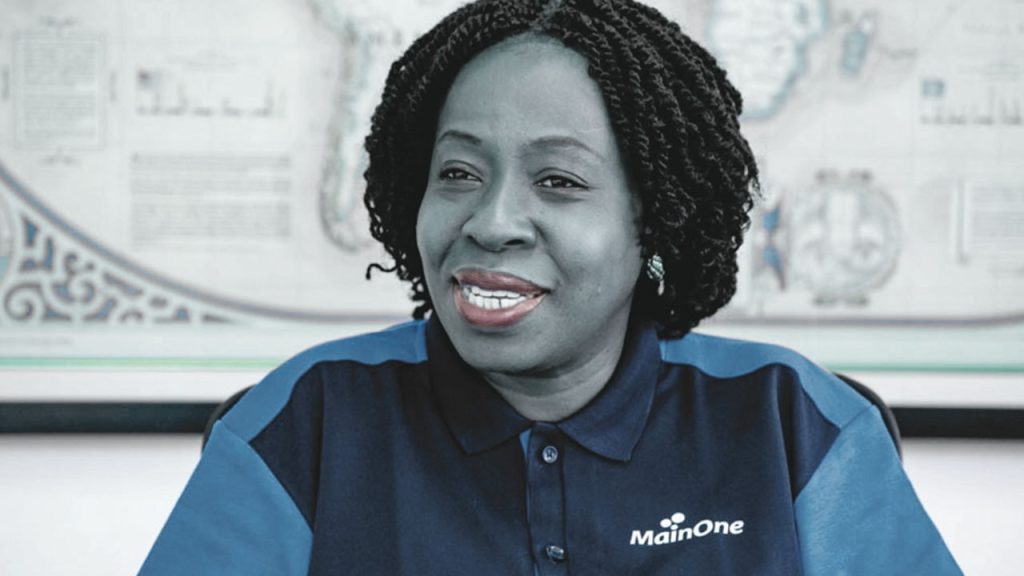
Africa’s tech industry is witnessing remarkable growth, with women playing pivotal roles in driving innovation and progress. From Nigeria to South Africa, these women are breaking barriers and reshaping the continent’s digital landscape. Here, we present a consolidated list of 30 influential African women in technology, highlighting their diverse contributions and the countries they hail from.
1. Funke Opeke (Nigeria)
Funke Opeke, as the Founder and CEO of MainOne, has spearheaded a transformative venture that significantly enhanced internet connectivity across West Africa. Through MainOne’s groundbreaking submarine cable system, Opeke’s leadership has ushered in a new era of high-speed, reliable internet access, empowering communities and businesses alike. Her visionary efforts have not only bridged the digital divide but have also catalyzed innovation and economic growth throughout the region. Opeke’s unwavering commitment to excellence continues to shape the technological landscape of Africa, leaving an enduring legacy of progress and connectivity.
2. Omowale David-Ashiru (Nigeria)
Omowale David-Ashiru, in her role as Vice President of Global Operations at Andela, serves as a guiding force in nurturing African developers into future tech leaders. Through her mentorship initiatives, she empowers individuals with the skills and knowledge needed to thrive in the ever-evolving tech industry. David-Ashiru’s dedication to cultivating talent not only strengthens Andela’s global impact but also fosters innovation and excellence within Africa’s tech ecosystem. Her strategic leadership and commitment to mentorship continue to inspire a new generation of tech professionals, driving forward progress and innovation across the continent.
3. Nisha Maharaj (South Africa)
Nisha, CEO of Niche Integrated Solutions, is acclaimed internationally as a software expert and esteemed industry leader. Her illustrious career boasts accolades like the ‘Business Woman’s Association, SA’ award, ‘Africa’s Most Influential Woman,’ and finalist recognition in prestigious events including Fairlady Women of the Future South Africa and Women4Africa UK. With executive tenure at top financial institutions like Nedbank, Standard Bank, Wesbank, Investec Bank, and Altech, Nisha’s profound expertise and leadership prowess in the tech sector are undeniable.
4. Ethel Cofie (Ghana)
As the CEO of EDEL Technology Consulting, Ethel Cofie is dedicated to empowering women in the tech industry through comprehensive educational initiatives and personalized mentorship programs. Her visionary leadership not only fosters professional growth but also cultivates a supportive community where women can thrive and excel. Through her strategic guidance, Cofie is reshaping the landscape of tech entrepreneurship, paving the way for greater diversity and inclusion in the field.
5. Ifeoluwa Dare-Johnson (Nigeria)
Ifeoluwa Dare-Johnson, a tech consultant and developer, has distinguished herself by spearheading initiatives to narrow the technology gap in rural communities, thereby improving their access to digital resources. As the founder and CEO of Healthtracka, she has introduced a groundbreaking platform that enables convenient at-home health testing with secure online results, revolutionizing healthcare accessibility and empowering individuals to take control of their well-being.
6. Dr. Juliet Ehimuan (Nigeria)
Dr. Juliet Ehimuan, former Google Director, is driving African business empowerment through her initiative, Beyond Limits Africa. Leveraging her extensive experience and expertise, she equips businesses with the tools and resources needed to thrive in a dynamic digital landscape. Ehimuan’s commitment to fostering entrepreneurship and innovation is reshaping the African business ecosystem, paving the way for sustainable growth and prosperity.
7. Bilikiss Adebiyi Abiola (Nigeria)
Bilikiss Adebiyi Abiola’s groundbreaking venture, WeCyclers, is revolutionizing recycling practices in Nigeria through its innovative mobile waste collection platform. By harnessing technology, WeCyclers not only encourages recycling but also addresses environmental challenges and promotes sustainable living. Abiola’s visionary approach to waste management is paving the way for a cleaner, greener future in Nigeria, while also creating economic opportunities for local communities.
8. Adeola Shasanya (Nigeria)
Adeola Shasanya, co-founder of Afro-Tech Girls, is dedicated to inspiring and empowering young African women to embark on rewarding careers in the tech industry. Through mentorship programs and educational initiatives, Shasanya equips aspiring technologists with the skills and confidence needed to succeed in a rapidly evolving digital landscape. Her advocacy for diversity and inclusion is shaping the future of tech by fostering a vibrant and inclusive community of female innovators and leaders across Africa.
9. Karen Nadasen (South Africa)
Karen Nadasen, CEO of PayU South Africa, leads with distinction in the fintech sector, driving growth and innovation in e-commerce and digital payments. Chairing the Ecommerce Forum of South Africa (EFSA), she fosters competitiveness among online retailers and champions financial inclusion. Nadasen is a vocal advocate for diversity in tech, recognized as a Top Woman in Tech for her influential role in fintech.
10. Temi Giwa-Tubosun (Nigeria)
Temi Giwa-Tubosun’s groundbreaking initiative, LifeBank, utilizes technology to ensure timely delivery of life-saving blood supplies to hospitals across Nigeria. Through innovative solutions, LifeBank addresses critical gaps in healthcare logistics, saving countless lives and improving healthcare outcomes. Giwa-Tubosun’s visionary approach not only revolutionizes blood donation and distribution but also underscores the transformative potential of technology in healthcare delivery. Her dedication to leveraging technology for social impact has earned her widespread acclaim and recognition as a leading innovator in the healthcare sector.
11. Hawa Traore (Mali)
Hawa Traore, as CEO of Teliman, spearheads a transformative shift in Mali’s mobility sector by introducing innovative on-demand services. Through Teliman’s platform, Traore enhances accessibility and efficiency in transportation, catalyzing socio-economic development and improving the lives of Malians. Her visionary leadership and commitment to leveraging technology for social good mark her as a trailblazer in Mali’s evolving mobility landscape.
12. Yasmin Belo-Osagie (Nigeria)
As the co-founder of She Leads Africa, Yasmin Belo-Osagie empowers young African women by providing support and resources for their professional development. Through innovative programs and mentorship initiatives, Belo-Osagie fosters leadership skills and entrepreneurial spirit, enabling women to thrive in diverse industries. Her dedication to advancing women’s careers and promoting gender equality makes her a catalyst for positive change across the continent.
13. Nneile Nkholise (South Africa)
Nneile, through iMed Tech, fosters young African women’s development, envisioning them as future healthcare research leaders. Specializing in medical prosthetics and bio-implants, iMed Tech innovates in medical technology, with Nneile recognized as a top female innovator in Africa, championing women’s leadership in healthcare. Her work advances healthcare solutions and creates opportunities for women in the sector.
14. Abiola Rasaq (Nigeria)
Abiola Rasaq, as a QA Lead, cultivates a vibrant community of software testers through her platform, The Bug Detective. Her leadership and guidance empower testers to excel in their roles, fostering collaboration and continuous improvement within the software testing community. Rasaq’s dedication to quality assurance drives excellence in software development, ensuring robust and reliable digital solutions for users worldwide.
15. Ire Aderinokun (Nigeria)
Ire Aderinokun, a Google Developer Expert, advocates for web development and cryptocurrency infrastructure advancement in Africa. Her expertise and advocacy efforts drive innovation and accessibility, empowering individuals and businesses to leverage these technologies for economic growth and financial inclusion across the continent. Aderinokun’s dedication to fostering digital literacy and innovation marks her as a leader in Africa’s tech ecosystem.
16. Tara Fela-Durotoye (Nigeria)
Tara Fela-Durotoye’s e-commerce platform revolutionizes the accessibility of beauty products in Nigeria. Through her innovative approach, she democratizes the beauty industry, providing easy access to a wide range of products to consumers across the country. Fela-Durotoye’s platform empowers individuals to express themselves and enhance their well-being through quality beauty products, marking a significant shift in the Nigerian market.
17. Magatte Wade (Senegal)
Magatte Wade, through Skin Is Skin, champions economic inclusion in the beauty industry by leveraging technology. Her initiative promotes diversity and accessibility, fostering a more inclusive marketplace while celebrating the beauty of all skin types. Wade’s innovative approach to business and social impact underscores the transformative potential of technology in driving positive change.
18. Nunu Ntshingila (South Africa)
As Meta’s African Regional Director, Nunu Ntshingila spearheads initiatives to boost digital literacy and foster business growth via social media platforms. Her strategic leadership harnesses the power of social media to empower individuals and businesses across the continent, driving innovation and economic development.
19. Jihan Abass (Kenya)
Jihan Abass, the founder of Lami, revolutionizes the insurance sector in Kenya by digitizing services, thereby enhancing accessibility and efficiency. Through her innovative approach, Abass democratizes insurance products, ensuring they are more readily available to a wider audience while streamlining processes for greater convenience.
20. Lady Marieme Jamme (Senegal)
Lady Marieme Jamme, founder of iamtheCODE, empowers marginalized women by providing coding education, enabling them to thrive in the tech industry. Her initiative not only equips women with essential skills but also fosters inclusion and diversity in the digital workforce. Jamme’s dedication to bridging the gender gap in tech creates pathways for social and economic empowerment for women worldwide.
21. Odunayo Eweniyi (Nigeria)
Odunayo Eweniyi, co-founder of PiggyVest, advocates for financial empowerment among African women through fintech solutions. Her platform revolutionizes saving and investment practices, democratizing access to financial services and promoting economic independence for women across the continent.
22. Rapelang Rabana (South Africa)
Rapelang Rabana, renowned internationally for her pioneering efforts, established Rekindle Learning, a technology company providing innovative educational platforms. Her mission revolves around optimizing learning efficacy through cutting-edge mobile and web solutions.
23. Yvonne Khamati (Kenya)
Diplomat Yvonne Khamati champions fair tech policies to foster sustainable development in Africa. Through her advocacy efforts, Khamati promotes equitable access to technology and advocates for policies that prioritize environmental sustainability and social inclusion. Her diplomatic expertise and commitment to shaping ethical tech practices are instrumental in driving positive change and progress across the continent.
24. Isabel dos Santos (Angola)
Isabel dos Santos, an investor, plays a pivotal role in enhancing technology infrastructure development in Angola and beyond. Through strategic investments and initiatives, dos Santos catalyzes innovation and digital transformation, driving economic growth and connectivity across regions. Her commitment to leveraging technology for development underscores the importance of private sector involvement in shaping the future of emerging markets.
25. Charlette N’Guessan (Ghana)
Charlette N’Guessan, CEO of BACE Group, advances security in Africa through innovative facial recognition technology. Her groundbreaking solutions address pressing security challenges, safeguarding individuals and organizations across the continent. N’Guessan’s visionary leadership and technological expertise position her as a trailblazer in leveraging cutting-edge technology for societal benefit and safety.
26. Ivy Barley (Ghana)
Ivy Barley, co-founder of Developers in Vogue, empowers African women by providing training and mentorship for successful tech careers. Through her initiative, Barley champions diversity and inclusion in the tech industry, fostering a vibrant community of female technologists driving innovation across the continent. Her dedication to mentorship and skill development creates pathways for women to excel and thrive in the digital economy.
27. Regina Honu (Ghana)
Regina Honu, founder of Soronko Academy, leads the way in providing coding education for girls in West Africa. Her pioneering efforts break down barriers, empowering young women with valuable digital skills and opportunities. Honu’s visionary initiative promotes inclusivity and bridges the gender gap in tech, catalyzing positive change and innovation in the region.
28. Miishe Addy (Ghana)
Miishe Addy, co-founder of Jetstream Africa, revolutionizes logistics in Africa’s supply chain through technological optimization. Her innovative solutions streamline operations, enhancing efficiency and connectivity across the continent. Addy’s pioneering work exemplifies the transformative potential of technology in driving economic growth and development in Africa.
29. Farida Bedwei (Ghana)
Farida Bedwei, co-founder of Logiciel, defies odds by developing banking systems despite her battle with cerebral palsy. Her resilience and expertise in the field have positioned her as a trailblazer, inspiring countless individuals in the tech industry. Bedwei’s remarkable achievements underscore the power of determination and innovation in overcoming challenges.
30. Nthabiseng Mosia (South Africa)
Nthabiseng Mosia, a South African-Ghanaian entrepreneur, co-founded Easy Solar in Sierra Leone, addressing fintech and energy challenges. Under her leadership, Easy Solar has empowered nearly one million people with energy solutions in Liberia and Sierra Leone. A strong advocate for African women’s empowerment, Mosia is dedicated to community-centered solutions for Africa’s development challenges.
These women are not just leaders; they are pioneers, setting the pace for innovation and change across the continent. They exemplify how skill, passion, and determination can influence industries and inspire the next generation of tech enthusiasts in Africa.
Frequently Asked Questions (FAQs)
Q: What makes these African women influential in tech?
Their innovations, leadership, and contributions to their respective fields not only drive technological advancement but also inspire other women to pursue careers in technology.
Q: How can other women aspiring to enter the tech industry learn from these leaders?
Aspiring tech professionals can learn from these leaders by following their careers, attending talks or webinars they participate in, and reading about their approaches to solving complex problems.
Q: Why is diversity important in technology?
Diversity fosters innovation by incorporating a range of perspectives that lead to better solutions and products. It also creates a more inclusive and equitable industry.
Q: How do these women impact technology in Africa?
They provide solutions that address specific challenges, contribute to economic growth, and lead initiatives that encourage more inclusive participation in tech.
Q: What can be done to support more women in tech across Africa?
Supporting more women in tech can be achieved by creating more educational opportunities in STEM, offering mentorships, funding women-led startups, and establishing policies that encourage diversity in the workplace.