Tag: Nigeria

  • Nigeria’s Top 10 Banks Ranked by Branch Count

    Nigeria’s Top 10 Banks Ranked by Branch Count

    Nigeria has a lot of commercial bank branches— over 4,437 in total—spread across 33 banks. These banks have different licenses, like international, national, or regional, which affect where they can operate in Nigeria and abroad.

    At the top of this landscape full of branches are the top 10 banks. They stand out because they have a lot of branches all over Nigeria. Let’s take a closer look at them.

    1. Unity Bank: 210 Branches

    Established in 2006, Unity Bank wields a national-level license, permitting operations across all Nigerian states. Despite its modest branch count, its presence resonates across the nation’s banking scene, recording a notable profit before tax of ₦1.1 billion in 2022.

    2. Guaranty Trust Bank: 235 Branches

    Since its licensing in 1990, Guaranty Trust Bank has solidified its position with 235 branches and an international-level license, enabling offshore banking endeavors. While its profit margin experienced a slight dip in 2022, a promising trajectory unfolds with a 36.5% surge in Q1 2023 earnings.

    3. Union Bank: 240 Branches

    An enduring figure in Nigeria’s banking history, Union Bank, licensed since 1969, boasts 240 branches nationwide, tracing its roots back to 1917. Despite its longstanding presence, its profitability trails behind newer counterparts.

    4. Fidelity Bank: 244 Branches

    With just four branches more than Union Bank, Fidelity Bank commands the seventh spot, empowered by an international authorization and a staggering 112.9% annual profit growth in 2022.

    5. Polaris Bank: 252 Branches

    Polaris Bank emerges from the ashes of Skye Bank with 252 branches under its belt, navigating Nigeria’s financial landscape since 2018. Despite a profit decline, its presence remains palpable on the banking frontier.

    6. Ecobank: 273 Branches

    Licensed in 1988, Ecobank spans its operational network across Nigeria with 273 branches, epitomizing its commitment to national financial accessibility.

    7. Zenith Bank: 393 Branches

    Zenith Bank, licensed in June 1990, boasts 393 branches and transcends borders akin to Guaranty Trust Bank. Its robust financial performance underscores its stature as a banking powerhouse.

    8. United Bank for Africa (UBA): 460 Branches

    With roots dating back to 1961, UBA stands tall with 460 branches, leveraging its authority to operate beyond Nigeria’s borders, marking a substantial profit uptick in 2022.

    9. Access Bank: 583 Branches

    Access Bank, a titan since 1988, orchestrates a formidable presence with 583 branches, extending its influence beyond Nigeria. Its commendable financial performance further solidifies its prominence.

    10. First Bank of Nigeria: 591 Branches

    Nigeria’s banking pioneer, First Bank of Nigeria, founded in 1894, leads the pack with over 591 branches, epitomizing longevity and resilience. Amidst a competitive landscape, it continues to thrive, registering notable profits.

    The Need for More Banking Outposts

    Although there are many bank branches, Nigeria still needs more banks to ensure that everyone has access to financial services. However, setting up new branches is challenging for most banks because it requires a lot of money. Also, many banks prefer to invest in big cities like Lagos, where they can make more profit, even though there are already many banks there.

    Simply put, Nigeria’s banking sector is a dynamic story where different institutions compete for importance in a changing financial world, driven by the need to promote fairness and access for all.

  • Binance Executive Denies Money Laundering Charges, Faces Remand in Prison

    Binance Executive Denies Money Laundering Charges, Faces Remand in Prison

    Tigran Gambaryan, a Binance executive detained since February, has entered a plea of not guilty to money laundering accusations leveled against him by Nigerian authorities.

    This unfolds amidst Binance grappling with regulatory pressures in Nigeria.

    The Economic and Financial Crimes Commission (EFCC) of Nigeria accused Binance and Gambaryan of money laundering and forex manipulation. Furthermore, the Federal Internal Revenue Service (FIRS) brought forth four-count tax evasion charges against the crypto exchange. Last week, both cases were adjourned due to procedural lapses.

    Legal Proceedings:

    Appearing before Justice Emeka Nwite of the Abuja Division of the Federal High Court, Gambaryan pleaded not guilty to all charges of money laundering. The court dismissed his request for separate proceedings from his colleague, Nadeem Anjarwalla, Binance’s Africa regional manager, who absconded in March.

    Remand and Future Proceedings:

    Pending his bail application on April 18, Gambaryan will be remanded in Kuje Correctional Centre. The trial is slated to commence on May 2. He and Anjarwalla were apprehended in February while attempting to address the government’s blockade of Binance’s website, linked to suspicions of forex price manipulation.

    Nigeria’s government crackdown on forex trading speculation, prompted by naira volatility, has ensnared Binance. In a bid for release, Binance has urged Nigerian authorities to free its detained executive, emphasizing his lack of decision-making authority in the company. Additionally, both executives have filed a human rights violation lawsuit, seeking release, passport restitution, and a public apology.

  • Nigeria To Launch New National ID Cards In May 2024

    Nigeria To Launch New National ID Cards In May 2024

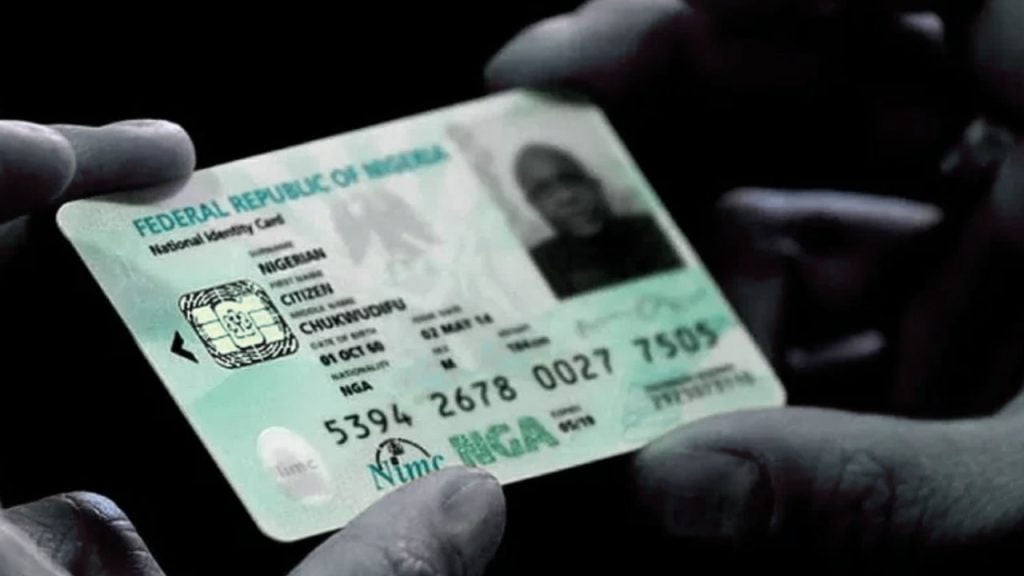
    In a strategic move aimed at empowering its citizens and bolstering digital infrastructure, the Federal Government of Nigeria is gearing up to unveil three new national identity cards by May 2024, a venture expected to cater to a staggering 104 million individuals.

    This ambitious undertaking forms a crucial component of a comprehensive initiative directed towards forging a unified and impregnable digital identity ecosystem spanning the entire nation.

    Rollout of New Nigerian ID Cards:

    The forthcoming identity cards will harness the capabilities of AfriGo, a national card scheme ingeniously crafted by the Central Bank of Nigeria, designed primarily for domestic transactions akin to prevalent debit cards. Collaborating closely on this endeavor are the Nigerian Interbank Settlement System (NIBSS), the National Identity Management Commission (NIMC), and the central bank.

    These new cards aspire to streamline transactions, streamline access to governmental amenities, and champion financial inclusivity, especially for marginalized demographics.

    In addition to physical counterparts, digital or virtual renditions of these cards will be made available, albeit with restricted functionalities compared to their tangible counterparts.

    Benefits and Utility:

    The impending national card is poised to serve as the linchpin for all governmental social initiatives, encompassing cash disbursements, agricultural financing, educational stipends, healthcare insurance schemes, micro-contributions, and micro-pensions, boasting a decade-long validity period.

    Implications of the New Nigerian ID Cards:

    However, the announcement of these forthcoming national ID cards hasn’t been met without its fair share of skepticism.

    Detractors argue that this initiative represents a redundant duplication of efforts, constituting an unjustifiable squandering of resources. They contend that existing platforms such as the National Identification Number (NIN) and the Bank Verification Number (BVN) systems adequately fulfill the intended objectives of these proposed cards.

    As Nigeria gears up for the much-anticipated launch of its new national ID cards, the discourse surrounding its efficacy and potential redundancy continues to simmer. Yet, amidst the cacophony of voices, one thing remains unequivocal: the nation’s unwavering commitment to fortifying its digital infrastructure and fostering inclusivity for all its citizens.

  • Mono and Mastercard Forge Key Alliance to Introduce Innovative Pay With Bank Feature

    Mono and Mastercard Forge Key Alliance to Introduce Innovative Pay With Bank Feature

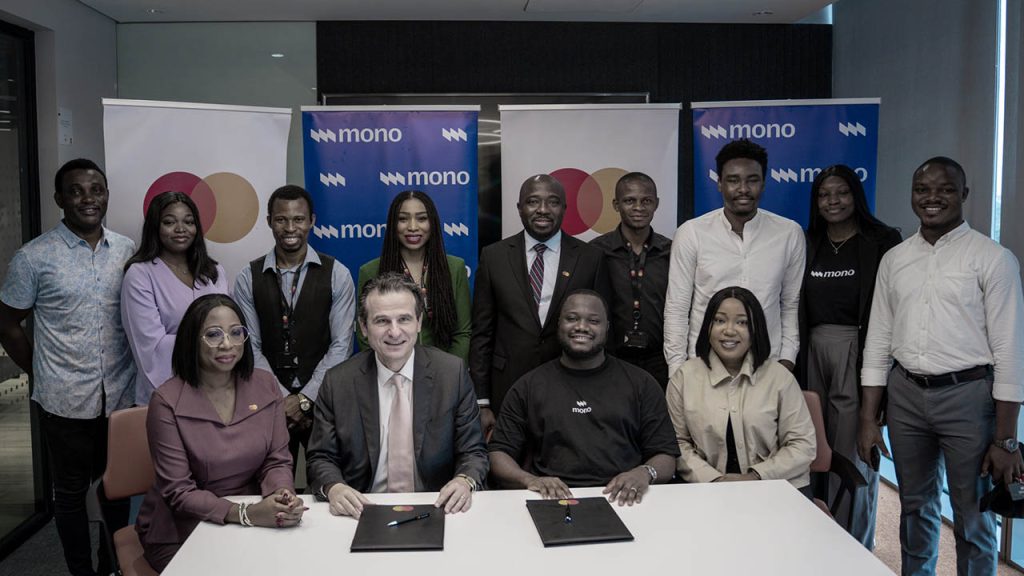
    Mono, a trailblazing Nigerian open banking fintech, has joined forces with Mastercard, marking a significant milestone in financial innovation as they introduce Mono’s DirectPay Pay with Bank feature onto the Mastercard Payment Gateway System (MPGS).

    The Mastercard Payment Gateway service serves as a pivotal hub for developers and enterprises, granting them access to cutting-edge payment methods, APIs, SDKs, and robust fraud protection services.

    In the latest development, businesses eyeing the Nigerian market for commercial ventures will now have the advantage of tapping into Mono’s account-to-account payment solution to streamline their commercial services.

    At the heart of this collaboration lies Mono’s DirectPay Pay with Bank feature, enabling businesses to seamlessly collect swift and secure account-to-account payments from their clientele.

    For businesses operating in Nigeria, harnessing the MPGS solution opens doors to leveraging Mono DirectPay for effortless payment collection.

    The significance of this partnership reverberates across the fintech landscape. Notably, Mono emerges as the pioneering Nigerian Open Banking entity to gain acceptance into the prestigious StartPath Open Banking program in Africa.

    Beyond this accolade, the partnership paves the way for Mono to bolster the reach of its Pay with Bank account-to-account payment offering. By catering to evolving consumer and enterprise demands, Mono aims to glean invaluable insights from a diverse array of businesses. This strategic move not only enhances Mono’s Open Banking proficiency but also propels the trajectory of digital commerce and payments across Africa.

    Through this alliance, Mono and Mastercard stand at the forefront of revolutionizing financial ecosystems, promising a future where seamless, secure, and innovative payment solutions empower businesses and consumers alike.

  • Get To Know NoCopyCopy, A Nigerian Startup Fighting Plagiarism in the Educational Sector

    Get To Know NoCopyCopy, A Nigerian Startup Fighting Plagiarism in the Educational Sector

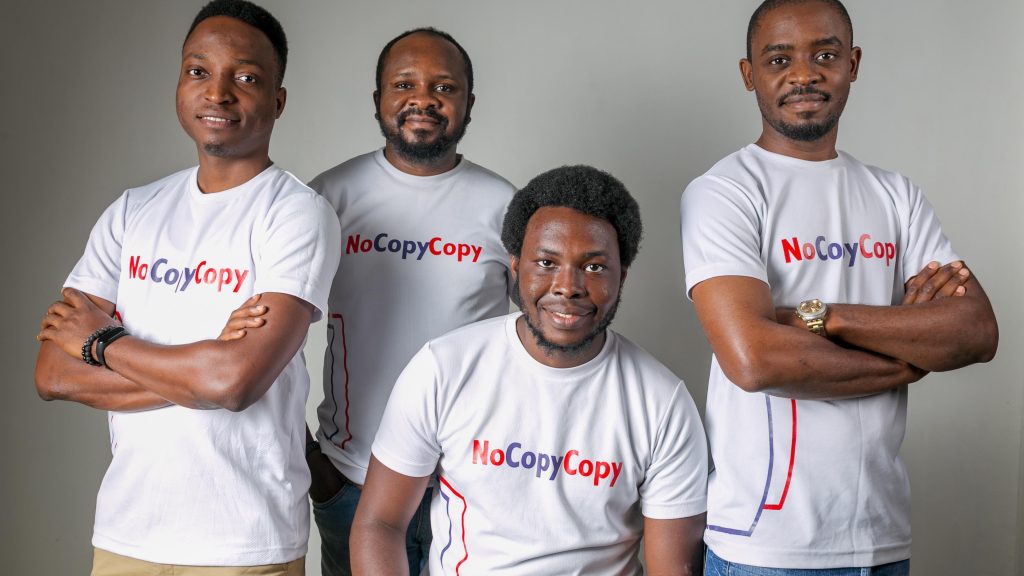
    NoCopyCopy announced the launch of its new platform to fight theft and plagiarism in the Nigerian educational sector.

    This comes on the heels of growing concern about the quality of education in Nigerian institutions which inadvertently produces poor quality graduates who are unable to create original content and material. Through its plagiarism checking platform, NoCopyCopy intends to discourage lazy research and intellectual theft while encouraging people and students who produce unique content.

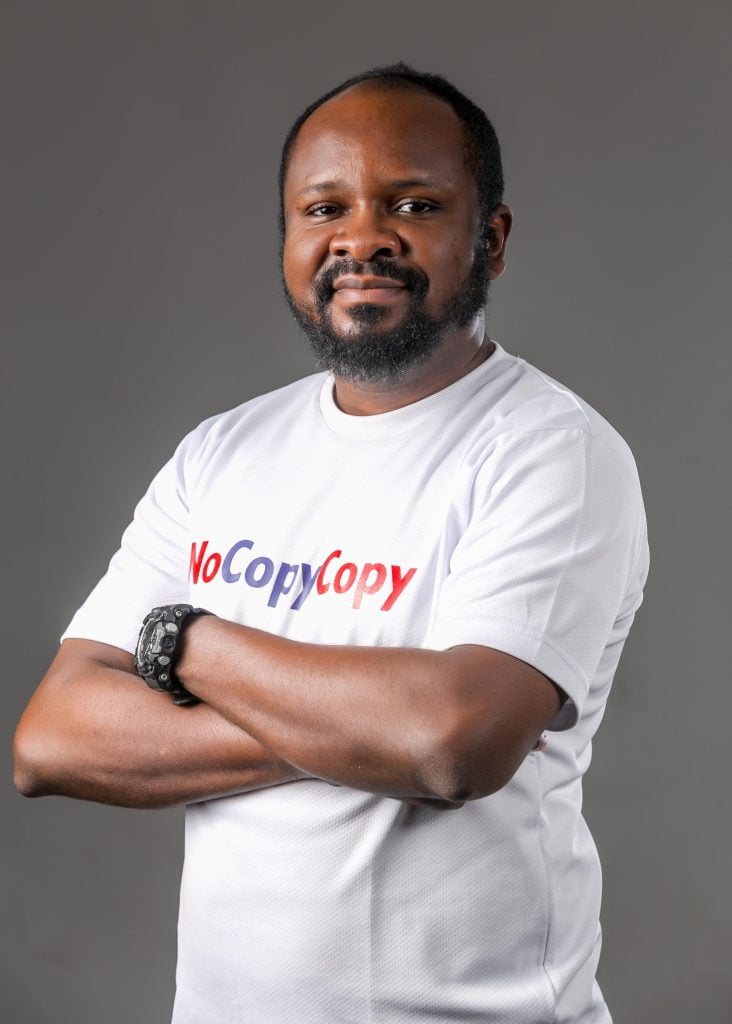
    Stephen Ojji

    Speaking on his drive for creating the platform, CEO and Co-founder of NoCopyCopy, Stephen Ojji, shared how excited he and his team are to be contributing their part to improving Nigeria’s educational system. Stephen, a long term player in the educational and training sector, expressed the objective of creating the NoCopyCopy platform by saying “We are promoting originality. There is no shame in building on another person’s work. However, it is important to give credit where it is due. We want to encourage more people to keep putting out intellectual work. If you want to use a person’s work, let people know. With NoCopyCopy, you can find out where similar work has been done on an idea you are pursuing, learn from those works and reference them properly.”

    With NoCopyCopy, bloggers, students, corporate organisations, academics and individuals can assess the originality of written work and at the same time check to see if any of their original work has been used without permission by other people or organisations.

    With a combined 25 years experience in the education technology space in Nigeria, Stephen and his Co-Founders are committed to reducing the alarming rate of plagiarism in tertiary institutions, corporate organisations and down to the writers’ community in Nigeria. The co-founders consist of Ogho Emore, the COO with almost a decade of hands-on experience in the educational technology sector, Yole Odior, a full stack developer who occupies the role of CTO and oversees the technology interest and strategies of the business.

    According to Stephen Ojji, “Plagiarism has eaten deep into the fabric of Nigeria’s educational and corporate scene. We’ve seen situations where PhD students and even bloggers lift other people’s work in a similar field and present them as theirs. “About five years ago, a top government official gave a speech which later turned out to have been lifted from the thesis of a lecturer in the South-East. I imagine his speechwriter had something to do with that. We shame professors for not being rich, but how can they be rich when their work is used without credit. This is one of the reasons why we built our platform. The NoCopyCopy plagiarism checker can detect plagiarism from billions of web pages as well as from international academic databases in a matter of seconds.”

    The NoCopyCopy plagiarism checker is built on an extensive understanding of the Nigerian educational system and the Nigerian market as a whole. The platform offers affordable plans for students, freelance writers, corporate organizations, among others.

    Source: unorthodoxdigital.com