Have you ever wondered which countries in Africa have the strongest economies? Africa is an amazing continent with 54 countries, each with its own unique story of economic development. Some African nations have grown their wealth through natural resources like oil and diamonds, while others have built strong tourism industries or developed manufacturing and technology sectors.
In this article, we’ll explore the 10 wealthiest African countries based on their Gross Domestic Product (GDP) per capita. But wait—what exactly is GDP per capita? Imagine if we took all the money a country makes in a year and divided it equally among every person living there. That amount would be the GDP per capita! It helps us understand how wealthy the average person in a country might be.
Let’s journey across Africa to discover these economic powerhouses and what makes each one special!
1. Seychelles
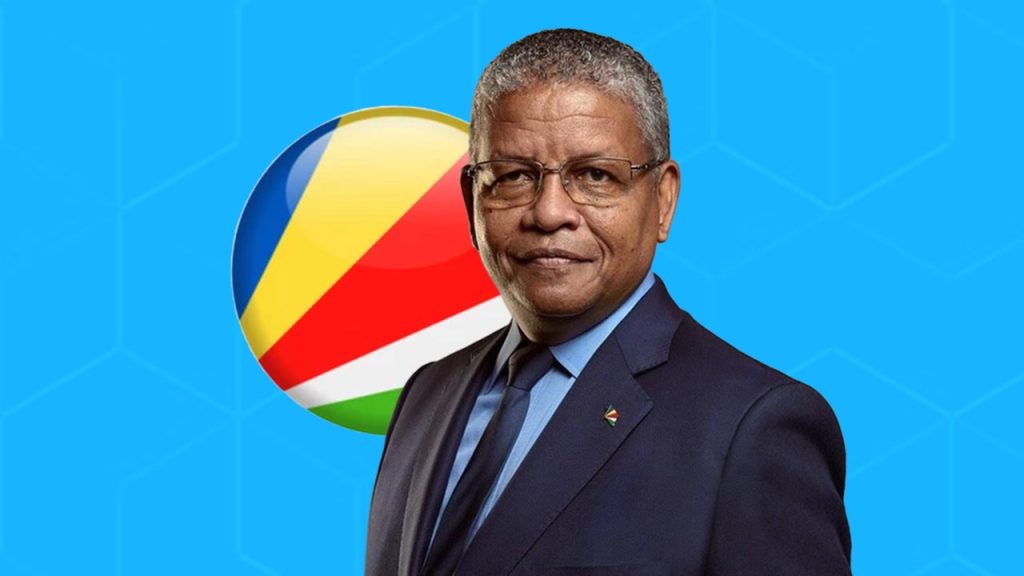
If you were to fly over Seychelles, you’d see a breathtaking collection of 115 islands scattered like jewels across the Indian Ocean. This tropical paradise isn’t just beautiful—it’s also Africa’s wealthiest country in terms of GDP per capita!
Seychelles might be tiny (about twice the size of Washington, DC), but its economic strength is mighty. With a population of just over 130,000 people, this nation has managed to build an economy that gives each citizen an average of $21,875 per year (as of 2024).
How did Seychelles become so wealthy?
Imagine you owned a beautiful beach house that people would pay a lot of money to visit. That’s essentially what Seychelles has done with its stunning islands! Tourism is the main economic engine here, with visitors from around the world coming to enjoy its pristine beaches, crystal-clear waters, and unique wildlife. These tourists stay in luxury resorts, eat at restaurants, and buy souvenirs, bringing money into the country.
The second pillar of Seychelles’ economy is fishing. The country is surrounded by rich fishing grounds, and seafood—especially tuna—is a major export. In fact, when you eat canned tuna in many parts of the world, there’s a chance it came from Seychelles!
In recent years, Seychelles has also developed a strong financial services industry, particularly offshore banking. Think of offshore banking as a special bank account type that people or companies from other countries can use, often because it offers some advantages like privacy or tax benefits.
| Seychelles at a Glance | Statistic |
|---|---|
| Capital | Victoria |
| Population | ~130,418 (2024) |
| GDP (Total) | $2.2 billion |
| GDP per Capita | $21,875 |
| Main Industries | Tourism, fishing, financial services |
| Fun Fact | Seychelles has the highest Human Development Index in Africa at 0.802! |
Seychelles’ success story isn’t just about natural beauty—it’s also about smart planning. The government has worked hard to create a stable political environment and implement economic policies that attract investments. Since gaining independence from Britain in 1976, the country has transformed from a plantation economy to a diverse, service-based one.
An interesting recent development is that Seychelles offers “digital nomad” visas, allowing remote workers from around the world to live and work from these beautiful islands. Imagine doing your homework with a view of the ocean!
2. Mauritius
Not far from Seychelles in the Indian Ocean lies another island nation that has achieved remarkable economic success. Mauritius, with its population of about 1.3 million people, has earned a reputation as “Africa’s economic miracle.”
When Mauritius gained independence in 1968, many experts thought it would struggle economically. It had few natural resources, a rapidly growing population, and depended almost entirely on sugar production. Fast forward to today, and Mauritius has a diverse economy with a GDP per capita of over $10,000!
The Secret to Mauritius’ Success
Mauritius is like a student who realized they couldn’t rely on just one subject to succeed, so they developed skills in many areas. While sugar was once the main export, Mauritius now has four strong economic pillars:
- Tourism: Like Seychelles, Mauritius attracts visitors with its beautiful beaches and luxury resorts. Tourism now accounts for over 70% of the country’s GDP!
- Manufacturing: Mauritius built a strong textile industry that produces clothing for major brands around the world.
- Financial Services: The country has become a hub for banking and investment in the region.
- Information Technology: In recent years, Mauritius has invested heavily in becoming a tech center, building cybercities and attracting IT companies.
| Mauritius at a Glance | Statistic |
|---|---|
| Capital | Port Louis |
| Population | ~1.26 million (2022) |
| GDP (Total) | $12.95 billion |
| GDP per Capita | $10,256 |
| Main Industries | Tourism, textiles, sugar, financial services, IT |
| Fun Fact | Mauritius was once home to the dodo bird before it became extinct! |
What makes Mauritius special is its commitment to education and good governance. The government has invested heavily in schools and universities, creating a well-educated workforce. It has also maintained political stability and low corruption, making it attractive for international businesses and investors.
The story of Mauritius teaches us an important lesson: even without abundant natural resources, countries can thrive by investing in their people and creating a business-friendly environment.
3. Gabon
Let’s travel to mainland Africa, specifically to the west-central coast, where we find Gabon. If Seychelles and Mauritius are like jewelry boxes—small but precious—then Gabon is like a treasure chest hidden in a lush forest.
Gabon is covered by nearly 85% rainforest and has a relatively small population of about 2.5 million people. With a GDP per capita of $8,831 (2023), it ranks as the third wealthiest country in Africa.
What Makes Gabon Rich?
Imagine having a backyard where you could find valuable treasures just by digging! Gabon’s wealth primarily comes from what’s under its soil: oil. In fact, oil accounts for about 80% of its exports and 70% of its government revenue. It’s like having a giant oil piggy bank!
Besides oil, Gabon has:
- Some of the world’s richest manganese deposits (manganese is used to make steel stronger)
- Gold mines
- Beautiful timber from its vast forests
| Gabon at a Glance | Statistic |
|---|---|
| Capital | Libreville |
| Population | ~2.46 million (2024) |
| GDP (Total) | $19.32 billion |
| GDP per Capita | $8,831 |
| Main Industries | Oil, manganese mining, timber |
| Fun Fact | Gabon is one of the most urbanized countries in Africa, with over 80% of people living in cities! |
Despite its natural wealth, Gabon faces a significant challenge: about one in three citizens lives in poverty. This highlights an important economic concept called “wealth distribution”—just because a country has a high GDP per capita doesn’t mean everyone shares equally in that wealth.
The Gabonese government has been working to diversify its economy beyond oil and manage its forests sustainably. In fact, Gabon has set aside about 10% of its land as national parks to protect its incredible biodiversity, showing a commitment to preserving its natural treasures for future generations.
4. Equatorial Guinea
Continuing our journey along Africa’s western coast, we come to Equatorial Guinea, a small country that experienced one of the most dramatic economic transformations on the continent.
Before the 1990s, Equatorial Guinea was among the poorest countries in Africa. Then something happened that changed everything: they discovered oil! It was like finding a winning lottery ticket buried in your backyard.
The Overnight Wealth
Virtually overnight, Equatorial Guinea transformed into one of Africa’s richest countries per capita. With a GDP per capita of about $7,067 (2023) and a small population of around 1.7 million, it ranks fourth on our list.
The country’s economy is extremely dependent on its oil sector, which accounts for nearly all of its exports and government revenue. It’s also a significant producer of natural gas, which is used for cooking, heating, and generating electricity in many countries.
| Equatorial Guinea at a Glance | Statistic |
|---|---|
| Capital | Malabo |
| Population | ~1.71 million (2023) |
| GDP (Total) | $12.12 billion |
| GDP per Capita | $7,067 |
| Main Industries | Oil, natural gas, timber |
| Fun Fact | Equatorial Guinea is the only Spanish-speaking country in Africa! |
However, Equatorial Guinea provides an important lesson about economic development: having natural resources doesn’t automatically mean prosperity for everyone. Despite its oil wealth, approximately 70% of the population lives below the poverty line. From 2015 through 2022, the country experienced seven consecutive years of economic recession.
This situation highlights the concept of the “resource curse,” where countries rich in natural resources sometimes struggle to translate that wealth into broad-based development and improved living standards for their citizens.
5. Egypt
Let’s travel to North Africa, where the mighty Nile River flows through Egypt, one of Africa’s most populous countries and a cradle of ancient civilization. With its rich history spanning thousands of years, Egypt has built the continent’s largest economy in terms of total GDP, though it ranks fifth in GDP per capita at approximately $3,800 (2023).
The Economic Pyramids of Egypt
Egypt’s economy is as diverse as its history, built on several strong pillars:
- Oil and Natural Gas: Egypt has significant petroleum and natural gas reserves, particularly in the Western Desert and Gulf of Suez.
- Tourism: The Pyramids of Giza, the Sphinx, and countless other historical treasures attract millions of visitors each year. Think about it—people have been traveling to see Egypt’s wonders for thousands of years!
- Agriculture: The fertile Nile Valley has been cultivated since ancient times, producing cotton (some of the world’s finest), rice, wheat, and many other crops.
- Manufacturing: Egypt has a growing industrial sector, producing textiles, food products, chemicals, and pharmaceuticals.
- Suez Canal: This crucial waterway connecting the Mediterranean Sea to the Red Sea generates billions in revenue from ships passing through it.
| Egypt at a Glance | Statistic |
|---|---|
| Capital | Cairo |
| Population | ~106 million (2024) |
| GDP (Total) | $404 billion |
| GDP per Capita | $3,800 |
| Main Industries | Oil, tourism, agriculture, manufacturing |
| Fun Fact | The Egyptian economy is the largest in North Africa and the Arab world! |
Despite its economic strength, Egypt faces significant challenges. High inflation (35.7% as of February 2024!) has made everyday items much more expensive for ordinary Egyptians. Foreign exchange shortages have also complicated international trade.
With its large, young population, Egypt’s greatest challenge—and opportunity—lies in creating enough jobs and economic opportunities to improve living standards for all its citizens. The government has been implementing economic reforms aimed at stabilizing the economy and attracting more investment.
6. Botswana
In southern Africa, landlocked Botswana shines as one of the continent’s most remarkable economic success stories. When it gained independence from Britain in 1966, Botswana was among the poorest countries in the world. Today, it ranks as the sixth wealthiest African country with a GDP per capita of $7,859 (2024).
How Diamonds Transformed a Nation
Imagine if you discovered that your backyard was full of diamonds! Something similar happened to Botswana in the years following independence when massive diamond deposits were discovered. Unlike many resource-rich countries that failed to manage their wealth effectively, Botswana did something extraordinary: it used its diamond revenue wisely.
The government partnered with De Beers (a major diamond company) to ensure that most of the profits from diamonds stayed in the country. These revenues were then invested in:
- Building schools and hospitals
- Developing infrastructure like roads and water systems
- Creating a savings fund for future generations
| Botswana at a Glance | Statistic |
|---|---|
| Capital | Gaborone |
| Population | ~2.36 million (2022) |
| GDP (Total) | $21.90 billion |
| GDP per Capita | $7,859 |
| Main Industries | Diamond mining, tourism, cattle farming |
| Fun Fact | Botswana has one of the world’s fastest growing economies over the past 50 years! |
Botswana’s success isn’t just about diamonds—it’s about good governance. The country has maintained a stable democracy with low levels of corruption, allowing it to use its natural resources for the benefit of its citizens. This approach has helped Botswana achieve one of the fastest economic growth rates in the world over several decades.
However, Botswana faces two significant challenges. First, its heavy reliance on diamonds makes it vulnerable to changes in the global diamond market. Second, the country has one of the world’s highest HIV/AIDS rates, which affects many families and puts pressure on healthcare systems.
Despite these challenges, Botswana’s transformation from one of the world’s poorest countries to an upper-middle-income nation demonstrates how good leadership and smart resource management can change a nation’s destiny.
7. Algeria
Traveling to North Africa, we arrive in Algeria, the largest country on the continent by land area—most of it covered by the magnificent Sahara Desert. With its vast natural resources and strategic location, Algeria has built the seventh highest GDP per capita in Africa at approximately $4,100 (2023).
The Energy Powerhouse
Algeria’s economic strength comes primarily from beneath its sandy surface: oil and natural gas. These energy resources account for about 25% of the country’s GDP and an even larger share of its export earnings and government revenue.
Imagine having an underground lake of oil and natural gas that you could sell to other countries! That’s essentially what Algeria has, making it one of Africa’s most important energy suppliers, especially to Europe. The country has the 16th largest oil reserves in the world and is the 10th largest natural gas producer.
| Algeria at a Glance | Statistic |
|---|---|
| Capital | Algiers |
| Population | ~47 million (2024) |
| GDP (Total) | $193.6 billion |
| GDP per Capita | $4,100 |
| Main Industries | Oil, natural gas, mining, agriculture |
| Fun Fact | Algeria is the largest country in Africa and the 10th largest in the world! |
Beyond energy, Algeria has a diverse economic base:
- Mining: The country has significant deposits of phosphates, iron, gold, and other minerals.
- Agriculture: Despite the desert climate, Algeria produces cereals, dates, and other crops in its fertile northern regions.
- Manufacturing: Industries include steel production, cement, and food processing.
In recent years, the Algerian government has recognized the dangers of relying too heavily on oil and gas. What happens when these resources eventually run out, or if the world moves away from fossil fuels to combat climate change? To address this concern, Algeria has been working to diversify its economy by developing other sectors and creating a more business-friendly environment.
8. South Africa
At the southern tip of the African continent lies South Africa, a nation of remarkable diversity and economic complexity. While it ranks eighth in GDP per capita at approximately $6,950 (2023), South Africa is the largest economy in Africa, with a GDP of over $373 billion in 2024.
A Treasure Chest of Resources
South Africa’s wealth begins with what’s underground. The country is:
- The world’s largest producer of platinum
- A leading producer of gold, diamonds, and chromium
- Rich in coal, iron ore, and many other minerals
But unlike many resource-dependent economies, South Africa has built a diverse economic structure that’s more like what you’d find in developed countries:
- Manufacturing: South Africa has a substantial industrial sector, including automobile assembly, machinery production, and metal processing.
- Agriculture: The country produces a wide variety of crops and is especially known for its excellent wines. If your parents enjoy South African wine, that’s part of the country’s economy at work!
- Financial Services: Johannesburg is home to Africa’s largest stock exchange, and South African banks operate throughout the continent.
- Tourism: From safari adventures to stunning coastal drives, South Africa attracts visitors from around the world.
| South Africa at a Glance | Statistic |
|---|---|
| Capital | Pretoria (administrative), Cape Town (legislative), Bloemfontein (judicial) |
| Population | ~60.4 million (2024) |
| GDP (Total) | $419.9 billion |
| GDP per Capita | $6,950 |
| Main Industries | Mining, manufacturing, financial services, tourism |
| Fun Fact | South Africa has 11 official languages! |
Despite its economic sophistication, South Africa faces significant challenges, particularly inequality. The country has one of the world’s highest gaps between rich and poor, a legacy partly stemming from its apartheid past. Another major challenge has been electricity supply—since 2007, power outages (called “load shedding” in South Africa) have constrained economic growth.
Nevertheless, South Africa remains the continent’s most industrialized economy and an important gateway for investment in Africa.
9. Libya
In North Africa along the Mediterranean coast, Libya controls the largest proven oil reserves on the African continent. This oil wealth has helped Libya achieve the ninth-highest GDP per capita in Africa at approximately $17,700 (2023).
An Economy Built on Black Gold
Libya’s economic story is predominantly about oil, which forms the backbone of its economy. Before oil was discovered in 1959, Libya was one of the poorest countries in the world. The subsequent oil boom transformed it into one of Africa’s wealthiest nations per capita.
Oil and natural gas account for almost all of Libya’s export earnings and the vast majority of government revenue. It’s like having a giant underground savings account that keeps producing money!
| Libya at a Glance | Statistic |
|---|---|
| Capital | Tripoli |
| Population | ~7.36 million (2024) |
| GDP (Total) | $121.95 billion |
| GDP per Capita | $17,700 |
| Main Industries | Oil, natural gas, petrochemicals |
| Fun Fact | Libya has the largest proven oil reserves in Africa! |
Beyond oil, Libya has tried to develop:
- Agriculture: In the coastal regions, farmers grow olives, dates, wheat, and other crops.
- Industry: The country has facilities for producing petrochemicals, cement, and some light manufacturing.
Libya’s recent economic history provides an important lesson about how political stability affects prosperity. Two civil wars in the past two decades have severely disrupted oil production and other economic activities. Even though Libya has enormous resources, conflict has prevented the country from reaching its full economic potential and improving living standards for all its citizens.
10. Tunisia
Completing our journey across Africa’s wealthiest countries, we arrive in Tunisia, the northernmost country on the African continent. Though it ranks tenth on our list with a GDP per capita of approximately $3,800 (2022), Tunisia stands out for having one of North Africa’s most diverse economies.
A Little Bit of Everything
Unlike some of its neighbors that rely heavily on oil and gas, Tunisia has built an economy with multiple strengths:
- Agriculture: Tunisia produces wheat, citrus fruits, olives (it’s one of the world’s largest olive oil producers!), dates, and many other crops.
- Tourism: With beautiful Mediterranean beaches, ancient Roman ruins, and unique desert landscapes, Tunisia attracts millions of visitors annually.
- Manufacturing: The country has developed industries producing textiles, food products, mechanical and electrical equipment, and chemicals.
- Mining: Tunisia has significant phosphate deposits, which are used to make fertilizers.
| Tunisia at a Glance | Statistic |
|---|---|
| Capital | Tunis |
| Population | ~12.1 million (2024) |
| GDP (Total) | $45.6 billion |
| GDP per Capita | $3,800 |
| Main Industries | Agriculture, tourism, manufacturing, mining |
| Fun Fact | Parts of Star Wars were filmed in Tunisia’s desert landscapes! |
Tunisia’s journey hasn’t been without challenges. The country was the birthplace of the “Arab Spring” uprisings in 2011, when a revolution overthrew the government. This political upheaval, while ultimately leading to democratic reforms, disrupted economic growth for several years.
More recently, the COVID-19 pandemic dealt a severe blow to Tunisia’s tourism industry, which accounts for about 14% of the country’s GDP. However, tourism has rebounded strongly since the pandemic, helping to drive economic recovery.
What Makes a Country Wealthy?
As we’ve journeyed across Africa’s wealthiest nations, you might have noticed some patterns about what contributes to a country’s prosperity:
- Natural Resources: Many countries on our list have valuable natural resources like oil (Libya, Algeria, Gabon, Equatorial Guinea), diamonds (Botswana), or other minerals (South Africa).
- Tourism: Countries with beautiful landscapes or cultural attractions (Seychelles, Mauritius, Tunisia) have leveraged tourism to build wealth.
- Diversification: The most resilient economies tend to have multiple economic sectors rather than relying on just one industry.
- Good Governance: Countries that manage their resources wisely and maintain political stability generally perform better economically over time.
- Human Capital: Investing in education and healthcare helps build a skilled workforce that can drive economic growth.
It’s important to remember that GDP per capita doesn’t tell the whole story about a country’s development or the well-being of its people. Some countries with high GDP per capita still struggle with inequality, where wealth is concentrated among a small portion of the population.
Africa’s economic landscape is rich and diverse, with countries finding different paths to prosperity based on their unique resources, geography, and historical circumstances. From the tourism-driven island economies of Seychelles and Mauritius to the resource-rich nations of Libya and Gabon, each country offers valuable lessons about economic development.
As Africa continues to grow and develop in the coming decades, these ten nations will likely remain important economic players on the continent. However, the rankings may shift as countries work to diversify their economies, manage their resources more effectively, and navigate the challenges of a changing global economy.
By understanding how these nations built their wealth, we gain insights not just into Africa’s economic present, but also its promising future. Who knows? Perhaps in a few decades, we’ll see entirely different countries on this list as Africa’s economic story continues to unfold!
