Tag: Africa

  • African Payment Startup Chipper Cash Raises $13.8M Series A Funding

    African Payment Startup Chipper Cash Raises $13.8M Series A Funding

    African cross-border fintech startup Chipper Cash has closed a $13.8 million Series A funding round led by Deciens Capital and plans to hire 30 new staff globally.

    The raise caps an event filled run for the San Francisco based payments company, founded two years ago by Ugandan Ham Serunjogi and Ghanaian Maijid Moujaled.

    The two came to America for academics, met in Iowa while studying at Grinnell College and ventured out to Silicon Valley for stints in big tech: Facebook for Serunjogi and Flickr and Yahoo! for Moujaled.

    The startup call beckoned and after launching Chipper Cash in 2018, the duo convinced 500 Startups and and Liquid 2 Ventures — co-founded by American football legend Joe Montana — to back their company with seed funds.

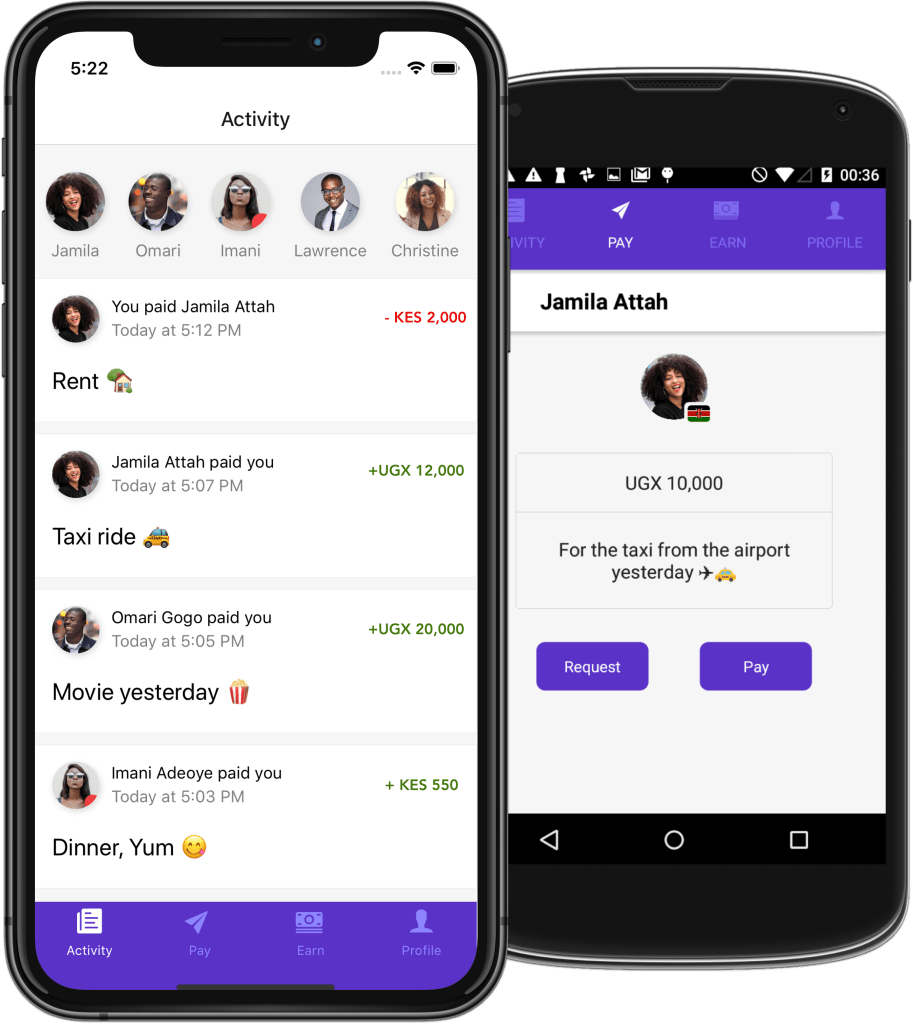
    Two years and $22 million in total capital raised later, Chipper Cash offers its mobile-based, no fee, P2P payment services in seven countries: Ghana, Uganda, Nigeria, Tanzania, Rwanda, South Africa and Kenya.

    “We’re now at over one and a half million users and doing over a $100 million dollars a month in volume,” Serunjogi told TechCrunch on a call.

    Chipper Cash does not release audited financial data, but does share internal performance accounting with investors. Deciens Capital and Raptor Group co-led the startup’s Series A financing, with repeat support from 500 Startups and Liquid 2 Ventures .

    Deciens Capital founder Dan Kimmerling confirmed the fund’s lead on the investment and review of Chipper Cash’s payment value and volume metrics.

    Parallel to its P2P app, the startup also runs Chipper Checkout: a merchant-focused, fee-based mobile payment product that generates the revenue to support Chipper Cash’s free mobile-money business.

    The company will use its latest round to hire up to 30 people across operations in San Francisco, Lagos, London, Nairobi and New York — according to Serunjogi.
    Chipper Cash

    Chipper Cash has already brought on a new compliance officer, Lisa Dawson, whose background includes stints with the U.S. Department of Treasury’s Financial Crimes Enforcement Network and Citigroup’s anti-money laundering department.

    “You know in the world we live in the AML side is very important so it’s an area that we want to invest in from the get go,” said Serunjogi.

    He confirmed Dawson’s role aligned with getting Chipper Cash ready to meet regulatory requirements for new markets, but declined to name specific countries.

    With the round announcement, Chipper Cash also revealed a corporate social responsibility component to its business. Related to current U.S. events, the startup has formed the Chipper Fund for Black Lives.

    “We’ve been huge beneficiaries of the generosity and openness of this country and its entrepreneurial spirit,” explained Serunjogi. “But growing up in Africa, we’ve were able to navigate [the U.S.] without the traumas and baggage our African American friends have gone through living in America.”

    The Chipper Fund for Black Lives will give 5 to 10 grants of $5,000 to $10,000. “The plan is to give that to…people or causes who are furthering social justice reforms,” said Serunjogi.

    In Africa, Chipper Cash has placed itself in the continent’s major digital payments markets. As a sector, fintech has become Africa’s highest funded tech space, receiving the bulk of an estimated $2 billion in VC that went to startups in 2019.

    Those ventures, and a number of the continent’s established banks, are in a race to build market share through financial inclusion.

    By several estimates — including The Global Findex Database — the continent is home to the largest percentage of the world’s unbanked population, with a sizable number of underbanked consumers and SMEs.

    Increasingly, Nigeria has become the most significant fintech market in Africa, with the continent’s largest economy and population of 200 million.

    Chipper Cash expanded there in 2019 and faces competition from a number of players, including local payments venture Paga. More recently, outside entrants have jumped into Nigeria’s fintech scene.

    In 2019, Chinese investors put $220 million into OPay (owned by Opera) and PalmPay — two fledgling startups with plans to scale first in West Africa and then the broader continent.

    Over the next several years, expect to see market events — such as fails, acquisitions, or IPOs — determine how well funded fintech startups, including Chipper Cash, fare in Africa’s fintech arena.

    Source: https://techcrunch.com/

  • Ghanaian Music Publication, Unorthodox Reviews Is Now A Tastemaker on Audiomack

    Ghanaian Music Publication, Unorthodox Reviews Is Now A Tastemaker on Audiomack

    Unorthodox Reviews is proud to announce its new partnership with the world-acclaimed digital streaming platform Audiomack as a verified tastemaker.

    Founded by Ghanaian creative entrepreneurs Philip Edusei and Godwin Mitchual, Unorthodox Reviews is an online music, lifestyle and culture editorial with a mission statement of not only connecting the global audience to Africa through compelling content but also serving as a platform for Africa’s millennial generation to opine about pertinent issues in society and impact them through the power of music and urban arts.

    Living up to their reputation of delivering Africa’s Best Music Reviews, the editorial with the able assistance of a network of contributors, DJs, artists and music curators scattered across Africa and beyond will ensure Unorthodox Reviews’ verified Audiomack channel will showcase the very best of African music as it drops!

    Unorthodox Reviews look to jumpstart their Verified Audiomack channel with three playlists: Ghana WeeklyNaija Weekly, and Mzansi Weekly playlists; with exciting new additions being made in the coming weeks.

    Explore Unorthodox Reviews’ channel on Audiomack here and make sure to follow to get timely updates on their selections

    Ghana Weekly Playlist

    Naija Weekly Playlist

    Mzansi Weekly Playlist

  • Get To Know NoCopyCopy, A Nigerian Startup Fighting Plagiarism in the Educational Sector

    Get To Know NoCopyCopy, A Nigerian Startup Fighting Plagiarism in the Educational Sector

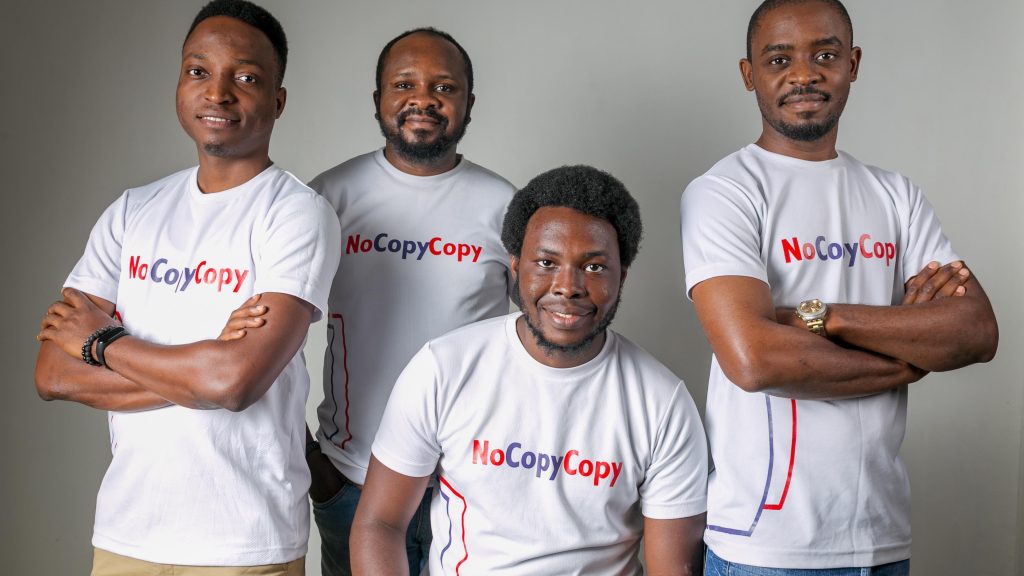
    NoCopyCopy announced the launch of its new platform to fight theft and plagiarism in the Nigerian educational sector.

    This comes on the heels of growing concern about the quality of education in Nigerian institutions which inadvertently produces poor quality graduates who are unable to create original content and material. Through its plagiarism checking platform, NoCopyCopy intends to discourage lazy research and intellectual theft while encouraging people and students who produce unique content.

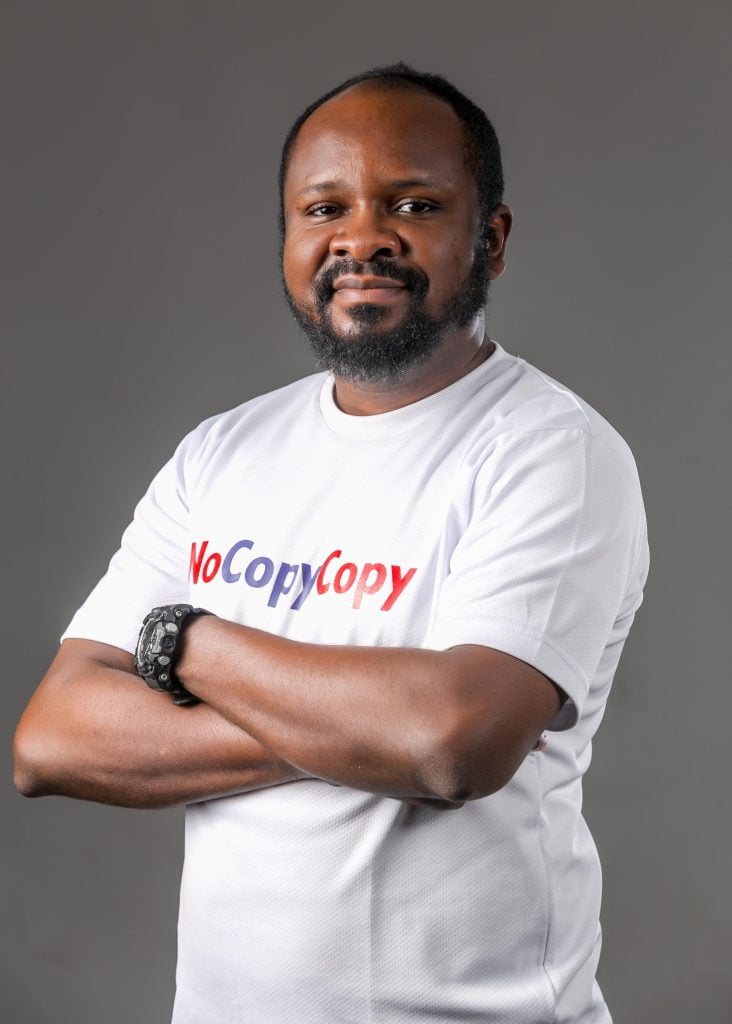
    Stephen Ojji

    Speaking on his drive for creating the platform, CEO and Co-founder of NoCopyCopy, Stephen Ojji, shared how excited he and his team are to be contributing their part to improving Nigeria’s educational system. Stephen, a long term player in the educational and training sector, expressed the objective of creating the NoCopyCopy platform by saying “We are promoting originality. There is no shame in building on another person’s work. However, it is important to give credit where it is due. We want to encourage more people to keep putting out intellectual work. If you want to use a person’s work, let people know. With NoCopyCopy, you can find out where similar work has been done on an idea you are pursuing, learn from those works and reference them properly.”

    With NoCopyCopy, bloggers, students, corporate organisations, academics and individuals can assess the originality of written work and at the same time check to see if any of their original work has been used without permission by other people or organisations.

    With a combined 25 years experience in the education technology space in Nigeria, Stephen and his Co-Founders are committed to reducing the alarming rate of plagiarism in tertiary institutions, corporate organisations and down to the writers’ community in Nigeria. The co-founders consist of Ogho Emore, the COO with almost a decade of hands-on experience in the educational technology sector, Yole Odior, a full stack developer who occupies the role of CTO and oversees the technology interest and strategies of the business.

    According to Stephen Ojji, “Plagiarism has eaten deep into the fabric of Nigeria’s educational and corporate scene. We’ve seen situations where PhD students and even bloggers lift other people’s work in a similar field and present them as theirs. “About five years ago, a top government official gave a speech which later turned out to have been lifted from the thesis of a lecturer in the South-East. I imagine his speechwriter had something to do with that. We shame professors for not being rich, but how can they be rich when their work is used without credit. This is one of the reasons why we built our platform. The NoCopyCopy plagiarism checker can detect plagiarism from billions of web pages as well as from international academic databases in a matter of seconds.”

    The NoCopyCopy plagiarism checker is built on an extensive understanding of the Nigerian educational system and the Nigerian market as a whole. The platform offers affordable plans for students, freelance writers, corporate organizations, among others.

    Source: unorthodoxdigital.com

  • Uber Cash launches in Africa with Flutterwave

    Uber Cash launches in Africa with Flutterwave

    Uber Africa launches Uber Cash, a digital wallet feature in Sub-Saharan Africa through a partnership with Flutterwave, a Nigerian founded fintech firm based in San Francisco.

    Now, without any physical cash and/or money in your bank account, you can still request an Uber ride. Uber Cash is a new payment feature on the app where riders can now load their ‘Uber Cash’ wallets with money for rides. 

    Uber Cash will be available in Ghana, Tanzania, South Africa, Kenya,  Nigeria, Uganda and Ivory Coast. Methods for topping-up your Uber Cash wallets may vary across countries as Uber is directly working with mobile money providers and fintech companies of the aforementioned countries.

    For example in Nigeria you can use your Verve Card or mobile money. In Kenya, you can use M-Pesa and EFT (electronic funds transfer), and in South Africa you can top up with EFT,” said Alon Lits, Uber’s General Manager for Sub-Saharan Africa.

    Uber Cash will help reduce the need for cash payments or direct withdrawals from their bank accounts, the latter being a somewhat problematic process that requires customers to give out sensitive card information. 

    Flutterwave is the infrastructure provider across all African countries where Uber Cash will be available. Transfers from Flutterwave’s Barter app, launched in 2019, to Uber Cash is also available. 

    Uber has been a Flutterwave customer in Africa since 2017 so this is not an entirely new partnership. The latter’s B2B platform helps companies build payments systems that cut across national boundaries. 

    However, Uber Cash is different in the sense that it could increase use cases for Flutterwave’s consumer-facing product, Barter, to more users similar to the way MPesa is used by millions of individual users in East Africa.

    This is especially true considering Uber Cash isn’t just for rides; the feature is also available for Uber Eats, the ride-hailing company’s food delivery service that is currently only available in South Africa. 

    In April, Flutterwave launched Flutterwave Store to help small businesses build an online presence, overcoming the physical limitations imposed by coronavirus lockdowns. The store has a database of over 1,000 small businesses across Africa, according to Olugbenga Agboola, Flutterwave’s CEO.

    How To Use Uber Cash

    1. Open the app menu and tap on Payment
    2. Tap “Add funds”
    3. Change payment method to Uber Cash
    4. Choose a destination
    5. Request a ride
  • Flutterwave launches Flutterwave Store in Ghana and other African countries

    Flutterwave launches Flutterwave Store in Ghana and other African countries

    African payments technology company, Flutterwave, has launched Flutterwave Store, an online eCommerce solution for African merchants to create digital shops to sell online.

    The Flutterwave Store is an easy way to launch and manage an e-commerce business that accepts payments from anywhere in the world without creating a website, knowing how to code, etc. The portal allows you to upload products, set prices and have integrated delivery partners pick up when you have an order and deliver to your customer. “Buy Online, Pickup Curbside” store if you like.

    How Flutterwave Store Works

    To set up a Flutterwave Store, users will need to register for a Flutterwave account if they’re not already registered.  When they log in, they select “Store” from their online dashboard menu. On the Store page, they click ‘Setup my store’ that’s displayed.

    They can then enter their store name, enter their store description and their online URL if necessary. Once completed, a store is generated and displayed on their dashboard.

    Users can click on “Add Product” to set listing their items on their Flutterwave store. They can add product details, and add a picture of the product they’re selling. After they finish listing their products, they can share their Flutterwave store with their customers online through email, Twitter, Instagram or WhatsApp.

    Flutterwave accelerated the development of Flutterwave Store in response to COVID-19, which has brought restrictive measures to SMEs and traders operating in Africa. In 2019, Flutterwave processed 107 million transactions worth $5.4 billion, according to company data. The company also joined forces with Chinese e-commerce company Alibaba’s Alipay to offer digital payments between Africa and China.

    Users can get started with setting up the Flutterwave store by going https://flutterwave.com/gh/store and registering online.